Best Tires for Hunting Side-by-Sides: Terrain-Tested Picks for Backcountry Access
Your side-by-side gets you deeper than trucks can go, but only if the tires hold up. I have pulled hunters out of creek crossings, watched treads chunk off on basalt, and helped guys limp back to the trailhead on flats they could have prevented. The tires you run matter as much as the machine itself when you are hauling elk quarters out of a canyon or navigating October snow on a ridge.
Most factory tires are built for casual trail riding, not the punishment of hunting season. Sharp rocks, sidewall-grabbing brush, unpredictable weather, and heavy loads demand tires designed for consequences. This guide covers the best hunting UTV tires for different terrain types, what separates a good tire from a liability, and how to match rubber to the country you actually hunt.
What Makes a Hunting Tire Different
Hunting tires face conditions recreational riders avoid. You are not choosing lines on a marked trail. You are crossing talus fields, fording creeks with hidden boulders, and grinding through mud that has not seen a tire in months. A good hunting tire handles three things well: puncture resistance, traction on mixed surfaces, and reliable performance under load.
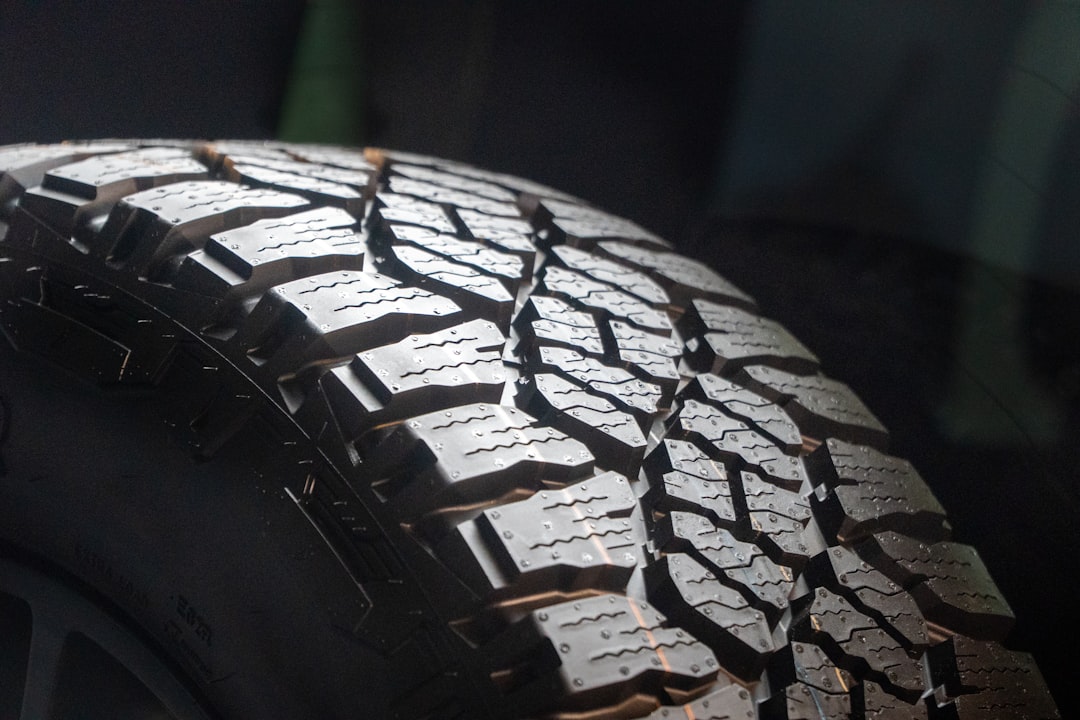
Puncture resistance starts with ply rating. Most hunting applications need at least an 8-ply tire. The carcass has to absorb impacts from rocks without splitting. Sidewalls take the worst abuse in technical terrain, so radial construction with reinforced sidewalls outlasts bias-ply designs in rough country. I run 10-ply tires on my own rig after a 6-ply sidewall failed three miles from the truck on a Colorado elk hunt.
Tread pattern determines how the tire performs in different conditions. Aggressive lugs bite in mud and loose dirt but ride rough on hardpack and wear faster. All-terrain patterns sacrifice some mud performance for better manners on gravel roads and mixed surfaces. If you hunt multiple states with different terrain, an all-terrain tire makes more sense than a dedicated mud tire unless you spend most of your season in swamps.
Best All-Terrain Tires for Mixed Hunting Conditions
All-terrain tires balance traction, durability, and road manners. They work in most western hunting situations where you encounter rocks, hardpack, occasional mud, and long access roads. These are my top picks for hunters who need one tire to handle everything.
Maxxis Carnivore: This is the tire I run. Eight-ply radial construction, aggressive shoulder lugs for cornering on sidehills, and a tread pattern that clears mud without beating you to death on two-track roads. The Carnivore handles sharp rocks better than most all-terrains and the tread life is excellent. I have put three seasons on the same set hauling heavy loads in Colorado and Wyoming without a flat. The ride is firm but predictable.
BFGoodrich Mud-Terrain T/A KM3 UTV: Adapted from the truck tire, the KM3 brings serious puncture resistance and mud traction to the UTV platform. The tread is loud on pavement but that does not matter in hunting applications. Sidewalls are tough enough for rocky technical sections and the self-cleaning tread works in wet clay and deep ruts. Heavier than the Carnivore but worth it if you hunt timber country with boggy access.
ITP Terra Cross R/T: A middle ground between all-terrain and mud tire. The tread bites well in loose conditions without the harshness of full mud lugs. Six-ply construction is lighter and more compliant but you sacrifice some puncture protection. Good choice for hunters in softer terrain or those prioritizing ride quality over maximum durability.
Best Mud Tires for Wet Country and Timber Hunts
If you hunt bottomlands, river drainages, or timber country with seasonal mud, dedicated mud tires make sense. They sacrifice road manners and tread life for traction in the worst conditions.
Interco Swamp Lite: Purpose-built for deep mud and water crossings. Tall, widely spaced lugs clean out fast and the lightweight design reduces rolling resistance. The Swamp Lite floats over soft ground better than heavier tires but you pay for it in puncture vulnerability. Best for flat, muddy terrain without rocks.
STI Roctane XD: More aggressive than an all-terrain but tougher than most mud tires. Eight-ply radial with a deep, self-cleaning tread. The Roctane handles mud and rocks equally well, making it a strong choice for western hunters who deal with creek crossings and loose shale on the same trip. Tread life is shorter than the Carnivore but traction in technical conditions is excellent.
Best Tires for Rocky Terrain and High-Elevation Hunting
Basalt, granite, and shale destroy tires faster than anything. If you hunt desert units, alpine basins, or volcanic plateaus, durability trumps tread pattern.
Tensor Regulator: Ten-ply radial construction specifically designed for sharp rocks. The tread is conservative but the carcass resists punctures better than anything else in this category. I know hunters who run these in Nevada and Arizona desert units where flats are common and the Regulator holds up. The trade-off is marginal mud performance.
Sedona Coyote: An affordable eight-ply option with a reinforced belt and tough sidewalls. The tread is shallow but durable. It works well on loose rock and hardpack but struggles in deep mud. Good value for hunters on a budget who prioritize puncture resistance over aggressive traction.
Free to join
Download mobile app
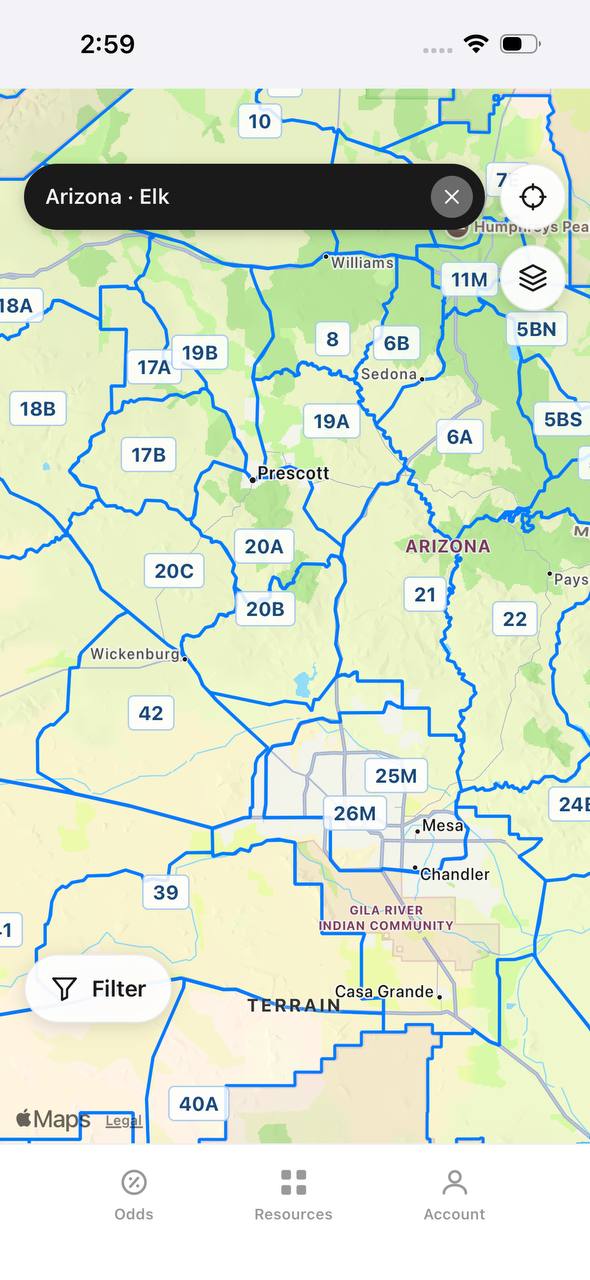
- Detailed draw odds
- Point tracking
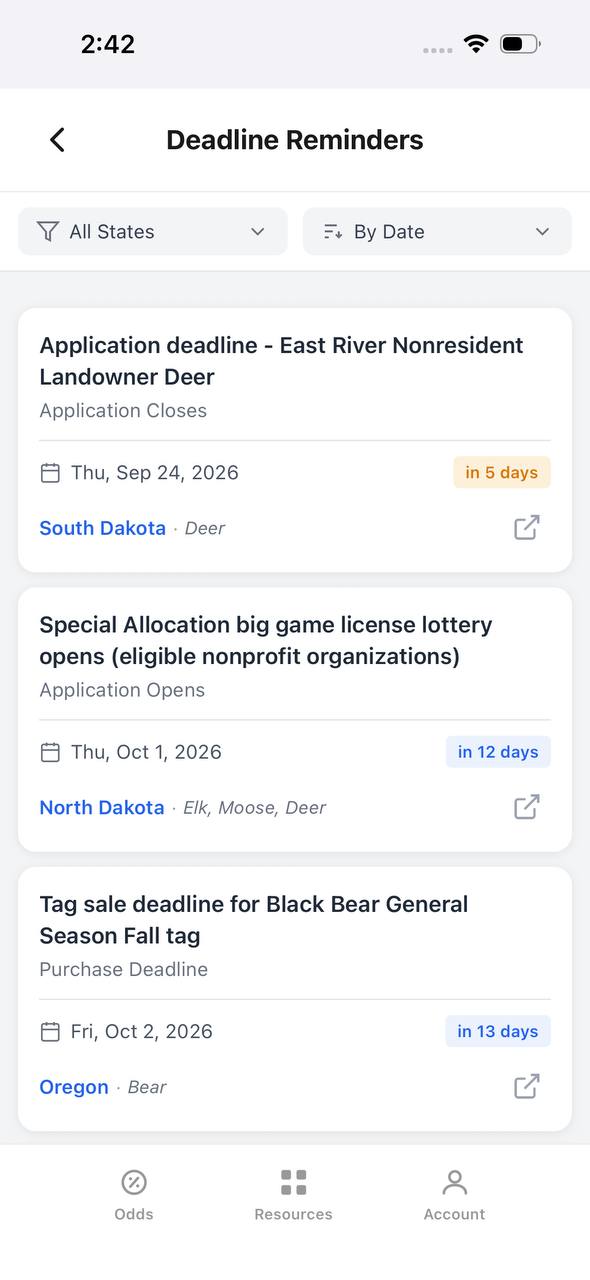
- Deadline reminders
- 18 states covered

Free to join
Download mobile app
- Detailed draw odds
- Point tracking
- Deadline reminders
- 18 states covered
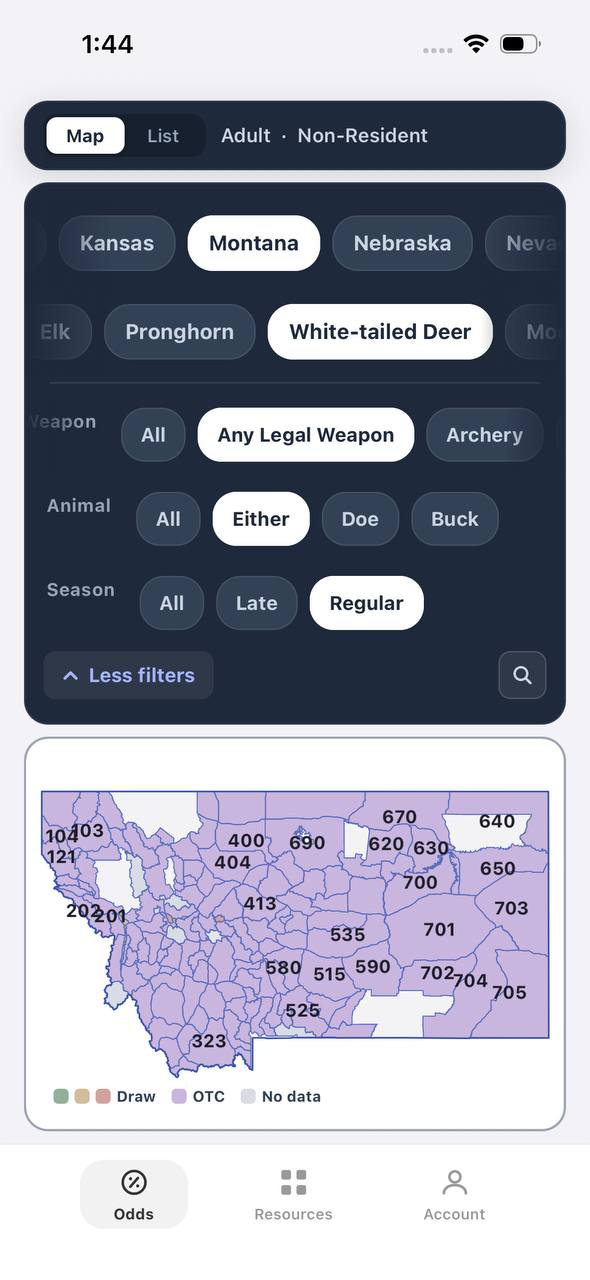
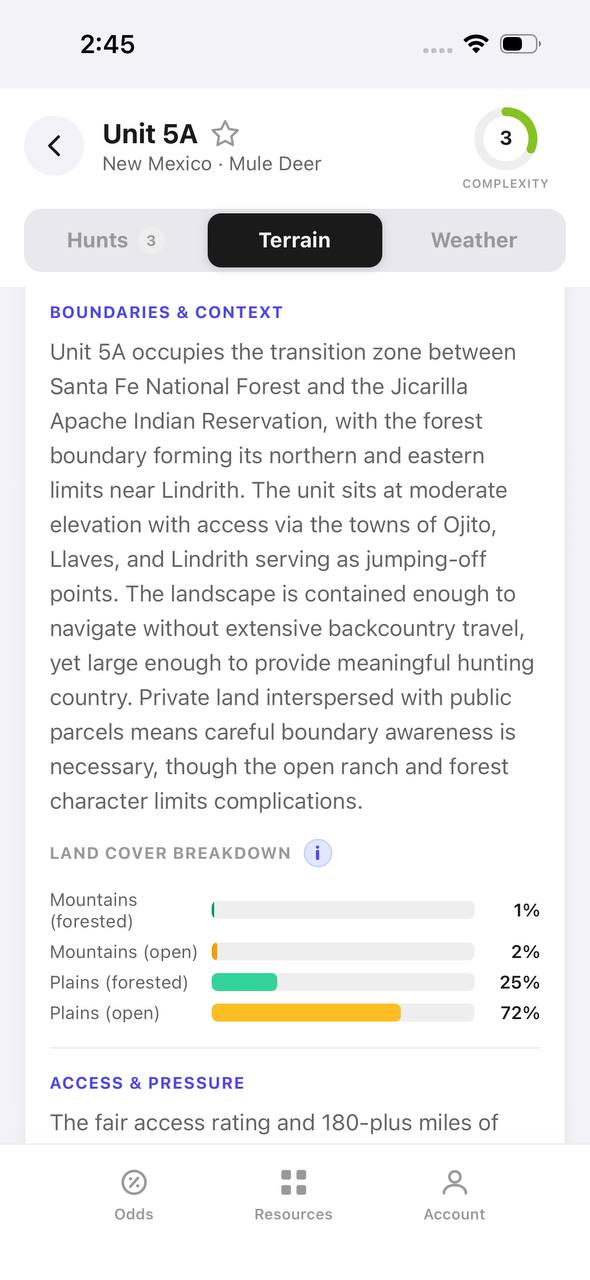
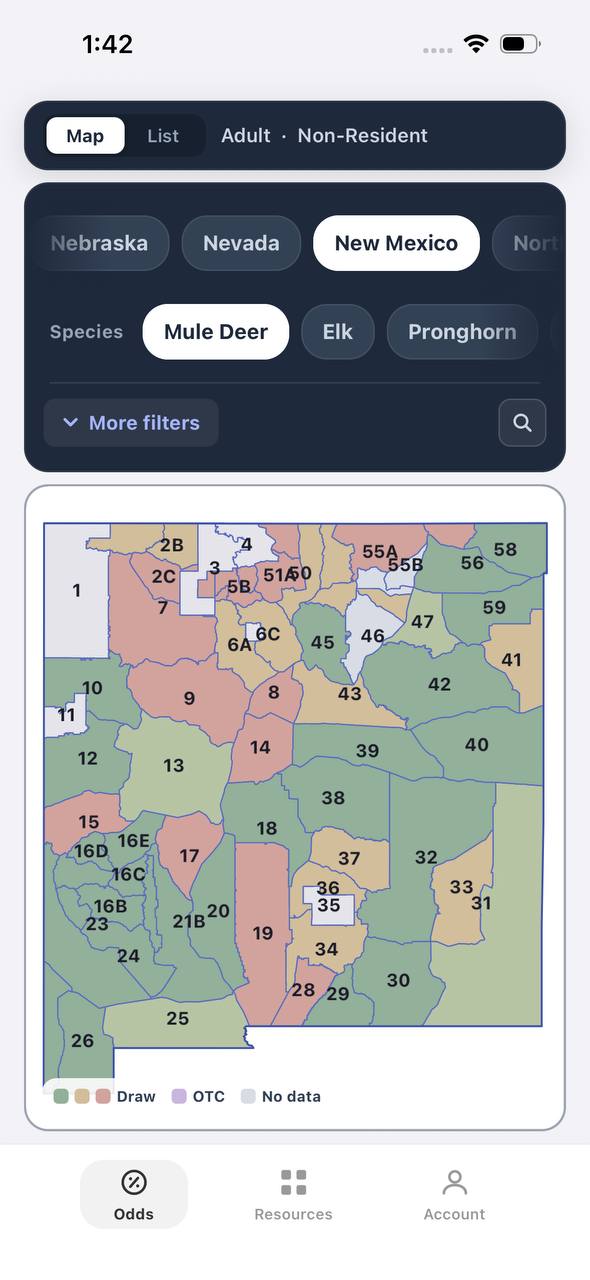
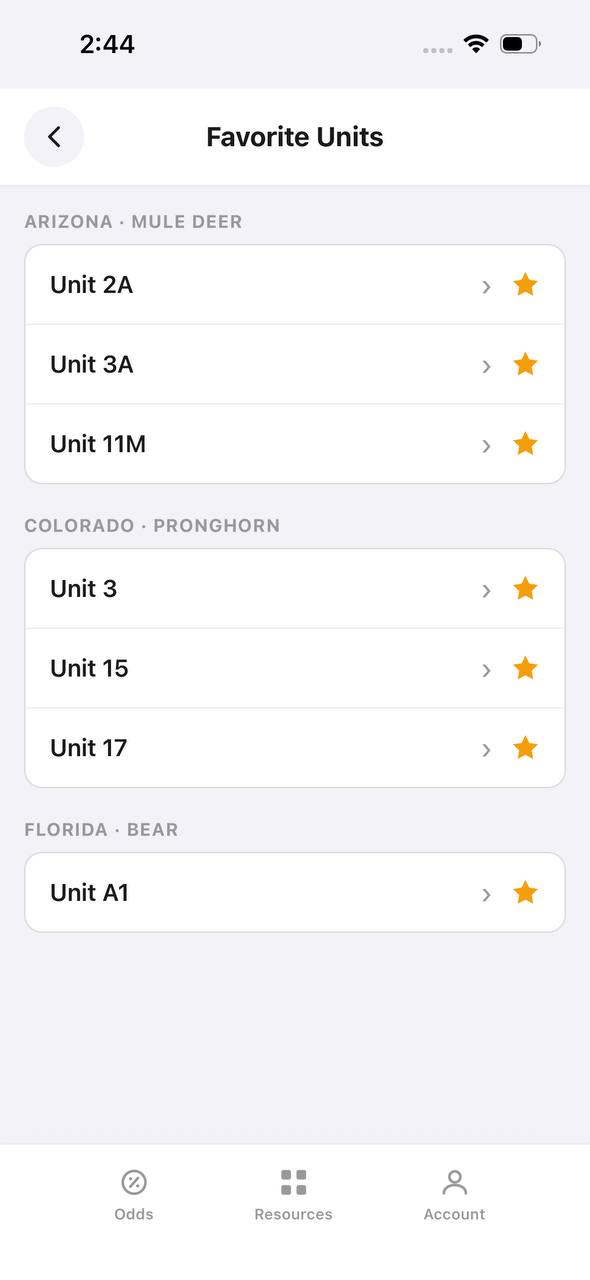
Free to join
Download mobile app
- Detailed draw odds
- Point tracking
- Deadline reminders
- 18 states covered

Snow and Cold-Weather Tire Considerations
Most hunters run the same tires year-round, but if you chase late-season elk or hunt deer in November snow, tread design matters. Siping improves traction on ice and packed snow. Tires with more tread blocks and less void space between lugs perform better in cold conditions than widely spaced mud tires.
Airing down helps in snow. Dropping to 8-10 psi increases the contact patch and improves flotation. Make sure your tires can handle low pressure without the bead breaking. Radial tires with stiffer sidewalls hold beads better than bias-ply designs at low pressure.
Studded tires are overkill for most hunting applications but if you deal with sustained ice on access roads, aftermarket studs are available for some UTV tires. I have never needed them but hunters in northern Idaho and Montana sometimes run studs in December.
Tire Size and Performance Trade-Offs
Bigger tires look good but they change how your machine handles. Upsizing adds ground clearance and a larger contact patch but increases rolling resistance, reduces acceleration, and stresses drivetrain components. Most side-by-sides handle a one-inch diameter increase without issues. Going bigger usually requires clutch work and sometimes gear reduction.
I run 30-inch tires on a machine designed for 29s. The extra clearance helps in deep ruts and over deadfall but I notice the power loss on steep climbs. If you are hunting high elevations where engines already lose power, stick closer to stock diameter.
Width matters less than diameter for ground clearance but wider tires reduce steering effort in loose terrain and provide a more stable platform on sidehills. The trade-off is more resistance in tight trees and increased chance of body rub at full articulation. Test full lock turns and suspension compression before committing to wider tires.
Ply Rating, Load Capacity, and Heavy Loads
Ply rating indicates carcass strength. Six-ply tires are fine for light recreational use but eight-ply is the minimum for serious hunting. If you haul full elk or moose quarters, consider ten-ply tires. The weight difference is minimal and the insurance against a flat five miles from the truck is worth it.
Load rating appears on the sidewall as a number and letter code. Most UTV tires are rated for 800-1200 pounds per tire. A typical side-by-side weighs 1400-1800 pounds empty. Add two hunters, gear, and 400 pounds of elk meat and you are pushing limits on six-ply tires. Eight-ply tires handle heavy loads better and maintain bead seal under stress.
Do not exceed load ratings by more than ten percent. An overloaded tire generates excessive heat and the carcass fatigues faster. If you regularly haul heavy loads, consider upgrading to a heavier-duty tire rather than pushing a lighter tire beyond its design.
Free to join
Download mobile app
- Detailed draw odds
- Point tracking
- Deadline reminders
- 18 states covered
Free to join
Download mobile app
- Detailed draw odds
- Point tracking
- Deadline reminders
- 18 states covered
Free to join
Download mobile app
- Detailed draw odds
- Point tracking
- Deadline reminders
- 18 states covered
Tire Pressure and Terrain Adjustments
Most UTV tires run 12-15 psi for general use. Lower pressure improves traction and ride quality but increases puncture risk and can break beads on sharp turns. Higher pressure protects against pinch flats on rocks but reduces traction and beats up the machine on rough trails.
I run 12 psi on groomed roads and hardpack, drop to 10 psi for rocky technical sections, and air down to 8 psi in deep snow or sand. Carry a portable compressor. Adjusting pressure for terrain makes a bigger difference than most hunters realize.
Check pressure when tires are cold. Pressure increases 1-2 psi for every 10 degrees of temperature rise. A tire at 12 psi in the morning might read 14 psi after a hard climb in afternoon sun. Set pressure based on the coldest part of your day.
Maintenance and Inspection Between Hunts
Check tread depth and sidewalls before each season. Look for cuts, bulges, and embedded rocks. Small cuts in the tread are cosmetic but sidewall damage compromises structural integrity. Replace tires with visible cords or bulges.
Rotate tires every season if wear is uneven. Front tires on four-wheel-drive machines wear faster on the inside edge from steering load. Swapping front to rear evens out wear and extends tire life.
Clean mud out of treads after hunts. Dried mud throws the tire out of balance and accelerates wear. Use a pressure washer or stiff brush to clear tread blocks.
When to Replace Hunting Tires
Tread depth is the obvious indicator but sidewall condition matters more for hunting tires. Replace tires when sidewalls show cracking, bulges, or significant cuts even if tread depth is acceptable. A sidewall failure in the backcountry is a long walk.
Most hunting tires last three to five seasons depending on use. High-mileage hunters who run thousands of miles on gravel roads wear tires faster than hunters who make short trips into the backcountry. Track mileage and inspect regularly.
If you have one flat per season, the tire still has life. Multiple flats suggest the carcass is fatigued or you are running the wrong tire for your terrain. Upgrade to a higher ply rating or more puncture-resistant design.
Free to join
Download mobile app
- Detailed draw odds
- Point tracking
- Deadline reminders
- 18 states covered
Free to join
Download mobile app
- Detailed draw odds
- Point tracking
- Deadline reminders
- 18 states covered
Free to join
Download mobile app
- Detailed draw odds
- Point tracking
- Deadline reminders
- 18 states covered
Mounting, Balancing, and Bead Seating
Most UTV wheels use standard ATV tire mounting. If you mount tires yourself, use tire lube and work the bead onto the rim carefully to avoid pinching the tube or damaging the bead. Tubeless setups require clean bead seats and proper sealant.
Balancing improves ride quality and extends tire life. Most hunters skip balancing on UTV tires but it makes a noticeable difference at higher speeds on access roads. Tire shops can balance UTV tires using stick-on weights.
Bead seating can be tricky on stiff sidewalls. Use an air compressor with high flow capacity. A standard pancake compressor struggles to seat beads on ten-ply tires. Starting fluid and a lighter is a common field method but risky. If you go that route, use minimal fluid and stand clear of the tire.
Cost vs. Value in Hunting Tires
Cheap tires are expensive when they fail. A quality set of eight-ply all-terrain tires costs $600-$900 for four tires. Budget tires run $400-$500 but you replace them more often and deal with more flats. I replace tires every three to four years with quality rubber. Cheap tires need replacement every two years and I spend more time fixing flats.
Factor in the cost of a ruined hunt. A flat tire five miles from the truck on opening morning wastes the day and potentially the tag if weather moves in. The difference between good tires and great tires is fifty dollars per tire. That is cheap insurance.
Buy tires during off-season sales. Most retailers discount UTV tires in winter and late summer. Order online if local shops do not stock hunting-specific tires but verify return policies. Some tires look aggressive in photos but perform poorly in real conditions.
FAQ — UTV Hunting Tires
What ply rating do I need for hunting tires?
Eight-ply minimum for serious hunting use. Six-ply tires work in light recreational applications but lack puncture resistance for backcountry hunting. Ten-ply tires offer maximum protection in rocky terrain or when hauling heavy game loads.
Can I run different tires front and rear?
Yes, but tread patterns should be similar. Some hunters run more aggressive tires on the rear for traction and all-terrain tires on the front for steering feel. Mismatched diameters affect drivetrain performance and should be avoided.
How often should I replace UTV hunting tires?
Every three to five seasons depending on mileage and terrain. Replace sooner if sidewalls show cracking or damage. Tread depth is less critical than sidewall integrity for hunting applications.
Do I need to balance UTV tires?
Not required but recommended. Balancing improves ride quality at higher speeds and extends tire life. Most UTV shops can balance tires for $10-$15 per wheel.
What tire pressure should I run for hunting?
Twelve to fifteen psi for general use. Drop to 8-10 psi for snow, sand, or soft terrain. Increase to 14-16 psi on sharp rocks to reduce puncture risk. Adjust based on load and conditions.
Are mud tires worth it for western hunting?
Only if you hunt wet timber or bottomlands regularly. All-terrain tires handle most western conditions better and last longer. Dedicated mud tires sacrifice durability and road manners for traction in deep mud.
Continue Planning Your Hunt
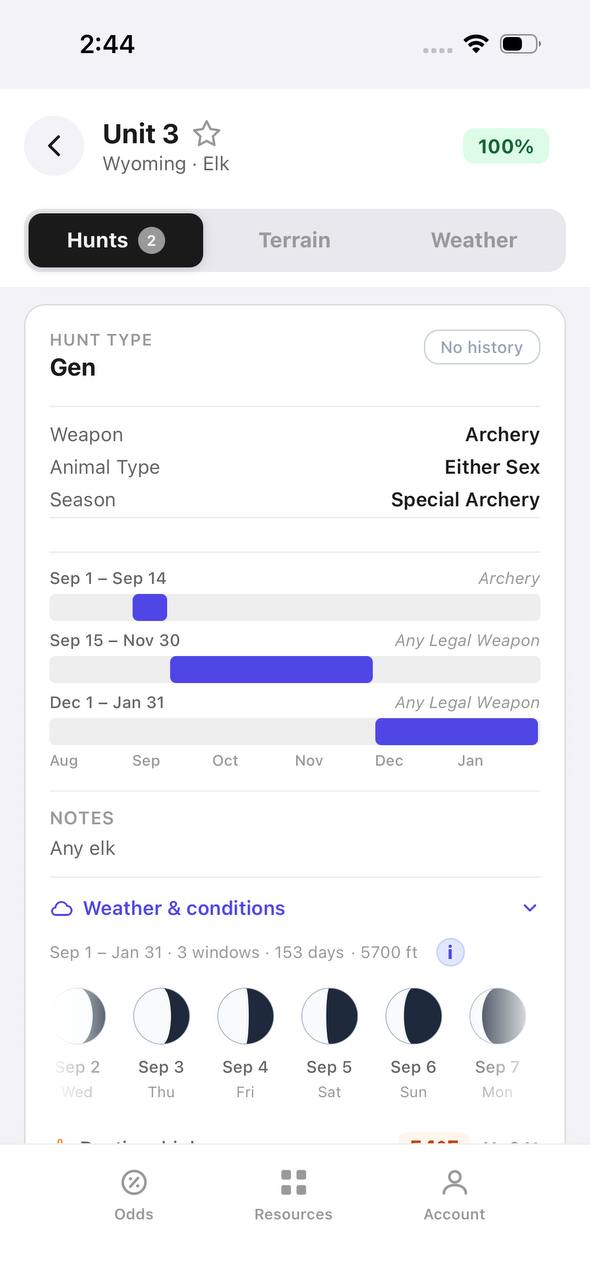
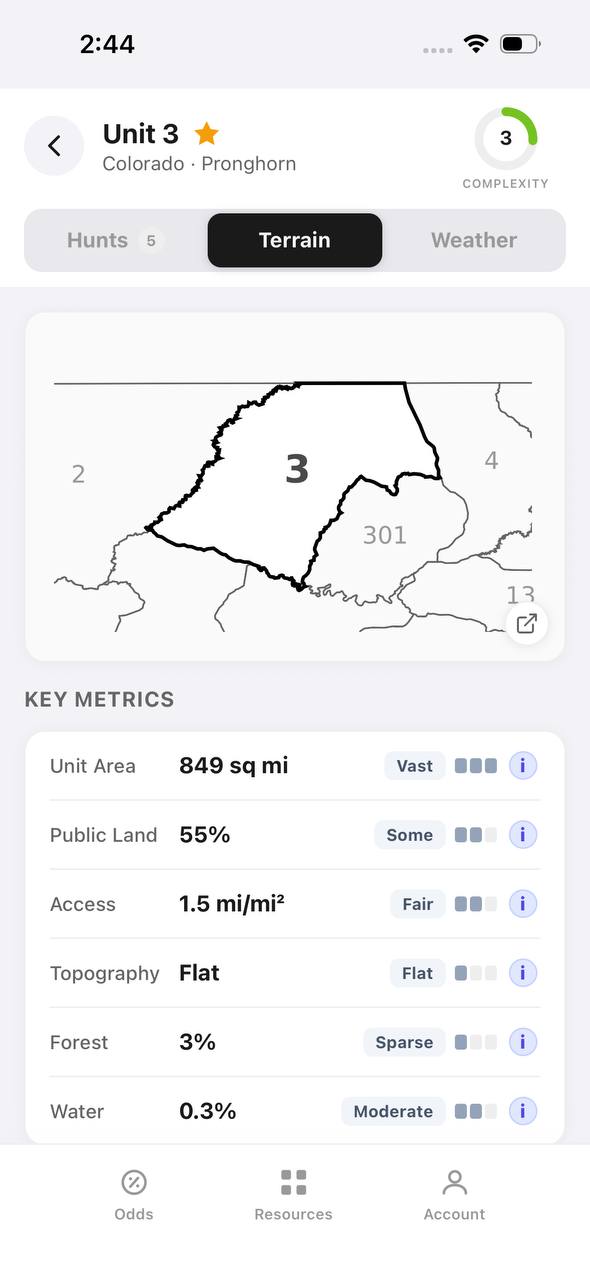
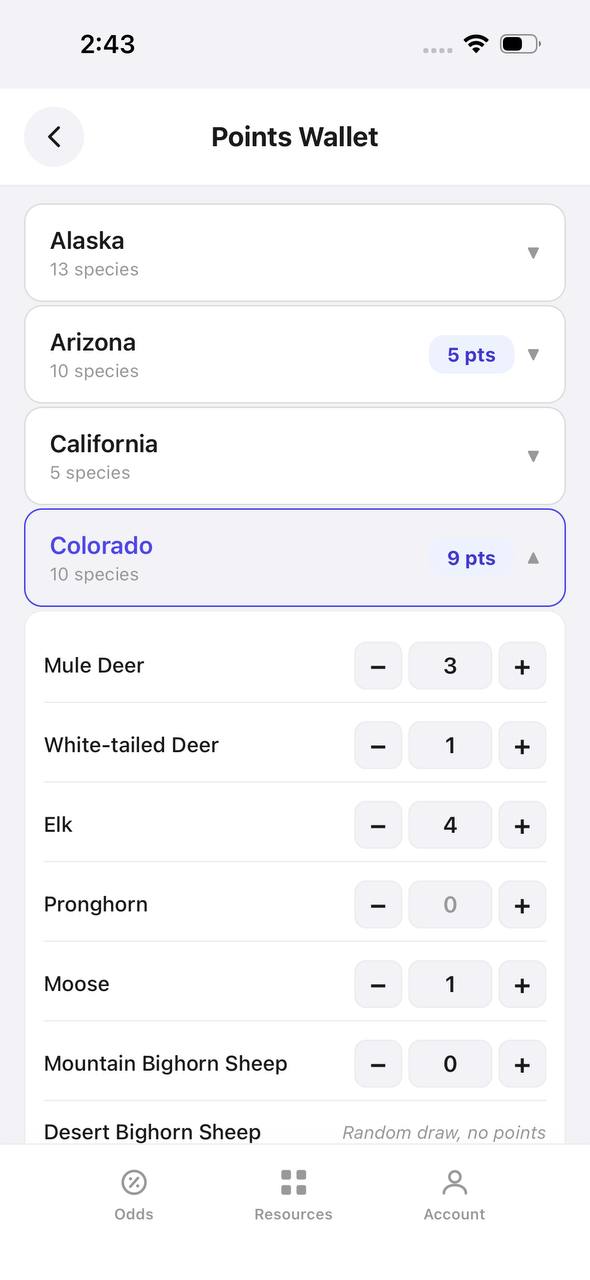
Getting to your hunting area is only part of the equation. Once you are glassing ridges or scouting units, you need reliable data to make smarter decisions about where to apply and how to maximize draw odds. TAGZ helps hunters compare units side by side using terrain maps, unit boundaries, and historical draw data. Track your preference points and bonus points across multiple states so you never miss a draw deadline. Whether you are chasing OTC tags or planning a trophy limited-entry hunt, TAGZ gives you the tools to make smarter decisions before you ever step into the field.
Explore more hunting strategies and gear insights on the TAGZ Insights page, compare draw odds and plan applications with the TAGZ platform, or review membership options on our pricing page. Build your hunt plan with confidence using tools designed for serious western hunters.
Was this article helpful?
Previous
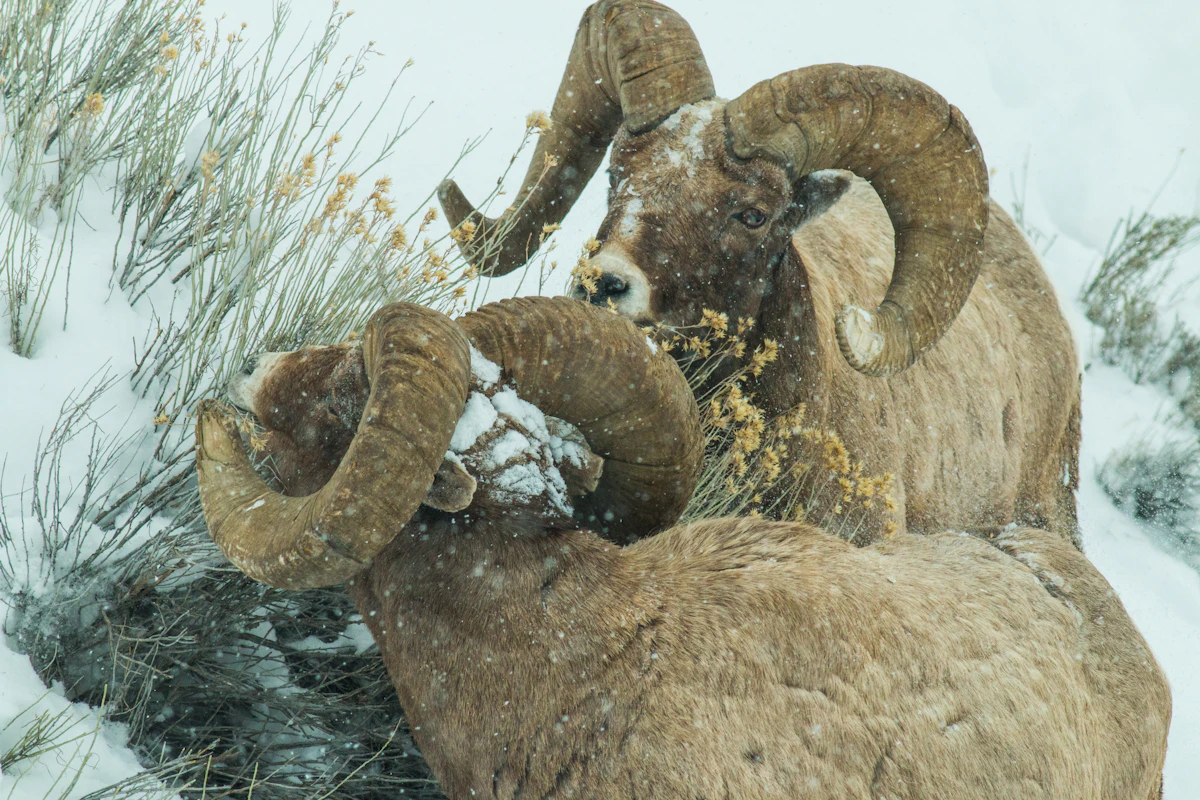
Finding Rams: How to Scout, Glass, and Hunt Bighorn Sheep
Locating bighorn rams requires strategic glassing from high vantage points, understanding seasonal movement patterns, and patience. Learn proven tactics for spotting sheep in rugged alpine terrain and planning a successful hunt.
Related
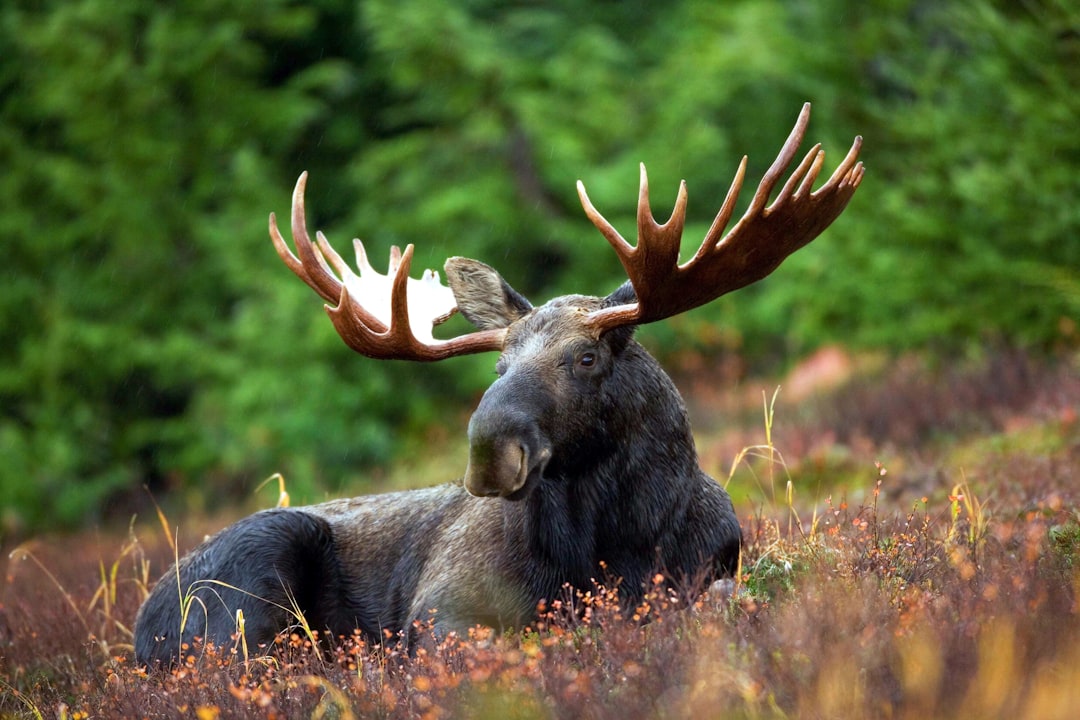
Field Judging Moose — How to Score Bulls in the Field
Learn proven techniques for estimating moose antler size in the field, from palmation width to point count. This guide helps hunters make confident harvest decisions on bulls scoring 140 to 200+ inches.
Next
Best Camp Stoves for Western Hunting Camps in 2025
The right camp stove can make or break a backcountry hunt. We break down the best options for car camping, spike camps, and ultralight backpack hunts — from canister stoves to multi-fuel systems that work in freezing temps and high elevation.