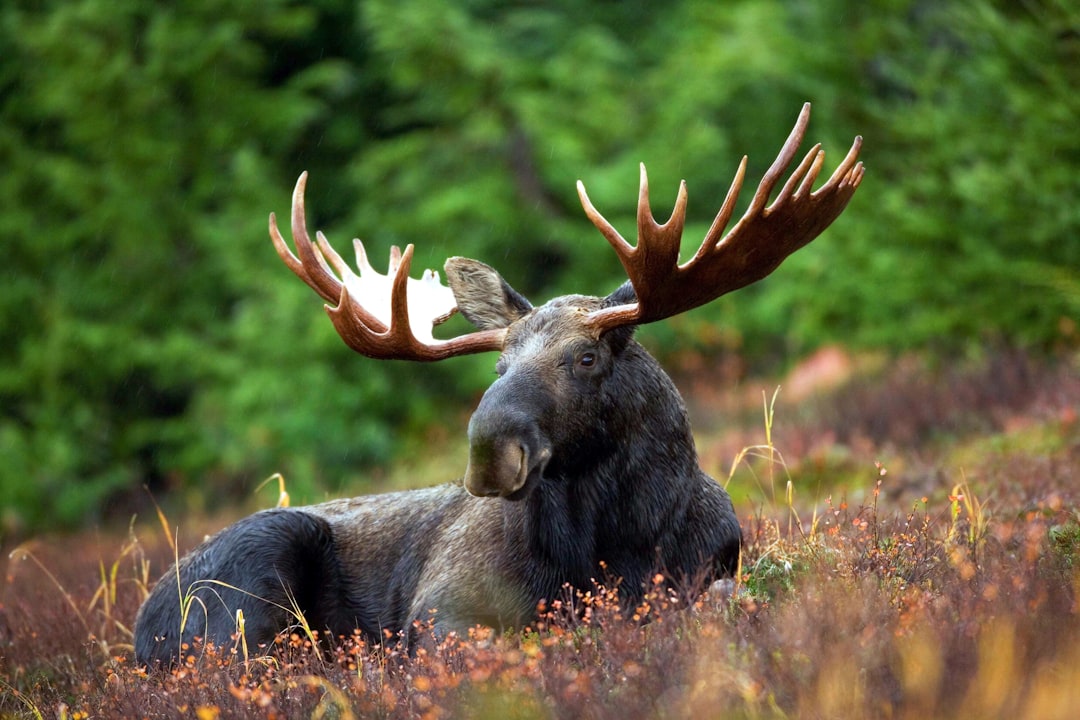
Field judging a moose bull requires understanding antler structure, knowing what measurements matter most, and making quick assessments when a bull steps into view. Unlike elk or deer where main beam length drives the score, moose antlers are judged primarily on palmation width, overall spread, and the number and length of points extending from the palms.
A mature Shiras moose bull typically scores 120 to 150 inches. Alaska-Yukon and Canada moose bulls regularly exceed 180 inches, with exceptional specimens pushing past 200. The ability to field judge accurately determines whether you pull the trigger on a solid representative bull or hold out for something exceptional.
Understanding Moose Antler Anatomy
Moose antlers consist of a main beam that extends upward from the skull, then flattens into a palm. Points project from the outer edge and top of the palm. The widest part of the palm, measured perpendicular to the main beam, is called the palmation width. The greatest inside spread is measured between the widest points of the two antlers, typically at the outer edges of the palms.
Shiras moose in the Lower 48 have smaller frames than their northern cousins. A 40-inch inside spread is good for a Shiras bull. Alaska-Yukon moose commonly reach 55 to 65 inches, and exceptional bulls exceed 70 inches.
Palmation width varies dramatically. A mature Shiras bull might have palms 12 to 18 inches wide. Alaska-Yukon bulls often show palms 18 to 24 inches wide, with true monsters exceeding 26 inches. Wide, heavily palmated antlers with numerous long points separate average bulls from book-quality trophies.
How to Estimate Palmation Width
Palmation width is the most critical measurement for field judging moose. Use the bull's ear as a reference point. A moose ear from base to tip measures roughly 10 to 12 inches depending on subspecies and individual variation.
If the palm width equals the ear length, you are looking at a 10 to 12-inch palm. If the palm is clearly wider than the ear by half again, estimate 15 to 18 inches. When the palm dwarfs the ear and appears twice as wide, you are likely seeing 20+ inches of palmation.
Glass bulls from multiple angles. Palmation width changes dramatically depending on how the bull holds his head and which direction he faces. A bull quartering toward you may hide palmation, while a broadside view reveals the true width. Wait for the bull to turn his head and present a clean profile before committing to your estimate.
Judging Inside Spread
Inside spread contributes significantly to final score but is harder to estimate accurately in the field. Compare the spread to body reference points. A mature bull moose stands roughly 6 to 7 feet tall at the shoulder. If the antlers appear to extend well beyond the shoulder width on both sides, you are likely looking at a wide bull.
For Alaska-Yukon moose, a 60-inch spread is solid. A 65-inch spread is exceptional. Anything approaching or exceeding 70 inches is truly massive. Shiras bulls with 42 to 45 inches of spread represent excellent trophies.
Do not confuse visual width with actual inside spread. Bulls with heavy, forward-curving palms may look wider than they measure. Bulls with palms that angle back or hang lower appear narrower. The measurement is taken at the widest inside point between the antlers, which may not align with where the antlers look widest from your vantage point.
Counting and Evaluating Points
Points extending from the palm add inches quickly. Boone and Crockett scoring counts points on both antlers and includes brow tines. A bull with 12 points per side and good brow tines carries 26 scoreable points. If those points average 6 inches each, they contribute 156 inches to the total score before you even add palmation width, spread, or main beam length.
Long points matter more than numerous short points. A bull with 10 long points per side scores higher than a bull with 15 short stubs. Look for points that extend well beyond the palm edge, creating a serrated or crown-like appearance.
Brow tines, also called shovel points or bez points, project forward from the base of the main beam. Some bulls develop long, palmated brow tines that add significant inches. Others have short, single-point brow tines or lack them entirely. A bull with heavy brow palmation gains a scoring advantage.
Free to join
Download mobile app
- Detailed draw odds
- Point tracking
- Deadline reminders
- 18 states covered

Free to join
Download mobile app
- Detailed draw odds
- Point tracking
- Deadline reminders
- 18 states covered
Free to join
Download mobile app
- Detailed draw odds
- Point tracking
- Deadline reminders
- 18 states covered
Using the Bull's Body for Scale
Reference points on the bull's body help estimate measurements when you cannot see the antlers clearly against the sky or a hillside. A moose's body is roughly 8 to 9 feet long from chest to rump. The shoulder height is 6 to 7 feet.
If the antlers extend from the top of the head to the midpoint of the shoulder when the bull drops his head to feed, you are looking at roughly 3 to 3.5 feet of vertical antler height. If the antlers reach down to the bull's knee when he lowers his head, they are exceptionally long.
Use the muzzle-to-eye distance as a rough 12-inch reference. The distance from the eye to the base of the antler is another 12 to 15 inches depending on the individual bull. These body proportions give you anchor points for estimating palmation width and point length.
What Separates a 160-Inch Bull from a 200-Inch Bull
A 160-inch Shiras bull is a solid, mature animal that most hunters would be proud to tag. He likely carries 40 to 42 inches of inside spread, 14 to 16 inches of palmation per side, and 10 to 12 points per side averaging 5 to 6 inches each.
A 180-inch Alaska-Yukon bull shows 55 to 60 inches of spread, 18 to 20 inches of palmation, and 12 to 14 points per side averaging 6 to 7 inches. The palms are noticeably wide and heavily serrated.
A 200-inch Alaska-Yukon bull is a genuine trophy. Expect 62+ inches of spread, 22+ inches of palmation, 14+ points per side, and point lengths averaging 7 to 9 inches. The antlers dominate the bull's profile. The palms are massive, the points are long and numerous, and the overall mass is undeniable.
The difference between a 160-inch bull and a 200-inch bull is not subtle. The 200-inch bull looks bigger in every dimension. The palms are wider, the points are longer, the spread is greater, and the overall antler mass is significantly heavier.
Common Mistakes When Field Judging Moose
Hunters frequently overestimate moose antler size because moose are massive animals and their antlers look impressive in any context. A bull with 50 inches of spread still carries antlers wider than most hunters are tall, but 50 inches is below average for a mature Alaska-Yukon bull.
Another common error is judging a bull from a single angle. Moose antlers are not symmetrical, and they change appearance dramatically as the bull moves. A bull may look wide from the front but narrow from the side. Always wait for multiple viewing angles before making your final estimate.
Hunters also misjudge point length. A 6-inch point extending from a palm looks shorter than a 6-inch point on a whitetail deer because the palm itself is so large. Use the ear or eye-to-nose distance to calibrate your estimates.
When to Shoot and When to Pass
Your decision depends on hunt conditions, tag availability, and personal goals. If you drew a once-in-a-lifetime tag in a limited-entry unit, holding out for a 180+ bull makes sense. If you are hunting an over-the-counter Shiras unit in Montana where bulls are scarce, a mature 130-inch bull may represent a great opportunity.
Consider the biological age of the bull, not just the antler score. A 6-year-old bull with 140 inches of antler is still growing. A 12-year-old bull with 140 inches has likely peaked. Older bulls often show worn teeth, graying facial hair, and a swayed back. These animals are past their prime and make excellent targets even if their antlers are not record-book size.
If you are uncertain whether a bull meets your minimum standard, continue glassing. Moose move slowly and often feed in the same drainage for hours or days. You will likely get another opportunity to evaluate the bull from a better angle or in better light.
Field Judging in Poor Light and Thick Cover
Moose hunting often happens in dense willow thickets, alder patches, or dark timber where you cannot see the entire rack at once. You may only glimpse the antlers through branches or catch a partial view as the bull feeds.
Focus on one or two key measurements you can confirm. If you clearly see wide palmation and long points on one side, assume the other side is similar unless you have evidence otherwise. Most mature bulls are reasonably symmetrical.
In low light at dawn or dusk, antlers can appear darker and smaller than they actually are. If possible, wait for better light before making your final decision. If time is limited and you must decide quickly, err on the side of caution and prioritize confirming the bull is legal and mature rather than fixating on trophy potential.
Using TAGZ to Research Moose Units Before Your Hunt
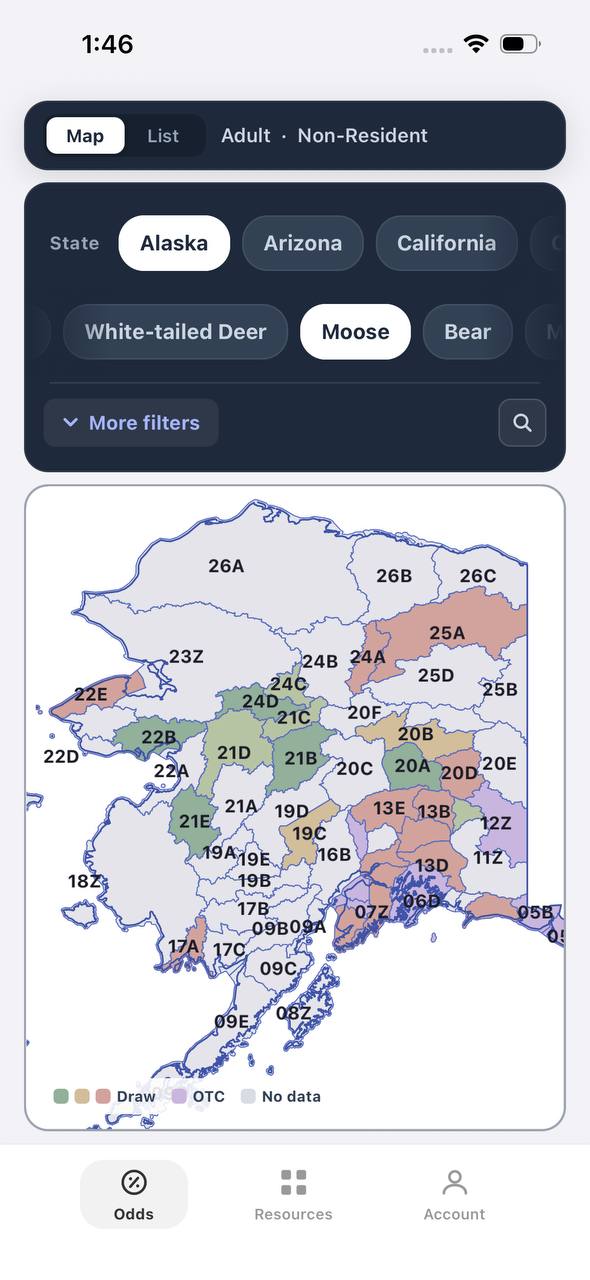
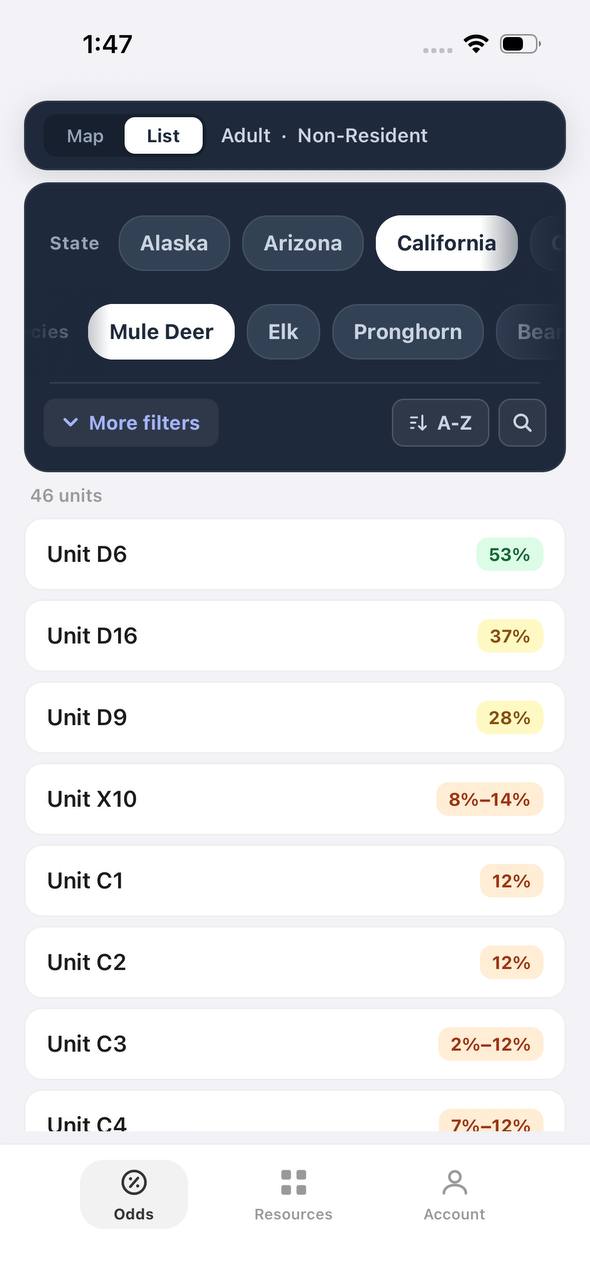
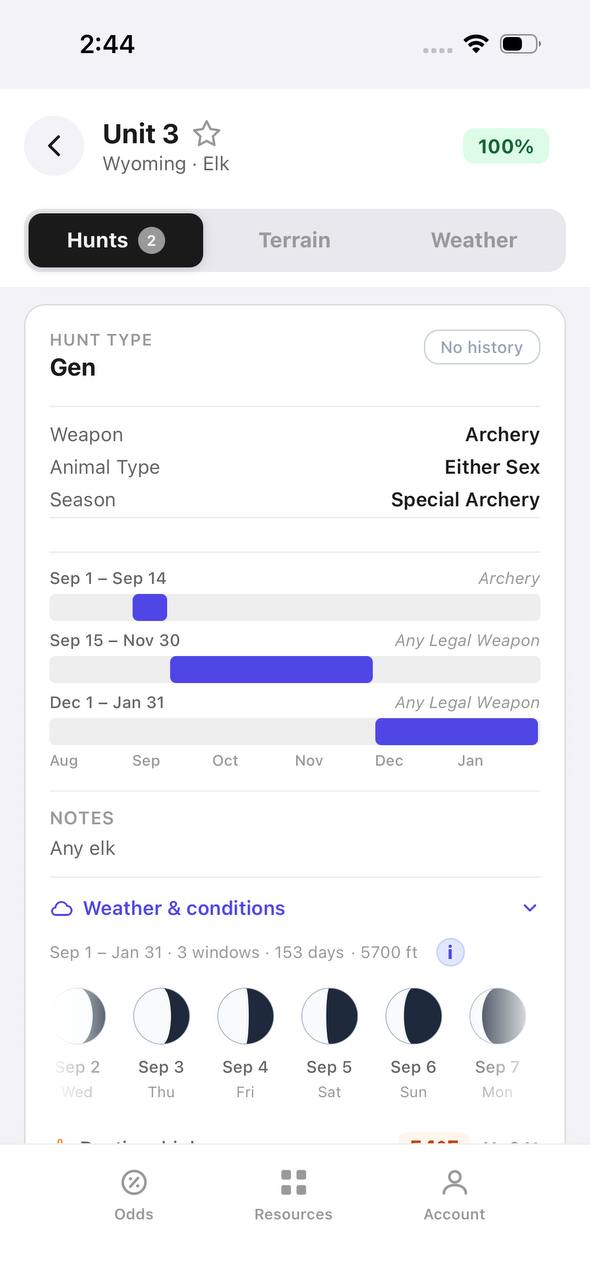
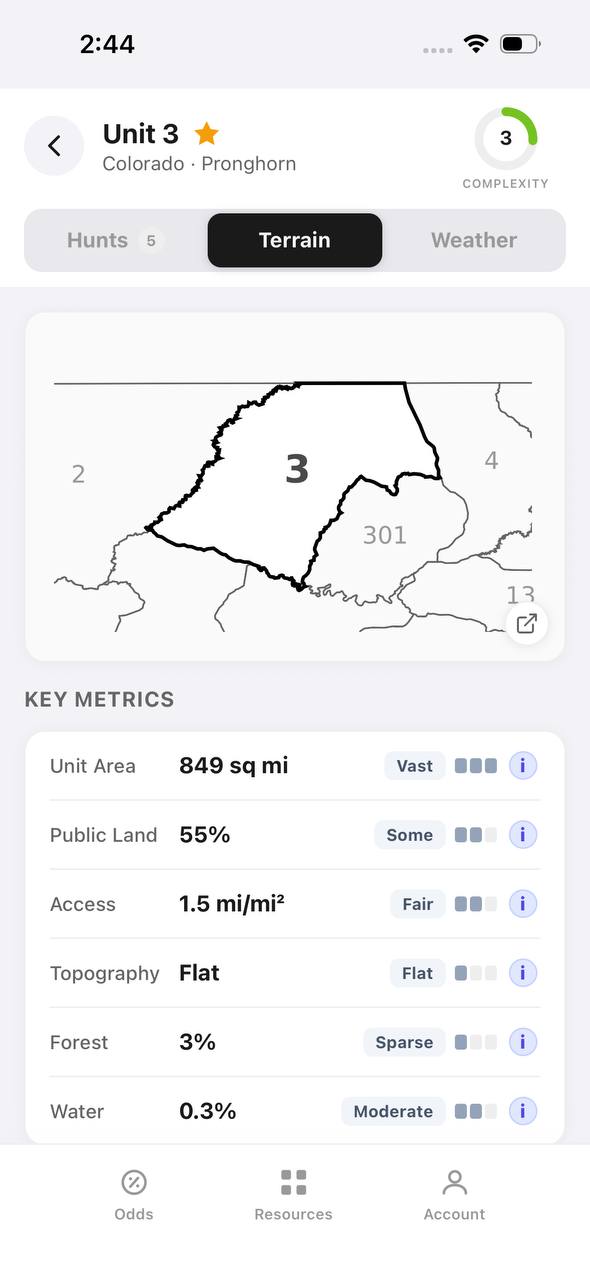
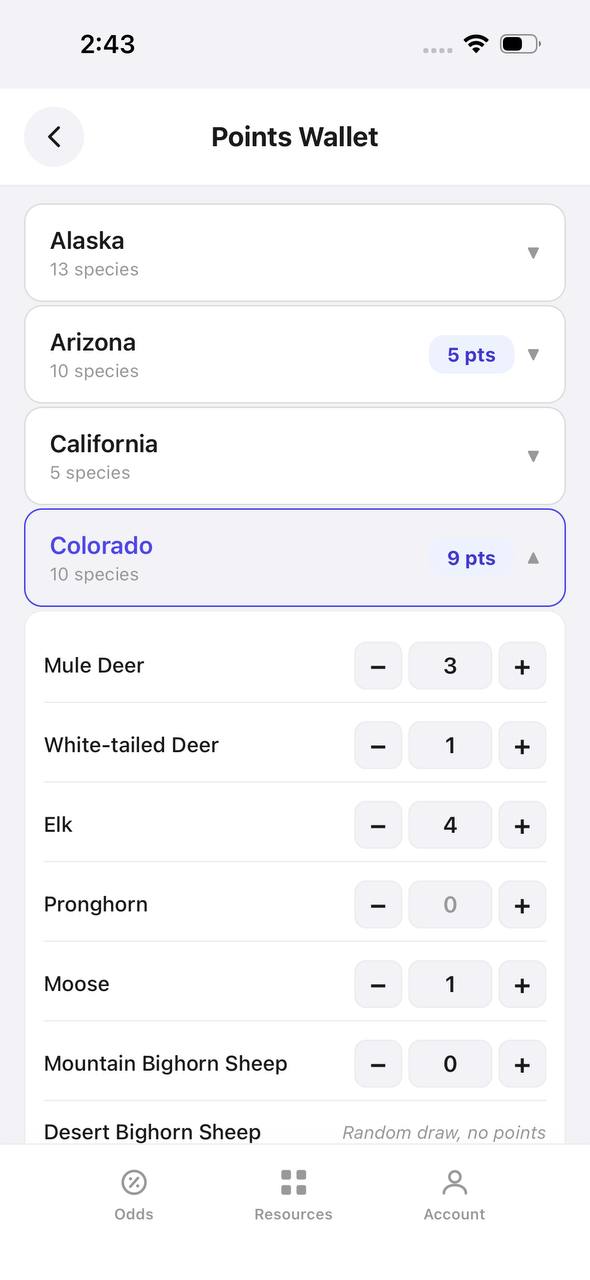
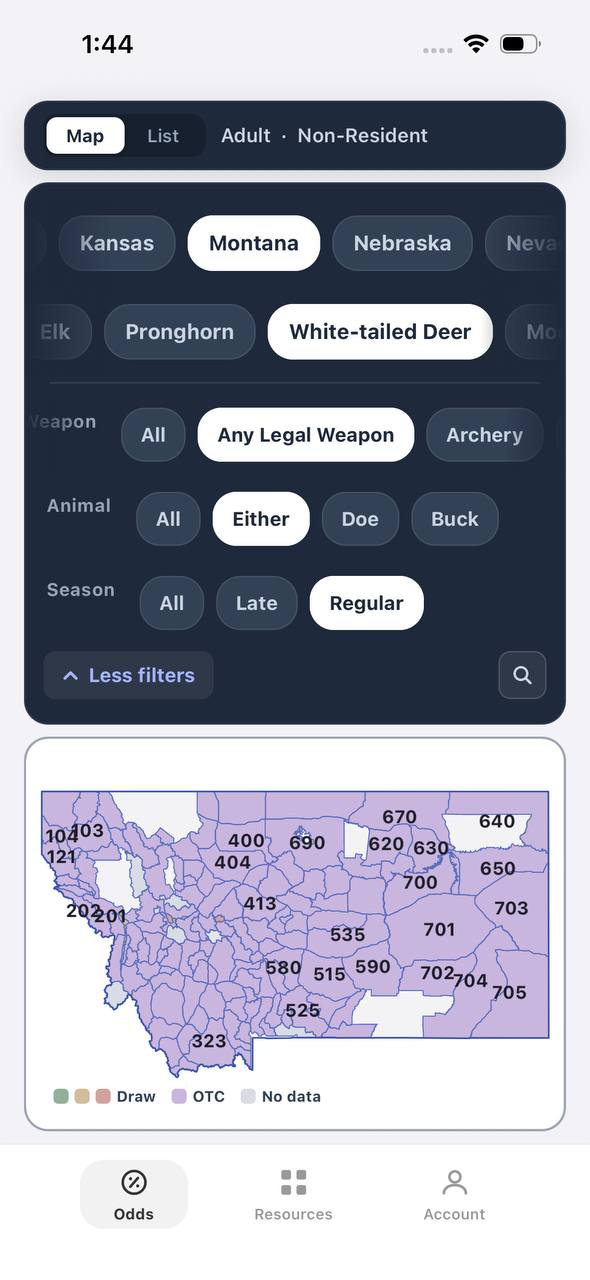
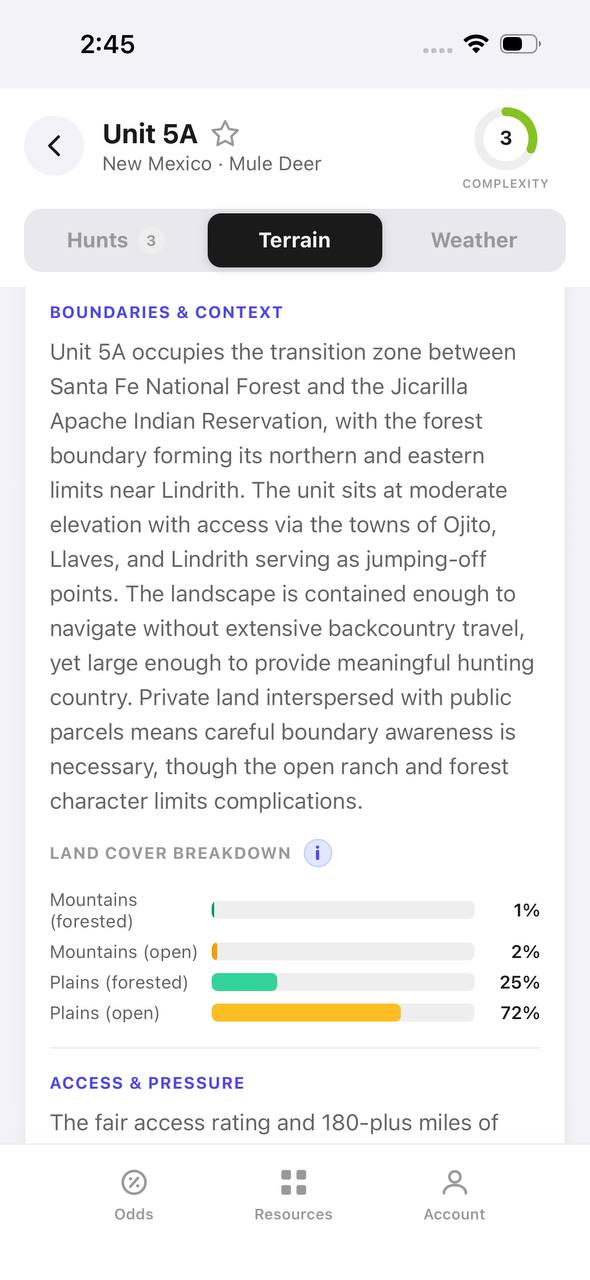
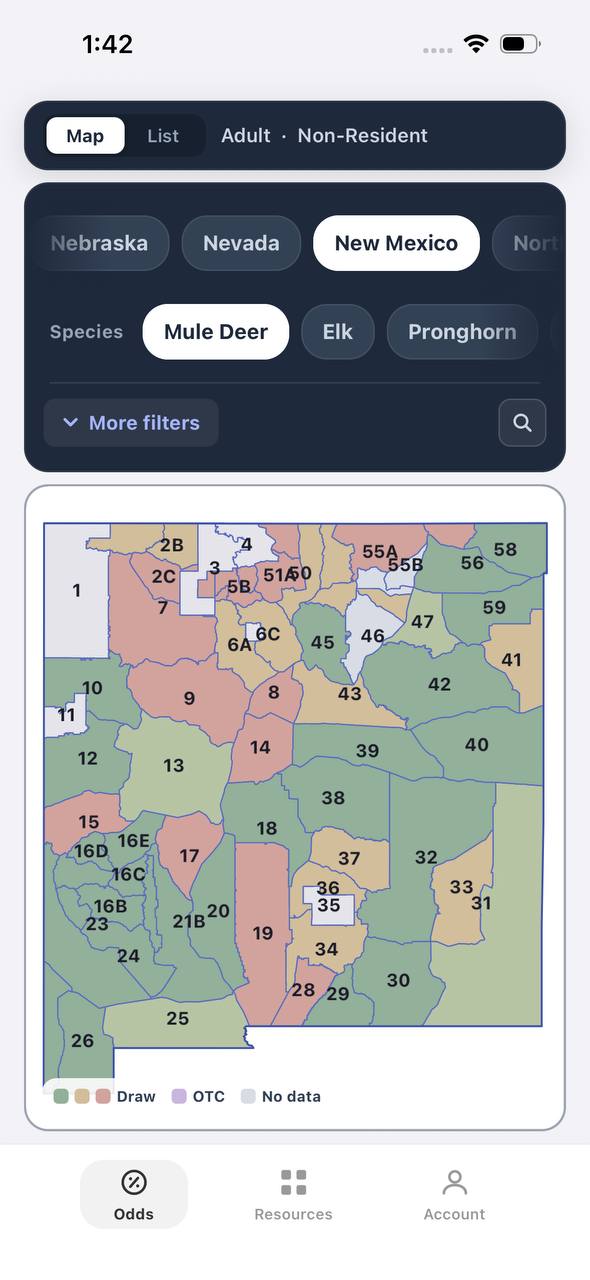
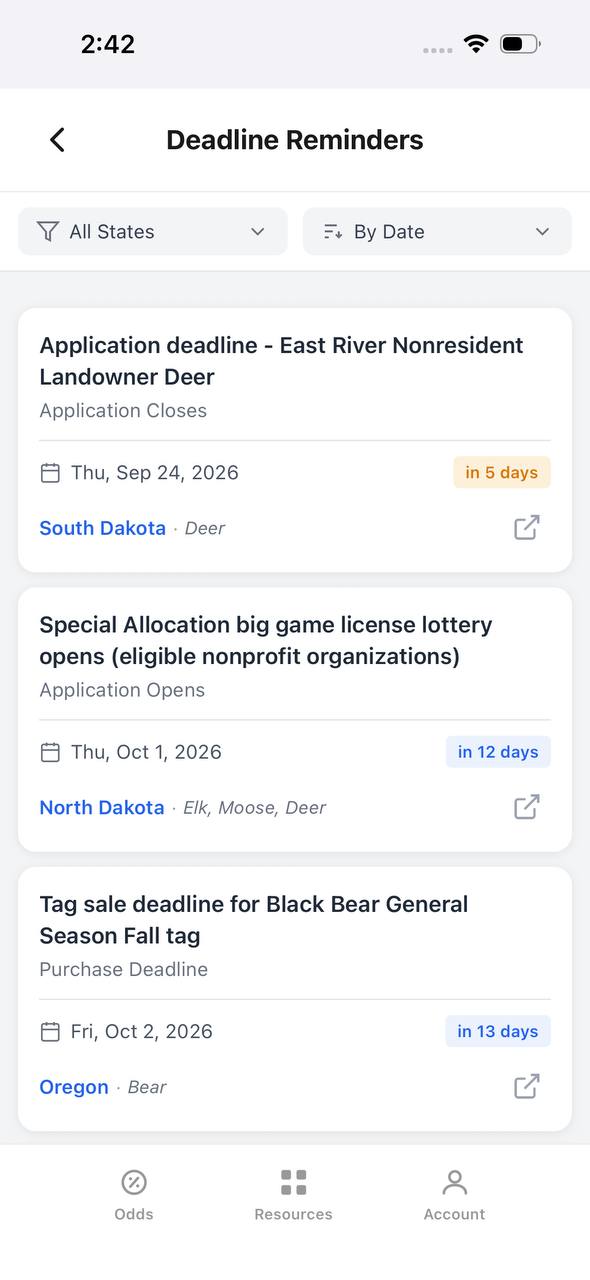
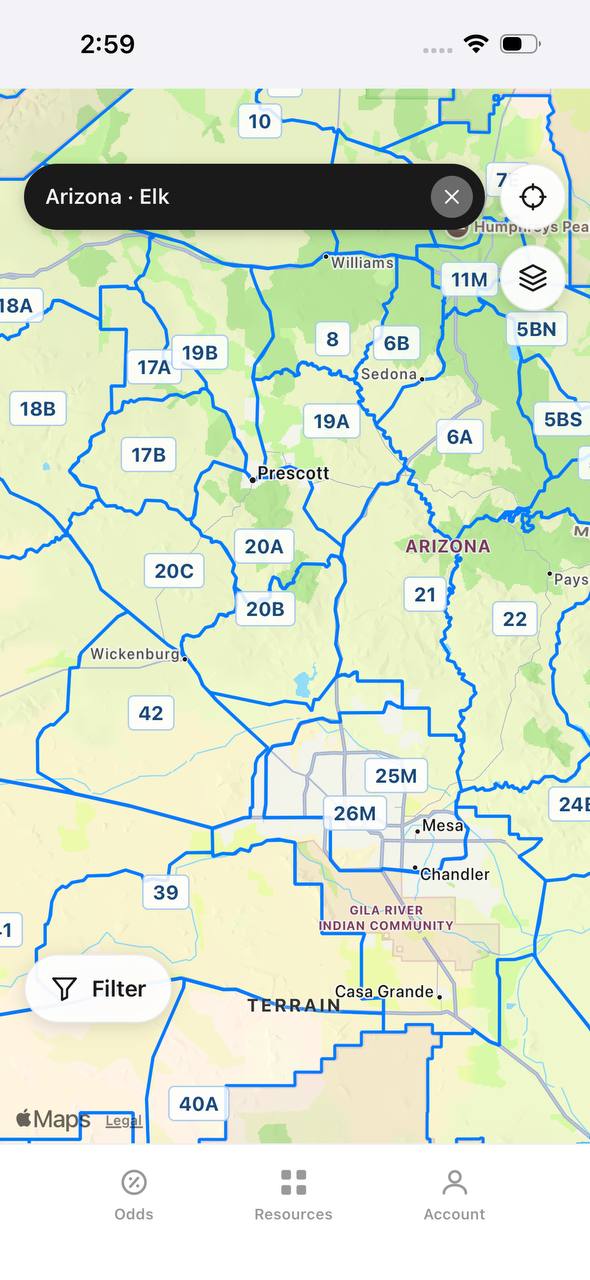
Before you step into the field to judge moose, research the unit you are hunting to understand what realistic expectations look like. TAGZ helps you compare moose units side by side using terrain maps, unit boundaries, and historical draw data. Track your preference points and bonus points across multiple states so you never miss a draw deadline.
Whether you are chasing a once-in-a-lifetime Alaska-Yukon bull or planning a Shiras hunt in Montana, Wyoming, or Idaho, TAGZ gives you the tools to make smarter decisions before you ever step into the field. Review draw odds for specific units, filter hunts by weapon and season, and study public land boundaries so you know where to focus your scouting efforts.
FAQ — Field Judging Moose
How wide should a moose's palmation be to be considered a good bull?
For Shiras moose, 16+ inches of palmation per side represents a good bull. Alaska-Yukon moose should show 20+ inches of palmation to be considered above average, with true trophies exceeding 24 inches.
What is a realistic inside spread for a mature Alaska-Yukon moose?
A mature Alaska-Yukon bull typically carries 55 to 60 inches of inside spread. Bulls exceeding 65 inches are exceptional, and anything over 70 inches is genuinely massive.
How many points should a book-quality moose have?
Most book-quality bulls carry 12 to 16 points per side. Point count alone does not determine score — point length matters more. A bull with 10 long points scores higher than a bull with 15 short points.
Can you tell a bull's age by his antlers?
Not reliably. Antler size peaks between ages 8 and 12, but a bull's genetics, nutrition, and health influence antler growth more than age alone. Look for body indicators like worn teeth, graying hair, and a swayed back to assess biological age.
What is the biggest mistake hunters make when field judging moose?
Overestimating size by judging from a single angle. Moose antlers change appearance dramatically depending on head position and viewing angle. Always wait for multiple looks before committing to your estimate.
Should I shoot the first legal bull I see?
It depends on your hunt. If you drew a tough tag in a quality unit, wait for a better bull. If you are hunting an area with low bull-to-cow ratios or limited time, a legal mature bull is a solid harvest and a successful hunt.
Was this article helpful?
Previous
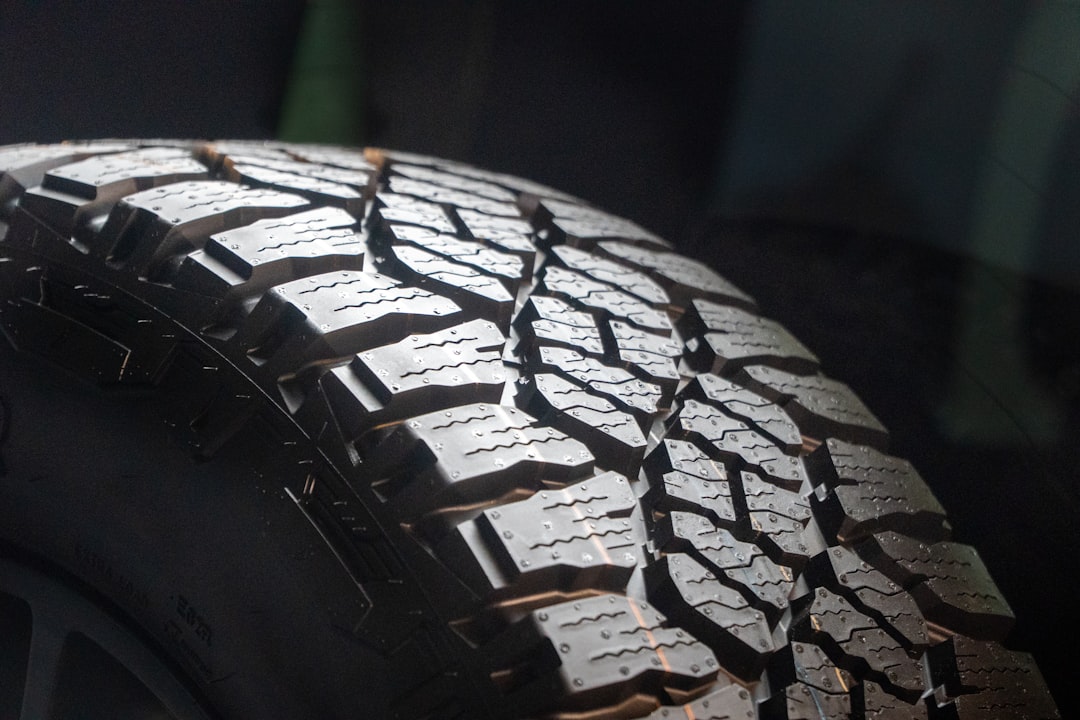
Best Tires for Hunting Side-by-Sides: Terrain-Tested Picks for Backcountry Access
The right UTV tires determine whether you reach elk camp or get stuck two miles short. We break down the best hunting side-by-side tires for rocky terrain, mud, snow, and mixed conditions based on real backcountry performance.
Related
Garmin inReach vs ZOLEO: Which Satellite Communicator Should Hunters Choose?
Garmin inReach and ZOLEO both deliver two-way satellite messaging and SOS for backcountry hunters, but they differ in hardware durability, subscription flexibility, and message handling. This breakdown helps you choose the device that fits your hunt style and budget.
Next
Finding Rams: How to Scout, Glass, and Hunt Bighorn Sheep
Locating bighorn rams requires strategic glassing from high vantage points, understanding seasonal movement patterns, and patience. Learn proven tactics for spotting sheep in rugged alpine terrain and planning a successful hunt.