Fastest Compound Bows of 2026: Does Speed Really Matter for Hunting?
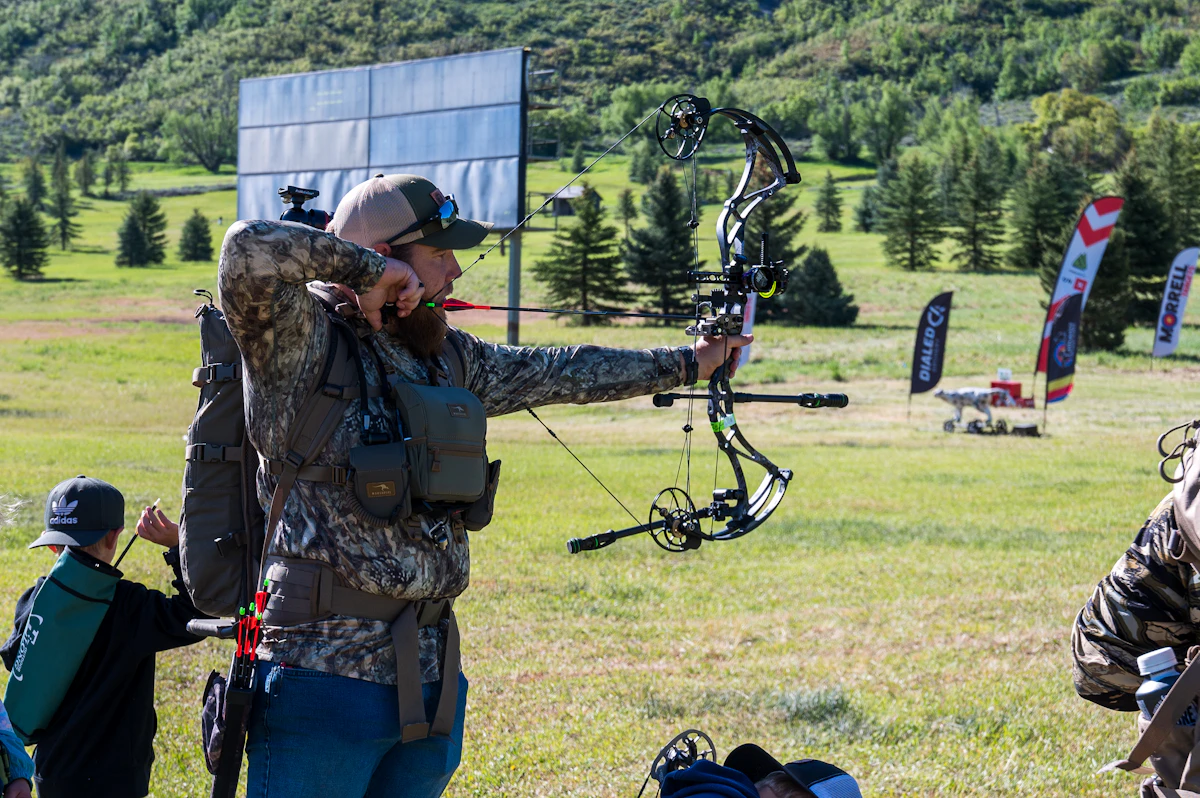
The 2026 compound bow lineup includes the fastest models ever released to the hunting market, with flagships regularly breaking 370 fps IBO ratings. Manufacturers tout speed as a headline feature, and the numbers sound impressive on paper. But does that extra 20 or 30 fps actually translate to more punched tags, or are you paying for bragging rights that don't matter in the field?
Speed matters, but it's one variable in a complex system that includes accuracy, forgiveness, noise, and shot execution under pressure. This guide examines the fastest compound bows available in 2026, explains what speed actually does for your hunting performance, and helps you weigh velocity against the trade-offs that often come with it.
Top Speed Bows of 2026
Several manufacturers pushed the performance envelope in 2026, delivering bows that exceed 370 fps with light arrows and max draw weights. Here are the leaders:
Mathews Phase4 37 — 378 fps IBO, 37-inch axle-to-axle, 6-inch brace height. This flagship delivers exceptional speed without sacrificing Mathews' signature smooth draw cycle. The longer axle-to-axle keeps it stable for longer shots.
Bowtech SR37 — 376 fps IBO, 31.5-inch axle-to-axle, 6.5-inch brace height. Bowtech's Deadlock cam system allows precise tuning while maintaining top-tier speed. The compact platform appeals to treestand and ground-blind hunters.
Hoyt Carbon RX-9 — 374 fps IBO, 33-inch axle-to-axle, 6.25-inch brace height. Hoyt pairs carbon riser technology with aggressive cam timing for speed that doesn't feel harsh at full draw. The carbon construction also dampens vibration.
Elite Kure — 372 fps IBO, 32-inch axle-to-axle, 6.5-inch brace height. The asymmetrical cam design creates a comfortable valley while still generating competitive speed. The balanced riser design minimizes hand shock.
PSE Carbon Air Mach 1 — 370 fps IBO, 30-inch axle-to-axle, 6.75-inch brace height. PSE's ultra-lightweight carbon platform delivers speed in a compact package that weighs under 4 pounds bare bow.
All IBO ratings assume a 70-pound draw weight, 30-inch draw length, and 350-grain arrow. Real-world speeds with hunting-weight arrows and accessories will drop 15-25 fps from these advertised numbers.
What Speed Actually Does
Arrow speed affects three performance factors: trajectory, wind drift, and kinetic energy at impact.
Flatter trajectory means less compensation for distance. A 300 fps setup requires roughly 6 inches more holdover at 40 yards compared to a 350 fps setup with the same arrow weight. For elk-sized vitals, that difference rarely matters. For antelope at extended range or small whitetail kill zones, the flatter arc can reduce ranging errors.
Reduced wind drift becomes meaningful beyond 50 yards in crosswinds above 10 mph. A 350 fps arrow drifts about 20% less than a 300 fps arrow in identical conditions. If you regularly shoot past 60 yards in open country, the advantage is real. Inside 40 yards in timber, it's negligible.
Kinetic energy increases with the square of velocity. An arrow at 350 fps carries significantly more energy at impact than the same arrow at 300 fps. This matters for penetration through heavy bone and muscle on large game like elk and moose. However, total arrow weight contributes more to penetration than speed alone, and most hunters sacrifice arrow weight to achieve maximum velocity.
The Trade-Offs
Speed-focused bow designs often make compromises that affect hunting performance:
Shorter brace heights (under 6.5 inches) make bows less forgiving of form errors. A torqued grip or collapsed bow arm sends arrows wide more noticeably on short-brace bows. If your shooting mechanics aren't consistent, the accuracy penalty outweighs the speed benefit.
Aggressive cam systems create steep draw force curves with narrow valleys at full draw. This feels efficient on a practice range but becomes uncomfortable during long holds waiting for a quartering-away bull to turn or a bedded buck to stand.
Increased noise and vibration result from the violent energy transfer in fast bows. Even with quality accessories, speed bows tend to be louder than slower, smoother designs. At 20 yards on a calm morning, an alert whitetail can drop the string before your arrow arrives.
Lighter recommended arrow weights to achieve advertised speeds reduce penetration potential. A 400-grain arrow at 320 fps often out-penetrates a 350-grain arrow at 350 fps due to better momentum retention through hide and bone.
Speed vs. Kinetic Energy
Many hunters confuse speed with killing power. Kinetic energy (KE) is calculated as arrow weight multiplied by velocity squared, divided by 450,240. A 500-grain arrow at 280 fps generates 87 foot-pounds of KE. A 400-grain arrow at 320 fps generates 91 foot-pounds. The slower, heavier arrow often penetrates better despite slightly lower energy because momentum (mass times velocity) drives penetration through resistance.
For western elk and moose, most experienced bowhunters prioritize total arrow weight and front-of-center balance over raw speed. Arrows in the 500-550 grain range with 12-15% FOC consistently punch through both lungs even on quartering shots. Speed bows shooting 400-grain arrows may lack the momentum to reach vitals through heavy shoulder bone.
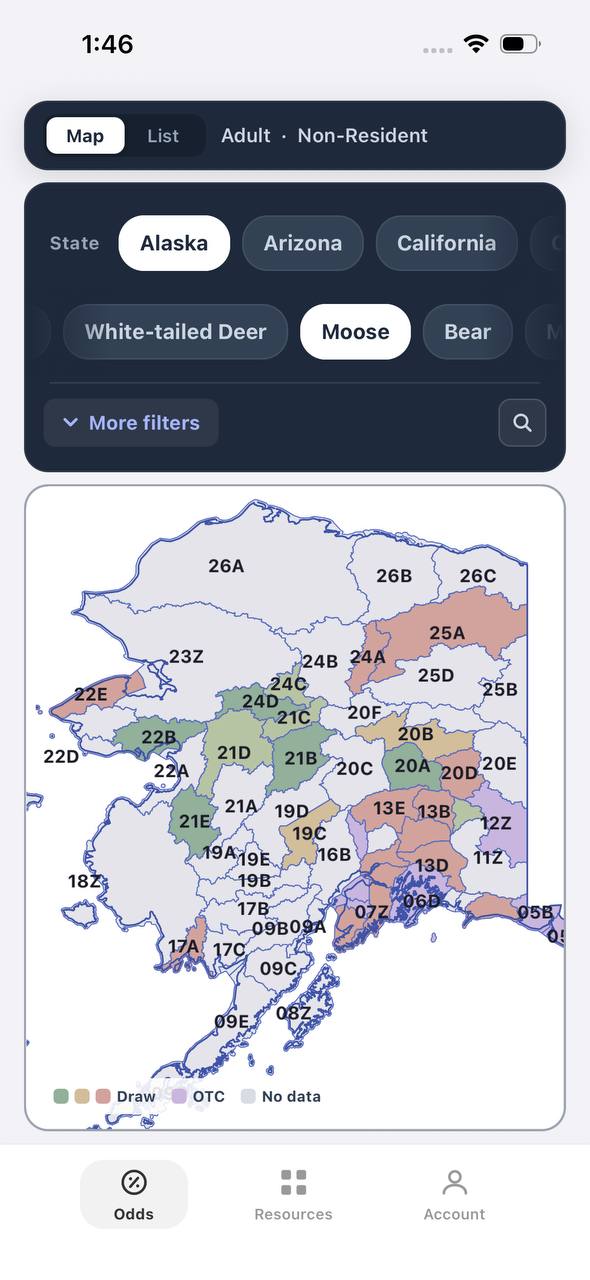
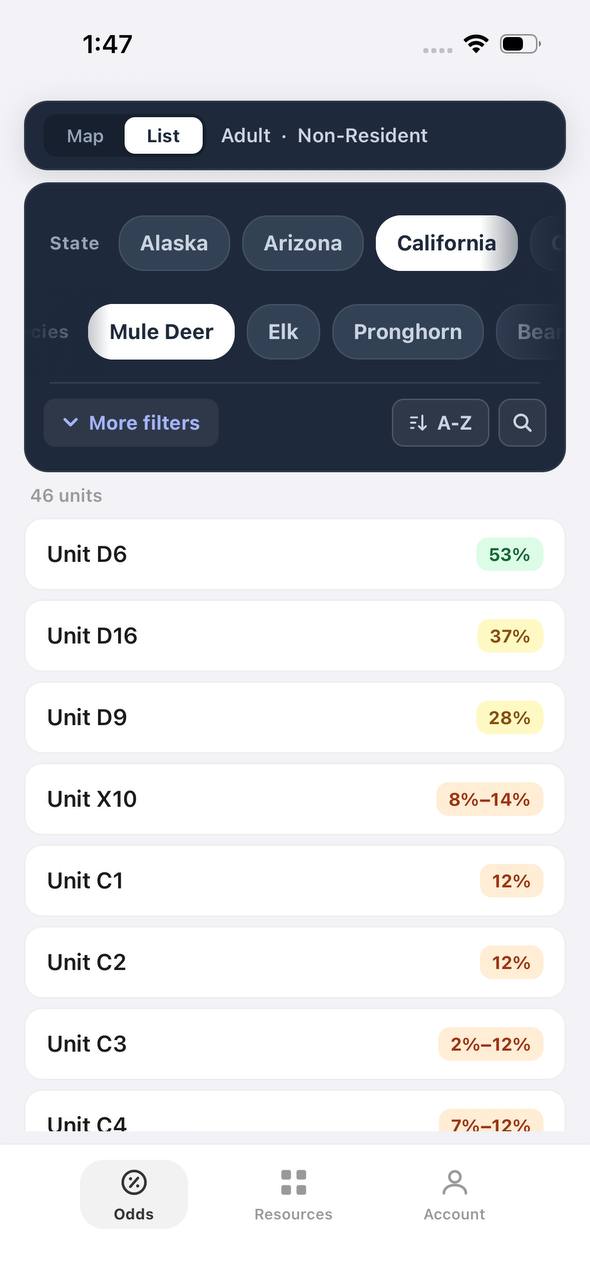
Free to join
Download mobile app
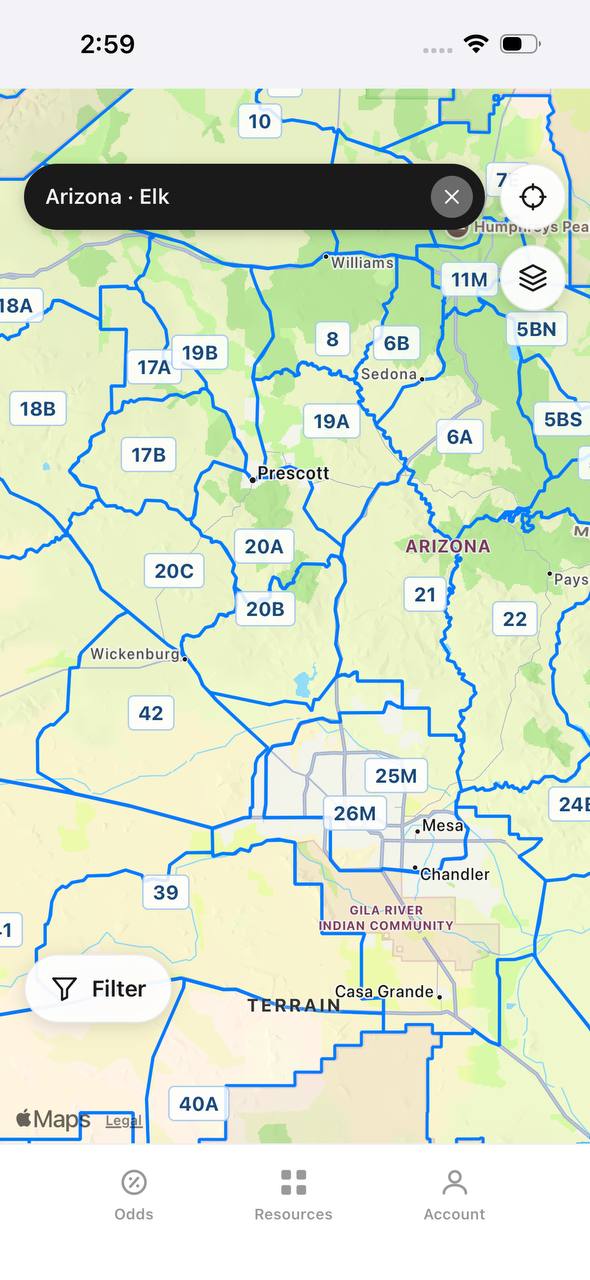
- Detailed draw odds
- Point tracking
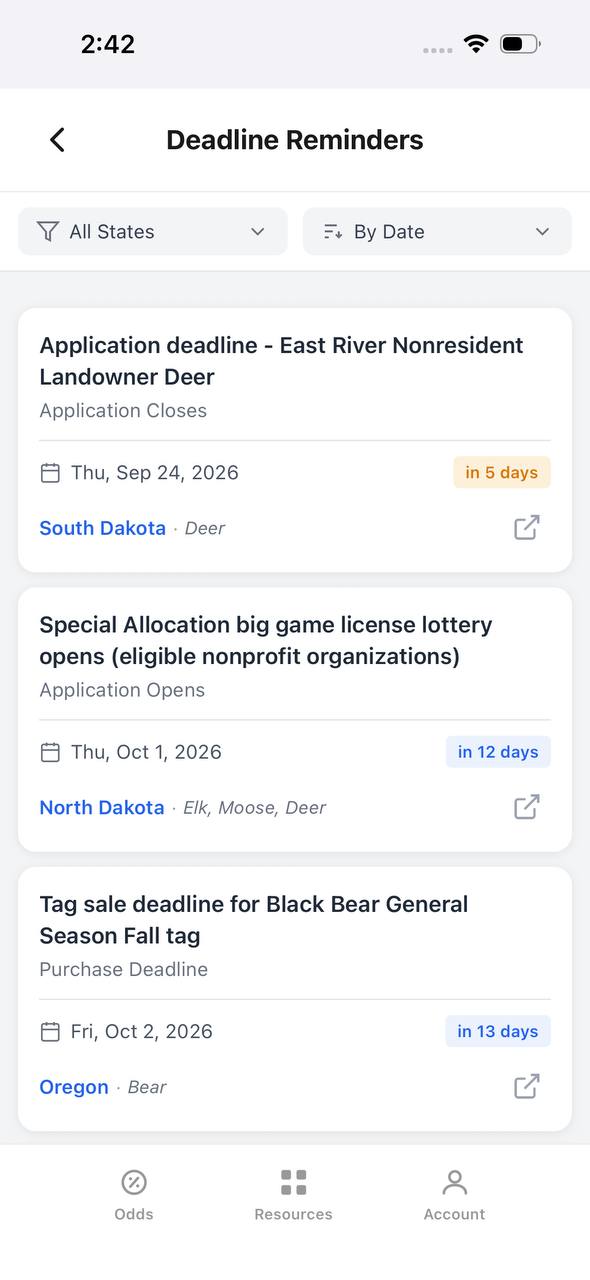
- Deadline reminders
- 18 states covered

Free to join
Download mobile app
- Detailed draw odds
- Point tracking
- Deadline reminders
- 18 states covered
Free to join
Download mobile app
- Detailed draw odds
- Point tracking
- Deadline reminders
- 18 states covered

When Speed Matters Most
Speed delivers measurable advantages in specific hunting scenarios:
Open-country pronghorn and mule deer where shots regularly extend past 50 yards. Flatter trajectory and reduced wind drift make ranging errors more forgiving.
Spot-and-stalk hunting where you're shooting unknown distances at moving or alert animals. The faster arrow reaches the target before the animal reacts to string noise or movement.
Elevated treestand shots where the steep angle creates a longer arrow path through the vitals. Extra speed helps compensate for the reduced effective kill zone on downward angles.
Hunters with exceptional shooting mechanics who can handle short brace heights and aggressive cams without sacrificing accuracy. If you shoot hundreds of arrows monthly and your form is rock-solid, the forgiveness trade-off matters less.
When Speed Matters Less
Speed becomes a secondary concern in these common hunting situations:
Dense timber whitetail hunting where shots rarely exceed 25 yards. At that distance, a 300 fps bow and a 350 fps bow both arrive in well under half a second. The deer isn't ducking either shot if you pick the right moment.
Close-range elk calling in heavy cover. A quiet, smooth-drawing bow matters more than speed when a bull is at 15 yards in blowdown. The sound of the shot spooks nearby animals regardless of arrow speed.
Inconsistent practice schedules or newer bowhunters still developing form. A forgiving bow with a longer brace height and comfortable draw cycle produces better shot execution under pressure than a speed bow that punishes small mistakes.
Maximum penetration scenarios like quartering-to shots on big bulls or frontier-to-back shots on bears. Heavy arrows with high FOC punch through more reliably than light, fast arrows that carry less momentum.
Finding the Right Balance
The best bow for your hunting style balances speed with the characteristics that actually improve success rates: accuracy, forgiveness, comfort at full draw, and quiet operation.
If you hunt primarily from treestands inside 30 yards, a bow shooting 310-330 fps with a 7-inch brace height and smooth draw cycle will likely produce more dead-center hits than a 370 fps speed bow that's harder to shoot well.
If you spot-and-stalk mule deer and pronghorn in wind-swept basins where 60-yard shots are common, the trajectory and wind-drift advantages of 350+ fps setups become meaningful. Pair that speed with a hunting-weight arrow around 450 grains to maintain adequate penetration.
Most western big-game hunters fall somewhere in the middle. A bow in the 330-350 fps range with a 6.5-inch brace height and manageable draw cycle offers enough speed for extended shots without sacrificing the shootability that matters more in real hunting conditions.
Real-World Speed
IBO speed ratings use unrealistic test conditions: 70-pound draw, 30-inch draw length, and a 350-grain arrow with no accessories. Your actual hunting speed will be lower:
- Subtract 10 fps for every 5 pounds below 70-pound draw weight
- Subtract 10 fps for every inch below 30-inch draw length
- Add accessories like a peep sight, D-loop, and arrow rest: subtract 5-7 fps
- Use a hunting-weight arrow (450-500 grains): subtract another 15-25 fps
A bow advertised at 370 fps IBO will realistically shoot 315-330 fps with a 60-pound draw, 28-inch draw length, and a properly weighted hunting arrow. That's still plenty of speed for any North American big game at ethical distances.
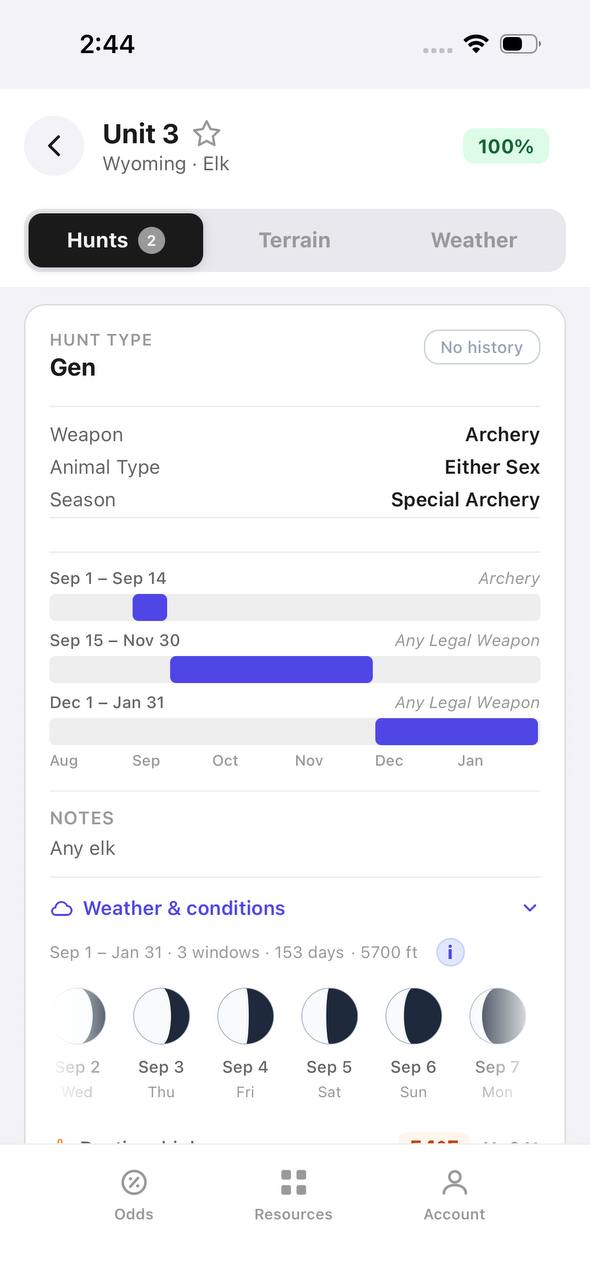
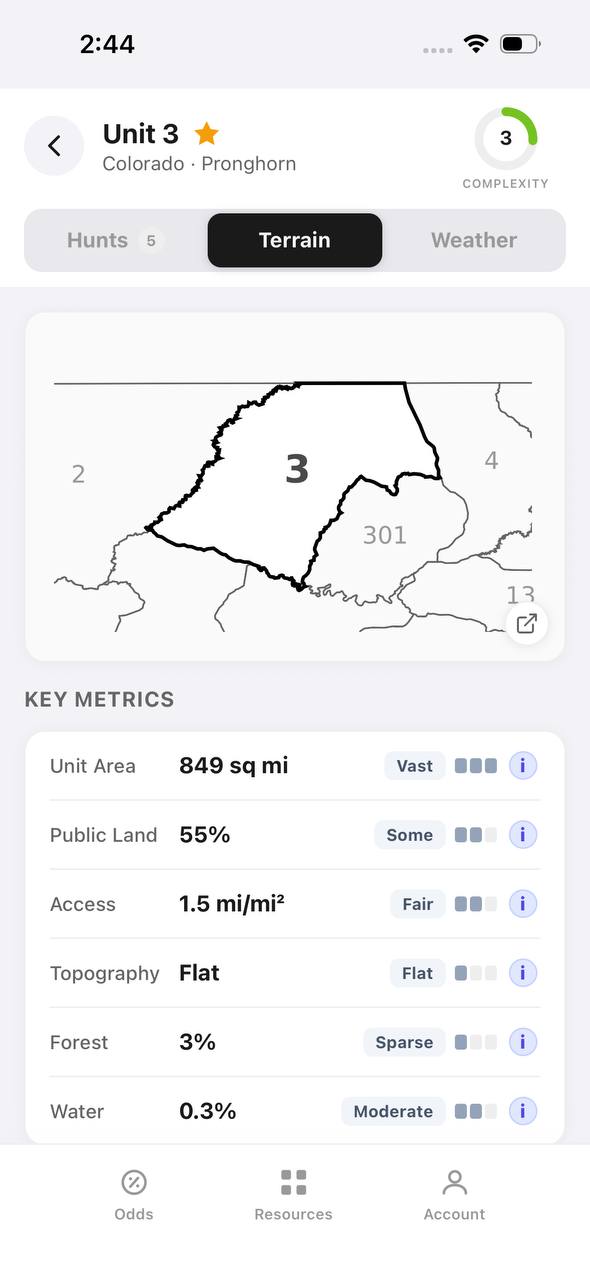
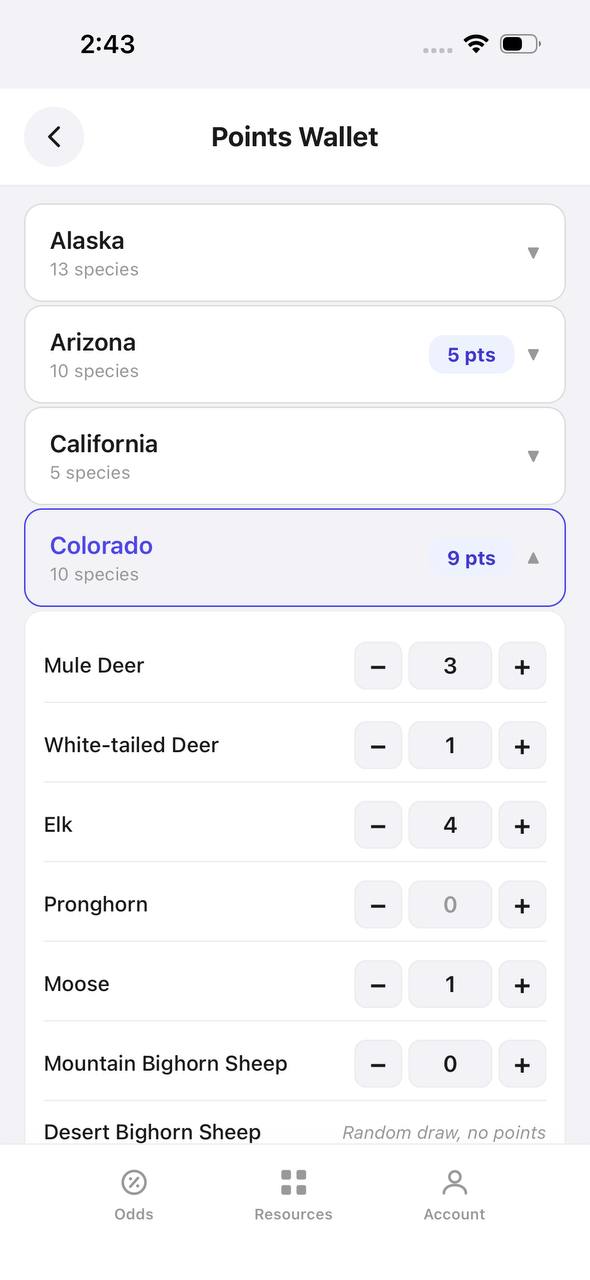
TAGZ helps you plan every detail of your western hunt, from comparing draw odds across states to mapping unit boundaries and terrain. Track your preference points and bonus points so you never miss a deadline, and filter hunts by weapon type and season to find opportunities that match your archery setup. Whether you're chasing early-season velvet bucks or bugling bulls in September, TAGZ gives you the research tools to make confident decisions before you ever draw your bow.
The Bottom Line
Speed is a legitimate performance factor, but it's not the most important one for the majority of hunting situations. The fastest bow on the market won't help you if you can't shoot it accurately under pressure. A bow that fits your draw length, feels comfortable at full draw, operates quietly, and forgives minor form errors will punch more tags than a speed demon you struggle to control.
Shoot multiple bows before you buy. Pay attention to how the bow feels through the draw cycle, how steady your pin settles at full draw, and how confident you feel breaking the shot. If a 370 fps bow feels better than a 350 fps bow, the extra speed is worth it. If the speed bow introduces tension or inconsistency in your shot execution, choose the slower bow that you can shoot well every time.
Speed matters when it doesn't cost you accuracy, forgiveness, or comfort. When it does, choose the bow you can execute with every single time. That consistency kills more animals than an extra 20 fps ever will.
FAQ — Compound Bow Speed
What is the fastest compound bow for 2026?
The Mathews Phase4 37 leads at 378 fps IBO, followed closely by the Bowtech SR37 at 376 fps and Hoyt Carbon RX-9 at 374 fps. Real-world hunting speeds with proper arrow weight will be 15-25 fps lower.
Does a faster bow kill better?
Not necessarily. Penetration depends more on total arrow weight and momentum than speed alone. A heavy arrow at moderate speed often out-penetrates a light arrow at high speed through bone and muscle.
How much speed do I actually need for elk?
Most experienced elk hunters consider 280-320 fps with a 500-grain arrow adequate for complete pass-throughs at typical ranges under 40 yards. Speed beyond that offers diminishing returns if it requires sacrificing arrow weight.
Are speed bows harder to shoot accurately?
Often yes. Speed designs typically use shorter brace heights and aggressive cams that are less forgiving of form errors. Hunters with excellent mechanics handle them fine, but inconsistent shooters struggle with accuracy.
What is a good speed for a hunting bow?
Anything above 300 fps with a hunting-weight arrow (450+ grains) provides adequate performance for all North American big game at ethical distances. Focus on comfort and accuracy over chasing maximum speed.
How much does arrow weight affect bow speed?
You lose roughly 1-2 fps for every 5 grains of arrow weight added. A bow shooting 350 fps with a 350-grain arrow will shoot approximately 330 fps with a 450-grain arrow, but the heavier arrow penetrates better despite lower speed.
Continue Planning Your Hunt
Ready to turn your archery setup into punched tags? TAGZ helps you research units, compare draw odds, and track application deadlines across every western state. Whether you're applying for early archery pronghorn or planning a September elk hunt, explore our hunt planning tools to find the tags that match your weapon and season. Check out more gear and strategy advice on the TAGZ Insights blog, or review our pricing to start managing your points and applications in one place.
Was this article helpful?
Previous
Best Compound Bows for Mule Deer Hunting in 2026
The right compound bow can make or break your mule deer hunt. We break down the top bows for 2026, covering speed, adjustability, accuracy, and field performance for western terrain.
Related
Most Forgiving Compound Bows for Hunting in 2026
The most forgiving compound bows blend long axle-to-axle lengths, generous brace heights, and smooth draw cycles to minimize shooter error. We break down the top choices for hunters who prioritize accuracy over speed.
Next
Best Lightweight Compound Bows for Backcountry Hunting in 2025
Backcountry bowhunters need gear that performs at altitude without destroying their backs. We break down the best lightweight compound bows under 4.5 pounds, comparing draw cycles, forgiveness, and real-world packability for mountain hunters.