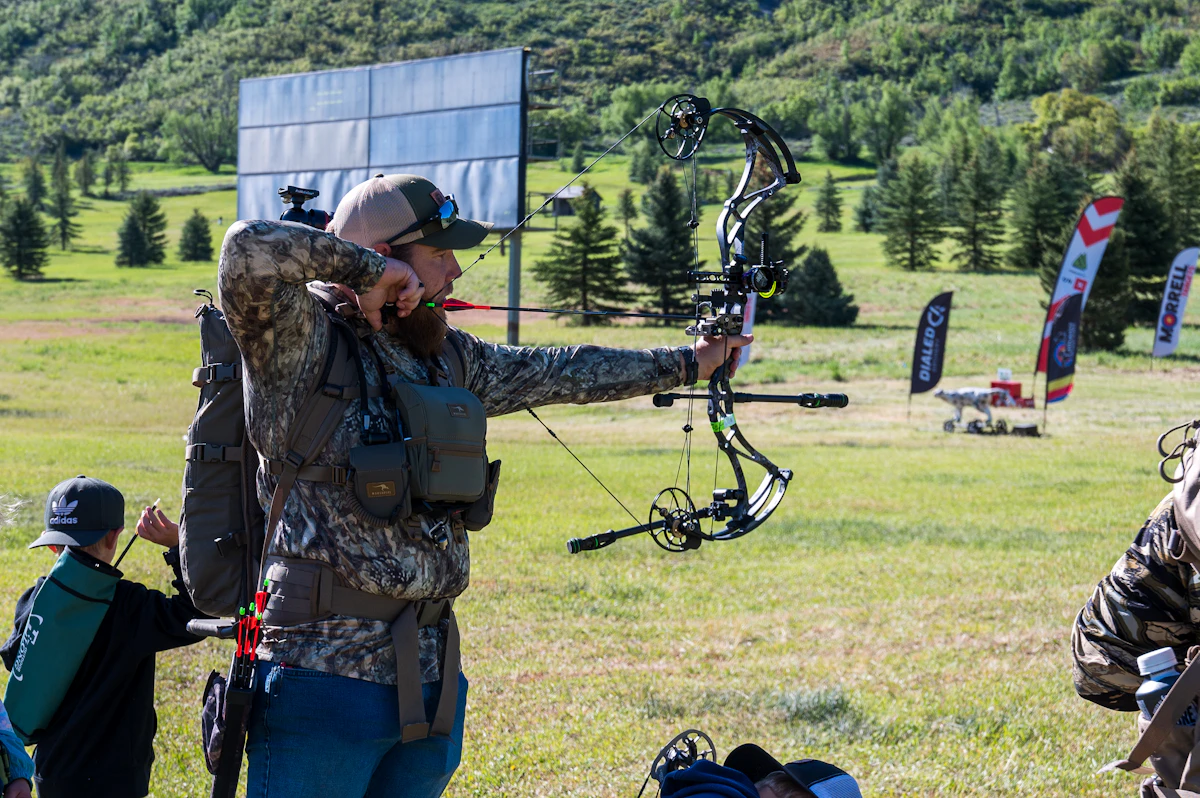
Best Lightweight Compound Bows for Backcountry Hunting in 2025
Carrying a 5-pound bow feels manageable in the parking lot. Mile six at 10,000 feet tells a different story. Every ounce matters when you are grinding through deadfall with 50 pounds on your back, glassing basins until dark, and still need to hold steady when a bull steps into range.
Lightweight compound bows have evolved beyond the whippy, unforgiving speed sticks of the past. Modern carbon risers, limb pocket engineering, and cam design deliver sub-4.5-pound platforms that shoot like heavier flagships. But weight is just the entry point. The best backcountry bows balance mass savings with shootability, forgiveness, and durability when you are miles from the trailhead and a blown shot means tag soup.
What Makes a Bow Backcountry-Ready
Backcountry hunting demands more than a light spec sheet. A bow needs to survive getting strapped to a pack frame, banged against rocks during a scramble, and shot accurately after days of physical punishment.
Target weight: 4.5 pounds or less. Anything heavier becomes a liability on multi-day hunts where every piece of gear gets scrutinized. Bows in the 3.8 to 4.3-pound range hit the sweet spot between portability and stability.
Short axle-to-axle length matters in tight cover. Most backcountry bows measure 30 to 33 inches. Longer bows are steadier at full draw but become clubs in thick timber or when maneuvering on steep terrain.
Draw cycle and holding weight separate field bows from target bows. A smooth valley and manageable back wall let you hold at full draw while an elk closes distance or a bedded buck stands up. Aggressive cams save speed but cost comfort when you are gassed from a climb.
Forgiveness trumps raw speed. A 310 fps bow that punishes form errors becomes a liability at altitude when your legs are shaking and your heart rate is spiked. Brace height above 6 inches and a generous sweet spot matter more than advertised IBO numbers.
Top Lightweight Compound Bows for 2025
Mathews Phase4 29 (4.37 lbs)
The Phase4 29 sits at the upper end of lightweight territory but earns its place through pure shootability. The 29-inch axle-to-axle length provides stability without the bulk of a 33-inch platform. Mathews' Switchweight Technology lets you adjust peak draw weight without a bow press — a real advantage when altitude and exertion change how 70 pounds feels.
The draw cycle is smooth through the valley with a solid back wall. Brace height sits at 6.25 inches, offering forgiveness when your anchor point drifts after a long glassing session. This bow handles field positions well — kneeling shots, off-balance shots from a sidehill, quick draws when a bull appears in thick cover.
Hoyt Carbon RX-8 Ultra (4.1 lbs)
Hoyt's carbon riser technology has been proven over hundreds of thousands of mountain miles. The RX-8 Ultra strips weight through the riser and limb pocket design without sacrificing the dead-in-hand feel Hoyt bows are known for.
The In-Line Roller Guard reduces friction and torque, which matters when you are drawing on a bull with shaking muscles after a steep stalk. The RX-8 Ultra's cam system is not the smoothest on the market, but the back wall is firm and repeatable. At 4.1 pounds, this bow disappears in a pack yet shoots like a heavier rig once you settle into a shooting position.
Durability is a standout feature. The carbon riser handles impacts better than aluminum, and the finish holds up when the bow gets lashed to a pack frame for days.
Elite Enkore (3.8 lbs)
The Enkore is the weight champion of serious hunting bows. At 3.8 pounds, it undercuts most competitors by half a pound while maintaining Elite's signature shootability. The riser is machined aluminum, not carbon, which keeps costs lower than the Hoyt.
Elite's Asymmetric Riser design shifts mass toward the grip, improving balance despite the low overall weight. The draw cycle is exceptionally smooth with a deep valley — easy to hold at full draw even when your muscles are fried. Brace height sits at 6.5 inches, making this one of the most forgiving lightweight bows available.
The 30.5-inch axle-to-axle length splits the difference between maneuverability and stability. This bow excels in mixed terrain where you might shoot from a kneel in oak brush one hour and take a standing shot across a canyon the next.
Bowtech Solution (4.4 lbs)
Bowtech's Solution uses Deadlock Technologies for micro-adjustable cam timing and rest alignment without a bow press. For backcountry hunters who may need to adjust or repair gear in the field, this system is a significant advantage.
The draw cycle is aggressive compared to the Elite Enkore but not punishing. The back wall is rock-solid, which inspires confidence on high-pressure shots. At 4.4 pounds, the Solution is slightly heavier than the Enkore but noticeably steadier when shooting at distance.
Brace height is 6 inches — on the lower end for forgiveness but manageable with solid form. Speed is competitive at 335 fps IBO, though most hunters dial that back with heavier arrows for penetration on elk.
Prime Nexus 2 (4.2 lbs)
Prime bows are less common on the mountain but deserve attention for backcountry use. The Nexus 2 features Prime's Parallel Cam System, which delivers one of the smoothest draw cycles available. The valley is generous, and the back wall is soft but predictable.
At 4.2 pounds and 32 inches axle-to-axle, the Nexus 2 leans toward stability over extreme portability. The trade-off is worth it for hunters who prioritize shootability and struggle with aggressive cams. Brace height sits at 7 inches — the most forgiving bow on this list.
The Centergy Hybrid Riser reduces hand shock and vibration. After a week of hiking and glassing, that dead-in-hand feel becomes more valuable than shaving another two ounces.
Choosing the Right Setup for Mountain Conditions
Weight specs only tell part of the story. How a bow carries, shoots, and holds up under backcountry abuse matters more than catalog numbers.
Balance matters as much as total weight. A 4.5-pound bow with mass concentrated near the riser feels lighter than a 4.2-pound bow with a top-heavy design. Handle bows in person or talk to hunters who have packed them deep to understand how they actually carry.
Consider your draw weight honestly. Sixty-five pounds at sea level feels different at 11,000 feet after a 2,000-foot climb. Bows with adjustable weight ranges (like the Mathews Phase4 29 with Switchweight) let you tune for conditions without losing arrow performance.
Match your arrow setup to the hunt. Lighter bows benefit from heavier arrows to improve front-of-center balance and penetration. A 500-grain arrow at 280 fps kills elk more reliably than a 400-grain arrow at 310 fps, especially on quartering shots through heavy bone and muscle.
Test at altitude if possible. Bows that feel smooth at home may reveal weaknesses when your lungs are burning and your muscles are depleted. Shoot at distance, from weird angles, and when you are tired to expose issues before the hunt.
Real-World Durability and Packability
Backcountry bows take abuse. Straps cinch down tight. Pack frames dig into limbs. Rocks and trees deliver impacts that would horrify a bow technician.
Carbon risers handle impacts better than aluminum. The Hoyt Carbon RX-8 Ultra resists dents and dings that would damage machined aluminum. Elite's Enkore, while aluminum, uses a hard anodized finish that holds up well but will show wear faster than carbon.
Bow cases are not optional. A quality soft case protects limbs and strings during transport. Hard cases are overkill for pack-in hunts but essential for truck camping where gear gets stacked and shifted.
Check string and cable condition after every trip. Backcountry conditions — dust, moisture, temperature swings — accelerate wear. Carry a spare string and a few Allen keys sized to your bow. Most timeline-ending failures can be prevented with a five-minute inspection.
Sight protection matters. Backcountry bow sights need bombproof construction. Micro-adjust sights with exposed gears and delicate fiber optics fail in the field. Choose sights with tool-free adjustments and protected pins.
Free to join
Download mobile app
- Detailed draw odds
- Point tracking
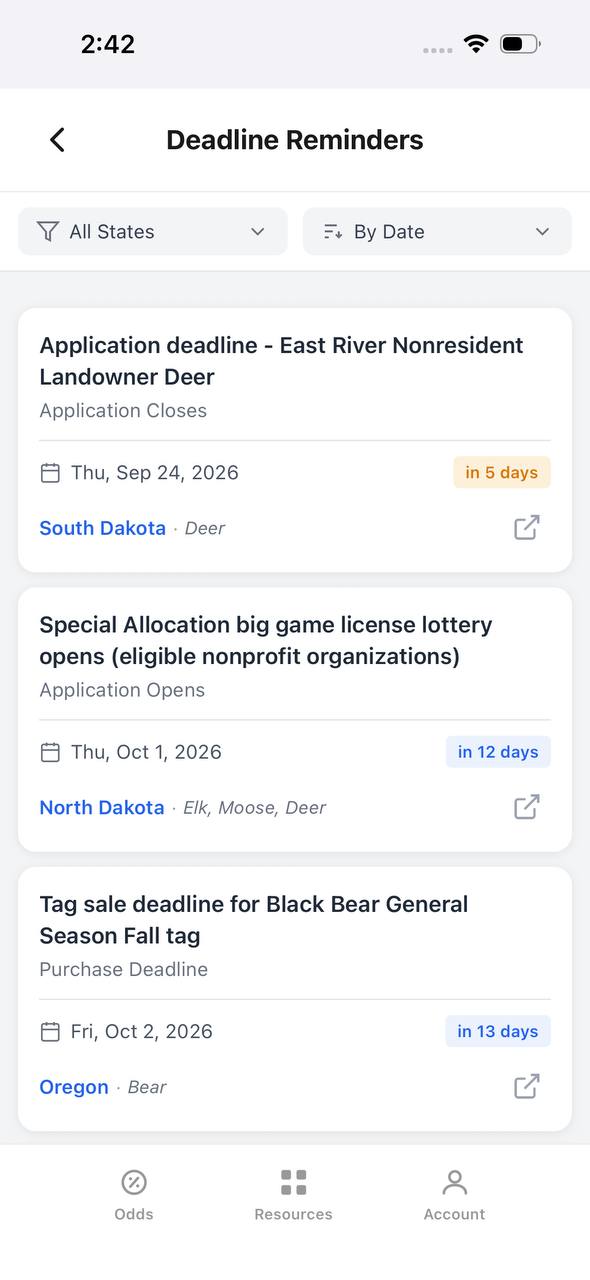
- Deadline reminders
- 18 states covered

Free to join
Download mobile app
- Detailed draw odds
- Point tracking
- Deadline reminders
- 18 states covered
Free to join
Download mobile app
- Detailed draw odds
- Point tracking
- Deadline reminders
- 18 states covered

How TAGZ Helps You Plan Backcountry Bow Hunts
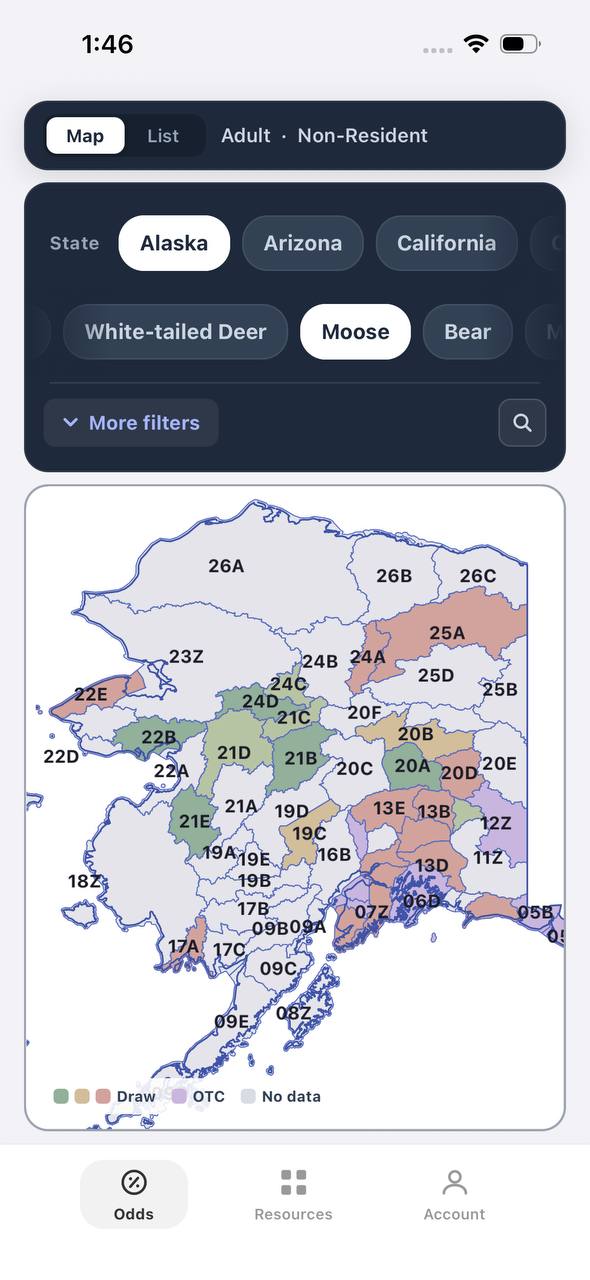
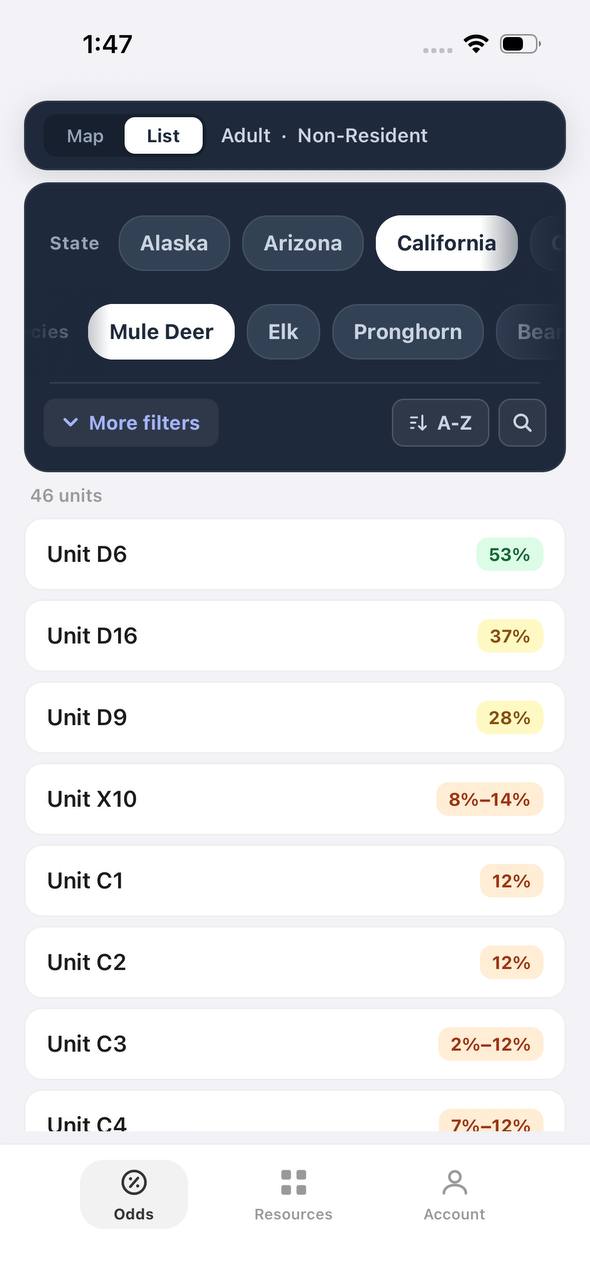
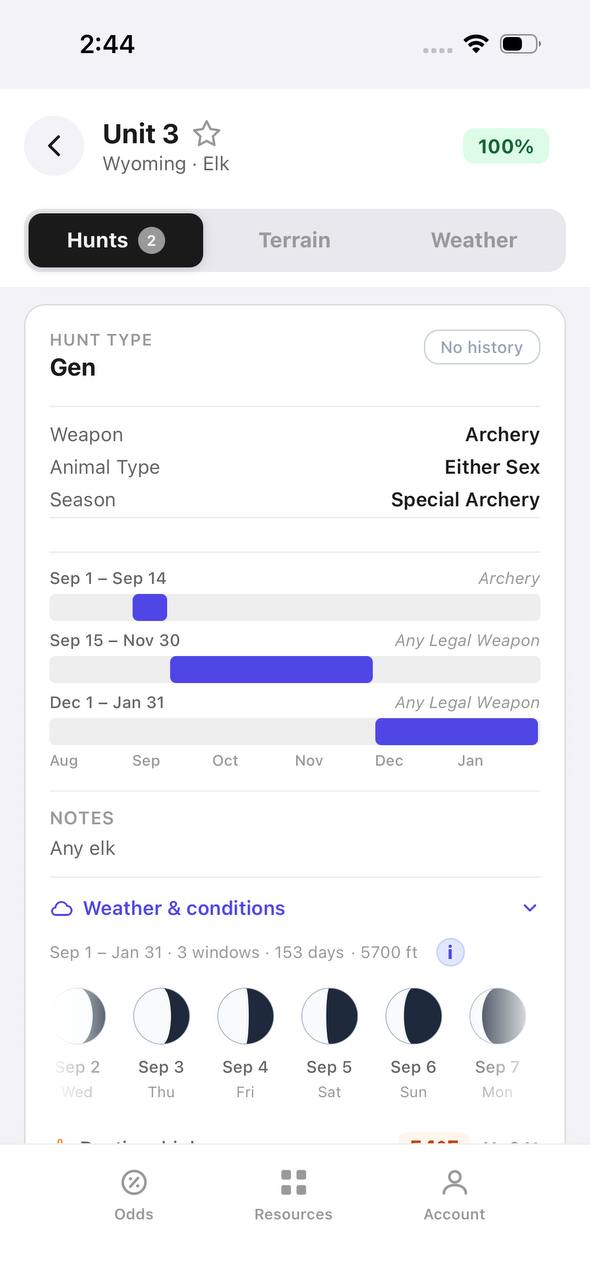
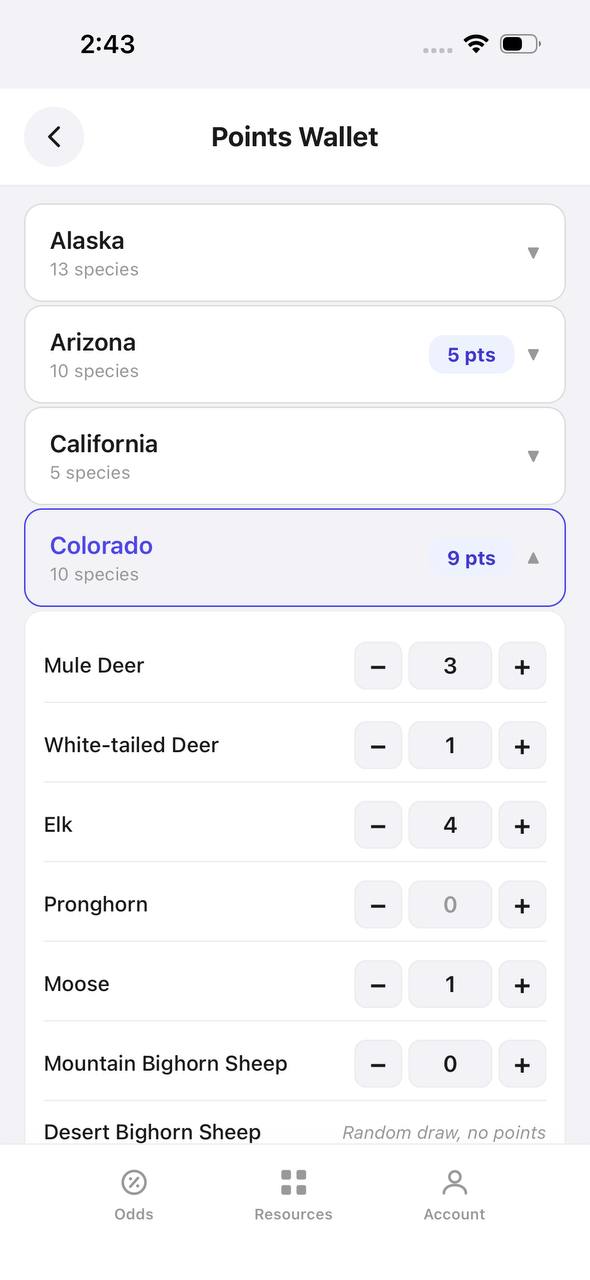
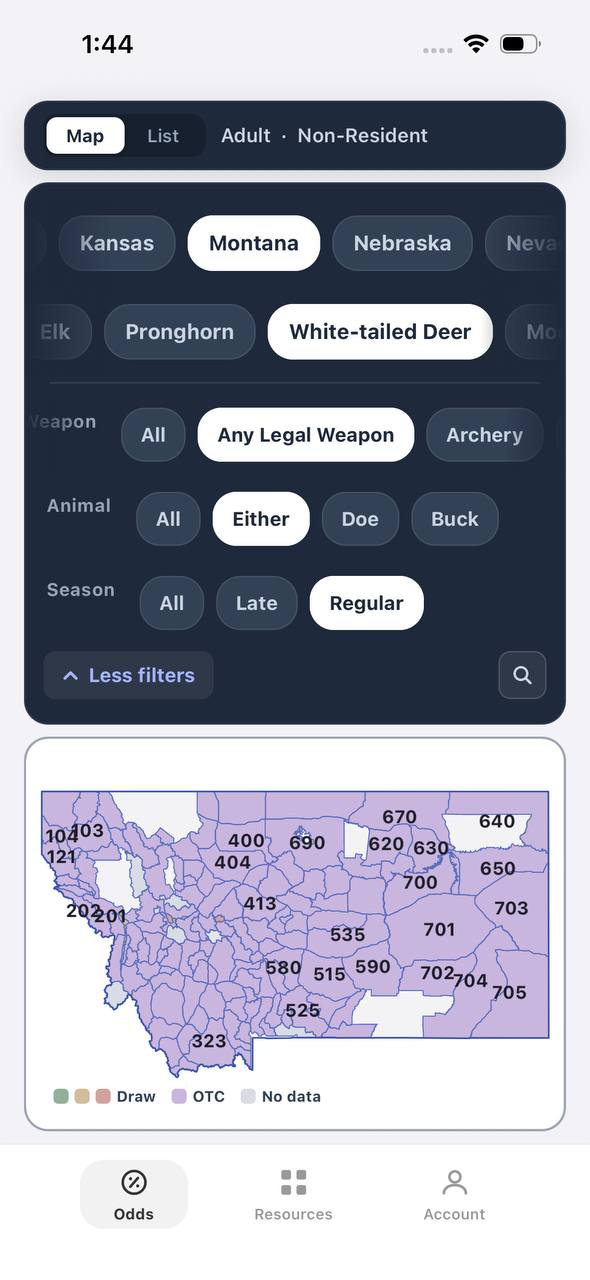
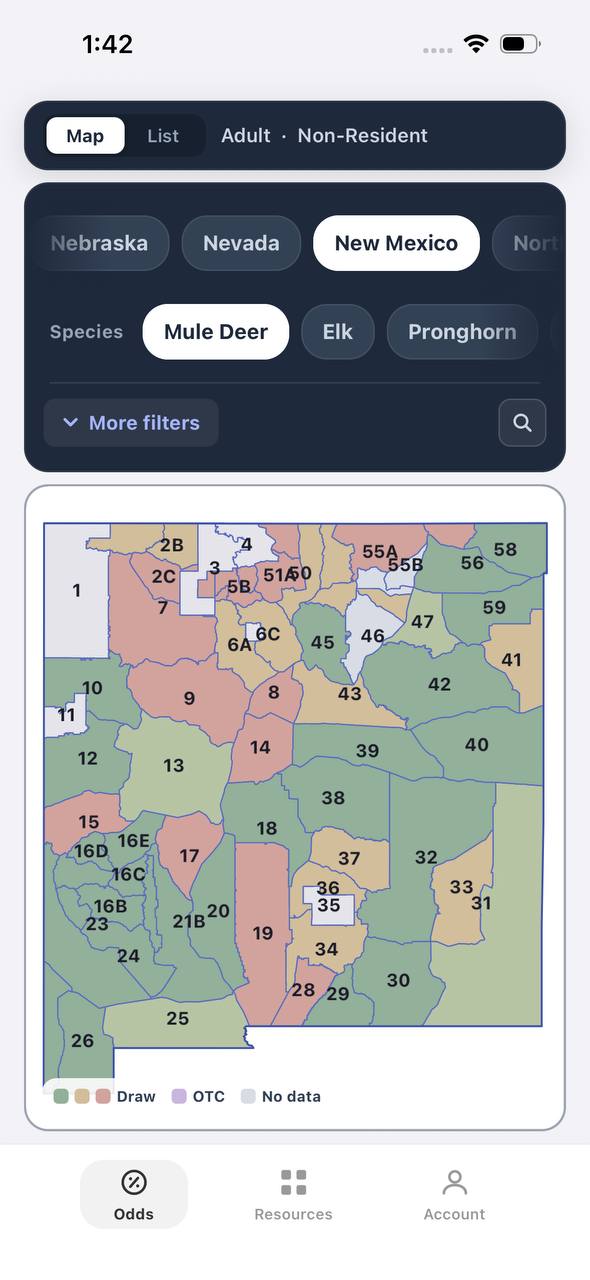
Gear is half the equation. Drawing a tag for a backcountry unit that fits your hunting style completes the picture. TAGZ helps you identify units with lower hunting pressure, analyze draw odds for limited-entry archery tags, and track preference points across multiple states so you never miss a deadline.
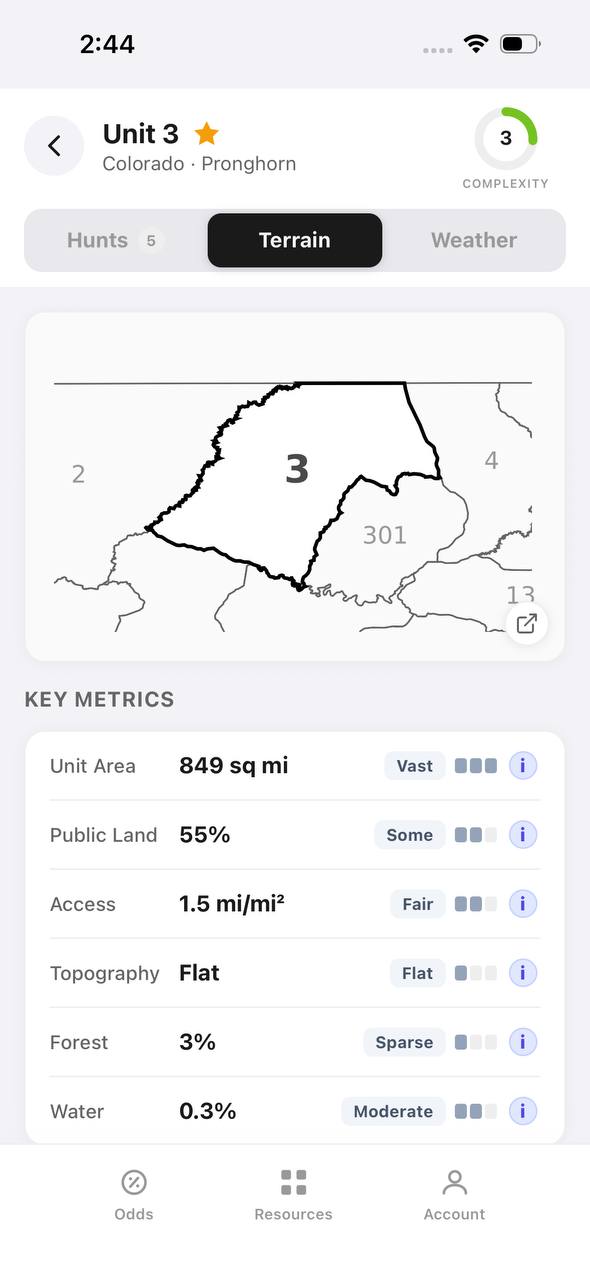
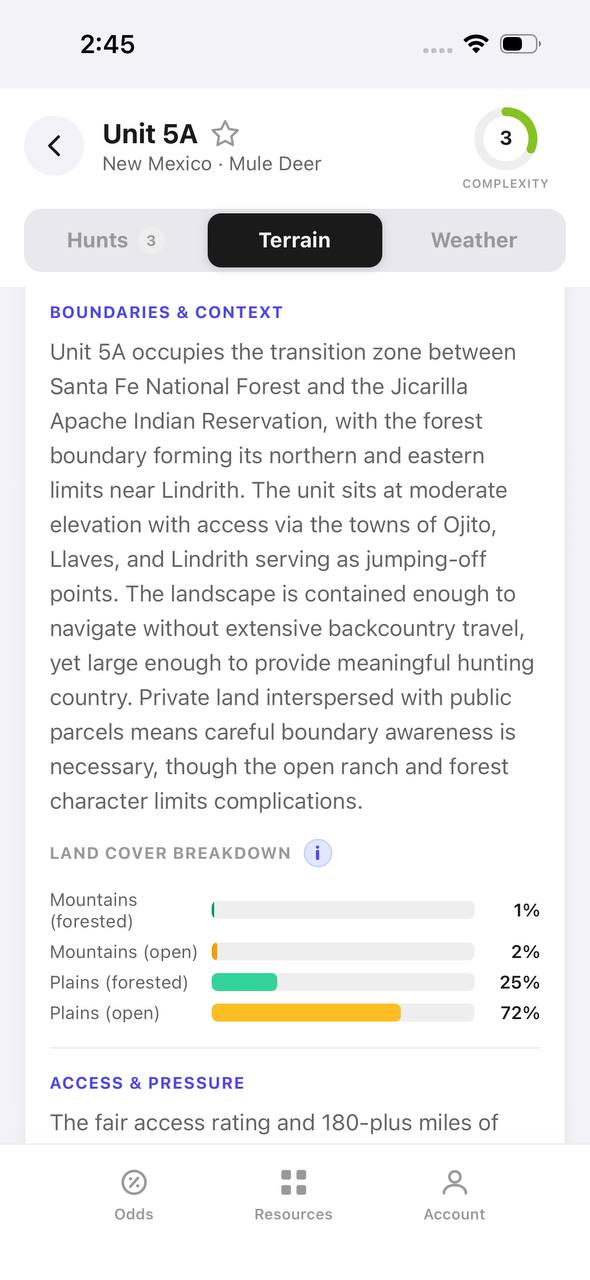
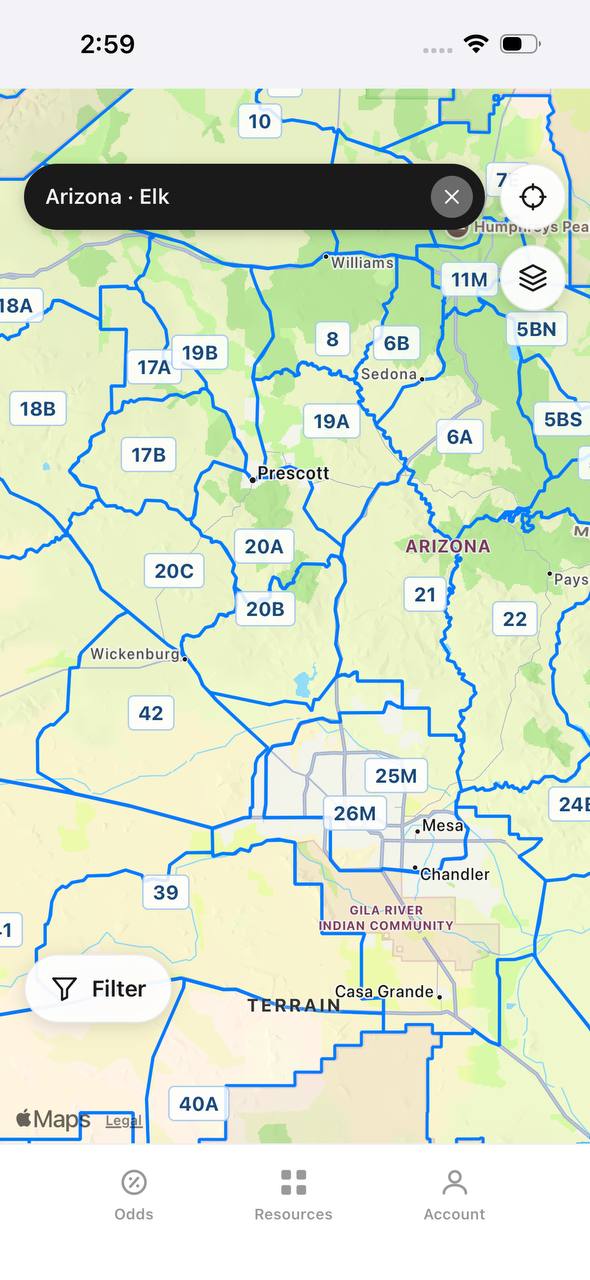
Compare terrain maps and unit boundaries to find areas where a lightweight bow setup makes sense — high-elevation basins, steep canyon country, roadless wilderness. Filter hunts by archery season, weapon type, and terrain difficulty. Whether you are chasing September elk in Colorado's high country or October mule deer in Idaho's Frank Church Wilderness, TAGZ gives you the tools to make smarter draw decisions and plan hunts where packability and shootability matter most.
FAQ — Lightweight Compound Bows
What is the best lightweight compound bow for backcountry elk hunting?
The Elite Enkore at 3.8 pounds offers the best balance of weight savings and forgiveness with a 6.5-inch brace height and smooth draw cycle. The Mathews Phase4 29 is a close second for hunters who prioritize adjustability and stability.
How much should a backcountry bow weigh?
Target 4.5 pounds or less. Bows in the 3.8 to 4.3-pound range provide meaningful weight savings without sacrificing shootability. Every ounce matters on multi-day hunts at altitude.
Do lightweight bows sacrifice accuracy?
Not if designed well. Modern carbon risers and balanced cam systems deliver accuracy comparable to heavier bows. The trade-off is reduced mass to absorb shooting errors, which makes forgiveness features like higher brace height and smooth draw cycles more important.
Can you hunt elk effectively with a lightweight bow under 4 pounds?
Yes. The Elite Enkore, Hoyt Carbon RX-8 Ultra, and similar platforms kill elk cleanly when paired with heavy arrows and broadheads designed for penetration. Arrow setup matters more than bow weight for terminal performance.
What brace height should I look for in a backcountry bow?
Six inches or higher. Higher brace height increases forgiveness when shooting from awkward positions or when form breaks down due to fatigue. The Prime Nexus 2 at 7 inches is the most forgiving; the Elite Enkore at 6.5 inches offers a strong balance.
How do carbon risers compare to aluminum for backcountry hunting?
Carbon risers like the Hoyt RX-8 Ultra resist dents and dings better than aluminum and dampen vibration more effectively. Aluminum bows like the Elite Enkore are lighter and less expensive but show cosmetic wear faster. Both materials perform well in the field.
Continue Planning Your Hunt
Choosing the right bow is just the start. Drawing a tag for a unit that matches your skills and hunting style completes the picture. TAGZ helps you compare archery draw odds across Western states, track preference points and bonus points, and filter units by terrain, public land access, and season dates. Whether you are planning a Colorado OTC archery elk hunt or applying for limited-entry mule deer tags in multiple states, TAGZ gives you the tools to make smarter decisions before you ever leave home. Explore unit maps, study terrain breakdowns, and identify hunts where a lightweight bow setup delivers an edge — then create an account to track deadlines and maximize your draw opportunities. Visit the TAGZ product page to see how the platform simplifies Western hunting applications, or browse more gear and strategy content on the Insights page to continue planning your next backcountry bow hunt.
Was this article helpful?
Previous
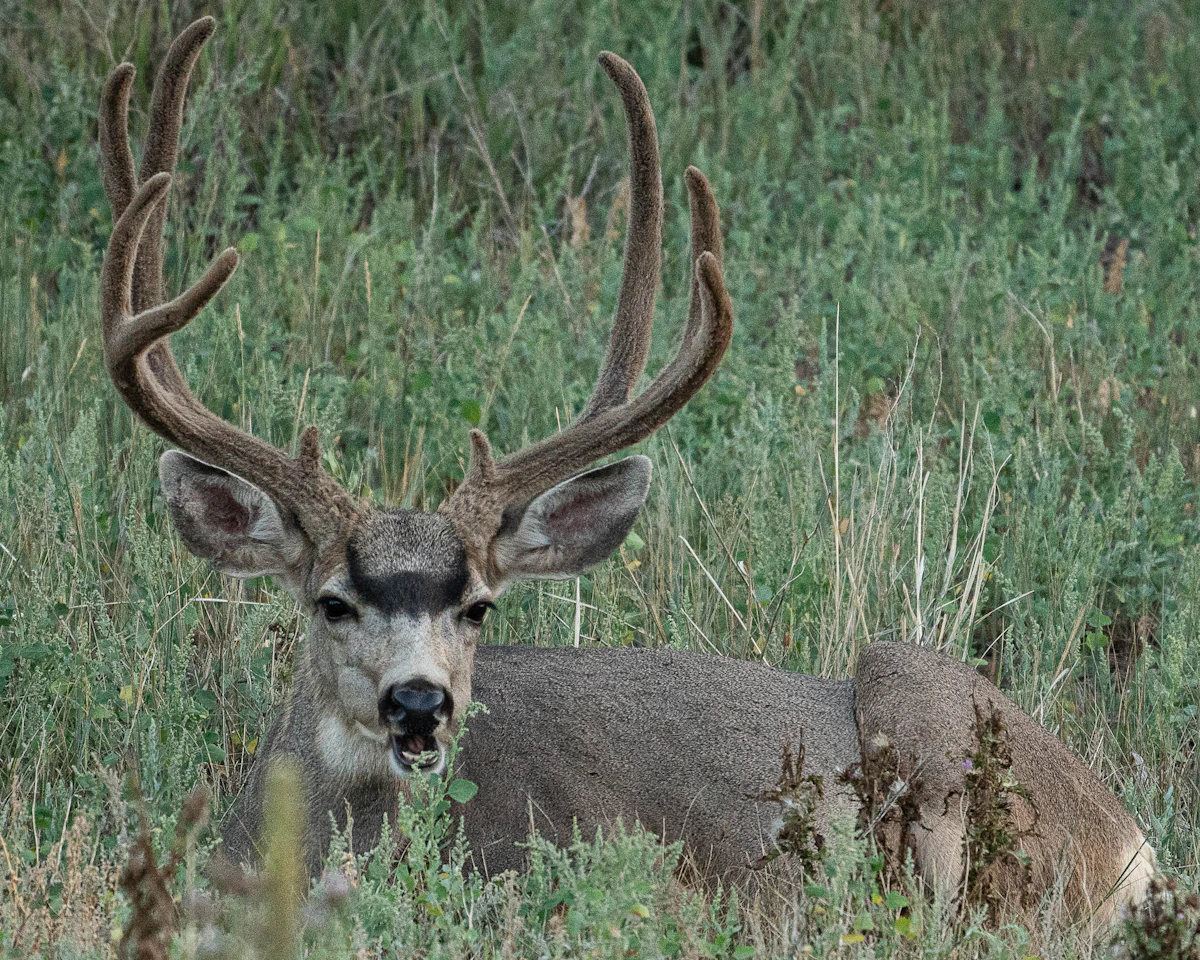
Best Compound Bows for Mule Deer Hunting in 2026
The right compound bow can make or break your mule deer hunt. We break down the top bows for 2026, covering speed, adjustability, accuracy, and field performance for western terrain.
Related
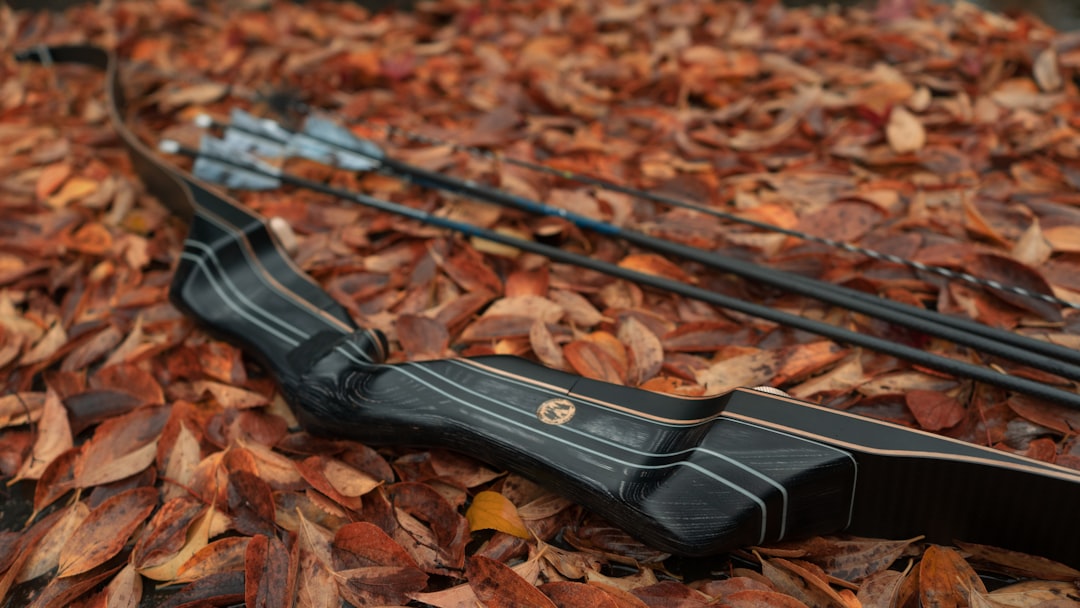
Best Compound Bows for Whitetail Hunting in 2026
The 2026 compound bow market delivers whitetail-specific models optimized for tight cover, treestand hunting, and quick-draw shots. We break down the top picks by speed, stealth, and forgiveness to help you choose the right bow for your hunting style.
Next
Fastest Compound Bows of 2026: Does Speed Really Matter for Hunting?
The 2026 compound bow market features models exceeding 370 fps, but raw speed isn't everything. This guide breaks down the fastest bows available, explains how velocity affects hunting performance, and helps you decide whether speed should drive your next bow purchase.