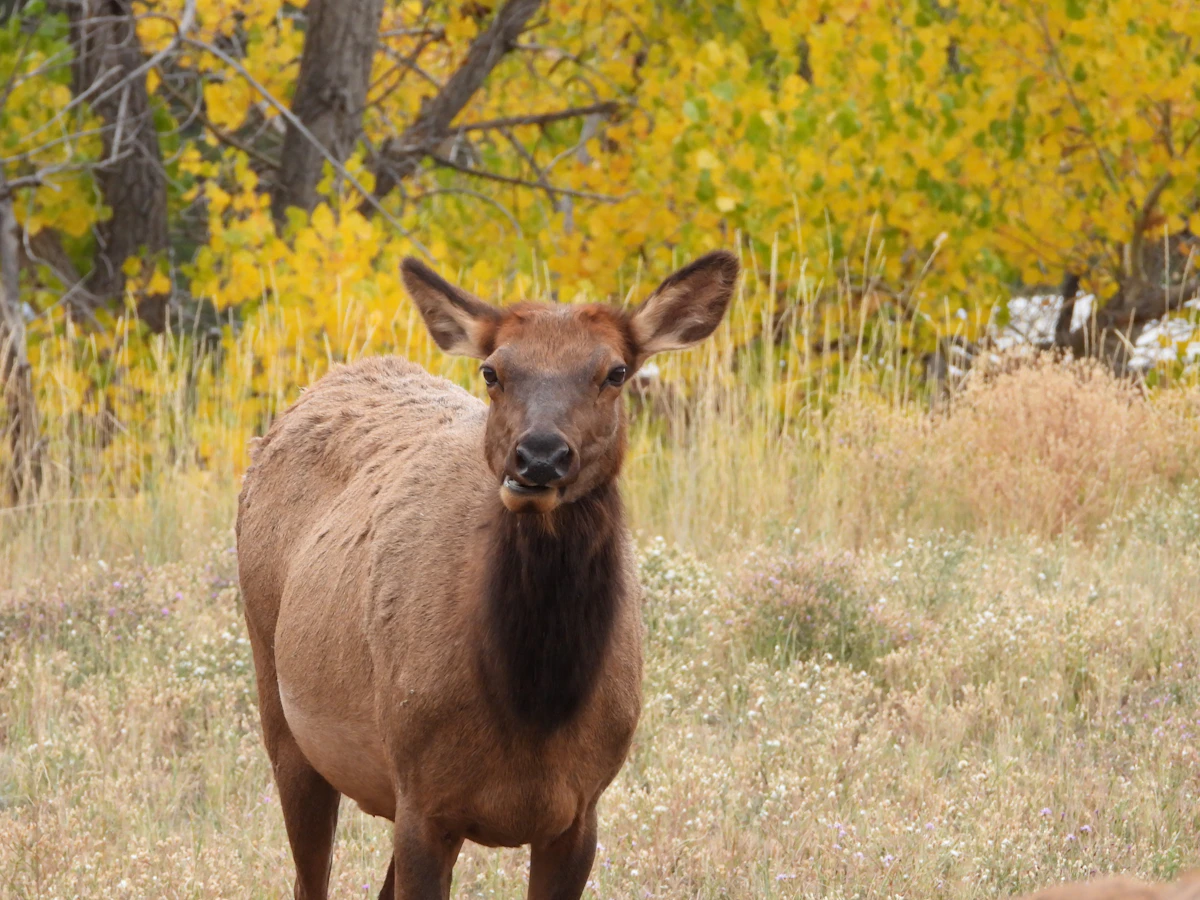
Estrus Calls: When to Use Them for Elk, Deer, and Antelope
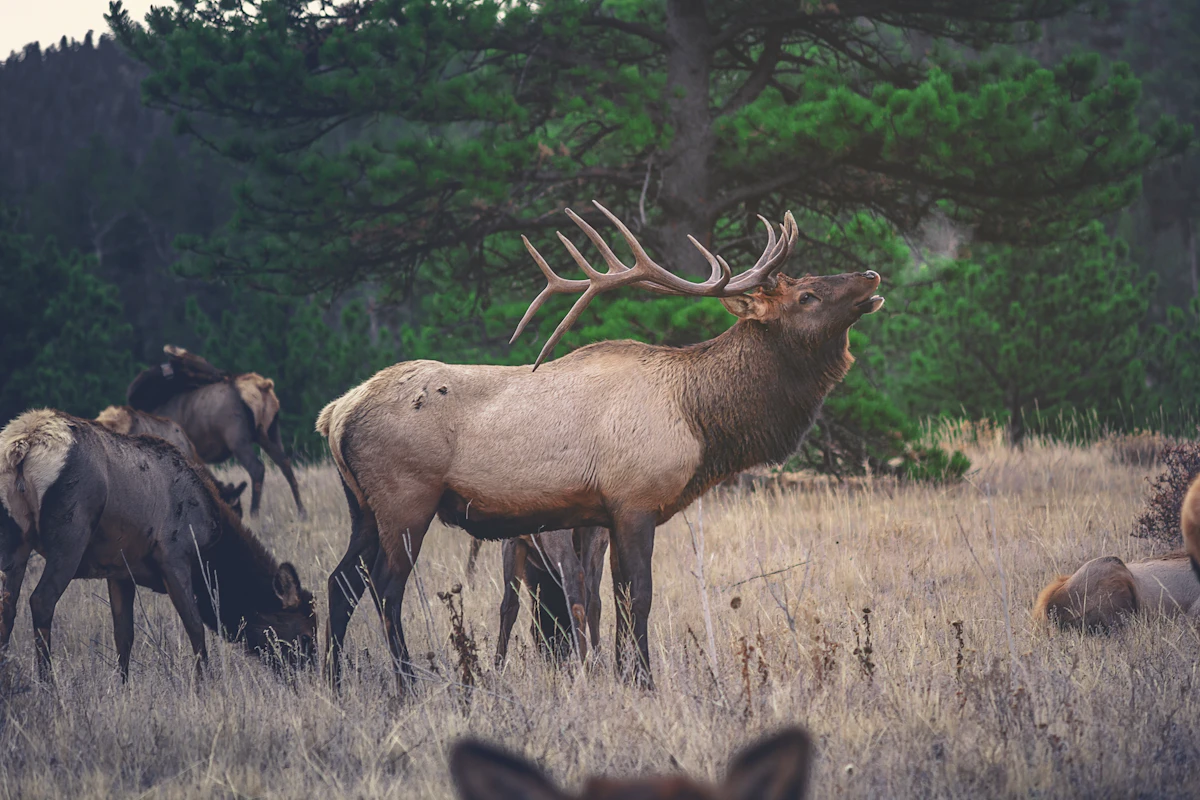
Estrus calls imitate the vocalizations of a receptive female ready to breed. For elk hunters, that means a cow estrus bleat. For deer hunters, it's a doe estrus bleat or can call. For antelope, it's a doe bleat during the early fall rut. The logic is simple: a bull or buck hears a breeding-ready female and comes to investigate or challenge competitors.
But estrus calls are not magic. They work in specific windows during the rut, fail miserably outside those windows, and backfire when overused or mistimed. Understanding when to deploy them and when to stay silent separates hunters who pull mature animals from cover and those who educate them.
The Rut Window: When Estrus Calls Make Sense
Estrus calls are rut-specific tools. Outside the peak breeding window, they sound wrong to animals and often trigger alarm rather than interest.
For elk, the estrus bleat works best during the peak rut, typically mid-September in most western states. Bulls are actively tending cows, checking for receptive females, and competing with rivals. A cow estrus bleat suggests a female has separated from the herd and is ready to breed. A mature bull may investigate out of breeding instinct or to prevent a satellite bull from claiming her.
For whitetail and mule deer, estrus bleats work during the peak rut and the second rut, usually mid-November through early December depending on latitude. Does cycle into estrus over a short window, and bucks are searching hard. A doe bleat during this period signals opportunity.
For antelope, the rut runs earlier, typically late August through September. Does come into estrus for only 24 to 48 hours, and bucks are hyper-focused. A doe bleat during this window can pull a buck away from a harem or bring in a lone buck cruising for receptive does.
Outside these windows, estrus calls sound out of place. A cow estrus bleat in late October, after the elk rut, will not pull a bull. A doe bleat in early October, before peak whitetail rut, may spook a buck that knows does are not yet cycling. Timing matters more than volume or technique.
Estrus Calls vs. Challenge Calls: Choosing the Right Approach
Estrus calls are not the same as challenge calls, and confusing the two leads to missed opportunities.
Challenge calls, like elk bugles or aggressive grunts for deer, provoke territorial or dominance responses. They work when bulls or bucks are defending territory or competing for breeding rights. Estrus calls, by contrast, exploit breeding motivation. A bull or buck hears a receptive female and responds to secure a mating opportunity.
The choice depends on the situation. If a bull is bugling aggressively and defending a harem, a challenge bugle may pull him closer. But if he is silent and tending cows without visible competition, a cow estrus bleat may be the better play. It suggests a breeding opportunity without the risk of a fight.
For deer, the same logic applies. A mature buck trailing a doe in late rut may ignore a grunt but respond to a doe estrus bleat, especially if he hears it from a different direction than the doe he is following. He may investigate to confirm whether another receptive female is nearby.
The key is reading the animal's behavior. Aggressive, vocal animals often respond to challenge calls. Silent, cautious animals may respond better to estrus calls.
The Setup: Where and How to Use Estrus Calls
Estrus calls work best in specific terrain and calling sequences, not as standalone tactics.
For elk, use cow estrus bleats in thick cover or transition zones where bulls feel secure approaching. Open parks or exposed ridges make bulls cautious. A bull will not commit to an estrus bleat if he has to cross 400 yards of open ground to investigate. Timber edges, drainages, and thick pockets of cover allow bulls to approach undetected, which increases the odds they commit.
For deer, estrus bleats work well in funnels, transition zones, and bedding-area edges. A buck cruising a ridgeline during peak rut may detour toward a doe bleat if the terrain allows him to investigate without exposing himself. Open fields or barren hillsides reduce effectiveness.
The calling sequence matters. Start with light contact calls, like a standard cow call for elk or a social bleat for deer. If the animal responds but hesitates, follow with an estrus call. The sequence suggests a female separated from the group and ready to breed. It feels natural.
Avoid opening with an estrus call. It lacks context. A lone estrus bleat in silence sounds wrong to experienced animals. Build the scenario first, then escalate.
Common Mistakes That Kill Estrus Call Success
Estrus calls fail when hunters misuse them, and the mistakes are predictable.
The first mistake is calling too much. Estrus vocalizations are short, infrequent sounds in nature. A cow in estrus may bleat once or twice, then go silent. A doe in estrus may bleat softly while trailing a buck, but she is not bleating every 30 seconds. Overcalling sounds unnatural and educates animals.
The second mistake is using estrus calls outside the rut window. A cow estrus bleat in early September, before bulls are actively breeding, accomplishes nothing. A doe estrus bleat in late December, after peak rut, sounds wrong. Animals know when females should be cycling, and they ignore or avoid calls that do not match the biological timeline.
The third mistake is using estrus calls in the wrong terrain. A bull will not commit to an estrus bleat if he has to expose himself to investigate. A buck will not approach a doe bleat across an open ridgeline in daylight. The terrain must allow the animal to approach with cover and confidence.
The fourth mistake is failing to follow up. An estrus call may stop an animal or turn its head, but it rarely brings an animal sprinting in. Hunters must be ready to shoot quickly or follow with additional calling to keep the animal interested. Hesitation kills opportunities.
Integrating Estrus Calls Into a Calling Sequence
Estrus calls work best as part of a broader calling strategy, not as a single tactic.
For elk, a common sequence during peak rut is to start with a locator bugle at dawn, then switch to cow calls if a bull responds. If the bull answers but does not approach, add a cow estrus bleat after a few minutes of silence. The bleat suggests a cow separated from the herd and ready to breed. Follow with light cow calls to simulate movement.
For deer, start with a social bleat or contact grunt. If a buck responds but hangs up, wait three to five minutes, then hit a doe estrus bleat. If the buck still hesitates, use a trailing grunt to suggest a second buck is approaching the doe. The combination of estrus bleat and competition often triggers a response.
For antelope, use doe bleats sparingly during the rut. Bucks are visual hunters, and calling works best when combined with decoys. A doe bleat from behind a decoy setup during peak rut can pull a buck away from a harem or bring a lone buck into range.
The goal is to build a believable scenario. A single estrus call in isolation rarely works. A sequence that suggests a receptive female, movement, and potential competition creates urgency.
Species-Specific Timing: Elk, Deer, and Antelope
Each species has a different rut timeline, and estrus calls must match the breeding calendar.
Elk rut peaks in mid-September across most of the West. In Colorado, Wyoming, and Montana, September 10 through September 25 is the prime window for cow estrus bleats. Bulls are actively tending cows, and herd dynamics are chaotic. A cow estrus bleat during this period can pull a herd bull or trigger a satellite bull to investigate.
Whitetail rut timing varies by latitude. In the northern Plains and Midwest, peak rut runs mid-November. In the Southwest, it may extend into December. Doe estrus bleats work best during the 10-day window when does are cycling. Outside that window, bucks know does are not receptive, and the call fails.
Mule deer follow a similar timeline to whitetail, with peak rut typically late November through early December. Doe estrus bleats work during this window, especially in transition zones where bucks cruise for receptive does.
Antelope rut early, typically late August through mid-September. Does cycle for a very short window, and bucks are hyper-focused. Doe bleats work during this period but lose effectiveness quickly as the rut winds down.
Hunters must know the local rut calendar. A week too early or too late, and estrus calls accomplish nothing.
When to Skip Estrus Calls Entirely
Estrus calls are powerful during the rut, but there are situations where they should not be used.
Skip estrus calls during early-season hunts. Bulls, bucks, and bucks are not yet focused on breeding, and the call does not match their priorities. Food, security, and bachelor-group dynamics drive behavior. Social calls and light contact calls work better.
Skip estrus calls in heavily hunted areas where animals are call-shy. Mature bulls and bucks that have been called to repeatedly during the rut may associate estrus calls with danger. In these situations, silent spot-and-stalk hunting or rattling sequences may be more effective.
Skip estrus calls when animals are already moving toward you. If a bull is bugling and closing distance, or a buck is working a scrape line in your direction, let him come. Adding an estrus call may stop him, spook him, or cause him to circle downwind. Silence is often the best call.
Skip estrus calls in open terrain where the animal cannot approach with cover. A bull or buck will not commit to an estrus call if the approach requires crossing exposed ground. The terrain must support the tactic.
How TAGZ Helps You Time Your Hunt for Peak Rut
Estrus calls only work if you are hunting during the rut, and timing your hunt correctly requires understanding draw odds, season dates, and unit-specific rut timelines.
TAGZ helps hunters filter hunts by season, weapon type, and species to identify tags that overlap with peak rut. If you are targeting a mid-September Colorado elk hunt to maximize calling effectiveness, TAGZ shows which units offer archery tags during that window and what the draw odds look like for residents and nonresidents.
TAGZ also tracks preference points and bonus points across multiple states, so you know when you can draw a tag that aligns with the rut. If you are building points for a Montana mule deer hunt, TAGZ shows which units offer late-November rifle hunts when doe estrus bleats are most effective.
The platform includes unit maps, public land boundaries, and terrain breakdowns, so you can evaluate whether a unit offers the kind of terrain where estrus calls work: thick timber for elk, funnels and transition zones for deer. You can filter by elevation, cover type, and access points to find units that match your calling strategy.
TAGZ also tracks draw deadlines across all western states, so you never miss an application window for a rut-timed hunt. If you want a Wyoming antelope tag during the late-August rut or a Colorado elk tag during mid-September peak rut, TAGZ keeps you on schedule.
The platform is built for hunters who want to make smarter draw decisions and hunt during the windows that matter. If estrus calls are part of your strategy, TAGZ helps you draw the tags that put you in the field when they work.
FAQ — Estrus Calls
When is the best time to use estrus calls for elk? Mid-September during peak rut, when bulls are actively tending cows and competing for breeding opportunities. Outside this window, estrus calls sound out of place and rarely trigger responses.
Do estrus calls work for mule deer? Yes, during the late-November to early-December rut window when does are cycling. Doe estrus bleats work best in transition zones and funnels where bucks cruise for receptive does.
Can you use estrus calls too early in the season? Yes. Estrus calls imitate breeding-ready females, and animals ignore them outside the rut. Early-season hunts require social calls and contact calls, not estrus vocalizations.
What is the difference between an estrus call and a challenge call? Estrus calls imitate a receptive female and exploit breeding motivation. Challenge calls, like bugles or aggressive grunts, provoke territorial or dominance responses. The choice depends on the animal's behavior.
How often should you use estrus calls during a hunt? Sparingly. Estrus vocalizations are short and infrequent in nature. Overcalling sounds unnatural and educates animals. Use estrus calls as part of a calling sequence, not as a standalone tactic.
Do estrus calls work in open terrain? Rarely. Bulls and bucks will not commit to an estrus call if the approach requires crossing exposed ground. Estrus calls work best in timber, drainages, and transition zones where animals can approach with cover.
Can estrus calls spook animals? Yes, if used outside the rut window, overused, or deployed in the wrong terrain. Mature animals recognize when calls do not match natural behavior and may avoid the area.
How does TAGZ help hunters plan rut-timed hunts? TAGZ filters hunts by season and weapon type, tracks draw odds and preference points, and shows which units offer tags during peak rut. The platform helps hunters draw tags that align with the biological windows when estrus calls work.
Continue Planning Your Hunt
Estrus calls are one part of a broader rut strategy, but success starts with drawing the right tag at the right time. TAGZ helps hunters filter hunts by season, track draw odds across multiple states, and plan applications around peak rut windows. Whether you are targeting a mid-September elk tag or a late-November mule deer hunt, the platform shows which units offer the best opportunities and what it takes to draw.
Explore more calling strategies, unit breakdowns, and rut-timing advice on the TAGZ Insights blog. For hunters ready to simplify draw applications and hunt planning across the West, check out TAGZ pricing and features or dive into the full platform to start building your multi-state strategy.
Was this article helpful?
Previous
Bull Elk Chuckles Explained: What They Mean and How to Use Them
Bull elk chuckles are short, guttural grunts that signal aggression, dominance, and readiness to fight. Understanding when and why bulls chuckle helps hunters identify hot rut activity and call in mature bulls more effectively.
Next
Lost Cow Calls Explained: When and How to Use the Most Effective Elk Call
The lost cow call is the most realistic way to bring a bull elk into bow range during the rut. Learn when to use it, how to execute it properly, and why it outperforms bugles in most hunting situations.