Bull Elk Chuckles Explained: What They Mean and How to Use Them
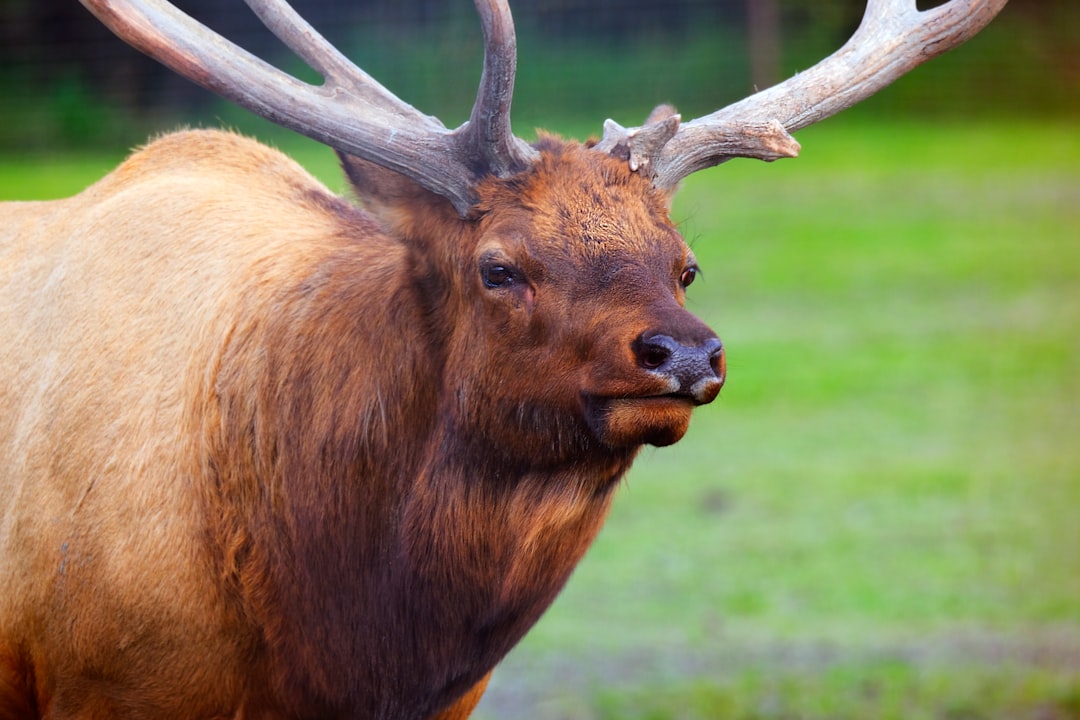
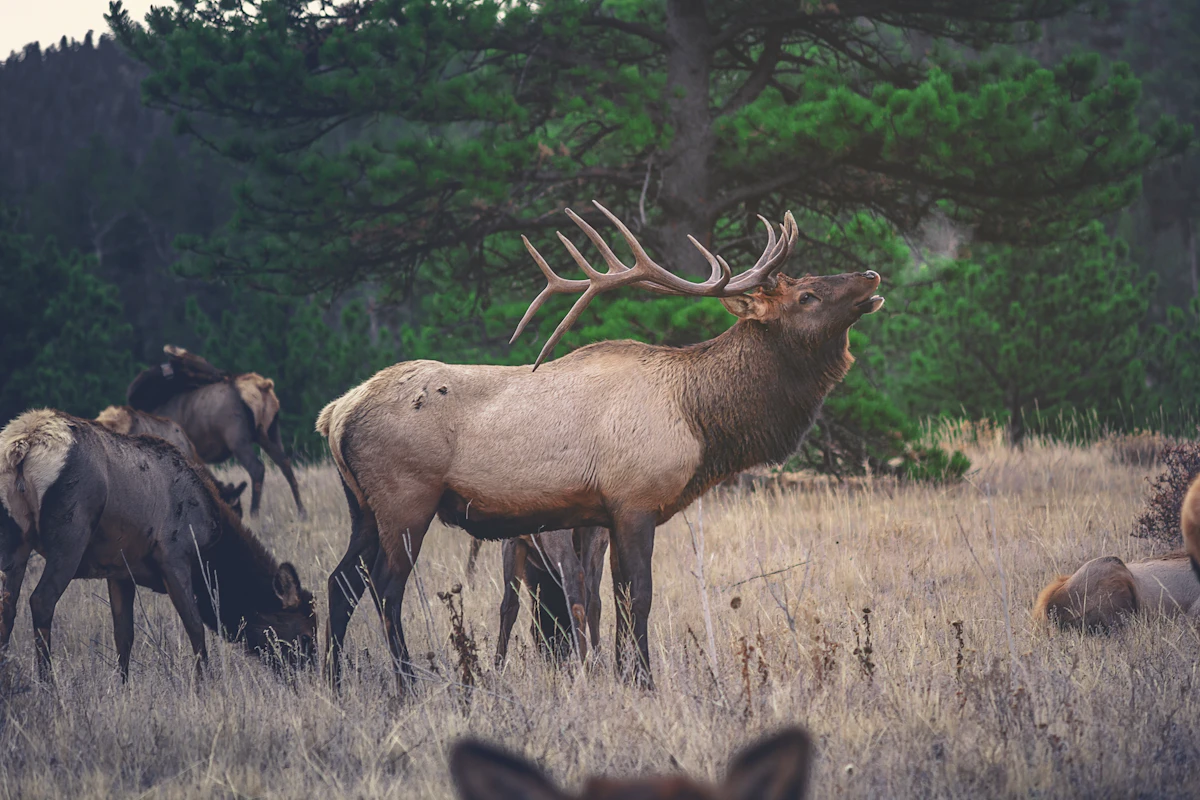
Bull elk chuckles are one of the most misunderstood vocalizations in elk hunting. Unlike bugles or cow calls, chuckles are short, guttural grunts that bulls use to communicate aggression, dominance, and readiness to fight. If you hear a bull chuckling, you are likely in the middle of peak rut activity with mature bulls nearby. Knowing when and how to use chuckles in your calling strategy can help you pull bulls away from cows, challenge herd bulls, and close the distance on elk that ignore standard bugles.
What Are Bull Elk Chuckles?
A chuckle is a series of rapid, low-pitched grunts that bulls make during intense rut competition. The sound is rhythmic and guttural, resembling a deep "uh-uh-uh-uh" vocalization delivered in quick succession. Chuckles are typically 3 to 6 grunts long, though aggressive bulls may extend them to 10 or more. The cadence and tone vary depending on the bull's mood, with faster, louder chuckles indicating higher aggression.
Chuckles are often paired with bugles or raking sounds, but they can also stand alone as a direct challenge to another bull. Unlike bugles, which can serve multiple purposes including locating cows or announcing presence, chuckles have one primary function: to communicate dominance and readiness to fight.
When Bulls Use Chuckles During the Rut
Bulls use chuckles most frequently during peak rut when competition for cows is highest. This typically occurs in mid-September across most western elk ranges, though timing varies by latitude and elevation. Chuckles are most common when multiple bulls are working the same herd of cows or when a satellite bull is testing a herd bull's willingness to defend his cows.
You will hear chuckles in three primary situations. First, when a herd bull is actively tending cows and another bull approaches or bugles nearby. Second, when two bulls are closing distance on each other and posturing before a physical fight. Third, when a bull is pushing cows to keep them bunched and prevent other bulls from cutting cows away from the herd.
Chuckles are rare outside of peak rut. Early season bulls may grunt softly while feeding or traveling, but true aggressive chuckling is a rut-specific behavior tied to breeding competition.
How Chuckles Differ from Other Elk Vocalizations
Chuckles are distinct from other elk sounds in both tone and purpose. Bugles are high-pitched, drawn-out vocalizations used to locate cows, intimidate rivals, and announce dominance over large areas. Chuckles are short, low, and close-range — a direct challenge rather than a broadcast.
Cow calls, including mews and chirps, are social vocalizations used by cows and calves to maintain herd cohesion. Bulls sometimes make soft grunts while feeding, but these are quieter and less rhythmic than aggressive chuckles. Estrus calls, made by cows ready to breed, are higher-pitched and sound anxious or pleading, while chuckles are calm, deliberate, and threatening.
Glunks, another bull vocalization, are single, deep grunts that bulls make while tending cows. Glunks communicate presence and dominance but lack the rapid-fire aggression of a full chuckle sequence.
Why Bulls Chuckle: The Science Behind the Sound
Chuckles serve as an acoustic display of dominance and fighting readiness. Bulls use them to assess each other's size, strength, and willingness to escalate confrontations without immediately resorting to physical combat. The pitch, volume, and cadence of a chuckle provide information about a bull's body size and fitness, allowing bulls to gauge whether they can win a fight before committing to one.
Research on elk vocalizations suggests that lower-pitched chuckles correlate with larger body size and greater dominance. Bulls pay attention to these cues and often back down from bulls whose chuckles indicate superior size or aggression. This acoustic competition reduces the frequency of dangerous physical fights while still allowing bulls to establish hierarchy and breeding access.
Chuckles also function as a warning to other bulls that the caller is prepared to defend his position. A bull that chuckles aggressively while tending cows is signaling that he will fight if challenged, which may deter satellite bulls from approaching.
How to Use Chuckles When Calling Bulls
Chuckle calls are most effective when used on mature bulls that are already aggressive or actively tending cows. If you locate a herd bull that is bugling frequently and responding to calls but not committing, adding chuckles to your sequence can escalate the encounter and trigger a closer approach. Chuckles tell the bull that another mature competitor is nearby and willing to fight, which often provokes a response from bulls that ignore standard bugles.
Start with a bugle and immediately follow it with 4 to 6 aggressive chuckles. The combination mimics a bull that has just announced his presence and is now challenging the herd bull directly. If the bull responds but hangs up at a distance, repeat the sequence and add raking sounds to simulate a bull tearing up vegetation in preparation for a fight.
Chuckles work best in timber or thick cover where bulls feel comfortable closing distance. In wide-open country, bulls are more likely to hang up and size you up visually, making chuckles less effective. Use chuckles sparingly early in the rut when bulls are less aggressive, as overcalling with aggressive sounds can push bulls away.
Common Mistakes When Using Chuckle Calls
The most common mistake hunters make with chuckle calls is using them too early or too often. Chuckles are aggressive, close-range calls that work best when bulls are already fired up and competing for cows. Using chuckles on a quiet morning when bulls are not actively bugling can sound unnatural and alert bulls to your presence.
Another mistake is making chuckles too fast or too loud. Real bull chuckles are rhythmic and deliberate, not frantic. Practice your cadence on a grunt tube or diaphragm call before using it in the field. Listen to recordings of real bulls chuckling to dial in the correct pitch and timing.
Hunters also overuse chuckles without pairing them with other sounds. A lone chuckle sequence without a bugle, cow call, or raking sounds can seem out of context to a bull. Elk are constantly communicating through multiple vocalizations, so your calling should reflect that natural complexity.
Finally, many hunters fail to stay patient after chuckling. Bulls that respond aggressively may circle downwind or approach slowly, taking 20 to 30 minutes to close the final distance. Stay alert, stay quiet, and be ready for bulls to come in silently after hearing chuckles.
When NOT to Use Chuckles
Chuckles are ineffective and potentially counterproductive in several situations. Avoid using chuckles on pressured public land where bulls are call-shy and have learned to associate aggressive calling with hunters. Bulls in these areas often respond better to soft cow calls and minimal bugling.
Do not use chuckles on satellite bulls that are not yet mature enough to challenge herd bulls. Young 4- and 5-point bulls may bugle and respond to calls, but they rarely chuckle aggressively because they lack the size and dominance to back up the threat. Chuckling at satellite bulls can push them away because the call signals a larger, more dominant bull.
Avoid chuckles late in the rut when bulls are exhausted and cows have been bred. By late September or early October, most bulls have shifted focus from aggressive competition to feeding and recovery. Chuckles are less effective during this phase because bulls are no longer willing to fight.
Finally, skip chuckles in areas where bulls have limited escape routes or are likely to wind you before seeing you. Bulls that detect human scent after hearing aggressive calling will leave the area and may not return.
How TAGZ Helps You Hunt Smarter During the Rut
Understanding elk vocalizations like chuckles is only part of successful rut hunting. You also need to be in areas with mature bulls, peak rut timing, and limited hunting pressure. TAGZ helps hunters identify the best units for rut hunting by analyzing draw odds, success rates, and terrain data across every western state. You can filter hunts by weapon type, season dates, and trophy quality to find units that align with peak rut activity.
TAGZ also tracks preference points and bonus points across multiple states, helping you build point totals for premium rut hunts while applying for units you can draw now. The platform provides detailed unit maps, public land boundaries, and terrain breakdowns so you can scout remote areas where mature bulls are most vocal and least pressured. If you are serious about calling in rutting bulls, TAGZ gives you the data to plan smarter applications and target units with the highest potential.
FAQ — Bull Elk Chuckles
What is a bull elk chuckle?
A chuckle is a series of rapid, low-pitched grunts that bulls make during the rut to communicate aggression and dominance. It signals readiness to fight and is most common when bulls are competing for cows.
When do bulls chuckle most during the rut?
Bulls chuckle most frequently during peak rut in mid-September when competition for cows is highest. Chuckles are rare outside of this window and typically occur when multiple bulls are working the same herd.
Can you call in a bull using chuckles alone?
Yes, but chuckles are most effective when paired with bugles, cow calls, or raking sounds. A lone chuckle sequence can work on aggressive bulls, but combining vocalizations sounds more natural and increases your chances of triggering a response.
Do satellite bulls chuckle?
Satellite bulls rarely chuckle because they lack the size and dominance to back up the aggressive signal. Chuckles are primarily made by mature herd bulls defending cows or challenging other mature bulls.
How do you make a realistic chuckle call?
Use a grunt tube or diaphragm call to produce a series of short, guttural grunts with a steady rhythm. Practice matching the cadence and pitch of real bulls by listening to recordings, and avoid making chuckles too fast or too loud.
Are chuckles effective on pressured public land?
Chuckles are less effective on heavily pressured public land where bulls associate aggressive calling with hunters. Soft cow calls and minimal bugling often work better in these areas because they sound less threatening and more natural.
Continue Planning Your Hunt
Now that you understand how bull elk chuckles work and when to use them, take the next step in planning your hunt. Explore our complete library of elk hunting strategies and rut tactics on the TAGZ Insights page, where you will find detailed breakdowns of calling techniques, unit selection, and draw strategy. If you are ready to start building a multi-state application plan, check out the TAGZ platform to compare draw odds, track points, and filter hunts by rut timing and trophy potential. Visit our home page to learn how TAGZ simplifies western hunting applications, or review our pricing options to find the plan that fits your hunting goals.
Was this article helpful?
Previous
Florida Bear Hunting Zones Explained: BMUs, Seasons & How to Draw a Tag
Florida divides black bear hunting into four Bear Management Units (BMUs) with separate quotas and season structures. Understanding how zone boundaries, harvest caps, and the limited-entry draw work is critical for applying successfully and planning your hunt.

Next
Estrus Calls: When to Use Them for Elk, Deer, and Antelope
Estrus calls can trigger aggressive responses from mature bulls and bucks during the rut, but timing and context determine success. Learn when estrus vocalizations work, when they backfire, and how to integrate them into your calling sequence.