Elk Hunting Guide: A Complete Strategy for Planning Your Hunt
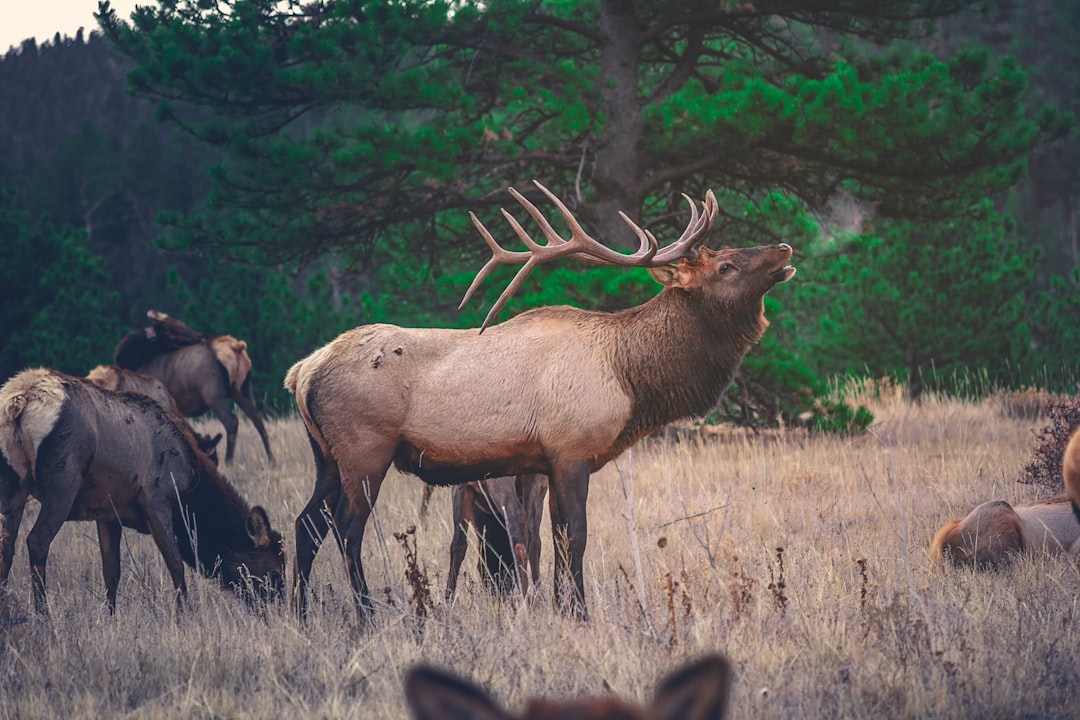
Elk hunting represents one of North America's most challenging and rewarding big-game pursuits. Whether you are planning your first elk hunt or refining your strategy after years in the field, success starts long before opening day. This guide walks you through the essential components of planning and executing a successful elk hunt, from choosing the right state and unit to calling tactics that bring bulls within range.
Understanding Western Elk Draw Systems
Most western states manage elk hunting through controlled draw systems that allocate tags via preference points, bonus points, or random lottery. Colorado and Idaho offer over-the-counter (OTC) elk tags in select units, providing immediate hunting opportunities without the wait. Montana issues general combination licenses that cover multiple species, while states like Arizona, Nevada, and New Mexico rely entirely on draw systems.
Preference point states like Colorado and Wyoming reward hunters who apply consistently by guaranteeing tags once you accumulate enough points for your chosen unit. Bonus point states like Utah and Montana increase your odds with each unsuccessful application but never guarantee a tag. Understanding these systems helps you build a multi-state strategy that balances immediate hunting opportunities with long-term trophy potential.
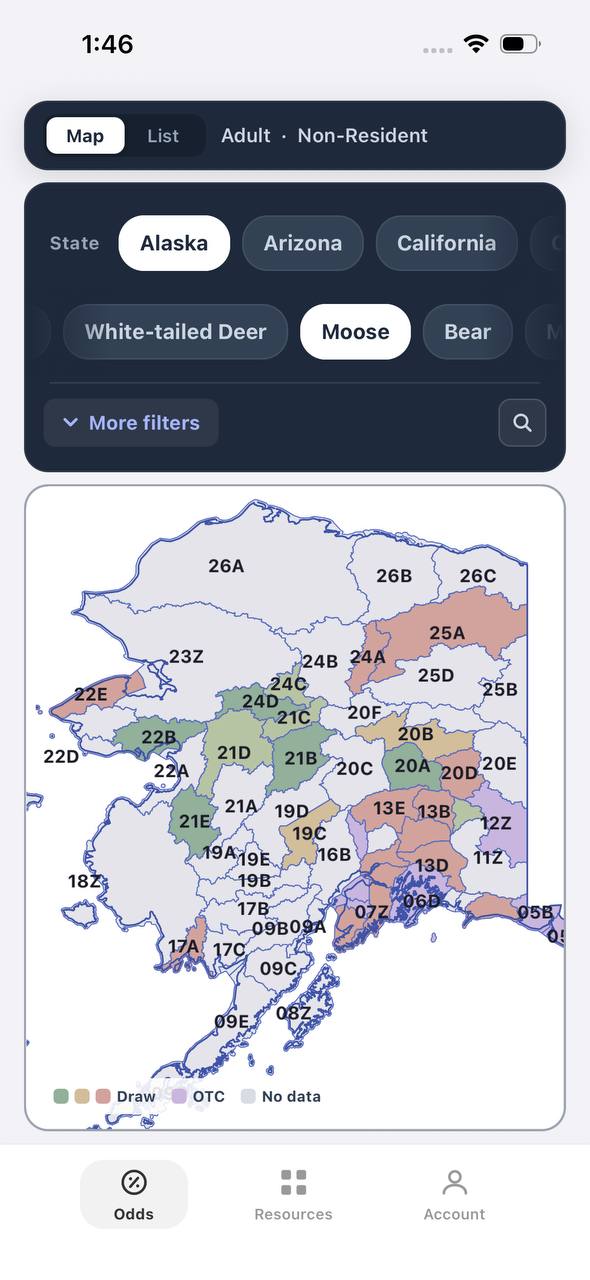
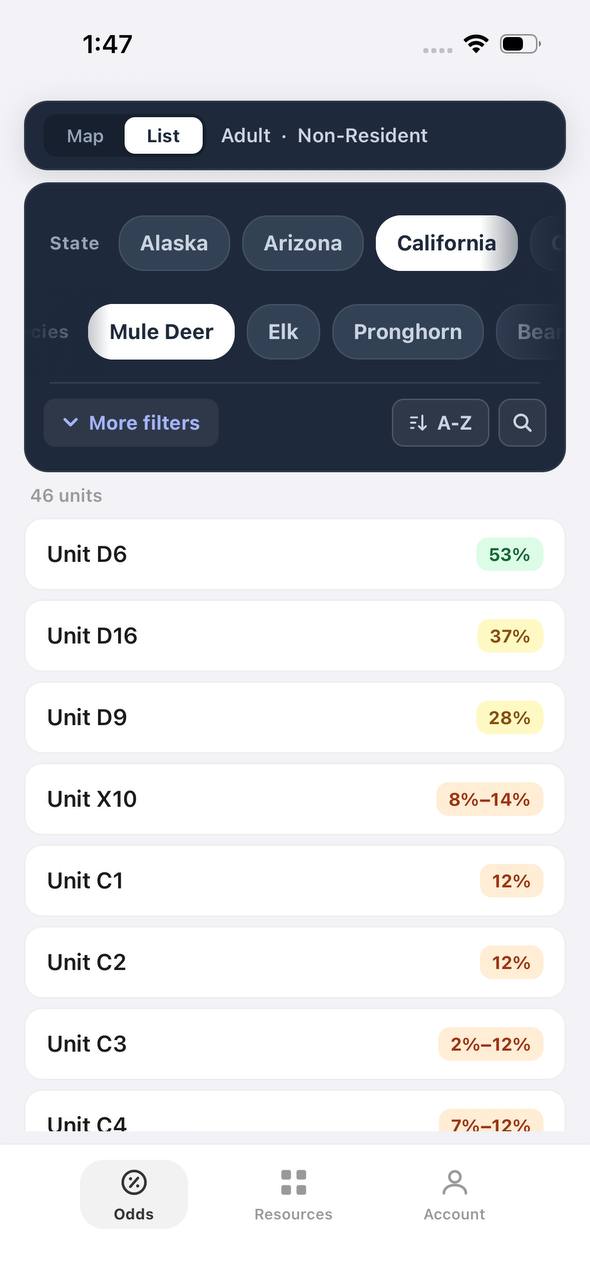
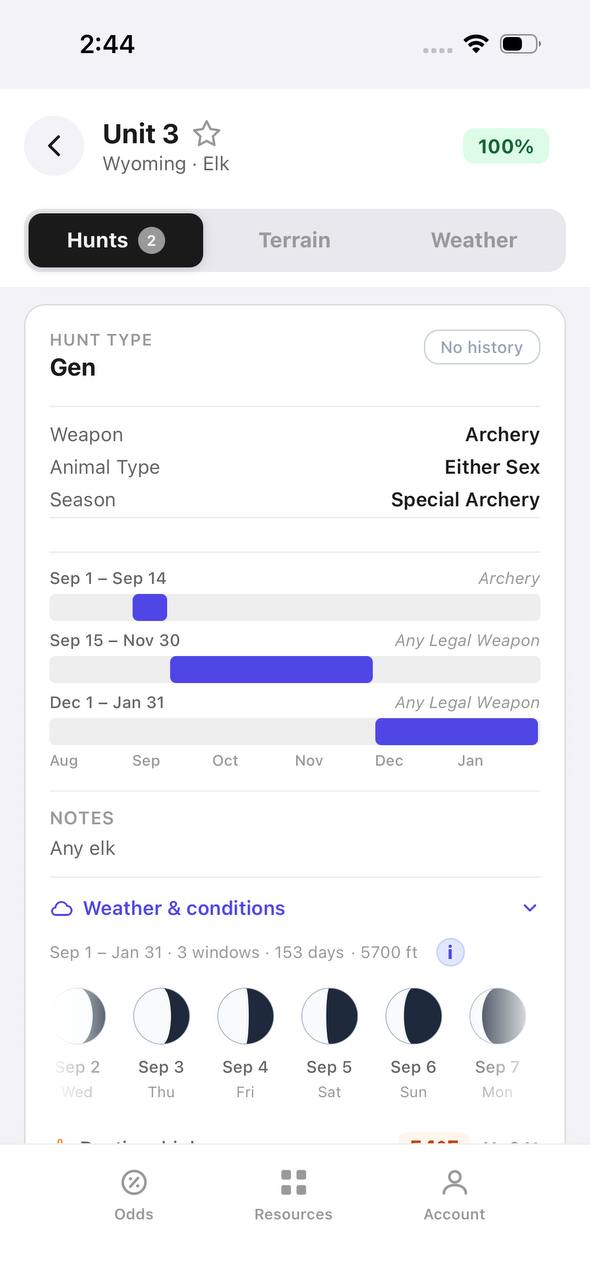
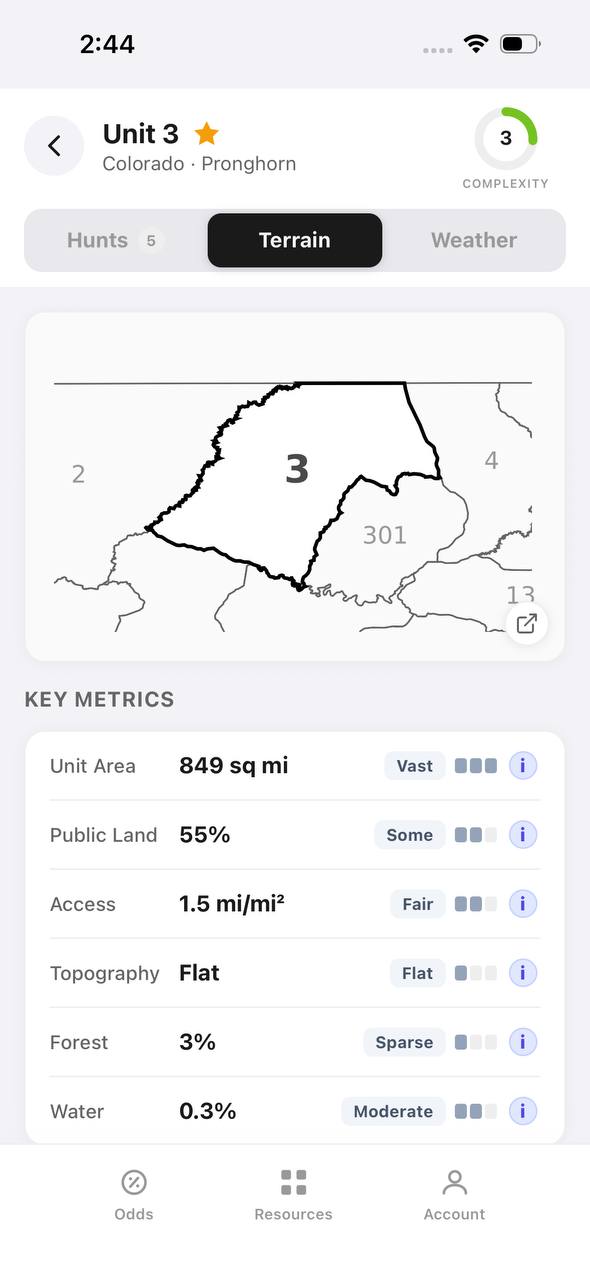
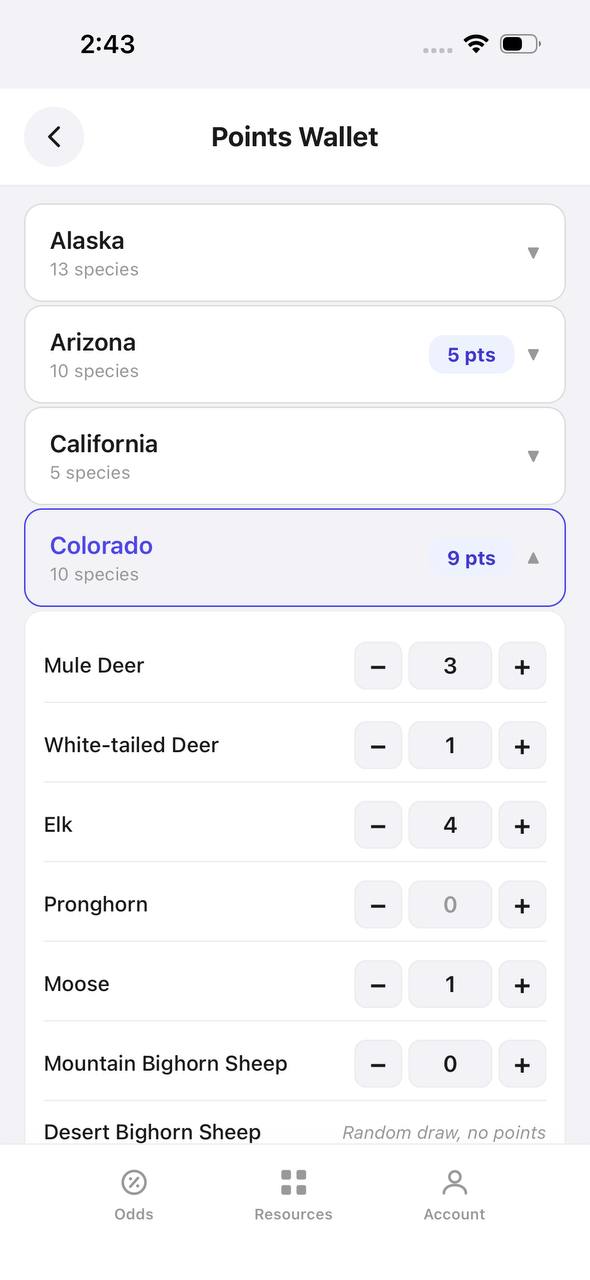
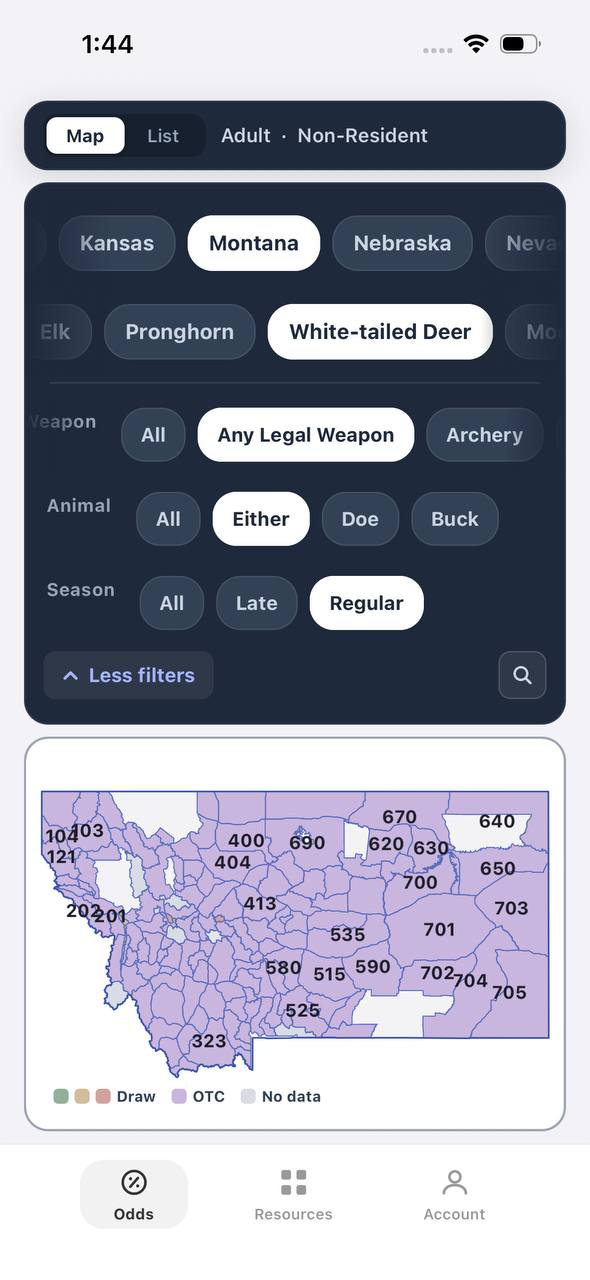
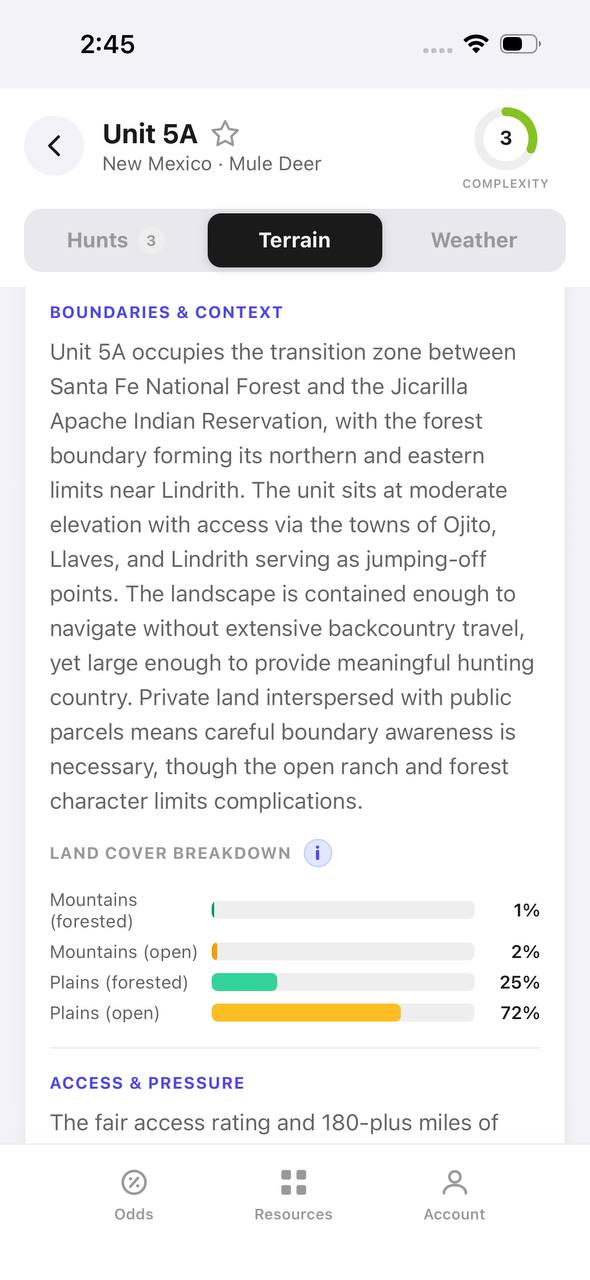
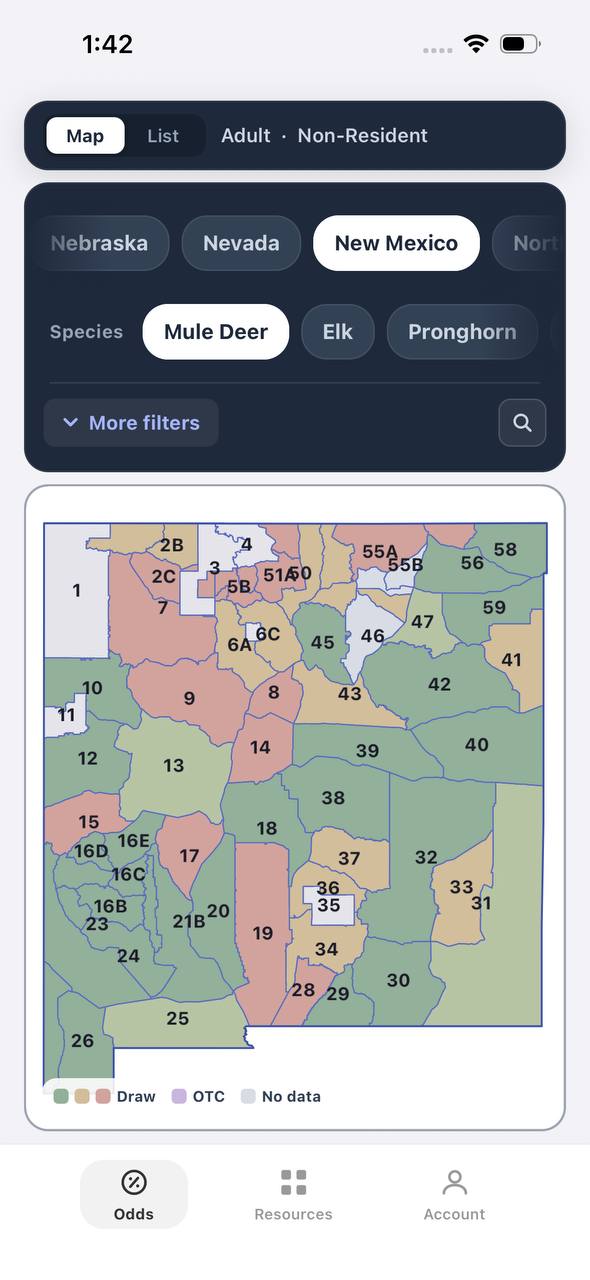
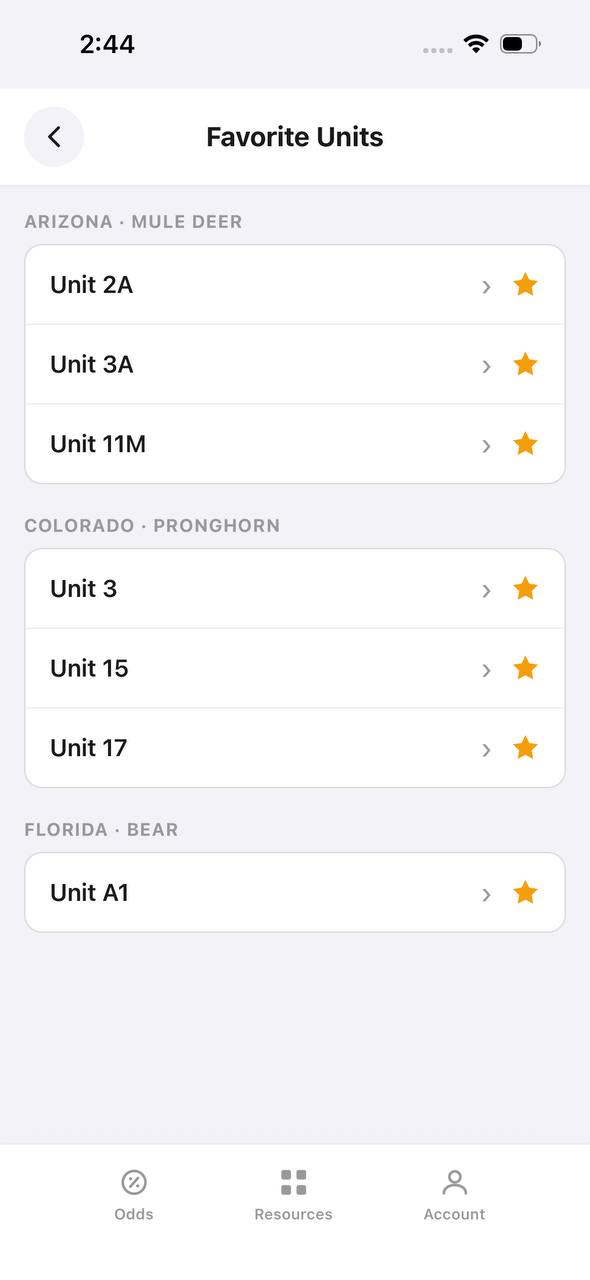
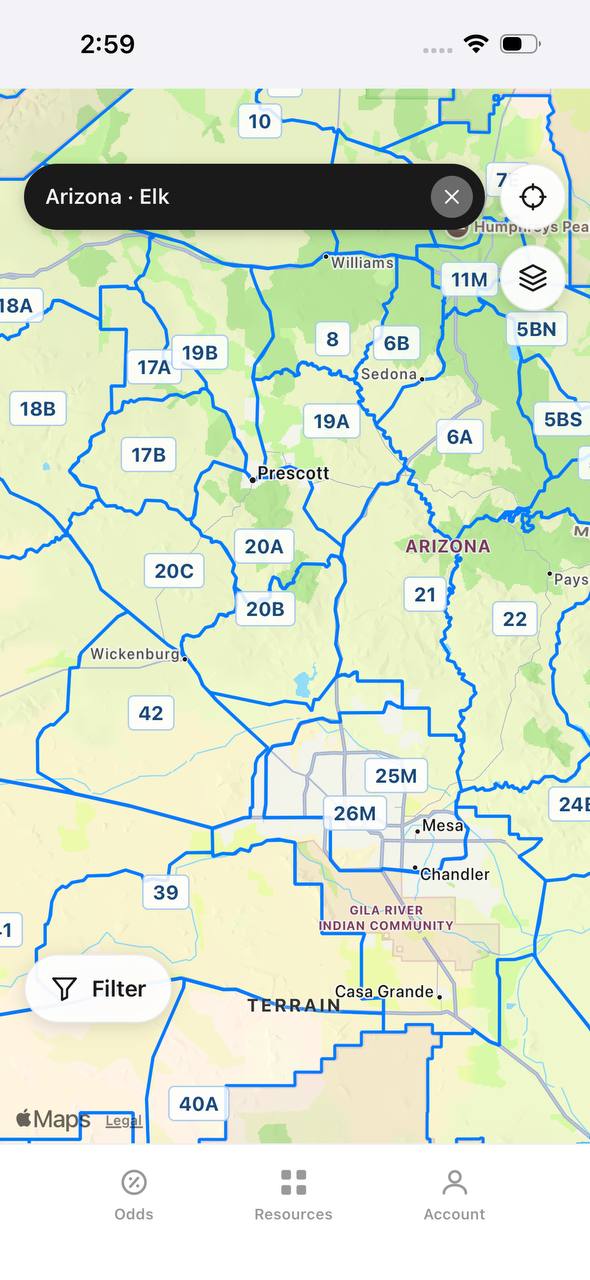
TAGZ helps you compare units side by side using terrain maps, unit boundaries, and historical draw data. Track your preference points and bonus points across multiple states so you never miss a draw deadline. Whether you are chasing OTC tags or planning a trophy limited-entry hunt, TAGZ gives you the tools to make smarter decisions before you ever step into the field.
Choosing Your Elk Hunting State and Unit
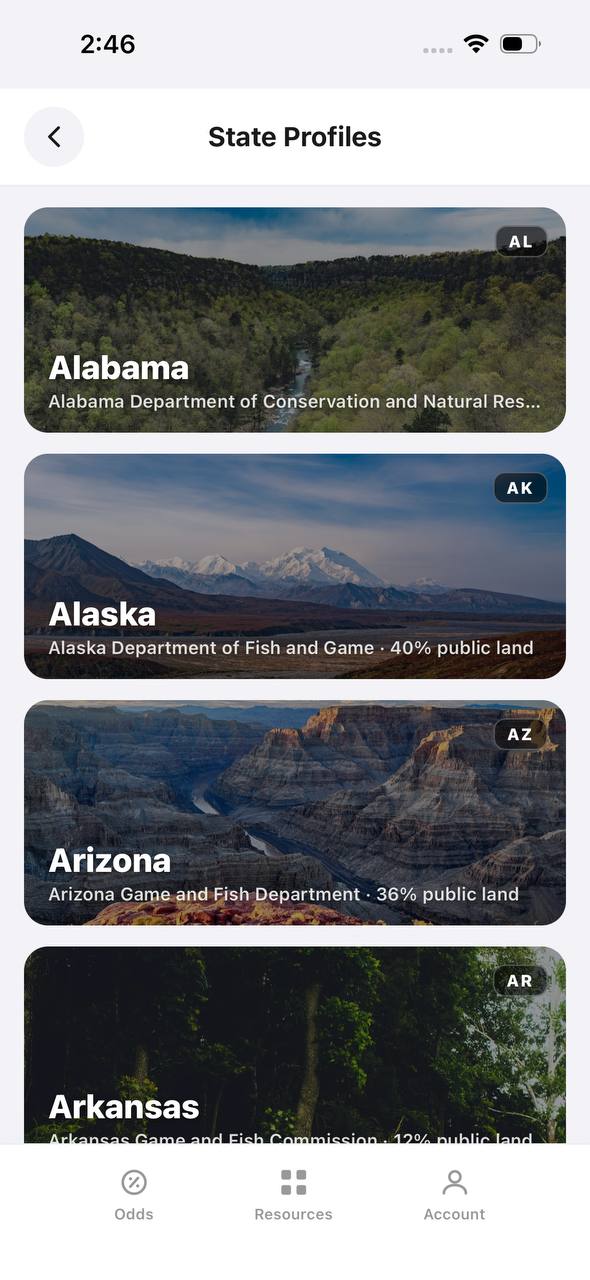
Your choice of state and unit should align with your experience level, point total, weapon preference, and hunt timeline. Colorado offers the most elk hunting opportunities with both OTC and draw units across varied terrain. Idaho provides extensive public land access and OTC archery options. Montana's general elk licenses cover large hunting districts, while Wyoming balances accessible general units with trophy-quality limited-entry areas.
When evaluating units, consider terrain difficulty, public land percentage, road access, and historical harvest success. High-elevation wilderness units require physical fitness and backcountry skills but offer solitude and less hunting pressure. Roadside units provide easier access but concentrate hunters in predictable locations. Mid-elevation transitional zones between summer and winter range can be productive during the rut as elk move between feeding and bedding areas.
Draw odds fluctuate based on tag quotas, point creep, and hunter demand. A unit requiring five preference points this year might need seven points next year as more applicants accumulate points faster than tags become available. TAGZ tracks these trends across states, showing you which units are becoming harder to draw and which offer better odds than their reputation suggests.
Public Land Access and E-Scouting
Western elk hunting relies heavily on public land managed by the U.S. Forest Service, Bureau of Land Management, and state wildlife agencies. OnX Hunt, Gaia GPS, and similar mapping applications help you identify legal access points, property boundaries, and terrain features before your boots hit the ground. Study topographic maps to locate ridgelines, saddles, benches, and drainages where elk travel between feeding and bedding areas.
Elk prefer north-facing slopes with timber cover during warm weather and south-facing slopes during cold snaps. Water sources become critical in dry years, concentrating elk in drainages with reliable springs or creeks. Look for areas with mixed conifer and aspen stands that provide both security cover and food sources. Avalanche chutes, burns, and clearcuts grow nutritious forbs and grasses that attract elk during late summer and early fall.
Trailhead traffic and road density indicate hunting pressure. Units with limited access roads and long hiking distances typically hold more elk and fewer hunters. Identify secondary access points away from main trailheads where you can slip into elk country without competing with a dozen other hunters. TAGZ provides terrain breakdowns and public land information for every unit, helping you identify overlooked areas that receive less pressure.
Archery vs. Rifle Elk Hunting
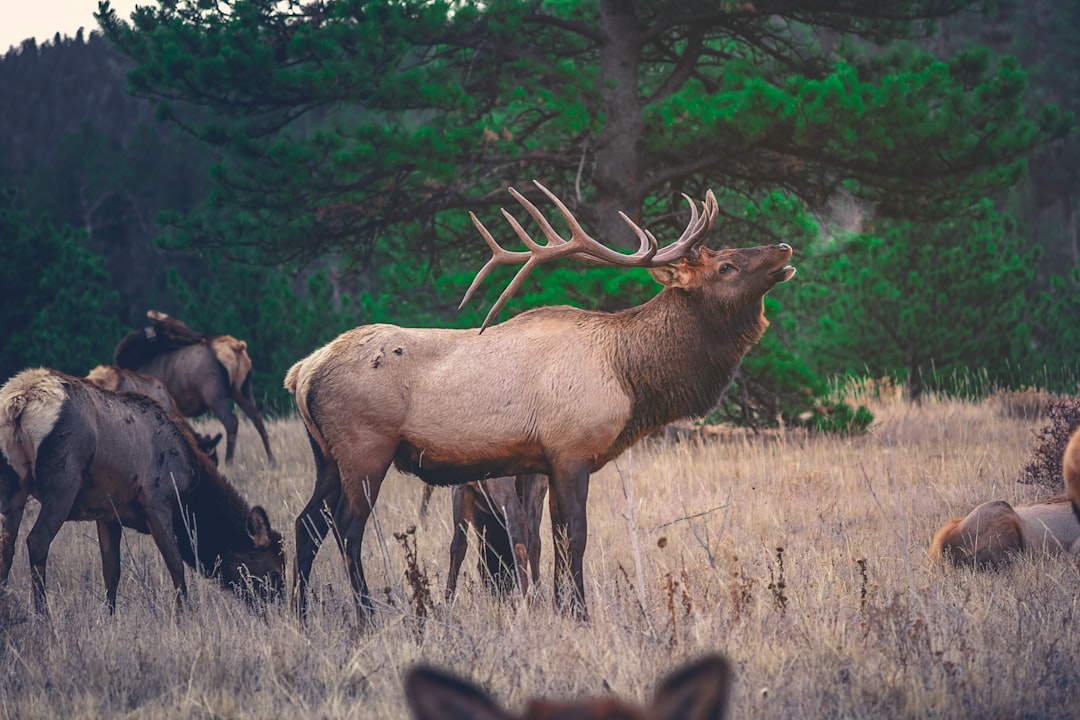
Archery elk seasons typically run during September when bulls are most vocal and responsive to calling. The rut peaks in mid-September across most western states, creating opportunities to locate bulls by listening for bugles and use calling tactics to bring them within bow range. Early archery seasons in August target bachelor groups of bulls in high-country basins before the rut begins. Late archery seasons in September's final week catch the tail end of rutting activity.
Rifle elk seasons generally open in October after the rut when bulls become less vocal and more reclusive. Success rates run higher during rifle seasons due to longer effective range and increased tag availability in many units. Early rifle seasons overlap with lingering rut behavior, while late rifle seasons push into November when snow drives elk to lower elevations. Muzzleloader seasons often fall between archery and rifle timeframes, offering a middle ground for hunters seeking less crowded conditions.
Weapon choice affects draw odds, season dates, and hunting tactics. Archery tags are often easier to draw than rifle tags in the same unit, and OTC archery options provide immediate hunting opportunities in states like Colorado and Idaho. Rifle hunters must plan for longer shot distances and focus more on glassing and spot-and-stalk tactics than calling sequences.
Free to join
Download mobile app
- Detailed draw odds
- Point tracking
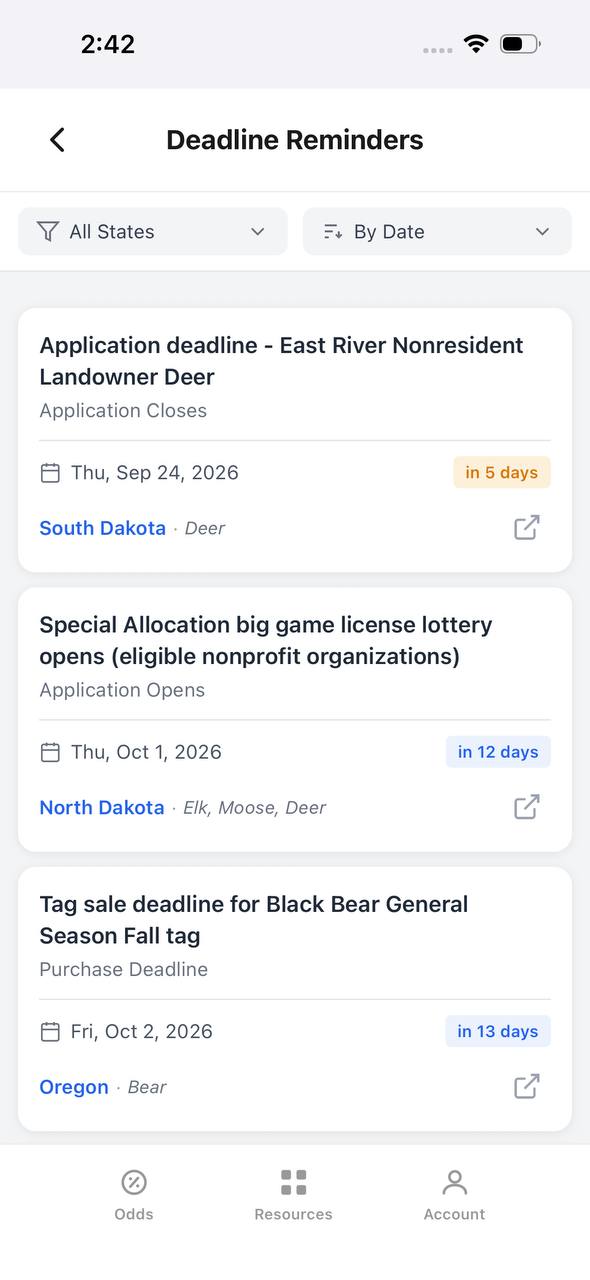
- Deadline reminders
- 18 states covered

Free to join
Download mobile app
- Detailed draw odds
- Point tracking
- Deadline reminders
- 18 states covered
Free to join
Download mobile app
- Detailed draw odds
- Point tracking
- Deadline reminders
- 18 states covered
Scouting and Finding Elk Before the Hunt
Effective scouting begins months before your hunt with digital map study and continues through boots-on-the-ground reconnaissance. If possible, scout your unit during summer when elk occupy high-country meadows and parks. Locate trails, wallows, rubs, and bedding areas to understand movement patterns. Fresh sign indicates current elk presence, while old sign shows historical use that may repeat annually.
Glassing from high vantage points at dawn and dusk reveals elk locations and travel routes. Bulls often feed in open parks and meadows during low-light periods before retreating to timber for daytime bedding. Note where elk enter and exit these feeding areas, then plan ambush points along these routes. Trail cameras placed near wallows, water sources, and well-used trails provide additional intel on herd composition and bull activity.
If you cannot scout in person before your hunt, arrive a few days early to confirm elk presence and adjust your plan based on current conditions. Drought, wildfires, hunting pressure, and weather can shift elk distributions from historical patterns. Listen for bugles during archery season and watch for feeding elk at dawn and dusk during rifle season. Adjust your hunting area daily based on fresh sign and elk behavior rather than committing to a single location.
Calling Strategies That Work
Elk calling during the rut combines bugling, cow calls, and silence to provoke responses from herd bulls, challenge satellite bulls, and calm wary cows. Start with locator bugles at dawn to pinpoint bull locations without committing to an aggressive challenge. Once you locate a bull, move closer while using terrain to mask your approach, then initiate a calling sequence that matches the bull's temperament.
Dominant herd bulls respond best to challenges from satellite bulls, which you imitate with mid-range bugles and chuckles. Younger satellite bulls respond aggressively to any bugle, making them easier to call but less desirable targets if you are hunting for mature bulls. Cow calls create the illusion of an estrous cow separated from the herd, which can pull bulls away from their harems. Combining bugles and cow calls simulates a satellite bull attempting to steal a cow, triggering territorial responses.
Silence is equally important as calling. After an initial exchange, stop calling and let the bull's curiosity draw him closer. Overcalling educates elk and makes them wary of hunters. Use terrain to your advantage by calling from positions where the bull must commit to a final approach through shooting lanes you have already ranged. Wind direction determines setup locations, as elk rely heavily on scent to identify danger.
Essential Elk Hunting Gear
Elk hunting gear must handle rugged mountain terrain, variable weather, and the physical demands of packing meat from backcountry kills. A quality daypack (2,000–3,000 cubic inches) carries water, food, extra clothing, and field-dressing equipment for day hunts. Backcountry hunts require a larger pack (4,000–6,000 cubic inches) with a meat-hauling frame capable of carrying 80–100 pounds of boned-out elk quarters.
Footwear makes or breaks elk hunts. Leather or synthetic boots with ankle support handle steep, rocky terrain better than lightweight trail runners. Insulated boots are necessary for late-season hunts when temperatures drop below freezing. Break in new boots thoroughly before your hunt to prevent blisters that can end your trip early. Merino wool or synthetic socks wick moisture and regulate temperature better than cotton.
Layering systems manage body temperature during strenuous climbs and cold glassing sessions. A merino wool base layer, insulating mid-layer (fleece or down), and waterproof/breathable shell handle most western weather conditions. Pack extra layers in your daypack rather than wearing everything at once. Rain gear doubles as wind protection during exposed ridge walks. Quality optics — binoculars in the 8x42 or 10x42 range and a spotting scope for long-range glassing — help you locate elk before they detect you.
Free to join
Download mobile app
- Detailed draw odds
- Point tracking
- Deadline reminders
- 18 states covered
Free to join
Download mobile app
- Detailed draw odds
- Point tracking
- Deadline reminders
- 18 states covered
Free to join
Download mobile app
- Detailed draw odds
- Point tracking
- Deadline reminders
- 18 states covered
Shot Placement and Field Care
Elk are tough animals that require precise shot placement and adequate calibers or draw weights. For rifle hunters, aim for the crease behind the shoulder to hit both lungs and potentially the heart. Quartering-away shots offer a larger vital zone as the bullet travels forward through the chest cavity. Avoid straight-on or hard-quartering shots that require bullets to penetrate heavy shoulder bones or travel long distances through muscle and gut before reaching vitals.
Archery hunters should focus on broadside or slight quartering-away angles that provide clear access to the lungs without heavy bone interference. Avoid shots exceeding 40–50 yards unless you have extensive experience and practice at those distances. Elk can cover significant ground in seconds, turning a marginal hit into a lost animal. Wait for the right shot rather than forcing low-percentage opportunities.
After the shot, mark the exact location where the elk stood and where you saw or heard it after impact. Wait at least 30 minutes for lung-shot elk, longer for marginal hits. Begin tracking carefully, looking for blood, hair, and disturbed vegetation. Elk often travel downhill after being hit, seeking the path of least resistance. Once you recover your elk, field dress immediately to cool the meat. Quarter the elk and pack meat in game bags to protect it from dirt and insects during the pack-out.
Physical Preparation and Conditioning
Elk hunting demands cardiovascular endurance, leg strength, and mental toughness. Most western elk units sit between 7,000 and 11,000 feet elevation, where thinner air reduces aerobic capacity for lowlanders. Begin training at least three months before your hunt with a combination of hiking, running, stair climbing, and weighted pack work. Build to multi-hour hikes with 40–60 pounds in your pack to simulate the demands of backcountry hunting and meat packing.
Leg strength prevents injuries on steep descents and provides the power needed for prolonged climbs. Squats, lunges, step-ups, and calf raises build the specific muscles used during mountain hunting. Core strength stabilizes your body during uneven terrain and improves shooting accuracy. Include planks, side planks, and rotational exercises in your training routine.
Mental preparation matters as much as physical conditioning. Elk hunting involves long days, uncertain outcomes, and the possibility of packing heavy loads across difficult terrain. Practice hiking in adverse weather and challenging conditions to build confidence in your ability to handle whatever your hunt presents. Physical fitness expands your hunting range and increases the likelihood you will capitalize on opportunities when they arise.
Planning Your First Elk Hunt
First-time elk hunters should prioritize experience over trophy quality. OTC archery tags in Colorado or Idaho provide immediate opportunities to learn elk behavior, test your calling skills, and understand the physical demands of mountain hunting. These hunts require minimal points or applications, allowing you to get started quickly rather than waiting years for a limited-entry tag.
Consider hiring a guide or outfitter for your first elk hunt. Guides provide local knowledge, equipment, logistics support, and field instruction that accelerates your learning curve. Guided hunts cost significantly more than DIY hunts but increase success rates and reduce the risk of common mistakes that plague first-timers. Alternatively, partner with an experienced elk hunter willing to mentor you through the process.
Set realistic expectations based on your experience level, physical fitness, and hunting timeline. Success rates for elk hunting typically range from 10–20 percent for archery hunters and 15–30 percent for rifle hunters, depending on unit quality and hunting pressure. Even unsuccessful hunts provide valuable experience that improves future performance. Focus on learning rather than filling a tag, and you will build the skills necessary for consistent long-term success.
Free to join
Download mobile app
- Detailed draw odds
- Point tracking
- Deadline reminders
- 18 states covered
Free to join
Download mobile app
- Detailed draw odds
- Point tracking
- Deadline reminders
- 18 states covered
Free to join
Download mobile app
- Detailed draw odds
- Point tracking
- Deadline reminders
- 18 states covered
Multi-State Application Strategy
Serious elk hunters apply in multiple states each year to maximize draw opportunities and build points in premium units while hunting accessible units annually. A balanced strategy includes OTC or easy-to-draw tags for annual hunting experience and applications in difficult-to-draw units where points accumulate toward future trophy hunts. Colorado, Idaho, and Montana provide frequent hunting opportunities, while Arizona, Nevada, Utah, and Wyoming offer higher-quality hunts that require patience and point accumulation.
Application deadlines vary by state, running from late January through early June. Missing a deadline costs you a year of point accumulation and potential hunting opportunities. TAGZ tracks application deadlines across all western states and sends reminders so you never miss an important date. The platform also models point projection scenarios, showing you how many years you need to draw specific units based on current trends and point creep.
Budget for annual application fees, preference/bonus point fees, and hunting license costs across multiple states. These expenses add up quickly but represent the investment required to hunt elk regularly and build toward premium opportunities. Treat elk hunting as a long-term pursuit rather than a single-year goal, and your application strategy will yield regular hunting opportunities and occasional once-in-a-lifetime tags.
Weather and Hunt Timing
Weather patterns significantly affect elk behavior and hunting success. Early archery seasons in August often deal with hot temperatures that push elk to high-elevation basins with water and shade. Bulls are less vocal during this period, making locating them more difficult. Mid-September brings peak rut activity as temperatures cool and bulls aggressively compete for cows. Late September and October see decreased vocal activity as the rut winds down and elk transition toward winter patterns.
Cold fronts and storm systems increase elk activity. Bulls bugle more aggressively as temperatures drop, and feeding periods lengthen as elk prepare for winter. Snow pushes elk to lower elevations, concentrating them in transitional zones between summer and winter range. Heavy snow can improve tracking but also makes access more difficult in roadless areas. Monitor weather forecasts during your hunt and adjust your strategy based on current conditions rather than following a predetermined plan.
Wind direction determines hunting success more than any other weather variable. Elk rely on their sense of smell to detect danger, and even perfect setups fail when wind carries your scent to wary animals. Plan your approach routes and setup locations based on prevailing wind patterns. Hunt during early morning and late evening when thermals are most predictable, rising uphill as temperatures warm and falling downhill as temperatures cool.
Continue Planning Your Hunt
Elk hunting success comes from preparation, persistence, and smart planning. From understanding draw systems and building point totals to scouting effectively and executing proven calling strategies, every component builds toward the moment when a mature bull steps into range.
TAGZ simplifies western hunting applications and hunt planning by providing the decision-making tools you need to compare units, track points, and identify the best opportunities across multiple states. Explore terrain maps, unit boundaries, and historical draw data to find units that match your experience level and point totals. Whether you are planning your first OTC archery hunt or building points toward a trophy limited-entry unit, TAGZ helps you make informed decisions that maximize your time in elk country.
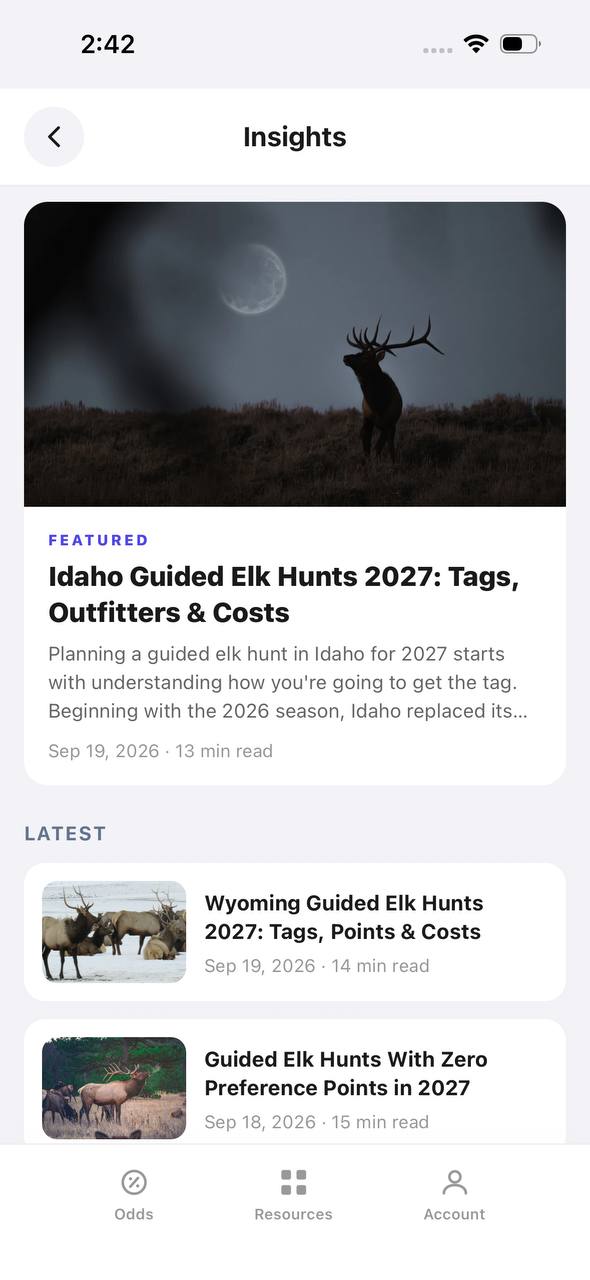
Visit the TAGZ product page to see how the platform helps you filter hunts by weapon, season, and species, then compare draw odds side by side. Check out more western hunting strategies and state-specific guides on the TAGZ Insights blog, or explore pricing options to start planning your next elk hunt today.
FAQ — Elk Hunting
What state is best for first-time elk hunters?
Colorado and Idaho offer the most accessible elk hunting through over-the-counter (OTC) archery tags and general rifle tags that do not require years of point accumulation. Both states have large elk populations, extensive public land, and opportunities for DIY hunters.
How many preference points do I need to draw a good elk tag?
It depends on the state and unit quality. OTC and general units require zero points in Colorado, Idaho, and Montana. Mid-tier limited-entry units typically require 3–8 preference points, while premium trophy units can require 15–25 points or more in states like Colorado and Wyoming.
When is the best time to hunt elk?
Mid-September during the peak rut offers the best combination of vocal bull activity and calling success for archery hunters. Early October rifle seasons catch the tail end of the rut with higher success rates due to weapon range. Late-season hunts after the first snow can be productive as elk concentrate on lower-elevation winter range.
What is the success rate for elk hunting?
Archery elk hunting success rates typically range from 10–20 percent depending on unit quality and hunting pressure. Rifle success rates run higher at 15–30 percent. Guided hunts increase success rates significantly compared to DIY hunts, especially for first-time elk hunters.
Do I need a guide for my first elk hunt?
No, but hiring a guide or hunting with an experienced elk hunter significantly improves your learning curve and success rate. DIY elk hunting is possible with thorough preparation, physical fitness, and realistic expectations. Many successful elk hunters start with guided hunts to learn the basics before transitioning to DIY hunts.
How much does an elk hunt cost?
DIY OTC elk hunts cost $600–$900 for nonresident tags plus travel, gear, and food expenses. Guided drop-camp hunts run $2,000–$4,000, while fully outfitted hunts with lodging and meals cost $4,000–$8,000. Premium limited-entry guided hunts can exceed $10,000 depending on the state and unit quality.
Was this article helpful?
Previous
Essential Elk Hunting Tips — Proven Strategies for Success
Master the fundamentals of elk hunting with proven strategies for scouting, calling, positioning, and shot placement. From pre-season preparation to the final moments of truth, these tips help hunters of all experience levels fill their tags.
Related
Elk Hunting 101: A Complete Guide for New and Experienced Hunters
Master the fundamentals of elk hunting with proven strategies for scouting, calling, shot placement, and public land success across the West.
Next
Public Land Elk Hunting: Strategy, Scouting, and Success Without Private Access
Public land elk hunting rewards preparation and persistence. Learn how to scout effectively, avoid crowds, and consistently fill tags on accessible terrain across the West.