Elite vs Prime: Which Hunting Bow Is More Forgiving in 2026?
Forgiveness in a hunting bow means how much the bow compensates for small mistakes in your form — an inconsistent anchor point, a slight torque in your grip, or a rushed release under pressure. Both Elite Archery and Prime produce flagship compounds that western hunters trust on backcountry elk hunts and treestand whitetail setups, but they deliver forgiveness through different engineering philosophies. Elite prioritizes geometric stability with wider limb pockets and longer risers, while Prime focuses on cam timing and back-wall consistency through its patented parallel cam system. Understanding which type of forgiveness matters more for your hunting style determines which brand fits your draw cycle and shot execution.
What Makes a Bow Forgiving?
Forgiveness comes from four measurable attributes: brace height, axle-to-axle length, cam design, and mass weight. A longer brace height shortens the power stroke, giving you less time to introduce torque or pluck the string during release. A longer axle-to-axle measurement increases rotational inertia, resisting tipping or canting when you rush the shot. Cam design controls how the bow reacts to inconsistent draw length or anchor placement — a hard back wall locks you in, while a mushy valley lets you float. Mass weight dampens hand shock and absorbs micro-movements at full draw. Elite and Prime both score well across these categories, but they weight the priorities differently.
Elite models like the Omnia and Rezult emphasize physical stability through geometry. The Omnia carries a 33-inch axle-to-axle and a 7-inch brace height, making it one of the most stable platforms in the 2026 lineup. That length resists torque even when you grip too hard or collapse your bow shoulder under fatigue. Prime's Revex 4 and Nexus 6 counter with shorter profiles — 31 and 30 inches respectively — but compensate through cam synchronization. Prime's parallel cam system keeps both cams rotating in identical arcs, so even if you creep forward or slide back at anchor, the let-off curve stays consistent. Neither approach is objectively superior; the choice depends on whether you prioritize physical stability or draw cycle repeatability.
Elite's Forgiveness Through Geometry
Elite Archery leans into axle-to-axle length and limb pocket width as its primary forgiveness tools. The 2026 Omnia stretches to 33 inches, giving you a longer sight radius and more rotational mass to resist tipping when you draw in a ground blind or twist at the waist to track a bull. That extra length also smooths the draw cycle — the cams rotate through a gentler arc, so you hit the valley without the sharp break that can surprise your release hand. The Rezult, Elite's mid-length option at 31 inches, splits the difference for hunters who want maneuverability in thick cover but still value a forgiving hold.
Brace height on Elite's flagship models sits at 7 inches across the lineup. A longer brace height reduces the distance the string travels after release, shortening the window where your form mistakes can deflect the arrow. If you torque the grip or punch the trigger, the string has already left your fingers before the rotation transfers to the riser. That makes Elite's geometry ideal for hunters who shoot under adrenaline — calling in a bull at 30 yards or drawing on a buck that just stepped into the shooting lane. The trade-off is slightly lower IBO speeds compared to shorter-brace competitors, but forgiveness on a live animal often matters more than an extra five feet per second on the chronograph.
Elite also uses a wider limb pocket stance than most competitors. The limbs pivot farther apart, creating a broader base that resists torque around the vertical axis. If you cant the bow left or right — common when shooting uphill or downhill on steep terrain — the wider limb stance pushes back against the tilt. That feature shows up most clearly on mountain hunts where you're bracing against a tree or shooting from awkward kneeling positions. The Omnia and Rezult both hold level through contorted shooting positions that would tip a narrower-pocketed bow off target.
Prime's Forgiveness Through Cam Synchronization
Prime's patented parallel cam system attacks forgiveness from the draw cycle rather than the frame. Both top and bottom cams rotate in mirrored arcs, timed so they reach full draw simultaneously and create a symmetrical load on the string. If you anchor slightly forward or pull a quarter-inch deeper than usual, both cams adjust together, so the valley and let-off feel identical shot to shot. That consistency matters most for hunters who struggle with anchor point discipline under pressure or who wear bulky face masks and neck gaiters that shift their jaw reference.
The Revex 4, Prime's 2026 flagship, pairs the parallel cam with a 31-inch axle-to-axle and a 6.75-inch brace height. Those numbers sit shorter than Elite's equivalent models, but the cam synchronization compensates by removing variance from the draw cycle. You don't need a longer brace height if the string release timing stays repeatable regardless of small anchor shifts. The Nexus 6, at 30 inches, pushes the compact end of Prime's lineup while maintaining the same parallel cam timing. That model appeals to treestand hunters who need maneuverability in tight quarters but still want a forgiving back wall when a deer walks under the stand.
Prime also builds a firmer back wall than Elite. The parallel cams stack aggressively at the end of the draw cycle, creating a physical stop that locks your anchor in place. If you try to overdraw or creep forward, the wall pushes back immediately. That tactile feedback prevents the micro-movements that plague hunters with inconsistent shoulder pressure or varying facial contact. Elite's cams offer a softer valley — more comfortable to hold at full draw for extended periods, but easier to float through if you're not disciplined. Prime's hard wall forces consistency even when you're fatigued or rushed.
The trade-off for Prime's shorter axle-to-axle is less rotational stability. A 30-inch bow tips more easily than a 33-inch bow when you torque the grip or cant the frame. Prime compensates with higher mass weight — the Revex 4 sits at 4.6 pounds bare bow, compared to the Omnia's 4.3 pounds — but that added weight doesn't fully match the tipping resistance of Elite's longer platform. For hunters who shoot from stable positions like box blinds or bench rests, Prime's cam forgiveness outweighs the stability sacrifice. For spot-and-stalk hunters shooting off trekking poles or improvised rests, Elite's geometry offers more margin for error.
Which Bow Fits Your Hunting Style?
Your hunting context determines which forgiveness model matters more. Elite's geometry-based approach excels in dynamic shooting positions — stalking pronghorn across broken sagebrush, slipping through aspen patches after a bugling bull, or shooting uphill and downhill on alpine ridges. The longer axle-to-axle and wider limb stance resist the torque and canting that come from rushed, off-balance shots. If you hunt western public land where shot opportunities appear suddenly and you rarely have time to set up a perfect stance, Elite's stability keeps your pins on target even when your form breaks down.
Prime's cam-based forgiveness fits hunters who shoot from predictable positions but struggle with anchor consistency. Treestand whitetail hunters who draw and hold for extended periods benefit from the hard back wall that prevents creep. Spot-and-stalk hunters who wear face masks, gloves, and bulky jackets appreciate the parallel cam system that delivers the same draw cycle regardless of clothing shifts. If you practice regularly and maintain consistent form, but small variations in anchor point or draw length still introduce vertical spread in your groups, Prime's cam synchronization smooths those inconsistencies better than Elite's longer frame.
Speed hunters who prioritize arrow velocity lean toward Prime. Shorter brace heights and aggressive cam timing push the Revex 4 to 342 IBO, while the Omnia sits at 335 IBO. That seven-foot-per-second gap translates to flatter trajectory and more kinetic energy on 60-yard shots, but it also shrinks your forgiveness window. The Revex demands cleaner form to maintain accuracy, while the Omnia absorbs sloppier releases without moving the impact point. If you're a confident shooter who trusts your form under pressure, Prime's speed advantage is real. If you're still building consistency or hunt in high-adrenaline situations, Elite's extra forgiveness delivers tighter groups where it matters.

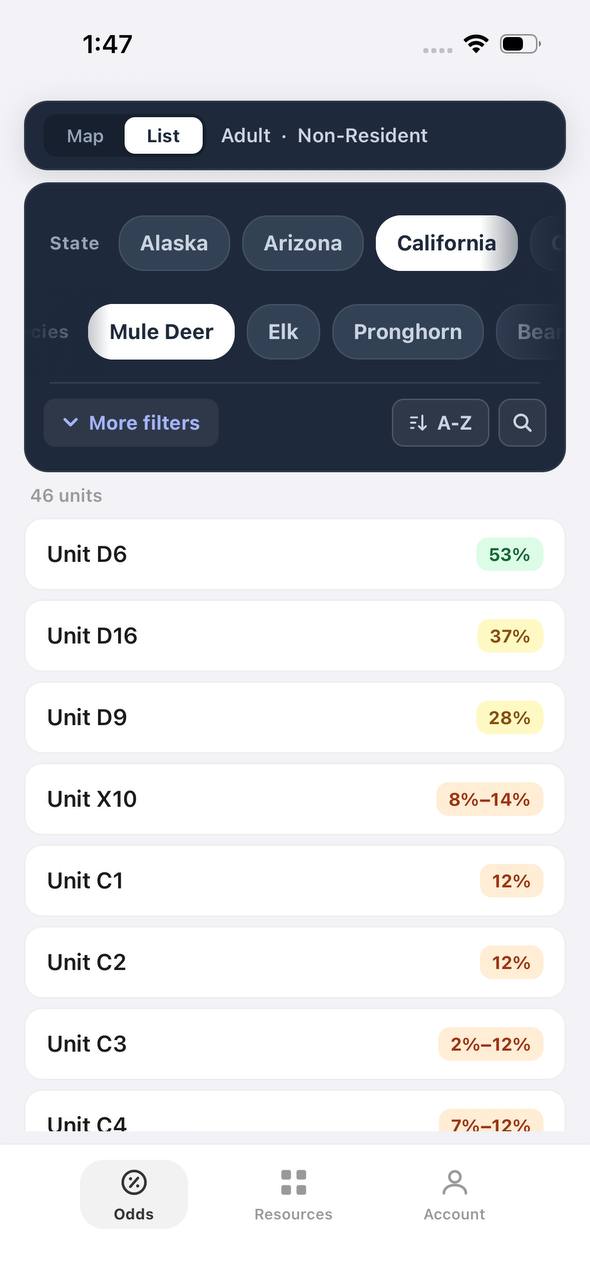
Free to join
Download mobile app
- Detailed draw odds
- Point tracking
- Deadline reminders
- 18 states covered



Free to join
Download mobile app
- Detailed draw odds
- Point tracking
- Deadline reminders
- 18 states covered


Free to join
Download mobile app
- Detailed draw odds
- Point tracking
- Deadline reminders
- 18 states covered

Real-World Forgiveness Testing
Paper-tuning and bare-shaft testing reveal how each platform handles form mistakes. Set up a bare shaft at 20 yards and intentionally torque the grip hard left on release. The Omnia typically keeps the bare shaft within two inches of the fletched group, while the Revex shows three to four inches of horizontal drift. Repeat the test with a punched trigger release — the Omnia's longer brace height limits vertical spread to one inch, while the Revex's shorter brace can push three inches of vertical dispersion. Those differences vanish with clean form, but they compound under field conditions when your heart rate spikes and your mechanics slip.
Cam timing forgiveness shows up in draw length tolerance. Prime's parallel cam system lets you shoot the same bow with a quarter-inch variance in draw length without retuning. Elite's single-cam platform requires precise draw length measurement — a half-inch change shifts cam timing enough to move nock travel and require re-tuning. That makes Prime more forgiving for hunters who share bows, adjust clothing layers seasonally, or haven't finalized their exact draw length. Elite rewards shooters who dial in one setup and stick with it.
TAGZ Helps You Compare Bow Specs and Hunting Conditions
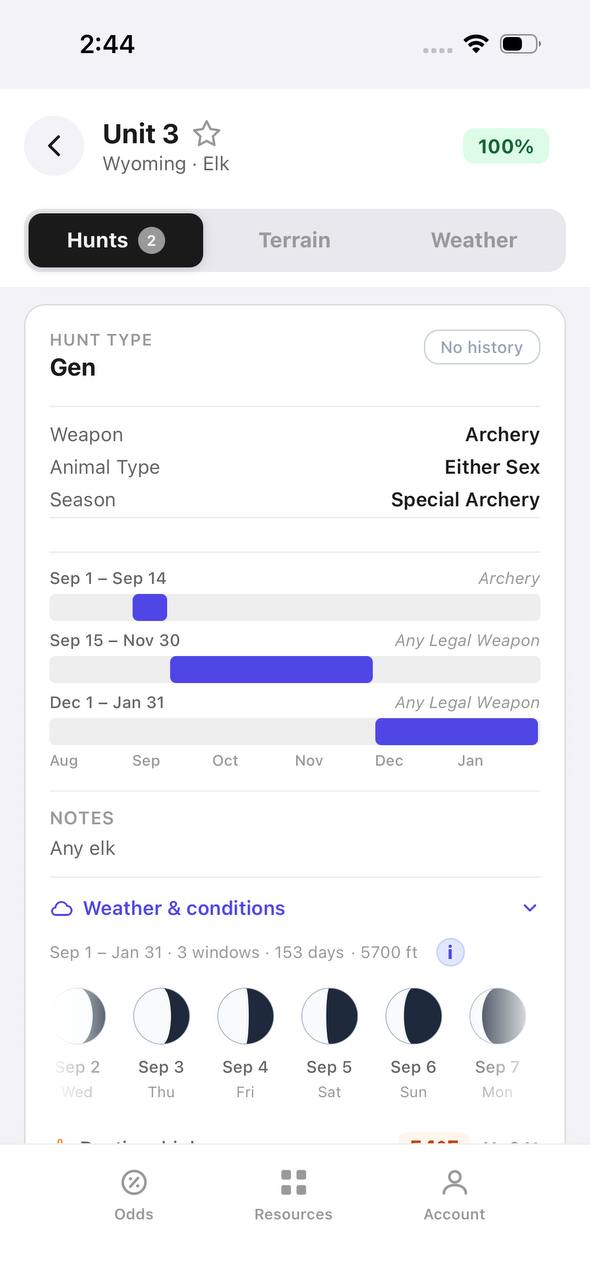
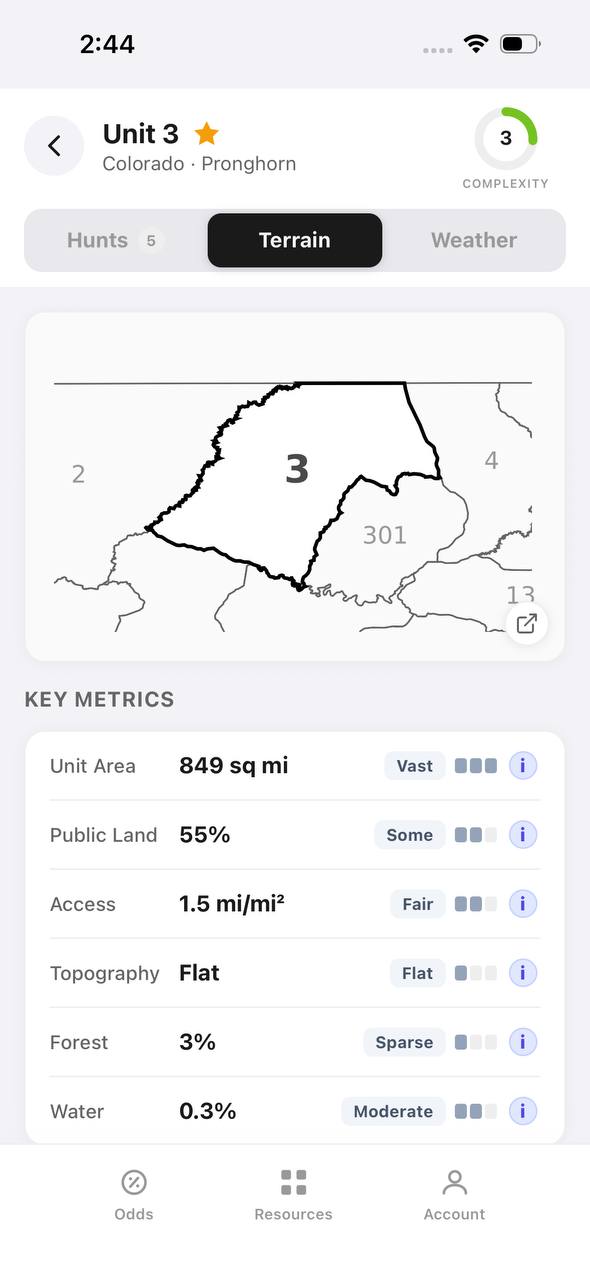
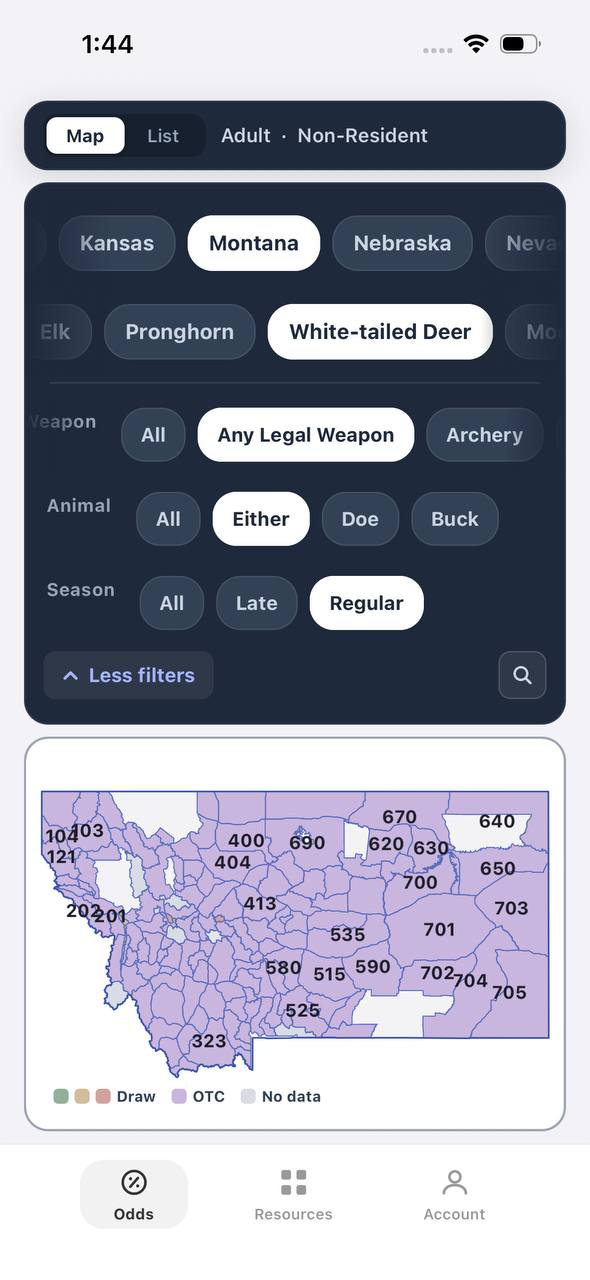
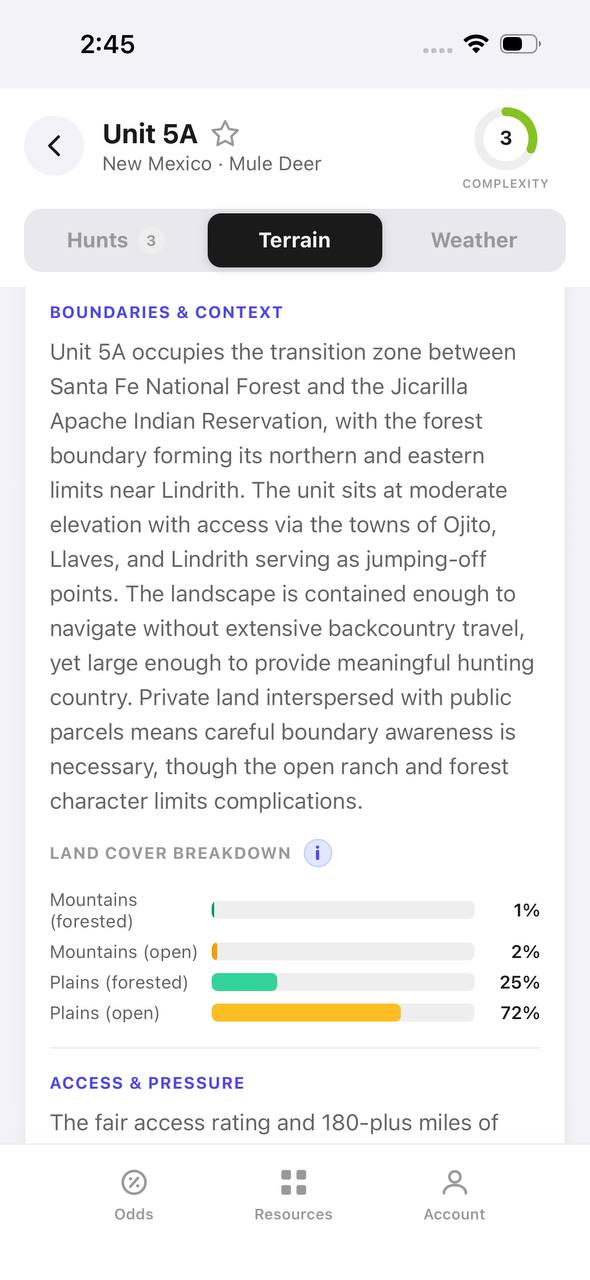
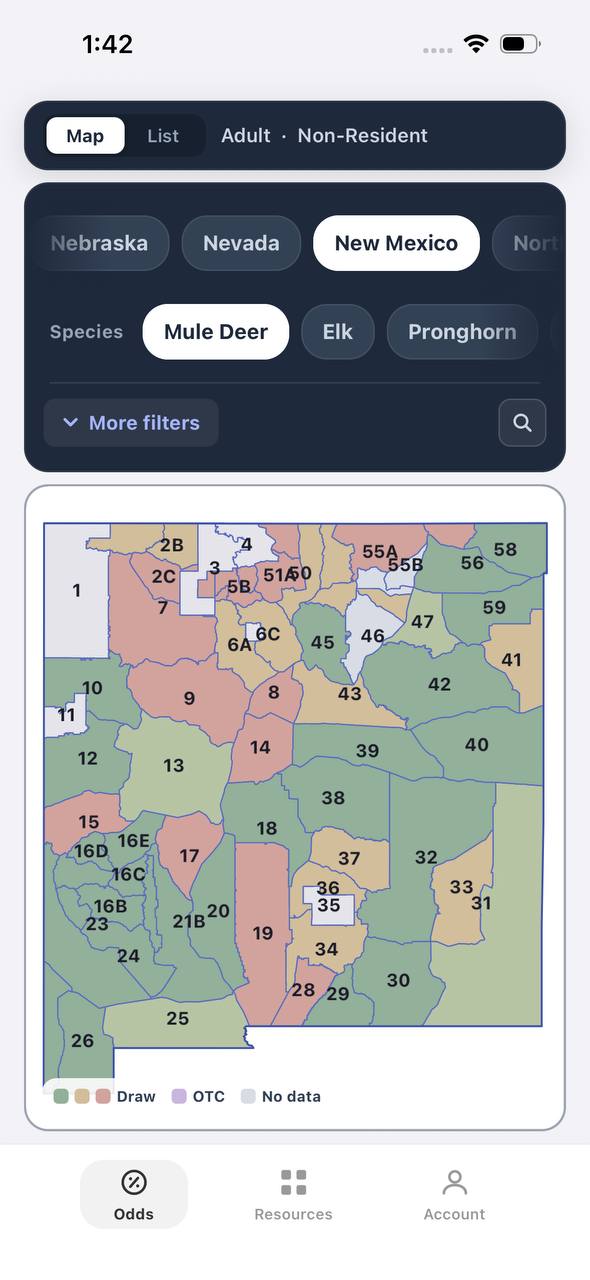
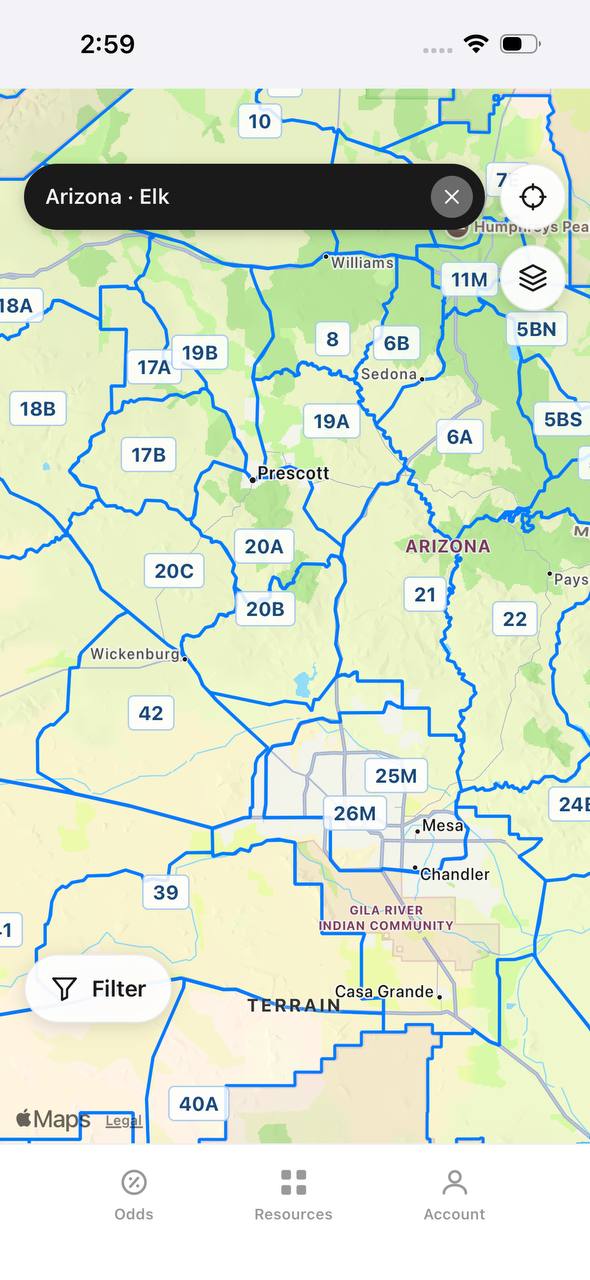
Choosing between Elite and Prime isn't just about bow specs — it's about matching forgiveness features to the terrain, species, and shot opportunities you'll face. TAGZ helps you research hunting units and plan your gear around the actual conditions you'll encounter. Compare public land boundaries, terrain maps, and elevation profiles across western states to understand whether you'll shoot from stable positions or improvised rests. Track your preference points and bonus points so you can plan equipment upgrades around the hunts you'll actually draw. Whether you're chasing OTC elk tags in Colorado timber or planning a limited-entry mule deer hunt on Nevada ridges, TAGZ gives you the unit research and draw data to make smarter decisions before you step into the field.
FAQ — Elite vs Prime Hunting Bows
Which bow is more forgiving for beginners? Elite. The longer axle-to-axle and 7-inch brace height absorb form mistakes better than Prime's shorter, faster platforms. New hunters benefit from the extra stability while building consistent mechanics.
Does Prime's parallel cam system really improve accuracy? Yes, but only if anchor point inconsistency is your main accuracy problem. The synchronized cams deliver repeatable draw cycles even when you shift your face contact or draw length slightly. If you already anchor consistently, the benefit is minimal.
Which brand is better for western mountain hunting? Elite. The longer axle-to-axle resists tipping when shooting uphill, downhill, or off improvised rests. Prime's shorter models are more maneuverable but less stable on uneven terrain.
Can you shoot Prime bows accurately at longer distances? Yes. Prime's higher IBO speeds flatten trajectory at 60-plus yards, and the hard back wall helps maintain consistent anchor points. The shorter brace height demands cleaner form, but experienced shooters often prefer the speed advantage.
Which bow holds steadier at full draw? Elite. The 33-inch Omnia offers more rotational mass and a longer sight radius, making it easier to hold pins steady on target. Prime's lighter, shorter models require more shooter discipline to maintain pin stability.
Is the price difference between Elite and Prime significant? No. Both brands price flagship models between $1,100 and $1,300 bare bow. The decision should be based on forgiveness type and hunting style, not cost.
Was this article helpful?
Previous
Bear vs Diamond: Best Compound Bow for Beginners in 2026
Choosing your first compound bow comes down to adjustability, forgiveness, and value. Bear and Diamond dominate the entry-level market with proven platforms that grow with new archers—here's how they compare.

Related
Best Custom Hunting Rifles for 2026 Season — Top Builds for Western Big Game
Custom hunting rifles deliver precision and reliability when it matters most. From lightweight mountain builds to long-range platforms for open country, here are the best custom rifle builders and configurations for the 2026 western hunting season.
Next
Best Compound Bows for Elk Hunting in 2026 — Top Picks for Western Bowhunters
The best elk hunting bows balance draw weight, let-off, and forgiveness for mountain conditions. We break down top 2026 models, what specs matter most, and how to choose the right setup for your next archery elk hunt.