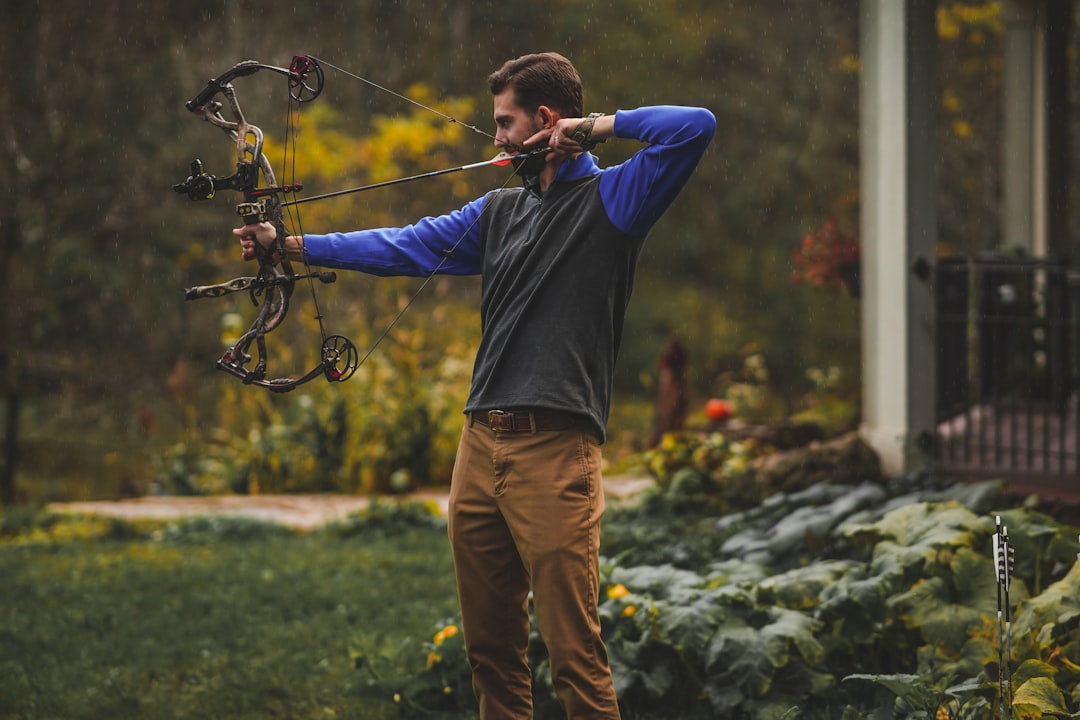
Best Compound Bows for Elk Hunting in 2026 — Top Picks for Western Bowhunters
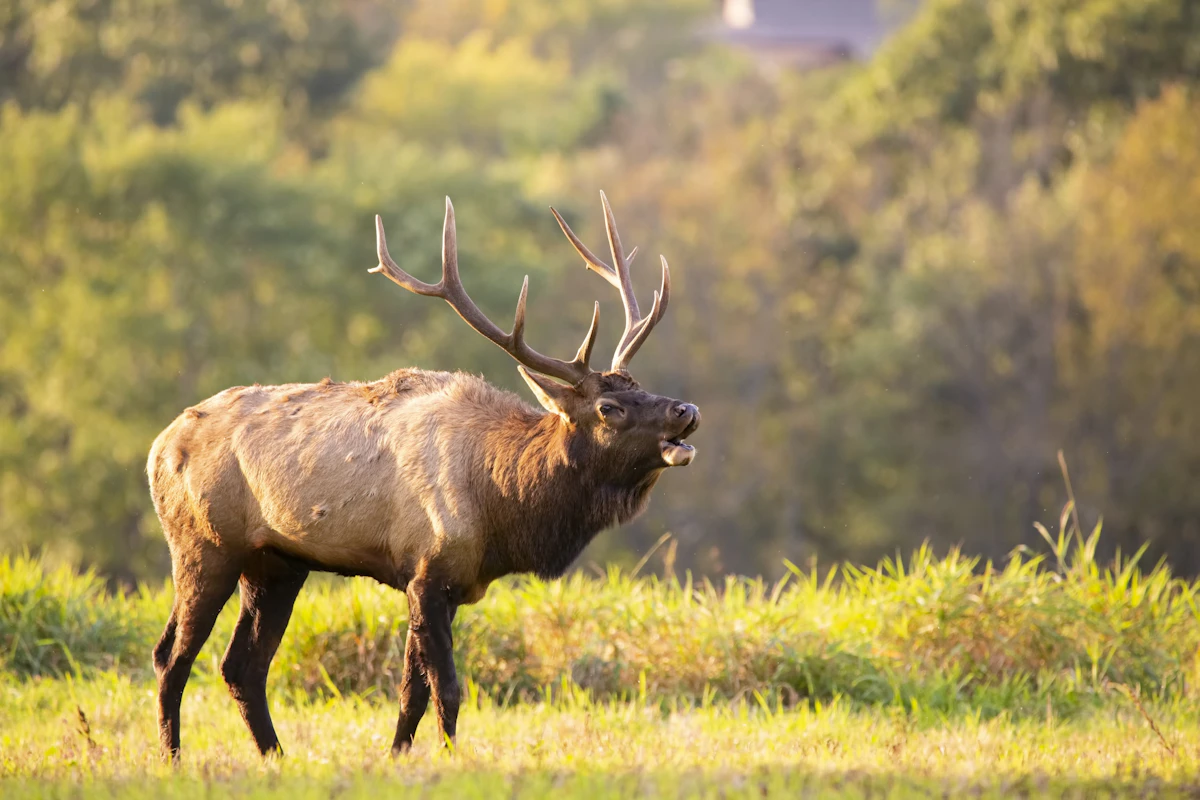
Choosing the right compound bow for elk hunting means balancing power, accuracy, and shootability in mountain conditions where a single arrow must count. The 2026 bow lineup delivers options for every budget and hunting style, from backpack-friendly lightweight rigs to heavy hitters built for long-range accuracy. This guide breaks down the top compound bows for elk hunters, the specs that matter most, and how to match your setup to the way you hunt.
What Makes a Great Elk Hunting Bow
Elk demand more from a bow than whitetails. You need enough kinetic energy to punch through heavy bone and muscle at distances that can stretch past 40 yards. Draw weight between 60 and 70 pounds is the standard — enough to drive a heavy arrow through vitals without requiring you to strain at full draw while an elk works into position.
Let-off percentage matters more in elk country than anywhere else. Modern bows offer 75 to 85 percent let-off, meaning a 70-pound bow holds just 10 to 18 pounds at full draw. That difference becomes critical when you are holding on a feeding bull for 30 seconds waiting for a quartering-away angle. Higher let-off reduces fatigue and steadies your pin when the shot finally opens.
Brace height affects forgiveness. Shorter brace heights (6 to 7 inches) deliver more speed but punish form mistakes. Longer brace heights (7+ inches) are more forgiving and quieter — a smart trade when you are hunting pressured public-land bulls that spook at the slightest sound. For elk, prioritize forgiveness over raw speed. A well-placed 280 fps arrow kills just as dead as a 320 fps arrow that clips a branch.
Axle-to-axle length impacts maneuverability. Shorter bows (28 to 32 inches) shine in thick timber and ground blinds. Longer bows (33+ inches) offer more stability for open-country shooting where you might take a 60-yard poke across a canyon. Most elk hunters land in the 31 to 33-inch range — short enough to handle brush, long enough to stay steady when the shot stretches out.
Top Compound Bows for Elk in 2026
Mathews Phase4 37
The Phase4 37 remains a top choice for serious elk hunters who value accuracy over ultra-light weight. At 4.49 pounds and 37 inches axle-to-axle, it delivers exceptional stability for longer shots common in western hunting. The 7-inch brace height makes it highly forgiving, and the Crosscentric cam system stays smooth through the draw cycle with minimal hand shock. Draw weights top out at 70 pounds with 80 percent let-off. It is quieter than most speed bows and built for hunters who hike hard but still want precision when the shot counts.
Hoyt RX-9
Hoyt's RX-9 balances speed and shootability with an aggressive profile that appeals to hunters chasing maximum kinetic energy. IBO speeds hit 346 fps, making it one of the faster bows that still feels smooth to shoot. The adjustable limb stops let you fine-tune the back wall, and the 6.5-inch brace height keeps it compact for timber hunting. At 4.5 pounds and available up to 80-pound draw weight, it is built for hunters who want a hard-hitting setup without sacrificing maneuverability. The carbon riser reduces vibration and weight without feeling flimsy.
Bowtech SR350
Bowtech's SR350 pushes speed to 350 fps IBO while maintaining enough let-off and smoothness for all-day mountain hunting. The Deadlock cam system allows micro-adjustments to cam timing and draw length without a bow press — a huge advantage if you are dialing in your setup at camp. At 4.2 pounds and 31 inches axle-to-axle, it handles well in thick cover and on steep sidehills. The 80 percent let-off and solid back wall make it comfortable to hold at full draw when a bull finally steps into the clear.
Elite Omnia
Elite's Omnia targets hunters who prioritize adjustability and versatility. The Synchronized Binary cam system delivers a smooth draw with minimal valley creep, and draw length adjustments range from 25 to 31 inches without changing modules. At 4.6 pounds and 33 inches axle-to-axle, it sits in the sweet spot for all-around elk hunting. The 7.25-inch brace height makes it one of the most forgiving bows on this list, and the carbon riser absorbs noise and vibration. It is not the fastest bow here, but it excels at making good archers shoot great groups.
Prime Logic CT9
Prime's Logic CT9 stands out for hunters who want a forgiving bow that still delivers speed. The Centergy hybrid cam offers parallel limb performance with single-cam simplicity — fewer tuning headaches and more time shooting. At 4.3 pounds and 32 inches axle-to-axle, it balances light carry with solid stability. The 7-inch brace height forgives minor form flaws, and the 342 fps IBO speed keeps arrows flat out to 50 yards. Draw weights max out at 70 pounds with 85 percent let-off, making it comfortable to hold when a bull hangs up just out of range.
PSE EVO NTN 33
PSE's EVO NTN 33 delivers flagship performance at a mid-tier price. The Evolve cam system generates 345 fps IBO speeds with a surprisingly smooth draw cycle. At 4.1 pounds and 33 inches axle-to-axle, it is light enough for backpack hunts but stable enough for precision shooting. The carbon fiber limbs reduce weight without sacrificing durability, and the 6.75-inch brace height balances speed and forgiveness. It is a strong pick for hunters who want premium features without the premium price tag.
Budget-Friendly Options That Still Perform
Not every elk hunter needs a $2,000 flagship bow. Several mid-priced models deliver the performance you need without emptying your wallet before you even apply for tags.
Bear Perception
Bear's Perception sits around $600 and punches well above its price point. The Contraband cam generates 340 fps IBO speeds, and the 7-inch brace height makes it forgiving enough for hunters still refining their form. At 4.2 pounds and 32 inches axle-to-axle, it handles mountain hunting without feeling cheap. Draw weights go up to 70 pounds with 80 percent let-off. It is a solid choice for first-time elk hunters or anyone building a capable setup on a budget.
Diamond Bowtech Infinite Edge Pro
The Infinite Edge Pro excels as an adjustable bow that grows with you or fits multiple family members. Draw length adjusts from 13 to 31 inches, and draw weight ranges from 5 to 70 pounds. At under $400, it is hard to beat for value. The 31-inch axle-to-axle length and 7-inch brace height make it forgiving and maneuverable. While it lacks the refinement of premium models, it will absolutely kill elk if you do your part.
Key Specs to Prioritize for Elk
Draw Weight and Kinetic Energy
Most western states require minimum draw weights between 40 and 50 pounds for big game, but elk hunters should aim for 60 to 70 pounds. Heavier draw weights push heavier arrows faster, generating the kinetic energy needed to drive broadheads through thick hide, heavy muscle, and bone. A 70-pound bow shooting a 500-grain arrow delivers around 80 to 90 foot-pounds of kinetic energy — more than enough for complete pass-throughs on broadside shots.
Kinetic energy matters more than speed. A 450-grain arrow at 280 fps carries more punch than a 350-grain arrow at 310 fps. For elk, build your setup around total arrow weight between 450 and 550 grains. Heavier arrows penetrate deeper, fly quieter, and buck wind better on longer shots.
Let-Off and Holding Weight
Let-off determines how much weight you hold at full draw. A 70-pound bow with 80 percent let-off holds just 14 pounds, while the same bow with 75 percent let-off holds 17.5 pounds. That 3.5-pound difference matters when you are holding on a bull that stops to rake a tree 10 yards away. Higher let-off reduces muscle fatigue and pin float, making it easier to execute clean shots under pressure.
Some hunters prefer a firmer back wall with slightly lower let-off for a more solid anchor point. Test both options at a shop to see what feels better in your hands.
Brace Height and Forgiveness
Brace height measures the distance from the grip to the string at rest. Shorter brace heights store more energy and generate higher arrow speeds, but they amplify form mistakes and increase string slap. Longer brace heights are more forgiving and quieter — critical when elk can hear a twig snap at 100 yards.
For elk hunting, prioritize brace heights of 6.75 to 7.5 inches. You sacrifice a few feet per second of speed, but you gain accuracy and consistency when shooting from awkward positions on steep terrain. A forgiving bow that shoots 280 fps will kill more elk than an unforgiving speed bow that shoots 320 fps with poor shot execution.
Axle-to-Axle Length
Axle-to-axle length affects both maneuverability and stability. Shorter bows (28 to 31 inches) excel in thick timber and brushy draws where you might take a shot kneeling or from an awkward angle. Longer bows (33 to 35 inches) provide more stability for open-country shooting where distances stretch past 40 yards.
Most elk hunters prefer bows in the 31 to 33-inch range. This length balances portability with enough mass to steady your pin when you are winded from a steep climb or holding on a bull at 50 yards. If you hunt primarily dark timber, lean shorter. If you hunt open parks and meadows, lean longer.
Free to join
Download mobile app
- Detailed draw odds
- Point tracking
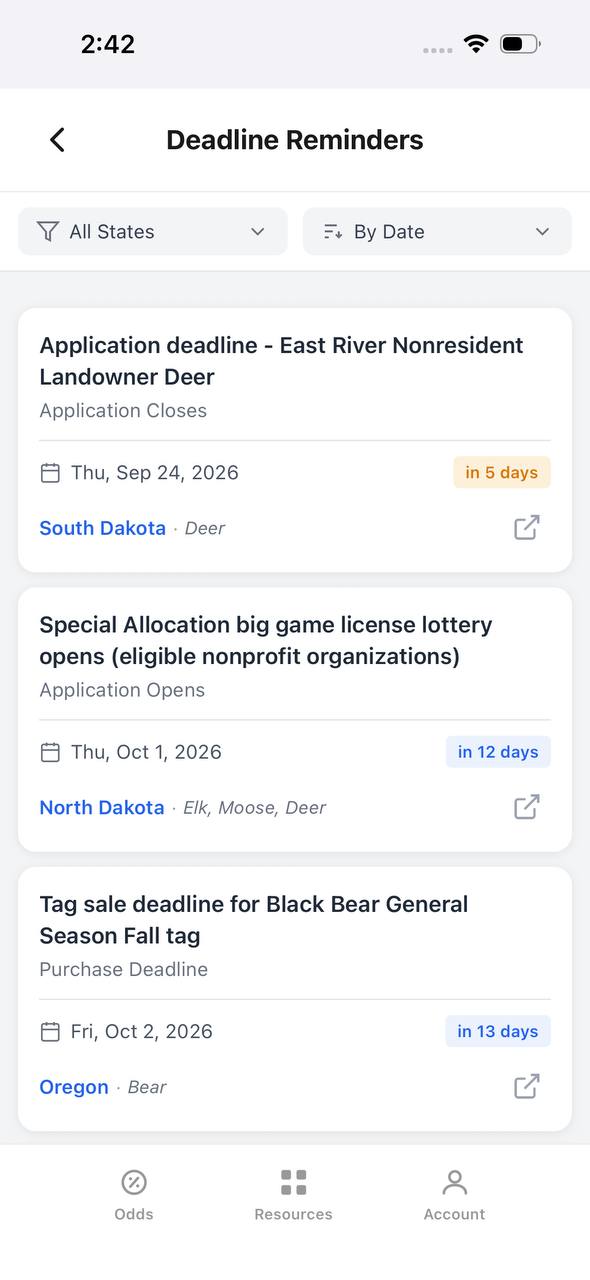
- Deadline reminders
- 18 states covered

Free to join
Download mobile app
- Detailed draw odds
- Point tracking
- Deadline reminders
- 18 states covered
Free to join
Download mobile app
- Detailed draw odds
- Point tracking
- Deadline reminders
- 18 states covered

How to Choose the Right Bow for Your Hunting Style
Your bow should match how you hunt, not just what looks good on paper.
Backpack Hunters
If you hike miles into the backcountry, weight matters. Look for bows under 4.5 pounds with shorter axle-to-axle lengths (30 to 32 inches) that pack well. Models like the Bowtech SR350 and Prime Logic CT9 deliver solid performance without adding unnecessary bulk to your pack. Prioritize bows with higher let-off so you can hold comfortably after a long day on the mountain.
Timber Hunters
Dark timber demands a maneuverable bow with a forgiving brace height. Shorter axle-to-axle lengths (28 to 31 inches) let you twist and turn in thick cover without branches catching your limbs. The Bear Perception and Elite Omnia excel here with enough forgiveness to make up for rushed shots when a bull materializes at 15 yards.
Open-Country Spot-and-Stalk
Hunting big parks and burn scars means longer shots and more time to set up. Longer bows (33+ inches) with longer brace heights provide the stability you need to drill vitals at 50 to 60 yards. The Mathews Phase4 37 and Elite Omnia shine in open country where precision trumps speed.
Tree Stand and Ground Blind Hunters
If you hunt from fixed positions, prioritize forgiveness and shootability over light weight. Longer bows with 7+ inch brace heights feel rock-solid when drawing on a bull working a wallow. The Phase4 37 and Elite Omnia deliver exceptional accuracy from elevated or seated positions.
Accessories and Setup Considerations
Sights
Elk hunting demands a sight with enough pins to cover realistic shot distances. Most hunters run 3 to 5 pins set at 20, 30, 40, 50, and sometimes 60 yards. Single-pin slider sights offer precision for long shots but require time to adjust — risky when a bull appears suddenly. Multi-pin fixed sights deliver faster target acquisition. Fiber-optic pins gather light well in low-light conditions common during morning and evening elk activity.
Arrow Rests
Drop-away rests dominate elk hunting for good reason. They provide full fletching clearance and eliminate contact during the shot, improving accuracy and reducing noise. Quality drop-aways like the QAD Ultrarest or Hamskea Hybrid Hunter Pro are reliable, quiet, and easy to tune.
Stabilizers
A good stabilizer reduces bow torque and dampens vibration. For mountain hunting, run a 6 to 8-inch front stabilizer to balance weight and maneuverability. Longer stabilizers (10+ inches) add stability for open-country shots but catch on brush. Add a short side-bar stabilizer if you want additional balance without extra length.
Arrows and Broadheads
Build arrows in the 450 to 550-grain range using quality carbon shafts with at least .300 spine. Heavier arrows penetrate deeper and fly quieter. Match your broadheads to your hunting style — fixed-blade heads like the Cutthroat or Iron Will deliver maximum penetration, while mechanical heads like the Rage Hypodermic or Sevr offer larger wound channels with excellent flight characteristics. Both kill elk dead if your shot hits vitals.
Tuning Your Bow for Elk Season
A perfectly tuned bow shoots tighter groups and inspires confidence when you draw on a bull. Start by paper tuning to confirm arrow flight. Shoot through paper at 6 feet — a perfect bullet hole means your arrows are flying straight. Tears indicate nocking point or rest adjustments are needed.
Walk back tuning verifies your sight is correctly aligned. Shoot groups at 20, 30, 40, and 50 yards with your 20-yard pin. If groups drift left or right as distance increases, adjust your sight housing (not individual pins) until arrows impact vertically in line. This ensures your pins are properly calibrated for longer shots.
Broadhead tuning confirms your hunting arrows fly the same as field points. Shoot fixed-blade broadheads at 40 yards and compare impact to field points. If broadheads hit differently, adjust your rest slightly until both group together. This step is critical — even minor tuning issues magnify at longer distances common in elk hunting.
Practice shooting from realistic positions. Elk rarely stand perfectly broadside on flat ground. Shoot uphill, downhill, kneeling, and from behind cover. Practice drawing and holding for 30 to 45 seconds to simulate waiting for a shot angle. The more you practice realistic scenarios, the more confident you will be when a bull finally steps into range.
Testing and Buying Your Bow
Never buy a bow without shooting it first. Visit a pro shop and shoot multiple models back-to-back. Pay attention to how each bow feels at full draw, how smooth the draw cycle runs, and how forgiving it is when your form gets sloppy. The best bow on paper might feel terrible in your hands — trust what shoots well for you.
Test different draw lengths. Most hunters shoot a draw length that is too long, leading to poor form and inconsistent accuracy. A properly fitted draw length allows you to reach full draw with a relaxed bow arm, comfortable anchor point, and your release hand touching your face naturally. Too long and you will hyperextend your bow arm. Too short and you will feel cramped.
Ask the pro shop to set up your bow with realistic hunting weight. Shooting a 60-pound bow in the shop feels great, but if you plan to hunt at 70 pounds, test at that weight. Draw weight affects draw cycle, let-off feel, and how the bow balances. Make sure you can comfortably draw and hold your hunting weight before you commit.
Consider buying last year's model. Bow technology evolves slowly — last year's flagship performs nearly identical to this year's update but costs 20 to 30 percent less. Pro shops often discount previous-year inventory in spring when new models arrive. You get the same quality and performance while saving hundreds of dollars for tags, gear, or a better sight and rest.
How TAGZ Helps You Plan Your Archery Elk Hunt
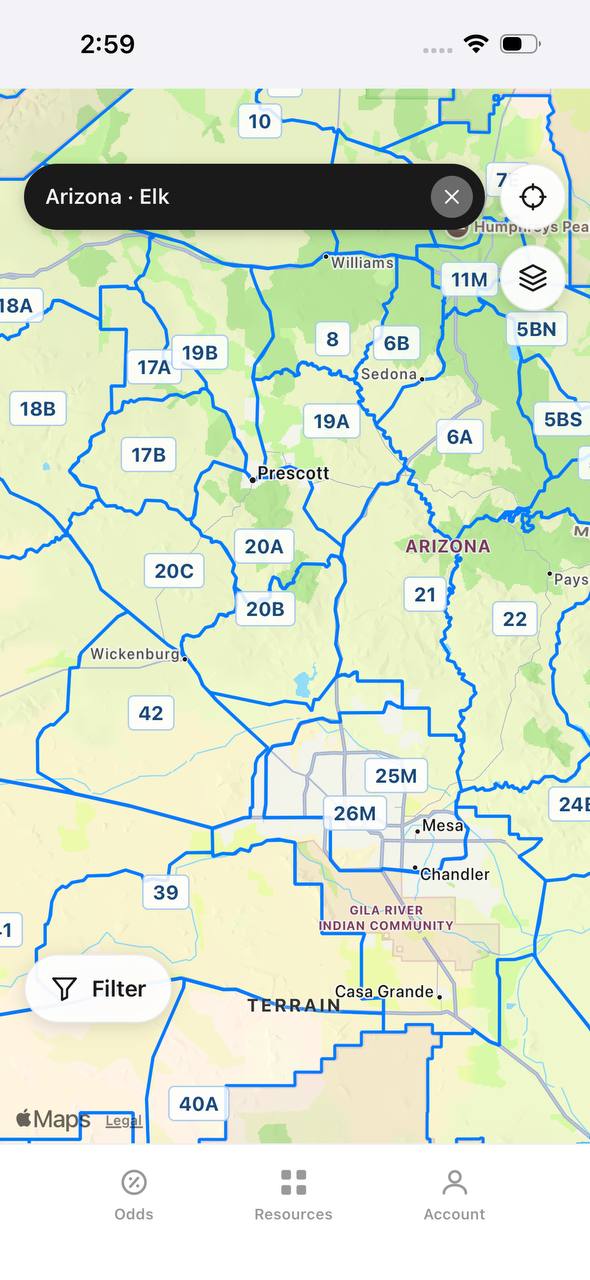
Choosing the right bow is just the first step. TAGZ helps you plan the entire hunt by comparing archery elk units side by side using terrain maps, unit boundaries, and historical draw data. Track your preference points and bonus points across multiple states so you never miss a draw deadline. Whether you are chasing OTC tags in Colorado or applying for limited-entry archery hunts in Nevada, TAGZ gives you the tools to make smarter decisions before you ever step into the field.
Filter hunts by archery season, compare public land access across units, and see where pressure is lightest. TAGZ turns months of research into a single platform that shows you exactly where to focus your applications and which units match your hunting style.
FAQ — Compound Bows for Elk Hunting
What draw weight do I need for elk hunting?
Most states require 40 to 50 pounds minimum, but serious elk hunters shoot 60 to 70 pounds. Higher draw weights push heavier arrows faster, generating the kinetic energy needed for deep penetration through muscle and bone.
Is a 6-inch brace height too short for elk?
Six-inch brace heights work for experienced archers with solid form, but most elk hunters benefit from 6.75 to 7.5 inches. Longer brace heights are more forgiving and quieter — important for pressured public-land bulls and shots from awkward mountain positions.
Should I prioritize speed or forgiveness?
Forgiveness matters more for elk. A forgiving bow that shoots 280 fps will kill more elk than an unforgiving speed bow that shoots 320 fps with poor shot execution. Prioritize accuracy and consistency over raw speed.
Can I hunt elk with a budget bow?
Yes. Budget models like the Bear Perception and Diamond Infinite Edge Pro deliver plenty of performance for elk hunting. Focus on proper setup, tuning, and practice rather than chasing flagship features you might not need.
How heavy should my arrows be for elk?
Build arrows between 450 and 550 grains. Heavier arrows penetrate deeper, fly quieter, and handle wind better on longer shots. Pair heavy arrows with quality broadheads for maximum lethality.
What is the best axle-to-axle length for elk hunting?
Most elk hunters prefer 31 to 33 inches. This range balances maneuverability in timber with enough stability for open-country shots. Shorter bows excel in thick cover, while longer bows provide more accuracy at extended distances.
Continue Planning Your Hunt
Ready to put your new bow to work? Start planning your next archery elk hunt with TAGZ. Compare units, track your points, and find the best opportunities across the West. Visit the TAGZ home page to explore the platform, check out more hunting insights and strategies, or review pricing options to unlock full access to draw data and mapping tools. Learn more about how TAGZ simplifies hunt planning so you can focus on the hunt, not the spreadsheets.
Was this article helpful?
Previous
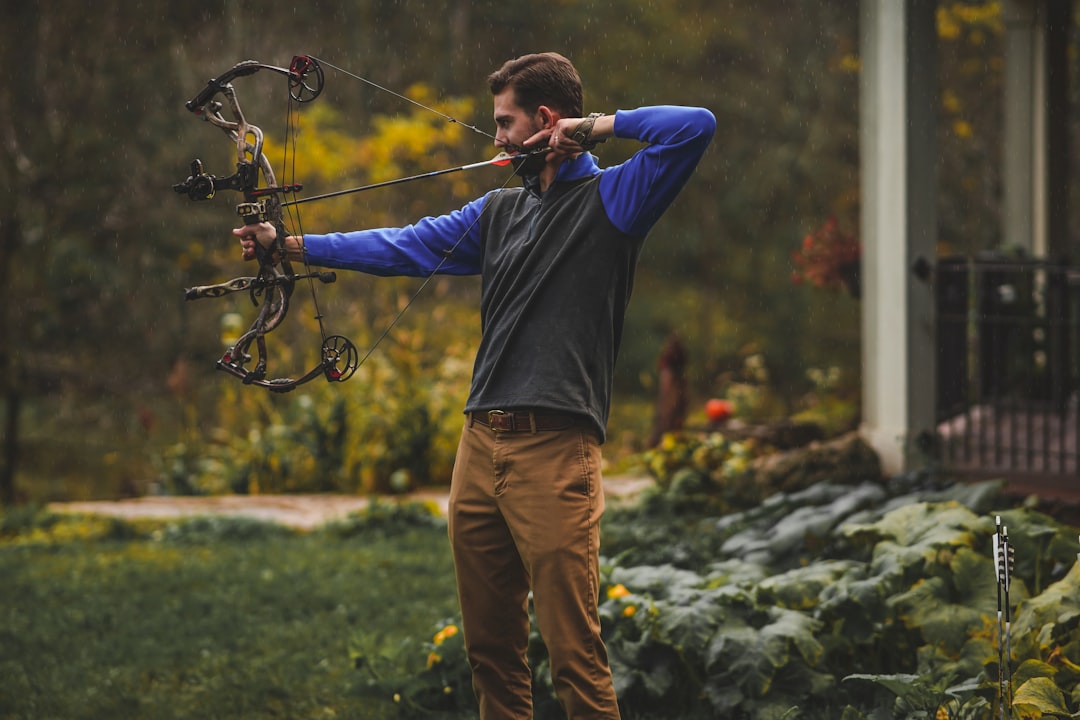
Bear vs Diamond: Best Compound Bow for Beginners in 2026
Choosing your first compound bow comes down to adjustability, forgiveness, and value. Bear and Diamond dominate the entry-level market with proven platforms that grow with new archers—here's how they compare.
Related
Best Flagship Compound Bows of 2026 — Top Models Ranked for Western Hunting
The 2026 flagship compound bow lineup delivers record speeds, lighter weights, and improved back-wall feel. We tested the top models from Mathews, Hoyt, Bowtech, Elite, and PSE to help you choose the best bow for your western hunting style.
Next
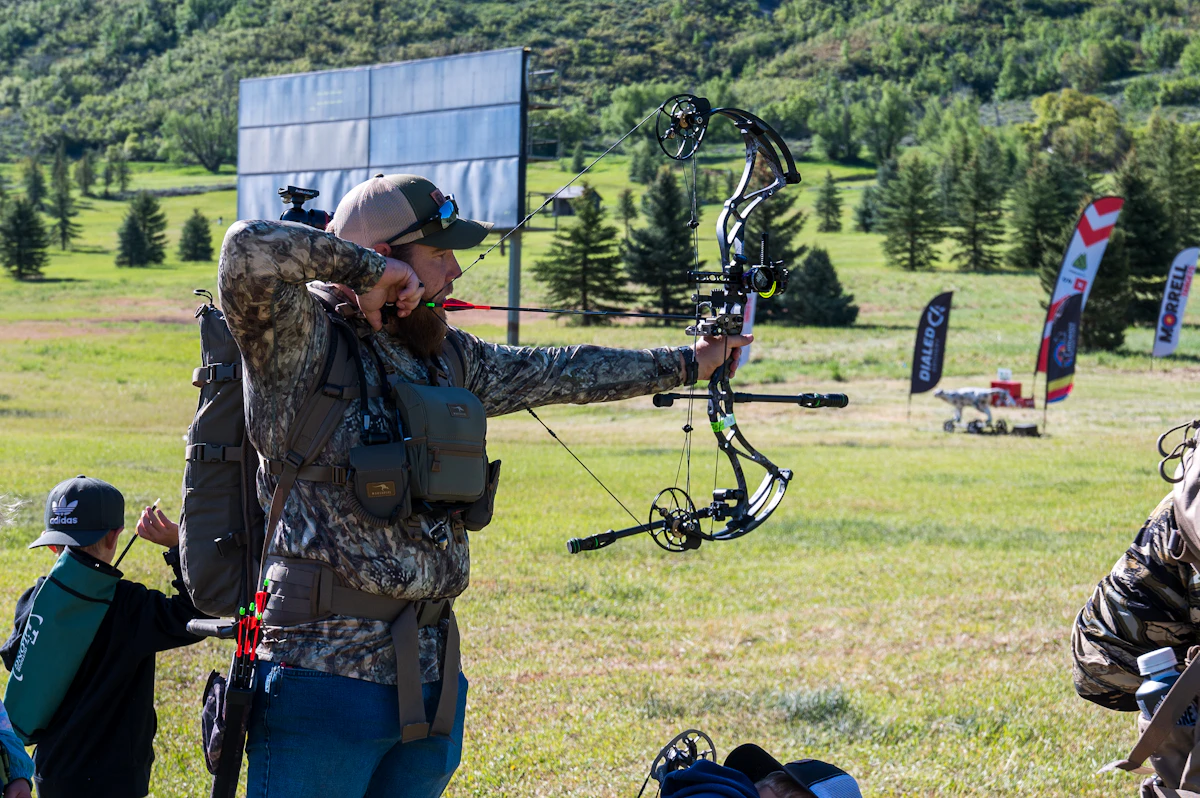
Best Compound Bows Under $1,000 in 2026 — Top Picks for Western Bowhunters
The compound bow market under $1,000 delivers serious hunting performance in 2026. These seven models balance speed, accuracy, and shootability for western big game without the flagship price tag.