Bear vs Diamond: Best Compound Bow for Beginners in 2026

Most first-time bowhunters face the same question: Bear or Diamond? Both brands build compound bows specifically designed for beginners, with wide adjustment ranges and forgiving geometry that masks early mistakes. The Bear Cruzer G2 and Diamond Infinite Edge Pro represent the gold standard for entry-level platforms, but they solve different problems. Understanding which fits your situation determines whether you'll still be shooting that bow three seasons from now or replacing it after your first successful hunt.
Why Adjustability Matters for New Bowhunters
Beginners need room to grow. Your first draw weight will be lower than your hunting weight a year from now. Your draw length will change as your form improves. Entry-level compound bows address this with wide adjustment ranges—typically 15-70 pounds for draw weight and 15-30 inches for draw length—that let you dial in fit without buying new cams or limbs.
Bear and Diamond both use modular cam systems that adjust with an Allen wrench. No bow press required. You can add five pounds of draw weight every few weeks as your back muscles adapt, or shorten the draw length if you started too long. This adjustability means one bow serves you from day one through your first elk hunt, assuming you buy quality.
Bear Cruzer G2: The Workhorse Platform
The Bear Cruzer G2 remains the best-selling beginner compound bow for good reason. It adjusts from 5-70 pounds draw weight and 12-30 inches draw length, covering everyone from youth shooters to full-grown adults. The 70-pound top end gives you enough kinetic energy for any North American big game, including elk and moose, once you build the strength to pull it.
Bear uses dual-cam technology on the Cruzer G2, delivering 315 feet per second maximum arrow speed at full draw weight. That speed translates to flatter trajectory and more forgiving shot placement on longer shots. The 7-inch brace height—the distance from grip to string at rest—provides excellent forgiveness for form inconsistencies. Short brace heights punish small mistakes; longer brace heights smooth them out.
The Ready-to-Hunt package includes a three-pin sight, whisker biscuit arrow rest, stabilizer, and peep sight. Everything you need to start practicing. The bow weighs 3.4 pounds, light enough for long glassing sessions but heavy enough to stay stable at full draw. Retail price typically runs $350-$400 for the RTH package.
Diamond Infinite Edge Pro: Maximum Versatility
Diamond's Infinite Edge Pro pushes adjustability further than any competitor. Draw weight spans 5-70 pounds like the Cruzer G2, but draw length adjustability stretches from 13-31 inches—an extra inch on the long end that accommodates taller archers. Diamond uses a rotating module system that clicks into precise half-inch increments, making micro-adjustments easier than Bear's continuous slide.
The Infinite Edge Pro runs a single-cam system rather than dual cams. Single cams are quieter and require less timing maintenance, but they sacrifice a bit of speed. Maximum velocity hits 310 feet per second, five fps slower than the Cruzer G2. For hunting situations inside 40 yards, that difference is irrelevant. The shorter 31-inch axle-to-axle length makes the Diamond more maneuverable in tight treestand setups or ground blinds.
Brace height measures 7 inches, matching the Bear's forgiveness. The RTH package mirrors Bear's offering—sight, rest, stabilizer, peep—at a similar $350-$400 price point. The Diamond weighs slightly less at 3.1 pounds. Both bows share the same let-off percentage (80%), meaning you only hold 14 pounds at full draw when set to 70 pounds peak weight.
Draw Cycle and Shooting Feel
Draw cycle describes how the bow feels as you pull it to full draw. The Bear Cruzer G2's dual-cam system creates a more aggressive draw cycle with a defined valley—the point where draw weight drops off at full draw. You feel distinct stages: initial resistance, a hump at mid-draw, then the sudden drop into the valley. This aggressive feel builds consistency once you learn it, but beginners sometimes struggle with the hump.
Diamond's single-cam design offers a smoother, more linear draw cycle. The transition into the valley feels gradual rather than abrupt. New archers typically find this easier to control, especially when drawing on game. The trade-off is less stored energy (slightly slower arrow speed) and a smaller valley. If you creep forward or backward at full draw, single cams are less forgiving of position changes.
Both bows feature solid back walls—hard stops at full draw that prevent you from pulling through the valley. This consistency is critical for repeatable anchor points and accurate shooting. Neither bow has the mushy back wall you sometimes find on budget equipment.
Free to join
Download mobile app
- Detailed draw odds
- Point tracking
- Deadline reminders
- 18 states covered

Free to join
Download mobile app
- Detailed draw odds
- Point tracking
- Deadline reminders
- 18 states covered
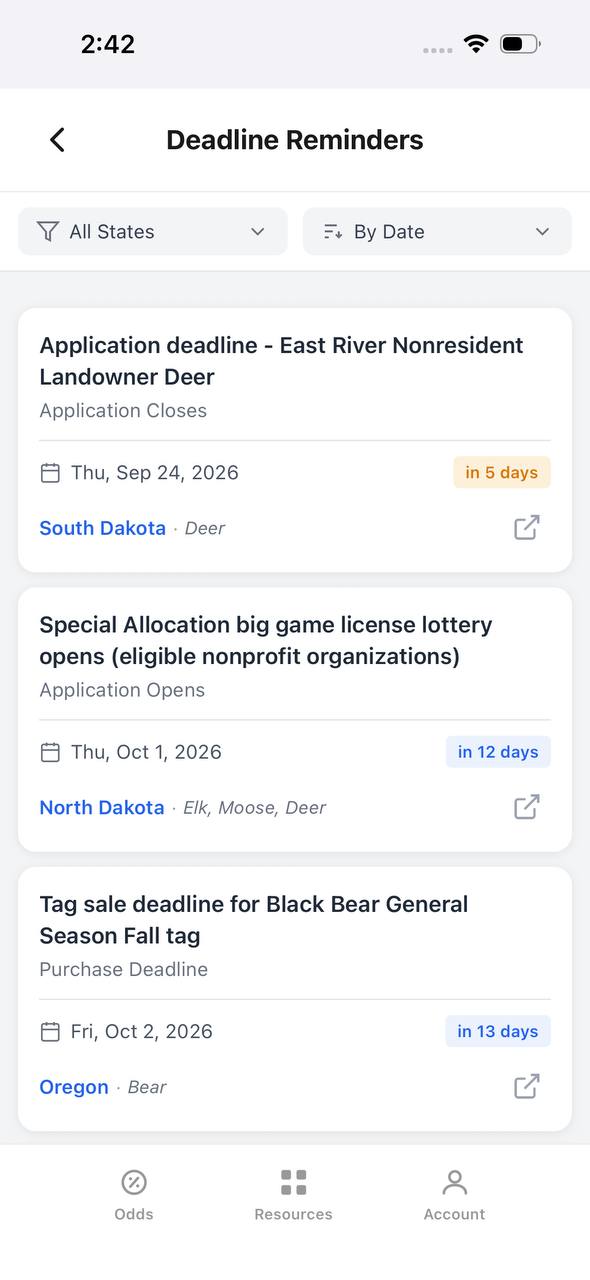
Free to join
Download mobile app
- Detailed draw odds
- Point tracking
- Deadline reminders
- 18 states covered

Accuracy and Forgiveness for First-Time Hunters
Forgiveness in a compound bow refers to how well it masks shooting errors. Longer brace heights, heavier physical weight, and balanced cam systems all contribute. The 7-inch brace height on both the Cruzer G2 and Infinite Edge Pro ranks among the most forgiving in the compound market. Shorter brace heights (6 inches or less) deliver more speed but punish torque, grip pressure, and release inconsistencies.
The Cruzer G2's slightly higher mass weight (3.4 vs 3.1 pounds) creates more stability at full draw, especially in wind. The Infinite Edge Pro's shorter axle-to-axle length (31 inches) improves maneuverability but reduces stability compared to longer bows. For treestand hunters in the Midwest, the Diamond's compact size is an advantage. For western spot-and-stalk hunters making 40-50 yard shots in open country, the Bear's stability matters more.
Both bows will shoot 3-inch groups at 20 yards with factory components after a few practice sessions. Accuracy beyond that depends on your form, not the bow. Neither platform will limit your effective range once you develop consistent technique.
Upgrading Components: When and What to Change
Factory Ready-to-Hunt packages get you started, but you'll want upgrades after your first season. The included whisker biscuit arrow rest is bombproof but creates more arrow contact (and noise) than a drop-away rest. Upgrading to a quality drop-away like the QAD Ultra Rest improves accuracy and reduces game-spooking sound. This swap costs $100-$150 and takes 20 minutes.
The three-pin sight works for hunting but limits precision. A five-pin or single-pin slider sight gives you more range flexibility. Single-pin sliders are ideal for spot-and-stalk western hunting where you have time to range and adjust. Multi-pin sights work better for fast treestand shots where you don't have time to dial. Expect to spend $150-$300 on a quality sight upgrade.
Arrows matter more than most beginners realize. The stock arrows in RTH packages are heavy and inconsistent. Switching to matched carbon arrows with proper spine for your draw weight and length improves groups immediately. Budget $100-$150 for a half-dozen quality arrows cut and fletched to spec.
Don't upgrade the string and cables until they show wear (fraying, stretching). Factory strings on both Bear and Diamond bows last 2,000-3,000 shots if you wax them regularly. When replacement time comes, aftermarket strings from companies like Winners Choice or Americas Best Bowstrings cost $150-$200 and often improve performance slightly.
Bear vs Diamond: Which Bow for Which Hunter
Choose the Bear Cruzer G2 if you prioritize speed and stability. The dual-cam system's extra five fps matters for western hunters taking longer shots at pronghorn or mule deer. The slightly heavier mass weight helps in wind and improves follow-through on the shot. If you're an average-to-tall adult (5'8" and up), the Cruzer G2's dimensions fit naturally.
Choose the Diamond Infinite Edge Pro if you value adjustability and smooth shooting. The extra inch of draw length accommodates taller archers (6'2" and above) better than the Bear. The quieter single-cam system and compact length excel in treestand situations where noise discipline matters. If you're buying a bow to share with multiple family members of different sizes, the Diamond's broader range and easier adjustment system wins.
Both bows handle elk, mule deer, whitetail, black bear, and pronghorn with proper shot placement and arrow selection. Neither bow is "too light" for western big game if you work up to 60-70 pounds draw weight and use a quality fixed-blade broadhead. The gap between these platforms is narrow—your hunting style and body dimensions should drive the decision, not minor performance differences.
Common Mistakes When Buying Your First Compound Bow
New bowhunters consistently overbuy draw weight. You cannot shoot accurately if you're struggling to pull the bow smoothly. Start at a weight you can draw 20 times in a row without shaking, then add five pounds every three weeks. Both Bear and Diamond adjust easily, so there's no reason to start at 70 pounds and develop bad habits compensating for excess weight.
Draw length matters more than most beginners realize. Too long and you'll lean back or creep forward at full draw. Too short and you'll crowd your face or collapse your bow arm. Measure your draw length professionally at an archery shop before buying. The measurement is wingspan divided by 2.5, but a pro shop can verify with you at full draw. Both the Cruzer G2 and Infinite Edge Pro cover massive ranges, but proper fit still matters.
Skipping a release aid is the fastest way to develop target panic and inconsistent shooting. Use a wrist-strap trigger release from day one. The $30-$50 investment trains proper trigger control and prevents the string-slapping inconsistency of finger releases. Both Bear and Diamond bows are designed around release aid shooting, not fingers.
TAGZ Helps You Plan the Hunt, Not Just Buy the Bow
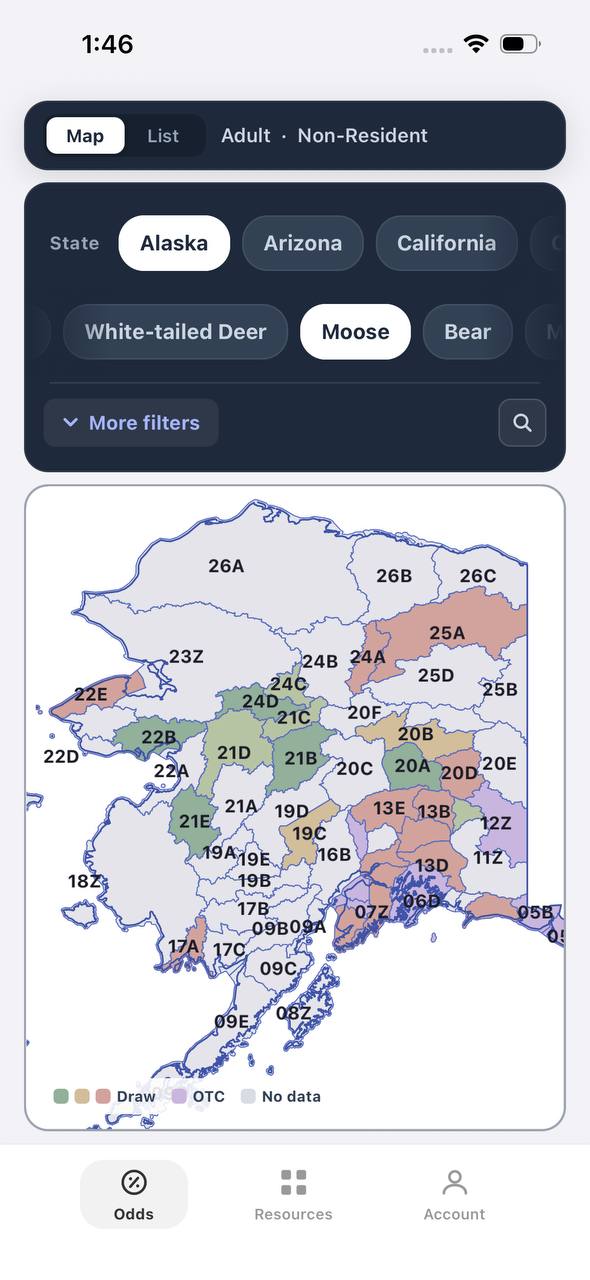
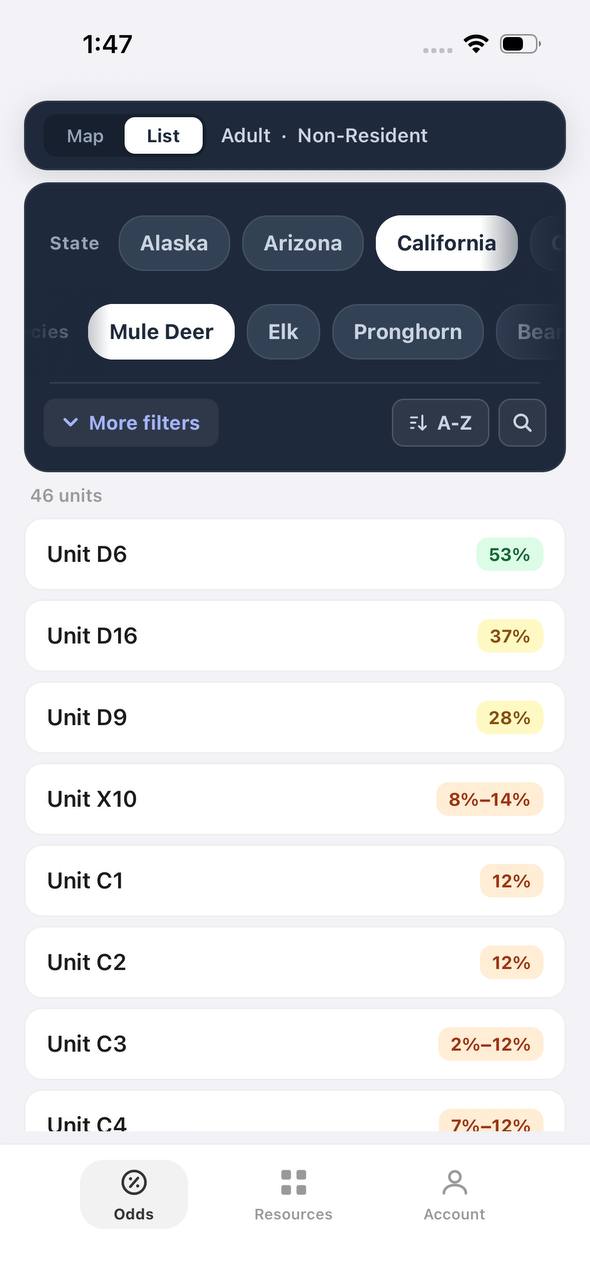
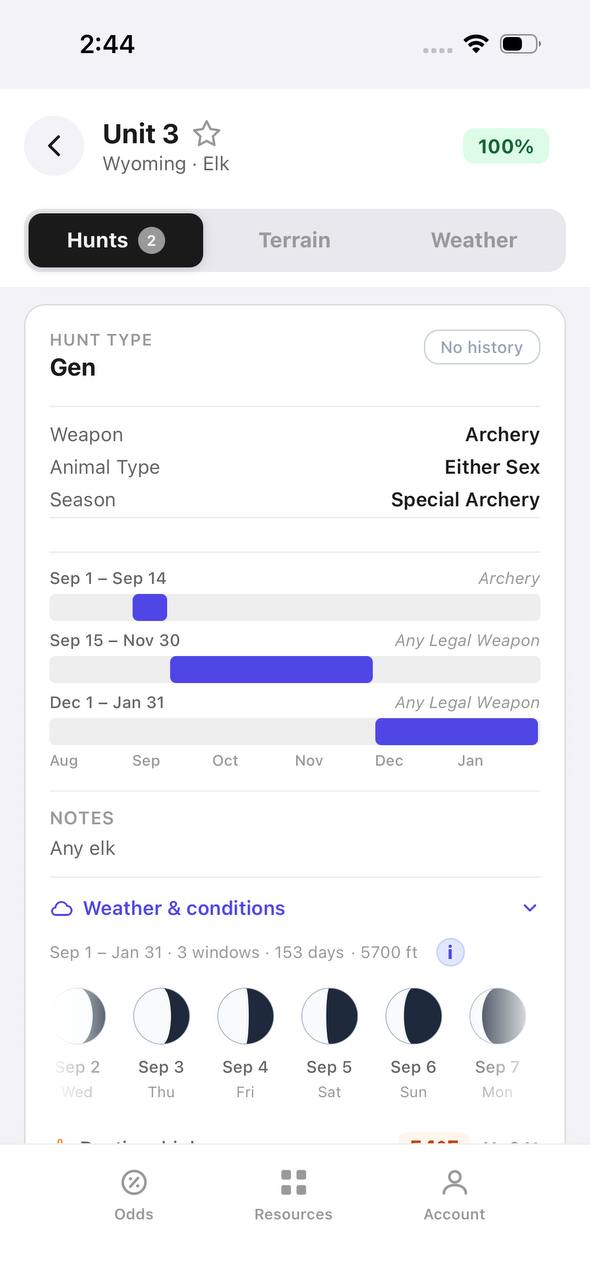
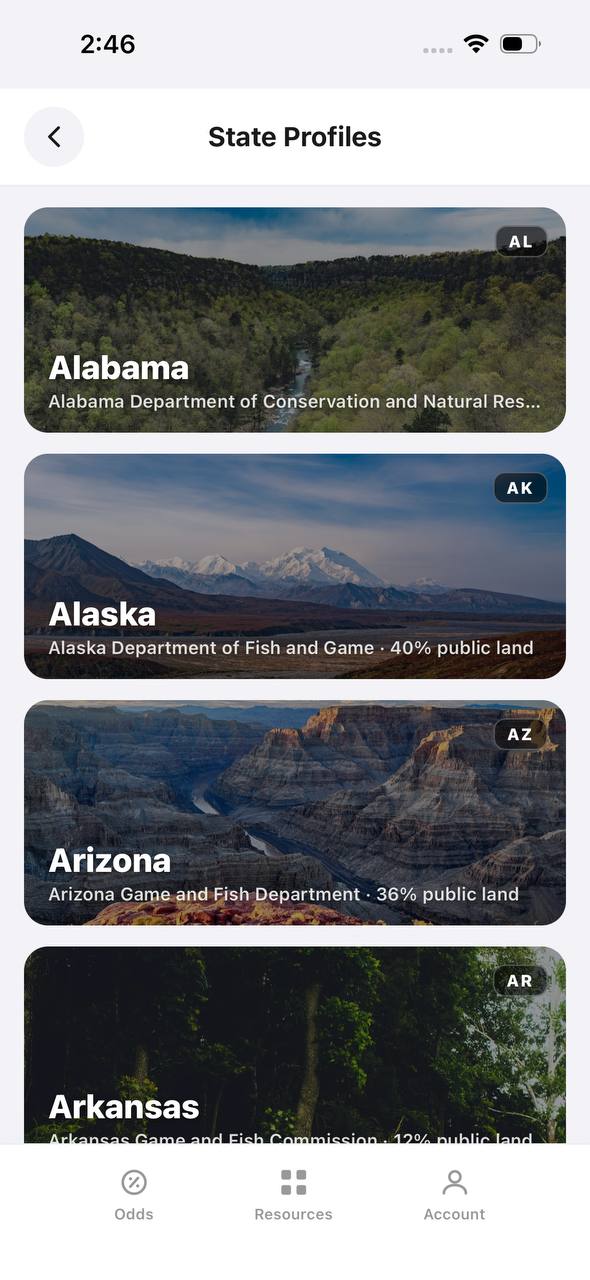
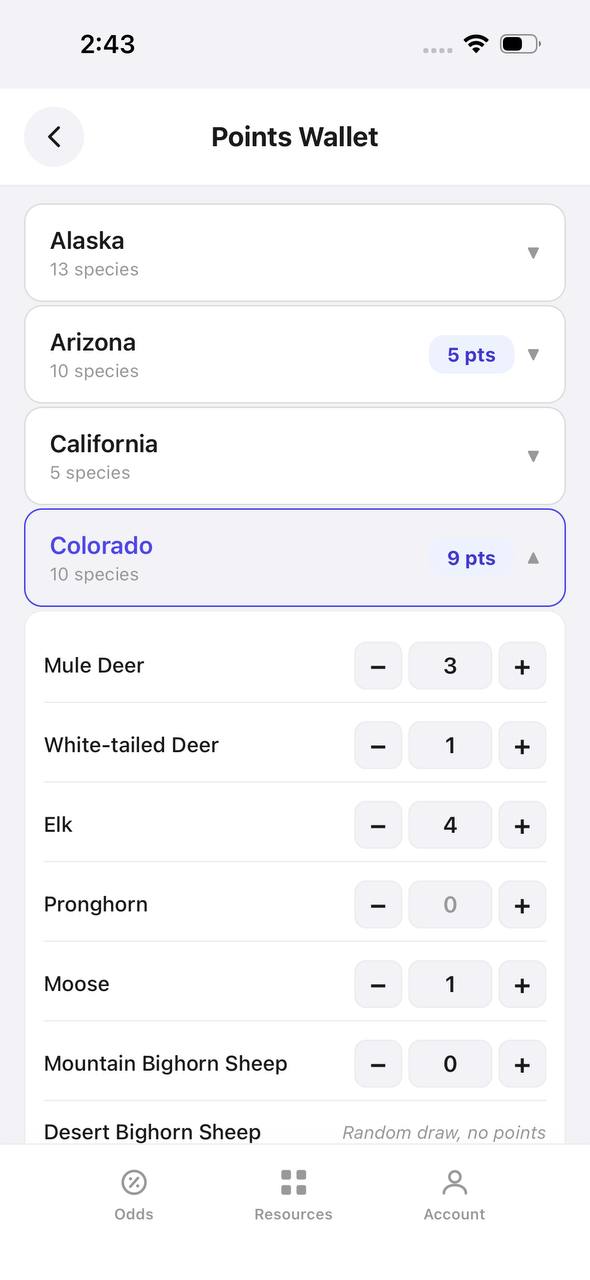
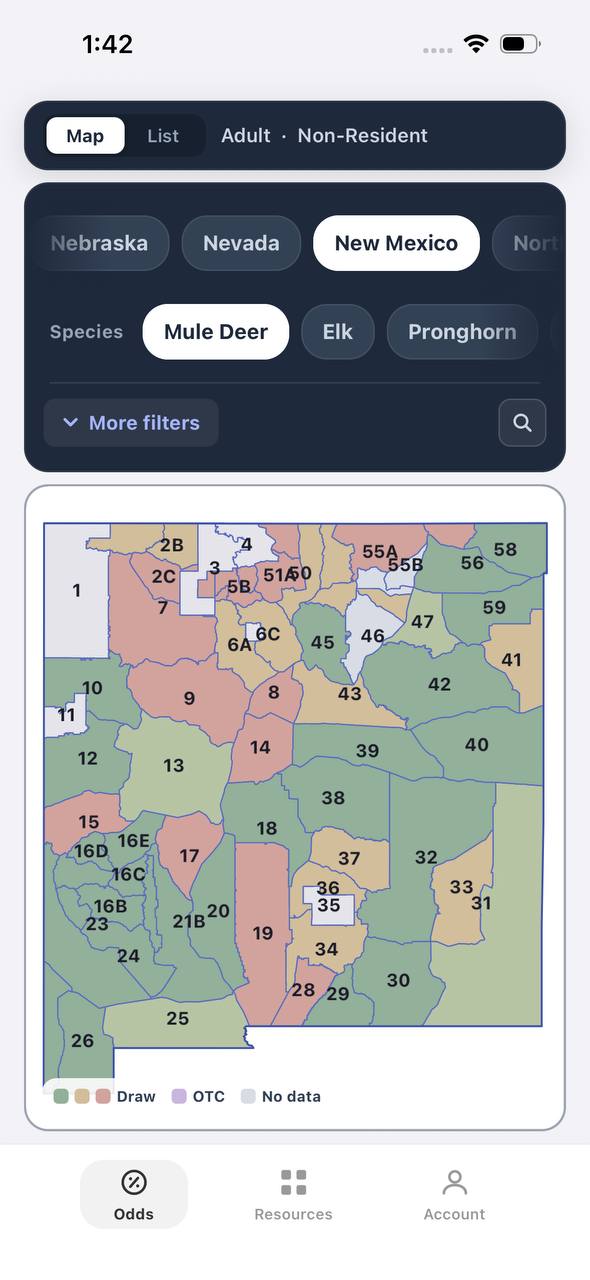
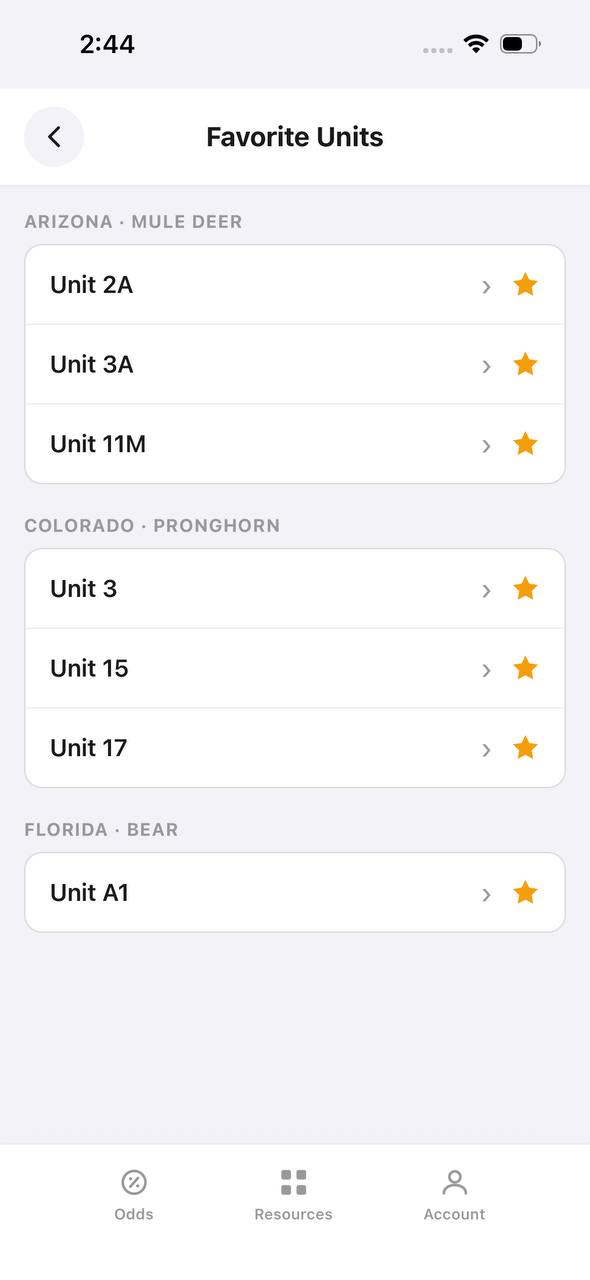
Getting your first compound bow is one part of preparation. Understanding where you can legally hunt with it, which units hold huntable populations of your target species, and when application deadlines fall requires different tools. TAGZ helps western bowhunters compare archery seasons across multiple states, filter units by public land percentage and terrain type, and track preference points so you never miss a limited-entry archery elk or mule deer draw.
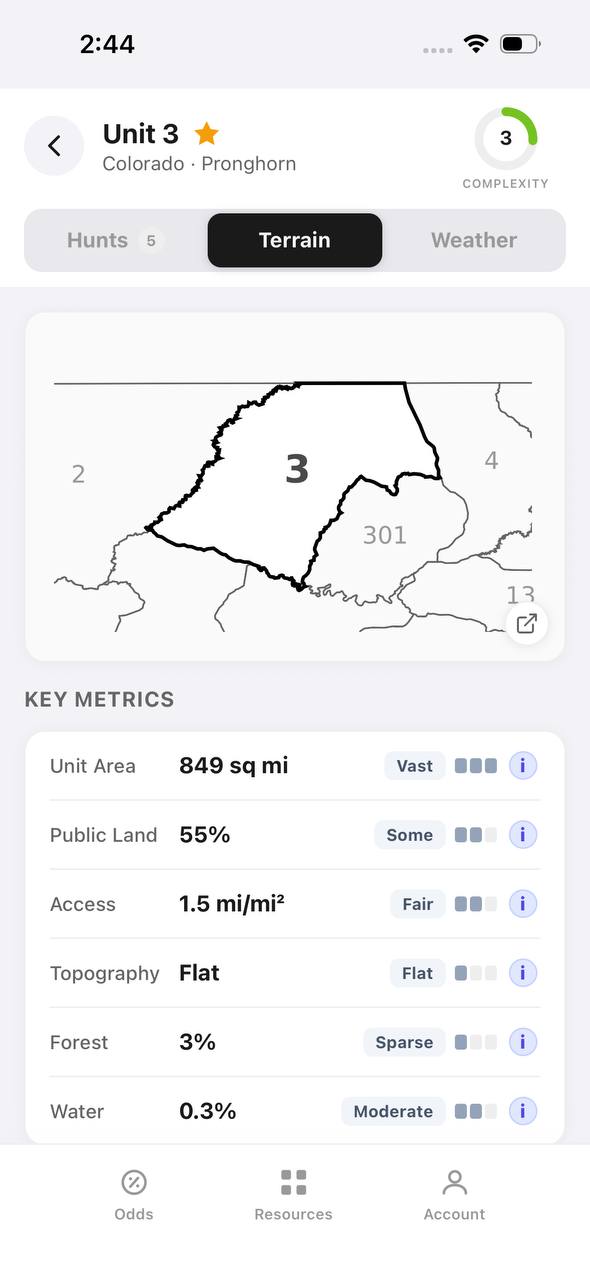
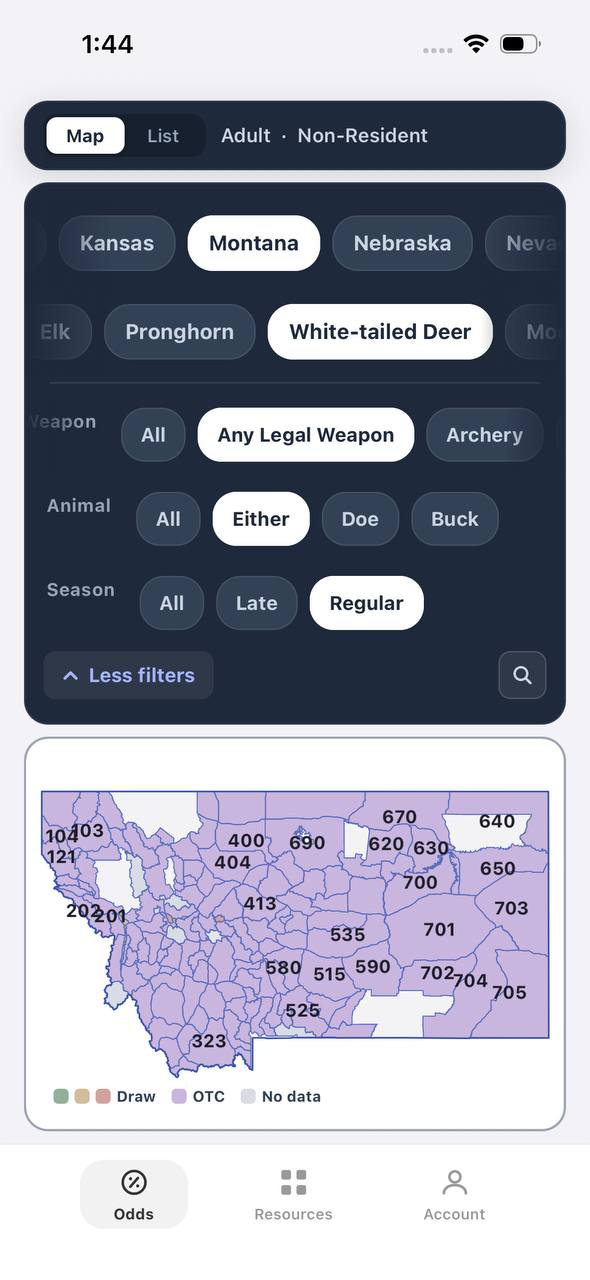
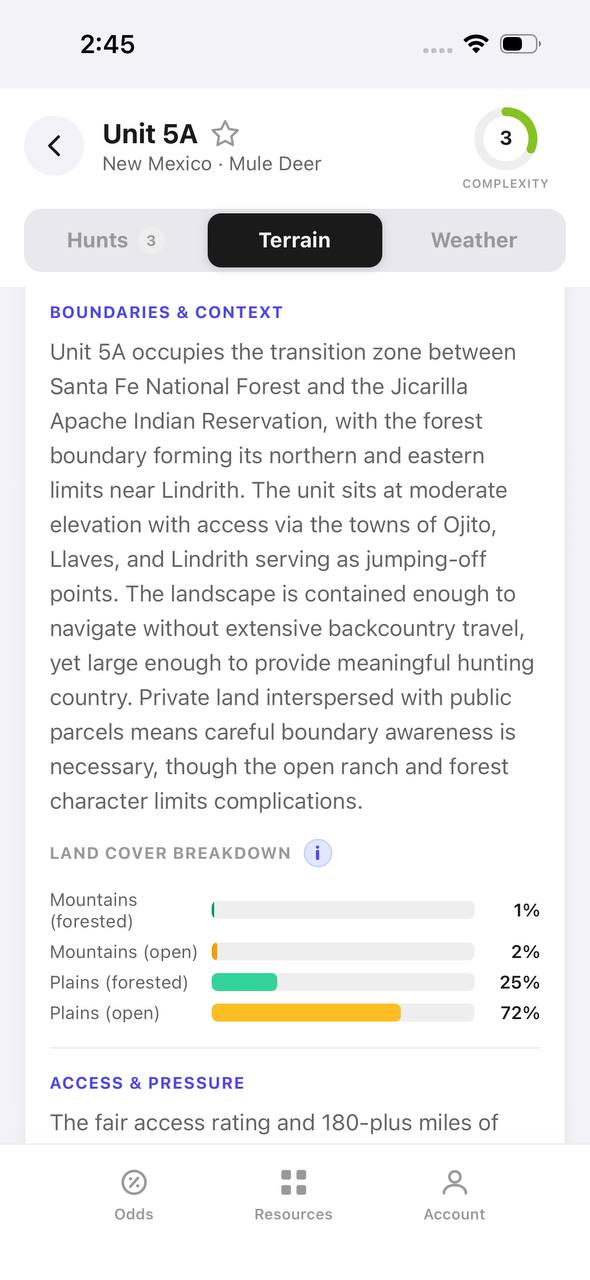
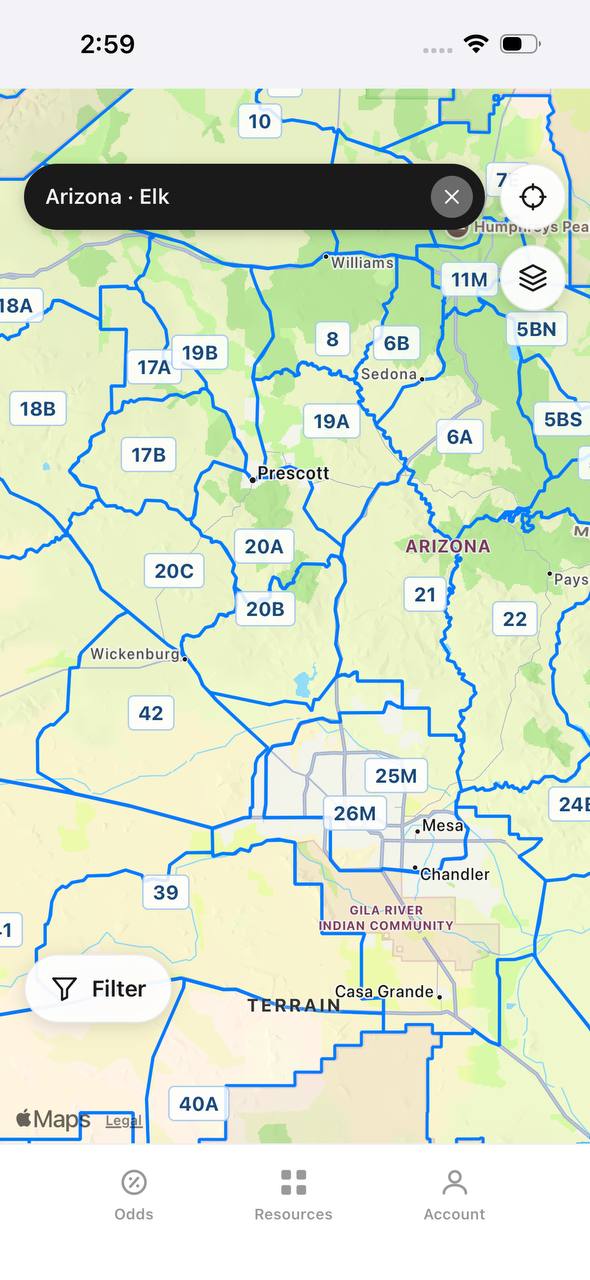
Whether you buy the Bear Cruzer G2 or Diamond Infinite Edge Pro, you'll need to know where to use it. TAGZ's unit maps show boundaries, terrain features, and historical draw odds side by side. You can plan OTC archery hunts in Colorado's high country or build point strategies for Nevada's trophy mule deer units—all from the same platform. The bow is your tool. TAGZ is your hunt-planning system that makes sure you're in the right place when September arrives.
FAQ — Best Beginner Compound Bows
What is the best compound bow for a beginner bowhunter?
The Bear Cruzer G2 and Diamond Infinite Edge Pro are the two best beginner compound bows, offering 5-70 pound draw weight ranges, 12-31 inch draw length adjustability, and complete Ready-to-Hunt packages under $400. Both provide the performance needed for western big-game hunting.
Can a beginner bow kill an elk?
Yes. Both the Bear Cruzer G2 and Diamond Infinite Edge Pro deliver sufficient kinetic energy for elk when set to 60-70 pounds draw weight and paired with a quality fixed-blade broadhead and heavy arrow. Proper shot placement matters more than equipment differences at this level.
Should I buy a Bear or Diamond compound bow?
Choose Bear Cruzer G2 for slightly higher speed (315 fps) and stability, ideal for western spot-and-stalk hunting. Choose Diamond Infinite Edge Pro for smoother draw cycle, quieter shooting, and better fit for taller archers or shared family use. Both perform equally well for hunting.
How much draw weight do I need for deer?
Most states require 40 pounds minimum draw weight for deer. Practically, 50-60 pounds provides sufficient kinetic energy and penetration for whitetail and mule deer with modern fixed-blade broadheads. Start lower and work up to avoid developing bad form.
What comes in a Ready-to-Hunt bow package?
RTH packages include the bow, sight (typically 3-pin), arrow rest (usually whisker biscuit), stabilizer, peep sight, and sometimes a quiver. You still need to buy arrows, a release aid, armguard, and broadheads separately. Budget an additional $200-$300 for these essentials.
Is 70 pounds too much draw weight for a beginner?
Yes, for most beginners. Start at a weight you can smoothly draw 20 times without shaking—usually 30-45 pounds for adult males, 25-35 pounds for adult females. Both Bear and Diamond bows adjust easily, so you can add weight as strength improves over weeks and months.
Continue Planning Your Hunt
Once you've chosen your bow and dialed in your setup, the next step is planning where to hunt. TAGZ gives you side-by-side unit comparisons, terrain maps, public land data, and draw odds for archery seasons across the West. Whether you're chasing your first archery mule deer tag in Wyoming or building points for a Nevada trophy unit, TAGZ helps you make smarter application decisions and maximize draw opportunities.
Explore more hunting insights and unit breakdowns on the TAGZ Insights page, or see how the platform tracks your preference points and bonus points across multiple states at TAGZ Product. Ready to start planning your next hunt? Check out pricing options and get full access to draw data, unit maps, and application deadline tracking that keeps your western hunting strategy on schedule.
Was this article helpful?
Previous
Best Compound Bows for Elk Hunting in 2026 — Top Picks for Western Bowhunters
The best elk hunting bows balance draw weight, let-off, and forgiveness for mountain conditions. We break down top 2026 models, what specs matter most, and how to choose the right setup for your next archery elk hunt.

Related
Best Flagship Compound Bows of 2026 — Top Models Ranked for Western Hunting
The 2026 flagship compound bow lineup delivers record speeds, lighter weights, and improved back-wall feel. We tested the top models from Mathews, Hoyt, Bowtech, Elite, and PSE to help you choose the best bow for your western hunting style.
Next
Best Compound Bows Under $1,000 in 2026 — Top Picks for Western Bowhunters
The compound bow market under $1,000 delivers serious hunting performance in 2026. These seven models balance speed, accuracy, and shootability for western big game without the flagship price tag.