DIY vs Guided Pronghorn Hunting: How to Choose Your Hunt
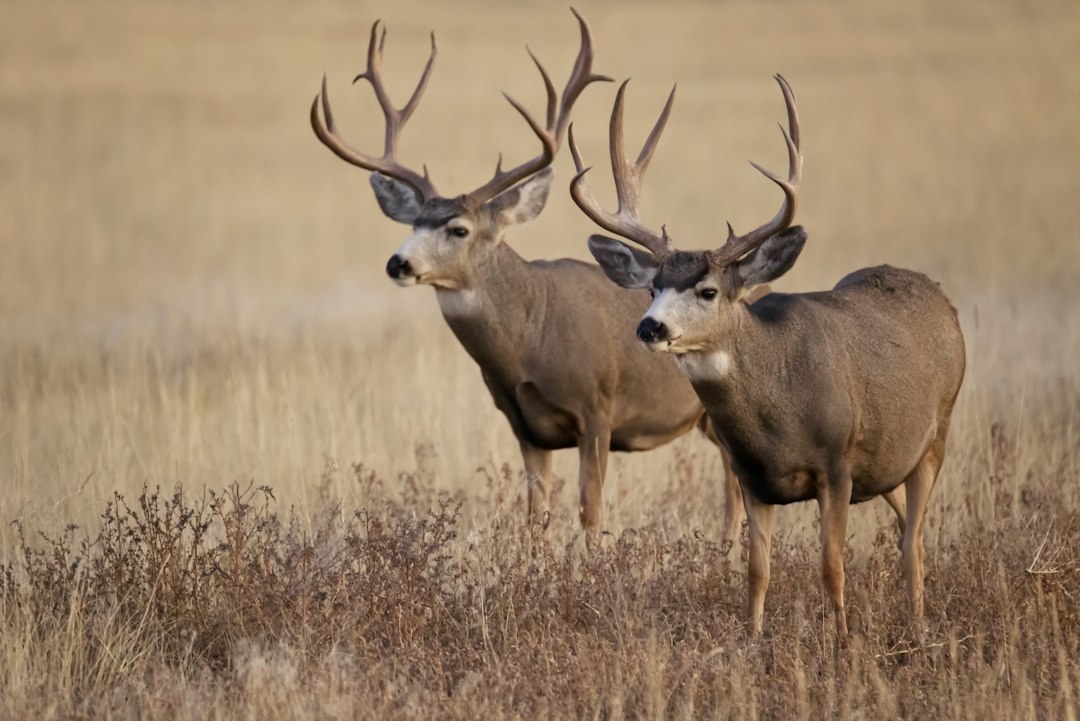
Pronghorn offer Western hunters an unmatched combination of accessibility, success, and affordability, but choosing between a DIY hunt and a guided experience shapes everything from your budget to your odds of filling a tag. DIY hunters gain independence and lower costs while learning public-land navigation and spot-and-stalk tactics. Guided hunts provide expertise, private-land access, and higher shot opportunities, especially for hunters short on time or scouting resources. The right choice depends on your experience level, available time, budget, and what you want from the hunt itself.
Why Pronghorn Hunts Are Uniquely DIY-Friendly
Pronghorn live in open country with high visibility, abundant public land, and generous tag allocations in most Western states. Wyoming, Montana, and New Mexico offer thousands of tags annually, many available as leftovers or through simple draw systems requiring zero preference points. Success rates for rifle pronghorn hunts routinely exceed 80 percent, even on public land, because animals are visible from long distances and population densities remain strong across much of their range.
This accessibility makes pronghorn the best entry point for hunters new to Western big game. You can scout effectively using onX Hunt or Google Earth, spot animals from roads during the season, and execute stalks in a single day without backpacking gear or extreme physical conditioning. Most units contain a mix of BLM land, state trust land, and walk-in access areas that provide adequate hunting opportunities without requiring outfitter connections.
The learning curve for DIY pronghorn hunting is gentler than elk or mule deer. Animals bed in visible basins, water sources are identifiable on maps, and shot distances are predictable once you understand terrain and wind. Hunters willing to invest a few days of effort can realistically harvest a mature buck on their first attempt, especially in states with strong public-land populations.
What DIY Pronghorn Hunting Requires
Successful DIY pronghorn hunts demand specific skills and equipment, but none are prohibitively expensive or complex. You need reliable optics for glassing open country — a quality 10x42 binocular and a spotting scope in the 15-45x range. Pronghorn live in vast landscapes where you will scan dozens of animals before identifying a mature buck, and cheap glass fatigues your eyes and misses details at distance.
Shooting skills matter more for pronghorn than most species. Expect shots between 200 and 400 yards in typical hunting situations. Practice from field positions, verify your rifle's zero at extended range, and understand your cartridge's wind drift and drop. Pronghorn offer small vital zones and often present opportunities in windy conditions, so confidence at distance separates successful hunters from those who wound animals or pass shots they should take.
Physical demands are moderate. Most DIY pronghorn hunting involves glassing from a vehicle or high point, then executing stalks of one to two miles over rolling terrain. You rarely need to hike more than three miles in a day, and elevation gains are minimal compared to mountain hunts. Heat is the primary challenge — summer and early fall temperatures in pronghorn country regularly exceed 90 degrees, so hydration systems and sun protection are non-negotiable.
Navigation and land ownership research consume more time than the hunt itself. Use onX Hunt or similar mapping tools to identify accessible public land, verify boundaries in the field with GPS, and scout water sources and terrain funnels. Many prime pronghorn units are checkerboarded with private land, and trespassing violations are common among hunters who fail to confirm their location before stalking.
Understanding Guided Pronghorn Hunt Costs and Value
Guided pronghorn hunts range from $2,500 to $6,000 for a three-day rifle hunt, depending on the state, trophy quality, and lodging level. Wyoming and Montana hunts typically cost $3,000 to $4,000, while New Mexico and Arizona hunts targeting higher-scoring bucks run $4,500 to $6,000. These prices include guide services, lodging, meals, and field care of your animal, but exclude licenses, tags, travel, and taxidermy.
The primary value of guided hunts is access. Outfitters lease or own private ranches where pronghorn densities are higher, bucks are older, and hunting pressure is controlled. Private-land bucks score 75 to 85 inches on average, compared to 70 to 78 inches on most public land. If you are targeting a Boone and Crockett qualifier above 82 inches, a guided hunt dramatically improves your odds.
Guides also save time. They pre-scout animals, understand property boundaries, and position you for shots without the trial-and-error that DIY hunters experience. A three-day guided hunt typically produces multiple stalk opportunities, while DIY hunters may spend the first two days learning the unit and locating shootable bucks. For nonresidents with limited vacation days, this efficiency justifies the cost.
Guided hunts reduce logistical stress. Outfitters arrange lodging, provide meals, handle meat processing or cold storage, and often assist with license applications. You focus on shooting and decision-making rather than navigation, land access, or camp setup. This matters most for hunters traveling from outside the West who lack local knowledge or the gear for extended backcountry trips.
Success Rates: DIY vs Guided Reality Check
Guided pronghorn hunts produce near-certain opportunities. Reputable outfitters boast 95 to 100 percent shot opportunity rates and 90 to 95 percent success rates for rifle hunters. The gap between opportunity and success reflects shooter error, not lack of animals. If you can shoot competently to 300 yards and follow instructions, you will almost certainly fill your tag on a guided hunt.
DIY success rates vary widely by unit, hunter skill, and scouting effort. Wyoming's public-land rifle pronghorn success rates average 85 to 90 percent statewide, but individual unit rates range from 60 percent in heavily pressured areas to 95 percent in remote units with strong populations. Montana and New Mexico show similar patterns, with success correlating to hunter density and public-land availability more than animal numbers.
First-time DIY hunters should expect a learning curve. If you scout effectively, hunt a quality unit, and can shoot accurately at distance, an 80 percent success rate is realistic. If you skip scouting, hunt a mediocre unit, or struggle with long-range shooting, success drops to 50 percent or lower. The good news is that pronghorn tags are affordable and often available as leftovers, so unsuccessful hunters can return the following year with better knowledge.
Trophy quality differences are real but often overstated. The average public-land buck in a decent Wyoming unit will score 72 to 76 inches, which is a fully mature animal with 14-inch horns and good mass. Guided hunts on private land increase your odds of a 78 to 82-inch buck, but truly exceptional bucks above 82 inches are rare anywhere. If you define success as harvesting a mature, representative buck, DIY hunting delivers comparable results to guided hunts for most hunters.


Free to join
Download mobile app
- Detailed draw odds
- Point tracking
- Deadline reminders
- 19 states covered





Free to join
Download mobile app
- Detailed draw odds
- Point tracking
- Deadline reminders
- 19 states covered






Free to join
Download mobile app
- Detailed draw odds
- Point tracking
- Deadline reminders
- 19 states covered

Best States for DIY Pronghorn Hunting
Wyoming is the undisputed DIY pronghorn capital. The state issues over 30,000 pronghorn tags annually, with dozens of units offering leftover tags or draw odds above 90 percent for nonresidents with zero preference points. Public-land access is extensive, success rates are high, and tag costs are reasonable at approximately $350 for nonresidents. Units in the central and eastern parts of the state provide the best combination of tag availability, animal density, and public access.
Montana offers strong DIY opportunities in the eastern half of the state, particularly in Regions 6 and 7. Many units are available as general licenses or through draws with minimal point requirements. Public land is abundant, and success rates rival Wyoming in top units. Nonresident combo licenses that include pronghorn access cost around $1,200, but hunters can also apply for standalone pronghorn licenses in some districts.
New Mexico uses a draw system without preference points, giving all applicants equal odds each year. Success rates are lower than Wyoming or Montana, averaging 60 to 75 percent, but public-land pronghorn are less pressured and trophy quality is slightly higher. The state's random draw system means first-time applicants can draw premium units, though odds for the best areas range from 5 to 20 percent.
Colorado and South Dakota also provide DIY-friendly pronghorn hunting, though both have seen increased pressure and declining success rates in some units over the past decade. Colorado's draw system requires some planning, while South Dakota offers leftover licenses in several units after the initial draw. Both states have solid public-land access but fewer tags than Wyoming or Montana.
When a Guided Hunt Makes Sense
Guided hunts are the right choice for hunters with limited time who cannot afford to scout or who live outside the West and face significant travel logistics. If you have three days of vacation for the entire hunt, a guide eliminates the risk of wasting those days learning a unit or dealing with access complications. The higher upfront cost is offset by near-certain success and the ability to focus on the experience rather than logistics.
Guided hunts also benefit shooters who lack confidence at extended range. Guides position clients for shots, provide rangefinding and wind calls, and use shooting sticks or other support systems to improve accuracy. If you are uncomfortable shooting past 250 yards or have limited long-range practice time, a guide increases your odds of a clean kill and reduces the chance of wounding an animal.
Trophy hunters targeting Boone and Crockett or Pope and Young bucks should strongly consider guided hunts. While exceptional bucks exist on public land, they are rare and require extensive scouting and luck. Outfitters with access to quality private ranches produce 80-inch-plus bucks consistently, and their guides can judge horn length and mass accurately in the field. If your goal is a wall-worthy buck rather than meat and experience, the guided route is more efficient.
Archery pronghorn hunters gain more from guides than rifle hunters. Spot-and-stalk archery hunting for pronghorn is one of the most challenging pursuits in Western hunting, requiring perfect terrain reading, wind discipline, and shot opportunities inside 60 yards. Guides know where bucks bed, how to use terrain for final approaches, and how to read animal behavior. DIY archery pronghorn hunting is possible but demands far more skill and patience than rifle hunting.
How to Plan Your First DIY Pronghorn Hunt
Start by selecting a state and unit using TAGZ draw odds data. Focus on Wyoming units with high leftover availability or draw odds above 80 percent for nonresidents. Prioritize units with 30 percent or more public land and success rates above 80 percent. Avoid units adjacent to Yellowstone or other high-tourist areas, which see heavy hunting pressure and lower buck age classes.
Apply for tags during the application period, typically January through March for most states. If you miss the draw deadline, check leftover tag lists in July and August — Wyoming releases thousands of leftover pronghorn tags that can be purchased over the counter. Plan your hunt for late September or early October when temperatures are cooler and bucks have not yet been pushed by heavy pressure.
Scout using onX Hunt and Google Earth before you arrive. Identify water sources, public-land blocks larger than one square mile, and terrain features like ridges and basins where pronghorn concentrate. Mark waypoints for glassing locations and potential stalk routes. Once on the ground, spend the first evening or morning glassing from high points to locate bucks and confirm their patterns.
Bring a reliable rifle in a flat-shooting caliber like .243 Winchester, 6.5 Creedmoor, or .270 Winchester. Verify your zero at 200 and 300 yards before the trip. Pack a quality bipod or shooting sticks, as most shots are taken from prone or kneeling positions. Use quality bullets with good wind-resistance and expansion characteristics at distance, and practice field positions extensively before the hunt.
Book accommodations in nearby towns or bring camping gear if you prefer staying close to your hunting area. Many pronghorn units are remote, with the nearest hotel 30 to 60 miles away. Camping allows you to glass at first light and hunt until dark without long drives, but requires water, shade structures, and preparation for wind and temperature swings.
Common DIY Pronghorn Mistakes to Avoid
The most common mistake is underestimating pronghorn eyesight and failing to stalk slowly and low. Pronghorn can spot movement at over a mile and will flee long before you close to shooting range if you move carelessly. Successful stalks require patience, using terrain to stay below the skyline, and moving only when animals are bedded or feeding with heads down. Rushing a stalk or walking upright on open ground ends most opportunities.
Poor shooting preparation costs more hunts than any other factor. Many hunters can shoot accurately from a bench at 200 yards but struggle in the field at 300 yards with wind, elevation changes, and awkward positions. Practice shooting from prone, sitting, and kneeling positions with your hunting rifle and field gear. Use a rangefinder during practice, and learn to estimate wind drift at distance. A missed shot or wounded animal is preventable with better preparation.
Ignoring land ownership and trespassing are serious problems in pronghorn country. Checkerboard land patterns and poorly marked boundaries lead many hunters to stalk onto private land without realizing it. Use GPS constantly during stalks, mark property corners as waypoints, and turn around if you are unsure. Trespassing violations carry fines, potential loss of hunting privileges, and damage the reputation of public-land hunters.
Failing to scout water sources is a tactical mistake in dry units. Pronghorn must water every one to three days depending on forage quality and temperature, and they concentrate near reliable water during droughts. Identify water sources on maps, then confirm which are active when you arrive. Setting up downwind of water mid-morning or mid-afternoon can produce shot opportunities when stalking open country fails.
Hunting only during the first two days limits your learning and opportunities. Many DIY hunters panic when they do not fill a tag immediately and spend the rest of their trip second-guessing their unit choice. Pronghorn hunting is about pattern recognition and terrain reading, skills that improve dramatically by day three. If you have a five-day hunt, expect days one and two to be learning experiences and days three through five to be productive.
FAQ — DIY vs Guided Pronghorn Hunting
What does a DIY pronghorn hunt cost compared to a guided hunt?
DIY hunts cost $500 to $900 total, including a nonresident tag, gas, budget lodging, and food. Guided hunts cost $2,500 to $6,000 depending on the state and trophy quality. The price difference reflects access to private land, guide expertise, and logistical support.
Can a first-time Western hunter succeed on a DIY pronghorn hunt?
Yes, if you choose a high-odds unit, scout effectively using onX Hunt, and can shoot accurately to 300 yards. Wyoming offers the best combination of tag availability, success rates, and public land for first-timers. Expect an 80 percent success rate with solid preparation.
Are guided pronghorn hunts worth the cost for meat hunters?
No, unless you value convenience over cost. Pronghorn provide approximately 40 to 50 pounds of meat per animal. Spending $3,000 to $4,000 for a guided hunt produces very expensive meat. Guided hunts make sense for trophy hunters, time-limited hunters, or those targeting their first Western big-game animal with guaranteed success.
How much bigger are pronghorn on private land compared to public land?
Private-land bucks average 2 to 6 inches larger in horn length. Typical public-land bucks score 72 to 76 inches, while private-land bucks score 75 to 82 inches. Truly exceptional bucks above 82 inches are rare on both public and private land. The difference is noticeable but not dramatic unless you are specifically hunting for a Boone and Crockett qualifier.
What is the hardest part of DIY pronghorn hunting?
Executing stalks without being detected. Pronghorn have extraordinary eyesight and live in open terrain with limited cover. Closing from 1,000 yards to shooting range requires patience, terrain reading, and movement discipline. Most failed DIY hunts result from poor stalking technique rather than lack of animals or shooting opportunities.
Should I hunt pronghorn DIY before attempting DIY elk or mule deer?
Yes. Pronghorn hunts teach Western hunting fundamentals like glassing, spotting-and-stalking, public-land navigation, long-range shooting, and unit research with lower cost and higher success rates than elk or deer. The skills transfer directly, and the experience builds confidence for more complex hunts. Most serious Western hunters started with pronghorn for this reason.
Was this article helpful?
Previous
Oregon Rifle Elk Hunting 2027: Tags, Units, and Season Strategies
Oregon offers general rifle elk tags and controlled hunts across diverse terrain in 2027. Plan for August applications, understand tag types, and target units that match your hunting style.
Related
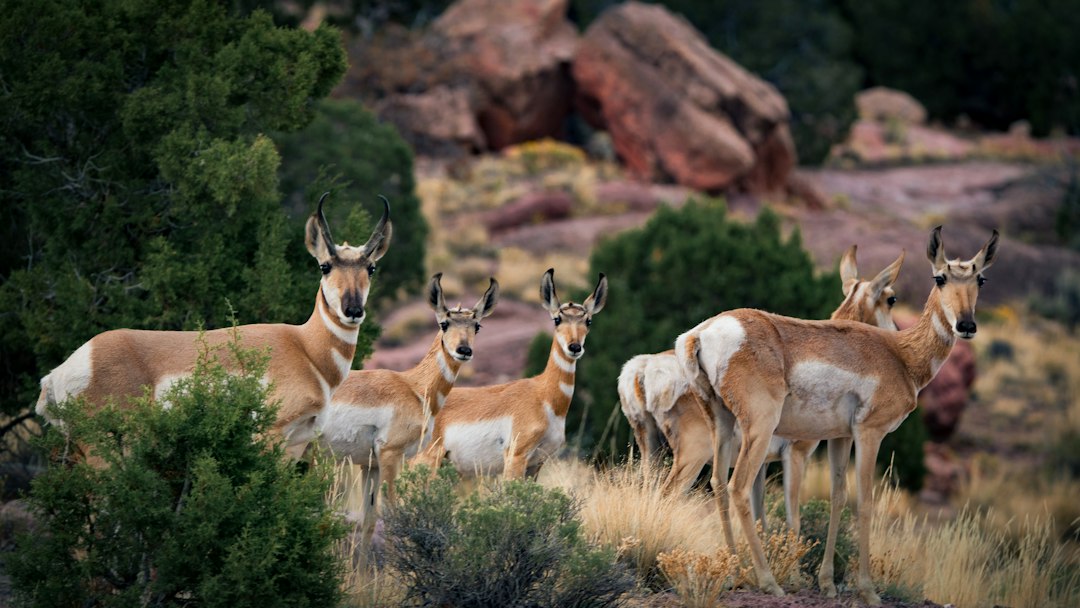
Arizona Guided Pronghorn Hunts 2027: Bonus Points & Draw Odds
Arizona's guided pronghorn draw uses bonus points and 20% random allocation, creating opportunities for hunters at all experience levels. Understanding unit quality, guide requirements, and application strategy determines your odds.
Next
Oregon Guided Blacktail Deer Hunts 2027: Tags & Costs
Oregon blacktail hunts require general-season deer tags available over-the-counter for residents and nonresidents. Guided hunt packages range from $3,500 to $8,000 depending on lodging, terrain, and trophy quality.