Oregon Guided Blacktail Deer Hunts 2027: Tags & Costs
Oregon blacktail deer hunts combine coastal temperate rainforest terrain with accessible general-season opportunity. The state does not require drawing a controlled hunt tag for blacktail. Instead, hunters purchase a general-season deer tag over-the-counter and select from archery, rifle, or muzzleloader seasons across western Oregon units. Guided hunts typically run $3,500 to $8,000 depending on accommodations, hunt length, and the caliber of bucks targeted.
Oregon Deer Tag Structure for Blacktail
Oregon divides deer hunting into general seasons and controlled hunts. Blacktail deer, found west of the Cascade crest, are managed primarily through general seasons. This means tags are available without entering a draw. Both residents and nonresidents can purchase a general-season deer tag and hunt any open unit during the weapon season of their choice.
Controlled hunts exist for specific units and weapon types, but the majority of blacktail opportunity falls under general season. A hunter planning a guided blacktail hunt will almost always use a general-season tag unless the outfitter specifically books a controlled-hunt unit.
2027 Resident and Nonresident Tag Costs
Oregon deer tag pricing is straightforward. Resident general-season deer tags cost $44.75. Nonresident general-season deer tags cost $232.75. These prices include the base hunting license.
Additional fees apply if you hunt specific Cascade units or select controlled-hunt options, but standard coastal blacktail hunts do not trigger those extras. Tags go on sale in late spring, and there is no quota or sell-out concern for general-season deer tags.
If you book a guided hunt, your outfitter will not provide the tag. You must purchase it yourself through the Oregon Department of Fish and Wildlife online licensing system or at a license agent.
Guided Hunt Package Costs
Guided blacktail hunts in Oregon vary widely in price based on lodging quality, guide-to-hunter ratio, hunt duration, and trophy expectations. Budget-tier hunts offering basic camp accommodations and shared guides start around $3,500 for a three- to five-day hunt. Mid-range packages with lodge stays, meals, and one-on-one guiding typically run $5,000 to $6,500. High-end hunts targeting mature bucks in prime coastal units with luxury lodges and exclusive access can reach $8,000 or more.
Most outfitters operate on a no-kill-no-pay or reduced-rate policy if the hunter does not harvest a deer, but policies vary. Confirm refund and guarantee terms before booking. Transport from Portland or other cities, taxidermy, meat processing, and tips are additional costs not included in package prices.
Best Units and Hunt Timing
Blacktail deer inhabit the Coast Range and western Cascade foothills. Popular units for guided hunts include the Saddle Mountain, Trask, Alsea, Siuslaw, and Umpqua units. These areas offer thick timber, steep ridges, and abundant blacktail populations.
Archery season opens in late August and runs through September. Rifle season typically starts in early October and runs through early November. Muzzleloader seasons follow or overlap rifle depending on the unit. The rut peaks in mid-November, but rifle season usually closes before the peak rut activity.
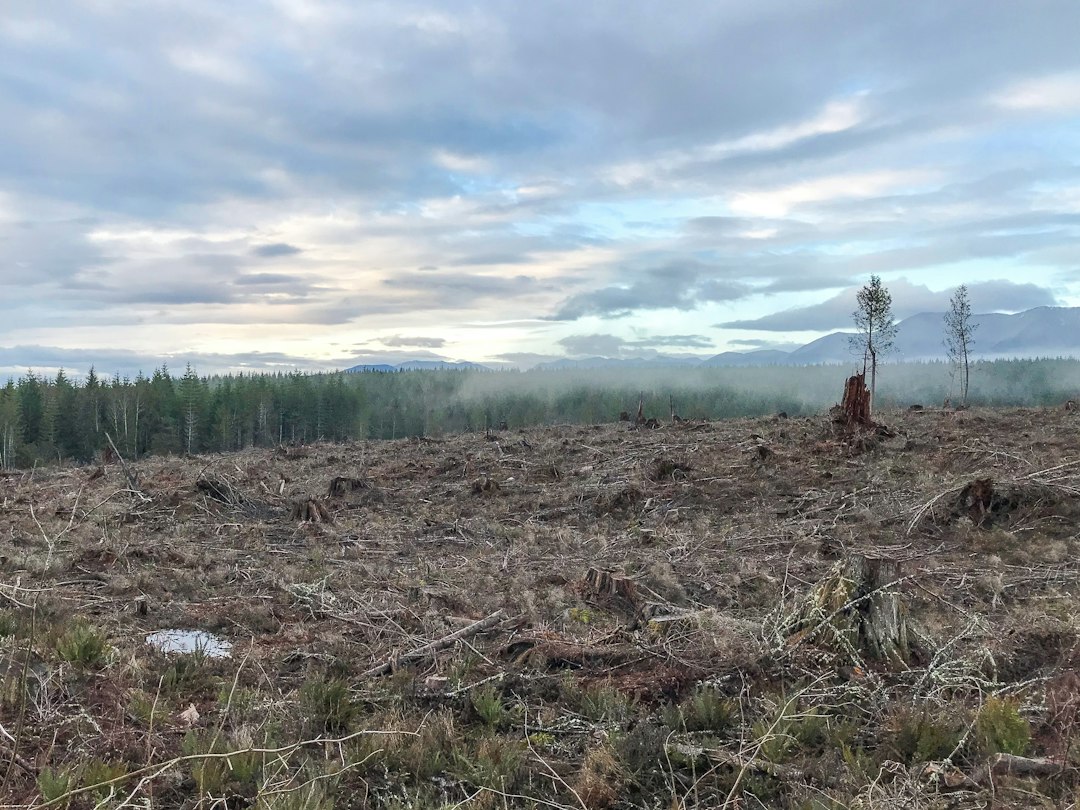
Most guided rifle hunts occur in the first two weeks of October when bucks are still in bachelor groups or beginning to move into rut behavior. Archery hunts during the late-August velvet period can be productive for hunters willing to call or spot-and-stalk in clearcuts.


Free to join
Download mobile app
- Detailed draw odds
- Point tracking
- Deadline reminders
- 19 states covered





Free to join
Download mobile app
- Detailed draw odds
- Point tracking
- Deadline reminders
- 19 states covered






Free to join
Download mobile app
- Detailed draw odds
- Point tracking
- Deadline reminders
- 19 states covered

Booking and Planning Timeline
Outfitters begin taking 2027 bookings as early as late 2026. Prime weeks fill quickly, especially for mid-tier and high-end lodges. If you plan to hunt October during rifle season, book by winter or early spring to secure your dates.
Physical conditioning matters. Blacktail hunts involve steep terrain, dense brush, and long days on your feet. Prepare for elevation changes of 1,000 to 3,000 feet in a single day and expect rain. Coastal Oregon weather is wet and unpredictable, even in October.
Confirm what your outfitter provides. Most include lodging, meals, field care, and transportation during the hunt. Few provide meat processing, taxidermy transport, or airport pickup. Ask whether the hunt is fully guided, semi-guided, or drop-camp to avoid surprises.
Weapons and Gear Considerations
Rifle hunts allow any centerfire cartridge legal for deer. Popular choices include .243 Winchester, .270 Winchester, .308 Winchester, and 6.5 Creedmoor. Ranges are typically short—50 to 200 yards—due to thick cover. A lightweight rifle with a low-power variable optic works better than a long-range precision setup.
Archery hunters should bring a compound or recurve capable of delivering accurate shots at 20 to 40 yards. Fixed-blade broadheads perform better in wet conditions than mechanicals, which can corrode or fail in moisture.
Rain gear is non-negotiable. Pack waterproof boots, insulated layers, and multiple pairs of gloves. Blacktail hunting means sitting in rain or pushing through wet brush for hours. Cotton kills. Merino wool and synthetics are mandatory.
What to Expect from a Guided Blacktail Hunt
Blacktail hunts are physically demanding and patience-intensive. Unlike mule deer, blacktails rarely present themselves in open terrain. Spot-and-stalk opportunities exist in clearcuts and burns, but most hunting involves still-hunting ridgelines, glassing timber edges at dawn and dusk, or setting up ambushes along game trails.
Mature bucks are wary and nocturnal outside the rut. A 3×3 or 4×4 blacktail is a respectable trophy. Bucks exceeding 110 inches are rare and require exceptional effort or luck.
Guides typically scout before your arrival and know productive drainages and clearcuts. Success rates vary but hover around 40 to 60 percent for rifle hunts in good units. Archery success is lower, often 20 to 30 percent, due to close-range requirements and dense cover.
FAQ — Oregon Blacktail Hunts
Do I need to apply for a draw to hunt blacktail in Oregon?
No. Blacktail deer are managed under general seasons, and tags are available over-the-counter for residents and nonresidents without entering a draw.
How much does a nonresident Oregon deer tag cost?
$232.75 for the 2027 season, which includes the base hunting license. Residents pay $44.75.
What is the average cost of a guided blacktail hunt?
Guided hunts range from $3,500 to $8,000 depending on lodging, guide ratio, hunt length, and unit quality. Mid-range packages with lodge stays and meals typically cost $5,000 to $6,500.
When is the best time to hunt blacktail in Oregon?
Early October during rifle season offers the best balance of buck activity and weather. Late August archery hunts can be productive in clearcuts, but bucks are less active before the rut.
What weapon is best for blacktail hunting?
A lightweight rifle in .243 to .308 caliber with a low-power variable scope works best for short-range shots in thick cover. Archery hunters should bring a reliable compound capable of 40-yard shots with fixed-blade broadheads.
Are blacktail deer hard to hunt?
Yes. Blacktails inhabit thick coastal rainforest and are highly cautious. Mature bucks are largely nocturnal outside the rut, and terrain is steep and brushy. Success requires patience, physical fitness, and experience reading sign in dense cover.
Was this article helpful?
Previous
Utah Rifle Elk Hunting 2027: Draw Odds, Units, and Strategy
Utah's 2027 rifle elk hunts offer some of the West's best trophy opportunities through limited-entry draws and general-season any-bull tags. Here's how to navigate both systems.
Related
Oregon Rifle Elk Hunting 2027: Tags, Units, and Season Strategies
Oregon offers general rifle elk tags and controlled hunts across diverse terrain in 2027. Plan for August applications, understand tag types, and target units that match your hunting style.

Next
Rifle Elk Hunting in Montana: Units, Draws, and OTC Strategies for 2025
Montana offers both general rifle elk tags and limited-entry permits across diverse terrain. Success depends on understanding the combination license draw, choosing between general and LE units, and timing your hunt around rut and weather.