Oregon Rifle Elk Hunting 2027: Tags, Units, and Season Strategies

Oregon's 2027 rifle elk season offers hunters both general-season opportunity and premium controlled-hunt tags across the state's diverse elk country. Rocky Mountain elk dominate the east side, while Roosevelt elk rule the coastal forests and Cascades. Understanding the tag structure, application timeline, and unit characteristics helps you match your hunting style to the right opportunity.
Oregon Elk Tag Types for Rifle Hunters
Oregon splits rifle elk opportunity into general and controlled categories. General elk tags allow hunting on most public land during designated seasons, with the state divided into general-season units. Controlled hunts require application through the annual draw and offer access to specific units, premium dates, or weapon-specific seasons with limited entry. Rifle hunters can apply for controlled hunts while still purchasing a general tag as a backup.
Controlled rifle elk hunts include early-season archery crossover hunts, standard rifle seasons with quota limits, and late-season opportunities. Some controlled hunts restrict entry to increase success rates or manage specific herds. Preference points accumulate for elk, deer, and antelope as a combined pool — applying for any species in a year earns a point if you don't draw.
Application Timeline and Process
Applications for Oregon controlled hunts open in early spring and close in late May for the upcoming hunting year. The 2027 season follows the standard schedule, with applications typically due by the end of May 2027. Hunters apply online through the Oregon Department of Fish and Wildlife website, selecting up to five hunt choices in order of preference.
The draw occurs in late June or early July, with results posted online. Leftover controlled-hunt tags from the initial draw become available in August through a secondary application period. General elk tags go on sale in late summer and remain available throughout the season unless quotas fill in specific units.
Rocky Mountain Elk Units: East Side Opportunities
Eastern Oregon's Rocky Mountain elk country spans sagebrush foothills, ponderosa pine forests, and alpine ridges. Units like Wenaha, Sled Springs, and Starkey offer rugged backcountry hunting with bugling bulls during September rifle seasons. Success rates vary widely — controlled hunts in premium units can hit 40-60 percent, while general-season hunting on accessible public land trends closer to 10-15 percent.
Controlled hunts in eastern units often coincide with the rut, giving rifle hunters vocal bulls and predictable movement patterns. General-season hunters face post-rut conditions, with elk transitioning to feeding patterns and tighter groups. Focus on north-facing timbered slopes, water sources, and areas with limited road access to avoid pressure.
The Blue Mountains and Wallowa ranges hold the highest elk densities in eastern Oregon. Hunters willing to pack in two to three miles from roads find less competition and undisturbed bulls. Expect steep terrain, dry conditions in early fall, and potential snow by late October in higher elevations.
Roosevelt Elk Units: Coast and Cascade Forests
Roosevelt elk inhabit the thick forests of western Oregon, from coastal rainforests to the Cascade foothills. Units like Saddle Mountain, Trask, and Siuslaw offer general-season hunting in dense cover where visibility rarely exceeds 50 yards. Roosevelt bulls grow larger bodies than Rocky Mountain elk but slightly smaller antlers on average. Hunting tactics shift to still-hunting, calling in tight timber, and glassing clearcuts at dawn and dusk.
Controlled rifle hunts in Roosevelt country focus on specific drainages or private-land access. Success rates run lower than eastern hunts due to thick cover and limited shooting opportunities, but hunters willing to grind through brush and rain find less competition than in open eastern units. Early-season hunts catch bulls still responding to calls, while late-season tags target elk pushed to lower elevations by weather.
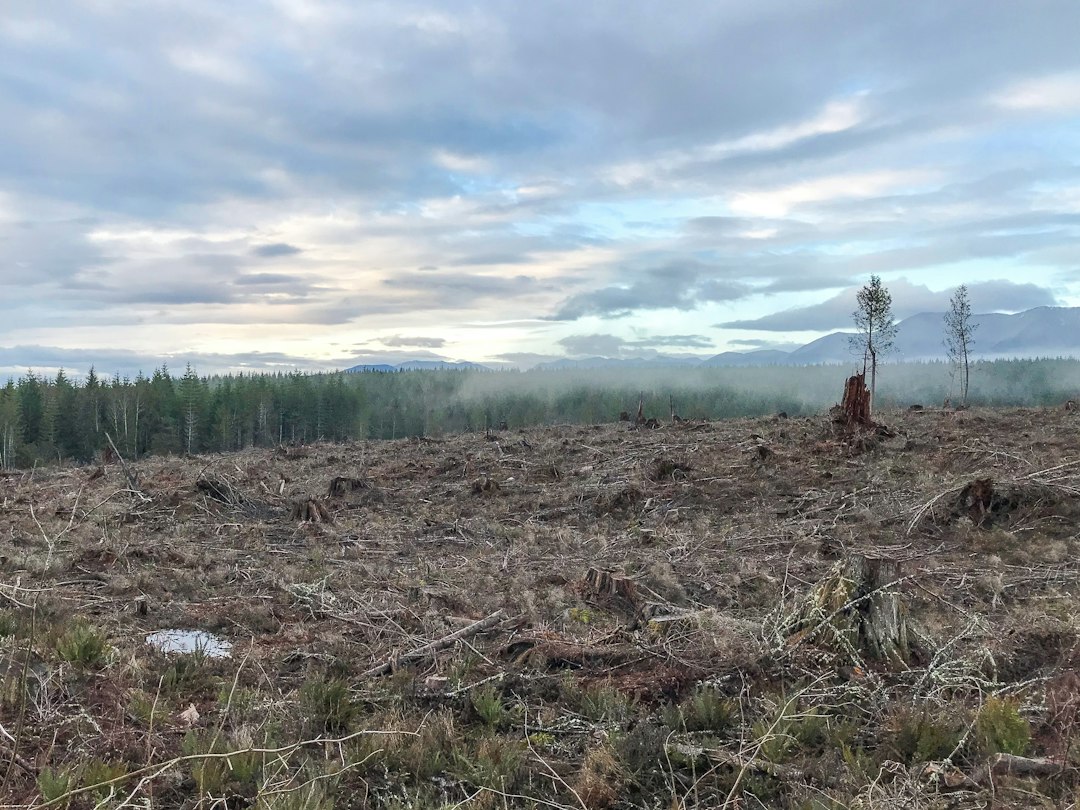
Logging roads and clearcuts provide access and glassing opportunities, but heavy vegetation demands close-range shooting skills. Hunters should prepare for wet conditions, limited cell service, and long pack-outs in steep drainages.


Free to join
Download mobile app
- Detailed draw odds
- Point tracking
- Deadline reminders
- 19 states covered





Free to join
Download mobile app
- Detailed draw odds
- Point tracking
- Deadline reminders
- 19 states covered






Free to join
Download mobile app
- Detailed draw odds
- Point tracking
- Deadline reminders
- 19 states covered

Weapon Restrictions and Season Dates
Oregon defines rifle seasons to include centerfire rifles, muzzleloaders, and shotguns with slugs. Controlled rifle hunts specify exact dates, often running five to nine days. General rifle seasons typically open in late October or early November and extend through November, with some units offering December extensions.
Muzzleloader-specific controlled hunts occur during the rut in September, offering rifle hunters a chance at bugling bulls with black-powder firearms. These hunts draw fewer applicants than archery or standard rifle tags, sometimes requiring only one or two preference points for mid-tier units. Standard rifle controlled hunts during the rut demand more points, often five to ten for top-tier eastern units.
Unit Selection Strategy
Choosing the right unit depends on your point total, physical ability, and hunting style. First-time applicants or hunters with zero to two points should target general-season units with good public-land access and moderate pressure. Units near major highways see heavy opening-weekend traffic, but mid-week hunting or remote trailheads offer solitude.
Hunters with three to six points can draw mid-tier controlled hunts in eastern Oregon or less-competitive Roosevelt hunts. These tags offer better bull-to-cow ratios and rut timing without requiring a decade of point accumulation. Units with wilderness areas or roadless sections reward backpack hunters willing to cover ground.
Top-tier controlled hunts requiring seven or more points deliver the highest success rates and trophy potential. Units like Wenaha, Sled Springs, and certain Cascade hunts produce mature bulls and low hunter density. Applying for these tags as your first choice maximizes draw odds, while listing general-backup hunts lower on your preference list protects against drawing nothing.
Public Land Access and Logistics
Oregon's national forests, BLM land, and state wildlife areas provide millions of acres of elk habitat. The Wallowa-Whitman, Umatilla, and Malheur national forests dominate eastern Oregon, while the Siuslaw, Mount Hood, and Willamette national forests cover western elk country. Some controlled hunts include private-land ranches enrolled in Oregon's Access and Habitat program, requiring separate permission or reservation.
Road access varies from paved highways to primitive two-tracks requiring high-clearance vehicles. Eastern Oregon's dry climate keeps most roads passable through October, but November snow can close high-elevation access. Western Oregon's coastal units remain accessible year-round but demand four-wheel-drive in muddy conditions. Scout roads and campsites before the season to identify locked gates and seasonal closures.
Nearest towns with services include La Grande and Baker City in the east, Bend and Sisters near the central Cascades, and Tillamook or Reedsport on the coast. Fuel, lodging, and meat processing are available in most gateway communities, though remote units may require a 90-minute drive to resupply.
Resident vs. Nonresident Tags
Oregon allocates general elk tags to both residents and nonresidents without quota limits. Controlled-hunt tags follow a 95-percent resident, 5-percent nonresident split for most hunts, though some premium tags reserve up to 10 percent for nonresidents. Nonresident hunters face the same preference-point system as residents, with no separate draw pool.
Nonresident general elk tags cost significantly more than resident tags, but the opportunity remains available throughout the season. Nonresidents drawing controlled hunts must purchase the tag within the specified deadline or lose the opportunity. Preference points carry over year to year, allowing nonresidents to build points for future hunts even if they don't apply every year.
Success Rates and Expectations
Oregon elk hunting success varies widely by tag type, unit, and hunter experience. Controlled rifle hunts in top-tier eastern units average 40-60 percent success, with most harvests occurring in the first three days. General-season rifle hunting averages 10-15 percent statewide, climbing to 20-25 percent in remote units with low access.
Roosevelt elk success rates run slightly lower due to habitat challenges, but hunters who glass clearcuts aggressively and push through wet brush still fill tags. Late-season hunts during November and December can spike in success when weather pushes elk to lower elevations and concentrates herds near roads.
Physical fitness and backcountry skills dramatically increase success rates. Hunters willing to hike three to five miles from roads encounter far fewer hunters and undisturbed elk. Early-morning glassing, midday still-hunting through timber, and evening calling near bedding areas produce encounters in both eastern and western units.
Gear and Preparation
Rifle calibers from .270 Winchester to .300 Winchester Magnum handle Oregon elk effectively, with most hunters favoring .30-06 or 7mm Remington Magnum for versatility. Eastern Oregon offers longer shots across canyons and ridges, making 300-yard capability useful. Western Oregon rarely demands shots beyond 150 yards, favoring quick-handling rifles in thick cover.
Layered clothing for variable weather is essential — eastern Oregon swings from 70-degree afternoons to freezing mornings, while western Oregon delivers rain and 40-degree temperatures. Quality rain gear, insulated boots, and a game bag set for meat care are non-negotiable. Pack frames or game carts help with pack-outs, especially in units without ATV access.
Optics matter more in eastern Oregon, where glassing distant ridges locates bulls before the stalk. Western Roosevelt hunting relies more on close-range calling and still-hunting, though binoculars help scan clearcuts at dawn. GPS units or phone apps with offline maps prevent navigation issues in roadless areas.
FAQ — Oregon Rifle Elk Hunting
Can nonresidents buy Oregon general elk tags?
Yes. Nonresidents can purchase general elk tags without entering a draw, though the cost is significantly higher than resident tags. These tags remain available throughout the season in most units.
How many preference points do I need for a good rifle elk hunt?
Mid-tier controlled hunts in eastern Oregon typically require three to six points. Top-tier units like Wenaha or Sled Springs often demand seven to ten points. Zero-point hunts exist but offer lower success rates or less desirable dates.
What's the difference between Rocky Mountain and Roosevelt elk hunting?
Rocky Mountain elk in eastern Oregon inhabit open forests and ridges, offering longer shots and vocal rut behavior. Roosevelt elk in western Oregon live in dense coastal rainforests, requiring close-range shooting and aggressive still-hunting through thick brush.
When do I apply for Oregon controlled elk hunts?
Applications open in early spring and close in late May each year. The draw results post in late June or early July, with leftover tags available in August. General tags go on sale in late summer.
Do I need to hire a guide for Oregon elk?
No. Oregon's public-land access and general-tag availability make DIY hunting practical for most hunters. Controlled-hunt units with private-land components may require outfitter arrangements, but the majority of Oregon elk country is accessible to self-guided hunters.
What success rate should I expect on a general rifle elk tag?
Statewide general-season rifle success averages 10-15 percent. Remote units with limited road access push closer to 20-25 percent, while heavily pressured units near highways drop below 10 percent. Physical fitness and willingness to hike significantly improve odds.
Was this article helpful?
Previous
Oregon Guided Blacktail Deer Hunts 2027: Tags & Costs
Oregon blacktail hunts require general-season deer tags available over-the-counter for residents and nonresidents. Guided hunt packages range from $3,500 to $8,000 depending on lodging, terrain, and trophy quality.
Related
DIY vs Guided Pronghorn Hunting: How to Choose Your Hunt
Pronghorn are the most accessible big-game animal in the West, but deciding between DIY and guided hunts depends on your budget, time, skill level, and desired experience. Here's how to match your approach to your goals.
Next
Utah Rifle Elk Hunting 2027: Draw Odds, Units, and Strategy
Utah's 2027 rifle elk hunts offer some of the West's best trophy opportunities through limited-entry draws and general-season any-bull tags. Here's how to navigate both systems.