Arizona Guided Pronghorn Hunts 2027: Bonus Points & Draw Odds
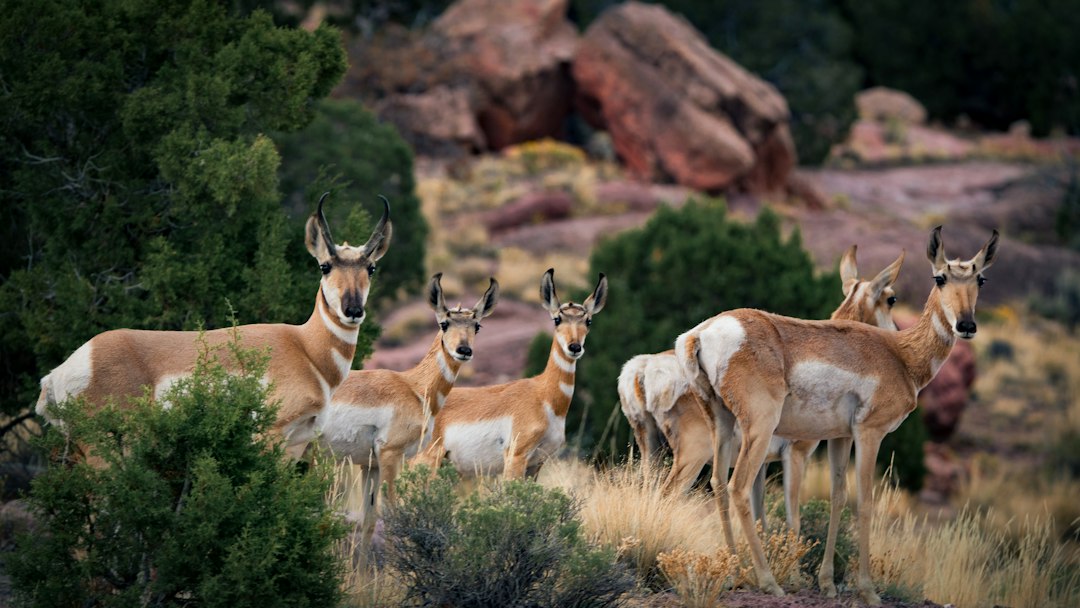
Arizona offers one of the West's most structured pronghorn hunts through its guided draw system. The state uses a bonus-point scheme for all big-game species, meaning every point you hold gives you one additional entry in the draw. Twenty percent of tags are set aside for random allocation regardless of points, creating opportunity for first-time applicants while rewarding long-term participants. For 2027, the system remains unchanged from recent years, with nonresidents required to hire a licensed guide or hunt on approved ranches where landowner tags are issued.
How Arizona's Bonus Point System Works for Pronghorn
Arizona Game and Fish uses bonus points, not preference points. Each bonus point you accumulate equals one additional chance in the draw. If you have three bonus points, your name goes in the hat four times — your base entry plus three bonus entries. This differs from preference-point states where points create a strict hierarchy. Arizona's system means a hunter with zero points can draw a coveted rifle tag, though the odds are lower than for someone holding a decade of points. You earn one point per year by applying and not drawing, or you can purchase a bonus point without applying during the summer point-only period. Points cost $15 for residents and $160 for nonresidents.
Eighty percent of tags are allocated in the bonus-point draw. The remaining 20% go to applicants regardless of points, giving everyone a baseline chance. For popular rifle hunts in units like 10 or 19A, applicants routinely accumulate 8-12 points before drawing. Archery hunts in those same units may require 4-6 points. Lesser-known units with solid pronghorn populations — such as 17A, 17B, or 18B — often draw with 2-4 points for rifle hunts and 0-2 points for archery.
Nonresident Guide Requirements
Nonresidents must hunt with a licensed Arizona guide unless they draw a landowner tag issued through private ranches that participate in the state's landowner tag program. The guide requirement applies to all nonresident big-game hunts in Arizona, not just pronghorn. You cannot hunt solo on public land as a nonresident, even if you draw the tag. The guide must hold a current Arizona Guide License and be present throughout the hunt. If you book a hunt, confirm the outfitter's license status directly with Arizona Game and Fish before applying.
Guided hunts typically cost between $3,500 and $7,000 for pronghorn, depending on unit quality and service level. Some outfitters offer semi-guided options where you stay in a base camp and hunt independently during the day but check in each evening. Full-service hunts include lodging, meals, field care, and comprehensive guiding. Budget for the hunt cost, the nonresident license ($160), the application fee ($13.50), and bonus-point fees if you plan to build points over multiple years.
2027 Application Timeline and Process
The 2027 Arizona big-game draw opens in early January and closes in mid-February. Exact dates are published by Arizona Game and Fish in late fall of the prior year. You apply online through the Arizona Game and Fish portal. The draw results are released in late March or early April. If you do not draw, you receive your bonus point automatically. If you draw, your points reset to zero.
You may apply for up to five hunt choices in order of preference. Arizona processes applications in a true preference order — if you are drawn for your second choice, you are not considered for your third through fifth choices. This system rewards strategic choice ordering. Many hunters list one or two reach units, followed by moderate units where they have realistic odds, and finish with a near-certain archery or less-competitive rifle hunt as a safety draw. If you draw any choice, you cannot apply again that year for pronghorn.
Best Units for Realistic Draw Odds
Units 10, 19A, and 19B consistently produce the state's largest pronghorn, with mature bucks exceeding 80 inches. These units require significant points. If you are starting from zero or holding fewer than five points, focus on units where rifle tags draw with 2-4 points and archery tags draw with 0-2 points. Unit 17A is a consistent producer with solid buck quality and reasonable draw odds. Unit 18B offers good numbers of pronghorn and draws with moderate points. Unit 21 has expanded pronghorn populations in recent years and often draws with fewer points than units farther north.
Archery hunts generally draw with half the points required for rifle hunts in the same unit. If you are willing to bowhunt and practice shooting at extended distances over open terrain, archery applications can accelerate your timeline to hunting Arizona pronghorn. August archery hunts coincide with the pronghorn rut, when bucks are more visible and responsive to decoying tactics. Rifle hunts in September and October offer easier shooting but face stiffer competition in the draw.


Free to join
Download mobile app
- Detailed draw odds
- Point tracking
- Deadline reminders
- 19 states covered





Free to join
Download mobile app
- Detailed draw odds
- Point tracking
- Deadline reminders
- 19 states covered






Free to join
Download mobile app
- Detailed draw odds
- Point tracking
- Deadline reminders
- 19 states covered

Points Creep and Long-Term Strategy
Arizona's pronghorn draw has experienced points creep in top-tier units. A hunt that required eight points five years ago may now require ten or eleven. This happens because more applicants accumulate points each year than tags are available. If you are building points for a premium unit, monitor draw statistics annually to ensure your target remains achievable. Arizona Game and Fish publishes detailed draw odds reports after each year's draw, showing the number of applicants at each point level and the number of tags issued.
Some hunters apply strategically by targeting units just below the premium tier. Units that require 4-6 points often hold mature bucks in the 75-78 inch range — excellent trophies by any measure — and the wait time is half that of the most famous units. If your goal is a quality hunt rather than a record-book buck, consider units where you can draw within three to five years. This approach lets you hunt more frequently and build experience rather than waiting a decade for a single hunt.
Hunt Success Rates and What to Expect
Arizona pronghorn rifle hunts typically see success rates between 60% and 85%, depending on unit and hunter effort. Archery success runs lower, generally 20-40%, due to the challenges of closing distance on pronghorn in open country. Mature bucks in Arizona average 72-78 inches, with top-end animals reaching 82-86 inches. The state's pronghorn benefit from limited hunting pressure, good forage, and effective management. Herd populations have remained stable or grown in many units over the past decade.
Most hunts span five days. Pronghorn are visible animals, and locating bucks is rarely difficult. The challenge lies in closing distance across flat or rolling terrain where pronghorn can spot movement at half a mile or more. Successful hunters use terrain features, early morning and late evening movement, and patience. Rifle shots frequently exceed 300 yards. Archery hunters use decoys and calling to bring bucks within bow range, often setting up near water sources or along travel corridors between feeding and bedding areas.
FAQ — Arizona Guided Pronghorn Hunts
Do nonresidents need a guide for Arizona pronghorn hunts?
Yes. Nonresidents must hire a licensed Arizona guide or hunt on a ranch issuing landowner tags. Solo public-land hunting is not permitted for nonresidents in Arizona.
How many bonus points does it take to draw a rifle pronghorn tag?
Top units like 10 and 19A require 8-12 points. Mid-tier units such as 17A or 18B draw with 2-4 points. Archery hunts in the same units typically require half as many points.
Can I apply for multiple species in the same year?
Yes. Arizona allows you to apply for pronghorn, deer, elk, and other species in the same year. Each species has its own draw and bonus-point pool.
What is the 20% random draw allocation?
Twenty percent of tags are set aside for applicants drawn randomly regardless of bonus points. This gives every applicant, including those with zero points, a chance to draw any tag.
Are bonus points refundable if I do not draw?
No. Bonus points are not refunded, but you automatically earn one additional point each year you apply and do not draw. Points remain valid indefinitely.
Is archery or rifle better for a first-time Arizona pronghorn hunter?
Archery hunts draw with fewer points and coincide with the rut, offering unique hunting experiences. Rifle hunts provide higher success rates and easier shot opportunities. Choose based on your skill level and how quickly you want to draw.
Was this article helpful?
Previous
DIY vs Guided Pronghorn Hunting: How to Choose Your Hunt
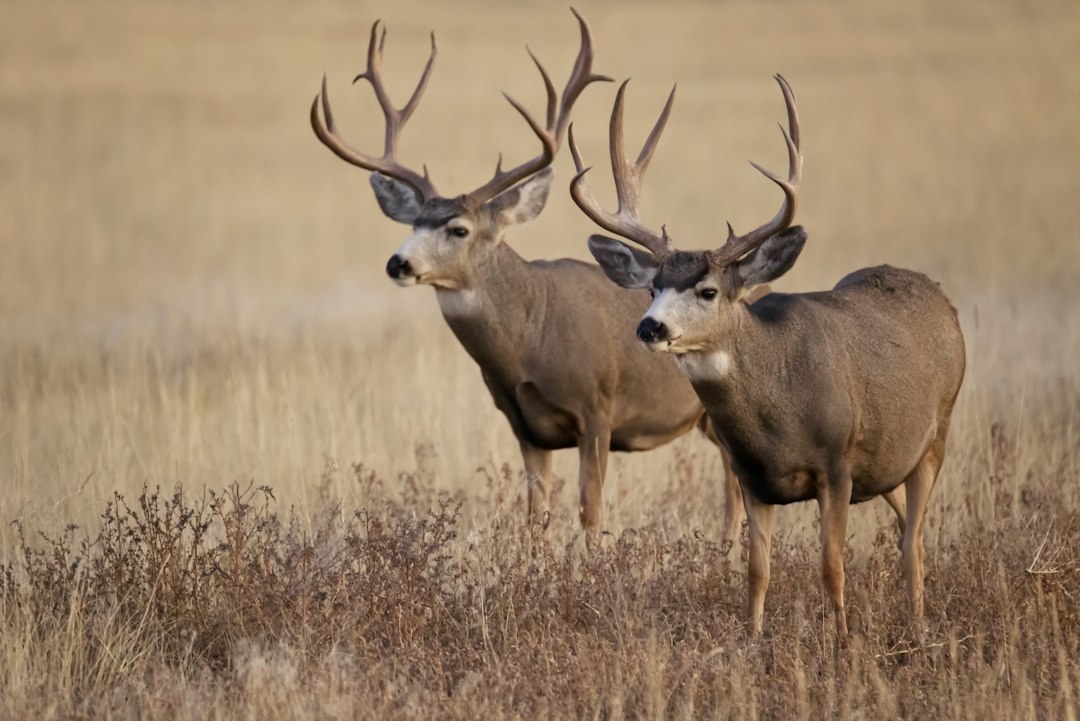
Pronghorn are the most accessible big-game animal in the West, but deciding between DIY and guided hunts depends on your budget, time, skill level, and desired experience. Here's how to match your approach to your goals.
Related
DIY Elk Hunting in Arizona: Your 2027 Guide to Public-Land Success
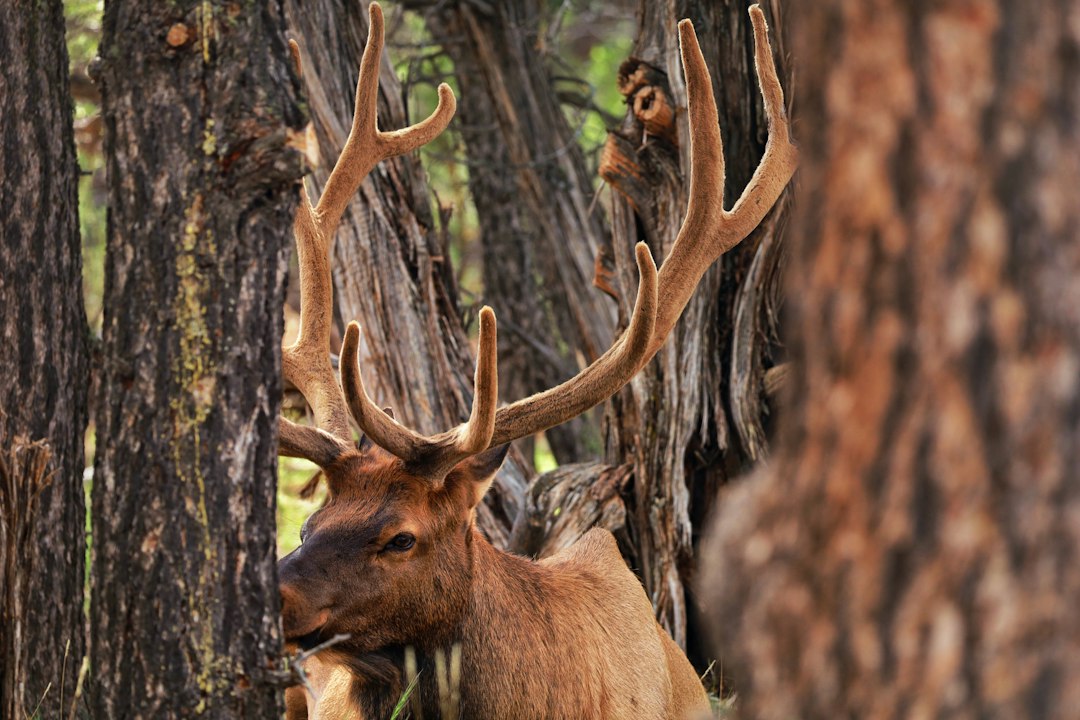
Arizona offers excellent DIY elk hunting opportunities across diverse terrain from ponderosa forests to high desert. Success requires understanding the draw system, choosing the right unit for your points, and mastering public-land tactics in units with strong bull-to-cow ratios.
Next
Oregon Rifle Elk Hunting 2027: Tags, Units, and Season Strategies
Oregon offers general rifle elk tags and controlled hunts across diverse terrain in 2027. Plan for August applications, understand tag types, and target units that match your hunting style.