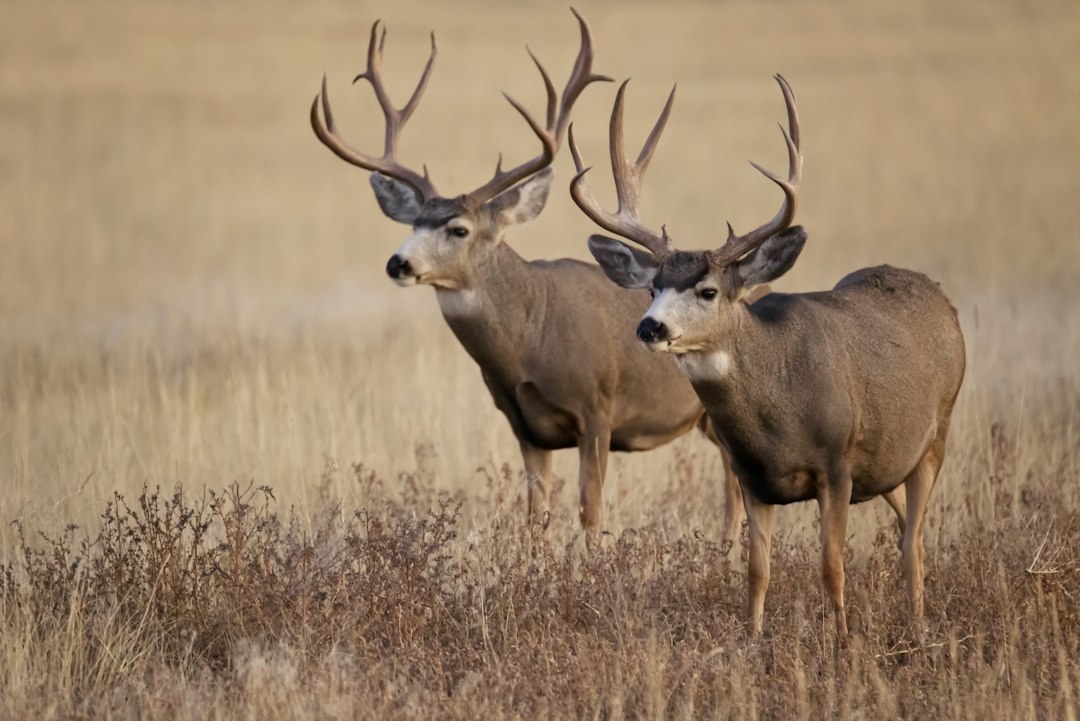
DIY Elk Hunting in Arizona: Your 2027 Guide to Public-Land Success
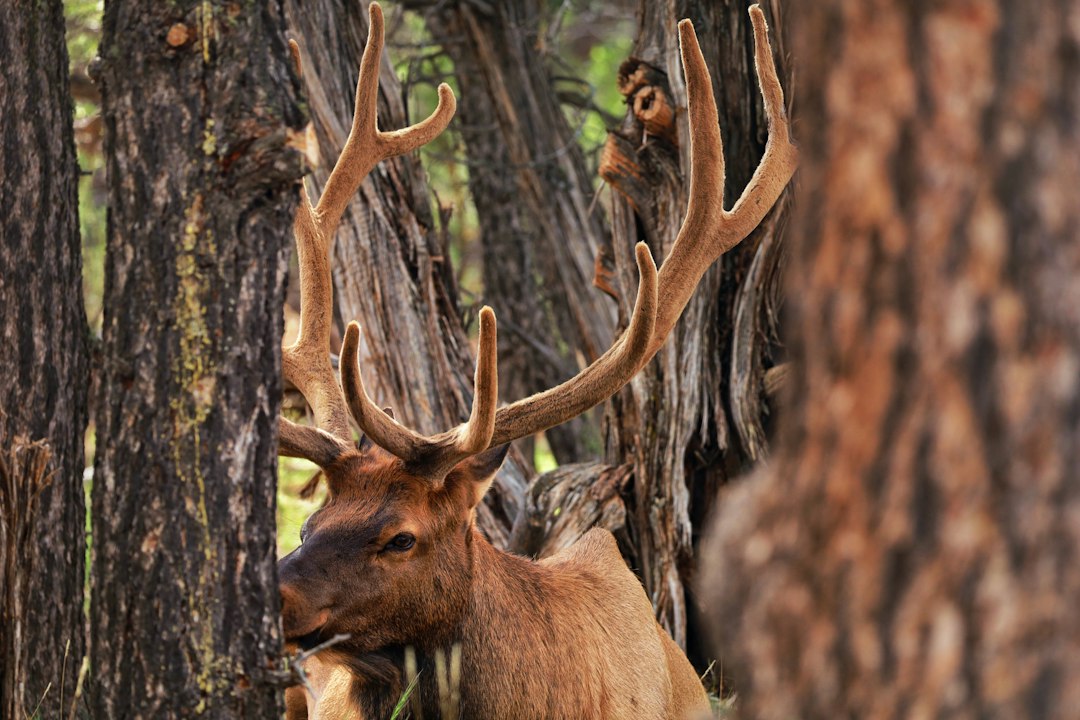
Arizona ranks among the West's premier elk destinations, producing trophy bulls and offering DIY hunters access to millions of acres of public land. The state manages elk through a strict draw system that rewards long-term planning, but hunters with zero to moderate points can still draw quality tags by targeting the right units and seasons. Whether you're chasing bugling bulls in September or glassing timbered ridges in October, Arizona's mix of ponderosa pine forests, aspen groves, and open parks creates classic elk habitat where a prepared public-land hunter can succeed.
Arizona's Elk Draw System Explained
Arizona Game and Fish Department uses a bonus point system for all big game species including elk. Bonus points increase your odds with each application but do not guarantee a tag. When you apply, you receive one chance in the draw for every bonus point you have, plus one additional chance. A hunter with five bonus points gets six entries in the random draw. Points accumulate only if you apply and are unsuccessful, or if you buy a point during the summer point-only period. Arizona does not sell preference points that guarantee a tag after reaching a threshold.
The application period opens in early January and closes in mid-February. You may apply for up to five hunt choices ranked in order of preference. The draw processes your first choice first. If you are unsuccessful, your name goes back in for your second choice using the same bonus point total, and so on through your fifth choice. Leftover tags that remain after the draw are sold first-come, first-served starting in late summer. Plan to submit your application by the February deadline to maximize your options.
Resident vs. Nonresident Opportunity
Arizona allocates elk tags differently depending on hunt quality. For premium hunts in top trophy units, up to 10 percent of tags go to nonresidents. For general-quality hunts, nonresidents may receive up to 20 percent of tags. Residents face lower point creep and draw mid-tier archery and rifle hunts with fewer points than nonresidents need for the same tags. Nonresident hunters should expect to invest more years or target less-pressured units where draw odds remain reasonable with two to five points.
Both residents and nonresidents must purchase an Arizona hunting license before applying. A nonresident hunting license costs significantly more than a resident license, and you must also pay an application fee. If you draw a tag, you pay the tag fee, which varies by species, season, and residency. Budget accordingly, as a nonresident elk tag runs several hundred dollars on top of the license.
Which Units and Hunts to Target with Your Points
Point requirements vary dramatically across Arizona's 20-plus elk units. Units in the northern part of the state, particularly those in Game Management Units 9, 10, and 12A, produce high-scoring bulls but require a decade or more of points for archery and early rifle hunts. These units feature extensive ponderosa pine forests, cool temperatures, and consistent elk populations, but they draw intense competition. Expect to invest 10-15 bonus points for a premier archery tag and even more for early rifle hunts in these areas.
Mid-tier units such as 4A, 4B, 5A, and 6A offer solid public-land hunting with lower point requirements. Archery tags in these units may draw with three to six points for nonresidents, sometimes fewer for residents. Rifle hunts during the October and November seasons also remain accessible. These units support healthy elk herds, manageable terrain, and a mix of ponderosa, pinyon-juniper, and mixed conifer that holds elk through the season. Success rates run lower than in premium units, but DIY hunters willing to cover ground and hunt smart can find bulls.
Late-season rifle hunts in December and January draw with minimal points and sometimes go to leftover status. These hunts take place after the rut, when bulls have moved to winter range. Snow and cold can make access difficult, but hunters who embrace the conditions and focus on south-facing slopes and low-elevation feeding areas can find elk concentrated in predictable locations. If you have zero to two points and want to hunt Arizona elk, a late rifle hunt is your best bet for drawing a tag in 2027.
Public Land Access and Where to Hunt
Arizona's national forests provide the backbone of DIY elk hunting access. Coconino, Kaibab, Apache-Sitgreaves, and Prescott National Forests cover millions of acres across northern Arizona and allow dispersed camping, vehicle access on forest roads, and walk-in hunting. Most units contain a high percentage of public land, though some areas include scattered private ranches and state trust land that require additional permits. Download motor vehicle use maps from the Forest Service website to identify legal roads and plan your approach.
State trust land is open to hunting with a valid recreation permit, which costs a small annual fee and can be purchased online through the Arizona State Land Department. Many productive elk areas include checkerboard ownership patterns mixing national forest and state trust parcels. Secure your recreation permit before the season to avoid access issues. Private land is off-limits without landowner permission, and trespassing laws are enforced.
Scout your unit in summer using onX Hunt or a similar mapping app to locate water sources, bedding timber, feeding meadows, and terrain features that concentrate elk movement. Elk in Arizona's high country follow predictable patterns: they bed in dark timber or north-facing slopes during the day and move to open parks, meadows, or oak brush to feed in the evening. Glassing from ridges at first and last light is the most effective way to locate elk in timber-heavy units. Mark access points, camping spots, and potential ambush locations on your maps before opening day.


Free to join
Download mobile app
- Detailed draw odds
- Point tracking
- Deadline reminders
- 19 states covered





Free to join
Download mobile app
- Detailed draw odds
- Point tracking
- Deadline reminders
- 19 states covered






Free to join
Download mobile app
- Detailed draw odds
- Point tracking
- Deadline reminders
- 19 states covered

September Archery Tactics
Archery elk season in Arizona runs from late August through late September, coinciding with the peak rut. Bulls are vocal and responsive to calling, making September the most exciting time to hunt elk in the state. Set up on ridges and benches where you can hear bugles at first light, then move toward responsive bulls using terrain to close the distance. Elk in pressured units may go quiet after opening weekend, so plan to hunt deeper into the backcountry where hunting pressure thins.
Focus on water during dry years. Arizona's monsoon season typically ends by mid-September, and elk depend on reliable water sources in units without year-round streams. Tank systems, cattle ponds, and springs become elk magnets during the rut, especially in the heat of midday. Set up downwind of water in the late morning or early afternoon when bulls bring cows in to drink. Carry extra water for yourself, as September temperatures can reach the 70s and 80s during the day even at elevation.
Call aggressively in areas with low hunting pressure, but switch to soft cow calls and silent spot-and-stalk tactics in heavily hunted zones near roads. Pressured bulls often respond better to subtle calling or the sound of another elk moving through the timber. Use the wind ruthlessly. Arizona elk have exceptional noses, and one bad wind decision will end your encounter before it begins. Plan your approach so thermals carry your scent away from bedding areas in the morning and feeding areas in the evening.
October and November Rifle Strategies
Rifle hunts in October take place during the tail end of the rut, while November hunts occur as elk transition to winter patterns. Bulls are less vocal but still move between bedding and feeding areas on predictable schedules. Glass feeding areas at first light to catch bulls moving back to timber, then switch to glassing bedding cover during midday to spot bulls on their feet. Arizona's ponderosa parks and aspen groves offer long shooting lanes, so a rifle capable of 300- to 400-yard shots gives you a significant advantage.
October weather is mild, with cool mornings and pleasant afternoons. November brings colder temperatures, occasional snow, and the possibility of stormy weather that pushes elk to lower elevations. Monitor weather forecasts and adjust your strategy accordingly. Snow on the ground makes tracking easier and helps you locate fresh sign, but it also makes access roads slick and limits where you can drive. Carry chains for your vehicle and be prepared to hike farther if roads become impassable.
Hunt the edges where timber meets open parks. Elk feed in the open but rarely venture far from escape cover. Set up on ridges overlooking multiple parks so you can glass several feeding areas without exposing yourself. Use a spotting scope to judge bulls from long range before committing to a stalk. Rifle hunters often cover more ground than bowhunters, so wear boots suited for long days on your feet and carry enough water and food to stay out all day.
Dealing with Hunting Pressure
Arizona's most accessible units see moderate to heavy hunting pressure during opening weekend, particularly near trailheads and forest roads. Elk respond by moving to rougher terrain, hunting primarily at night, or relocating to private land where they feel safer. Counter this by hiking at least two miles from the nearest road, hunting midweek when pressure drops, or focusing on less obvious terrain features that other hunters overlook.
Saddles, benches, and secondary ridges often hold elk pushed out of primary drainages. These areas see less foot traffic and provide security cover that elk seek when pressured. If you bump elk out of a spot, give the area a full day to settle before returning. Elk have short memories if left undisturbed, and they often return to core areas once hunting pressure eases. Persistence and patience pay off in heavily hunted units.
Consider hunting the last week of the season when most hunters have tagged out or gone home. Elk behavior stabilizes, and remaining bulls return to routines they abandoned during peak pressure. Late-season hunting also allows you to pattern elk based on where they were seen earlier in the season. Check trail cameras, talk to other hunters, and monitor recent sign to identify where elk are holding.
Gear and Physical Preparation
Arizona elk country ranges from 6,000 to 10,000 feet in elevation, and the terrain varies from gentle ridges to steep canyons. Physical conditioning is essential. Train for long days covering uneven ground at altitude. Focus on leg strength, cardiovascular endurance, and your ability to carry a heavy pack loaded with meat. Most DIY elk hunters walk five to ten miles per day, and the return trip with meat is the hardest work of the hunt.
Bring layered clothing for temperatures ranging from freezing mornings to 70-degree afternoons in September, or snow and cold during November rifle hunts. Pack a quality rain jacket for afternoon monsoon storms in early season or winter storms later in the year. A good pair of insulated boots is critical for November hunts, while lightweight hikers work fine in September. Bring a game bag set, knife, bone saw, and paracord for field dressing and meat care. Plan to pack meat out in multiple trips unless you have pack stock or access to an ATV on legal roads.
Optics matter. Carry binoculars in the 10x42 or 12x50 range for glassing timber and open parks. A spotting scope helps judge bulls at long range during rifle season. If you're bowhunting, bring a rangefinder and practice shooting from steep uphill and downhill angles before the season. Arizona's terrain often requires shots with significant elevation change, and misjudging distance or angle leads to clean misses or poor hits.
Shot Placement and Meat Care
Elk are tough animals that require precise shot placement. Bowhunters should aim for the crease behind the shoulder, targeting both lungs for a quick kill. Rifle hunters can take the same shot or target the shoulder for bulls that may run if hit through the lungs. Avoid taking low-percentage shots in thick timber or at bulls quartering hard toward you. Wait for a broadside or slightly quartering-away angle that gives you a clean path to the vitals.
Once you recover your bull, prioritize meat care. Arizona's September weather is warm, and meat spoils quickly if left in the hide. Bone out the quarters immediately, hang them in game bags in the shade, and get them off the mountain as fast as possible. Use a cooler with ice or dry ice to keep meat cold during the drive home. November hunters benefit from cooler weather, but you should still hang meat in the shade and avoid leaving it on the ground where it can freeze at night and thaw during the day.
Photos and celebration are important, but meat care comes first. A trophy bull represents a significant investment of time, money, and points. Respect the animal by ensuring the meat reaches your freezer in excellent condition. Bring extra game bags, a tarp for staging meat, and a lightweight pack frame for hauling loads. If you're hunting solo, plan for at least three trips to pack out a mature bull.
Post-Hunt: Points, Tags, and Planning Ahead
If you are unsuccessful in the draw, Arizona awards you an additional bonus point for the species you applied for. Points never expire as long as you apply or buy a point each year. Bonus points are species-specific, so your elk points do not transfer to deer, antelope, or other species. If you draw a tag, you lose all accumulated bonus points for that species and start over at zero the following year. This system encourages hunters to apply consistently and rewards patience.
If you do not draw during the main draw, monitor the leftover tag list in late summer. Leftover tags sell out quickly, but hunters who act fast can secure tags for less competitive units or late-season hunts. Set up an account with Arizona Game and Fish before the leftover sale date so you can purchase a tag online the moment they become available. Have your hunting license already purchased and your credit card information ready.
Whether you draw in 2027 or not, start planning for future years by studying draw odds, researching units, and building your bonus points. Arizona's elk herds remain strong, and the state's public-land opportunities are some of the best in the West for DIY hunters willing to put in the work. Each unsuccessful application adds another entry in the random draw, improving your odds for the following year. Stay persistent, hunt smart, and your Arizona elk tag will come.
FAQ — DIY Elk Hunting in Arizona
How many bonus points do I need to draw an Arizona elk tag?
It depends on the unit and season. Premium archery hunts in units 9, 10, and 12A may require 10-15 points. Mid-tier units like 4A, 5A, and 6A draw with three to six points for nonresidents. Late rifle hunts sometimes draw with zero to two points or go to leftover status.
Can I hunt elk in Arizona without any bonus points?
Yes. Focus on late-season rifle hunts in December or January, which have lower demand and sometimes go to leftover sales. You can also apply with zero points and hope for the random draw, though your odds are low in competitive units.
Is Arizona good for a first-time out-of-state elk hunter?
Yes, if you target the right units and seasons. Arizona has excellent public-land access, strong elk populations, and hunts that draw with low to moderate points. Late rifle hunts offer the most accessible entry point, while mid-tier archery and October rifle hunts provide good opportunities with a few years of point investment.
How much does a nonresident Arizona elk tag cost?
A nonresident elk tag costs several hundred dollars in addition to the nonresident hunting license, which also runs several hundred dollars. Application fees are separate and nonrefundable. Budget at least $650-$800 total for a nonresident elk hunt in Arizona, not including travel and gear.
What is the best elk unit in Arizona for a DIY public-land hunter?
Units 4A, 4B, 5A, 6A, and 23 offer solid public-land hunting with reasonable point requirements. These units have good access, strong elk numbers, and a mix of terrain that rewards scouting and hard work. Units 9 and 10 are trophy units but require significantly more points.
When is the rut in Arizona and when should I hunt?
The rut peaks in mid-September, making archery season the best time to call bulls. Early October rifle hunts catch the tail end of the rut. By November, the rut is over, and elk transition to winter patterns. September offers the most exciting hunting, but November provides better weather and lower hunting pressure in some units.
Was this article helpful?
Previous
Arizona Guided Pronghorn Hunts 2027: Bonus Points & Draw Odds
Arizona's guided pronghorn draw uses bonus points and 20% random allocation, creating opportunities for hunters at all experience levels. Understanding unit quality, guide requirements, and application strategy determines your odds.
Related
Rifle Elk Hunting in Washington: Tags, Units, and Strategies for Success
Washington offers rifle elk hunters a mix of general and controlled-hunt opportunities across diverse terrain. Modern firearm seasons run mid-October through November, with top units concentrated in the northeast Selkirk Mountains and south-central Cascade foothills.
Next
DIY vs Guided Pronghorn Hunting: How to Choose Your Hunt
Pronghorn are the most accessible big-game animal in the West, but deciding between DIY and guided hunts depends on your budget, time, skill level, and desired experience. Here's how to match your approach to your goals.