Rocky Mountain Elk Hunting: Complete Guide to Planning Your Hunt
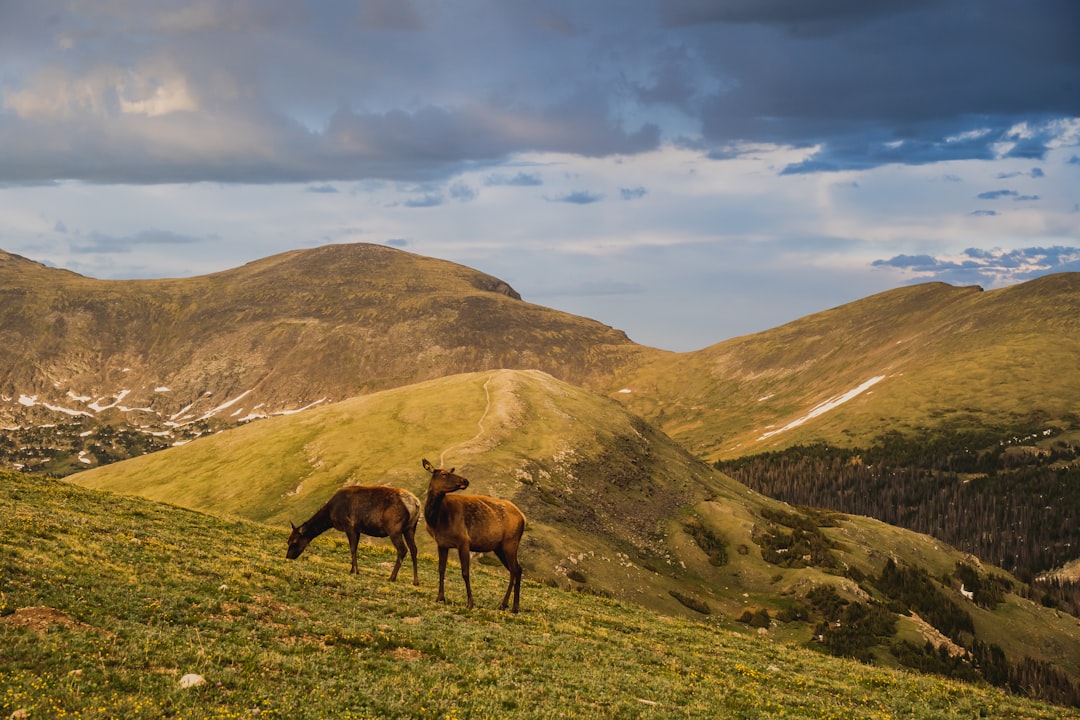
Rocky Mountain elk hunting represents the pinnacle of North American big-game pursuits. These massive animals inhabit some of the West's most rugged country, where success demands physical conditioning, strategic planning, and mastery of terrain. Whether you are chasing a bugling bull during archery season or glassing ridge systems with a rifle, understanding Rocky Mountain elk behavior and the draw systems that control access separates tagged-out hunters from those eating tag soup.
The Rocky Mountain elk subspecies (Cervus canadensis nelsoni) ranges across Colorado, Montana, Wyoming, Idaho, and portions of surrounding states. Bulls can exceed 700 pounds and carry antlers spanning five feet, but hunting them requires navigating complex application systems, selecting units that match your point totals, and executing tactics that account for elevation, weather, and hunting pressure.
Understanding Rocky Mountain Elk Draw Systems
Most western states managing Rocky Mountain elk populations use preference point or bonus point systems for limited-entry tags. Colorado operates a weighted preference point system where applicants with more points have exponentially higher draw odds. Wyoming uses a true preference point system for its limited-quota areas, guaranteeing tags to the highest point holders first. Montana relies on bonus points, giving applicants one entry per point but never guaranteeing a draw.
OTC tags still exist in Colorado for archery and second and third rifle seasons, though these units face increasing pressure and have seen unit closures in recent years. Idaho offers general-season tags for residents and nonresidents willing to hunt rugged backcountry zones. Understanding which states offer realistic opportunities based on your point totals determines where you should focus application efforts.
TAGZ helps hunters compare draw odds across states, track preference and bonus points, and identify units where your point total gives you legitimate drawing potential. Rather than guessing at odds or relying on outdated forum posts, you can see historical draw data, unit boundaries, and terrain features side by side.
Selecting the Right Elk Unit
Unit selection determines hunt quality more than any other factor. High-point units in Colorado, Wyoming, and Montana often hold exceptional bull-to-cow ratios and age-class structures, but drawing them may require a decade or more of point accumulation. Mid-tier units offering four to five-year draw waits frequently provide quality hunting with less competition than OTC zones.
When evaluating units, prioritize public land access, terrain that matches your physical abilities, and historical draw odds that align with your point total. Units with large wilderness areas often hold older-age bulls because horse packers and backpackers face fewer hunters per square mile than roaded units. Conversely, units with road access and gentle terrain allow less physically fit hunters to participate but typically see heavier pressure.
Topographic features matter. Bulls prefer dark timber and north-facing slopes during warm weather, transitioning to open parks and ridge systems during morning and evening feeding periods. Units with a mix of thick cover and open basins provide better glassing opportunities than solid timber blocks. Elevation ranges between 8,000 and 11,000 feet typically hold the highest elk densities in the central Rockies.
TAGZ displays unit boundaries overlaid on terrain maps, allowing you to scout elevation changes, timber density, and access points before ever leaving home. This kind of pre-hunt research eliminates units with poor access or terrain that does not match your hunting style.
Archery Season Tactics and Rut Hunting
Archery elk hunting during September rut peaks offers the most interactive hunting experience in North America. Bulls become vocal, aggressive, and careless as they gather cows and defend harems. Calling strategies range from cow calls that bring bulls within bow range to aggressive bugling sequences that challenge dominant herd bulls.
Successful archery hunters locate elk before daylight by listening for bugles, then use terrain to close distance without being detected. Wind direction determines approach routes. Elk have exceptional noses, and even slight thermal shifts blow your scent into basins where entire herds will vanish. Hunt high in the morning as thermals rise, then drop elevation in the evening as cooling air sinks into valleys.
Calling requires reading elk behavior. A herd bull already surrounded by cows may ignore distant bugles but respond to a cow call that suggests a stray female. Satellite bulls lingering on herd edges often charge in recklessly when you challenge them vocally. Setup locations matter as much as calling skill. Position yourself with shooting lanes at 20 to 40 yards, backed against a tree or rock to break your outline, and never call from the same spot twice.
Pressured bulls on public land often go silent by mid-September. When calling stops working, focus on fresh sign, wallows, and transition routes between bedding and feeding areas. Bulls still rut, but they do it quietly in thick cover rather than open parks.
Rifle Season Strategies Across Elevations
Rifle seasons begin after archery pressure and early-season rut activity have altered elk behavior. By late October and November, bulls have separated from cow herds and form bachelor groups in remote basins or migrate toward winter range. Hunting strategies shift from calling to glassing ridge systems, spotting feeding elk at first light, and planning stalks that account for wind and terrain.
Colorado's second and third rifle seasons coincide with potential weather events that push elk from high country to mid-elevation timber. Fresh snow improves tracking and concentrates elk along transition zones between summer and winter range. Wyoming and Montana rifle seasons often occur earlier, targeting elk still near summer elevation but beginning to shift feeding patterns.
Glass from ridge tops at dawn and dusk, focusing on edge habitat where timber meets open parks. Bulls feed in open areas during low-light periods, then retreat to dark timber by mid-morning. Effective rifle hunters identify bedding areas, then plan afternoon stalks that position them above bedding elk before evening feeding begins.
Shot distances in open Rocky Mountain basins can exceed 400 yards. Practice from field positions at various ranges before the season. Wind calls matter more than elevation adjustments at extended distances. A 10 mph crosswind drifts a 180-grain bullet over 12 inches at 400 yards. Know your rifle, optics, and limitations.
Physical Preparation and Altitude Challenges
Rocky Mountain elk hunting at 9,000 to 11,000 feet demands cardiovascular fitness and leg strength. Hunters arriving from sea level face reduced oxygen availability, increased fatigue, and altitude sickness risks. Arrive three to five days before your hunt to acclimate. Hydrate aggressively and avoid alcohol during the first 48 hours at elevation.
Training should replicate hunt conditions. Hike steep grades wearing a loaded pack. Practice shooting after exertion when your heart rate is elevated and breathing is labored. Leg strength matters more than upper body power. Uphill climbs and downhill descents stress knees and stabilizer muscles that gym workouts often neglect.
Pack weight management separates successful backpack hunters from those who flame out after two days. Base camps located near trailheads allow heavier gear, while spike camps deep in wilderness zones require ultralight systems. Every pound counts when you are climbing 2,000 vertical feet before sunrise.
Gear Essentials for Rocky Mountain Conditions
Weather in the Rockies shifts rapidly. September archery hunts can start at 70 degrees and drop to 20 degrees with overnight snow. Layering systems that allow you to adjust insulation without sweating prevent hypothermia and scent contamination. Merino wool base layers, synthetic mid-layers, and windproof outer shells provide versatility.
Optics matter as much as weapons. Quality binoculars in the 10x42 or 12x50 range allow extended glassing sessions without eye fatigue. Spotting scopes help evaluate bulls at 800-plus yards, determining whether a stalk is worth the effort. Tripods stabilize optics during long glassing sessions and improve shot accuracy when used as a rifle rest.
Footwear determines how far you can hunt. Stiff-soled boots provide ankle support on steep, rocky terrain but require break-in time. Lightweight boots allow faster travel but offer less stability on sidehills. Waterproof membranes keep feet dry during creek crossings and morning dew, but they reduce breathability. Test boots on long training hikes before trusting them in the field.
Pack rifles and bows in hard cases during travel, then switch to soft cases or scabbards for backcountry hunts. Verify zero after flying or long vehicle trips. Altitude affects bullet trajectory minimally, but temperature shifts and barometric pressure changes can alter point of impact.
Public Land Access and Wilderness Regulations
Public land access defines elk hunting opportunity in the Rockies. USFS wilderness areas prohibit motorized and mechanical equipment, including e-bikes and game carts. Pack animals remain legal, but most hunters access wilderness zones on foot. Wilderness regulations spread hunting pressure across larger areas, benefiting hunters willing to hike deep.
BLM land and national forest roadless areas allow mountain bikes and game carts, making meat retrieval easier. Units with extensive road systems see more vehicle-based hunters glassing from ridges and hiking shorter distances. Pressure levels correlate directly with access difficulty.
Research trailhead locations, parking availability, and distance to prime elk habitat before the season. Popular trailheads fill by 4:00 AM on opening day. Have backup access points planned. OnX Hunt and other mapping apps display land ownership boundaries, but TAGZ integrates this information with draw odds and unit boundaries so you can evaluate access before applying.
Post-Season Planning and Application Strategy
Successful Rocky Mountain elk hunters plan next year's hunt before the current season ends. Draw deadlines fall between January and April for most states. Waiting until March to research units and odds leaves insufficient time to build a comprehensive strategy.
Building point totals in multiple states diversifies your opportunities. Colorado, Wyoming, and Montana allow point purchases without applying for tags. This strategy builds points annually while you hunt OTC or general-season opportunities. When your points reach competitive levels, shift to applying for limited-entry units with better bull quality and lower hunter density.
TAGZ tracks your preference points and bonus points across states, sends reminders before draw deadlines, and identifies units where your point total gives you realistic drawing chances. Rather than applying blindly or chasing last year's trophy unit, you can build a data-driven strategy that maximizes your odds of drawing tags that match your hunting goals.
Weather Patterns and Migration Timing
Elk migration timing varies by elevation, latitude, and annual weather patterns. Northern Rockies populations in Montana and Wyoming begin migrating to winter range by mid-October. Central Colorado elk at 10,000 feet may remain at elevation until heavy snow in November forces them lower. Understanding these patterns helps you time rifle hunts to coincide with peak movement.
Early-season storms concentrate elk along elevation bands where snow depth remains manageable. Bulls seek south-facing slopes where solar radiation melts snow faster and exposes forage. After storms pass, elk resume normal feeding patterns, spreading across basins and parks.
Late-season hunts targeting migrating elk require positioning yourself between summer range and known winter concentration areas. Elk follow traditional migration corridors, using the same ridge systems and valley bottoms annually. Identify these routes by scouting during spring green-up when shed antlers mark travel paths.
Meat Care and Pack-Out Logistics
Elk quarters weigh 60 to 100 pounds each. Bulls produce 200 to 300 pounds of boned meat, requiring multiple pack-out trips or horse support. Meat care begins immediately after the shot. Prioritize cooling the carcass by removing hide and opening the body cavity. Prop the chest open with sticks to allow air circulation.
Quarter the elk on a tarp or game bags to keep meat clean. Remove leg bones to reduce pack weight, saving 10 to 15 pounds per quarter. Hang quarters in shade if weather permits, using game bags to prevent flies and dirt contamination. In warm weather, pack out meat immediately or risk spoilage.
Backpack frames rated for 100-plus pounds make pack-outs manageable. Adjust load position high on your shoulders to align weight over your hips. Use trekking poles to stabilize yourself on steep descents. Multiple trips spread effort over several days, preventing injury and exhaustion.
FAQ — Rocky Mountain Elk Hunting
What is the best state for Rocky Mountain elk hunting?
Colorado offers the most elk and the most tags, including OTC archery opportunities and point-based limited-entry hunts. Montana and Wyoming provide fewer tags but often have better bull-to-cow ratios in limited-entry units. Idaho general-season tags allow hunting rugged backcountry zones with less competition.
How many preference points do I need to draw a quality elk tag?
Mid-tier Colorado units offering mature bulls typically require four to seven preference points. Wyoming limited-quota areas range from three to 10-plus points depending on unit quality. Montana bonus points accumulate but never guarantee a draw, so focus on units with reasonable odds even at lower point levels.
Can I hunt Rocky Mountain elk as a beginner?
Yes. Colorado OTC tags and Idaho general-season licenses provide accessible entry points. Focus on units with good public land access, moderate terrain, and resources for learning elk behavior. Hiring a guide for your first hunt accelerates the learning curve and increases success odds.
What is the success rate for public land elk hunters?
Success rates vary widely by state, season, and unit. Colorado OTC archery hunters average 10 to 15 percent success, while limited-entry rifle hunts in premium units can exceed 40 percent. Hunters willing to hike deep into wilderness areas and avoid opening-day pressure significantly improve their odds.
When is the best time to hunt bugling bulls?
Peak bugling occurs from mid-September through the first week of October across most of the Rockies. Northern latitudes peak slightly earlier, while southern Colorado units may not peak until late September. Hunting pressure and weather affect bugling intensity, with bulls going silent after heavy pressure or when temperatures spike.
How important are draw odds when planning an elk hunt?
Draw odds determine whether you hunt this year or wait five years to draw a tag. Understanding odds helps you avoid wasting points on units where you have no realistic chance while identifying units where your points give you strong drawing potential. TAGZ provides historical draw data so you can build application strategies based on actual odds rather than guesswork.
Continue Planning Your Hunt
Rocky Mountain elk hunting rewards preparation, persistence, and strategic planning. Whether you are building preference points for a trophy unit or heading into the backcountry on an OTC tag, understanding draw systems, unit characteristics, and proven tactics increases your success.
TAGZ helps you compare units side by side using terrain maps, unit boundaries, and historical draw data. Track your preference points and bonus points across multiple states so you never miss a draw deadline. Whether you are chasing OTC tags or planning a trophy limited-entry hunt, TAGZ gives you the tools to make smarter decisions before you ever step into the field.
Explore more hunting strategies and unit breakdowns on the TAGZ Insights page, review draw odds and planning tools, or get started with TAGZ pricing options tailored to your hunting goals.
Was this article helpful?
Previous
Roosevelt Elk Hunting: What Western Hunters Need to Know
Roosevelt elk are the largest North American elk subspecies, found in dense coastal forests from Northern California to Alaska. This guide covers where to hunt them, draw strategies, and how their rainforest habitat changes everything about elk hunting tactics.
Next
Backcountry Elk Hunting: Strategy, Gear, and How to Plan Solo Hunts
Backcountry elk hunting demands physical fitness, strategic scouting, and self-reliance. Learn how to select hunt units, pack light, call effectively in remote basins, and use TAGZ to identify less-pressured terrain before you apply.