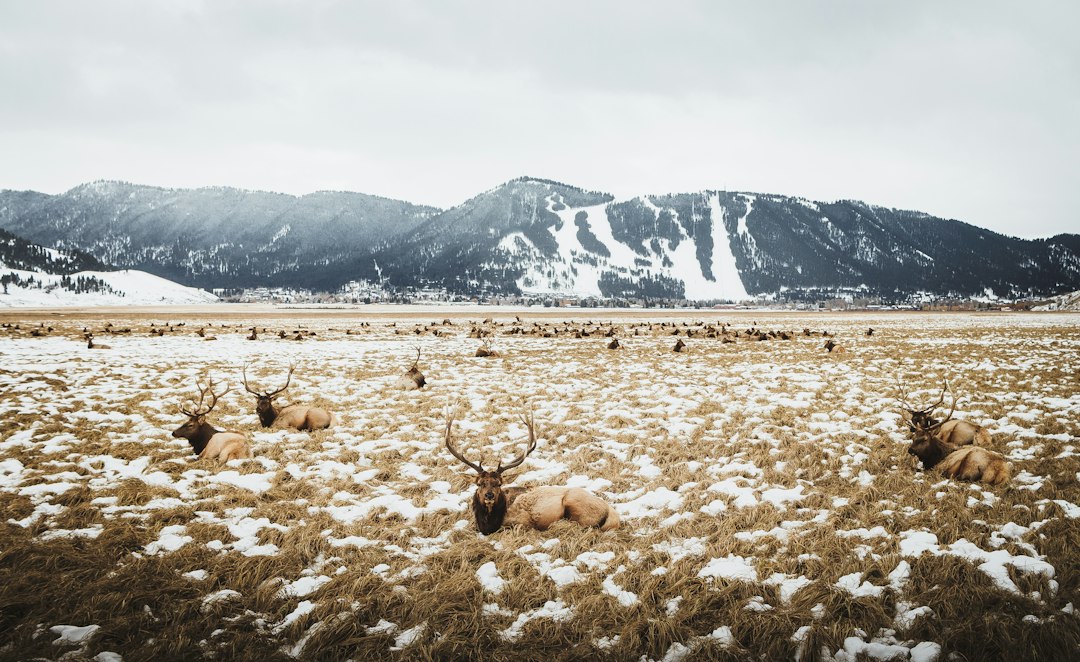
Alaska Dall Sheep Hunting Guide 2027: Draw Odds, Application Deadlines & Hunt Planning
Alaska offers North America's most accessible Dall sheep hunting, but the system works differently than most Western states. There are no preference points, no complex draw odds to calculate, and most units are open to registration permits available over the counter. However, nonresidents face a mandatory guide requirement in most areas, and residents can pursue limited draw hunts that offer solitude and trophy potential beyond what registration units provide. Understanding which pathway fits your situation determines whether you're planning a $25,000 guided expedition or a DIY adventure that costs a fraction of that amount.
Registration Permits vs. Draw Hunts: How Alaska's System Works
Alaska's Dall sheep opportunities fall into two categories. Registration permits (also called Tier I hunts in some older materials) allow any eligible hunter to obtain a harvest ticket over the counter or online before the season. No drawing, no waiting, no points. You buy your license, get your permit, and hunt. Most of Alaska's sheep country operates this way. The tradeoff is competition—popular registration units see significant hunting pressure, especially along road-accessible drainages and near common drop points.
Draw hunts (Tier II) are limited-entry opportunities restricted to Alaska residents. These controlled hunts cover specific game management units or subunits where Alaska Department of Fish and Game biologists want to limit hunter numbers while maintaining quality. Draw hunts typically offer lower hunter density, better ram-to-hunter ratios, and access to areas closed to registration permit holders. Odds vary by unit but generally remain far better than sheep draws in the Lower 48. First-time applicants can and do draw tags, though popular units like the eastern Alaska Range may take several years of applications.
Nonresident Guide Requirement and Registration Hunt Planning
Nonresidents hunting Dall sheep in Alaska must hire a licensed guide or hunt with a resident relative within the second degree of kindred (parent, child, sibling, grandparent, grandchild). This requirement applies to all registration units and all species classified as big game. The rule exists to ensure nonresident safety in Alaska's remote, unforgiving terrain and to preserve resident opportunity. Expect fully outfitted Dall sheep hunts to cost $18,000 to $30,000 or more depending on unit, flight time, guide reputation, and whether you're booking a one-on-one or shared-guide hunt.
Registration permits for nonresidents are available beginning July 1 each year for the upcoming season. Some units have harvest quotas—once the quota is met, the season closes. Other units remain open for the entire regulatory season regardless of harvest. Check the Alaska Department of Fish and Game website for the current nonresident sheep season dates, which typically run mid-August through September, and confirm whether your target unit operates under a quota or remains open all season. Your outfitter will handle permit logistics in most cases, but verify this before booking.
Resident Draw Hunt Application Process
Alaska residents can apply for Tier II draw hunts through the Alaska Department of Fish and Game online licensing portal. The application period for 2027 hunts has not been published as of this writing, but historically resident draw applications for sheep open in late fall or early winter for the following year's hunts. Monitor the Alaska Department of Fish and Game regulations website or sign up for email alerts to catch the exact dates when they are announced.
Resident draw hunts operate on a random lottery—no preference points, no bonus points. Every applicant in a given unit has an equal chance regardless of how many years they've applied. You may apply for multiple units, but you can only hold one sheep permit at a time if you draw. Applications require a valid Alaska hunting license, and there is an application fee. If drawn, you must purchase the appropriate harvest ticket before hunting. Sheep permits are not transferable and are valid only for the unit and season specified.
Unit Selection Strategy: Where to Hunt Dall Sheep
Alaska's Dall sheep range spans the Alaska Range, Wrangell Mountains, Chugach Mountains, Kenai Peninsula (rare), and scattered ranges in the Brooks Range and Alaska Peninsula. Unit selection depends on whether you're a nonresident booking a guided hunt or a resident planning a DIY or draw-hunt backpack trip.
For nonresidents, the most popular guided units include the central and eastern Alaska Range (Units 13, 19, 20) and the Wrangell Mountains (Units 11 and 12). These areas offer strong ram populations, good access via Super Cub, and established guide infrastructure. The Brooks Range (Units 24, 25, 26) holds sheep but requires longer, costlier flights and may involve weather delays. The Chugach Range near Anchorage (Units 13 and 14) is more accessible but sees higher hunting pressure. Quality varies year to year depending on winter severity and harvest trends, so consult recent harvest reports and talk candidly with multiple outfitters.
Residents targeting DIY registration hunts often focus on road-accessible or boat-accessible areas to avoid charter flight costs. The Kenai Peninsula, parts of the Alaska Range near the Denali Highway, and sections of the Dalton Highway corridor see heavy pressure but require less financial investment. More serious resident hunters charter flights into remote drainages where competition drops and ram quality improves. The tradeoff is cost—expect $1,500 to $3,000 or more for a Super Cub drop and pickup depending on distance.
Resident draw hunt unit selection should balance draw odds, ram quality, access, and personal fitness. Some units draw every applicant; others run 30-50% draw rates. Review the previous year's Alaska draw odds (once available) and harvest statistics published by Alaska Department of Fish and Game. Units with low applicant numbers often have lower ram densities or difficult terrain that deters casual hunters. Units with high applicant numbers and low draw odds typically offer exceptional trophy potential or easier access. Match the unit to your ability to cover steep, remote country without support.


Free to join
Download mobile app
- Detailed draw odds
- Point tracking
- Deadline reminders
- 19 states covered





Free to join
Download mobile app
- Detailed draw odds
- Point tracking
- Deadline reminders
- 19 states covered






Free to join
Download mobile app
- Detailed draw odds
- Point tracking
- Deadline reminders
- 19 states covered

Physical Preparation and Gear Considerations
Dall sheep hunting is the most physically demanding pursuit in North America. Expect to hike 5 to 15 miles per day over talus, scree, tundra, and alpine ridges at elevations up to 7,000 feet. Rams live above treeline in steep, unstable terrain where a misstep can end a hunt or worse. Fitness preparation should start six months before your hunt and include weighted pack training, stair climbing, and cardio at altitude if possible. If you cannot hike 10 miles with a 50-pound pack without severe fatigue, you are not ready.
Gear must prioritize weight, durability, and weather protection. Dall sheep hunts often involve 7 to 14 days in the field with no resupply. Expect freezing nights even in August, high winds, rain, and possible snow. Layered clothing, a bombproof shelter, a quality sleeping bag rated to 10°F or lower, and a reliable backpack in the 4,500 to 6,000 cubic inch range are non-negotiable. Optics are equally critical—rams are glassed at distances from a few hundred yards to several miles. Budget for 10x or 12x binoculars and a spotting scope in the 20-60x range. A lightweight rifle in .270 Winchester, 7mm Remington Magnum, .300 Winchester Magnum, or similar caliber capable of 300 to 400-yard shots is standard.
Harvest Success Rates and Realistic Expectations
Nonresident harvest success on guided hunts typically runs 40% to 70% depending on the unit and outfitter. Weather, ram availability, and client fitness are the largest variables. Even top-tier outfitters cannot control September storms that ground planes for days or rams that vanish into a neighboring drainage. Resident success rates on registration hunts run lower—often 10% to 30%—due to the DIY nature, competition, and lack of professional guiding. Resident draw hunts see higher success, sometimes approaching 50% or better in prime units with low hunter density.
Understand that Dall sheep hunting is a low-odds, high-effort pursuit. Seeing multiple legal rams does not guarantee a shot opportunity. Stalking sheep across open alpine basins requires patience, wind discipline, and the ability to close distance over terrain that offers little cover. Many hunts end without a ram on the ground. The experience—glassing basins at dawn, navigating ridges above the clouds, testing yourself against the wildest country left in North America—is the real return.
Budgeting for a Dall Sheep Hunt
Nonresident guided hunts represent the largest expense. Expect $18,000 to $25,000 for a standard 10-day hunt with a reputable outfitter, potentially more for exclusive one-on-one guiding or hunts in remote Brooks Range units. This cost typically includes guide services, in-field lodging, meals, and game transport from the kill site to the airstrip. It does not include your hunting license, tags, flights to Alaska, taxidermy, meat processing, or tips (budget 10% of the hunt cost for your guide). Add another $2,000 to $4,000 for airfare, rental vehicles, hotels in Anchorage or Fairbanks, and incidentals.
Resident DIY hunts cost far less—often $1,000 to $4,000 depending on whether you charter a plane or hike in from a road. Gear investment can add several thousand dollars if you're starting from scratch, but quality equipment lasts across multiple hunts. Resident draw hunt costs mirror DIY registration hunts with the addition of application fees and the draw tag cost.
Internal Resources for Draw Planning and Unit Research
Alaska's system is simpler than most Western states, but researching units, understanding harvest trends, and tracking regulation changes still requires time. TAGZ Insights offers detailed breakdowns of Western big-game draw systems and unit-level research tools to compare options. For hunters targeting multiple species or planning multi-year strategies, reviewing Idaho controlled hunt updates and Montana draw odds can provide useful parallels for understanding how random draws work compared to point systems. Alaska's lack of points makes it one of the few states where a first-time nonresident can book a world-class hunt without years of waiting, assuming you can budget for the guide requirement.
FAQ — Alaska Dall Sheep Hunting
Do nonresidents need a guide to hunt Dall sheep in Alaska?
Yes. Nonresidents must hire a licensed Alaska guide or hunt with a resident relative within the second degree of kindred (parent, child, sibling, grandparent, grandchild). This applies to all Dall sheep hunts.
Does Alaska use preference points for sheep draws?
No. Alaska's Tier II draw hunts operate on a random lottery with no preference points or bonus points. Every applicant for a given unit has an equal chance regardless of application history.
Can a nonresident hunt Dall sheep without paying for a guide?
Only if hunting with a qualifying resident relative. Otherwise, a licensed guide is legally required. There are no exceptions for nonresident DIY hunters.
What is the success rate on Alaska Dall sheep hunts?
Nonresident guided hunts typically see 40-70% success depending on the unit, weather, and outfitter. Resident DIY registration hunts average 10-30%, while resident draw hunts can reach 50% or higher in quality units.
When do registration permits go on sale for nonresidents?
Registration permits for the upcoming season are available starting July 1 each year. Some units operate under harvest quotas and close when the quota is filled, while others remain open for the entire season.
How much does a guided Dall sheep hunt cost?
Expect $18,000 to $30,000 or more for a fully outfitted 10-day hunt, excluding license, tags, airfare, and tips. Remote units and exclusive one-on-one guiding increase costs. Budget an additional $2,000 to $4,000 for travel and incidentals.
Was this article helpful?
Previous
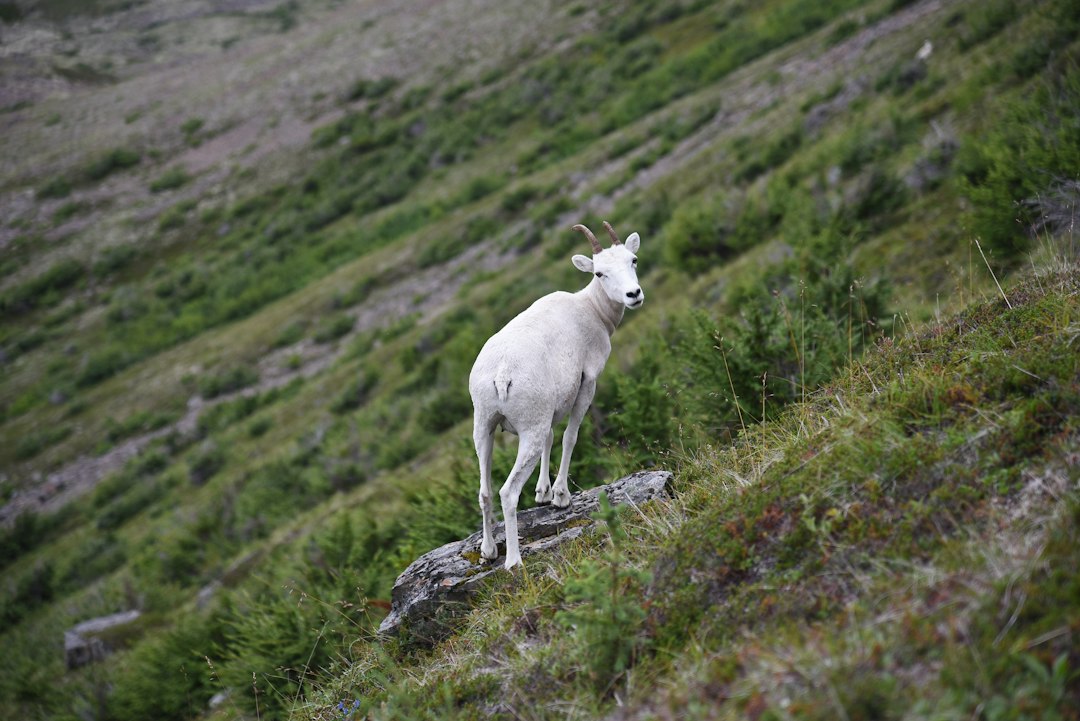
Dall Sheep Hunting 2027: Tags, Permits & Trip Planning
Dall sheep hunting requires careful planning around Alaska's draw system, nonresident guide requirements, and physical preparation for alpine terrain. Start with understanding tag allocation, then select your hunt method and begin conditioning months in advance.
Related
Washington Guided Roosevelt Elk Hunts 2027: Tags & Outfitters
Washington's Roosevelt elk hunts offer exceptional opportunities for guided hunters targeting the largest-bodied elk subspecies in North America. Quality tags are available through controlled hunts, with top outfitters operating on the Olympic Peninsula and Cascade foothills.
Next
Rifle Elk Hunting in Wyoming: Draw Odds, Units, and Season Strategies
Wyoming offers world-class rifle elk hunting across diverse terrain from the Bighorns to the Wyoming Range. Understanding the draw system, identifying high-opportunity units, and timing your hunt to the rut are key to success.