Why Bulls Hang Up: The Science and Strategy Behind Unresponsive Elk
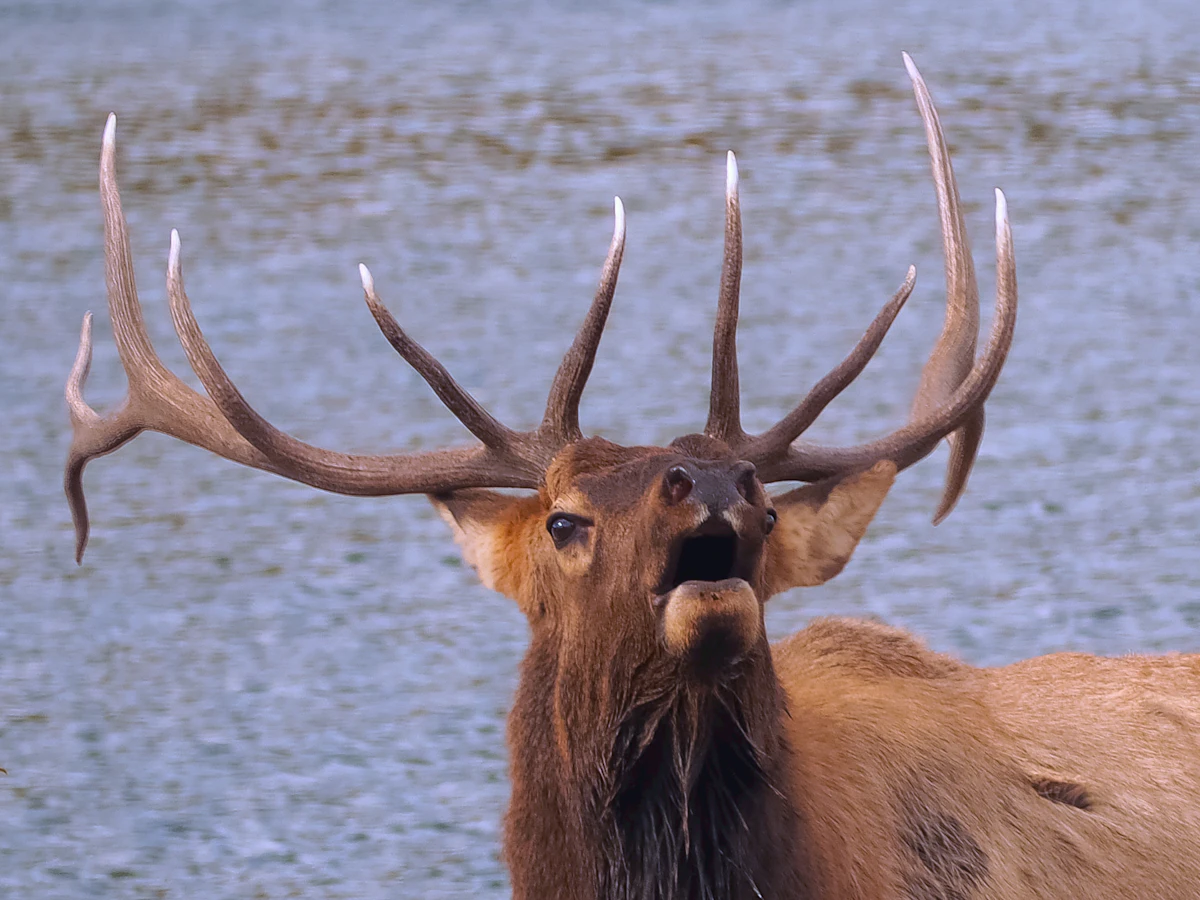
That six-point screaming back at you from 150 yards isn't broken. He's not stupid. He's doing exactly what millions of years of evolution and a few close calls with hunters have taught him to do: make the cow come to him.
Understanding why bulls hang up is the difference between punching your tag and wondering what went wrong. Once you grasp the biological and behavioral drivers behind this maddening tendency, you can stop fighting elk nature and start using it.
The Cow Is Supposed to Come to Him
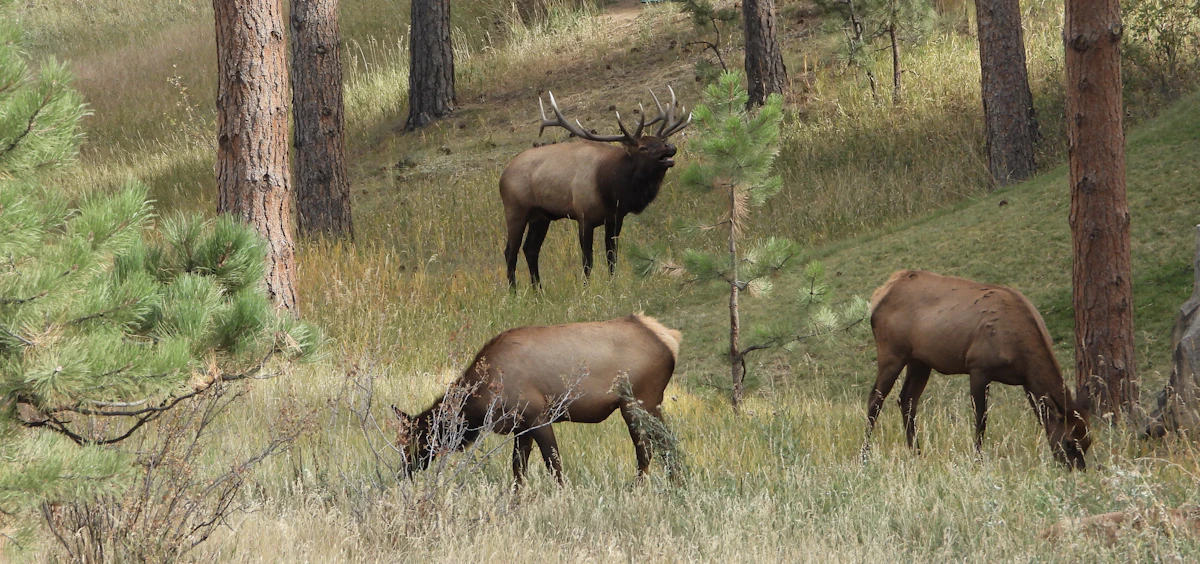
In the natural order of elk breeding, bulls don't chase. They bugle to advertise dominance, round up cows, and defend their harem from satellites. When a cow is ready to breed, she approaches the bull. She comes to him.
When you're cow calling from a fixed position, you're asking a bull to violate his core programming. You're the receptive cow who won't move. That's suspicious. A mature bull has encountered this scenario before, possibly multiple times. He's learned that cows who call but never close the gap are either not serious or attached to danger.
This is why aggressive calling often fails on pressured bulls. You're not out-elk-ing the elk. You're confirming his suspicion that something is wrong.
Learned Behavior From Hunting Pressure
A three-year-old bull in a heavily hunted unit has survived two or three archery seasons. He's heard calling setups that ended with the twang of a bow or the sight of movement. Bulls that committed died. Bulls that hung up survived.
This isn't theory. Research on elk behavior in hunted versus unhunted populations shows measurable differences in how bulls respond to calling. Hunted bulls bugle less frequently, respond from greater distances, and are far more likely to circle downwind before committing.
Your calling might be perfect. Your setup might be textbook. But if that bull associates the scenario with danger, he's going to hang up at whatever distance feels safe, usually just beyond comfortable bow range.
Wind and Terrain Create Commit Barriers
Bulls hang up at specific features for good reason. Elk rely on their nose more than their ears or eyes for final confirmation. A bull screaming from the far side of a draw may be unwilling to cross because doing so would put him downwind of your position.
Study where bulls hang up repeatedly and you'll notice patterns. Ridgelines, creek bottoms, thick timber edges, and open parks all create natural decision points. A bull moving through timber toward your calls will often stop at the last bit of cover before committing to open ground.
These aren't random spots. They're calculated risk assessments. The bull wants to see what's calling before he exposes himself, and he wants to smell it before he sees it.
Herd Bulls Have Different Motivations
A satellite bull desperately seeking cows responds differently than a herd bull with twenty cows behind him. The herd bull has everything he wants. Your cow calls aren't promising him something he lacks. They're threatening to pull a cow away from him.
Herd bulls will often answer aggressively to warn you off but refuse to leave their cows to investigate. Why would they? Abandoning the harem to chase a single cow in the timber means risking everything. The satellite bulls waiting on the periphery will move in the moment the herd bull leaves.
This is why challenging a herd bull with aggressive bugles sometimes works better than cow calls. You're not offering him a cow. You're threatening his status. But even then, a smart herd bull may answer without committing, letting his intimidation speak for itself.
How to Beat the Hang-Up
Once you understand why bulls hang up, the counter-tactics become obvious. You need to either remove his reasons for caution or reposition the equation entirely.
Close the distance yourself. Stop calling and move toward the bull, using terrain and wind. If he expects the cow to come to him, be the cow that actually does. Many hunters are too stationary. Elk are mobile animals engaged in a mobile activity. Match their energy.
Use a caller-shooter split. Position a shooter between the caller and the bull. When the bull hangs up at his comfort distance, he's often within range of the forward shooter. This is the most reliable tactic for pressured public-land bulls.
Change the angle. If a bull hangs up on a terrain feature, circle to present the same calling from a position that doesn't require him to cross the barrier. Make the path of least resistance lead to your shooting lane.
Go silent. A call-and-response pattern can lock a bull in place because you keep giving him information from a fixed point. Stop calling entirely and let him wonder where the cow went. Curiosity kills elk. Sometimes the only way to get a bull moving is to create uncertainty.
Hunt the hang-up spot. If bulls consistently hang up in the same locations, stop fighting it. Set up where the hang-up happens. That patch of timber 80 yards from the meadow edge isn't a problem. It's a predictable ambush point.
Patience as a Weapon
Many hunters call too much and move too little. They interpret a hung-up bull as a failed setup and leave to find another elk. Meanwhile, that bull is still there, still interested, still processing whether the situation is safe.
Bulls will sometimes hang up for twenty minutes or more before deciding to commit or leave. If you've got a bull talking, even at distance, you're in the game. Don't assume silence means he's gone. He may be circling downwind or waiting for you to make the next move.
The hunters who consistently kill hung-up bulls are the ones who treat the hang-up as phase one, not the end.
Reading Bull Vocalizations for Intent
A bull's bugles and chuckles tell you more than just his location. Short, frequent bugles with lots of chuckling often indicate a fired-up bull willing to engage. Long pauses between answers and single-note bugles suggest a bull that's interested but cautious.
If a bull goes quiet after multiple exchanges, he's either left or he's moving. Pay attention to the last direction of his sound and prepare for him to appear on a different angle than you expected. Bulls rarely come straight in. They hook downwind, they circle through cover, and they use terrain to approach from a position of advantage.
The most dangerous bull is the one that stops answering. He's decided to investigate silently.
When to Abandon the Setup
Not every hung-up bull can be closed. If the wind shifts and puts your scent toward the bull, you're done. If he's been stationary and quiet for thirty minutes with no indication of circling, he may have slipped out the back. If he's with cows and moving away while answering, he's not going to come back.
Knowing when to walk away protects your opportunity to hunt that bull again. A blown setup educates him. A clean exit leaves the door open.
Tools like TAGZ help you identify units with lower hunting pressure, which directly correlates with bull responsiveness. If you're consistently encountering hung-up bulls, unit selection might be part of the problem. Explore draw odds and unit data to find areas where bulls haven't been called to death.
FAQ — Why Bulls Hang Up
Why won't a bull elk come to my calls?
Bulls expect cows to approach them, not the reverse. When you call from a fixed position, you're violating his instincts. Add hunting pressure and he's learned that stationary cows often mean danger.
At what distance do bulls typically hang up?
Most bulls hang up between 80 and 150 yards, just outside comfortable bow range. This distance gives them a buffer to assess the situation, circle downwind, or retreat if something seems wrong.
Does calling louder help with a hung-up bull?
Rarely. More volume often confirms his suspicion that something is off. Going silent or repositioning is usually more effective than escalating the calling.
Should I use a decoy for hung-up bulls?
Decoys can work, especially for the final yards. A bull that hangs up waiting for visual confirmation may commit when he sees a cow shape. But decoys also add risk in heavily hunted areas.
Are younger bulls easier to call in?
Yes. Satellite bulls and raghorns are generally less cautious and more eager to find cows. Mature herd bulls have more to lose and more experience with hunting pressure.
How do I know if a hung-up bull is still there?
Watch for movement, listen for subtle cow sounds or footsteps, and check for birds or squirrels reacting to his presence. A silent bull isn't necessarily a gone bull.
For more strategies on reading elk behavior and selecting units with responsive bulls, visit TAGZ Insights. Understanding draw odds and finding the right hunt starts with knowing what you're getting into before the season opens.
Was this article helpful?
Previous
Best Budget Elk Calls — Proven Options for Under $40
You do not need expensive gear to call in a bull. These budget elk calls under $40 deliver proven performance for bugle tubes, diaphragms, and cow calls without breaking the bank.
Next
Cow Elk Calling During Archery Season: When, Why, and How to Use Cow Calls Effectively
Cow elk calls are often more effective than bugles during archery season, especially in pressured areas or later in September. Learn when to use mews, chirps, and barks to bring bulls within bow range.