Backpack Bear Hunting: How to Plan a Self-Guided Backcountry Hunt
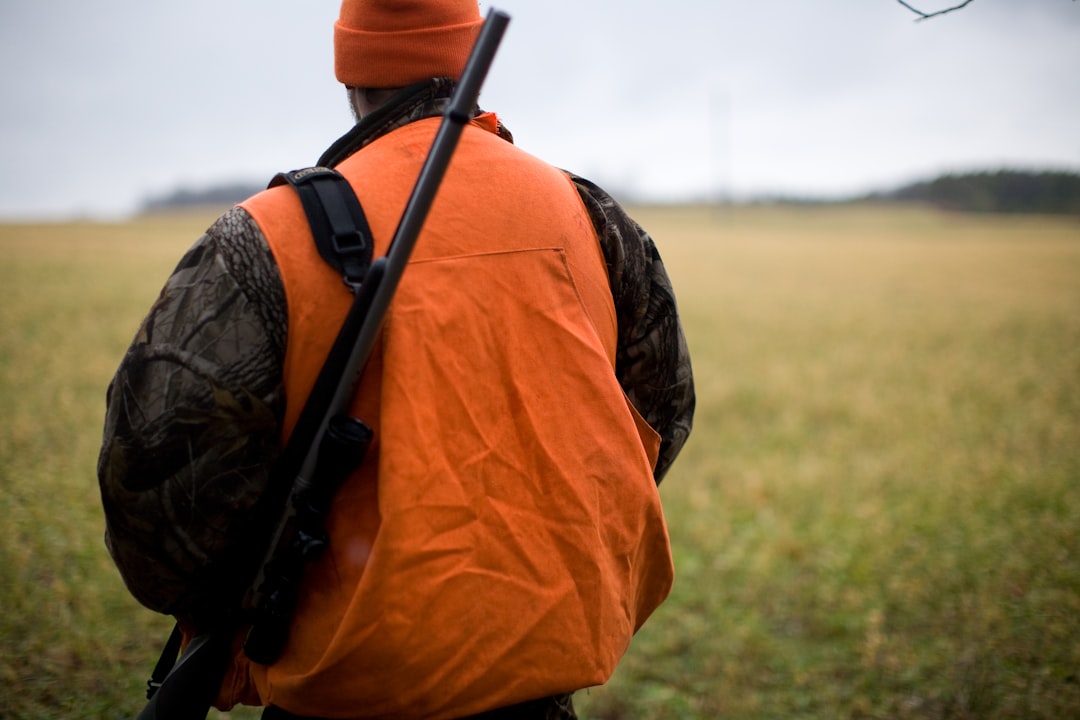
Backpack bear hunting puts you into the deepest, least-pressured corners of public land where big boars spend their lives avoiding roads and crowds. Unlike day hunts from a truck camp, a backpack hunt lets you cover country that most hunters never reach and stay mobile enough to follow fresh sign for days. The tradeoff is weight, weather exposure, and total self-reliance — but the reward is solitude, adventure, and legitimate trophy potential in units where pressure is measured in encounters per week instead of per hour.
This guide covers how to choose the right hunt, what to pack, and how to execute a multi-day backcountry bear hunt on your own.
Why Backpack Hunting Bears Works
Bears are creatures of habit, but they are not stupid. In heavily pressured units, mature boars quickly pattern hunter activity and shift to nocturnal feeding or deeper timber within days of opening day. A backpack lets you leapfrog that pressure zone entirely. You can hike past the ATV crowd, set up camp three miles from the trailhead, and hunt country that has not seen a boot print in weeks.
The logistics also favor patience. Instead of racing back to the truck before dark, you can glass until last light, mark a bear on a distant ridge, and be in position at dawn the next morning. You are living in the bear's home range instead of commuting through it.
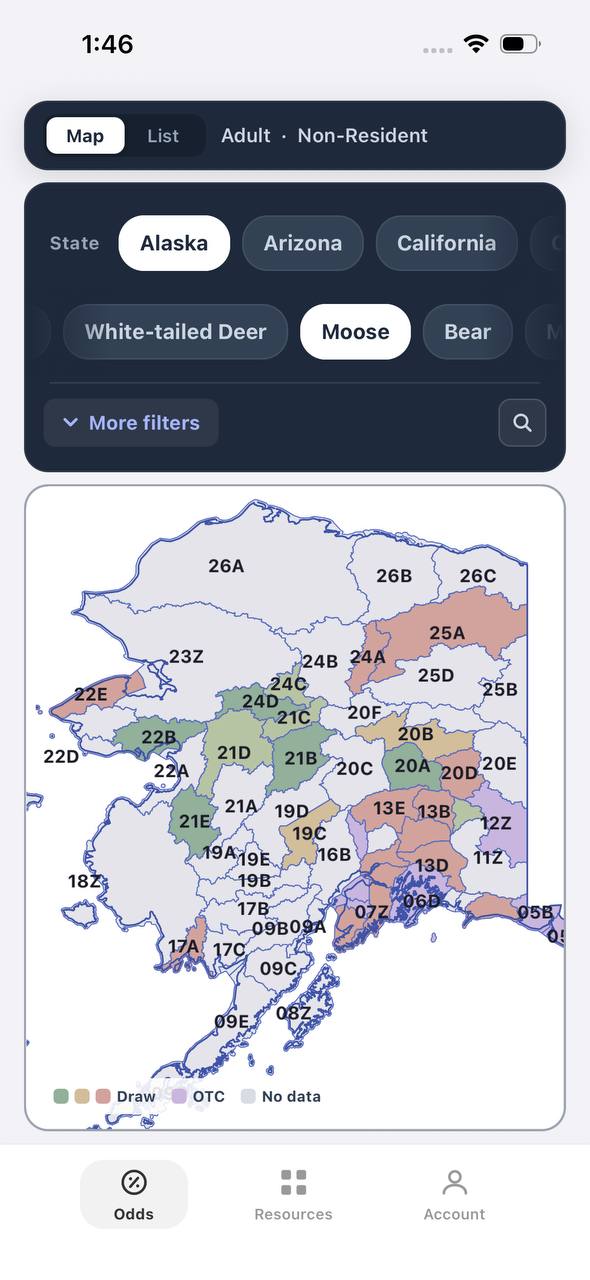
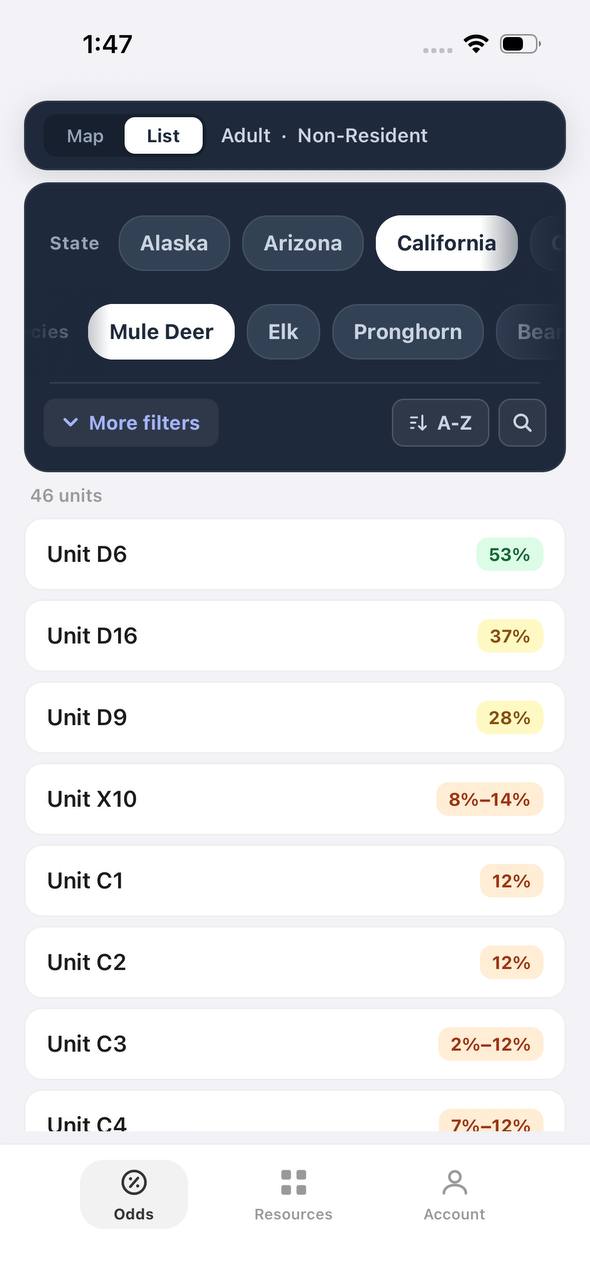
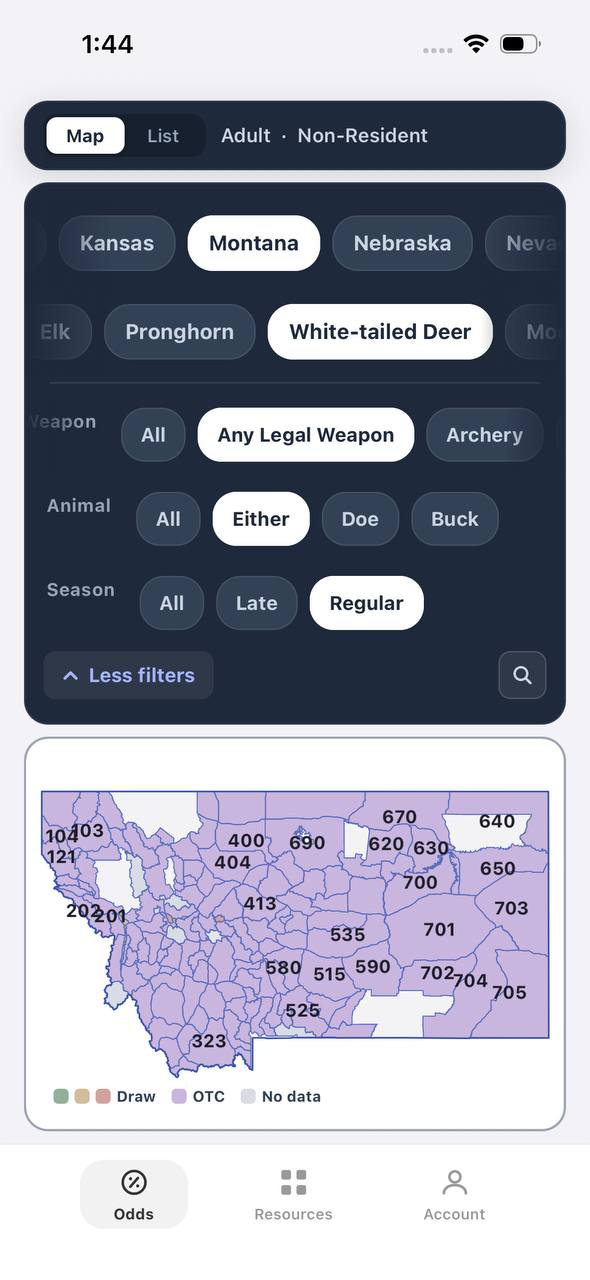
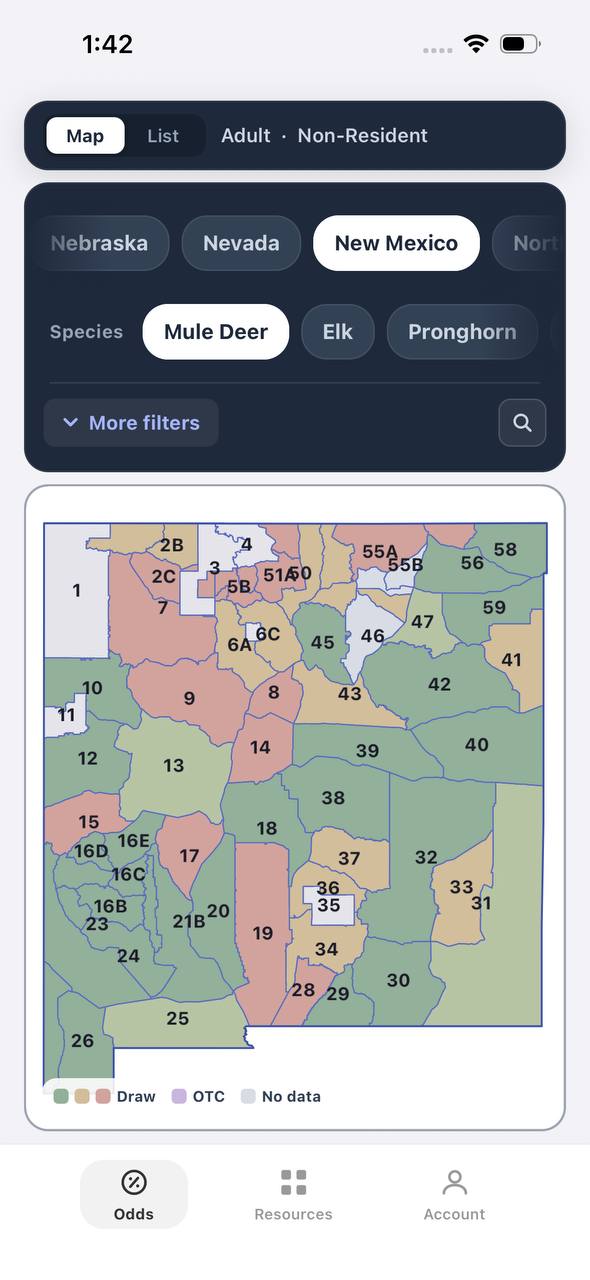
Backpack hunts also open up draw opportunities. Many Western states offer backcountry-only or roadless-area bear tags with better odds than general units. TAGZ filters let you compare draw odds for limited-entry bear tags and identify units with large wilderness boundaries where a backpack is the only way in.
Choosing the Right Unit and Season
The best backpack bear hunts combine low hunter density, high bear populations, and terrain that rewards mobility. Look for units with designated wilderness, roadless areas, or large blocks of national forest where mechanized travel is restricted. Colorado's Weminuche Wilderness, Montana's Bob Marshall, and Idaho's Frank Church are classic examples, but smaller roadless zones in Arizona, New Mexico, and Wyoming can be just as productive with less competition.
Spring hunts offer the best visibility and activity. Bears are out of dens, feeding heavily, and moving during daylight to make up winter weight loss. Avalanche chutes, south-facing slopes, and creek bottoms with fresh green-up are magnets. The downside is weather — spring storms above 8,000 feet can dump snow and drop temps into the teens overnight.
Fall hunts align with berry crops and pre-denning feeding frenzies, but foliage is thicker and competition from elk hunters is higher. If you are targeting a fall hunt, focus on units with late seasons after rifle elk wraps. Bears will still be active, but hunter numbers drop off a cliff after mid-October.
Scouting from Home and in the Field
Start with onX or GAIA maps to identify roadless zones, wilderness boundaries, and trailhead access points. Look for drainages with a mix of timber and open slopes — bears need cover to bed and open country to feed. Mark potential glassing points on ridges that overlook multiple basins.
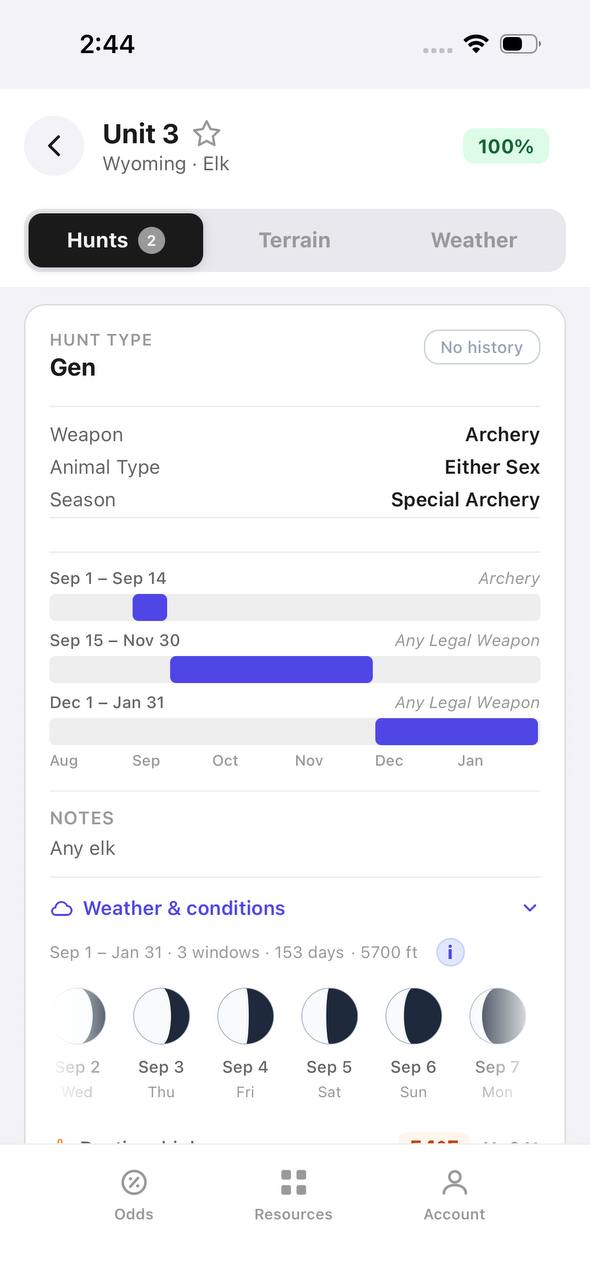
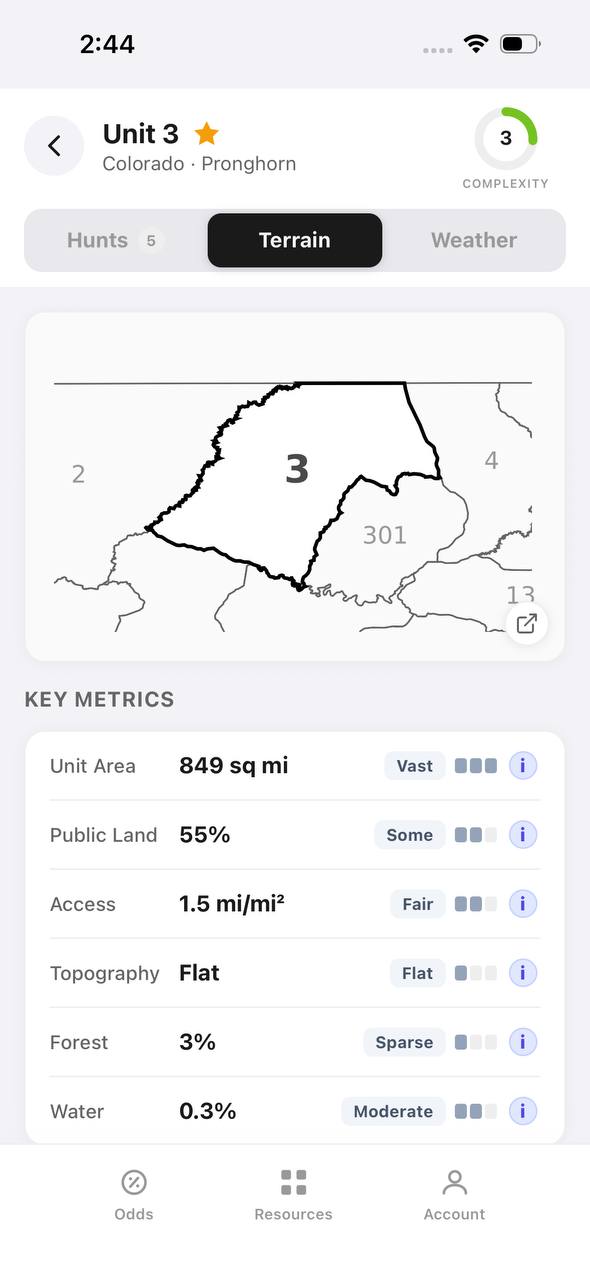
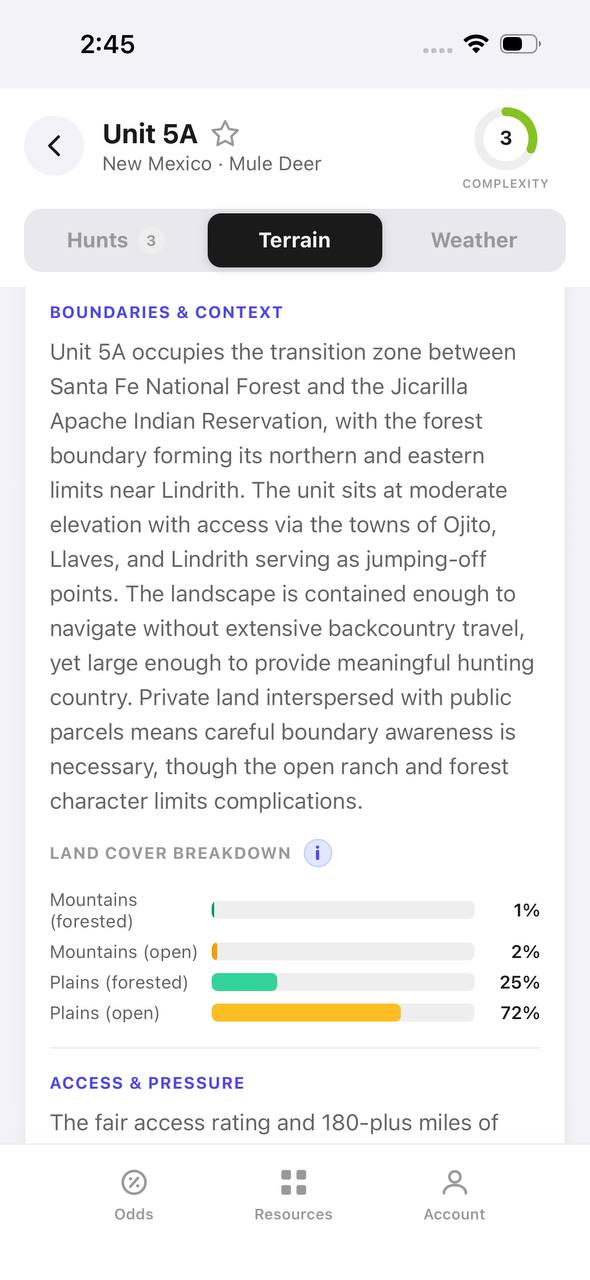
Use TAGZ terrain layers to study elevation bands and aspect. Spring bears will concentrate on south- and west-facing slopes between 6,000 and 9,000 feet where snowmelt exposes the first greens. Fall bears will be higher, often near the treeline in berry patches or oak brush.
Once you are on the ground, your first day should be a recon mission. Hike to a high vantage point and glass all day. Mark every bear you see, note the time, and track their direction of travel. You are building a mental map of where bears are feeding, bedding, and moving between the two. Do not rush a stalk on day one unless you spot a true giant. The goal is pattern recognition.
Trail cameras are effective on known travel corridors — saddles, creek crossings, or trails between feeding and bedding areas — but they add weight. If you pack one, set it early and let it run while you hunt other drainages.
Gear and Weight Management
A backpack bear hunt is a weight negotiation. You need enough gear to survive a week in the backcountry, but every extra pound slows you down and limits how far you can push into remote country. Target a base weight of 25–30 pounds before food and water.
The Core Kit
- Shelter: A lightweight tent (2–3 lbs) or tarp setup. Spring hunts demand full rain and snow protection.
- Sleep system: 20-degree quilt or bag, insulated pad. Nights above 8,000 feet in May can hit freezing.
- Clothing: Merino base layers, puffy jacket, rain shell, extra socks. Skip cotton.
- Optics: 10x42 or 12x50 binos, spotter optional. Bears are big and visible — weight savings matter more than magnification.
- Weapon: Lightweight rifle (6.5–7.5 lbs scoped). Archery hunters can shave another two pounds.
- Navigation: OnX on your phone, backup paper map, compass, battery pack.
- Game care: Knives, game bags, paracord, headlamp. Bear quarters are heavy — plan on multiple trips or a frame pack rated for 80+ lbs.
Food should be calorie-dense and require minimal cooking. Freeze-dried meals, bars, jerky, and instant oatmeal keep pack weight under two pounds per day. A compact stove and fuel add another pound but let you boil water for coffee and rehydrate meals — worth it for morale.
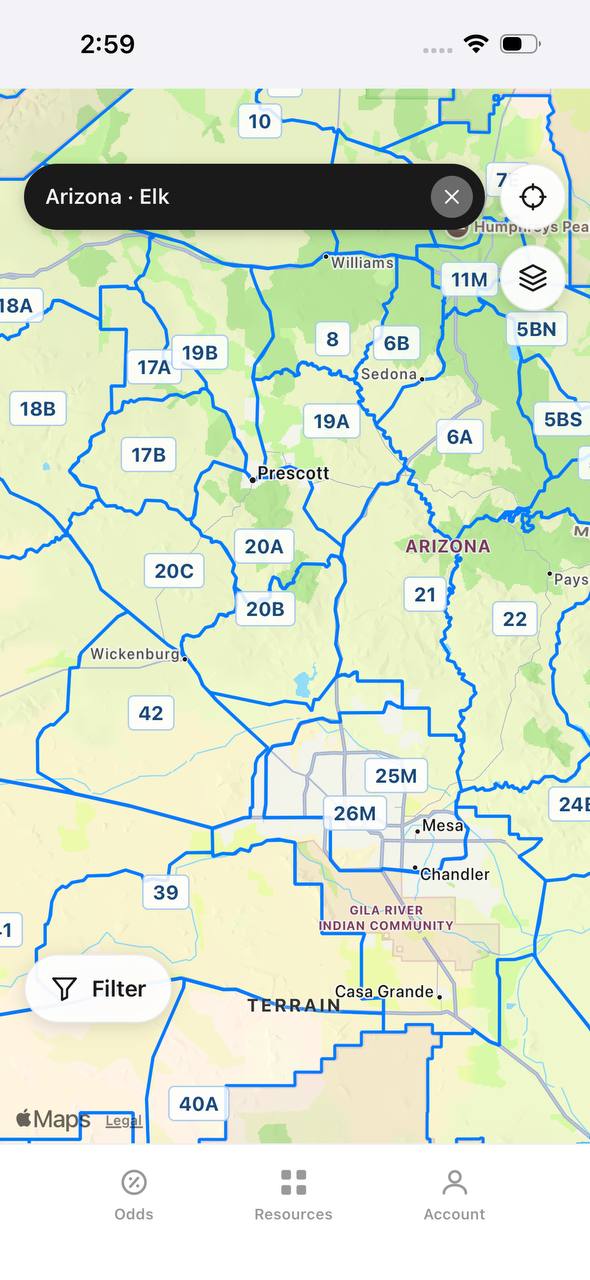
Free to join
Download mobile app
- Detailed draw odds
- Point tracking
- Deadline reminders
- 18 states covered

Free to join
Download mobile app
- Detailed draw odds
- Point tracking
- Deadline reminders
- 18 states covered
Free to join
Download mobile app
- Detailed draw odds
- Point tracking
- Deadline reminders
- 18 states covered
Hunting Strategy: Glass Hard, Move Smart
Backpack bear hunting is 80% glassing and 20% stalking. Your daily rhythm should look like this: up before light, glass until mid-morning, move to a new vantage or stalk a located bear, glass again from 3 PM until dark. Bears feed most actively in the first and last two hours of light, and they will bed in thick timber or north-facing slides during midday heat.
When you locate a bear, watch it for at least 30 minutes before committing to a stalk. Confirm it is a boar (larger, blocky head, no cubs), judge size, and note terrain. A bear feeding uphill will often circle back to the same patch over several days. A bear moving with purpose across a basin is transitioning between feed and bed — those are harder to pattern and rarely worth a same-day stalk unless they are exceptional.
Stalks in open country require patience and terrain. Use ridges and drainages to stay out of sight, close to within 200–300 yards, and wait for a broadside shot. Bears have poor eyesight but excellent noses — wind is everything. If the wind swirls or switches, back out and try again the next day.
Archery hunters need to ambush known travel routes or feeding zones at prime time. Calling works during the spring breeding season (late May through June in most states), but it is hit-or-miss and requires a setup near thick cover where a boar feels safe responding.
Camp Location and Mobility
Your first camp should be central and high — a ridgetop or saddle that gives you access to multiple basins and lets you glass without hiking two hours every morning. Water is critical, but do not camp right on the creek. Bears use riparian corridors, and you want to avoid spooking animals near camp.
After two or three days, be willing to move. If you have not seen shooter bears in the area you are glassing, pack up and hike to a new drainage. The beauty of a backpack hunt is mobility — use it. Some of the best hunts happen when you relocate mid-week and find a basin that no one else has touched.
Keep camp clean and hang food if you are in grizzly country. Black bears are opportunistic but rarely aggressive around camps. Grizzlies are a different story — use bear canisters or Ursacks in Montana, Wyoming, and Idaho wilderness.
Shot Placement and Recovery
Bears are tough. A double-lung shot will kill a bear quickly, but they have thick hides, heavy bones, and a will to run that whitetail hunters underestimate. Aim behind the shoulder for lungs and heart, and avoid the head or neck unless you are within 50 yards with a perfect angle. Shoulder shots work with heavy bullets (160+ grains in a .30 caliber or equivalent), but they waste meat and are not necessary.
After the shot, wait at least 30 minutes before tracking. Bears often run 50–100 yards and pile up in thick cover. Pushing too early can bump a wounded bear deeper into the timber and turn a recovery into a nightmare.
Blood trails on bears are often sparse. Their thick fur absorbs a lot of blood, and fat layers can plug exit wounds. Follow broken vegetation, disturbed duff, and any sign of direction. If you lose the trail, circle outward and check bedding areas downhill — bears instinctively head for cover.
Once you recover the bear, skin and quarter immediately. Black bear fat turns rancid fast in warm weather, and meat spoils quicker than elk or deer. Hang quarters in shade or submerge in a cold creek if temps are above 50 degrees. A full-size boar can yield 80–120 pounds of meat — plan on at least two pack-outs unless you are within a mile of the truck.
Multi-State Strategy and Draw Odds
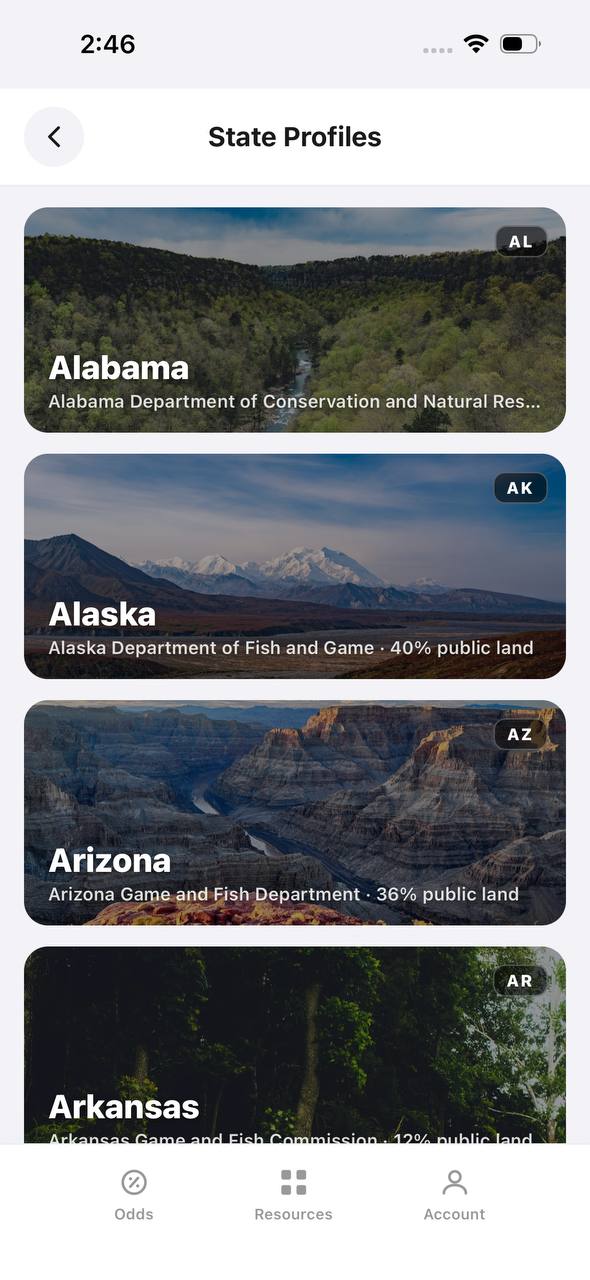
Many Western states offer both OTC and limited-entry bear tags. Colorado, Idaho, Montana, and Oregon have generous OTC spring and fall seasons with no draw required. Arizona, New Mexico, and Utah run limited-entry draws with better trophy quality but lower tag numbers.
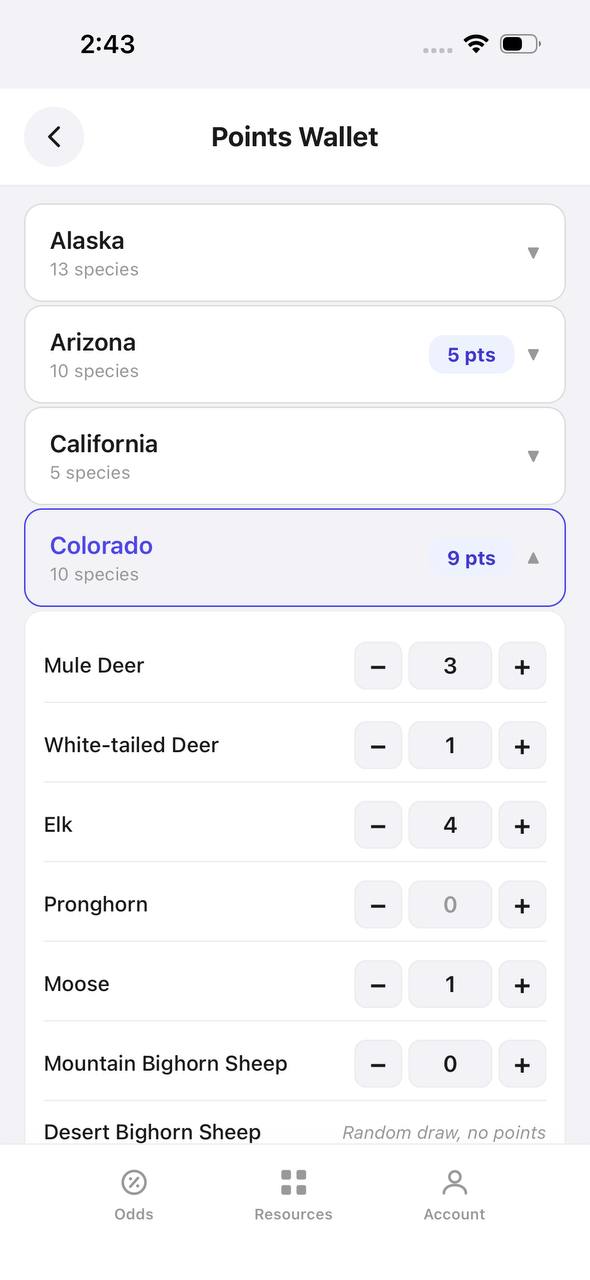
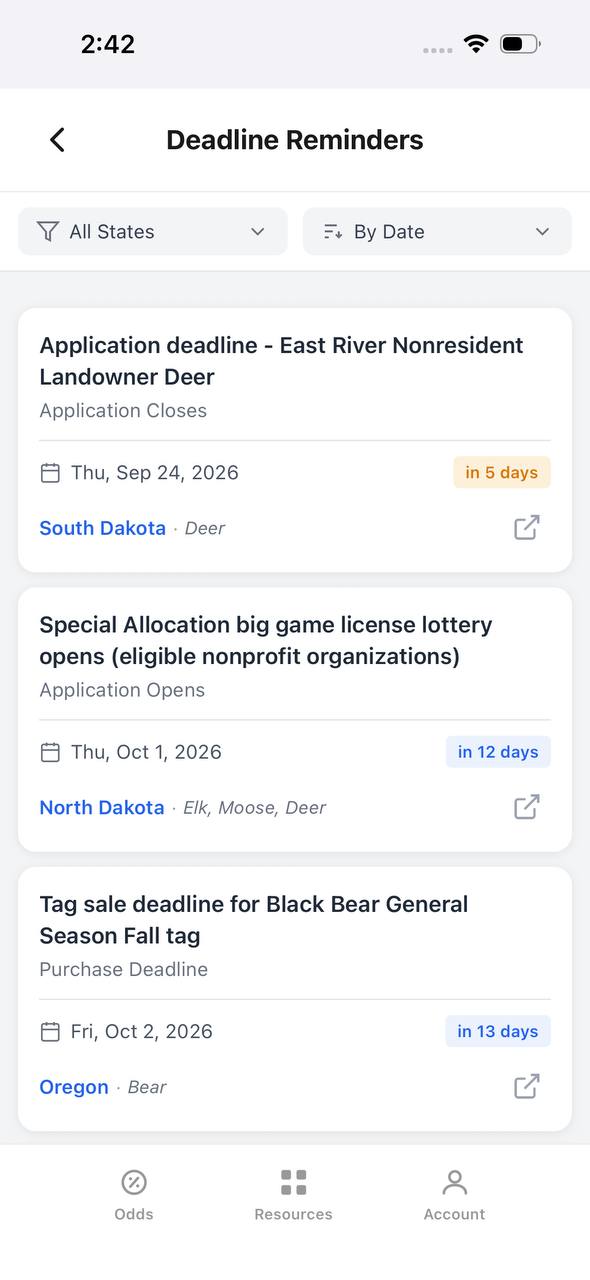
If you are serious about backpack bear hunting, apply in multiple states and use TAGZ to track deadlines and odds. A typical strategy is OTC tags in 2–3 states as backup, plus one or two limited-entry apps for premium units. Nevada and California have strict quota systems and are worth applying for if you are a resident or have max points.
Preference points do not apply in most bear draws, so odds reset every year. That makes bear tags one of the best values in Western hunting — you can draw a quality tag as a first-time applicant if you pick the right unit.
FAQ — Backpack Bear Hunting
How far should I plan to hike on a backpack bear hunt?
Plan to hike 3–6 miles from the trailhead to reach low-pressure country. The first two miles will have boot traffic from day hunters and day hikers. Real solitude and better bear activity starts at mile three and beyond.
Can I hunt bears solo, or do I need a partner?
Solo backpack bear hunts are common and safe if you are experienced in the backcountry. The main risks are weather, injury, and navigation mistakes — not bears. Carry a GPS, first aid kit, and satellite communicator like a Garmin inReach for emergencies.
What caliber rifle is best for backpack bear hunting?
A .270 Winchester, 6.5 Creedmoor, .308, or .30-06 are all excellent choices. Use 140-grain or heavier bullets with controlled expansion. Black bears do not require magnum calibers, and lighter rifles make hiking easier.
Do I need a wilderness permit or special license?
Most national forests and BLM land do not require wilderness permits for hunting. Some designated wilderness areas in Colorado, Montana, and Idaho require free self-issue permits at the trailhead. Always check local regulations before your hunt.
How do I pack out bear meat without spoiling it?
Quarter the bear, remove all fat, and pack meat in breathable game bags. Hang quarters in shade or submerge in a cold creek if temps are above 50 degrees. Make your first pack-out trip within 24 hours and prioritize getting meat to a cooler or meat locker.
Is spring or fall better for backpack bear hunting?
Spring offers better visibility, more daylight bear activity, and fewer competing hunters. Fall hunts can be productive near berry patches and oak brush, but foliage is thicker and elk hunter pressure is higher. For a first backpack bear hunt, spring is the better choice.
Continue Planning Your Hunt
Backpack bear hunting is one of the most rewarding ways to experience Western public land. The combination of solitude, physical challenge, and the chance at a mature boar in roadless country makes it worth every ounce you carry.
TAGZ helps you compare units side by side using terrain maps, unit boundaries, and historical draw data. Track your preference points and bonus points across multiple states so you never miss a draw deadline. Whether you are chasing OTC tags or planning a limited-entry hunt, TAGZ gives you the tools to make smarter decisions before you ever step into the field.
Explore more hunt planning strategies and unit breakdowns on the TAGZ Insights page, compare draw odds and deadlines across Western states on the TAGZ platform, or learn how TAGZ simplifies the application process on the pricing page. Start planning your next backcountry adventure at getmytagz.com.
Was this article helpful?
Previous
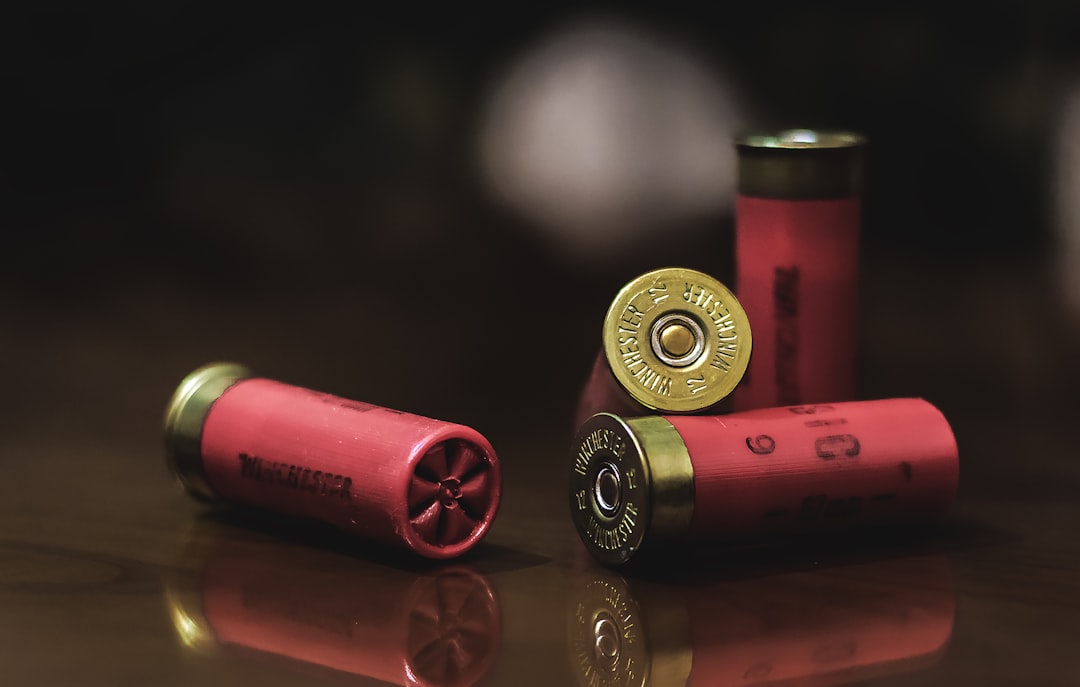
Hornady ELD-X Review: Real-World Performance on Western Big Game
The Hornady ELD-X delivers consistent long-range accuracy and reliable expansion on elk, deer, and antelope from 200 to 600+ yards. This deep-dive review covers ballistic performance, terminal results, and how it compares to similar hunting bullets.
Related
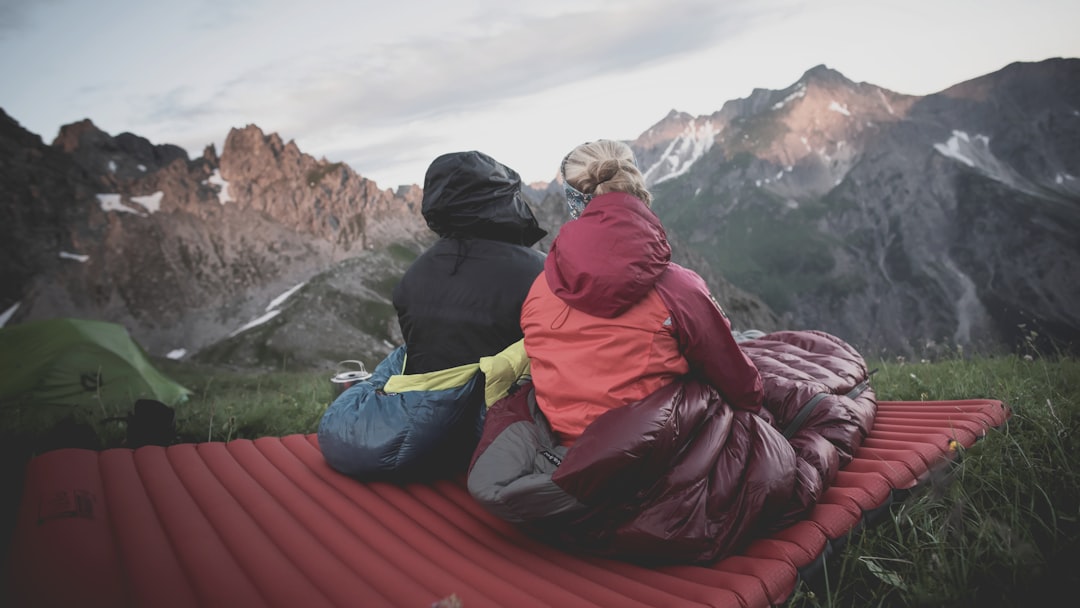
Best Sleeping Pads for Backcountry Hunters in 2025
The right sleeping pad can mean the difference between waking up rested or sore and exhausted. We break down the top options for weight, warmth, and durability so you can choose the pad that fits your hunt.
Next
Best Fire Starters for Hunters: Reliable Options for Backcountry Camps
From waterproof matches to ferrocerium rods, choosing the right fire starter can mean the difference between a warm meal and a cold night in elk camp. Here's what actually works when conditions turn against you.