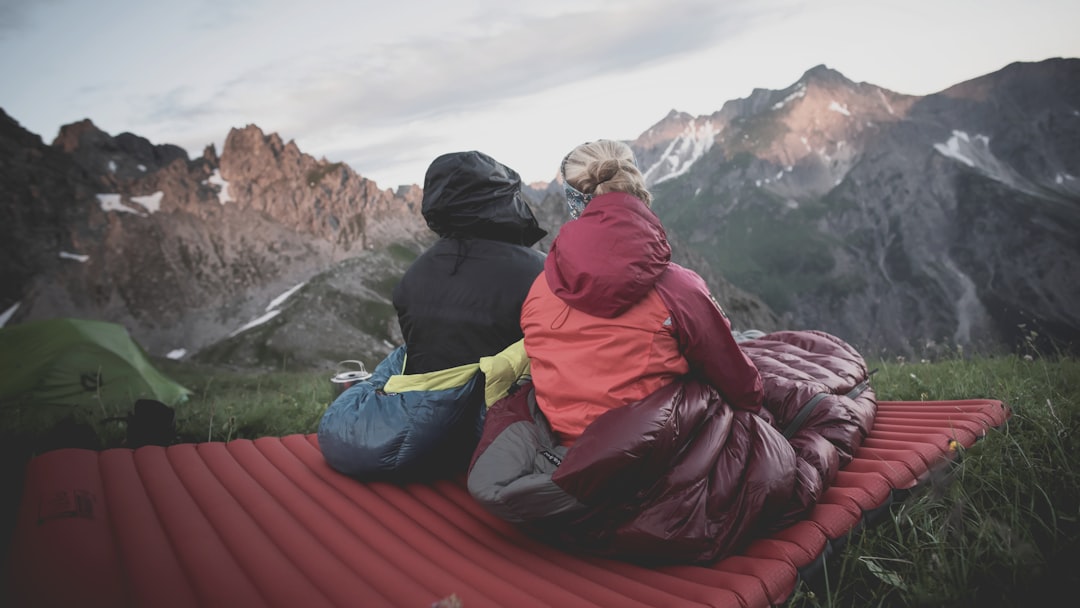
Quality sleep in the backcountry directly impacts your hunting performance. A good sleeping pad insulates you from cold ground, cushions pressure points, and packs light enough that you will actually carry it deep into elk country. After years of field testing across mountain hunts from Colorado to Alaska, these are the pads that consistently deliver.
What Makes a Hunting Sleeping Pad Different
Hunting pads face harsher conditions than typical backpacking gear. You are setting up camp in the dark after a long stalk, often on rocky ridges or rough terrain where a puncture can end your hunt early. Weight matters because every ounce counts when you are packing meat out, but durability cannot be sacrificed. The best hunting pads balance insulation for cold September mornings, packability for long approaches, and toughness for alpine basecamps where sharp rocks and pine cones are unavoidable.
R-value measures insulation, thermal resistance that keeps ground cold from sapping your body heat. For early-season archery hunts in warm conditions, an R-value of 2 to 3 works. Late-season rifle hunts in snow require R-values of 4 or higher. Pair your pad with a quality sleeping bag rated for the lowest expected temperature, and you will sleep warm even when frost covers your tent fly at dawn.
Top Insulated Pads for Cold Weather Hunts
Therm-a-Rest NeoAir XTherm NXT remains the gold standard for winter and high-elevation hunts. With an R-value of 7.3 and a packed weight of 15 ounces for the regular size, it delivers exceptional warmth without the bulk of closed-cell foam pads. The triangular baffles reduce heat loss and provide stable support on uneven ground. Hunters chasing late-season mule deer in Wyoming or November elk in Montana trust this pad when temperatures drop below freezing.
The NEMO Tensor Insulated offers a quieter alternative with an R-value of 4.2 and a weight of 16 ounces. The suspended film construction eliminates the crinkly noise that can spook nearby game if you shift position during a pre-dawn wakeup. The 3-inch thickness cushions side sleepers better than thinner options, a real advantage after a long day glassing steep country.
For hunters who prioritize bombproof durability, the Exped SynMat HL Winter combines a 5.0 R-value with a 75-denier face fabric that resists punctures from sharp basalt and granite common in mule deer habitat. At 18 ounces, it is slightly heavier than ultralight competitors, but the trade-off is worth it when your hunt depends on reliable gear mile after mile from the trailhead.
Ultralight Options for Deep Backcountry
When you are hiking 8 miles into a remote drainage for a DIY archery elk hunt, every ounce matters. The Therm-a-Rest NeoAir UberLite weighs just 8.8 ounces with an R-value of 2.3, making it ideal for early September hunts where nighttime temps stay above freezing. The trade-off is a thinner 2.5-inch profile and less durable 15-denier fabric. Pair it with a quarter-length closed-cell foam pad under your torso for added puncture protection and a bit more insulation.
The Big Agnes Rapide SL Insulated splits the difference at 12 ounces with an R-value of 4.8, one of the best warmth-to-weight ratios available. The double ripstop fabric handles rough campsites better than ultralight competitors, and the horizontal baffles prevent the slipping sensation some hunters experience on pads with vertical tubes. This pad shines on mid-season hunts where weight and warmth both matter.
Budget-Friendly Pads That Perform
Not every hunter needs a $200 sleeping pad, especially if you are just starting out or hunt primarily from a wall tent with a wood stove. The Klymit Static V2 offers a 1.3 R-value at 16.3 ounces for around $50, making it a solid choice for mild conditions and car camping scenarios. The V-chamber design limits air movement and keeps you centered on the pad, though the thin 75-denier fabric requires careful site selection to avoid punctures.
For a step up in both warmth and durability, the REI Co-op Flash Insulated delivers a 3.7 R-value at 19 ounces for roughly half the cost of premium options. The rectangular shape provides more room to shift positions compared to mummy-cut pads, a feature side sleepers appreciate. It is not the lightest pad on the market, but for hunters who prioritize value and reliability over cutting-edge weight savings, this pad performs season after season.
Free to join
Download mobile app
- Detailed draw odds
- Point tracking
- Deadline reminders
- 18 states covered

Free to join
Download mobile app
- Detailed draw odds
- Point tracking
- Deadline reminders
- 18 states covered
Free to join
Download mobile app
- Detailed draw odds
- Point tracking
- Deadline reminders
- 18 states covered
Closed-Cell Foam: The Bulletproof Backup
Every serious backcountry hunter should carry a closed-cell foam pad like the Therm-a-Rest Z Lite Sol as either a primary pad for short trips or a backup for longer expeditions. At 14 ounces for the regular size and an R-value of 2.6, it provides no-fail insulation that cannot puncture or leak. The accordion fold makes it easy to strap to the outside of your pack, and the reflective surface boosts warmth on cold ground.
Foam pads also serve double duty as a sit pad while glassing, a clean surface for processing game, and emergency insulation if your inflatable pad fails miles from the trailhead. Pair a three-quarter length foam pad with an ultralight inflatable for your torso, and you gain both the comfort of an air pad and the security of foam under your hips and legs where punctures are most likely.
Pad Width and Length Considerations
Most sleeping pads come in regular (72 inches) and long (77 inches) lengths, with widths ranging from 20 to 25 inches. Hunters over 6 feet tall or those who toss and turn should opt for long versions to keep feet and shoulders on the pad throughout the night. Wide pads add comfort for side sleepers but increase weight and bulk, a trade-off that matters more on backpack hunts than truck-based camps.
Mummy-shaped pads taper at the feet to save weight while maintaining shoulder width where you need it most. Rectangular pads provide more room but pack larger and weigh more. Test your pad at home before a hunt to confirm it fits inside your tent and sleeping bag without creating cold spots or awkward gaps.
Inflation and Deflation Tips
Never inflate a sleeping pad with your lungs in cold weather. Moisture from your breath condenses inside the pad and freezes overnight, reducing insulation and potentially damaging internal baffles. Use a stuff sack pump or a dedicated pad pump like the Therm-a-Rest NeoAir Micro Pump, which adds just 2.6 ounces and inflates a pad in under two minutes. This investment pays off on multi-day hunts where you are setting up camp exhausted after a long day.
Deflate your pad slowly by opening the valve and rolling from the opposite end, forcing air out completely before packing. Trapped air increases packed size and stresses seams over time. Store your pad loosely rolled or flat at home rather than compressed in a stuff sack, extending its lifespan significantly.
Free to join
Download mobile app
- Detailed draw odds
- Point tracking
- Deadline reminders
- 18 states covered
Free to join
Download mobile app
- Detailed draw odds
- Point tracking
- Deadline reminders
- 18 states covered
Free to join
Download mobile app
- Detailed draw odds
- Point tracking
- Deadline reminders
- 18 states covered
Puncture Repair in the Field
Even the toughest pad can develop a slow leak from a sharp twig or cactus spine. Carry a repair kit with alcohol wipes, patch material, and adhesive on every backcountry hunt. Therm-a-Rest and NEMO include repair kits with most pads, but check before your trip and add one to your first aid kit if needed.
To find a leak, inflate the pad fully and listen for escaping air while running your hand over the surface. Mark the hole with a pen, deflate the pad, clean the area with an alcohol wipe, and apply the patch following the kit instructions. Let the adhesive cure for at least an hour before re-inflating. On multi-day hunts, check your pad each morning for new damage and repair immediately to prevent small leaks from worsening.
How TAGZ Helps Plan Your Hunt
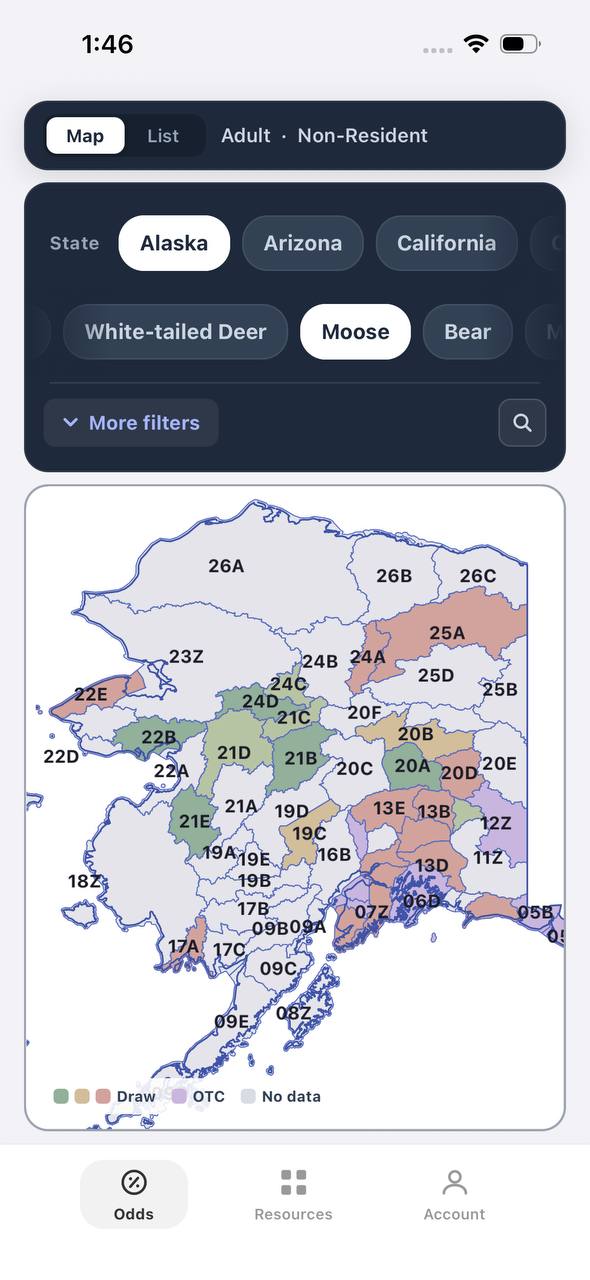
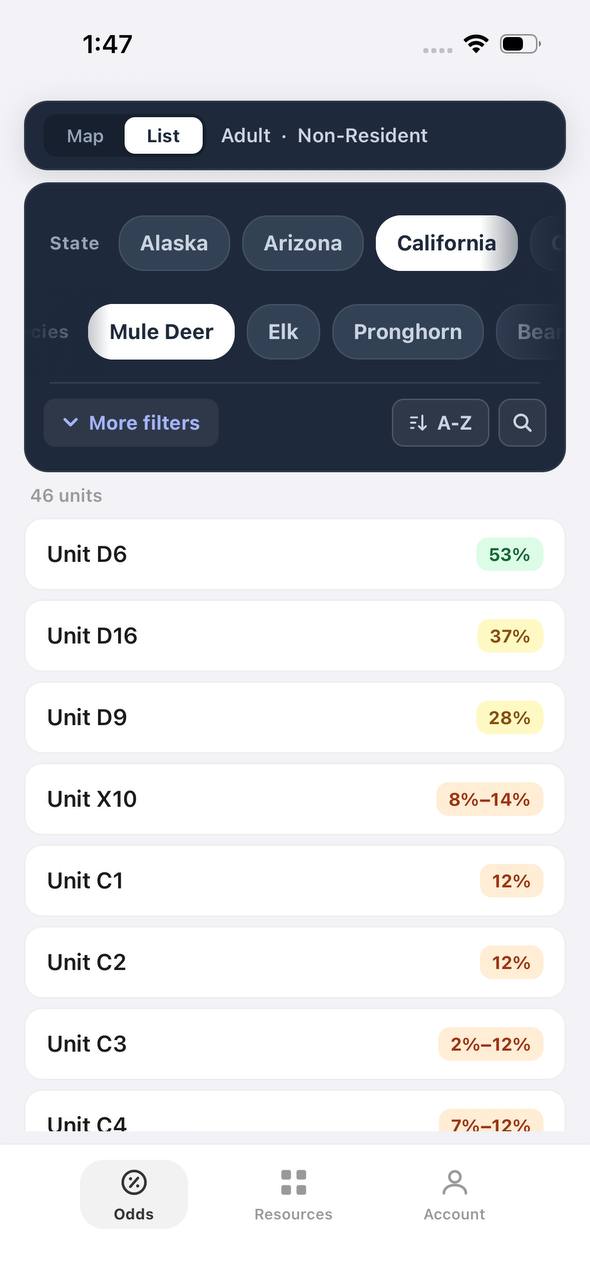
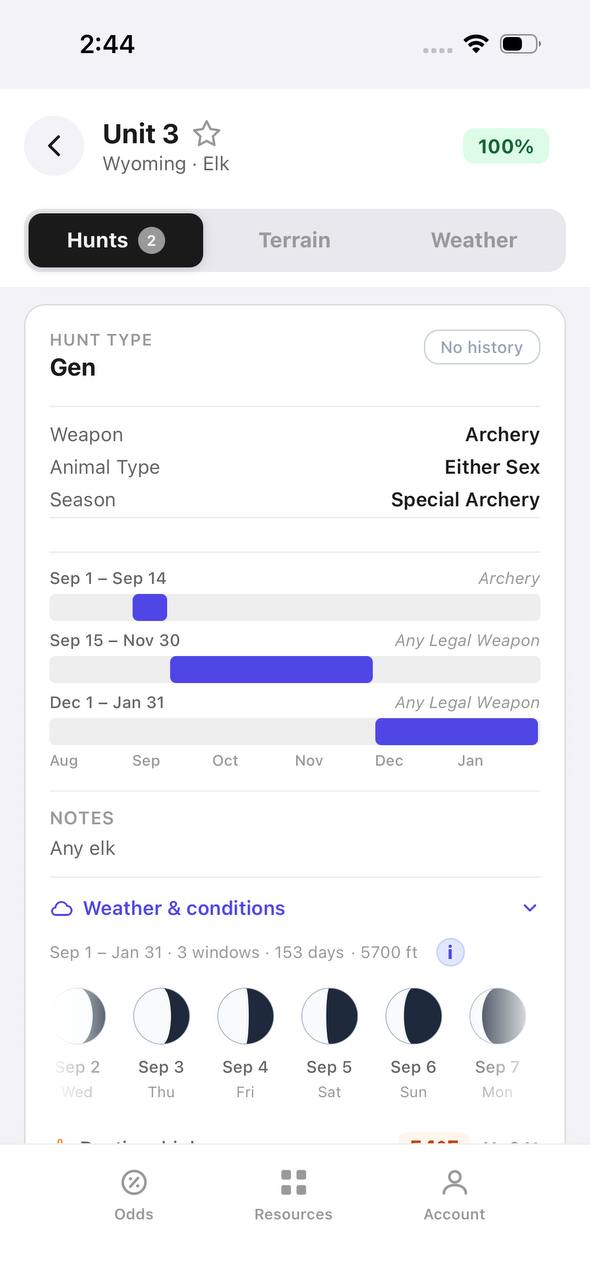
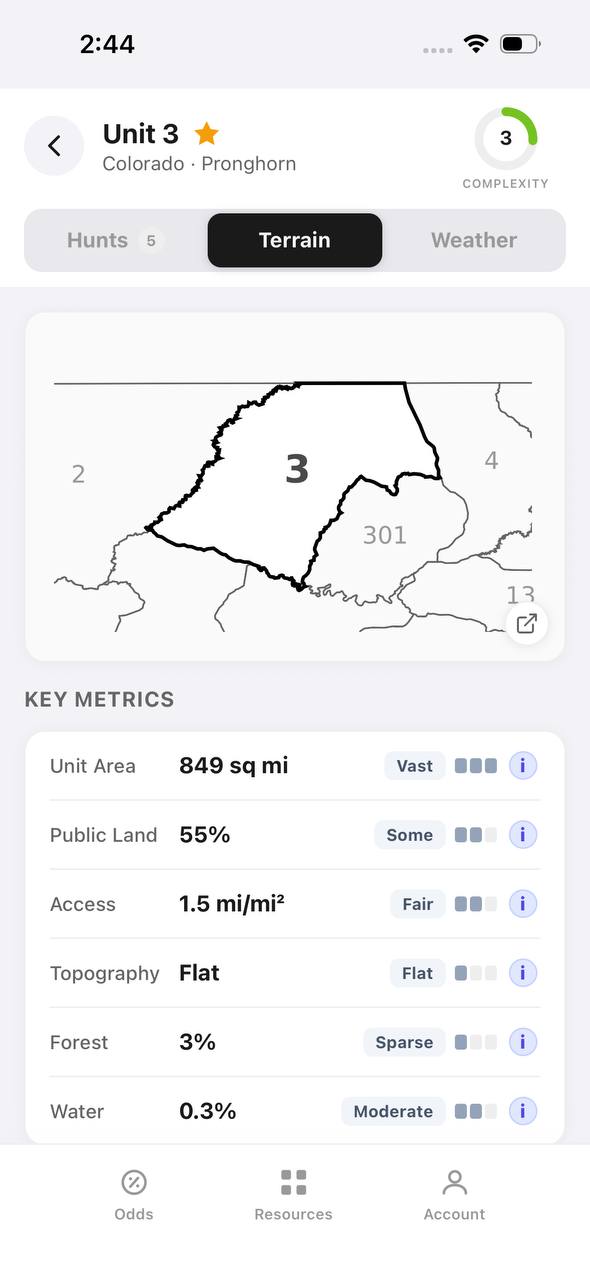
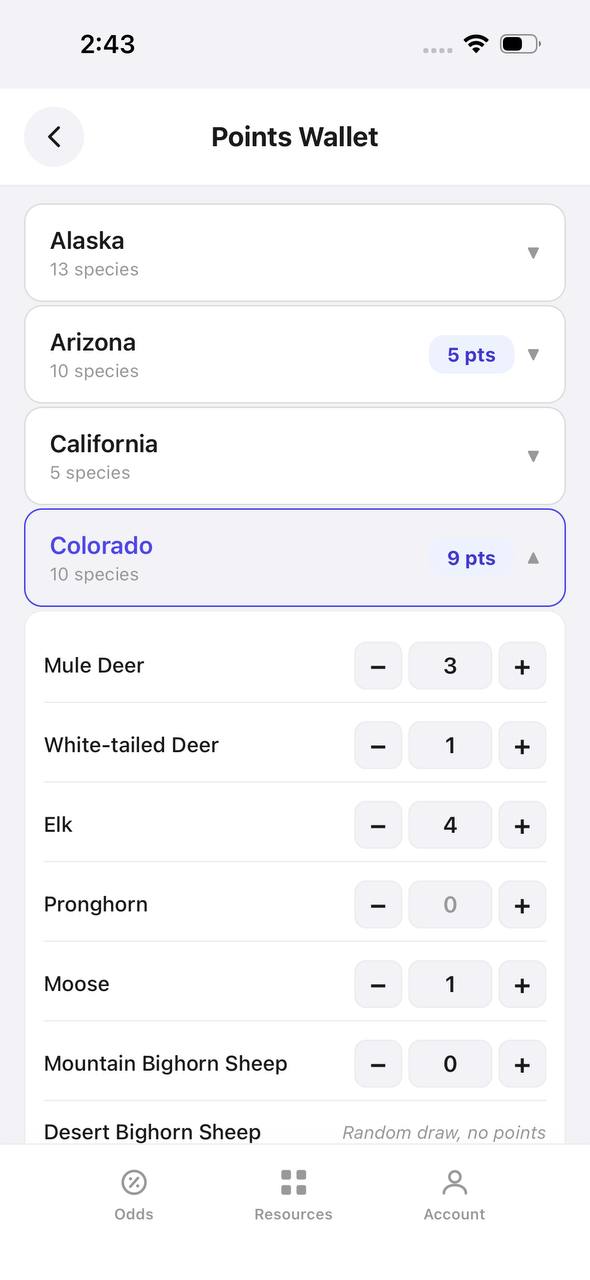
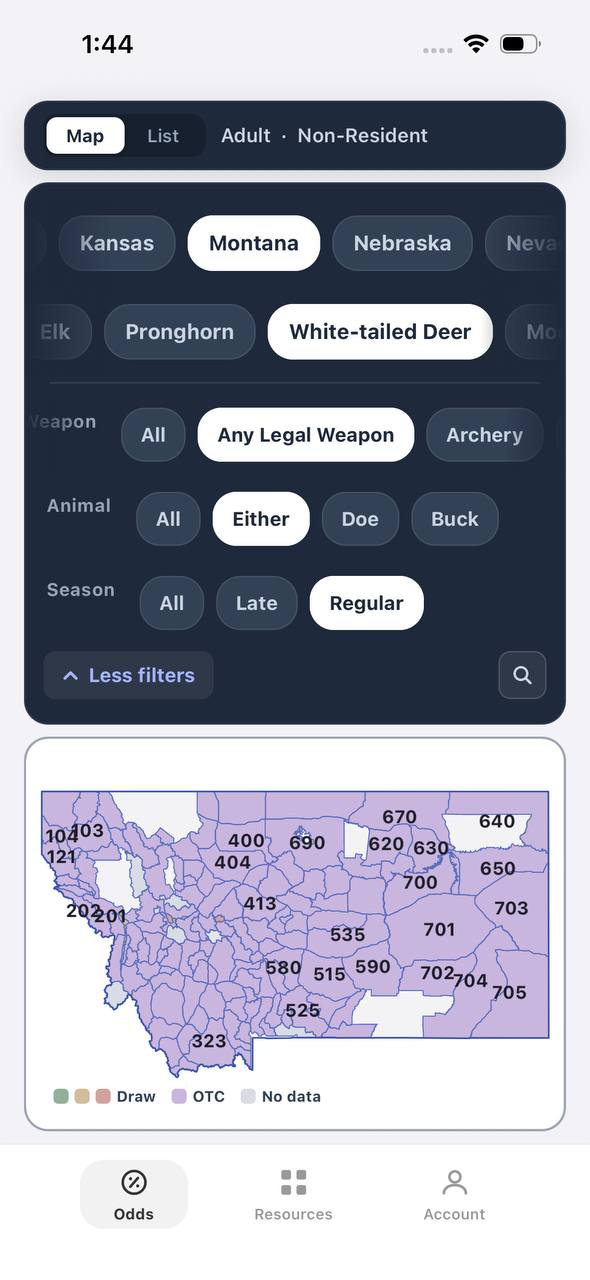
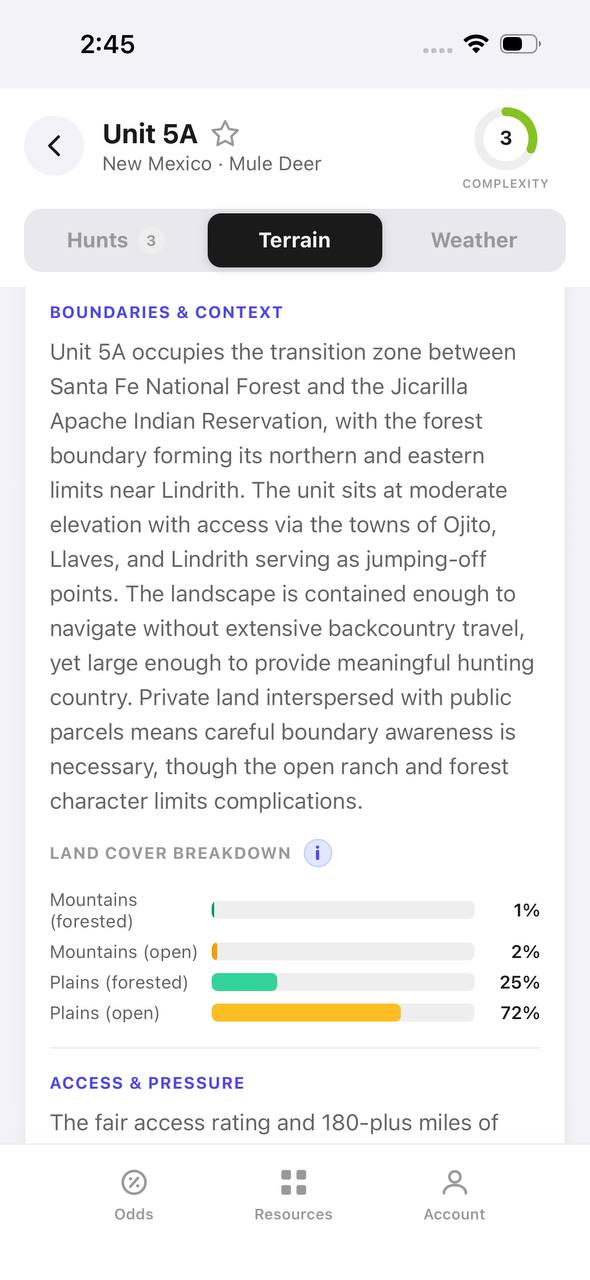
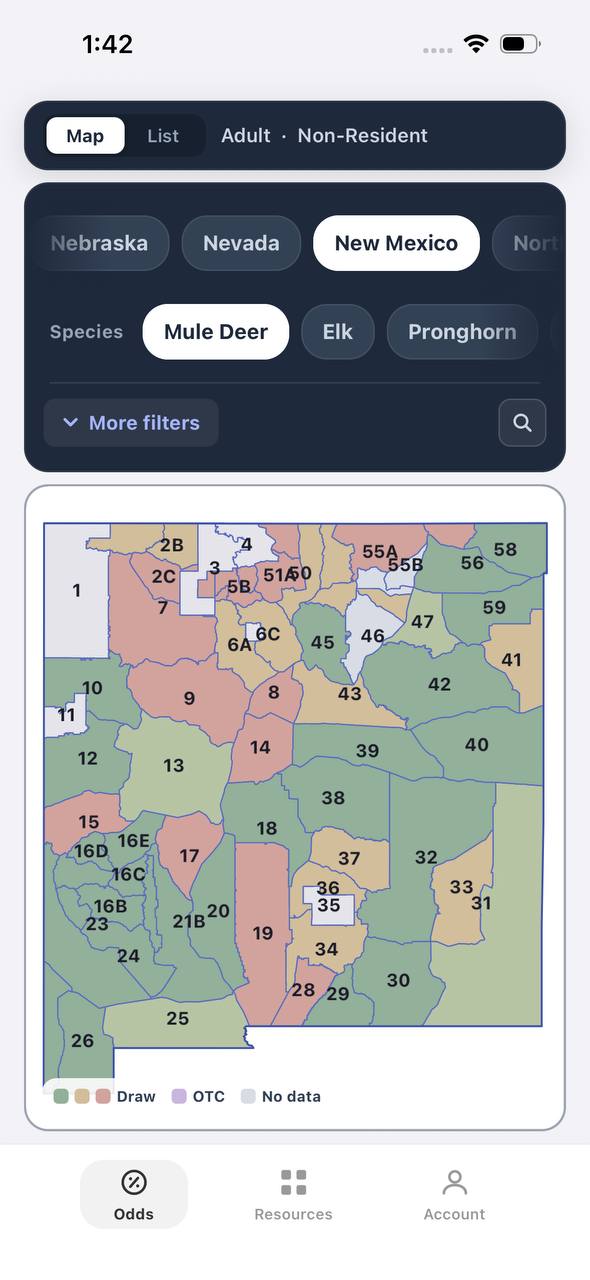
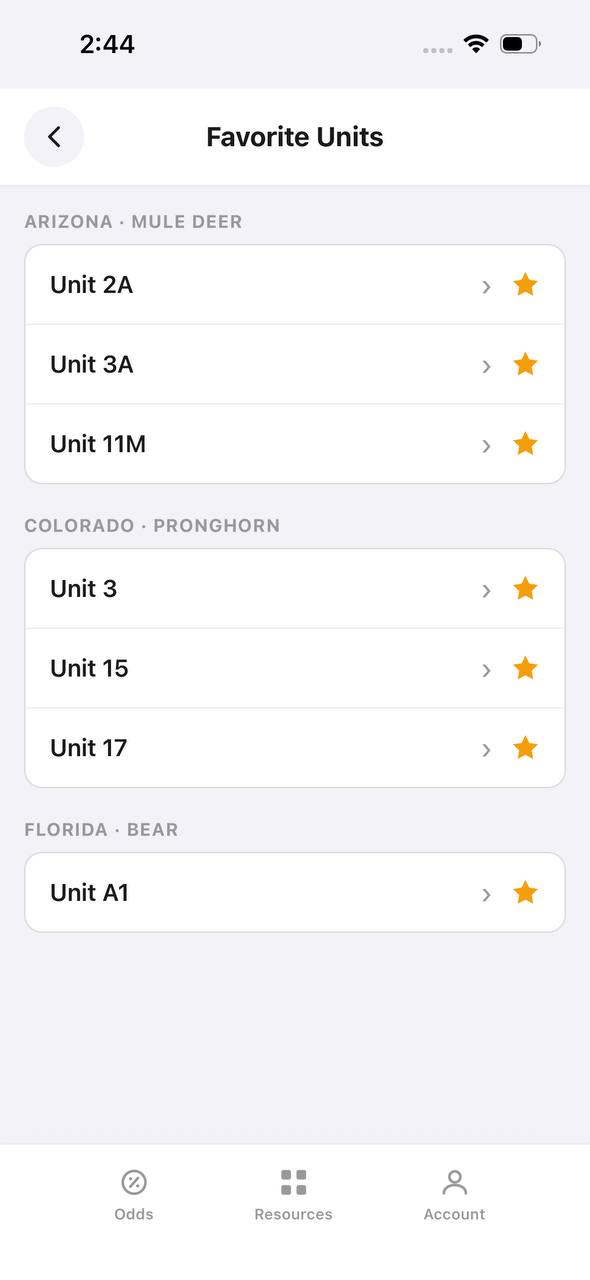
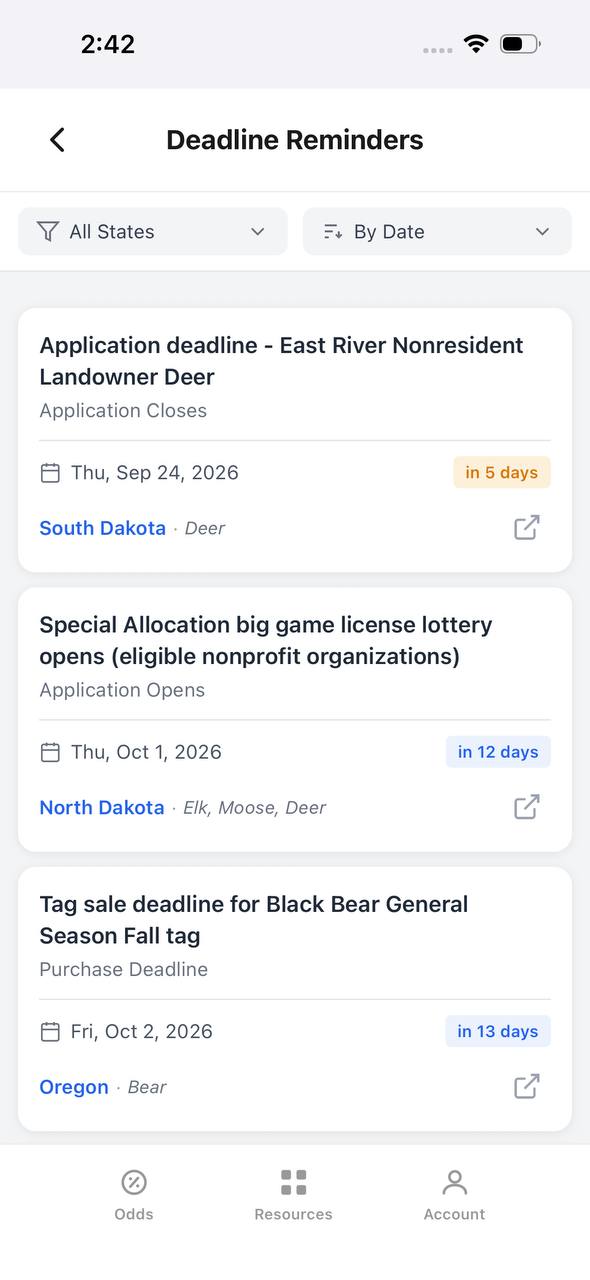
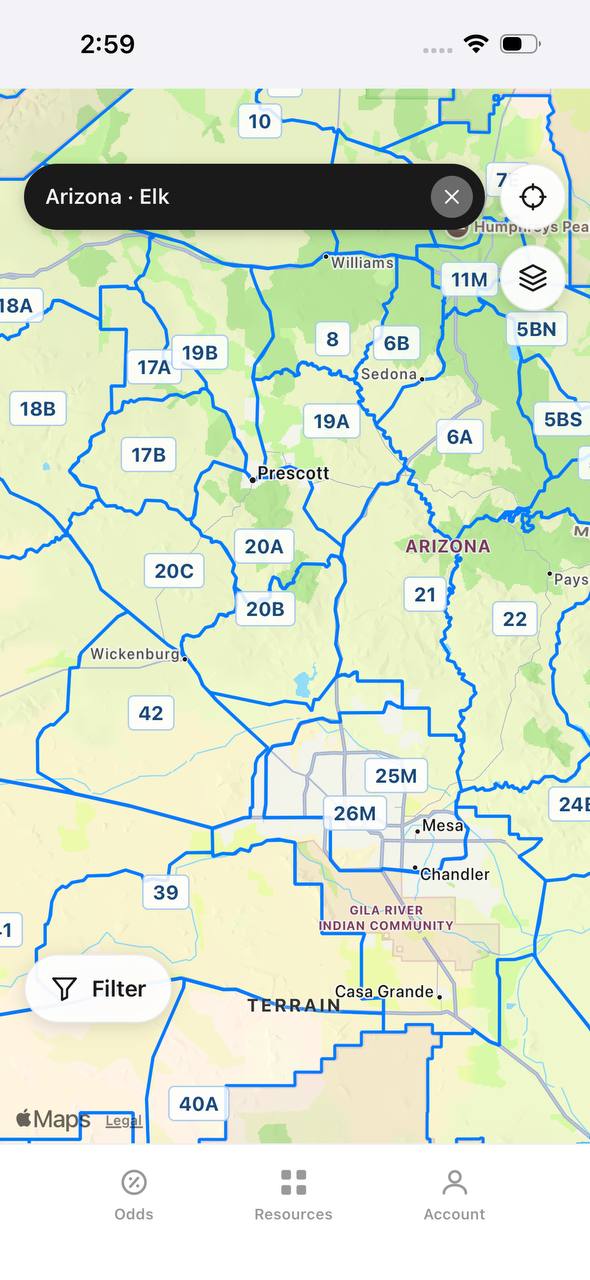
Choosing the right sleeping pad depends on where and when you hunt. TAGZ helps you filter units by season dates, elevation, and terrain so you can match your gear to the hunt. Compare high-elevation archery units in Colorado that demand warm, lightweight pads against lower-elevation Idaho rifle hunts where durability matters more than cutting grams. Track your preference points and bonus points across multiple states, plan your application strategy using historical draw odds, and set up draw deadline reminders so you never miss a hunt you have been building points for. Whether you are chasing OTC tags or planning a trophy limited-entry hunt, TAGZ gives you the tools to make smarter decisions before you ever step into the field.
Pad Maintenance and Storage
Clean your sleeping pad after every hunt to remove dirt, sweat, and oils that degrade materials over time. Wipe down the surface with a damp cloth and mild soap, then let it air dry completely before storage. Avoid machine washing or using harsh detergents that can damage coatings and seams.
Store inflatable pads loosely rolled or partially inflated in a cool, dry place away from direct sunlight and heat sources. Never store a pad compressed in its stuff sack for extended periods, as this stresses baffles and reduces loft. Closed-cell foam pads can stay folded without damage, but keeping them flat prevents permanent creases that reduce comfort.
Inspect valves regularly for dirt and debris that can prevent a good seal. Therm-a-Rest TwinLock valves are user-serviceable and can be disassembled for cleaning if they stick or leak. Most other brands require warranty service for valve issues, so handle valves carefully and keep them clean in the field.
Free to join
Download mobile app
- Detailed draw odds
- Point tracking
- Deadline reminders
- 18 states covered
Free to join
Download mobile app
- Detailed draw odds
- Point tracking
- Deadline reminders
- 18 states covered
Free to join
Download mobile app
- Detailed draw odds
- Point tracking
- Deadline reminders
- 18 states covered
Pairing Your Pad with the Right Sleeping Bag
A great sleeping pad only works if your sleeping bag matches the conditions. Insulated pads raise your effective bag rating by preventing ground cold from robbing heat, but a 20-degree bag will not keep you warm on a 0-degree night no matter how good your pad is. Match your bag to the coldest expected temperature, then add a pad with enough R-value to prevent cold spots underneath.
Down bags offer the best warmth-to-weight ratio but lose insulation when wet, making them ideal for dry climates like Arizona and New Mexico. Synthetic bags cost less and retain warmth when damp, a better choice for wet Pacific Northwest hunts or late-season snow camps. Pair a high-R-value pad with a quality bag, and you will sleep warm even when temperatures plunge overnight in high-elevation basecamps.
Real-World Field Testing
Over the past decade, I have tested dozens of sleeping pads on hunts ranging from September archery elk in Colorado to November Sitka blacktail in Alaska. The Therm-a-Rest NeoAir XTherm has logged more nights in the field than any other pad, proving its reliability in conditions from dusty Utah deserts to rocky Wyoming ridges. The NEMO Tensor Insulated earned a permanent spot in my gear closet after five seasons of quiet, comfortable sleep in spike camps where every rustle matters.
Budget pads like the Klymit Static V2 and REI Flash Insulated perform well for occasional hunters or those transitioning from car camping to backcountry hunts. They lack the durability and warmth-to-weight ratios of premium pads but deliver solid performance at prices that make sense for hunters testing the waters before committing to expensive gear.
Closed-cell foam pads remain my backup on every multi-day hunt, providing peace of mind that a punctured air pad will not ruin a hard-earned opportunity. The slight weight penalty is worth the insurance, especially on hunts where you are days from the nearest trailhead and gear failure means packing out early.
Continue Planning Your Hunt
Gear choices matter, but picking the right unit and timing your application strategy make the difference between hunting and watching from the sidelines. TAGZ helps you compare units side by side using terrain maps, unit boundaries, and historical draw data. Whether you are building preference points for a premium tag or targeting high-odds opportunities this season, TAGZ gives you the research tools to make confident decisions. Explore all the features on the TAGZ product page and start planning your next hunt today. For more hunting insights and unit breakdowns, visit the TAGZ Insights blog.
FAQ — Sleeping Pads for Hunters
What R-value sleeping pad do I need for a September elk hunt?
An R-value of 2.5 to 3.5 works for most early-season hunts where nighttime temps stay above freezing. Add a closed-cell foam pad under your torso if you camp above 10,000 feet where temperatures drop faster.
Are ultralight sleeping pads durable enough for rough backcountry campsites?
Ultralight pads trade durability for weight savings. Clear your tent site of rocks and sticks, use a footprint or ground cloth, and carry a repair kit. Pair an ultralight air pad with a quarter-length foam pad for added puncture protection.
Should I choose a mummy or rectangular sleeping pad?
Mummy pads save weight and pack smaller, ideal for backpack hunts. Rectangular pads provide more room to shift positions, better for side sleepers and base camps where weight matters less.
How do I keep my sleeping pad from sliding around inside my tent?
Some tents include pad sleeves or loops that secure your pad in place. Alternatively, place your pad inside your sleeping bag stuff sack laid flat, or use a thin foam pad underneath to add friction.
Can I use a summer sleeping pad for late-season hunts?
Not if temperatures drop below freezing. Low R-value pads allow ground cold to sap body heat even inside a warm sleeping bag. Stack a summer pad on top of a closed-cell foam pad to boost insulation for cold weather hunts.
Is a sleeping pad worth the weight on short overnight hunts?
Absolutely. Even one cold, sleepless night degrades your performance the next day. A quality pad weighs 12 to 18 ounces, less than a spare jacket, and dramatically improves sleep quality so you wake up ready to hunt hard.
Was this article helpful?
Previous
Backpack Bear Hunting: How to Plan a Self-Guided Backcountry Hunt
Backpack bear hunting combines wilderness adventure with serious trophy potential. Learn how to scout, pack light, and execute a multi-day backcountry bear hunt without a guide.
Related
Complete Western Hunting Optics Guide: Binoculars, Spotting Scopes & Rangefinders for Elk, Mule Deer & Pronghorn
Master western hunting optics with this complete guide covering binoculars, spotting scopes, and rangefinders. Learn what magnification, objective lens size, and features you actually need for elk, mule deer, and pronghorn across different terrain.
Next
Hornady ELD-X Review: Real-World Performance on Western Big Game
The Hornady ELD-X delivers consistent long-range accuracy and reliable expansion on elk, deer, and antelope from 200 to 600+ yards. This deep-dive review covers ballistic performance, terminal results, and how it compares to similar hunting bullets.