Complete Western Hunting Clothing Guide: Layering, Materials & Strategies for Mountain Hunts
The right clothing system separates comfortable, successful western hunters from cold, miserable ones who cut hunts short. Western mountain hunting demands versatility — you might glass in freezing dawn temps, pack out elk quarters in afternoon heat, and weather sudden storms at 10,000 feet, all in the same day. This guide breaks down proven layering strategies, material choices, and clothing systems that work across species, seasons, and elevations.
The Three-Layer System Explained
Every effective western hunting clothing system follows the same foundational principle: three distinct layers working together. The base layer manages moisture against your skin. The mid layer provides insulation. The outer layer shields you from wind, rain, and snow. This modular approach lets you add or shed pieces as conditions change throughout the day.
Most hunters fail by either overdressing for the hike in or underpacking insulation for stationary glassing. Your clothing system should assume you will sweat during steep climbs and freeze during hours of motionless observation. Pack enough layers to handle both extremes, and develop the discipline to stop and adjust layers before you overheat or chill down.
Base Layer Materials That Actually Work
Merino wool dominates western hunting base layers for good reason. It regulates temperature naturally, resists odor for multi-day hunts, and maintains warmth even when damp. Lightweight 150-weight merino works for early archery season. Midweight 200-250 weight handles September elk and October mule deer. Heavyweight 400+ weight is overkill unless you are hunting late November or sitting motionless in a blind.
Synthetic base layers dry faster than merino and cost less, but they stink after one hard day. If your hunt involves serious elevation gain and you can wash clothes mid-trip, synthetics work fine. For backcountry hunts where you wear the same base layer for five days straight, merino is non-negotiable. Brands like First Lite, Sitka, and Kuiu engineer merino specifically for hunters, but generic outdoor brands like Smartwool and Icebreaker perform identically at lower cost.
Avoid cotton entirely. The old saying "cotton kills" applies as much at 9,000 feet in Colorado as it does in winter mountaineering. Cotton absorbs moisture, loses all insulating value when wet, and takes forever to dry. Western weather changes fast, and getting caught in rain or snow with cotton base layers creates genuine hypothermia risk.
Mid Layer Insulation Strategies
Your mid layer provides warmth without bulk. Fleece, synthetic puffy jackets, and down all have roles depending on activity level and conditions. Lightweight grid fleece or merino quarter-zips work perfectly for active hunting — moving through timber, packing meat, or climbing ridges. They breathe well, dry fast, and pack small.
Synthetic insulated jackets like Sitka's Kelvin series or Kuiu's Super Down use polyester fill that maintains warmth when wet. These excel for late-season rifle hunts or any situation where rain or snow is likely. Down insulation provides more warmth per ounce than synthetics but loses effectiveness when damp. Save down for dry, cold conditions or for your stationary glassing layer.
The key is carrying multiple mid layers so you can fine-tune insulation throughout the day. A typical system includes a lightweight active mid layer (fleece or merino) that stays on during movement, plus a packable insulated jacket (synthetic puffy) for glassing sessions and camp.
Outer Layer Wind and Rain Protection
Your outer shell protects against wind and precipitation while allowing moisture vapor to escape. This is where hunters make expensive mistakes. Hardshell jackets with waterproof-breathable membranes like Gore-Tex handle sustained rain but feel clammy during active hunting. Softshell jackets stretch, breathe better, and work for 80% of western hunting conditions but soak through in hard rain.
Most experienced hunters carry both. A lightweight, packable hardshell stays in the pack for emergencies and known storm fronts. A softshell jacket with DWR (durable water repellent) coating handles wind, light precipitation, and brush while staying comfortable during all-day wear. Sitka's Jetstream and Kuiu's Guide jacket exemplify this softshell category.
For pants, softshell designs with reinforced knees and seat provide the best balance of weather protection, durability, and mobility. Hardshell rain pants stay in your pack as insurance. If you hunt thick timber or alpine basins where afternoon thunderstorms are predictable, upgrade to a quality hardshell pant that you will actually wear.
Free to join
Download mobile app
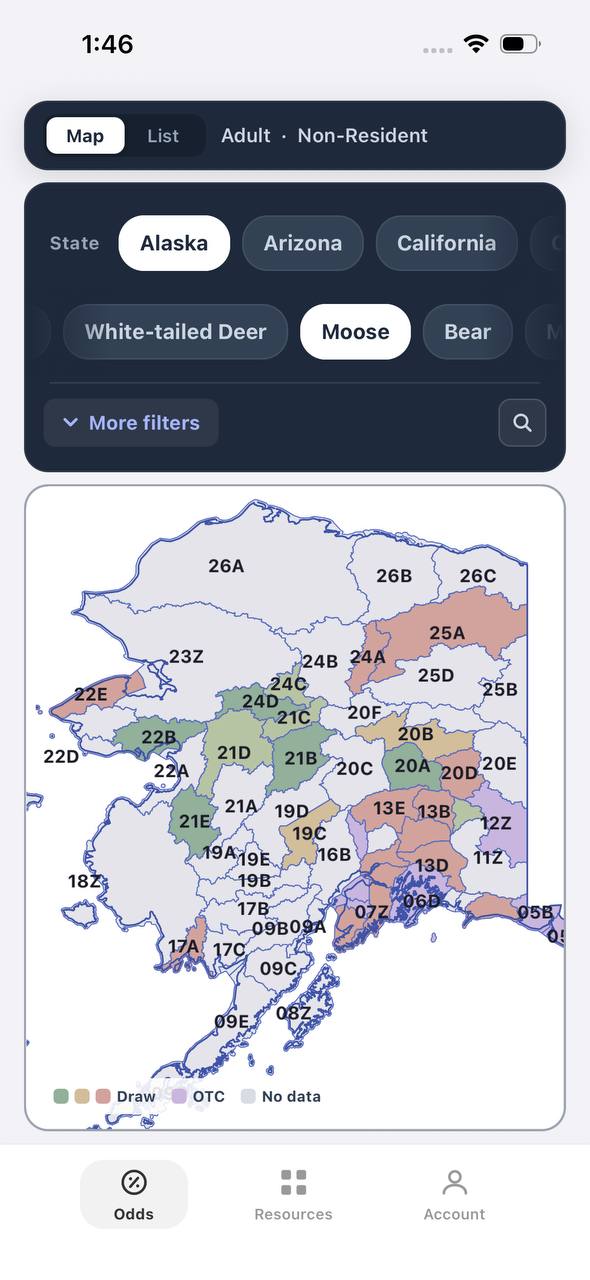
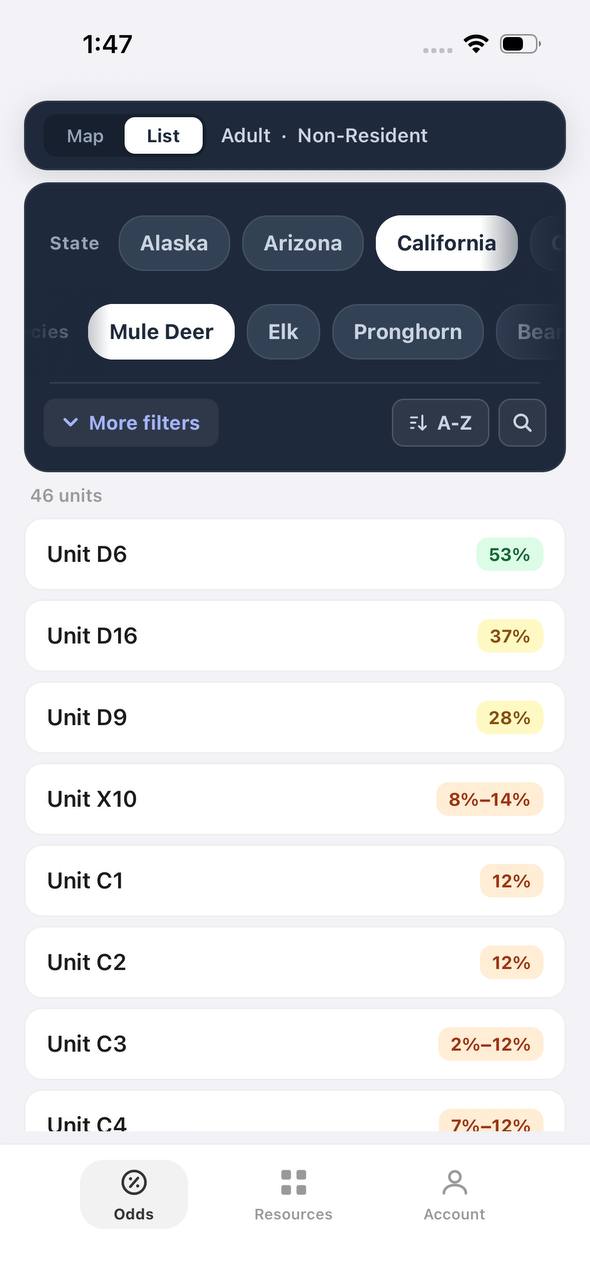
- Detailed draw odds
- Point tracking
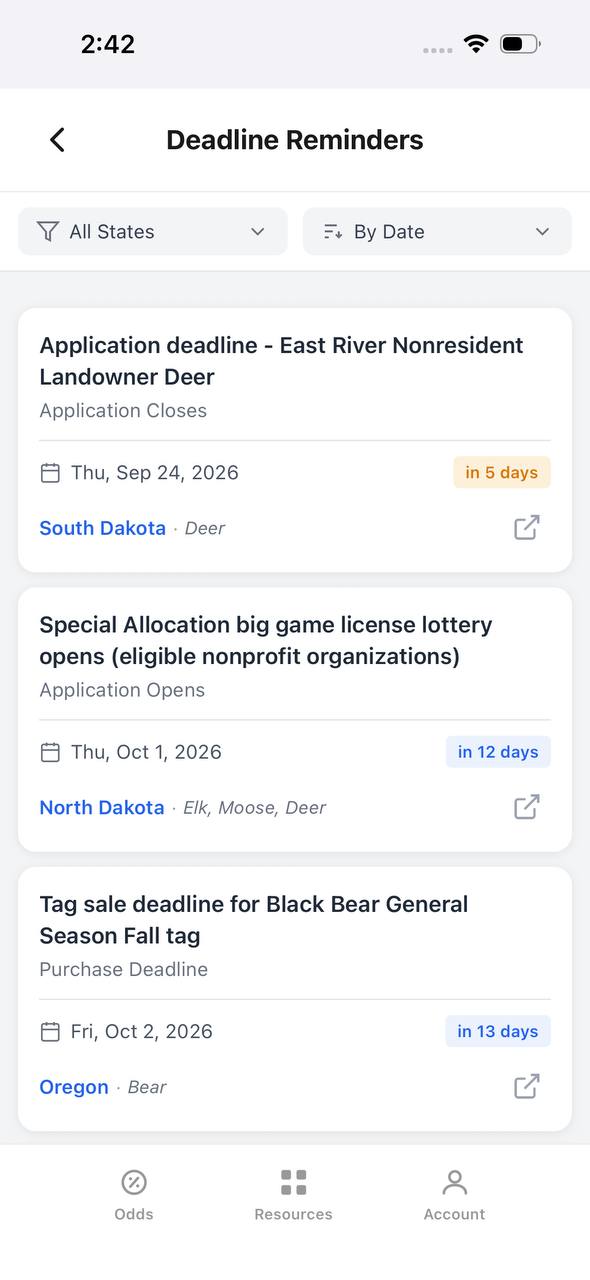
- Deadline reminders
- 18 states covered

Free to join
Download mobile app
- Detailed draw odds
- Point tracking
- Deadline reminders
- 18 states covered
Free to join
Download mobile app
- Detailed draw odds
- Point tracking
- Deadline reminders
- 18 states covered
Early Season Archery Clothing
September elk hunting and early October mule deer hunts often mean 70-degree afternoons and freezing mornings. Your clothing system should prioritize breathability and quiet movement over heavy insulation. Start with lightweight merino base layers, add a single mid layer for dawn glassing, and rely on a softshell for wind protection.
Early season hunters face different challenges than rifle hunters. You are calling elk in close, stalking bedded bucks, and moving constantly. Clothing must be dead silent — avoid anything that swishes or crinkles. Merino and fleece move quietly through brush. Softshells designed for archery incorporate stretch panels and articulated cuts that do not bind when drawing a bow.
Overheating is your biggest enemy in early season. Stop and shed layers before you sweat through your base layer. Wet clothing at 8,000 feet in September still leads to hypothermia when the sun drops and temperatures plummet 30 degrees. Carry your insulated jacket and hardshell but resist the temptation to wear them during active hunting.
Late Season Rifle Clothing
November rifle hunts in Montana, Wyoming, and Colorado demand serious insulation. Temperatures drop below zero. Wind cuts through ridgelines. Snow squalls appear without warning. Your clothing system needs heavyweight base layers, thick mid layers, and windproof outer shells.
This is where down insulation shines. A packable down jacket provides warmth without bulk for glassing sessions and cold sits. Pair it with a windproof shell and you can stay comfortable for hours in single-digit temperatures. Insulated pants become necessary — either synthetic puffy pants over your softshell or bib-style insulated pants as a standalone layer.
Hands and feet suffer most in late season cold. Merino liner gloves under windproof outer gloves let you manipulate gear without removing all protection. Insulated, waterproof boots rated to -20°F or colder are non-negotiable. Pack chemical toe warmers and hand warmers as backup heat sources for long glassing sessions.
Clothing for Spot-and-Stalk vs. Tree Stand Hunting
Spot-and-stalk hunters burn calories climbing mountains and need clothing systems that breathe and pack efficiently. Prioritize lightweight, modular layers you can adjust throughout the day. Your pack will be heavier with extra mid layers and shells, but the versatility pays off.
Tree stand hunters and blind sitters face the opposite problem: staying warm while motionless for hours. Heavy insulation becomes your priority. Insulated bibs, thick down jackets, and packable camp booties keep you comfortable during long sits. You are not hiking far, so weight and packability matter less than raw warmth.
Western hunters rarely sit stands, but understanding this distinction helps if you plan stationary glassing sessions on known trails or water sources. Bring extra insulation specifically for these sits — more than you think you need.
Camouflage Patterns and Colors
Camouflage effectiveness depends more on breaking up your outline than matching exact terrain. Elevated patterns (timber, mixed forest) work across most western landscapes. Open country patterns (sagebrush, alpine) optimize for glassing at distance but are not necessary for success.
Solid earth tones — grey, tan, olive — perform nearly as well as camo in most situations. Focus first on clothing system functionality, then choose patterns you like within quality brands. Elk and mule deer detect movement far better than they identify specific colors. Stay still, move slowly, and use terrain to break your silhouette regardless of what you wear.
For rifle season orange requirements, integrate blaze orange into your outer layer where required by state law. Colorado, Montana, and Wyoming mandate orange during rifle seasons. Check regulations for each state where you hunt — requirements vary significantly.
Free to join
Download mobile app
- Detailed draw odds
- Point tracking
- Deadline reminders
- 18 states covered
Free to join
Download mobile app
- Detailed draw odds
- Point tracking
- Deadline reminders
- 18 states covered
Free to join
Download mobile app
- Detailed draw odds
- Point tracking
- Deadline reminders
- 18 states covered
Accessories That Actually Matter
Quality accessories transform good clothing systems into great ones. Merino wool neck gaiters block wind, prevent scope bite, and eliminate the gap between jacket collar and hat. Lightweight merino beanies pack small and provide critical head insulation when temperatures drop.
Gloves deserve careful selection. You need dexterity for shooting, weapon manipulation, and field dressing while maintaining warmth. Merino liner gloves provide fine motor control. Windproof outer gloves or mittens layer over liners when temperatures plummet. Some hunters prefer fingerless gloves with fold-back finger covers that expose trigger fingers on demand.
Gaiters keep snow and debris out of boots during late season hunts. Knee-high designs protect your legs during creek crossings and bushwhacking. Skip cheap nylon gaiters that tear on the first snag — quality Gore-Tex or Cordura gaiters last for years.
How TAGZ Helps You Plan Hunt-Specific Clothing
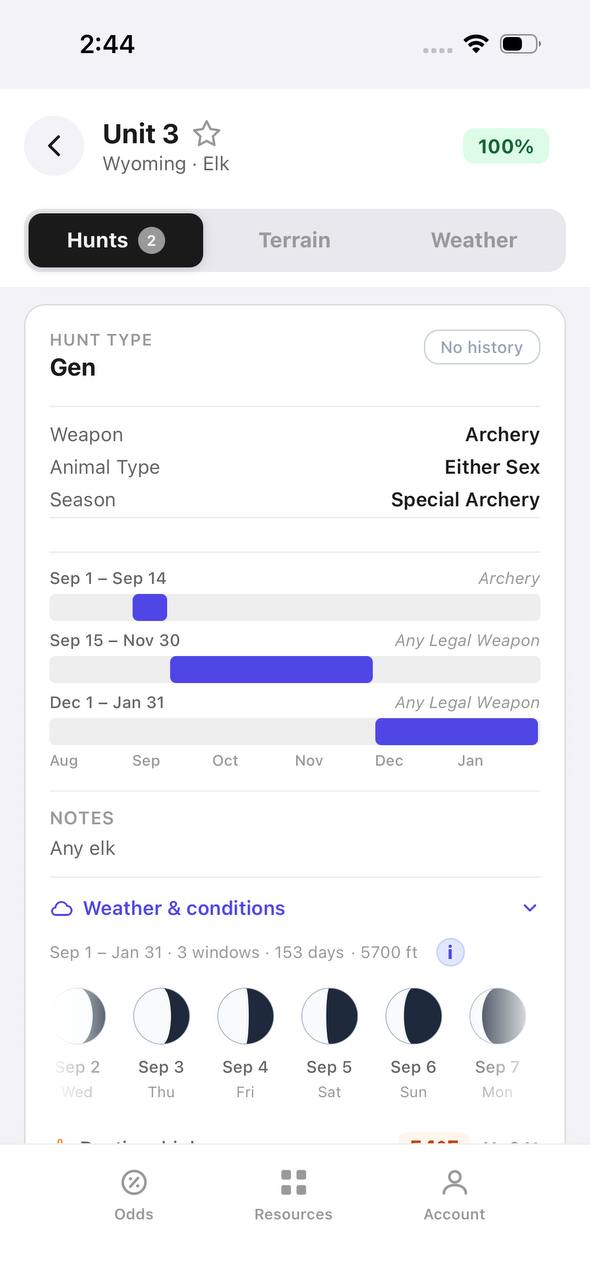
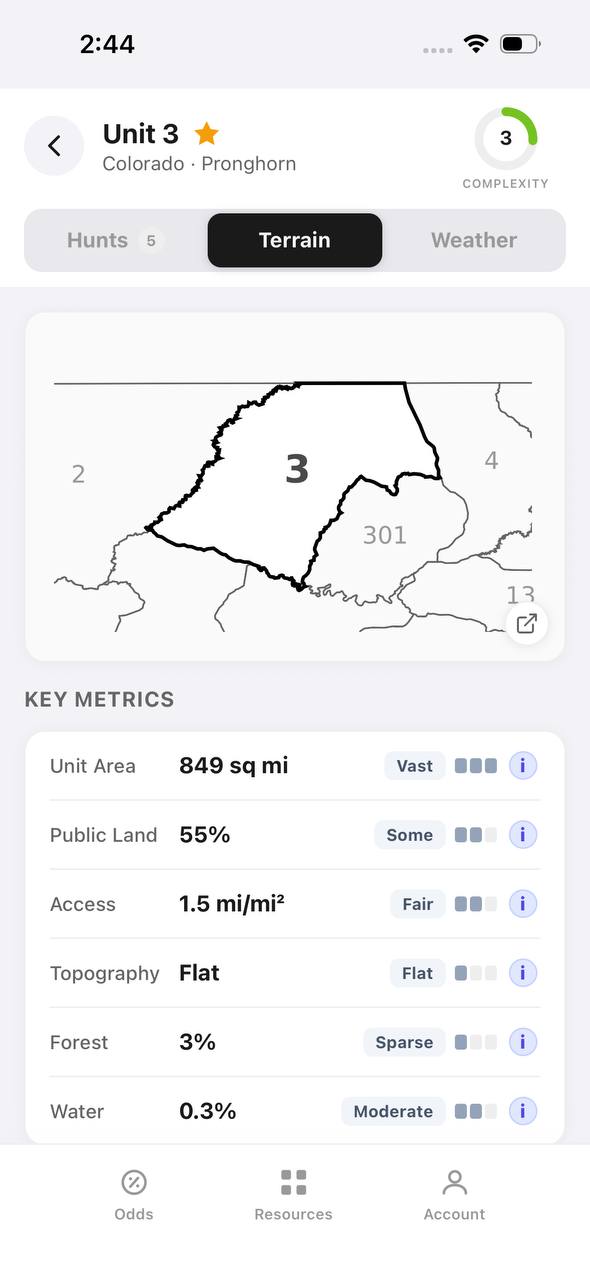
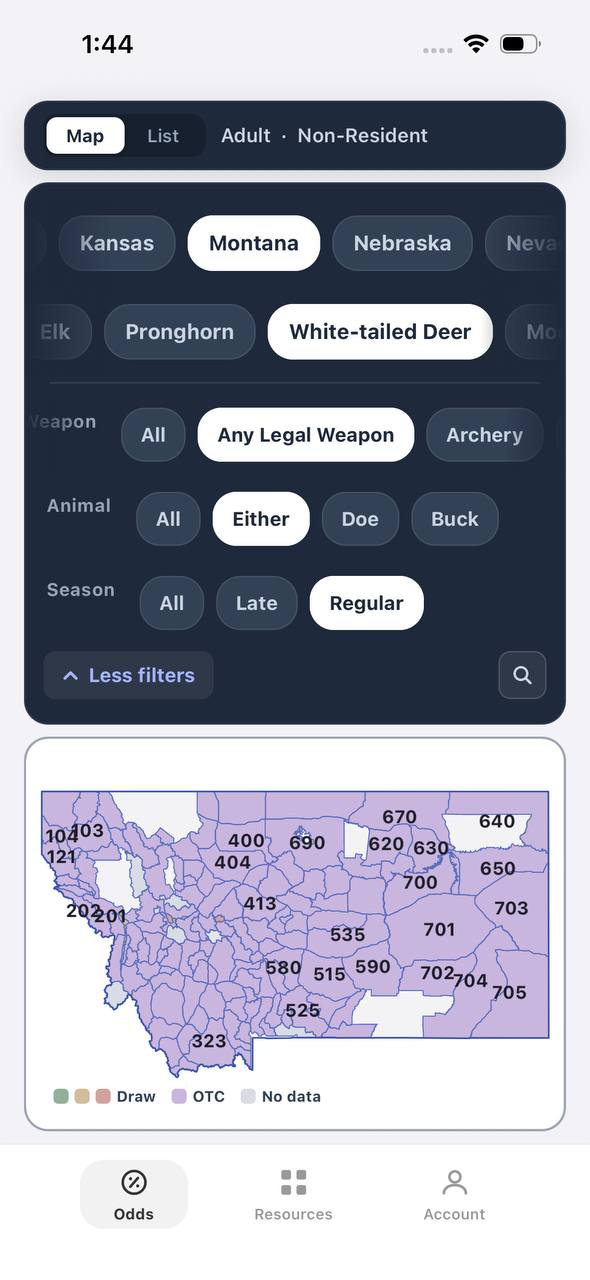
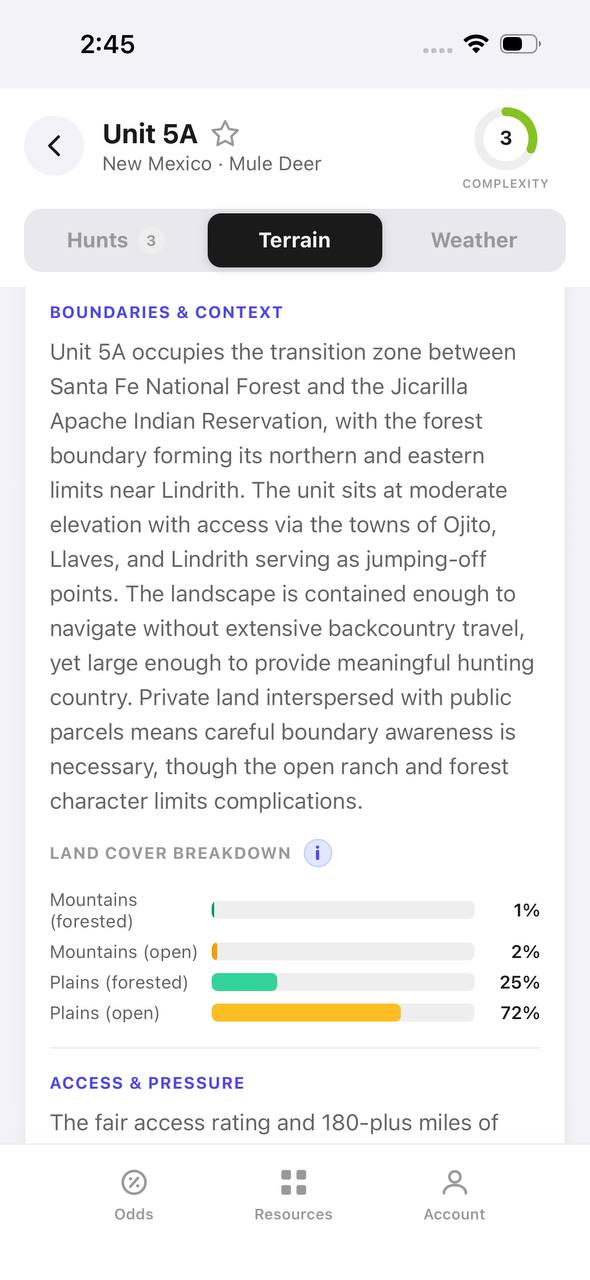
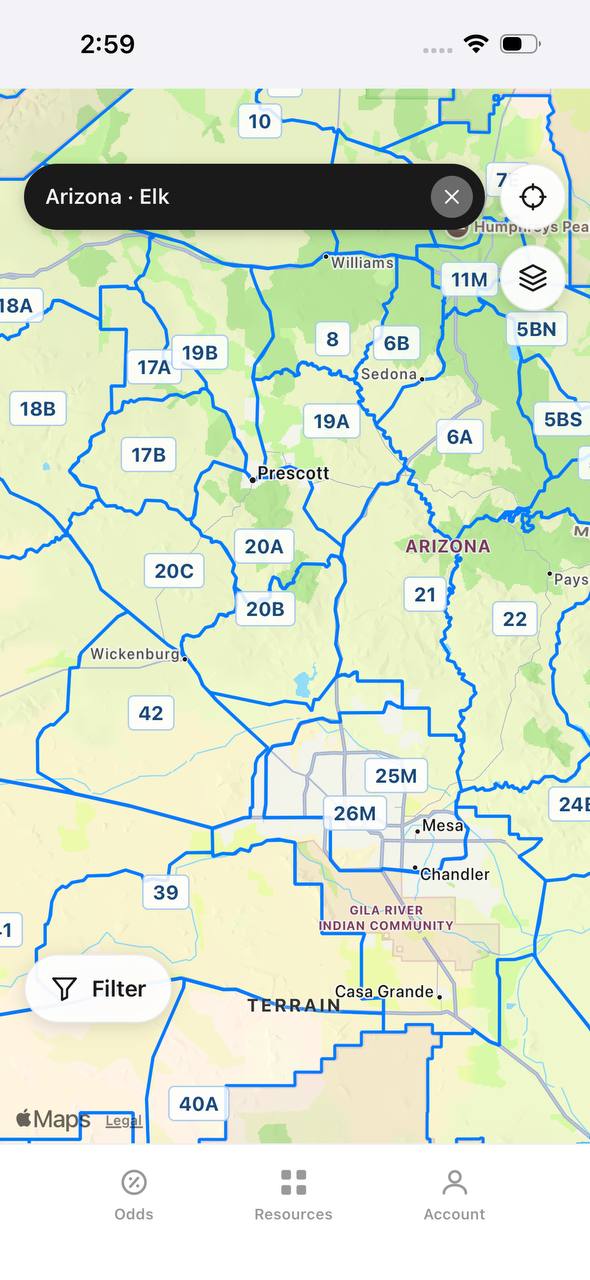
TAGZ provides detailed unit information including elevation ranges, terrain types, and typical weather conditions that directly inform clothing decisions. When you research Colorado Elk Unit 2 or Wyoming Mule Deer Region G inside TAGZ, you see terrain maps showing elevation profiles and habitat types. High alpine units above 10,000 feet demand different clothing than lower elevation timber units at 7,000 feet.
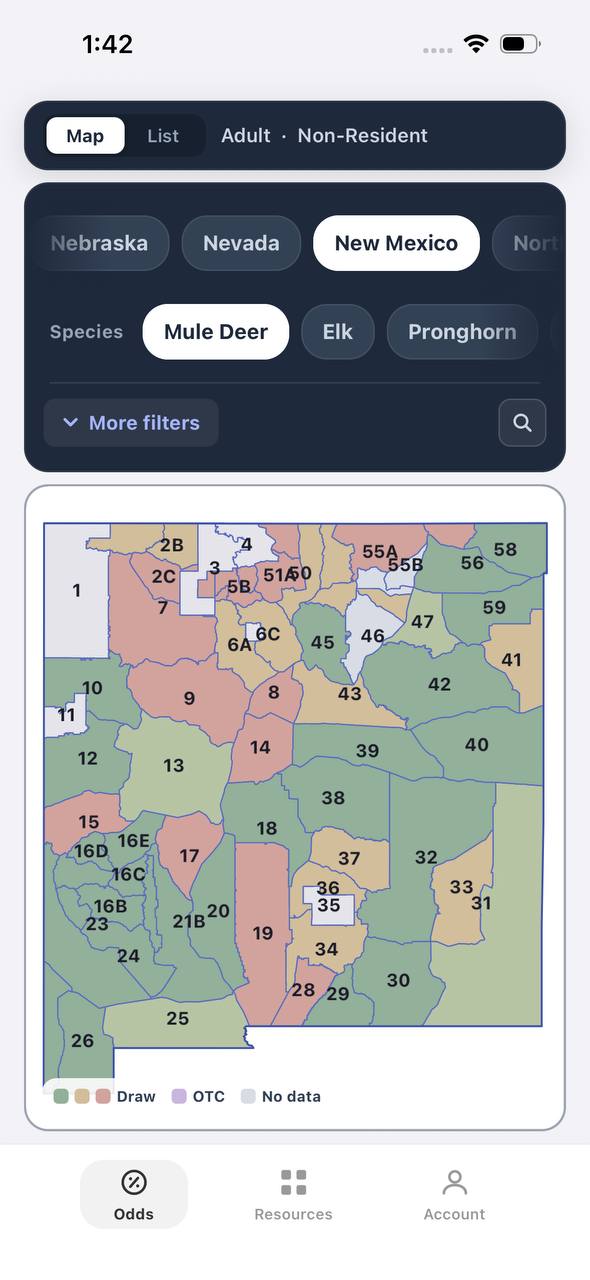
Historical draw data inside TAGZ lets you plan hunts across different seasons and weapon types. Drawing a September archery tag requires a completely different clothing system than drawing a November rifle tag. TAGZ helps you understand which seasons you are likely to draw in specific units so you can invest in the right clothing for hunts you will actually go on rather than buying gear for theoretical hunts that never happen.
Unit research inside TAGZ also reveals public land access points, trailheads, and typical hunt strategies that affect clothing choices. A unit where you will spike camp 5 miles into the backcountry demands lighter, more versatile clothing than a unit with road access and truck camping. Filter by weapon type, season, and elevation inside TAGZ to understand what your hunt will actually look like before you start buying gear.
Building Your First Western Hunting Clothing System
New western hunters should prioritize foundational pieces that work across multiple hunts before investing in specialized gear. Start with these core items: midweight merino base layers (top and bottom), a lightweight fleece or merino quarter-zip, softshell jacket and pants, packable synthetic puffy jacket, packable hardshell jacket, merino neck gaiter, merino beanie, and quality boots.
This foundation handles most September through October hunts across elk, mule deer, and pronghorn. You can add heavyweight base layers, insulated pants, and down jackets as you draw late-season tags or hunt colder climates. Avoid the temptation to buy entire clothing systems from one brand in one shopping trip — build your system across multiple seasons as you learn what actually works for your body and hunting style.
Budget hunters can mix generic outdoor brands with hunting-specific pieces. Merino base layers from Costco or Amazon perform identically to $100 First Lite base layers. Save money there and invest in quality outer layers where technical features and durability matter most.
Clothing Care in the Field
Merino wool base layers can be worn multiple days without washing if you let them air out each night. Hang clothing outside your tent to dry overnight. Rotate between two sets of base layers if your hunt extends beyond three days.
Wash clothing mid-trip if you have access to water and warm weather. Use unscented detergent specifically designed for hunting clothing. Scent-eliminating sprays provide marginal benefit — focus instead on washing clothes thoroughly before the hunt and avoiding contamination from campfire smoke, food, and fuel.
Store insulated jackets uncompressed between hunts to maintain loft. Down especially loses warmth when stored compressed for months. Hang puffy jackets in a closet or store loosely in a large mesh bag. Wash waterproof shells periodically and reapply DWR treatment to restore water repellency.
Common Clothing Mistakes Western Hunters Make
Overpacking is the most common mistake. New hunters bring six mid layers when two would suffice. Heavy packs slow you down, increase fatigue, and reduce mobility. Be ruthless editing your clothing system down to essential layers that provide real functionality.
Underpacking rain gear is the opposite mistake experienced hunters sometimes make. Western weather changes fast. A bluebird morning can turn into a soaking thunderstorm by noon. Always carry a packable hardshell even if the forecast looks perfect.
Wearing new clothing on a hunt without testing it first creates misery. Break in boots before your hunt. Wash new clothing to remove chemical treatments and sizing. Test layering combinations on training hikes so you understand how your system breathes under load.
Free to join
Download mobile app
- Detailed draw odds
- Point tracking
- Deadline reminders
- 18 states covered
Free to join
Download mobile app
- Detailed draw odds
- Point tracking
- Deadline reminders
- 18 states covered
Free to join
Download mobile app
- Detailed draw odds
- Point tracking
- Deadline reminders
- 18 states covered
Using Terrain and Elevation to Predict Clothing Needs
Elevation dictates temperature more than latitude in western hunting. A September hunt at 11,000 feet in Colorado feels colder than a November hunt at 6,000 feet in Wyoming. Research unit elevations inside TAGZ and understand typical temperatures for that elevation and season.
Timberline typically occurs around 10,000-11,000 feet in the Rockies. Above timberline, wind exposure increases dramatically. Pack extra insulation and wind protection for alpine hunts even in early season. Below timberline, temperature swings are less extreme and heavy timber blocks wind.
South-facing slopes receive more sun and warm faster than north-facing slopes. If your hunt focuses on north-facing timber where elk bed during midday, plan for colder conditions than south-facing glassing points receive. Study unit terrain inside TAGZ to understand slope aspects and adjust clothing accordingly.
Specialty Clothing for Backcountry Hunts
Multi-day backcountry hunts demand lighter, more versatile clothing than day hunts or truck camping. Every ounce matters when you are packing camp 5 miles into wilderness. Prioritize merino base layers that resist odor and can be worn multiple days. Carry only one mid layer and one insulated layer that serve multiple purposes.
Backcountry hunters should invest in packable, lightweight versions of insulated jackets and hardshells. Modern synthetic insulation like PrimaLoft and Climashield compress smaller than older designs while providing similar warmth. Ultralight hardshells using Pertex or Shakedry membranes pack down to the size of a water bottle.
Knee and seat reinforcements on pants become critical during backcountry hunts. You will kneel on rocks, slide down scree, and sit on rough ground constantly. Softshell pants with Cordura reinforcements last seasons longer than standard nylon pants.
Final Clothing System Recommendations by Species and Season
For September elk archery: lightweight merino base layers, merino quarter-zip or light fleece, softshell jacket and pants, packable synthetic puffy, packable hardshell, merino neck gaiter and beanie.
For October mule deer: midweight merino base layers, midweight fleece, softshell jacket and pants, synthetic puffy jacket, hardshell jacket and pants, merino accessories.
For November rifle elk: heavyweight merino base layers, thick fleece or wool mid layer, down puffy jacket, insulated pants or bibs, hardshell jacket and pants, heavyweight merino accessories, insulated gloves, chemical warmers.
For pronghorn in open country: lightweight base layers, single mid layer, focus on wind protection over heavy insulation, earth-tone solids work as well as camo.
Adjust these templates based on specific unit elevations, typical weather, and your personal cold tolerance. Use TAGZ to research unit terrain and historical conditions so you pack the right clothing system for your specific hunt.
FAQ — Western Hunting Clothing
What is the most important clothing item for western hunting?
Quality boots are non-negotiable. Everything else can be improvised, but boots protect your feet during miles of mountain hiking and determine whether you can access terrain where animals live. Invest in waterproof, insulated boots designed for mountain hunting.
Do I really need merino wool base layers or will cotton work?
Cotton kills in mountain conditions. It absorbs moisture, loses insulating value when wet, and takes hours to dry. Merino wool or synthetic base layers maintain warmth when damp and dry quickly. This is not marketing hype — wet cotton causes hypothermia.
How many layers should I bring for a September elk hunt?
Bring four functional layers: lightweight merino base layer, lightweight mid layer (fleece or merino quarter-zip), softshell jacket, and packable insulated jacket. Add a packable hardshell for rain. This covers 90% of September conditions across the West.
Should I buy hunting-specific clothing or use generic outdoor brands?
Mix both. Hunting brands engineer features like scent control, quiet fabrics, and camo patterns that matter for close encounters. But generic merino base layers, fleece mid layers, and hardshells from outdoor brands perform identically at lower cost. Invest in hunting-specific outer layers and save money on base layers.
What is the difference between softshell and hardshell jackets?
Softshell jackets stretch, breathe well, and handle light rain and wind. They feel comfortable during active hunting but soak through in sustained rain. Hardshell jackets use waterproof-breathable membranes that block heavy rain but feel less breathable. Carry both — wear the softshell most of the time and pack the hardshell for storms.
How do I stay warm while glassing for hours without overheating during the hike in?
Layering discipline. Strip down to base layers before you start hiking even if you feel cold. Stop and add layers before you chill down after reaching your glassing point. Carry your insulated puffy jacket and put it on immediately when you stop moving. Most hunters wait too long to add or remove layers.
Continue Planning Your Hunt
Building the right clothing system gives you the confidence to hunt longer, push farther, and stay comfortable in conditions that send underprepared hunters back to camp. Once you have your clothing system dialed in, the next step is researching specific units, comparing draw odds, and planning your application strategy.
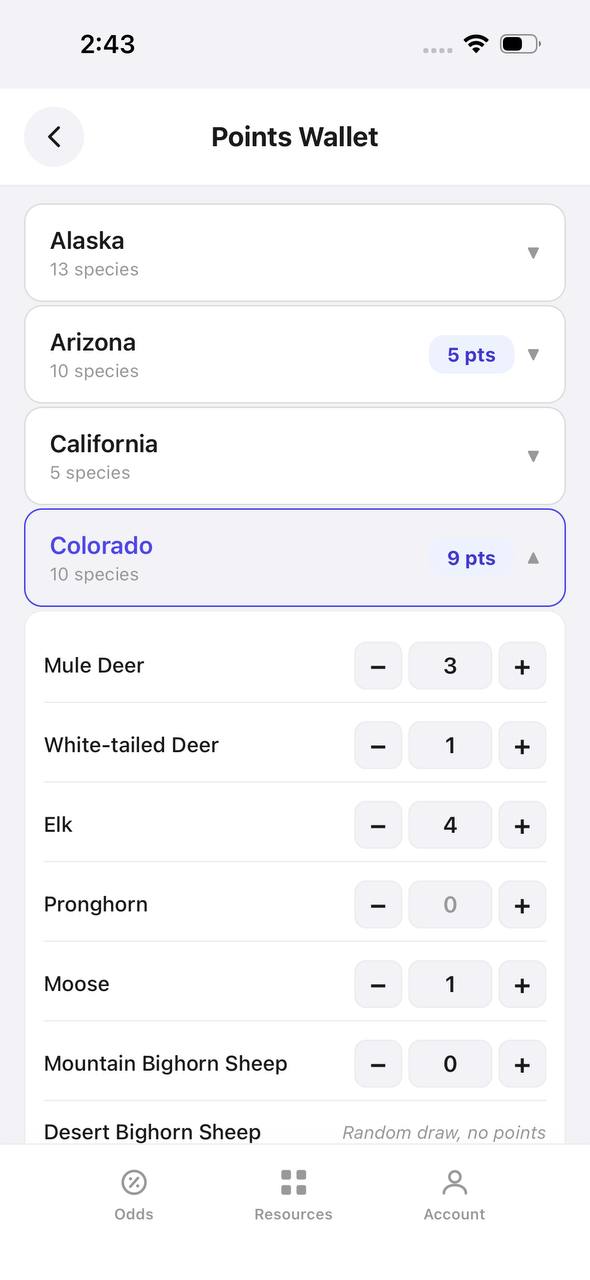
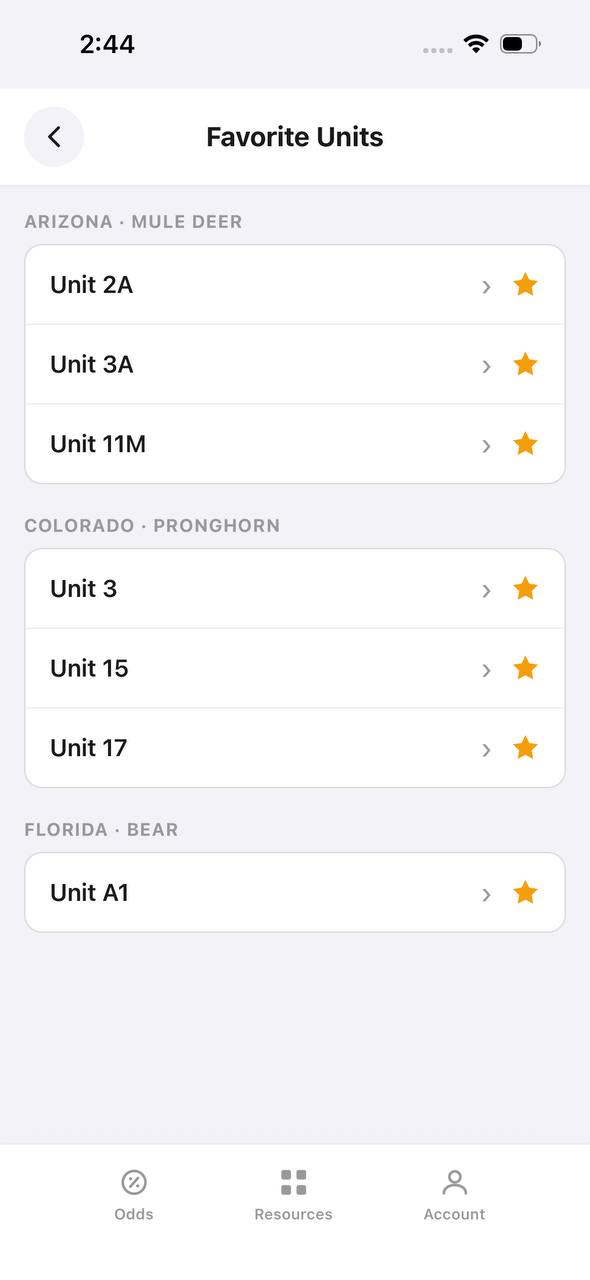
TAGZ helps you research western hunting units with detailed terrain maps, historical draw data, and public land boundaries so you understand exactly what your hunt will look like before you ever apply. Compare draw odds across multiple states, track your preference points and bonus points, and filter units by weapon type, season, and elevation to find hunts that match your clothing system and skill level.
Whether you are chasing OTC Colorado elk tags or planning a trophy limited-entry mule deer hunt, TAGZ gives you the unit research and draw data to make smarter decisions. Explore the platform at getmytagz.com and start comparing units side by side using the same terrain and draw tools that experienced western hunters rely on.
Visit the TAGZ Insights blog for more species-specific gear guides, unit breakdowns, and draw strategy articles. Check current pricing and features to see how TAGZ simplifies western hunting applications and helps you maximize draw opportunities across every state you hunt.
Was this article helpful?
Previous
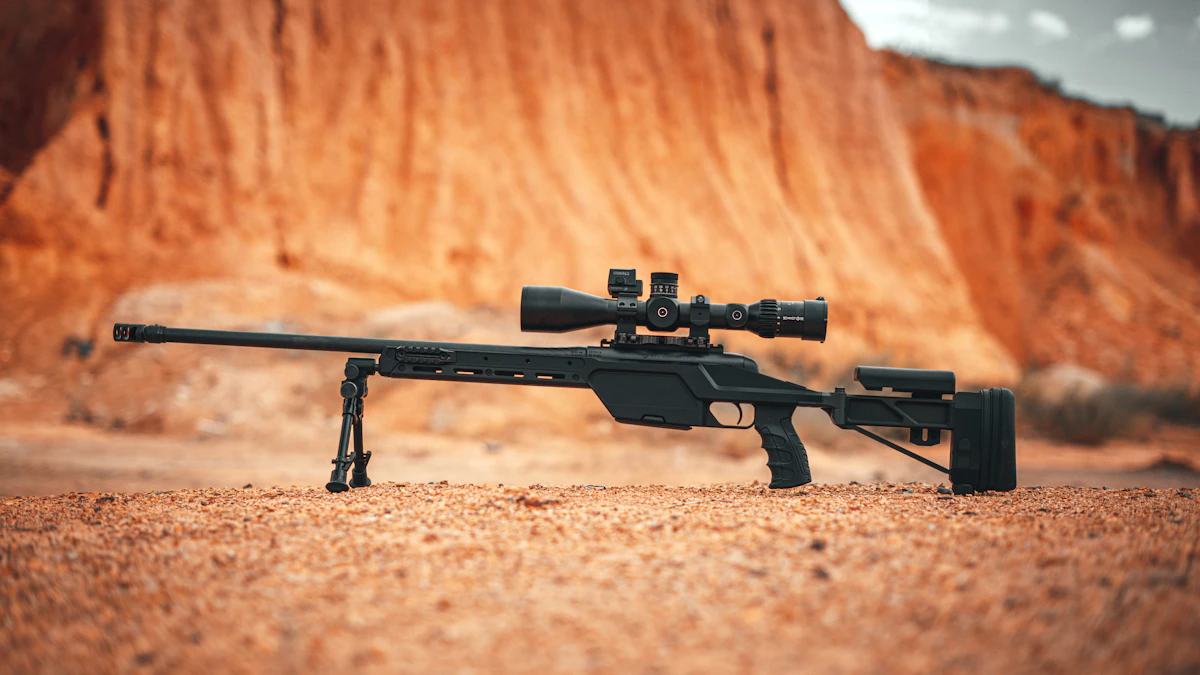
Bergara vs Howa: Which Rifle Wins for Western Hunting?
Bergara and Howa both deliver sub-MOA accuracy at accessible price points, but they take different approaches. This head-to-head comparison breaks down barrel quality, stock design, trigger performance, and real-world field reliability to help you choose the right platform for your next elk or mule deer hunt.
Related
Best Sheep Bows: Ultralight Setups for Alpine Hunts
Sheep hunting demands ultralight gear that performs at elevation. The best sheep bows balance packability, accuracy at steep angles, and reliability in harsh alpine conditions—discover which models guide outfitters trust most.
Next
Mountain Weather for Western Hunters: Reading Conditions, Staying Safe, and Timing Your Hunt
Mountain weather shapes every western hunt — from elk movement to your safety margin. Learn how to read rapid shifts, time your hunt around fronts, and prepare gear for alpine conditions that can swing 50 degrees in hours.