Complete Elk Bow Setup Guide 2026: Gear, Tuning & Field-Tested Tips
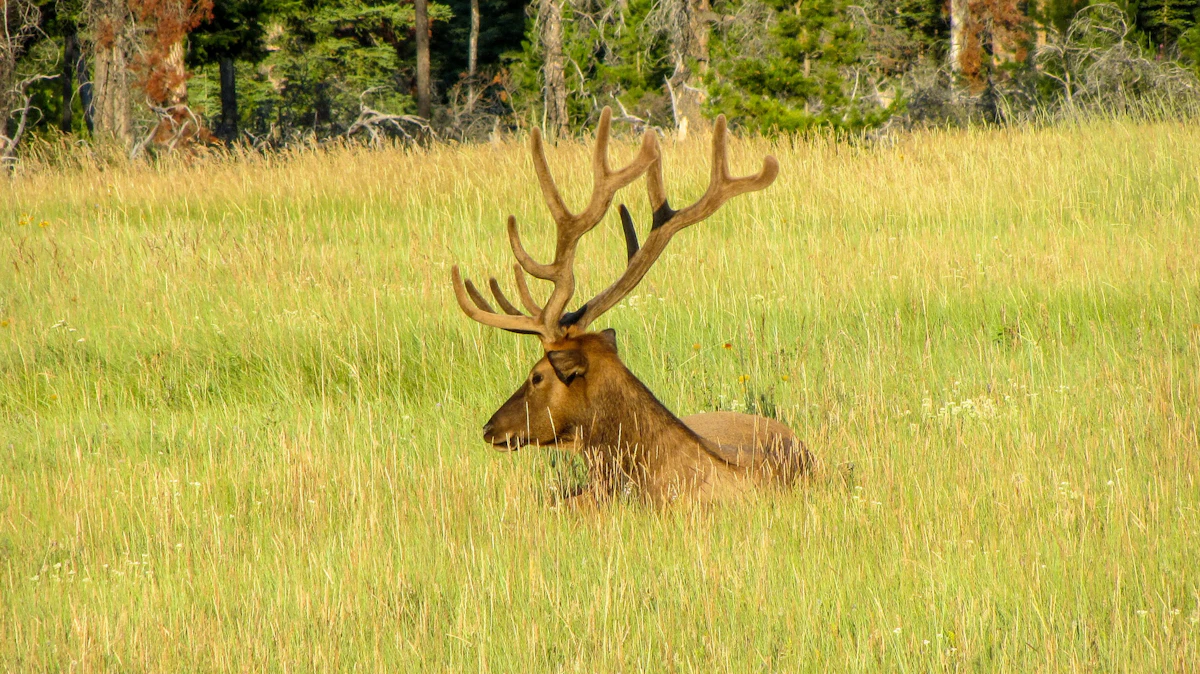
Bowhunting elk demands gear that performs under pressure. A mature bull at 40 yards will not wait while you second-guess your setup. This guide walks through every component of a reliable elk bow setup for 2026, from choosing the right draw weight to selecting broadheads that punch through heavy bone. Whether you are drawing an OTC Colorado tag or burning points on a limited-entry unit, the right equipment and tuning routine will give you confidence when the shot presents itself.
Draw Weight and Letoff for Elk
Elk are tough animals with heavy bone structure and thick hide. Most experienced elk bowhunters shoot 60-70 pounds of draw weight, though some push higher. The goal is not maximum poundage — it is consistent accuracy under fatigue. After hiking miles at elevation and holding at full draw while a bull works into range, you need to execute a clean shot without shaking.
Modern compound bows offer 70-80% letoff, meaning a 70-pound bow drops to 14-21 pounds at full draw. This allows you to hold longer and aim steadier. If you are hunting from a ground blind or treestand where shots happen fast, slightly lower letoff (65-70%) can provide a cleaner release. For spot-and-stalk hunting where you may hold for extended periods while a bull closes distance, 75-80% letoff reduces fatigue.
Draw weight should be comfortable enough to shoot 30-40 arrows in a practice session without form breakdown. If your groups open up after 15 arrows, drop the poundage. Accuracy under realistic hunting conditions beats raw speed every time.
Arrow Selection and FOC
Elk arrows need to balance speed, penetration, and durability. Most hunters choose carbon arrows in the 400-500 grain total weight range. Heavier arrows (500+ grains) penetrate better and handle crosswinds, but sacrifice speed. Lighter arrows (400-450 grains) shoot flatter and give more margin on ranging errors.
Front of Center (FOC) balance affects arrow flight and penetration. FOC is calculated by measuring the balance point from the throat of the nock, dividing by total arrow length, and multiplying by 100. For elk, aim for 10-15% FOC. Higher FOC improves penetration and stabilizes broadheads, but makes the arrow more sensitive to planing in wind.
A common elk arrow build starts with a .300 or .340 spine carbon shaft, 100-125 grain broadhead, 50-75 grain insert or outsert, and standard fletching. This typically lands around 450-475 grains total weight with good penetration and manageable trajectory out to 60 yards. Micro-diameter shafts like Easton 4MM or similar offerings reduce wind drift and improve bone-splitting performance, though they cost more and can be harder to find if you break one in the field.
Broadhead Choice: Fixed vs Mechanical
The fixed versus mechanical broadhead debate never ends, but both work if matched to your setup and skill level. Fixed-blade broadheads like the Slick Trick, Magnus Black Hornet, or Iron Will penetrate reliably and never fail mechanically. They require precise arrow tuning since any planing at the tip magnifies downrange. If your bow is well-tuned and you practice with the same heads you hunt with, fixed blades are bombproof.
Mechanical broadheads like the Rage or Swhacker fly like field points and require less tuning. They open on impact, creating massive wound channels. The tradeoff is potential mechanical failure — blades that do not deploy, or worse, deploy in flight. For elk, choose mechanicals with proven reliability and enough cutting diameter to create quick blood trails through thick timber.
Cutting diameter matters more than some hunters realize. A 1.5-inch diameter head creates a larger wound channel than a 1-inch head, which translates to better blood trails and faster kills. However, larger cutting diameters demand more kinetic energy to penetrate. If you shoot a lighter setup (under 450 grains total arrow weight), stay around 1-1.25 inches. Heavier setups can push 1.5-2 inches effectively.
Most important: practice with the same broadheads you hunt with. Shoot them at 3D targets or foam blocks, not just field points. Verify they group with your field points at hunting distances. If they do not, your bow needs tuning.
Bow Tuning and Paper Testing
A poorly tuned bow will not shoot accurately no matter how good the components. Paper tuning reveals if your arrow is flying straight off the bow. Shoot through paper at 6-8 feet. A perfect bullet hole means the arrow is flying nock-first in line with the point. Tears indicate the nock is kicking left, right, high, or low.
For right-handed shooters, a left tear means the nock is kicking left. This usually indicates weak arrow spine, nock point too high, or rest too far left. A right tear means the opposite. High tears suggest nock point too low or arrows too stiff. Low tears suggest nock point too high or arrows too weak.
After paper tuning, walk back to 40-60 yards and shoot. If arrows group well at 20 yards but spread vertically at longer distances, your centershot or cam timing may need adjustment. If they spread horizontally, check for torque in your grip or inconsistent release.
Broadhead tuning comes next. Shoot your hunting broadheads and field points at the same target from 40 yards. If broadheads impact differently, adjust your rest in small increments (1/32 inch at a time) until they group together. This process can take 20-30 arrows but it is critical. An elk will not stand still while you wonder if your broadheads shoot left.
Free to join
Download mobile app
- Detailed draw odds
- Point tracking
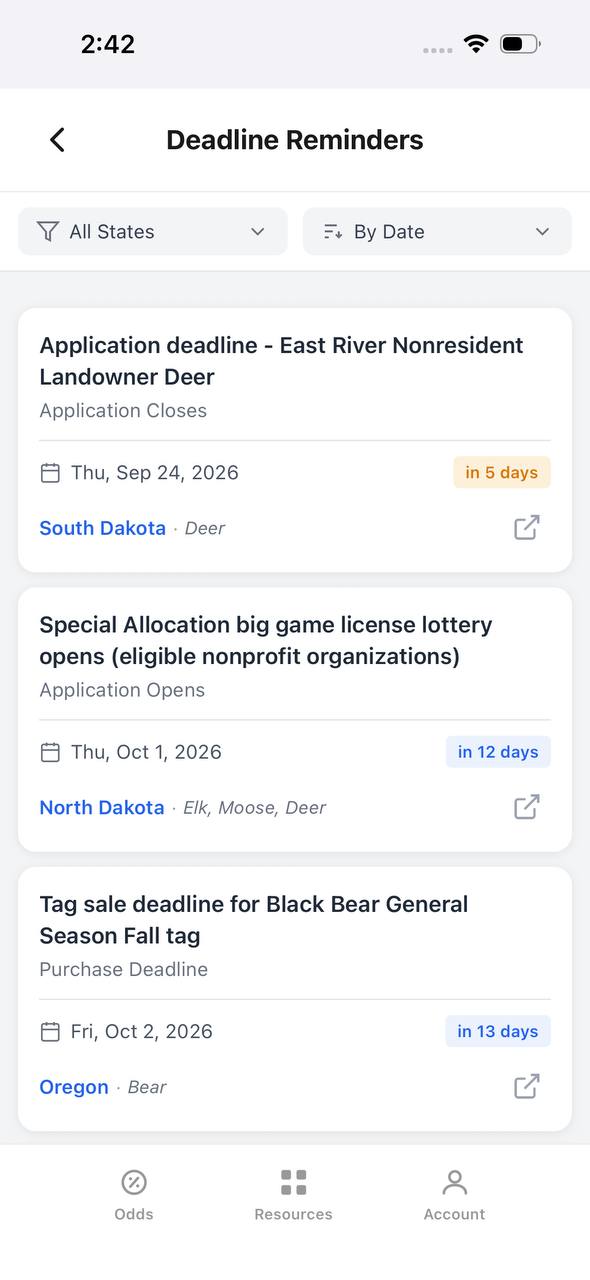
- Deadline reminders
- 18 states covered

Free to join
Download mobile app
- Detailed draw odds
- Point tracking
- Deadline reminders
- 18 states covered
Free to join
Download mobile app
- Detailed draw odds
- Point tracking
- Deadline reminders
- 18 states covered
Sight Setup and Ranging
Most elk hunters use multi-pin sights with pins at 20, 30, 40, 50, and sometimes 60 yards. Single-pin adjustable sights offer uncluttered sight pictures and work well for spot-and-stalk hunting where you have time to range and dial. For faster shots in timber or while calling, fixed multi-pin sights are faster.
Pin size matters. Larger pins (0.019 or 0.029) are easier to see in low light but cover more of the target at distance. Smaller pins (0.010) give precision at long range but can be hard to find in dark timber. Many hunters compromise with 0.019 pins, which balance visibility and precision.
Rangefinders are non-negotiable for elk hunting. Even experienced bowhunters struggle to judge distance accurately in open country where a bull may be 35 or 55 yards with no reference points. Laser rangefinders that read to 1,000+ yards and compensate for angle give exact distances instantly. Practice ranging rocks, trees, and terrain features so you can range quickly when a bull appears.
Practice at the distances you will actually shoot. Most elk are killed inside 40 yards, but you should be confident to 60 yards in case a bull hangs up. Shoot uphill and downhill. Elk country is steep, and a 45-degree shot at 50 yards requires a different hold than a flat-ground shot at the same distance.
Release Aids and Shooting Form
Most elk bowhunters use wrist-strap releases for consistency and speed. Handheld thumb or back-tension releases offer cleaner breaks and better accuracy for some shooters, but they are slower to deploy and require more practice. Wrist releases allow you to grab, draw, and shoot quickly when a bull steps into a narrow shooting lane.
Choose a release with adjustable trigger tension. Too light and you risk punching the trigger under pressure. Too heavy and you will fight to break the shot cleanly. Most hunters settle around 2-3 pounds of trigger pull. Practice with the same release you hunt with, not a different model at the range.
Shooting form breaks down under adrenaline. Practice shooting after physical exertion. Sprint uphill, do burpees, or hike hard, then shoot immediately. This simulates what happens when you hike two miles to cut off a bull and he appears at 40 yards while your heart is hammering. Your form will collapse if you have not trained for it.
Practice drawing from realistic positions — kneeling, sitting, bent at the waist behind a log. Elk rarely cooperate by standing in open meadows while you take a perfect standing shot. Most shots happen in timber with branches everywhere, forcing awkward angles and quick decisions.
Arrow Rest and Containment
Full-containment rests like the Hamskea or QAD Integrate are popular for elk hunting because they lock the arrow in place during the draw. This prevents arrow drop if you have to let down or move suddenly. Drop-away rests like the QAD Ultra Rest or Ripcord fall away at the shot, eliminating fletching contact and improving accuracy.
Biscuit-style rests are quieter and more forgiving but create more fletching contact. For spot-and-stalk hunting where you may carry your bow for hours, full containment is worth the slight accuracy tradeoff. For blind hunting or stand hunting where the bow hangs on a hook, drop-aways are often more accurate.
Test your rest by drawing and holding at full draw for 30 seconds while moving the bow in small circles. If the arrow rattles, slides, or falls off, adjust the launcher or choose a different rest. An arrow falling off at full draw while a bull walks past at 30 yards ends your hunt instantly.
Free to join
Download mobile app
- Detailed draw odds
- Point tracking
- Deadline reminders
- 18 states covered
Free to join
Download mobile app
- Detailed draw odds
- Point tracking
- Deadline reminders
- 18 states covered
Free to join
Download mobile app
- Detailed draw odds
- Point tracking
- Deadline reminders
- 18 states covered
Stabilizers and Vibration Dampening
Stabilizers reduce bow torque, absorb vibration, and balance the bow for steadier aiming. Most elk hunters run a front stabilizer (8-12 inches) and sometimes a rear stabilizer or side bar for added balance. Longer stabilizers (10-12 inches) hold steadier at full draw but catch branches in thick timber.
Shorter stabilizers (6-8 inches) are maneuverable but provide less steadiness. Many hunters compromise with a 10-inch front bar, which balances mobility and stability. Add weight to the front bar if your bow feels nose-light or if you tend to drop your pin at the shot. Remove weight if the bow feels sluggish or hard to hold up after hiking.
Vibration dampeners and limb silencers reduce noise and hand shock. Elk have sharp hearing, and a loud bow can spook nearby animals even after a good shot. Dampeners also reduce fatigue over long shooting sessions. Products like Limbsavers, Bee Stingers, or custom dampening systems make bows quieter and more pleasant to shoot.
Practice Routine Leading Up to Your Hunt
Start practicing three months before your hunt. Shoot 20-30 arrows three to four times per week. Focus on form, not volume. Shooting 100 arrows with poor form ingrains bad habits. Shooting 25 arrows with perfect execution builds confidence.
One month out, shift to hunting scenarios. Shoot from kneeling, sitting, and awkward positions. Range targets without looking, then verify with your rangefinder. Practice shooting after hiking uphill or doing exercises to simulate hunting fatigue. Shoot in low light at dawn and dusk when most elk movement happens.
Two weeks before the hunt, verify your gear is silent. Walk through brush with your bow and listen for rattles, clicks, or squeaks. Tape or pad anything that makes noise. Check all screws, especially sight and rest mounting bolts. Carry a spare release and extra nocks in your pack.
The week before your hunt, shoot every other day. Do not overthink mechanics. Trust your practice and focus on building confidence. Shoot one or two arrows at realistic hunting distances (30-40 yards), then stop. You are staying sharp, not training.
Using TAGZ to Plan Your Elk Bowhunts
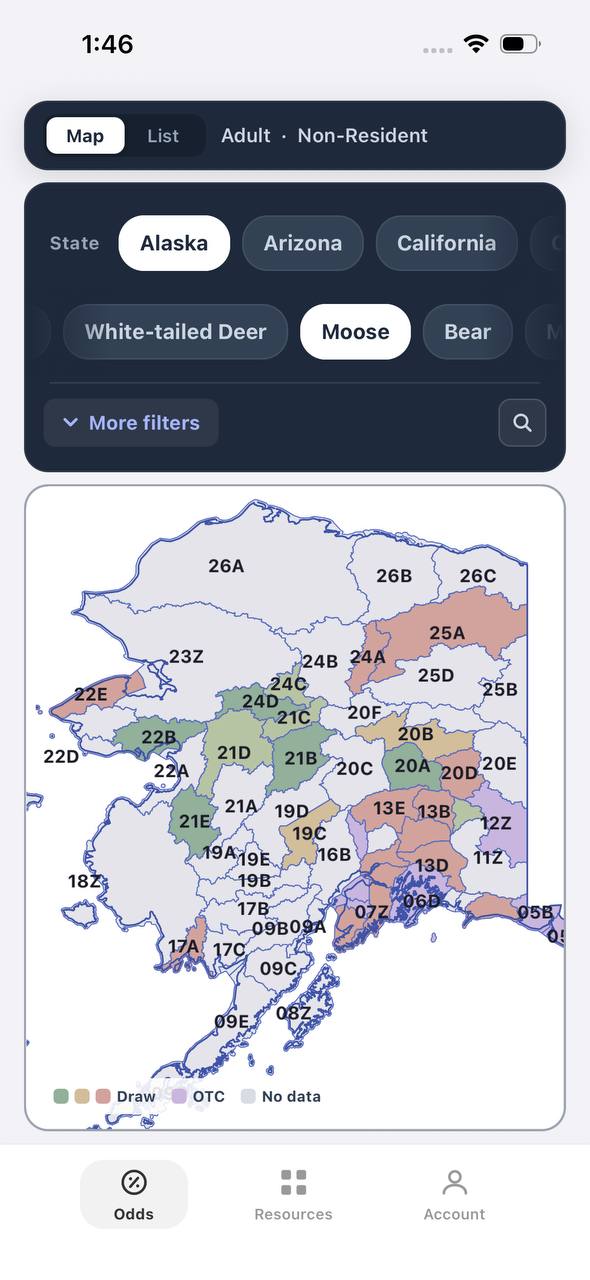
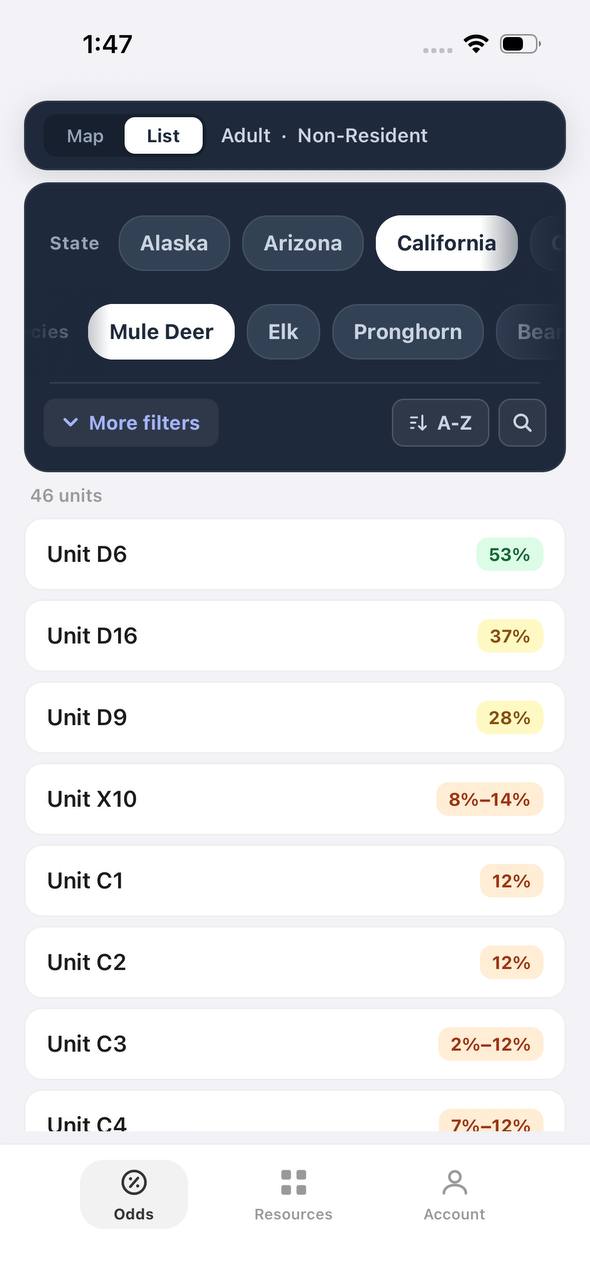
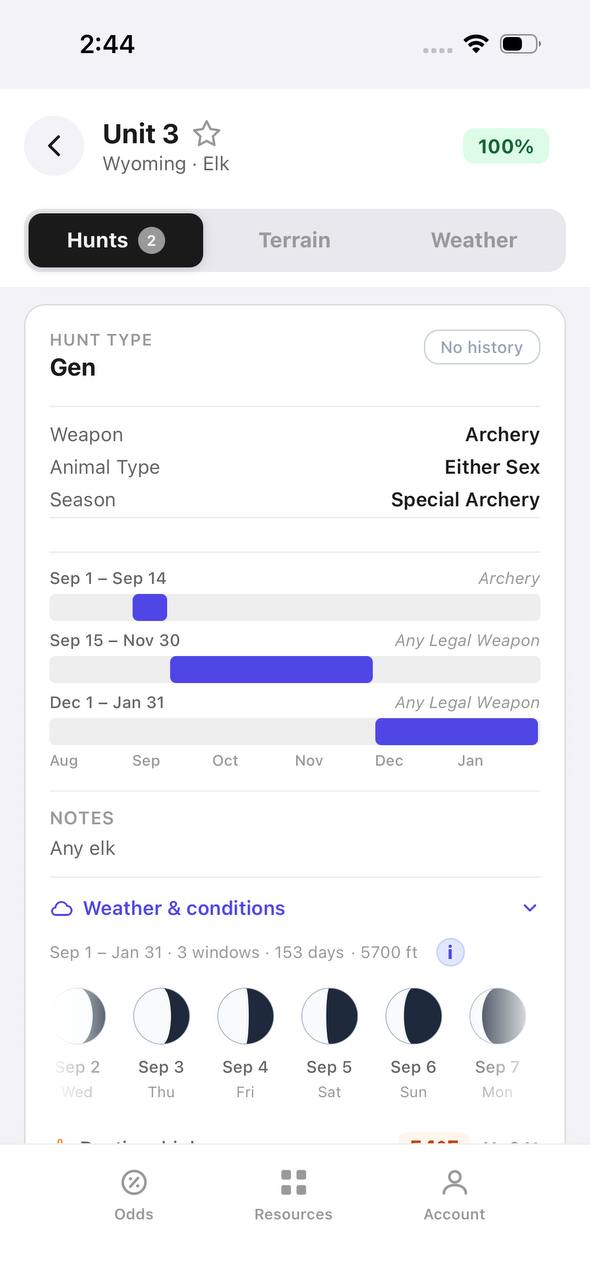
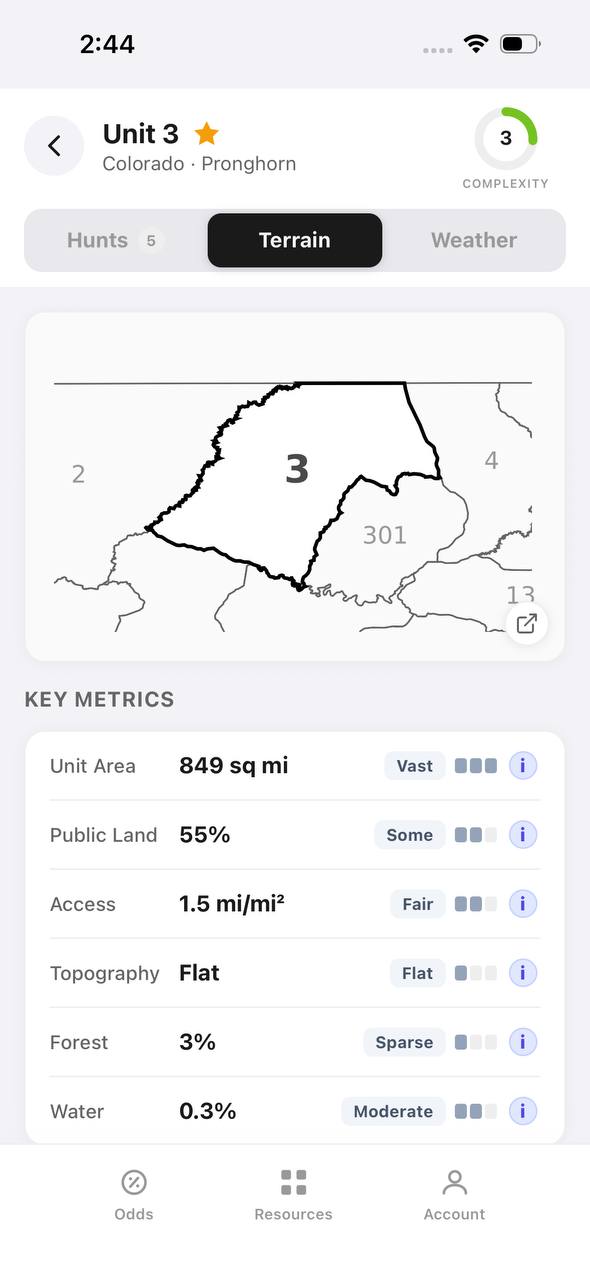
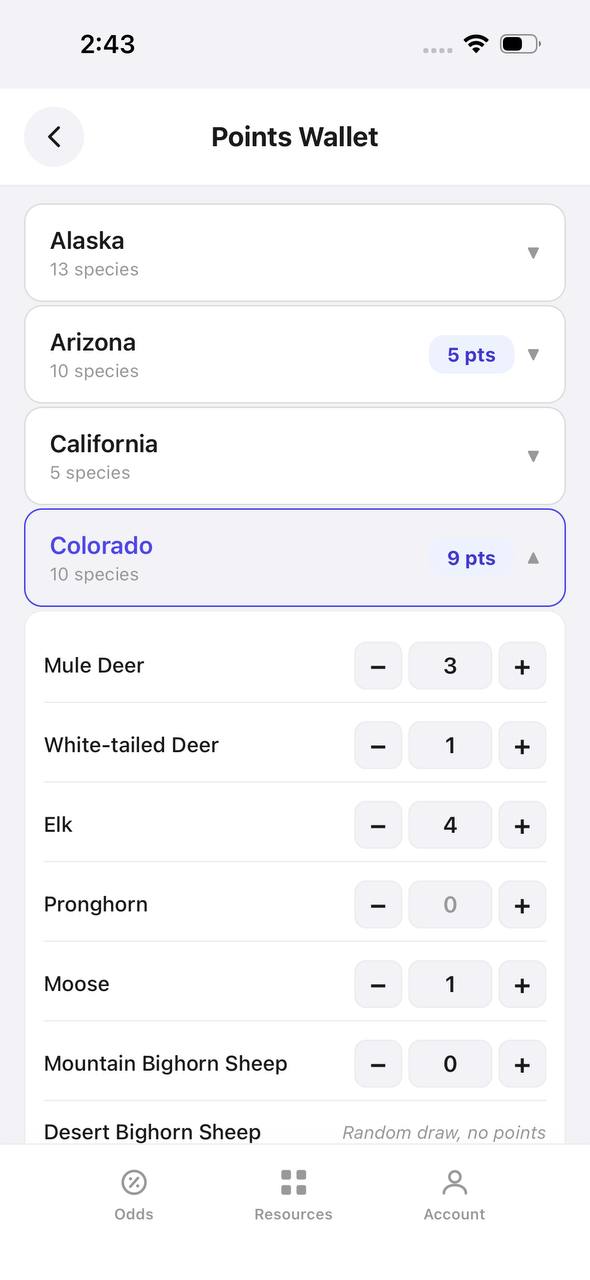
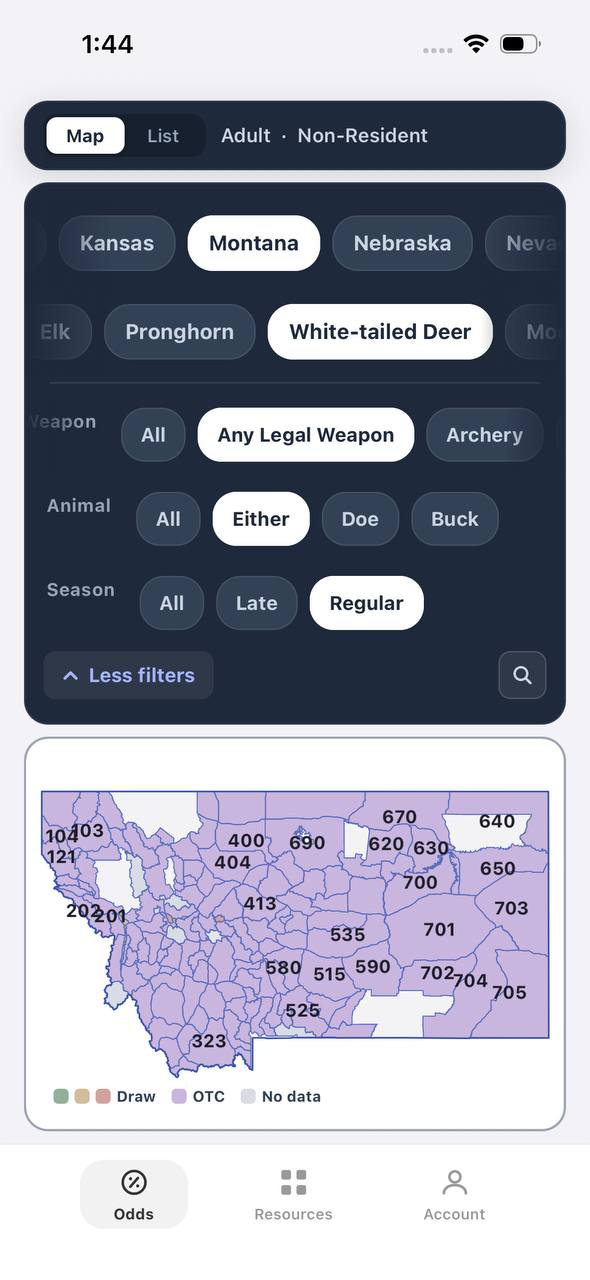
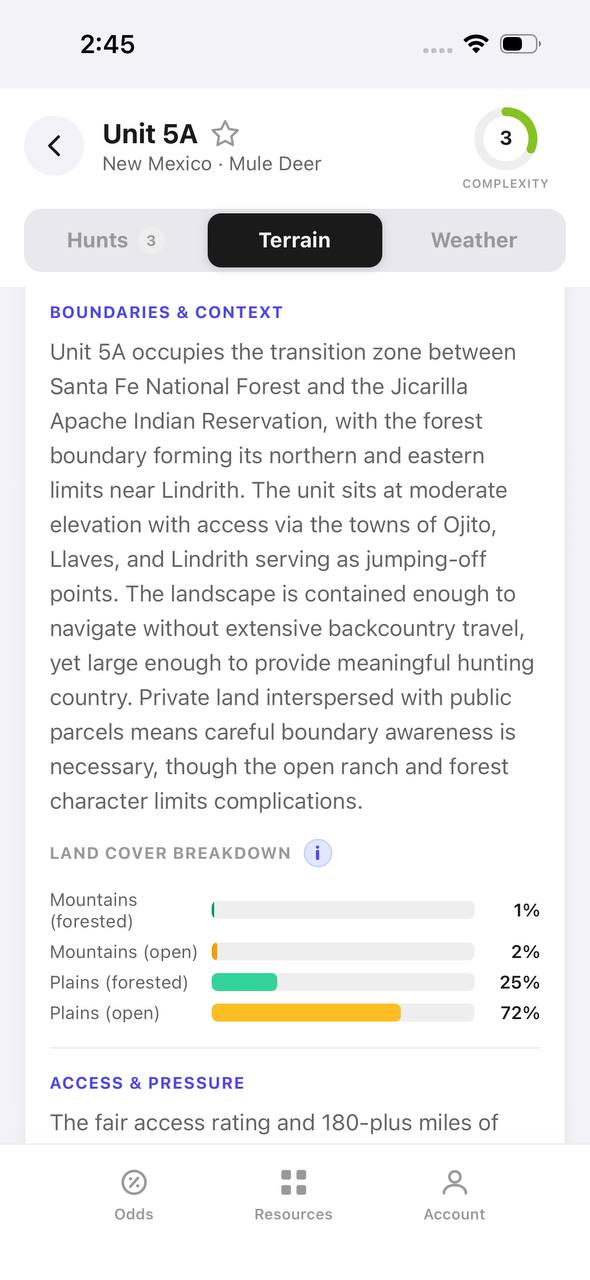
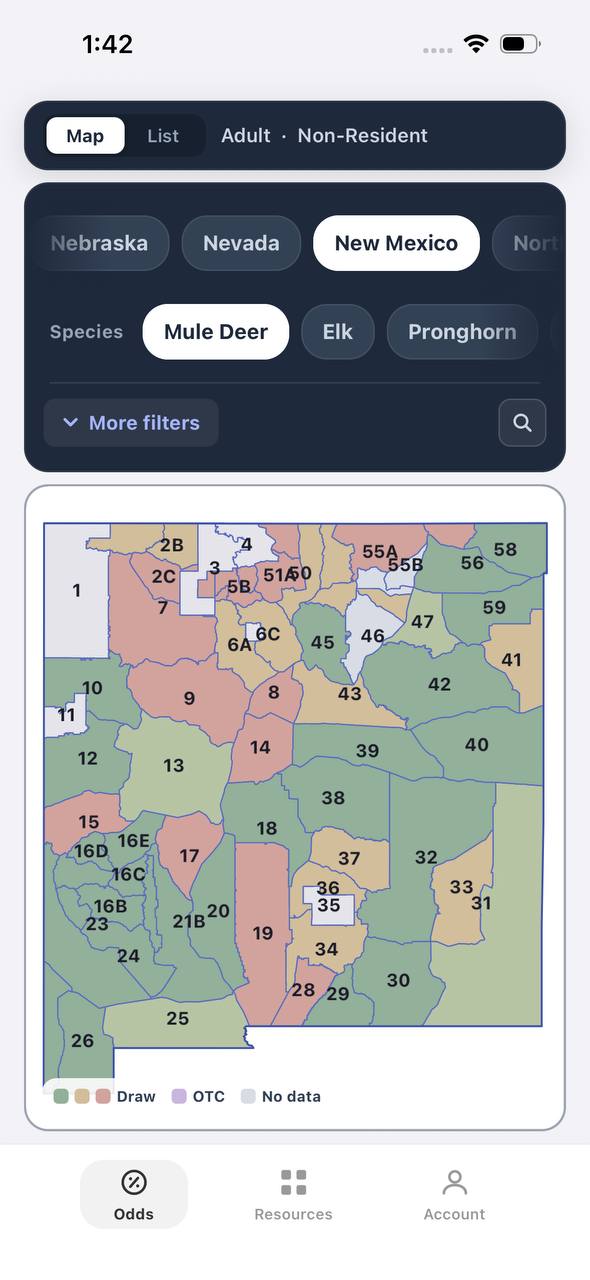
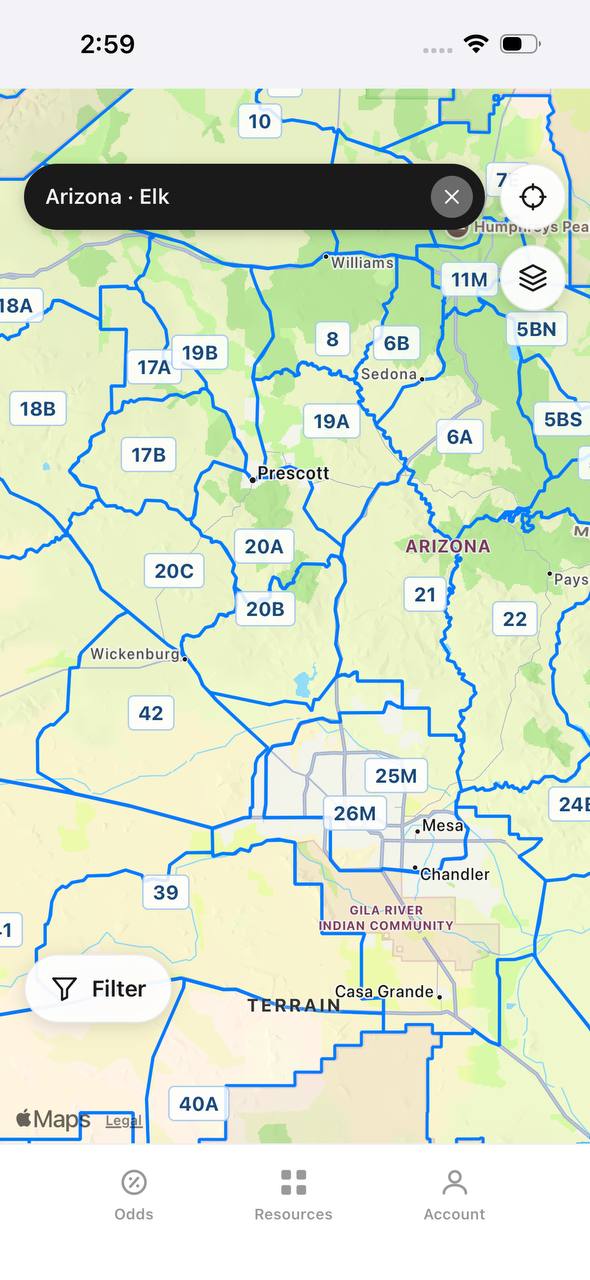
TAGZ helps bowhunters compare elk units side by side using terrain maps, unit boundaries, and historical draw data. Whether you are chasing OTC tags in Colorado or burning points on a limited-entry Montana unit, TAGZ tracks your preference points and bonus points across multiple states so you never miss a draw deadline. Filter units by weapon type, season dates, and species to find hunts that match your skill level and available time.
Most bowhunters face the same challenge: limited time and too many options. TAGZ simplifies the decision-making process by showing you which units offer realistic draw odds for your point totals, where public land access is best, and which seasons align with peak rut activity. The platform breaks down terrain features so you can identify ridge systems, water sources, and glassing points before you ever step into the field.
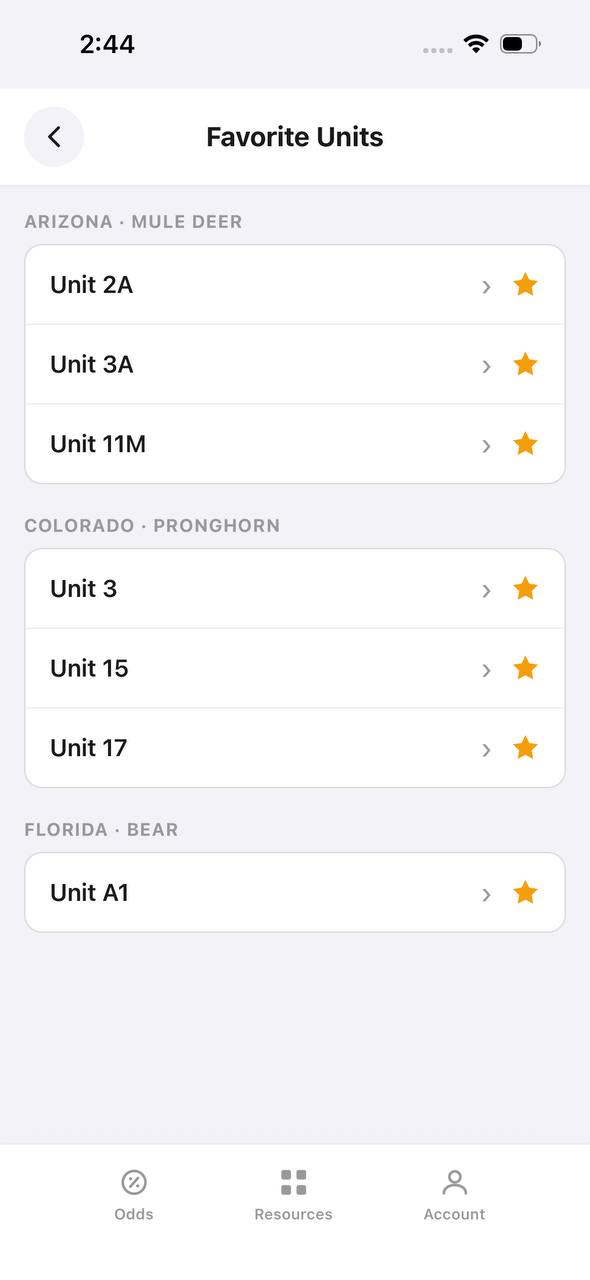
If you are applying in multiple states, TAGZ keeps everything organized in one place. Track application deadlines, monitor point totals, and compare units across Wyoming, Montana, Idaho, and Colorado without juggling spreadsheets or state websites. This allows you to spend more time shooting your bow and less time researching draw systems.
Free to join
Download mobile app
- Detailed draw odds
- Point tracking
- Deadline reminders
- 18 states covered
Free to join
Download mobile app
- Detailed draw odds
- Point tracking
- Deadline reminders
- 18 states covered
Free to join
Download mobile app
- Detailed draw odds
- Point tracking
- Deadline reminders
- 18 states covered
Field Maintenance and Backup Gear
Elk country is hard on equipment. Carry spare nocks, a spare release, and allen wrenches in your pack. Nocks crack when arrows hit rocks or hard ground. Releases fail from dirt, moisture, or mechanical wear. A stripped sight screw or loose rest can end your hunt instantly if you cannot fix it.
Most hunters carry a small bow-specific tool kit: allen wrenches for sight and rest adjustments, extra nocks, spare release, string wax, and a few zip ties. Check your bow every evening after hunting. Inspect strings, cables, and serving for wear. Wax strings in camp if they look dry. Retighten screws if anything feels loose.
If your string or cable breaks in the field, your hunt is over unless you packed a backup. Some hunters carry a backup bow in camp or in their truck. Others carry a takedown recurve as insurance. Realistically, most hunters do not carry backup bows on backcountry hunts. Instead, they inspect their equipment obsessively and avoid taking shots that could damage gear.
After the hunt, send your bow to a shop for inspection and restring if you shot frequently or exposed it to extreme conditions. Strings typically last 2-3 years or 1,000-2,000 shots. Cables last slightly longer. Replace them before failure, not after.
Shot Placement and Tracking Decisions
Even perfect gear means nothing if shot placement is poor. The ideal shot is broadside or slightly quartering away, with the arrow entering behind the shoulder and exiting through the opposite shoulder. This destroys both lungs and often the top of the heart, resulting in quick kills and short tracking jobs.
Quartering-toward shots are risky. The arrow must penetrate heavy shoulder bone, and the path to vitals is narrow. Pass unless the angle is slight and you are confident your setup has enough kinetic energy. Frontal shots are low-percentage. Pass them.
After the shot, watch the arrow impact and listen for the hit. A loud crack suggests bone. A softer thump suggests vitals. Blood on the arrow tells the story: bright red frothy blood means lung hit. Dark red blood suggests liver or muscle. Little or no blood suggests a marginal hit. Wait at least 30 minutes before tracking a lung-shot bull. Wait 4-6 hours for liver or gut shots to avoid pushing the animal.
Blood trails in elk country can be sparse, especially in dry conditions or heavy cover. Mark the last blood with flagging tape and search in expanding circles. Elk often travel downhill when wounded, toward water or thick cover. Glass ahead for the animal before walking forward. Pushing a wounded bull too soon can cost you the animal entirely.
Continue Planning Your Hunt
Building a reliable elk bow setup takes time and attention to detail, but the confidence it provides is worth the effort. Every component, from draw weight to broadheads, works together to deliver arrows where you aim under realistic hunting conditions.
Ready to turn that setup into a successful hunt? Create a free TAGZ account at getmytagz.com to compare elk units across multiple states, track your preference points, and plan applications for the 2026 season. The platform shows you which units match your gear, skill level, and available time, so you can focus on practicing instead of researching draw systems.
For more insights on elk hunting strategies, trophy potential, and unit-specific breakdowns, explore the full library of articles at TAGZ Insights. You will find detailed guides on OTC opportunities, limited-entry tactics, and how to maximize your odds in every Western state.
If you are ready to get serious about planning hunts efficiently, check out TAGZ Pricing to see which membership level fits your hunting style. From casual OTC hunters to multi-state applicants chasing once-in-a-lifetime tags, TAGZ provides the tools to make smarter decisions before you ever step into the field.
FAQ — Elk Bow Setup
What draw weight is best for elk hunting? Most elk bowhunters shoot 60-70 pounds, which balances penetration and accuracy. Choose a weight you can shoot accurately for 30-40 arrows in a practice session without form breakdown.
Should I use fixed-blade or mechanical broadheads for elk? Both work if matched to your setup. Fixed blades like Slick Trick or Iron Will penetrate reliably and never fail mechanically. Mechanicals like Rage fly like field points and create larger wound channels but can fail on impact.
What total arrow weight should I use for elk? Most hunters use 450-500 grain arrows. Heavier arrows (500+ grains) penetrate better, while lighter arrows (400-450 grains) shoot flatter. Choose based on your bow speed and maximum expected shot distance.
How important is bow tuning for elk hunting? Critical. A poorly tuned bow will not group broadheads with field points, leading to missed shots or poor hits. Paper tune first, then verify broadheads group with field points at 40 yards.
Do I need a rangefinder for elk bowhunting? Yes. Judging distance accurately in open country is nearly impossible. A quality rangefinder that compensates for angle gives exact distances instantly, which is essential for clean kills at 30-60 yards.
What is the best practice routine before an elk hunt? Start three months out shooting 20-30 arrows three to four times per week. One month out, shift to hunting scenarios: shooting from kneeling, after physical exertion, and in low light. Two weeks out, verify your gear is silent and carry backup equipment.
How does TAGZ help bowhunters plan elk hunts? TAGZ helps you compare elk units side by side using terrain maps, unit boundaries, and historical draw data. Track your preference points and bonus points across multiple states, filter by bow-only seasons, and identify units with realistic draw odds for your point totals.
Was this article helpful?
Previous
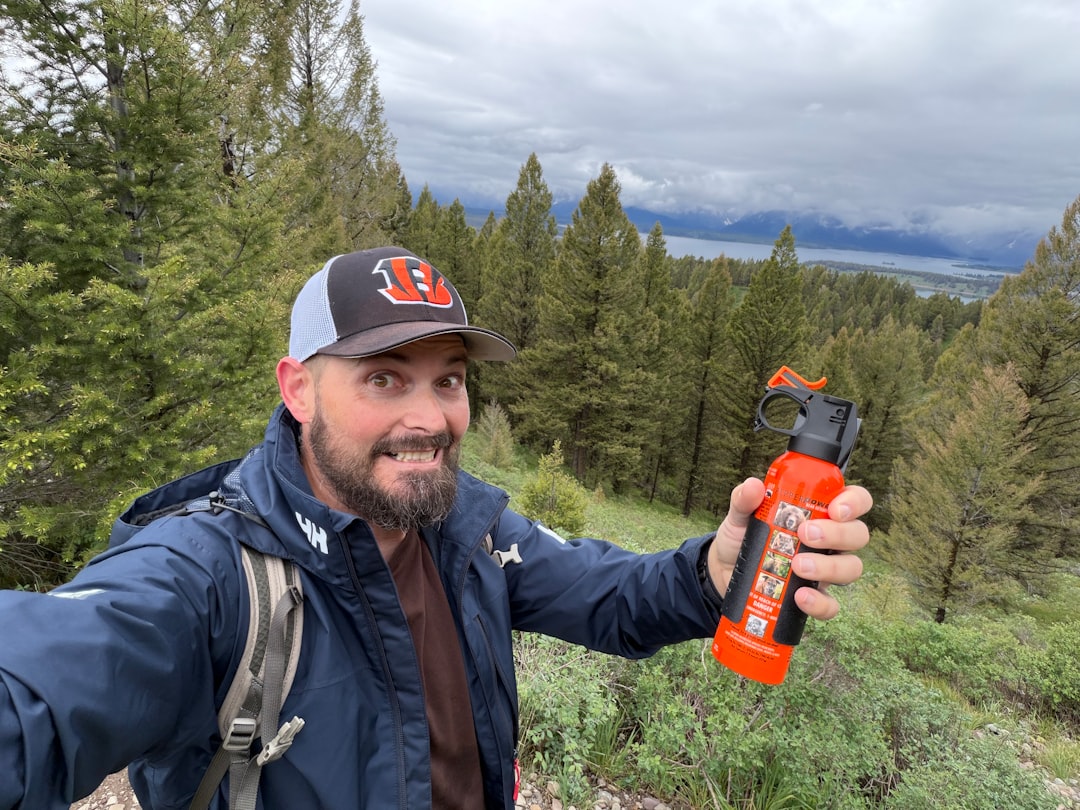
Mountain Safety for Elk Hunting: Essential Gear, Skills, and Strategies
Elk hunting takes you into rugged, remote mountain country where weather, terrain, and wildlife create serious hazards. This guide covers the critical safety skills, gear, and decision-making strategies that keep elk hunters safe from preparation through pack-out.
Related
Berger Hybrid Hunter vs Nosler AccuBond: Which Bullet for Western Big Game?
Berger Hybrid Hunters deliver exceptional long-range precision and devastating terminal performance through fragmentation, while Nosler AccuBonds offer proven weight retention and controlled expansion across all impact velocities. Both are proven performers — your choice depends on shot distance, game size, and terminal performance priorities.
Next
Best .300 PRC Elk Ammo: Top Factory Loads for 2026
The .300 PRC delivers controlled expansion and deep penetration on elk at extended ranges. We tested the top factory loads — from Hornady ELD-X to Federal Terminal Ascent — and break down which ammunition performs best for bulls in the high country.