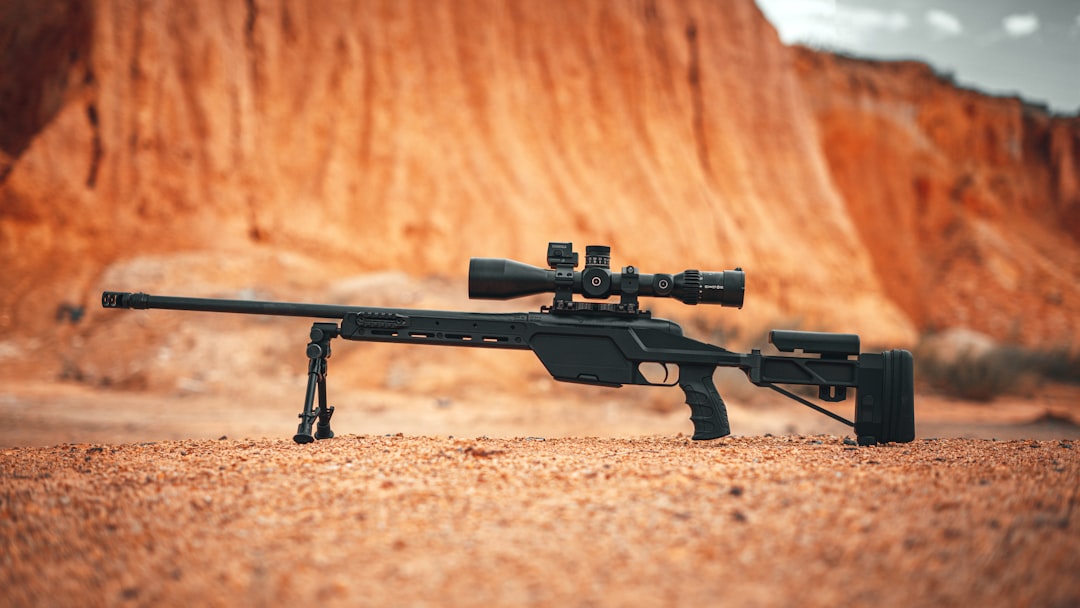
The .300 PRC earned its reputation fast among Western elk hunters who need cartridge performance that matches the stakes. You are sending a bullet across a canyon or threading a shot through timber at 450 yards, and you need controlled expansion without catastrophic fragmentation. The question is not whether the .300 PRC can kill an elk — it absolutely can — but which factory load gives you the best balance of velocity retention, terminal performance, and consistency across hunting distances.
We broke down the top .300 PRC elk loads based on real-world field performance, terminal ballistics testing, and experience across multiple elk seasons in Colorado, Montana, Wyoming, and Idaho.
What Makes a .300 PRC Load Work on Elk
Elk are tough animals. A mature bull can weigh 700 pounds, and they absorb punishment better than mule deer or pronghorn. The ideal elk bullet needs three things: enough weight to drive through heavy bone and shoulder muscle, controlled expansion that creates a wide wound channel without blowing apart on impact, and retained velocity that keeps energy high past 400 yards.
The .300 PRC launches 200- to 225-grain bullets at 2,800 to 2,900 feet per second. That combination gives you around 3,900 foot-pounds of energy at the muzzle and over 2,000 foot-pounds at 500 yards — well above the threshold for clean elk kills. Factory ammunition has caught up with handloads in quality, so you can grab a box off the shelf and trust it to perform when a bull steps into a shooting lane.
Hornady Precision Hunter 212-Grain ELD-X
Hornady built the .300 PRC cartridge, and their 212-grain ELD-X remains the benchmark factory load for elk hunters. The ELD-X (Extremely Low Drag eXpanding) bullet combines a high ballistic coefficient (0.663 G1) with a Heat Shield tip that resists deformation in flight. That means predictable trajectory and retained velocity past 600 yards.
Terminal performance is where the ELD-X shines on elk. The bullet expands consistently between 1,600 and 2,800 feet per second — a wide performance window that covers most hunting distances. At 300 yards, you get controlled mushrooming with 70 to 80 percent weight retention. At 500 yards, expansion slows but penetration increases, giving you deep wound channels through the vitals.
Field reports from multiple elk seasons confirm the ELD-X drops bulls quickly when you put it through the boiler room. Expect quarter-sized exit wounds on broadside shots and full penetration on angling presentations. The only downside is jacket separation on close-range shoulder shots under 150 yards, but that is rare in mountain hunting where most shots happen beyond 250 yards.
Federal Premium Terminal Ascent 200-Grain
Federal designed the Terminal Ascent specifically for long-range hunting on tough game, and the 200-grain .300 PRC load delivers exactly that. The bullet features a bonded core that prevents jacket separation, a Slipstream polymer tip that improves ballistic coefficient (0.608 G1), and AccuChannel grooves that reduce bearing surface and increase velocity.
What sets the Terminal Ascent apart for elk is bonded-core construction. The copper jacket stays locked to the lead core through impact, which means you get deep, straight-line penetration even when you hit heavy shoulder bone. Weight retention averages 90 to 95 percent, and the bullet holds together on quartering-toward shots that would fragment lighter bullets.
Velocity runs slightly higher than the Hornady load — Federal lists 2,950 feet per second at the muzzle — so you gain a flatter trajectory inside 400 yards. The bonded core limits expansion compared to the ELD-X, which some hunters prefer for better blood trails and faster kills. Others want maximum penetration on steep angles and heavy bone, which is where the Terminal Ascent excels.
Barnes Vor-TX LR 190-Grain LRX
Barnes copper bullets have a loyal following among elk hunters who want guaranteed penetration and minimal meat damage. The 190-grain LRX (Long-Range X-Bullet) is an all-copper hollow-point designed to expand reliably at both high and low impact velocities. The polymer tip initiates expansion, and four copper petals peel back to create a wide wound channel while the bullet shank drives straight through vitals.
Copper construction means 100 percent weight retention — the bullet does not shed fragments or lose mass. You recover the entire projectile on the far side, often still holding together in a classic mushroom shape. This makes the LRX ideal for steep-angle shots where you need to punch through shoulder, rib, and lung without deflection.
The trade-off is lower ballistic coefficient (0.563 G1) compared to lead-core bullets. Wind drift increases past 400 yards, and you lose about 200 feet per second of velocity at 500 yards compared to the ELD-X. But if you are hunting California, where lead ammunition is banned, or you prefer copper for environmental reasons, the Barnes LRX is the best .300 PRC option for elk.
Free to join
Download mobile app
- Detailed draw odds
- Point tracking
- Deadline reminders
- 18 states covered


Free to join
Download mobile app
- Detailed draw odds
- Point tracking
- Deadline reminders
- 18 states covered
Free to join
Download mobile app
- Detailed draw odds
- Point tracking
- Deadline reminders
- 18 states covered

Nosler AccuBond Long Range 210-Grain
Nosler bridges the gap between the Hornady ELD-X and Federal Terminal Ascent with the 210-grain AccuBond Long Range. The bullet uses a bonded core for high weight retention (80 to 90 percent) and a polymer tip that boosts ballistic coefficient to 0.730 G1 — the highest on this list. That translates to less wind drift and better velocity retention at extreme distances.
The AccuBond LR expands aggressively between 1,300 and 3,200 feet per second, making it effective on elk from 100 to 600 yards. Bonded-core construction prevents jacket separation on shoulder hits, but the bullet still mushrooms wide enough to create significant wound channels. Hunters report fast kills on broadside shots and reliable penetration on quartering-away angles.
Availability can be spotty compared to Hornady and Federal, and price per box runs higher. But if you are dialing shots past 500 yards in open basins or alpine bowls, the AccuBond LR delivers flatter trajectories and less holdover than any other factory .300 PRC load.
Hornady Outfitter 190-Grain CX
Hornady markets the Outfitter line as weatherproof ammunition with nickel-plated cases and sealed primers, but the real story is the 190-grain CX bullet. The CX is an all-copper monolithic hollow-point similar to the Barnes LRX, designed for deep penetration and reliable expansion across a wide velocity range.
The CX features Hornady's Heat Shield tip and a higher ballistic coefficient (0.597 G1) than the Barnes LRX despite identical construction. You get slightly better long-range performance and less wind drift past 400 yards. Terminal performance mirrors the Barnes — four copper petals peel back, the shank holds together, and you recover the entire bullet after punching through both shoulders.
This is the load to grab if you are hunting in wet conditions, crossing rivers on horseback, or packing into backcountry camps where ammunition sits in a damp pack for days. The sealed case mouth and primer crimp keep moisture out, and the nickel-plated brass cycles smoother in cold bolt actions. Performance on elk matches the Barnes LRX, so choose based on availability and preference for Hornady over Barnes.
Federal Premium Trophy Copper 200-Grain
Federal offers a second option for copper-bullet hunters with the Trophy Copper line. The 200-grain .300 PRC load uses a monolithic copper hollow-point with a polymer tip and a unique cavity design that promotes consistent expansion. Federal rates the bullet effective down to 1,500 feet per second impact velocity, giving you a wide performance window on elk from 50 to 500 yards.
The Trophy Copper weighs 10 grains more than the Barnes LRX, which improves sectional density and penetration on heavy bone. Ballistic coefficient sits at 0.574 G1 — middle of the pack for copper bullets — so trajectory and wind drift fall between the Barnes and Hornady Outfitter loads.
Field performance on elk is excellent. The bullet expands aggressively enough to create softball-sized wound channels through the lungs, but the all-copper construction guarantees straight-line penetration even on quartering shots. Exit wounds are typically quarter-sized, and blood trails are easy to follow. Federal prices the Trophy Copper competitively with Barnes, so availability often determines which one ends up in your rifle.
Choosing the Right Load for Your Elk Hunt
The best .300 PRC elk ammunition depends on the hunt scenario. If you are hunting open basins and taking shots past 400 yards, prioritize high ballistic coefficient and velocity retention — the Hornady 212-grain ELD-X or Nosler 210-grain AccuBond LR. If you are threading shots through dark timber at steep angles where you need guaranteed penetration through shoulder bone, choose a bonded-core or all-copper bullet like the Federal Terminal Ascent or Barnes LRX.
For hunters who want a single do-it-all load that handles every elk scenario, the Hornady 212-grain ELD-X remains the gold standard. It shoots flat, expands reliably, and drops bulls quickly at distances from 150 to 600 yards. The Federal Terminal Ascent runs a close second for hunters who prefer bonded cores and maximum penetration.
All six loads listed here will kill elk cleanly when you put the bullet in the vitals. The differences come down to terminal performance preferences, ballistic coefficient trade-offs, and whether your state requires lead-free ammunition. Test multiple loads in your rifle to confirm accuracy and zero, then practice shooting from field positions at distances that match your hunting terrain.
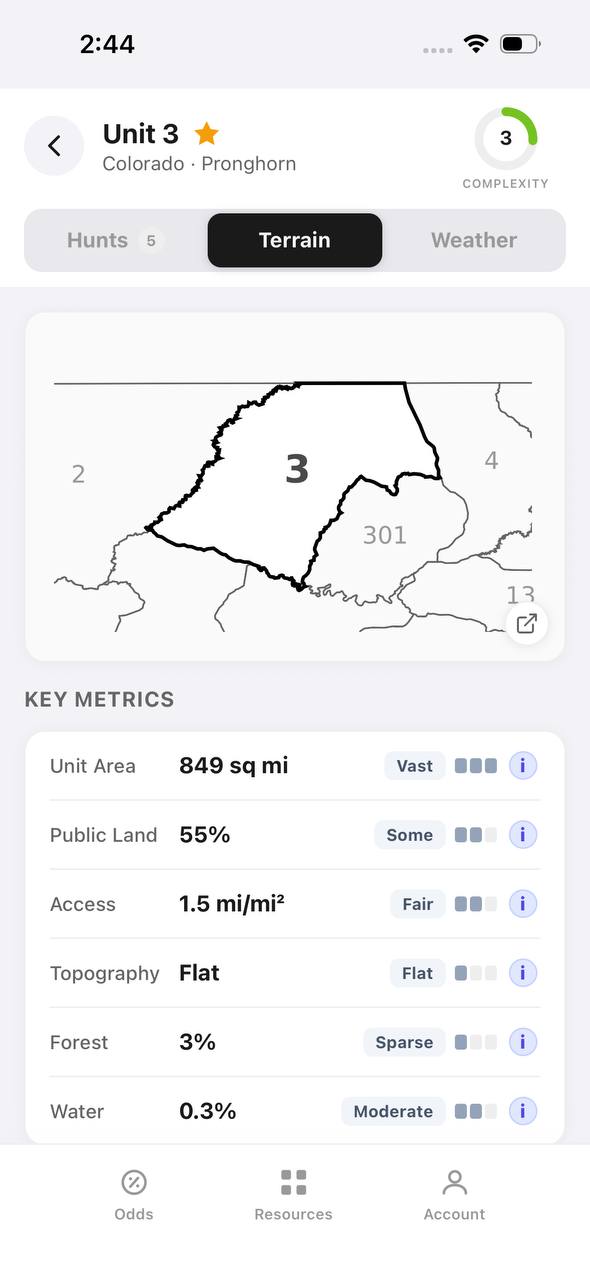
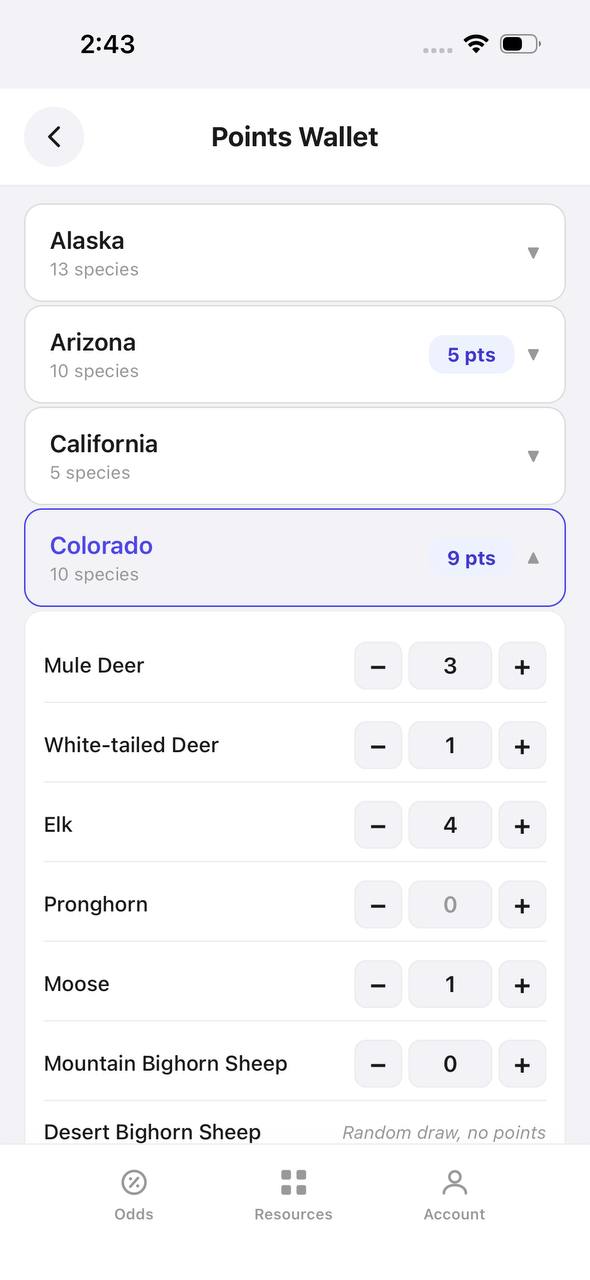
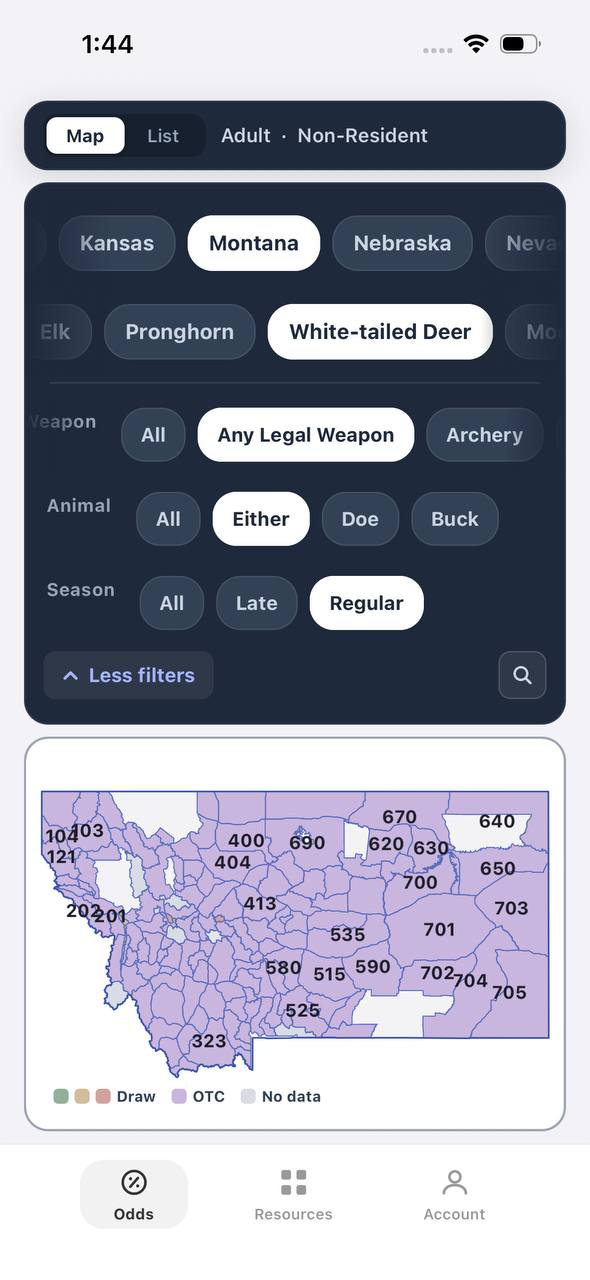
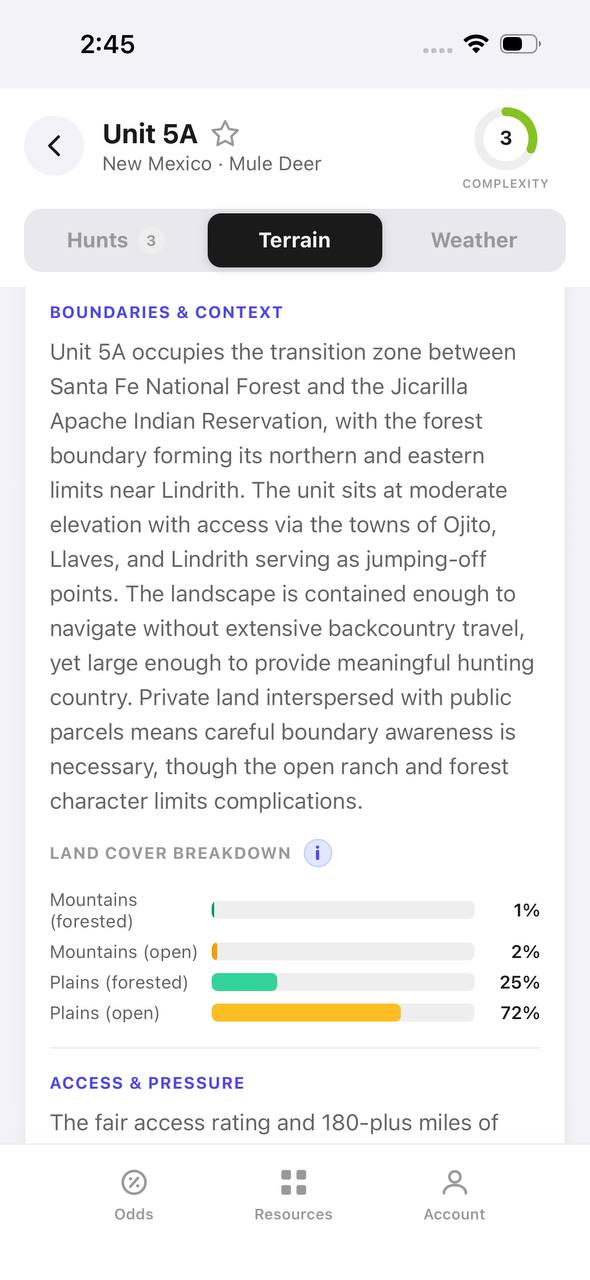
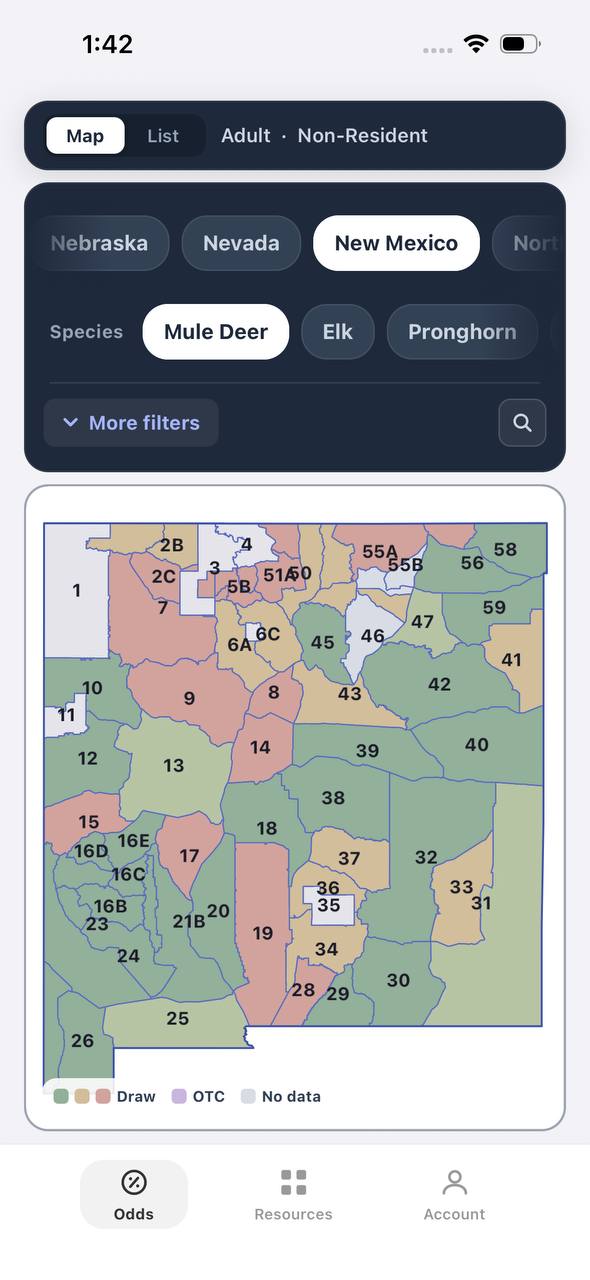
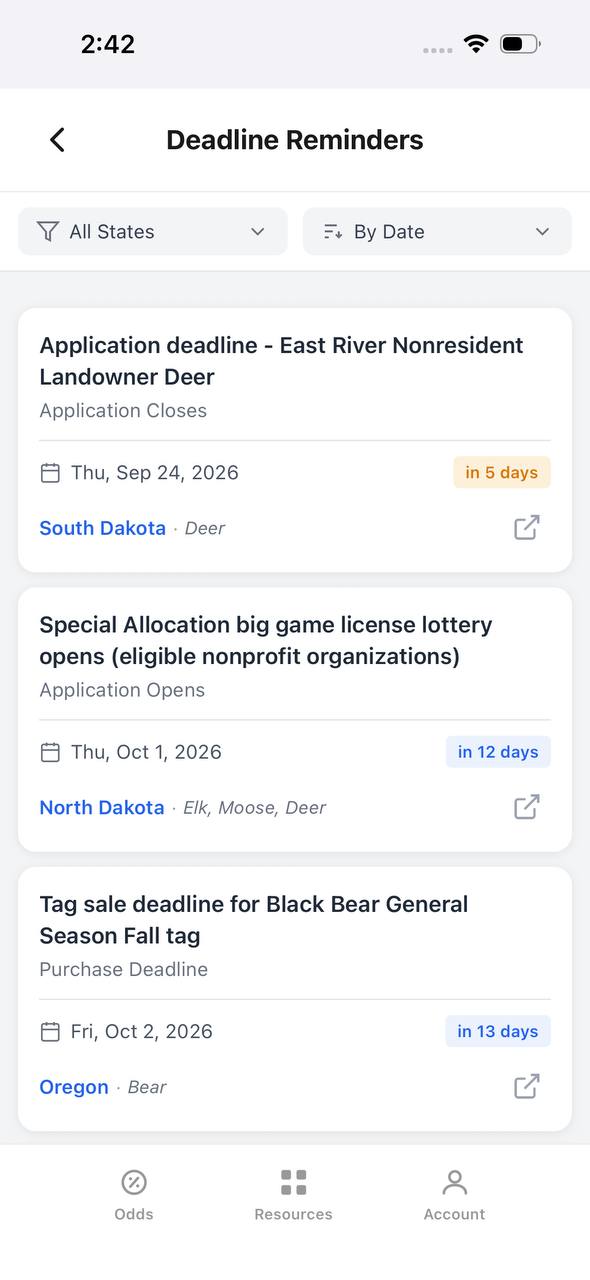
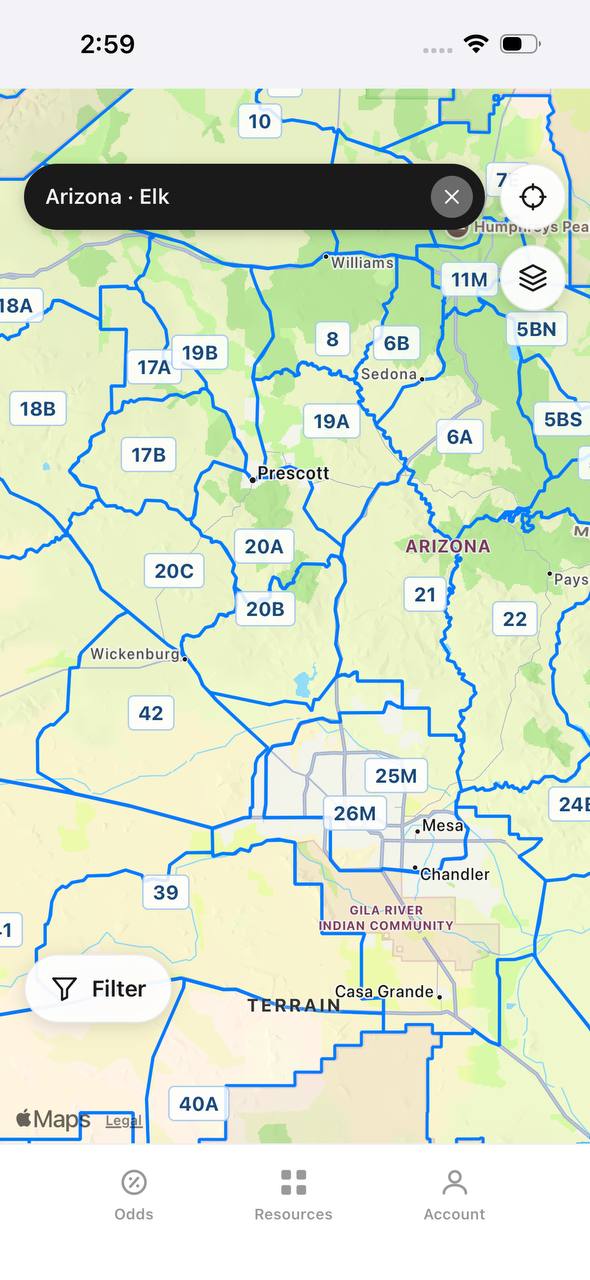
TAGZ helps you identify the best elk units for your draw strategy by comparing terrain maps, public land boundaries, and historical draw odds. Whether you are chasing OTC tags in Colorado or building preference points for a limited-entry hunt in Wyoming, TAGZ gives you the tools to plan smarter hunts before you ever load your rifle. Track preference points across multiple states, set draw deadline reminders, and filter units by weapon type, season, and trophy potential so you never miss an opportunity.
FAQ — .300 PRC Elk Ammo
What is the best all-around .300 PRC factory load for elk? The Hornady Precision Hunter 212-grain ELD-X delivers the best balance of velocity retention, controlled expansion, and terminal performance from 150 to 600 yards. It is accurate, widely available, and consistently drops elk with well-placed shots.
Do I need bonded-core bullets for elk with a .300 PRC? No. The .300 PRC generates enough energy that standard cup-and-core bullets like the ELD-X perform well on broadside shots. Bonded cores like the Federal Terminal Ascent offer an advantage on steep-angle presentations and heavy shoulder bone, but they are not required for clean kills.
How far can I shoot elk with factory .300 PRC ammunition? Most factory loads maintain over 2,000 foot-pounds of energy past 500 yards, which is well above the threshold for ethical elk kills. Practical shooting distance depends more on your ability to make precise hits from field positions than cartridge performance. Practice out to 400 yards and confirm your zero before hunting.
Are copper bullets better than lead-core bullets for elk? Copper bullets like the Barnes LRX and Hornady CX guarantee 100 percent weight retention and straight-line penetration through heavy bone. Lead-core bullets like the ELD-X expand wider and create larger wound channels. Both work well on elk — choose copper if your state requires it or you prefer guaranteed penetration on steep angles.
What is the best budget .300 PRC elk load? Hornady Precision Hunter ELD-X runs about $50 to $60 per box of 20 and delivers premium performance. Federal Premium Terminal Ascent costs slightly more but offers bonded-core construction. Budget offerings from Remington and Winchester typically run $40 to $50 per box, but terminal performance does not match premium lines.
Should I use 190-grain or 210-grain bullets for elk? Heavier 210- to 225-grain bullets offer better sectional density for deeper penetration and less wind drift at long range. Lighter 190-grain bullets shoot flatter inside 400 yards and generate less recoil. For elk, 200- to 212-grain bullets strike the best balance between velocity and penetration.
Continue Planning Your Hunt
Choosing the right ammunition is one piece of elk hunting success. The other piece is choosing the right unit and draw strategy. TAGZ helps you compare units side by side using terrain maps, unit boundaries, and historical draw data. Track your preference points and bonus points across multiple states so you never miss a draw deadline. Whether you are chasing OTC tags or planning a trophy limited-entry hunt, TAGZ gives you the tools to make smarter decisions before you ever step into the field.
Explore more elk hunting strategies and gear insights on the TAGZ Insights blog, or create a free account to start tracking draw odds and planning your next hunt.
Was this article helpful?
Previous
Florida Bear Hunting vs. Louisiana Bear Hunting: Permits, Season Dates & Success Rates Compared
Florida and Louisiana offer two distinctly different black bear hunting experiences. Florida runs a tightly controlled lottery hunt with limited permits, while Louisiana offers over-the-counter tags during a longer season. This guide breaks down permits, success rates, season structures, and what hunters need to know before applying in either state.

Related
Seekins vs Fierce Rifles: Which Premium Hunting Rifle Should You Buy?
Seekins and Fierce both build premium hunting rifles, but they take different approaches. Seekins focuses on precision engineering and value, while Fierce emphasizes ultralight carbon builds and custom features.
Next
Best Budget Mule Deer Rifles for Western Hunters in 2026
From open sage flats to steep alpine basins, mule deer hunting demands accurate rifles that won't break the bank. This guide covers the top budget-friendly bolt-actions, chamberings, and optics combinations that serious hunters rely on across the West.