Berger Hybrid Hunter vs Nosler AccuBond: Which Bullet for Western Big Game?
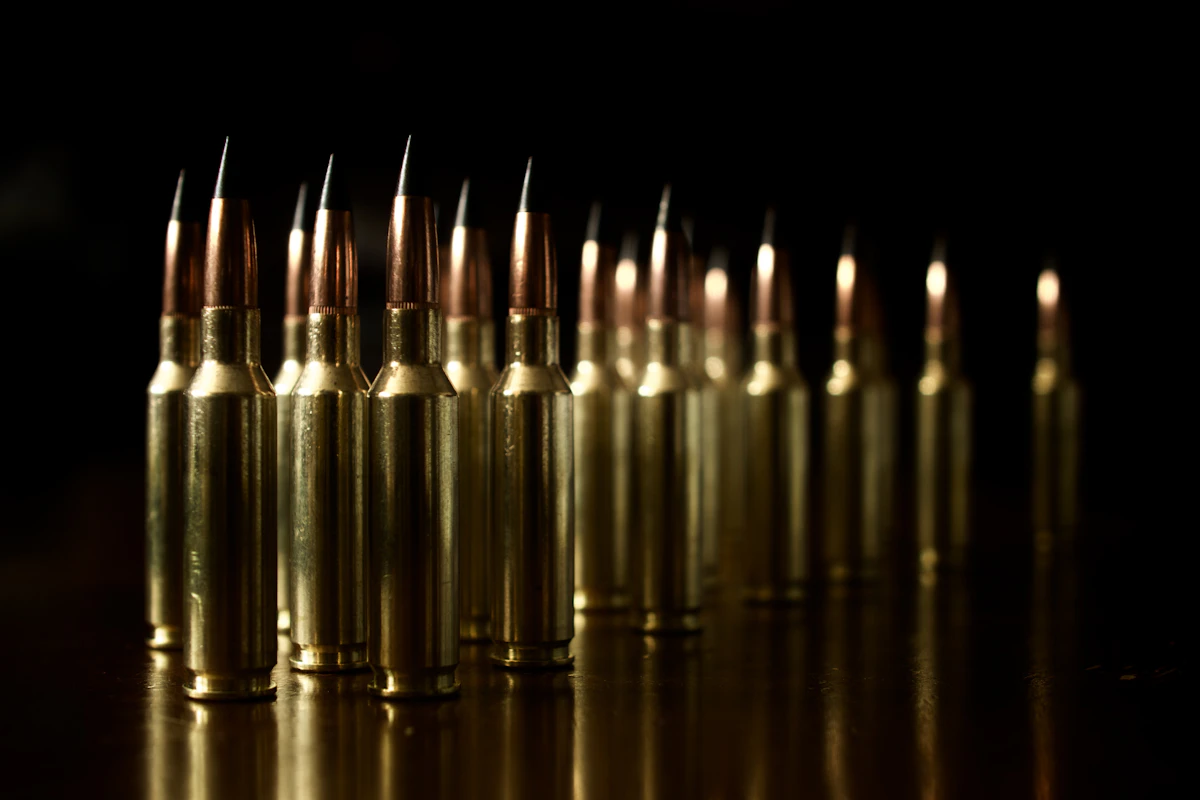
The Berger Hybrid Hunter and Nosler AccuBond represent two fundamentally different approaches to bullet design, yet both have earned reputations as elite choices for western big-game hunting. The Hybrid Hunter maximizes ballistic efficiency and long-range precision through a sleek secant ogive hybrid design, while the AccuBond prioritizes controlled expansion and deep penetration through bonded-core construction. Understanding how each performs downrange and inside an animal determines which belongs in your rifle.
Both bullets have killed countless elk, mule deer, pronghorn, and other western game across distances from timber-country close to open-country far. Neither is wrong. The right choice depends on the ranges you shoot, the game you hunt, and what you expect a bullet to do after impact.
Ballistic Performance and Long-Range Capability
Berger Hybrid Hunters dominate in external ballistics. The hybrid ogive design blends the sleek profile of a VLD with easier seating depth tolerance, producing industry-leading ballistic coefficients across every caliber and weight class. A 168-grain 7mm Hybrid Hunter carries a G1 BC of .617, while the comparable 160-grain AccuBond runs .531. That gap translates to flatter trajectory, less wind drift, and more retained velocity at distance.
At 600 yards, a 7mm Hybrid Hunter launched at 2,900 fps retains approximately 2,050 fps and drifts 20 inches in a 10-mph crosswind. The AccuBond holds roughly 1,900 fps and drifts 24 inches under identical conditions. The Berger arrives faster with less correction required, which matters when dialing elevation and reading wind on ridge-to-ridge shots.
Nosler AccuBonds sacrifice some BC for design priorities elsewhere, but still deliver respectable long-range performance for hunters who keep shots inside 500 yards. The difference becomes significant beyond that distance, where retained velocity directly impacts terminal expansion and energy delivery.
Terminal Performance and Wound Channels
This is where philosophy diverges sharply. Berger Hybrid Hunters are designed to penetrate 2–3 inches before fragmenting rapidly, creating massive wound cavities through hydrostatic shock and tissue disruption. The bullet sheds its jacket and core into dozens of fragments that radiate outward, destroying surrounding tissue far beyond the permanent wound channel. On broadside lung shots, the result is catastrophic damage to vitals and fast kills with minimal tracking.
Nosler AccuBonds use bonded-core construction to retain 60–70 percent of original weight while expanding in a controlled mushroom. The bullet penetrates deeply, creating a permanent wound channel from entry to exit without fragmenting. This design excels on quartering shots, heavy bone contact, and large-bodied game where penetration matters more than rapid energy dump.
Hunters who prioritize exits for blood trails favor the AccuBond. Hunters who prioritize hydrostatic shock and internal damage favor the Hybrid Hunter. Both kill effectively when placed in the vitals, but the mechanism differs.
On elk-sized game, Hybrid Hunters frequently anchor animals within seconds on double-lung hits, but may require precise shot placement to avoid shoulder destruction without adequate penetration. AccuBonds punch through shoulder blades and still reach the far-side ribs, making them more forgiving on less-than-perfect angles.
Accuracy and Load Development
Berger Hybrid Hunters consistently deliver sub-MOA accuracy in quality rifles with minimal load development. The hybrid ogive design reduces sensitivity to seating depth compared to VLDs, making them easier to tune. Most rifles shoot them well at or near magazine length, which simplifies component selection and feeding reliability.
Nosler AccuBonds also group tightly in most rifles, though accuracy often peaks with specific powder and seating depth combinations. The shorter bearing surface and boat-tail design promote consistent concentricity, but some rifles require experimentation to find the sweet spot. Both bullets respond well to precision handloading practices.
Neither bullet struggles to shoot half-MOA or better in a quality barrel with proper load development. The practical accuracy difference for field use is negligible. Where the Hybrid Hunter gains an edge is downrange precision retention due to superior BC, which extends the effective range where wind and drop remain predictable.
Game Size and Shot Distance Considerations
For mule deer, pronghorn, and lighter game inside 400 yards, both bullets perform identically in practice. Either kills quickly on broadside shots. The choice comes down to personal preference for exits versus internal damage.
For elk and larger game, shot distance and angle matter. Inside 300 yards on quartering shots, the AccuBond's penetration and weight retention provide an advantage. Beyond 400 yards on broadside vitals, the Hybrid Hunter's BC advantage keeps velocity high enough for reliable expansion while delivering devastating hydrostatic effect.
Hunters who regularly shoot beyond 500 yards gain measurable benefits from the Hybrid Hunter's ballistic efficiency. Hunters who keep shots inside 400 yards and hunt timber where angles vary benefit from the AccuBond's forgiveness and penetration.
Free to join
Download mobile app
- Detailed draw odds
- Point tracking
- Deadline reminders
- 18 states covered

Free to join
Download mobile app
- Detailed draw odds
- Point tracking
- Deadline reminders
- 18 states covered
Free to join
Download mobile app
- Detailed draw odds
- Point tracking
- Deadline reminders
- 18 states covered
Recoil Sensitivity and Barrel Life
Both bullets produce identical felt recoil at the same weight and velocity. Neither offers an advantage here. Barrel life differences are minimal in typical hunting applications, though Berger's softer copper jackets may be slightly less abrasive over thousands of rounds. For hunters who shoot 20–50 rounds per year for practice and hunting, barrel wear is irrelevant.
Cost and Availability
Berger Hybrid Hunters typically cost 10–20 percent more per bullet than Nosler AccuBonds, though pricing fluctuates with market conditions. Both are widely available through major retailers and online suppliers. AccuBonds have been in production longer and may be easier to find during component shortages, but availability rarely favors one over the other in normal market conditions.
For hunters who reload in volume, the cost difference adds up. For hunters who load 40 rounds per season, the price gap is negligible compared to the value of choosing the right tool for the job.
Which Bullet for Your Hunt?
Choose Berger Hybrid Hunters if you:
- Regularly shoot beyond 400 yards and need maximum BC
- Hunt open country where wind and trajectory matter
- Prefer rapid energy dump and hydrostatic shock
- Prioritize precision and long-range predictability
- Take mostly broadside shots on vitals
Choose Nosler AccuBonds if you:
- Hunt timber or broken country where shots come at odd angles
- Prefer deep penetration and exit wounds for tracking
- Hunt larger game where bone contact is likely
- Keep most shots inside 400 yards
- Value proven performance across impact velocities
Both bullets have killed more western big game than most hunters will see in a lifetime. The Berger optimizes for long-range precision and internal destruction. The Nosler optimizes for controlled expansion and reliable penetration. Match the bullet to your hunting conditions, not the other way around.
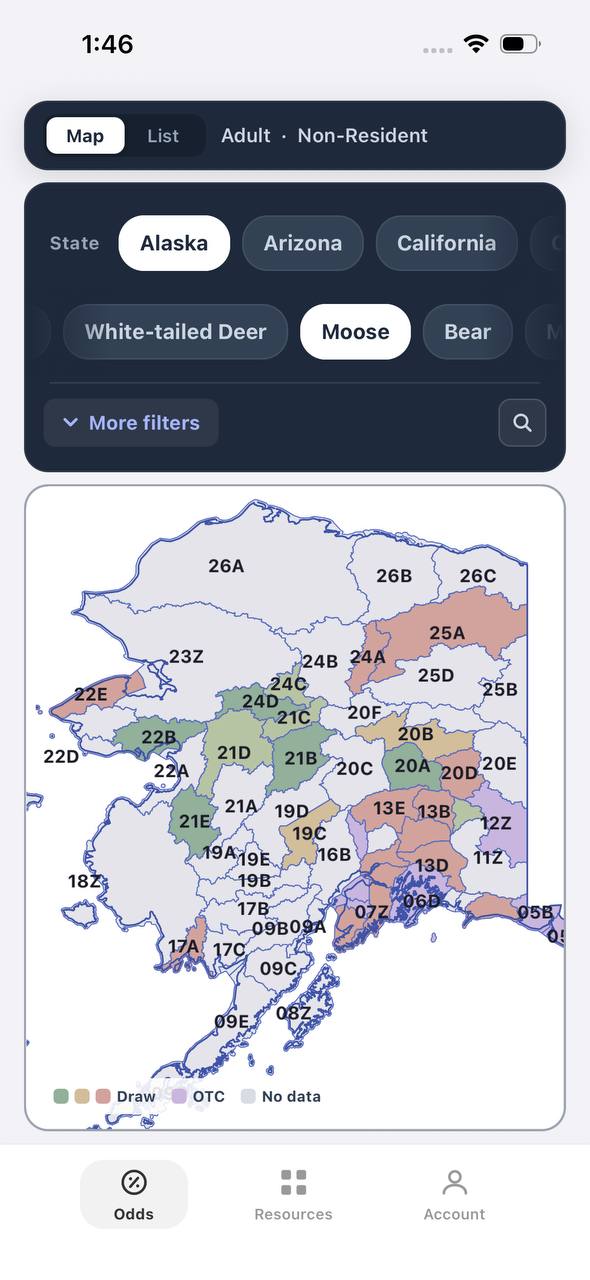
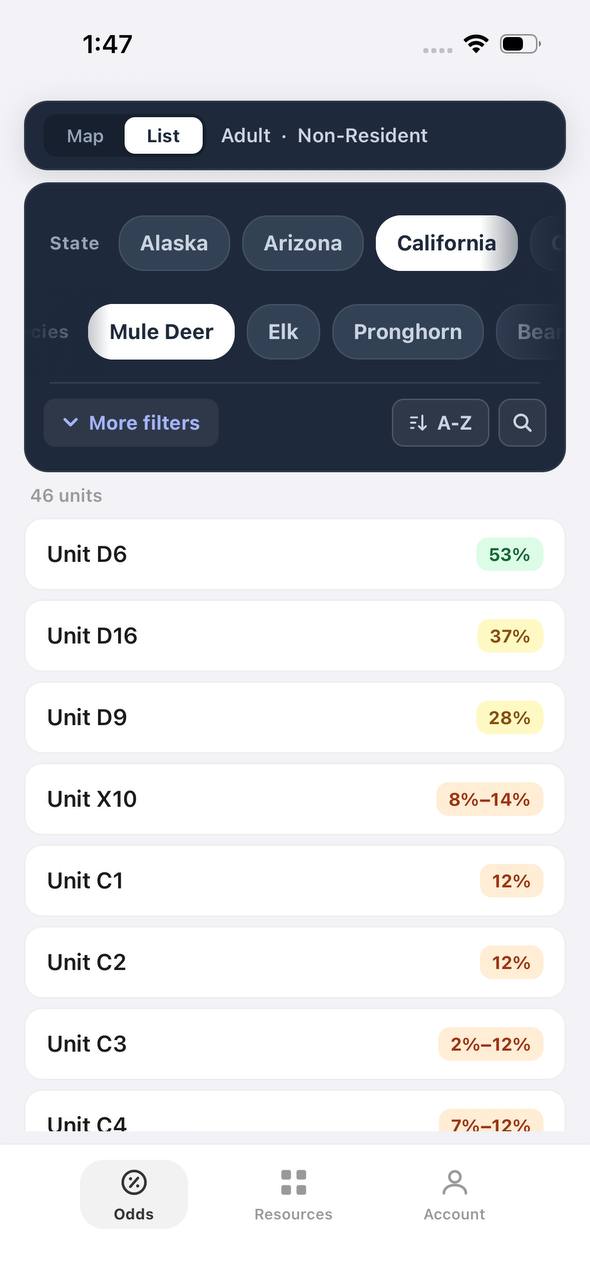
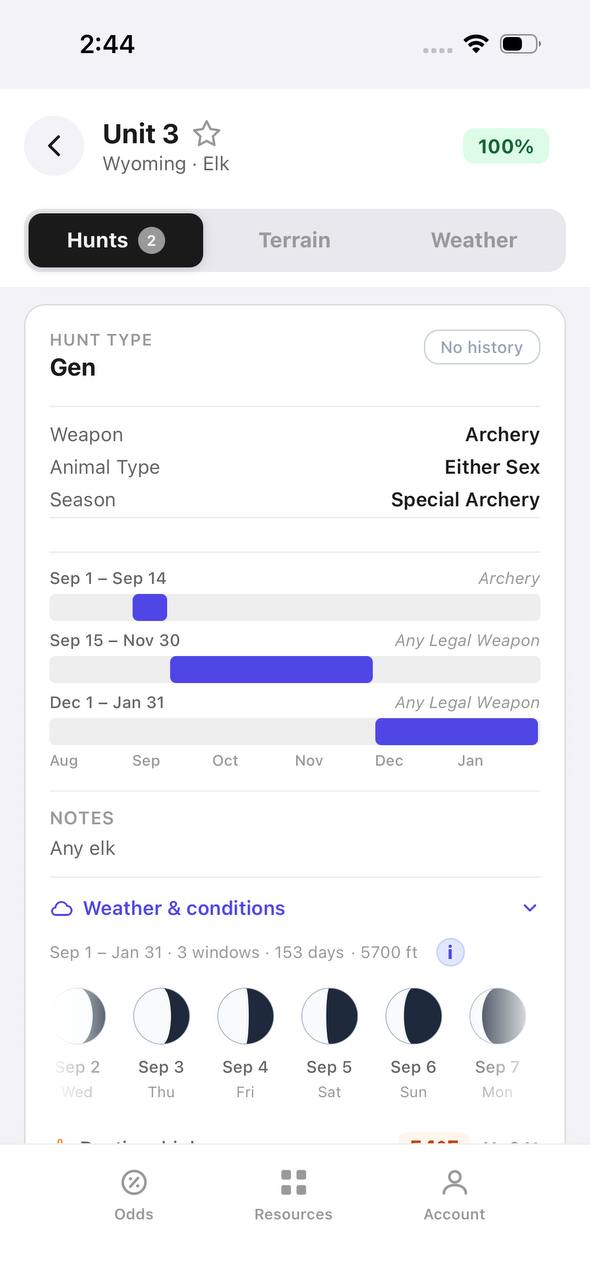
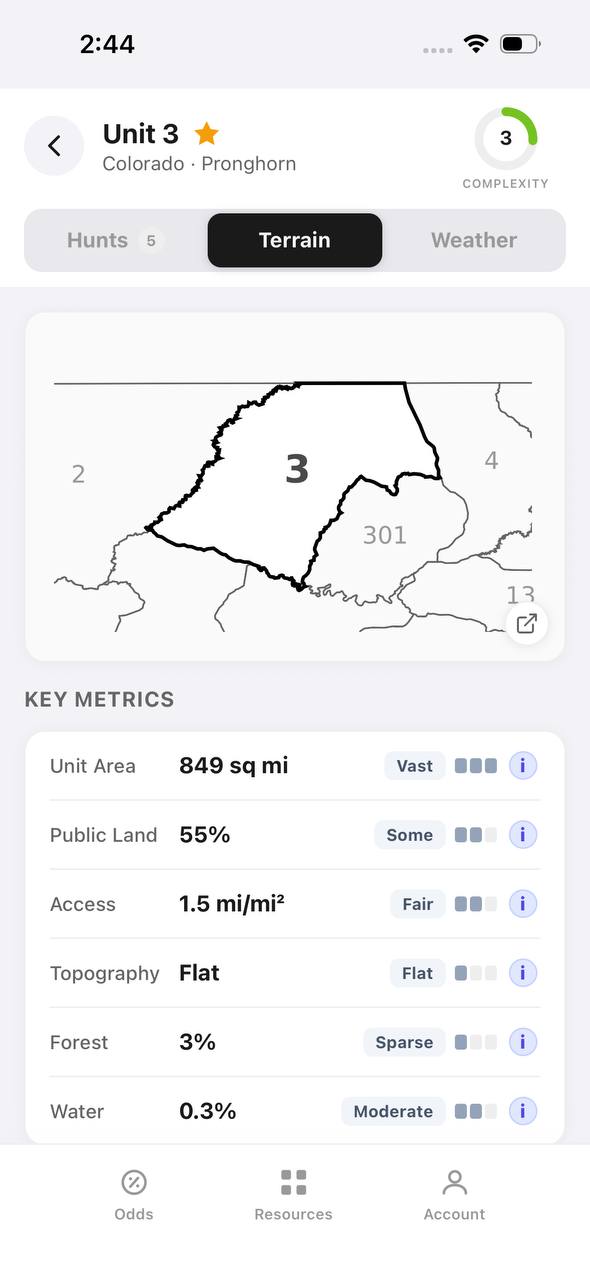
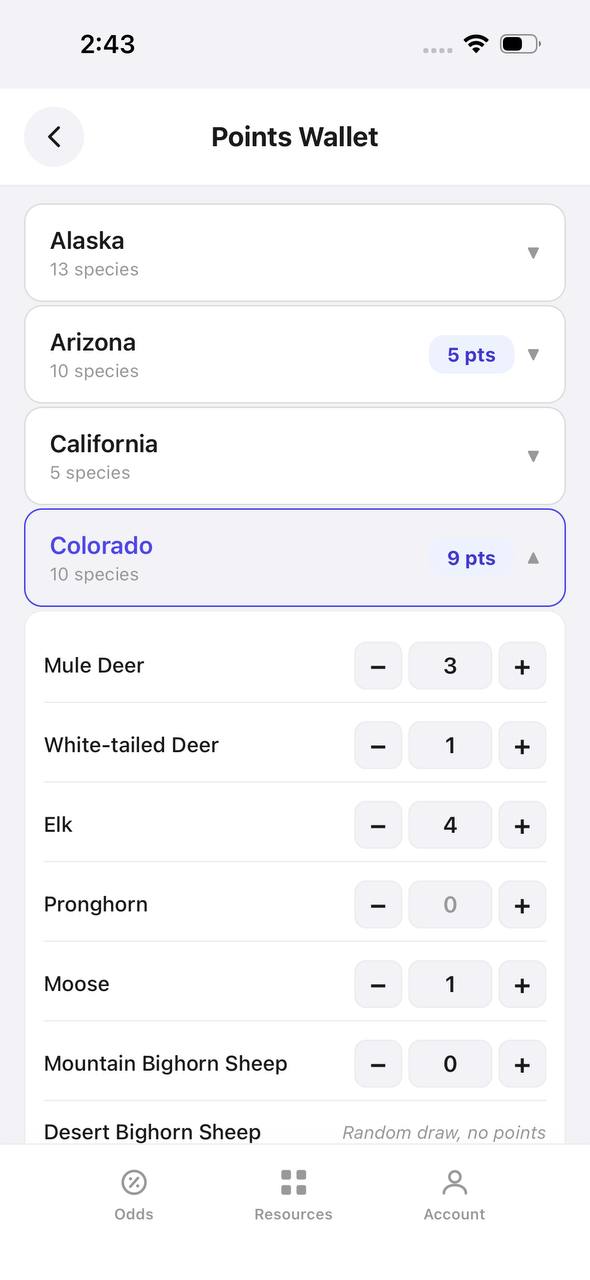
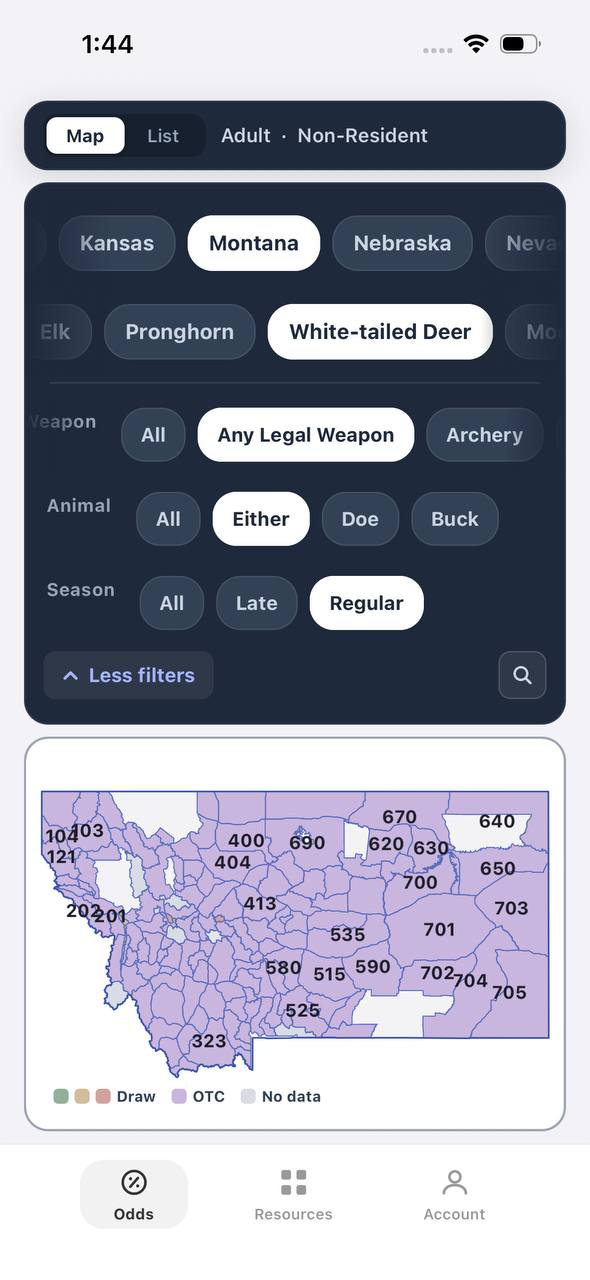
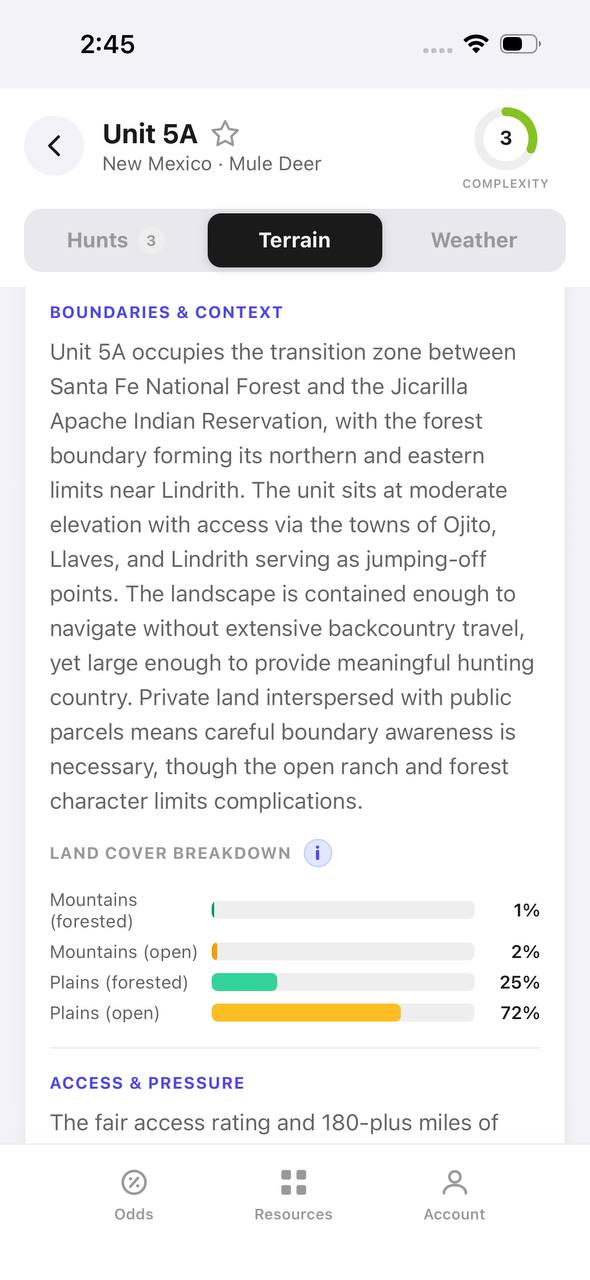
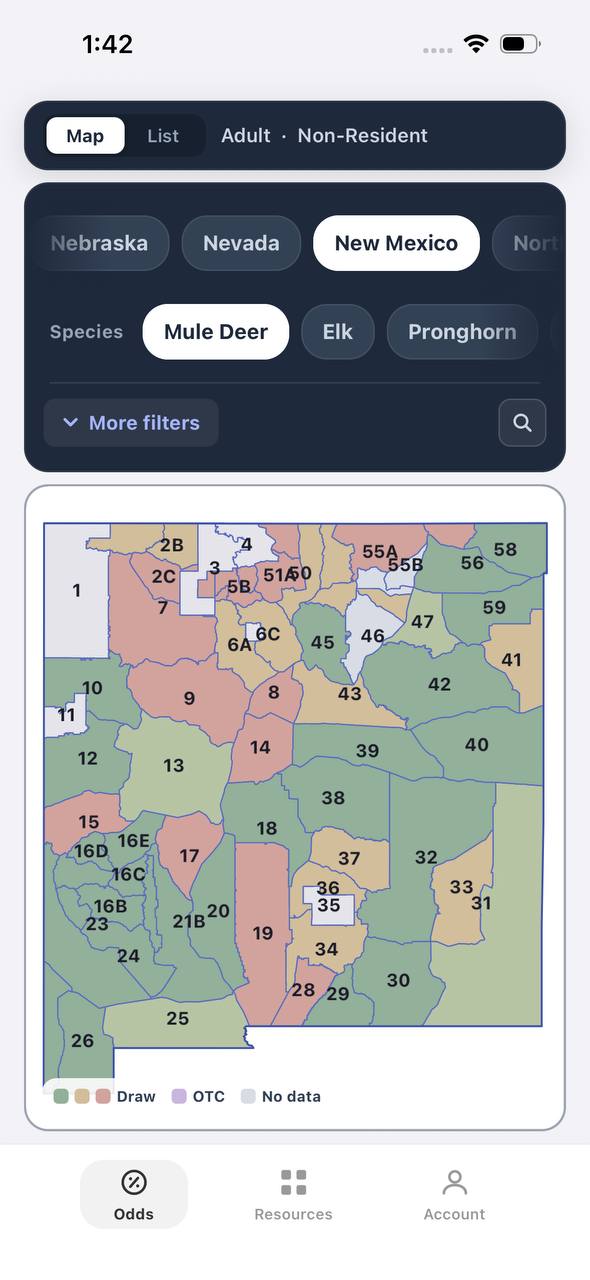
TAGZ helps you compare hunting units by terrain, draw odds, and public land access so you can focus on the right bullet for the country you hunt. Track your preference points across multiple states, research unit maps and elevation breakdowns, and plan hunts that match your rifle setup and shooting ability. Whether you are loading Bergers for open-basin mule deer or AccuBonds for dark-timber elk, TAGZ gives you the tools to find hunts where your setup excels.
FAQ — Berger vs AccuBond
Which bullet is better for elk at 500 yards?
Berger Hybrid Hunters retain more velocity and deliver devastating hydrostatic damage on broadside lung shots at that distance, while AccuBonds still expand reliably but with less dramatic wound channels.
Do Berger Hybrid Hunters penetrate enough for shoulder shots on elk?
They can, but performance depends on impact velocity and bullet weight. Heavy-for-caliber Hybrids (like 215-grain .30 caliber) penetrate adequately, while lighter bullets may fragment before reaching vitals on heavy bone hits.
Will Nosler AccuBonds shoot accurately at 600 yards?
Yes, but they require more elevation and wind correction than Bergers due to lower BC. Accuracy is not the issue — retained velocity and drift are.
Which bullet wastes less meat on deer-sized game?
AccuBonds typically destroy less shoulder and backstrap meat because they hold together and create narrower wound channels, while Bergers fragment aggressively and can ruin more edible tissue on close shots.
Can you use Berger Hybrid Hunters in factory rifles?
Absolutely. They perform well in factory chambers and barrels, though custom rifles with tight match chambers may extract slightly better accuracy.
Which bullet handles wind better in open country?
Berger Hybrid Hunters drift measurably less in crosswinds due to higher BC, making them easier to call and compensate for on long shots across basins and ridges.
Continue Planning Your Hunt
Choosing the right bullet matters, but so does choosing the right unit. TAGZ helps western hunters compare draw odds, track preference points and bonus points across multiple states, and research units using terrain maps and public land boundaries. Whether you are chasing limited-entry elk tags or planning an OTC mule deer hunt, TAGZ simplifies the application process so you can focus on shooting, scouting, and putting your rifle setup to work in the field.
Explore unit maps, filter hunts by weapon and season, and track draw deadlines across the West. Start planning smarter hunts at getmytagz.com.
Was this article helpful?
Previous
Best Optics for Elk Hunting 2026: Binos, Rangefinders & Spotting Scopes
Quality optics separate successful elk hunters from those who never see their bull. We break down the best binoculars, rangefinders, and spotting scopes for 2026, covering what actually matters in the field and how to choose gear that matches your hunting style.

Related
Complete Elk Bow Setup Guide 2026: Gear, Tuning & Field-Tested Tips
From draw weight and arrow selection to broadheads and practice routines, this guide covers everything bowhunters need to build a reliable elk setup for 2026 hunts.

Next
Best Rifle Calibers for Sheep Hunting in 2026: Expert Field-Tested Picks
Choosing the right rifle caliber for sheep hunting means balancing long-range precision, wind resistance, and packability for alpine hunts. This guide breaks down the top calibers for Dall, Stone, bighorn, and desert sheep based on real-world mountain performance.