Colorado GMU 4 Elk Hunting: A Travel-Style Guide to One of the West’s Most Misunderstood Units
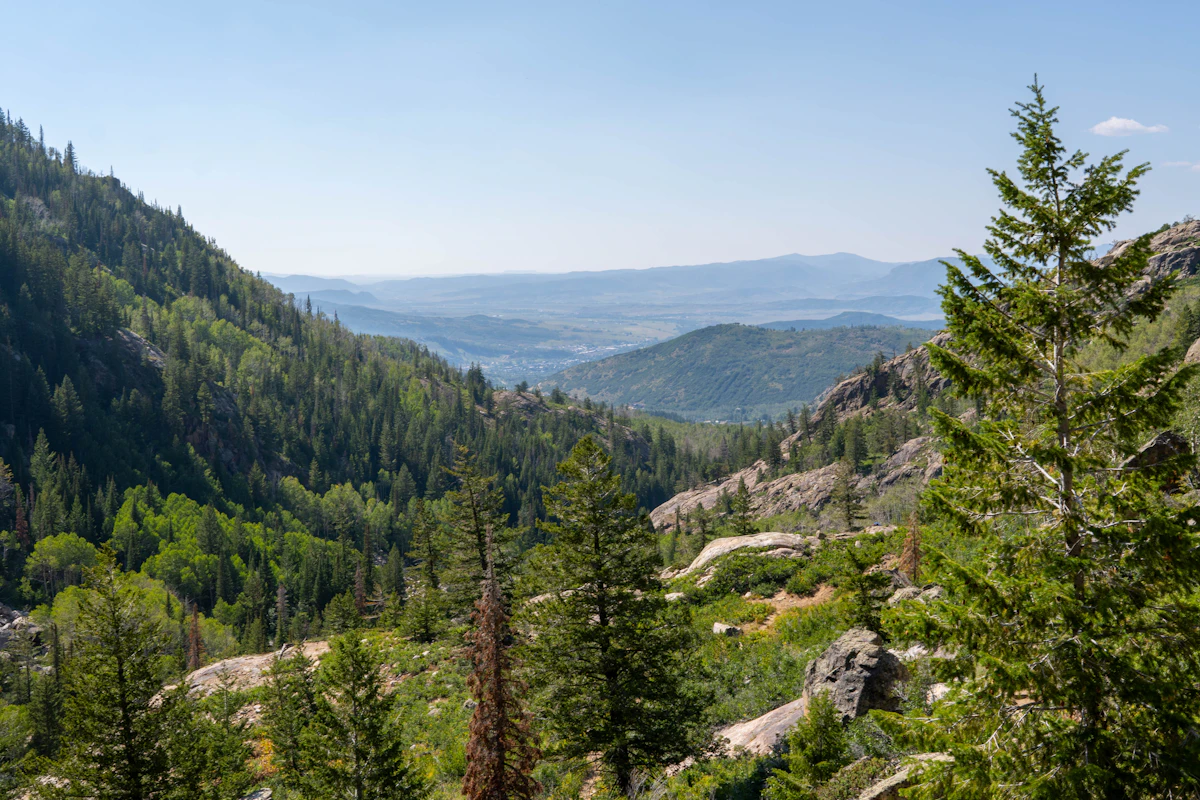
If you show up to Colorado Unit 4 expecting untouched backcountry and bugling bulls behind every ridge, you're going to leave frustrated. But if you show up understanding how elk use this landscape, and more importantly how they react to pressure, you'll realize something fast: this unit gives you real opportunity, just not the way most hunters expect it, which is why it's worth studying Unit 4 on TAGZ before you commit. The drive into northwest Colorado doesn't hit you like classic elk country, with no dramatic alpine skyline and no towering peaks, just a mix of rolling sage hills, broken ridgelines, pockets of timber, and wide-open visibility in places, so at first glance it almost feels too open and too accessible, and that's exactly why it gets hunted hard. This isn't a wilderness hunt, it's a thinking hunt.
First impressions versus reality
Most hunters make their first mistake within the first hour, seeing easy road access, huntable terrain right off the truck, and open glassable country and assuming it should be easy. What they don't see yet is where elk actually go once pressure starts, how quickly movement patterns change, and how small the good zones really are, because Unit 4 isn't hard for lacking elk, it's hard because elk don't stay where you expect them. That makes your camp the first decision that matters, since you'll see trucks stacked near main access roads, camps in obvious pull-offs, and hunters clustered around easy entry points, and you can join them, but then you're hunting the same elk as everyone else; a better approach is to stay slightly off main routes and keep your setup mobile, because this isn't a backpack-only unit, it's a move-fast, adapt-fast unit. First light tells you everything, because when you glass at sunrise you'll notice you're not alone and movement is limited, but if you slow down and really pick apart terrain you'll start seeing subtle pockets of life, and that's where the unit starts to make sense, a process our digital scouting guide walks through.
Why pressure makes this unit work
Most people think pressure ruins a unit, but it doesn't, it creates predictability if you know how to read it, because hunters push elk, elk relocate, and patterns form that repeat every season, which is exactly what we break down in how to hunt elk pressure. This isn't vertical mountain hunting, it's broken-terrain hunting across rolling ridges, small draws, patchy timber, and sage flats, where elk don't need to travel miles to escape pressure, they only need to slip into terrain most hunters overlook. By mid-morning most hunters disappear or start wandering while elk settle into shaded north-facing pockets, thicker broken terrain, and small zones that don't stand out on a map, areas that look unimpressive but consistently hold elk. By day two or three everything changes, with fewer animals in the open, bugling dropping off, and human movement increasing, and this is where most hunts fall apart but where experienced hunters start finding elk consistently. Everyone talks about going deeper, but that's not always the answer here, because elk often stay closer than you think, just positioned smarter, sitting just outside pressure zones in terrain that requires effort but not extreme distance. Evenings are the real opportunity window, as pressure drops and elk begin to move again in short, controlled bursts, so positioning matters more than distance and you need to already be set up.
Seasons, bulls, and the system that works
Archery's early season gives you interaction, but pressure shuts down bugling quickly, so focus on quiet setups, wind discipline, and travel routes instead of aggressive calling, and check our shot placement guide before you draw on one. Rifle season increases pressure but also increases visibility, so your advantage comes from glassing longer and catching elk during short movement windows. This is an opportunity unit, so most bulls will be smaller to mid-tier, but that's not the point, the value is consistency, since you can hunt here every year and improve every year. It also tests patience, because you'll see other hunters, deal with slower movement, and need to adjust constantly, and the guys who succeed are the ones who stay adaptable, while most hunts go wrong when hunters walk too much, hunt obvious terrain, and refuse to adjust when pressure hits, expecting elk to behave like they do in low-pressure units. The system that actually works here is simple: glass first and move second, avoid obvious terrain, hunt pressure edges, stay mobile, and adjust daily. Ultimately Unit 4 teaches you how elk behave under pressure, a skill that translates everywhere, because it's not just about killing elk, it's about learning how to hunt them. This is where most hunters get overwhelmed by too many units and decisions with no system, which is where TAGZ helps you break down units, track opportunity, and stay consistent. For related breakdowns, see the Unit 13, Unit 22, and Unit 65 guides.
Was this article helpful?
Previous
Pope & Young Scoring Simplified: How to Judge Archery Animals Without Overthinking It
Pope & Young scoring focuses on length, mass, and symmetry for archery animals. Set realistic standards and don’t overthink it.
Next
Boone & Crockett Scoring Simplified: How to Judge Big Game Without Overthinking It
Scoring comes down to length, mass, and symmetry. Learn to read structure, not inches, and you’ll judge animals better in real time.