Hidden Meadows Most Hunters Miss — Where Elk Actually Bed During Rifle Season
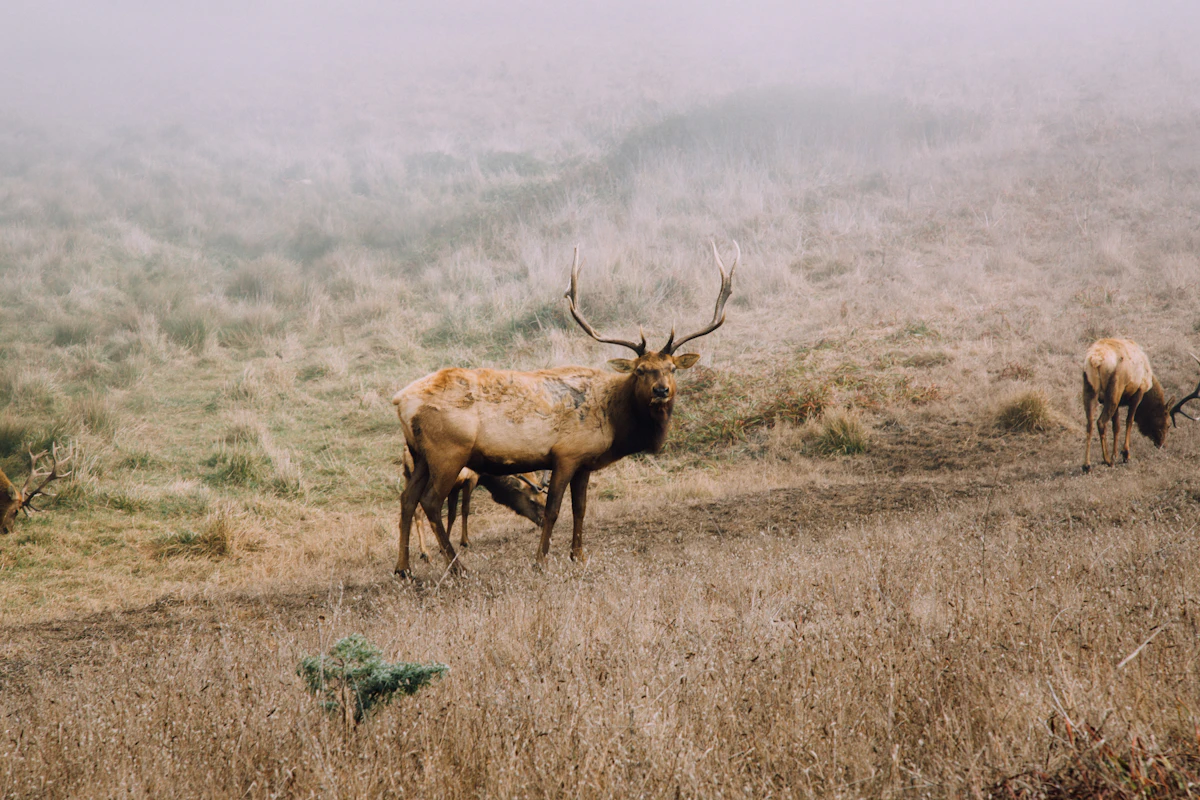
You spend opening morning glassing the big park everyone hits. A few cows feed near the edge at first light, then vanish. By noon, boot tracks crisscross the meadow, and you wonder where the elk went. They didn't leave the mountain. They moved 200 yards into a hidden pocket you never knew existed.
Most hunters focus on obvious meadows visible from roads or ridgelines. Elk know this. During rifle season, mature bulls and pressured herds abandon exposed parks for tucked-away openings that offer security, feed, and quick escape routes. These hidden meadows don't show up on satellite imagery as big green squares. They're small, timbered on three sides, and often require deliberate searching to find.
Learning to identify and hunt these overlooked spots separates consistent elk hunters from those who spend the season chasing ghosts in empty parks.
Why Elk Abandon Obvious Meadows
Elk prioritize security during rifle season. Large, open meadows offer excellent feed but leave animals exposed to hunters glassing from distant ridges. After opening day pressure, elk shift to smaller openings where timber provides quick cover and terrain features limit visibility.
Hidden meadows typically share these characteristics: timbered escape routes on multiple sides, irregular shapes that break up their outline, and proximity to bedding cover. Elk can feed, watch for danger, and disappear into dark timber within seconds. These spots rarely see boot traffic because they're not marked on maps and don't catch a hunter's eye from a distance.
Pressured elk also avoid meadows near roads, trailheads, and popular glassing points. A park might hold elk in September during archery season when hunting pressure is light. By October, the same meadow sits empty while elk bed and feed in timbered benches 300 yards uphill.
Where to Find Hidden Meadows
The best hidden meadows share predictable terrain features. Start by identifying areas where elk already live, then narrow your search to spots with security cover and feed.
Benches Above Obvious Parks
Elk often bed on timbered benches 100 to 300 yards above large meadows. These benches offer small pockets of grass or forbes surrounded by dark timber. From below, they're invisible. From the bench itself, elk can watch the valley and smell danger coming uphill.
Look for benches on north-facing slopes where timber stays thick and small openings hold moisture longer. These spots rarely appear on satellite imagery as distinct meadows, but they hold elk throughout rifle season.
Saddle Meadows Between Drainages
Saddles connecting two drainages often contain small, hidden parks. Elk use saddles as travel corridors, and a grassy opening in the saddle provides a staging area before moving into bedding cover. These meadows are typically 1 to 3 acres, surrounded by timber, and positioned where elk can escape downhill into either drainage.
Saddle meadows work best when they're not visible from roads or popular ridgelines. Scout saddles between known bedding and feeding areas, especially those requiring a deliberate hike to reach.
Timber Parks in Dark Lodgepole or Spruce
Some of the best hidden meadows sit inside thick timber. A small opening in a lodgepole stand or a grassy pocket within spruce timber offers feed and complete security. These spots are invisible until you walk into them, and elk know it.
Look for these timber parks on OnX Hunt or similar mapping software by studying satellite imagery at high zoom. Search for irregular light-colored patches within dark timber. Ground-truth promising areas during preseason scouting to confirm whether they hold feed and sign.
Spring Seeps and Wet Meadows
Elk gravitate toward moisture, especially in dry years. Small wet meadows fed by springs often support lush vegetation into October and November. These spots may be only half an acre but hold elk because they provide feed, water, and cover in one location.
Wet meadows often sit in drainages or below ridgelines where underground water surfaces. They're harder to reach than big parks, which keeps hunter pressure light. Look for willows, thick grass, and soft ground as indicators.
How to Scout Hidden Meadows Without Blowing Them Out
Finding hidden meadows requires preseason scouting, but pushing elk out of these spots before the season opens ruins your hunt. Scout smart by using maps first, then confirming on foot during midday when elk are bedded.
Start by studying satellite imagery and topographic maps during the offseason. Mark potential hidden meadows based on terrain features: benches, saddles, irregular openings in timber, and wet areas. Narrow your list to 5 to 10 high-probability spots.
Visit these locations during summer or early September, but avoid dawn and dusk when elk are most active. Walk in during midday, glass the meadow from a distance, and look for sign without entering the opening itself. Fresh tracks, droppings, and feeding craters confirm elk are using the area. Mark it on your GPS and leave.
During the season, approach hidden meadows from downwind with a plan. Elk in these spots are alert and escape quickly. Set up on the edge of the opening where you can see movement without exposing yourself. Be patient. Elk often feed in hidden meadows during midday when other hunters are back at camp.
Glassing Strategies for Hidden Meadows
Glassing hidden meadows requires different tactics than glassing big parks. You're looking for small openings at close range, often through timber. Speed matters less than patience and attention to detail.
Position yourself where you can see into multiple hidden pockets without silhouetting on a ridgeline. Use a spotting scope or binoculars to dissect the edges of timber. Elk often feed just inside the tree line where they can disappear instantly. Look for horizontal lines, leg movement, and antler tips rather than full-body shapes.
Glass hidden meadows during midday when elk feel secure enough to feed. Most hunters return to camp by 10 a.m., leaving elk undisturbed in tucked-away spots. A midday sit overlooking hidden benches or saddle parks produces opportunities that aggressive hiking misses.
TAGZ helps you identify promising terrain by layering unit boundaries, public land, and topographic data on satellite imagery. Compare elevation profiles and terrain features across multiple units to find areas with the right characteristics for hidden meadows. Track your scouting locations in the app so you can return to marked spots during the season.
Hunting Hidden Meadows During Pressure
Hidden meadows shine during heavy hunting pressure when elk are pushed out of obvious spots. While other hunters chase herds deeper into the backcountry, elk often circle back to secure pockets close to roads.
Set up on hidden meadows near popular hunting areas on the third or fourth day of the season. Elk pushed out of big parks during opening weekend often return to small, secure openings within 24 to 48 hours. Position yourself between the meadow and known escape routes so you can intercept elk moving back into the area.
Midweek hunts in hidden meadows also work because pressure drops after opening weekend. Elk resume feeding patterns, and small openings near bedding cover see activity throughout the day. A patient hunter sitting on a hidden bench from 10 a.m. to 2 p.m. often encounters elk that would never show themselves in an obvious park.
Common Mistakes When Hunting Hidden Meadows
The biggest mistake is walking through hidden meadows instead of watching them. Small openings are easy to overlook when you're covering ground, and elk hear you coming long before you see them. Slow down. Set up on the edge of promising terrain and let elk come to you.
Another mistake is over-scouting during the season. Hidden meadows lose their effectiveness once elk know you're hunting them. Limit your visits to one or two sits per spot, then move to a different location. Burning a hidden meadow by hunting it too often leaves you with no backup plan.
Hunters also underestimate how close hidden meadows can be to roads. Some of the best spots sit 400 yards from a trailhead, hidden by a timbered ridge or dense spruce stand. Don't assume elk need miles of wilderness to feel secure. They need terrain features that limit visibility and quick access to cover.
Using TAGZ to Find Hidden Meadows Before the Season
TAGZ layers unit maps, terrain data, and public land boundaries so you can scout hidden meadows from home. Use the terrain view to identify benches, saddles, and timbered pockets within your target unit. Zoom in on satellite imagery to spot irregular openings in dark timber that might not be obvious from ground level.
Compare draw odds and unit boundaries to prioritize areas with less hunting pressure. Units with lower success rates often hold elk in hidden pockets that hunters walk past. Track your scouting locations in TAGZ so you can navigate directly to marked spots during the season without wasting time searching.
If you're applying in multiple states, use TAGZ to compare terrain across units in Colorado, Wyoming, Montana, and Idaho. Look for similar characteristics: timbered benches, saddle parks, and wet meadows near bedding cover. Building a list of hidden meadows across multiple units gives you options regardless of which tags you draw.
Why Hidden Meadows Produce Mature Bulls
Mature bulls avoid obvious meadows because they've survived multiple seasons and learned where danger comes from. Small, hidden openings provide the security older bulls need while still offering feed and proximity to cows.
Hunting hidden meadows increases your chances of encountering a mature bull because these spots see fewer hunters. A 5-year-old bull might never step into a big park during daylight, but he'll feed in a timbered bench at noon if he feels secure.
Focus on hidden meadows in units with low hunter density or limited access. The combination of difficult terrain and light pressure creates sanctuaries where mature bulls survive season after season. Find one of these spots, and you'll have a honey hole that produces year after year.
Final Thoughts on Hunting Hidden Meadows
Hidden meadows are everywhere, but most hunters never find them. Learning to identify benches, saddles, timber parks, and wet meadows gives you hunting spots other people don't know exist. These small openings hold elk during heavy pressure, produce midday opportunities, and increase your chances of tagging a mature bull.
Scout smart during the offseason, approach carefully during the season, and resist the urge to over-hunt your best spots. A hidden meadow loses its effectiveness once elk know you're there. Rotate between multiple locations and let each spot rest between hunts.
The elk didn't leave the mountain. They're 200 yards away in a pocket you haven't found yet.
FAQ — Hidden Meadows Most Hunters Miss
What makes a meadow hidden from hunters?
Hidden meadows are small openings surrounded by timber that aren't visible from roads, trails, or popular glassing points. They typically sit on benches, in saddles, or within dark timber where elk feel secure.
How do I find hidden meadows without hiking for miles?
Use satellite imagery and topographic maps to identify benches, saddles, and timbered pockets within 1 to 2 miles of roads. Many hidden meadows sit close to access points but are overlooked because terrain features block visibility.
When should I hunt hidden meadows during the day?
Midday hunts from 10 a.m. to 2 p.m. work best because elk feel secure enough to feed in small openings when hunting pressure drops. Early morning and late evening activity often occurs in bigger parks farther from bedding areas.
Do hidden meadows work during early rifle season or only later?
They work throughout rifle season but become more effective after opening weekend when pressure pushes elk out of obvious meadows. Elk often return to hidden pockets within 48 hours of initial pressure.
Can I scout hidden meadows during archery season without ruining them for rifle season?
Yes, but scout during midday when elk are bedded and avoid entering the meadow itself. Glass from a distance, check for sign on the edges, and mark the location without pushing elk out.
How many hidden meadows should I have located before the season?
Aim for 5 to 10 high-probability spots spread across your hunting area. This gives you options if one meadow gets pressured or weather changes elk movement patterns.
Continue Planning Your Hunt
Finding hidden meadows is only part of a successful western hunt. TAGZ helps you compare units, track draw odds, and layer terrain data so you can identify overlooked spots before you ever leave home. Whether you're chasing OTC tags or planning a trophy limited-entry hunt, TAGZ gives you the tools to make smarter decisions before stepping into the field.
Explore more hunting strategies and unit breakdowns on the TAGZ Insights page. Ready to start planning your next hunt? Check out TAGZ pricing to see how the platform helps hunters track points, compare units, and never miss a draw deadline.
For a complete overview of how TAGZ simplifies western hunting applications, visit the TAGZ product page. Start building your hunt strategy today at getmytagz.com.
Was this article helpful?
Previous
How to Hunt Dark Timber Elk — Tactics That Work When Visibility Drops
Dark timber elk hunting demands patience, precision, and a willingness to operate in low-visibility terrain where most hunters struggle. Learn proven strategies for calling, positioning, and staying confident in the shadows.
Next
The Best Elk Calling Kits Every Hunter Should Carry in 2025
A complete elk calling kit gives you the versatility to adapt to any situation in the field. Learn which calls to pack, how to organize your kit, and why carrying backup options can make or break your season.