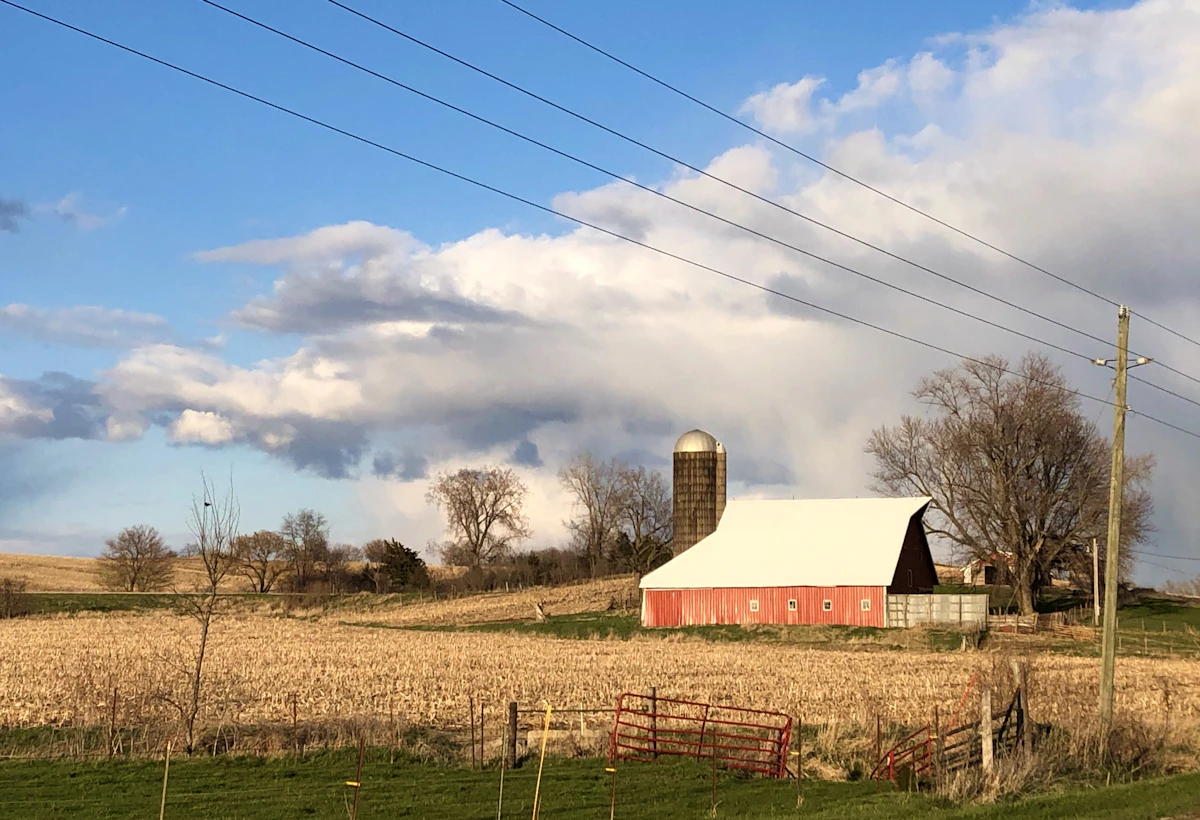
Nebraska Guided Elk Hunts: Tags, Draw & Eligibility
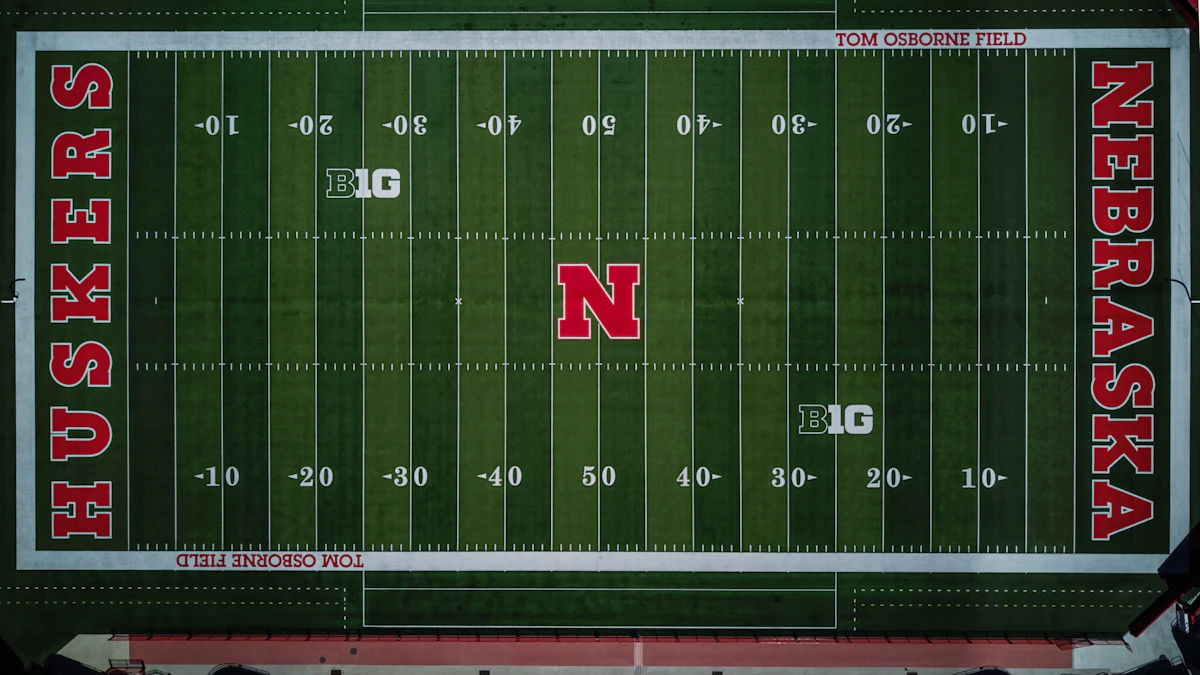
Nebraska Guided Elk Hunts
Nebraska may not be the first state hunters think about when planning an elk hunt.
But the state has established elk herds and tightly controlled hunting opportunities.
Nebraska's modern elk season began in 1986 after elk naturally returned to portions of the state.
Since then, elk have expanded across portions of western and north-central Nebraska.
But Nebraska's elk licensing system is very different from states such as Colorado, Wyoming or New Mexico.
Before contacting an outfitter, understand the first question:
Are you legally eligible for a Nebraska elk permit?
For many nonresidents, the answer for the standard general elk drawing is no.
Can Nonresidents Hunt Elk in Nebraska?
Ordinary nonresidents are not eligible to apply for Nebraska's general elk permits.
Nebraska Game and Parks states that only Nebraska residents are eligible for general elk permits.
However, there are limited exceptions and alternative pathways worth understanding.
These include:
Qualifying nonresident landowner elk permits
Nebraska's Super Tag lottery
Other opportunities that may be created under specific state programs
Hiring an outfitter does not create general-draw eligibility.
Does Nebraska Have Nonresident Guided Elk Tags?
Nebraska does not have a general "guided elk tag" that an ordinary nonresident receives simply by booking an outfitter.
That's an important correction.
An outfitter may guide a hunter who legally possesses an appropriate Nebraska elk permit.
But the guide doesn't create eligibility for a nonresident general elk license.
So if you're a nonresident considering a Nebraska outfitter, ask:
What exact legal permit would I be hunting on?
Get that answer before paying a deposit.
Who Can Apply for Nebraska General Elk Permits?
Under Nebraska's current system, general elk permits are limited to residents.
Applicants must also satisfy the state's applicable age and eligibility requirements.
Nebraska divides its elk opportunities into different permit types, including:
General Bull
General Antlerless
Landowner Bull
Landowner Antlerless
The drawing method isn't identical for each category.
How Does the Nebraska Elk Draw Work?
Nebraska uses different drawing systems depending on the elk permit.
This is where the original article needed an important correction.
Nebraska General Bull Elk Permits
General Bull permits use a bonus-point system.
Unsuccessful eligible applicants receive a bonus point.
Each accumulated point provides an additional chance in future applicable drawings.
Bonus points are awarded for first-choice bull permit applications under the current system.
That means Nebraska's General Bull system shouldn't simply be described as a preference-point draw.
What Are Nebraska Elk Bonus Points?
A bonus-point system increases the number of chances an applicant receives in the drawing.
It doesn't necessarily operate like a strict preference system where the applicant with the most points always receives priority over everyone with fewer points.
That's why the distinction between:
Bonus points
and
Preference points
matters.
Nebraska General Antlerless Elk Draw
Nebraska's General Antlerless elk permits operate differently.
Under the current system, antlerless permits are drawn through a lottery after completion of the bull permit drawing from the same application.
Applicants receive one chance in the antlerless drawing.
This is another reason hunters shouldn't refer to the entire Nebraska elk system as one preference-point drawing.
Nebraska Landowner Bull Elk Permits
Qualifying landowners have a separate elk pathway.
Landowner Bull permits use a preference-point system.
Unsuccessful applicants receive a point that applies to future applicable drawings.
Under Nebraska's current rules, qualifying nonresident landowners receive 0.9 preference points rather than one full point after an unsuccessful application.
This is very different from the General Bull bonus-point system.
Nebraska Elk Points at a Glance
Permit TypeCurrent Draw StructureGeneral BullBonus-point drawingGeneral AntlerlessLotteryLandowner BullPreference-point drawingLandowner AntlerlessSubject to applicable landowner allocation/rules
The terminology matters when researching historical draw results.
Can a Nonresident Landowner Apply for Nebraska Elk?
Yes, if the landowner meets Nebraska's eligibility requirements.
Under the current landowner elk program, a qualifying nonresident landowner must own at least 1,280 acres of agricultural farm or ranch land used for agricultural purposes.
The qualifying land must also fall within an eligible landowner elk zone.
Leased property doesn't qualify a nonresident landowner under this pathway.
And land leased solely for hunting or recreational purposes doesn't qualify.
Because acreage and eligibility rules can change, hunters should always verify current Nebraska Game and Parks requirements before applying.
Nebraska Resident Landowner Elk Eligibility
Nebraska resident landowners have different acreage requirements.
Under current rules, qualifying resident landowners must generally:
- Own at least 320 acres
or
- Lease at least 640 acres
of qualifying farm or ranch land within an eligible landowner elk zone.
These are landowner-program requirements, not general elk-draw requirements.
Are Nebraska Landowner Elk Permits Private-Land Only?
Not necessarily.
Nebraska states that standard landowner elk permits are valid for the entire management unit.
That's an important distinction.
Hunters shouldn't assume:
Landowner permit = valid only on the applicant's ranch.
However, normal land-access laws still apply.
A hunting permit doesn't give a hunter permission to enter somebody else's private property.
Nebraska Free-Earned Landowner Elk Permit
Nebraska also has a separate opportunity called the free-earned landowner elk permit.
Under the current program, a qualifying landowner or leaseholder with at least 80 acres of agricultural property can become eligible for an either-sex elk permit after verification of 10 qualifying general or special-depredation antlerless elk harvests on the property.
Once the required harvest threshold is met, the permit can be designated to the qualifying landowner or an eligible immediate family member.
Unlike the standard landowner elk permit:
The free-earned landowner elk permit is valid only on the qualifying property.
That's an important distinction.
Can a Nebraska Landowner Transfer an Elk Permit to a Guided Hunter?
Don't assume so.
Nebraska's standard big-game permits are generally nontransferable.
The landowner program is designed around qualifying landowners and eligible immediate family members.
It isn't the same type of transferable landowner-voucher marketplace hunters may encounter in states such as Colorado.
An ordinary hunter shouldn't see:
"Nebraska landowner elk tag"
and assume they can simply purchase it from a rancher.
Verify the legal permit pathway with Nebraska Game and Parks.
Nebraska Super Tag
Nebraska's Super Tag provides another elk opportunity that deserves attention.
Nebraska operates big-game lotteries that include an option open to residents and nonresidents.
The Super Tag provides the winner an opportunity to hunt multiple big-game species, including elk, subject to the applicable season and weapon rules.
This is a lottery opportunity rather than Nebraska's standard general elk draw.
Can a Nonresident Enter the Nebraska Super Tag Lottery?
Yes.
Nebraska offers a Super Tag lottery open to both residents and nonresidents.
That makes it one of the limited ways an ordinary nonresident can pursue a Nebraska elk opportunity without qualifying as a Nebraska landowner.
But the odds should be treated as lottery odds—not as a normal nonresident elk application system.
Does Nebraska Have Preference Points for General Elk?
No—not for General Bull elk permits.
General Bull permits use bonus points.
Landowner Bull permits use preference points.
That's the accurate distinction.
How Many Points Does It Take to Draw Nebraska Elk?
There isn't one reliable statewide number.
Historical draw results depend on:
Permit type
Unit
Bull vs antlerless
Applicant pool
Permit quota
Point total
Year
For General Bull permits, hunters should examine historical results according to the bonus-point structure.
For Landowner Bull permits, hunters should examine the applicable preference-point results.
Historical results describe previous drawings.
They don't guarantee the next drawing.
Nebraska Elk Draw Odds
Avoid generic claims such as:
"Nebraska elk draw odds are 15–20%."
There isn't one statewide Nebraska elk draw probability that accurately describes every applicant.
Odds can vary substantially among:
Units
Permit types
Point levels
Years
Instead, evaluate the exact permit you're considering.
Where Are Elk Found in Nebraska?
Nebraska's elk population is primarily associated with western and north-central portions of the state.
Elk have expanded into areas including Nebraska's hills, river systems and agricultural landscapes.
The Pine Ridge is one of the state's best-known elk regions, but Nebraska elk hunting shouldn't be described as occurring only in the Pine Ridge.
The state manages multiple elk units and landowner elk zones.
Hunters should research the specific unit attached to their permit.
Nebraska Pine Ridge Elk Hunting
The Pine Ridge is one of Nebraska's most recognizable elk landscapes.
The region includes:
Pine-covered ridges
Grasslands
Agricultural interfaces
Broken terrain
Private and public land
Access can be a major part of planning a hunt.
Holding an elk permit doesn't automatically provide access to private property.
Public vs Private Land for Nebraska Elk
Nebraska elk country can involve a patchwork of land ownership.
That makes access research particularly important.
A hunter should understand:
Public-land boundaries
Private property
Permission requirements
Outfitter access
Unit boundaries
before hunting.
A guide's local access knowledge can be valuable, but always understand exactly what access is included in the hunt contract.
Do You Need a Guide to Hunt Nebraska Elk?
No, not simply because you possess a Nebraska elk permit.
A guide isn't inherently required for a legal Nebraska elk hunt.
Some hunters may still choose an outfitter for:
Scouting
Private-land access
Local knowledge
Glassing
Calling
Logistics
Field care
Meat recovery
Whether that's worthwhile depends on the individual hunter and hunt.
Does Hiring a Nebraska Outfitter Improve Your Draw Odds?
Not simply because you're guided.
Hiring an outfitter doesn't transform an ordinary nonresident into an eligible Nebraska general elk applicant.
Likewise, a resident's General Bull bonus points aren't increased merely because the hunter plans to hire a guide.
Keep:
Drawing the permit
and
Hiring the guide
separate.
When Should You Book a Nebraska Elk Outfitter?
For a draw-dependent hunt, carefully review the outfitter's no-draw policy before paying a deposit.
Ask:
Do I need to draw before booking?
Can I reserve dates before results?
Is the deposit refundable if I don't draw?
Can the deposit roll forward?
What unit does the outfitter guide?
Is private access included?
What happens if I draw a different unit?
Get the answers in writing.
Nebraska Elk Permit Costs
Avoid building an evergreen article around one year's permit price.
Nebraska Game and Parks publishes current elk permit fees through its official permit-pricing system.
Costs can differ between:
Resident general permits
Resident landowner permits
Nonresident landowner permits
Application/point options
Always verify the current fee before applying.
Don't Confuse an Elk Permit With an Outfitter Fee
The state elk permit and guided hunt are separate expenses.
A guided-hunt budget could include:
Permit/application costs
Outfitter
Private access where applicable
Travel
Lodging
Gratuities
Meat processing
Meat transportation
Taxidermy
The Nebraska permit fee doesn't automatically include outfitter services.
How Much Does a Nebraska Guided Elk Hunt Cost?
There isn't a reliable statewide price.
Outfitter pricing can depend on:
Hunt length
Private access
Guide ratio
Lodging
Meals
Unit
Season
Transportation
Meat recovery
Rather than publishing a price range that quickly becomes outdated, obtain current quotes from outfitters operating in the unit you're eligible to hunt.
Applying Early Doesn't Increase Nebraska Draw Odds
Submit your application before the deadline.
But don't claim that applying earlier within the valid application period improves your position in the drawing.
It doesn't provide additional bonus points merely because you applied first.
Applying early is still useful because it gives you time to:
Correct errors
Verify eligibility
Resolve payment problems
Avoid missing the deadline
But:
Early application ≠ better draw odds.
Can You Apply as a Group for Nebraska Elk?
Don't assume group applications operate like elk draws in other Western states.
Follow Nebraska Game and Parks' current elk application procedures rather than importing group-draw strategies from another state.
If you're planning with multiple hunters, verify whether the current permit type supports the application structure you want to use.
Nebraska Elk Permit Limits
Nebraska maintains restrictive elk permit limits.
Under the current system, an individual can have only one elk permit per year and submit only one elk application per year.
Additional restrictions apply to certain permit types.
For example, Nebraska currently limits:
General Bull permits to no more than one in five years
Bull harvest under a General Bull permit to once in a lifetime
General Antlerless permits to no more than one in five years
Landowner Bull permits to no more than one in three years
Always verify the current rules before applying.
How to Plan a Guided Nebraska Elk Hunt
Start with eligibility.
Step 1: Determine Your Residency
Are you:
Nebraska resident
or
Nonresident?
This immediately changes your available pathways.
Step 2: Determine Your Permit Pathway
Potential pathways include:
Resident General Bull
Resident General Antlerless
Qualifying Landowner Bull
Qualifying Landowner Antlerless
Free-Earned Landowner Permit
Super Tag lottery
Step 3: Research the Exact Unit
Don't research Nebraska statewide.
Research the unit attached to the opportunity.
Step 4: Review Historical Draw Information
For applicable draw permits, evaluate historical:
Quotas
Applicants
Point levels
Draw results
Step 5: Research Access
Determine how much huntable land you'll realistically have access to.
Step 6: Select an Outfitter
Once you understand your legal tag pathway and unit, compare outfitters that actually operate there.
Questions to Ask a Nebraska Elk Outfitter
Before paying a deposit, ask:
What Nebraska elk units do you guide?
What exact permit do I need?
Am I eligible for that permit?
Do you guide General Bull hunters?
Do you work with qualifying landowners?
Is private-land access included?
How much property can we hunt?
How many other hunters will be there?
What's the guide-to-hunter ratio?
What's included in the price?
What's excluded?
How is meat recovery handled?
What happens if I don't draw?
Is my deposit refundable or transferable?
Can I speak with previous clients?
Using TAGZ to Research Nebraska Elk Opportunities
TAGZ helps hunters research hunting opportunities and understand state-specific draw systems.
Nebraska demonstrates why this matters.
A generic statement such as:
"Build preference points for Nebraska elk."
isn't accurate enough.
The real system distinguishes between:
Resident eligibility
General Bull bonus points
General Antlerless lottery
Landowner eligibility
Landowner Bull preference points
Nonresident restrictions
Understanding those distinctions is more valuable than relying on a generic statewide draw-odds percentage.
Explore how TAGZ works through TAGZ Product.
Built by Hunters, Guides and Outfitters
TAGZ was started by hunters, guides and outfitters with firsthand Western hunting experience.
Different states can use the same words—draw, point, landowner, permit—while operating completely different systems.
Nebraska is a good example.
General Bull hunters use bonus points.
Landowner Bull hunters use preference points.
Ordinary nonresidents aren't eligible for the standard general elk draw.
Understanding those details before applying is exactly the type of problem TAGZ was built to help hunters navigate.
Learn more through About TAGZ.
Can nonresidents hunt elk in Nebraska?
Ordinary nonresidents aren't eligible for Nebraska's general elk permits. Qualifying nonresident landowners can apply through Nebraska's landowner elk program, and Nebraska also offers a Super Tag lottery open to residents and nonresidents.
Can a nonresident apply for the Nebraska elk draw?
Not for the standard general elk drawing. Nebraska limits general elk permits to residents. Qualifying nonresident landowners have a separate landowner pathway.
Does Nebraska have elk preference points?
Nebraska Landowner Bull elk permits use preference points. General Bull permits use bonus points instead.
Does Nebraska have elk bonus points?
Yes. Nebraska General Bull elk permits use a bonus-point system in which accumulated points provide additional chances in applicable future drawings.
Can a nonresident buy a Nebraska landowner elk tag?
An ordinary nonresident cannot simply purchase a Nebraska landowner elk permit from someone else. Qualifying nonresident landowners must satisfy Nebraska's land and program requirements.
Does Nebraska have guided elk tags?
Nebraska doesn't have a general elk license specifically created simply because a hunter hires a guide. The hunter must qualify for the underlying elk permit.
Does hiring a Nebraska outfitter improve draw odds?
No. Hiring an outfitter doesn't itself increase a resident applicant's bonus points or make an ordinary nonresident eligible for Nebraska's general elk drawing.
Does Nebraska have a nonresident elk lottery?
Nebraska's Super Tag lottery includes an option open to residents and nonresidents and can provide an elk opportunity, but it's separate from the standard general elk permit drawing.
FAQ — Nebraska Guided Elk Hunts
Can nonresidents apply for Nebraska elk permits?
Ordinary nonresidents cannot apply for Nebraska general elk permits. Qualifying nonresident landowners may apply through the landowner program.
Can Nebraska residents apply for elk?
Yes. Nebraska residents can apply for applicable general elk permits under the state's current eligibility rules.
Does Nebraska use preference points for elk?
Nebraska uses different systems. General Bull permits use bonus points, while Landowner Bull permits use preference points.
How do Nebraska elk bonus points work?
Unsuccessful eligible General Bull applicants can accumulate bonus points. Each point provides an additional chance in applicable future bull drawings.
How many points do you need to draw Nebraska elk?
There is no single statewide number. Historical results vary by unit, permit type, quota, applicants and point level.
What are Nebraska elk draw odds?
There is no accurate universal statewide percentage. Hunters should evaluate historical results for the exact permit and unit.
Can I apply for Nebraska elk as a group?
Hunters should follow the current Nebraska elk application rules for their permit type rather than assuming another state's group-application system applies.
Can an outfitter get a nonresident a Nebraska elk tag?
Hiring an outfitter doesn't make an ordinary nonresident eligible for a general Nebraska elk permit.
Can nonresident landowners hunt Nebraska elk?
Qualifying nonresident landowners can apply if they satisfy Nebraska's current acreage, agricultural-use and elk-zone requirements.
How much land does a nonresident need for a Nebraska landowner elk permit?
Under current rules, a qualifying nonresident landowner must own at least 1,280 acres of qualifying agricultural farm or ranch land in an eligible landowner elk zone. Verify the current requirement before applying.
Are Nebraska landowner elk permits private-land only?
Standard landowner elk permits are currently valid throughout the applicable management unit. Nebraska's free-earned landowner elk permit is different and is restricted to the qualifying property.
Can Nebraska landowner elk permits be sold to another hunter?
Don't assume so. Nebraska's permit system isn't equivalent to transferable landowner voucher programs in states such as Colorado. Verify eligibility and transfer restrictions directly with Nebraska Game and Parks.
Does Nebraska have a Super Tag?
Yes. Nebraska operates a Super Tag lottery, including an option open to both residents and nonresidents.
How much does a guided Nebraska elk hunt cost?
There is no statewide standard. Pricing depends on outfitter services, access, hunt length, lodging, guide ratio and other factors.
Can TAGZ help with Nebraska elk planning?
TAGZ helps hunters research draw opportunities and understand state-specific hunting systems so they can evaluate realistic opportunities before applying or booking an outfitter.
Continue Planning Your Nebraska Elk Hunt
Before researching outfitters, determine:
Am I eligible for a Nebraska elk permit?
For residents, research:
General Bull bonus points
General Antlerless opportunities
Exact units
Historical draw results
For qualifying landowners, research:
Landowner eligibility
Landowner preference points
Applicable elk zone
Permit restrictions
For ordinary nonresidents, don't build a hunt around Nebraska's standard general elk drawing because that opportunity isn't currently available to you.
Instead, verify whether another legal pathway, such as the Super Tag lottery, fits your situation.
Use TAGZ to research hunting opportunities and historical draw information.
Explore additional hunting and application strategy through TAGZ Insights.
See how TAGZ works through TAGZ Product.
Learn more about the hunters, guides and outfitters behind TAGZ through About TAGZ.
For current Nebraska regulations, eligibility requirements, application periods, permit quotas and fees, verify everything directly with Nebraska Game and Parks Commission.
Nebraska elk quotas, application dates, permit fees, unit boundaries and eligibility rules can change. Historical draw information should be used as a planning tool and does not guarantee future drawing success. Always verify current Nebraska Game and Parks regulations before applying, booking an outfitter or hunting.
Was this article helpful?
Previous
Guided Elk Hunt Cost: How to Budget for the Entire Trip
The total cost of a guided elk hunt is usually much more than the outfitter's advertised hunt price. A complete elk-hunt budget can include: Outfitter fee Hunting license Elk tag Application fees Preference or bonus points where applicable Landowner voucher or authorization if applicable Travel Rental vehicle or fuel Hotels before and after the hunt Meals Guide and staff gratuities Meat processing Meat transportation Trophy preparation Taxidermy Gear Ammunition or archery equipment Travel insurance or trip protection Additional outfitter fees There isn't one universal price for a guided elk hunt. The most useful calculation is: Total Hunt Cost = Hunt Price + Tag Costs + Travel + Gratuities + Meat/Trophy Care + Gear + Contingency
Next
Iowa Nonresident Deer Draw: Points, Zones & Odds
Iowa uses a preference-point system for nonresident any-sex deer licenses. Nonresident hunters apply for a specific season and zone during Iowa's annual nonresident deer application period, which Iowa DNR schedules from the first Saturday in May through the first Sunday in June. The drawing begins with applicants holding the most preference points and proceeds to applicants with fewer points until the quota is filled. Key facts: Iowa does use preference points for nonresident deer. You can purchase one preference point during the application period if you choose not to apply for a General deer/Antlerless-only combination license. An unsuccessful eligible applicant receives a preference point. Preference points remain until you're successful in obtaining an any-sex license. You may select only one season and one zone on your application. Group applications are allowed. The group's preference-point level is determined by the member with the fewest points. Applying earlier within the application window doesn't increase draw priority. Historical draw results can help estimate what applicants at different point levels experienced in previous years, but they don't guarantee future results.