Best Mule Deer Broadheads for Western Bowhunters in 2025
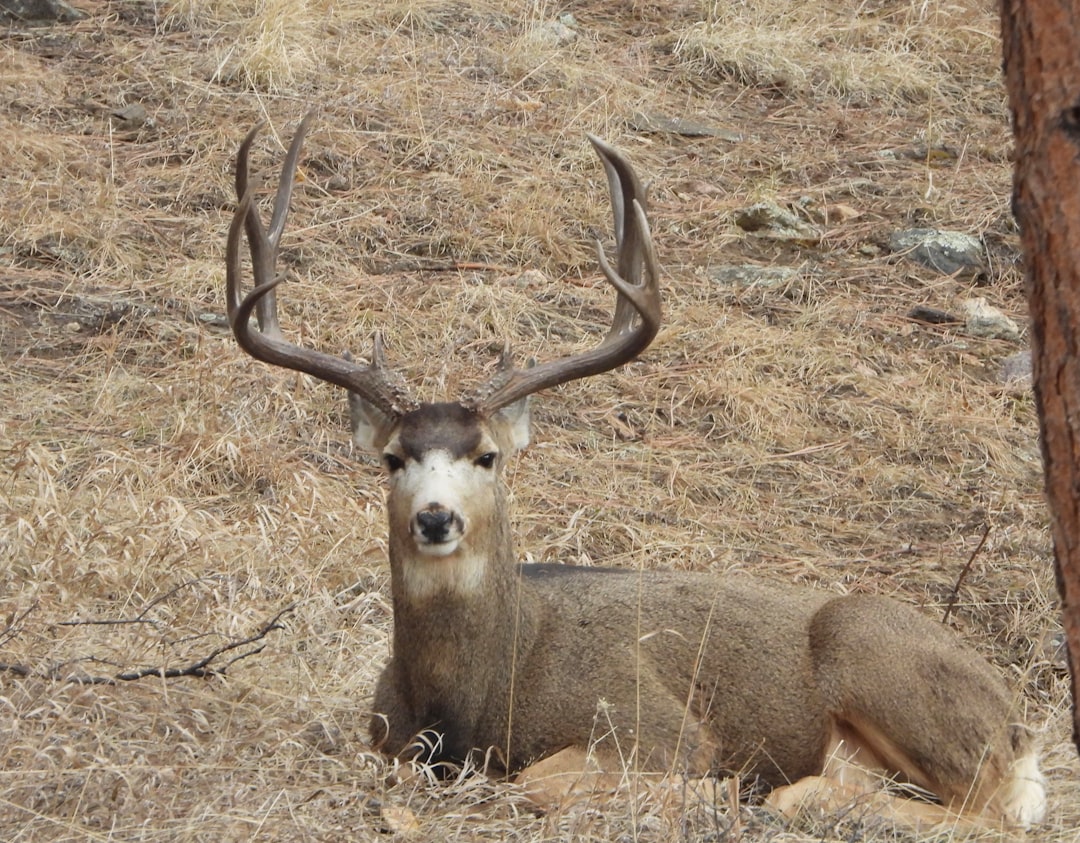
Mule deer present unique challenges for bowhunters. You are often shooting at longer ranges across open country, dealing with unpredictable winds, and taking angles that demand complete pass-throughs on deer that can cover serious ground after the shot. The broadhead you choose matters more than most hunters realize. A poorly matched broadhead can turn a good hit into a long tracking job or worse.
This guide covers the top broadhead options for mule deer hunting in 2025, how to match your choice to your hunting style, and what actually matters when you are taking that 40-yard shot at a buck in the sage.
Fixed-Blade vs Mechanical: What Works Best for Mule Deer
The fixed-blade versus mechanical debate is not about which is better overall. It is about matching your broadhead to how and where you hunt mule deer.
Fixed-blade broadheads offer reliability in wind, better bone-breaking penetration, and performance you can count on regardless of shot angle. If you are hunting high-country basins where winds gust unpredictably or taking quartering shots on steep terrain, fixed-blades give you margin for error. They fly true, they do not have moving parts to fail, and they punch through shoulder blades when your shot placement is not perfect.
Mechanical broadheads deliver flatter trajectories and tighter groups at distance because the blades stay tucked until impact. If you are hunting open sage flats where most shots are broadside at 30 to 50 yards and you have time to range and settle in, mechanicals let you aim like you are shooting field points. The wider wound channels also create better blood trails on deer that can run a quarter mile before piling up.
The downside to mechanicals is inconsistency on angled shots. Hit bone on the way in and some designs fail to deploy or fold back up mid-penetration. In high winds, even tucked blades can plane enough to shift point of impact compared to practice.
Most serious mule deer hunters run fixed-blades. The extra forgiveness matters more than an inch of trajectory difference at ranges you should be shooting anyway.
Top Fixed-Blade Broadheads for Mule Deer
Iron Will S Series (100 or 125 grain) — The single-bevel design creates a rotating wound channel that increases hemorrhaging and penetration. These heads are built for pass-throughs on big-bodied deer. The A75 tool steel construction holds an edge through bone. If you are hunting mature bucks that might give you a quartering-to shot at last light, this is the broadhead you want up front. Hunters consistently report complete pass-throughs on shoulder hits that would have stopped lesser heads.
Cutthroat 100 or 125 grain — Another single-bevel option that splits the difference between extreme toughness and practice-point accuracy. The swept-back blade design reduces wind planing compared to wider-profile heads. These fly like field points out to 60 yards for hunters who practice at distance, but they still drive through ribs and vitals without deflection. A solid choice for spot-and-stalk hunters who need both accuracy and terminal performance.
Magnus Black Hornet (100 or 125 grain) — A classic four-blade design that creates massive wound channels without sacrificing penetration. The serrated bleeder blades increase cutting surface and tissue damage. These are not the most accurate fixed-blades at extreme range, but inside 40 yards they group tight and they absolutely destroy vitals. The blood trails are unmistakable. Good option for hunters who prioritize short recovery over long-range precision.
G5 Montec (100 grain) — One-piece stainless steel construction means zero moving parts and zero blade retention issues. You can resharpen these heads multiple times and they still fly true. Not as aggressive as some modern designs, but proven over decades on mule deer across the West. Budget-friendly without feeling cheap. If you are newer to bowhunting or want a reliable head you can practice with and hunt with interchangeably, the Montec delivers.
Top Mechanical Broadheads for Mule Deer
Rage Hypodermic NC (100 grain) — The swept-back blade angle on the Hypodermic reduces deflection compared to earlier Rage models. The shock-collar blade retention system is more reliable than o-ring designs. You get a two-inch cutting diameter on impact with field-point accuracy out to 50-plus yards. These shine on flat-country hunts where you are taking broadside or slight-quartering shots on bucks in the open. Pass-through rates are good on rib shots, but avoid heavy bone.
Sevr 1.5 or 2.0 — Rear-deploying blades eliminate the pre-deployment failures that plague some mechanicals. The blades lock open on impact and stay open through the entire wound channel. Sevr heads also fly more consistently in wind because the pivot point is farther back. The 1.5-inch model balances penetration and cutting diameter; the 2.0 is for maximum trauma on broadside hits. These are the most dependable mechanicals for western hunting conditions.
Swhacker 2-Blade (100 grain) — The two-stage blade deployment creates a smaller entry hole and wider internal cutting as the main blades deploy. The wing blades cut on entry, then the main blades open once inside the chest cavity. This design improves penetration compared to traditional mechanicals. Good option if you want mechanical accuracy but hunt areas where you might encounter shoulder blade on angled shots.
Matching Broadhead Weight to Your Setup
Broadhead weight affects arrow speed, kinetic energy, and trajectory. Most mule deer hunters run 100-grain broadheads because they balance flat shooting with adequate momentum for pass-throughs. If you are shooting a slower bow (under 270 fps) or hunting in windy conditions where you want maximum stability, stepping up to 125-grain heads makes sense. The trajectory penalty is minor inside 40 yards and the extra weight improves penetration on angled shots.
Heavier setups also quiet your bow and reduce shock to your rest and sight. If you are hunting from a ground blind or stalking close, the stealth advantage of a heavier arrow can matter more than 10 fps of speed.
Avoid going lighter than 100 grains. Mule deer are not small animals and western winds are real. A 75-grain or 85-grain head might group tight on calm mornings, but it will cost you when conditions matter.
Free to join
Download mobile app
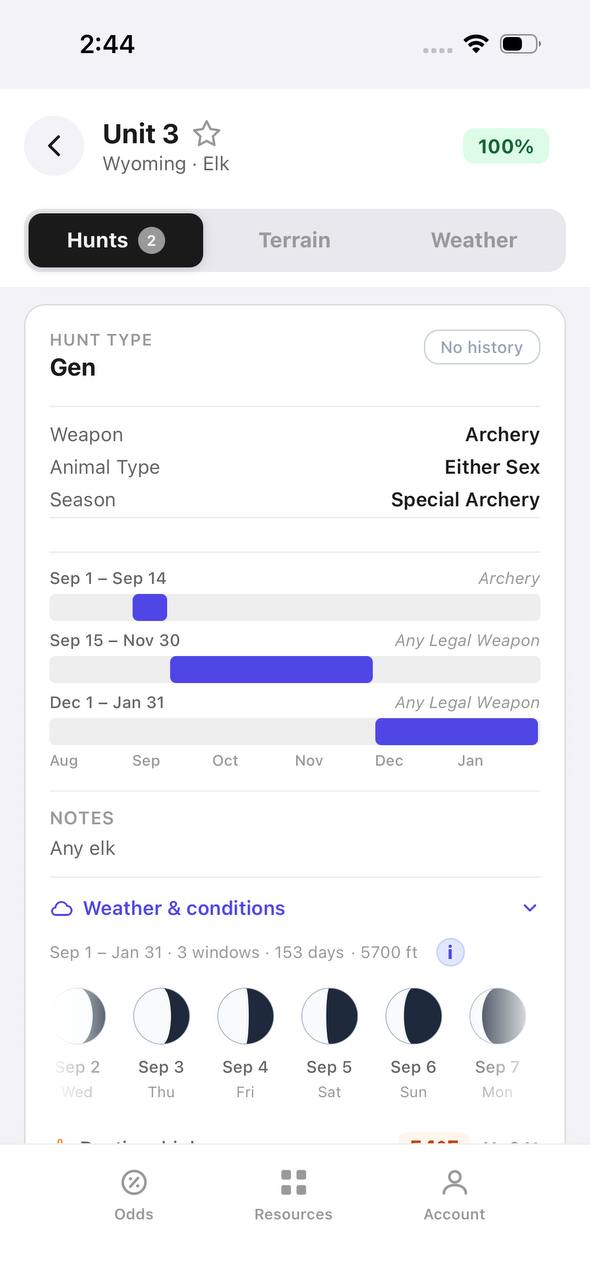
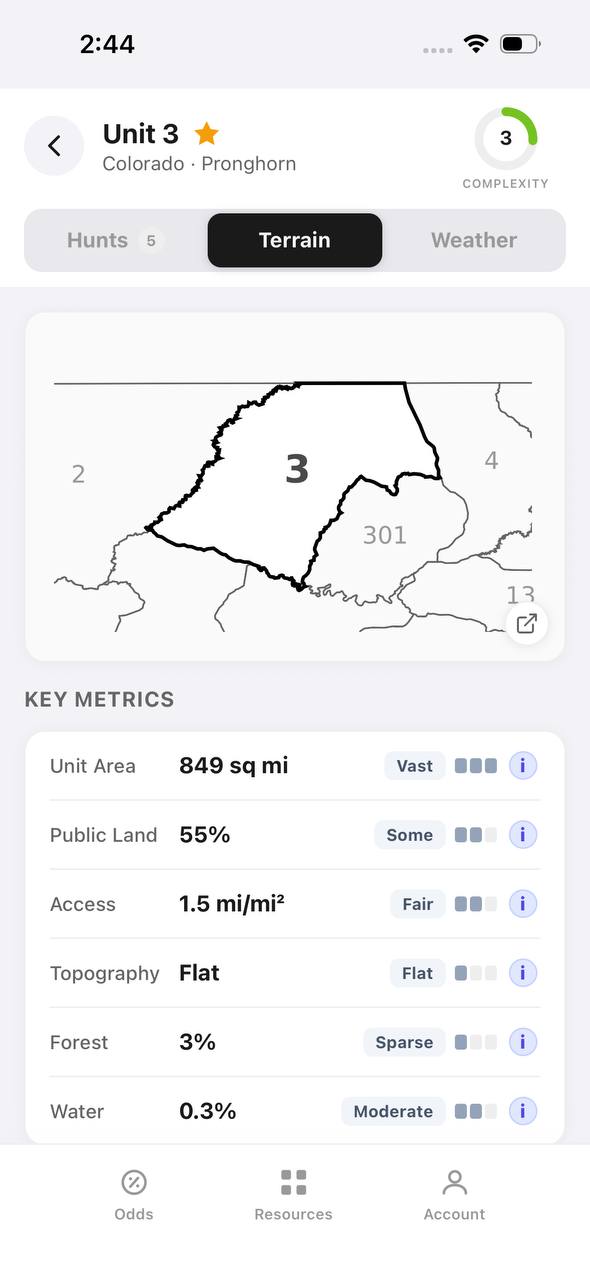
- Detailed draw odds
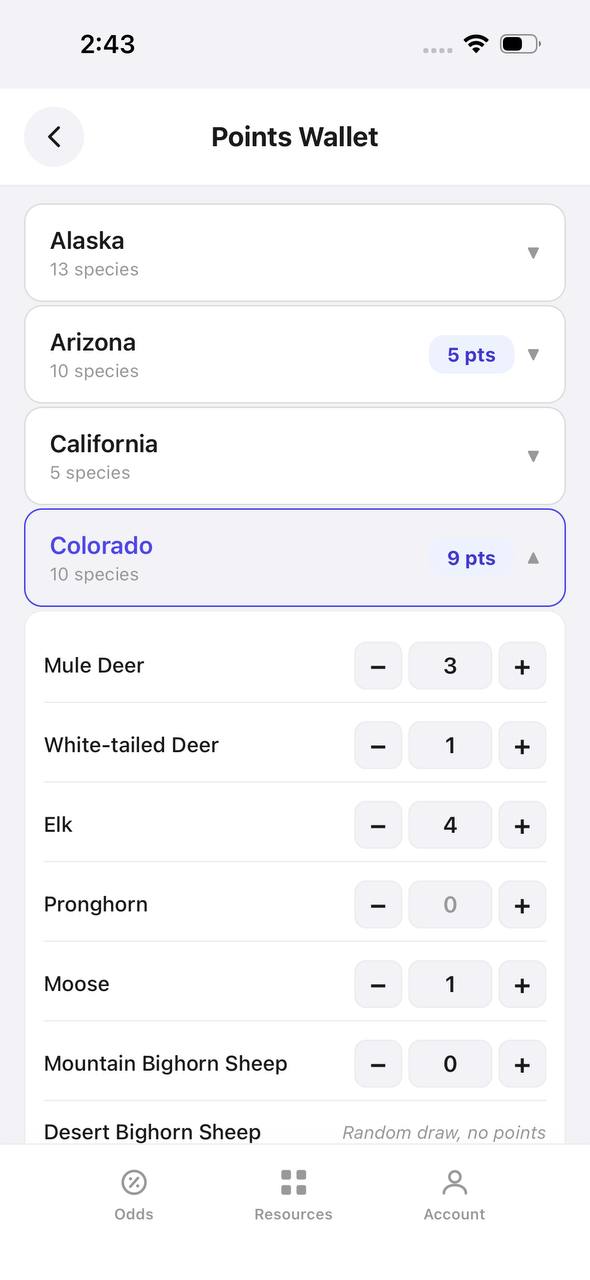
- Point tracking
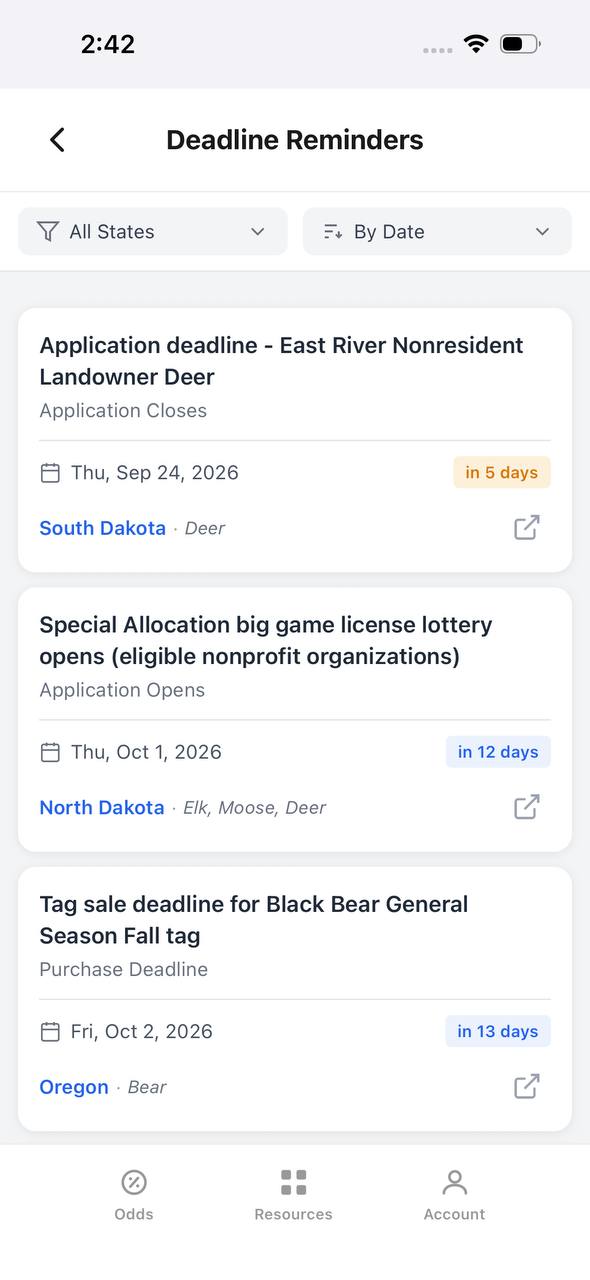
- Deadline reminders
- 18 states covered

Free to join
Download mobile app
- Detailed draw odds
- Point tracking
- Deadline reminders
- 18 states covered

Free to join
Download mobile app
- Detailed draw odds
- Point tracking
- Deadline reminders
- 18 states covered

Tuning Your Broadheads for Long-Range Accuracy
Mule deer hunting often means shots beyond 30 yards. Your broadheads need to group with your field points at the distances you actually shoot. Start by bare-shaft tuning your bow to eliminate any rest or nocking-point issues. Then shoot your broadheads at 20, 30, 40, and 50 yards. If broadheads are grouping but hitting differently than field points, adjust your rest in the direction the broadheads are hitting. Small tweaks go a long way.
Fixed-blade broadheads are more sensitive to tuning than mechanicals. If your setup is not perfectly tuned, you will see it at 40-plus yards. Vane contact, weak spine, and centershot issues all get magnified. Do not assume your bow is tuned because field points group well. Broadheads expose flaws.
Practice with the actual broadheads you plan to hunt with, not just one or two test shots. You need to know where they hit at distance and you need the confidence that comes from putting them in the kill zone repeatedly. Replace blades that get dinged on practice targets — a rolled edge or bent tip will fly differently than a fresh head.
Shot Placement and Penetration Considerations
Mule deer anatomy is similar to whitetails, but western hunting conditions change how you approach shot selection. In open country, deer often stop quartering or facing you rather than offering perfect broadside angles. A good broadhead needs to penetrate 18 to 24 inches through muscle, bone, and vitals to create reliable blood trails on deer that might run 200 yards before going down.
The ideal shot is tight behind the shoulder, mid-body height, punching both lungs. On quartering-away angles, aim for the far shoulder to maximize the wound channel through the chest cavity. Avoid frontal or extreme quartering-to shots unless you are confident your setup will drive through the shoulder and reach the vitals.
Single-bevel fixed-blades excel on tough angles because the rotation helps them slip around bone rather than deflecting. Mechanicals are best reserved for broadside or slight-quartering angles where blade deployment is guaranteed. Know your limitations and pass on shots your equipment is not built for.
What TAGZ Hunters Are Using
Hunters using TAGZ to plan their mule deer hunts across Colorado, Wyoming, Montana, and Nevada consistently report success with setups prioritizing penetration over speed. The most common combination is a 70-pound bow pushing a 450-grain arrow with a 100-grain fixed-blade broadhead at 280 fps. This setup delivers roughly 78 ft-lbs of kinetic energy — more than enough for complete pass-throughs on mature bucks.
The second most popular choice is a 100-grain mechanical on a lighter, faster arrow (400 grains, 290 fps) for hunters focusing on open-country spot-and-stalk tactics where shots are typically broadside inside 45 yards. These hunters accept slightly less penetration in exchange for flatter trajectories and tighter groups at distance.
Regardless of broadhead style, successful hunters emphasize practice at realistic distances, tuning verification every season, and knowing the maximum range where they can consistently hit a six-inch circle. Equipment matters, but shot discipline matters more. TAGZ helps you find the units where you can get within range of mature bucks — your broadhead just needs to finish the job when the opportunity comes.
FAQ — Mule Deer Broadheads
What is the best broadhead for spot-and-stalk mule deer hunting?
Fixed-blade broadheads in the 100 to 125-grain range offer the best balance of wind resistance, penetration, and reliability on the varied shot angles common in spot-and-stalk hunting. Iron Will and Cutthroat models are top choices.
Do mechanical broadheads work for mule deer?
Yes, mechanical broadheads work well on broadside shots in open country where shot distances are known and angles are favorable. Sevr and Rage Hypodermic models deliver field-point accuracy with wide cutting diameters, but avoid them on steep quartering shots.
Should I use 100-grain or 125-grain broadheads for mule deer?
Most hunters should use 100-grain broadheads for the best combination of arrow speed and penetration. Step up to 125 grains if you shoot a slower bow, hunt in high winds, or prioritize maximum kinetic energy over flat trajectory.
How do I know if my broadheads are tuned correctly?
Shoot your broadheads and field points at 30 and 40 yards. If both group tightly and hit the same point of impact, your setup is tuned. If broadheads group separately from field points, adjust your arrow rest in the direction the broadheads are impacting.
What cutting diameter is best for mule deer?
A cutting diameter between 1 inch and 1.5 inches provides good penetration and wound channels for mule deer. Wider mechanicals (2 inches or more) create better blood trails but may sacrifice penetration on angled shots.
Can you reuse broadheads after a kill?
Fixed-blade broadheads can be resharpened and reused if the blades are not bent or chipped. Mechanical broadheads should be replaced after any impact — even practice shots — because blade retention and deployment mechanisms wear out. Never hunt with a broadhead that has hit anything harder than foam.
Continue Planning Your Mule Deer Hunt
Choosing the right broadhead is just one piece of a successful mule deer hunt. Shot opportunity starts with finding the right unit and understanding draw odds, terrain, and public land access.
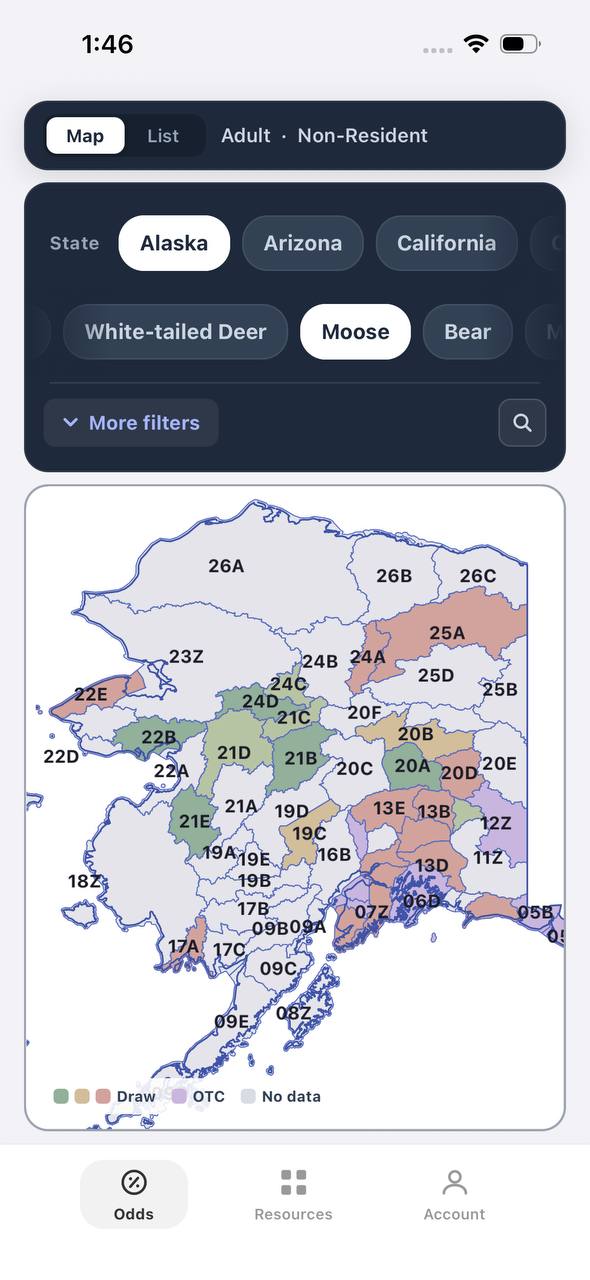
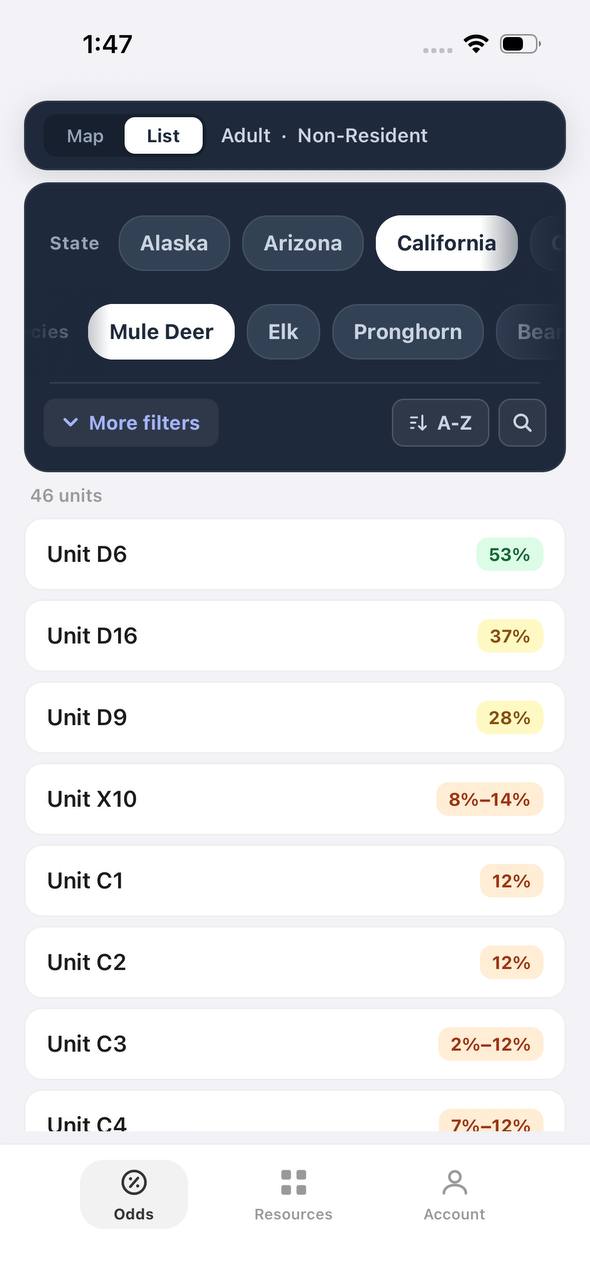
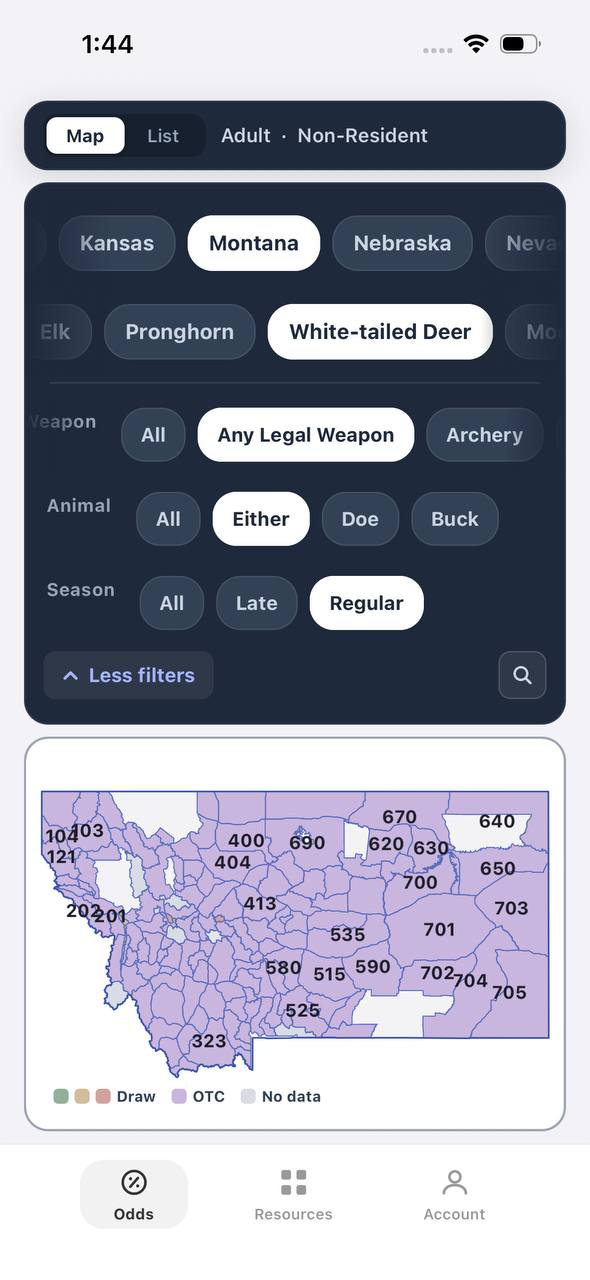
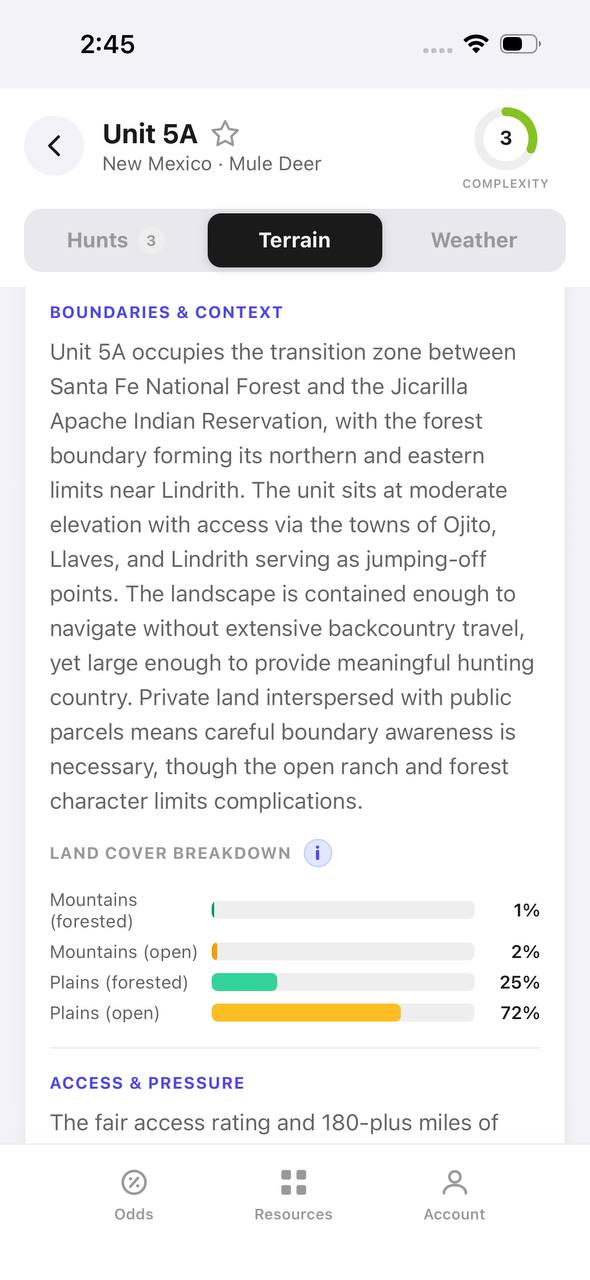
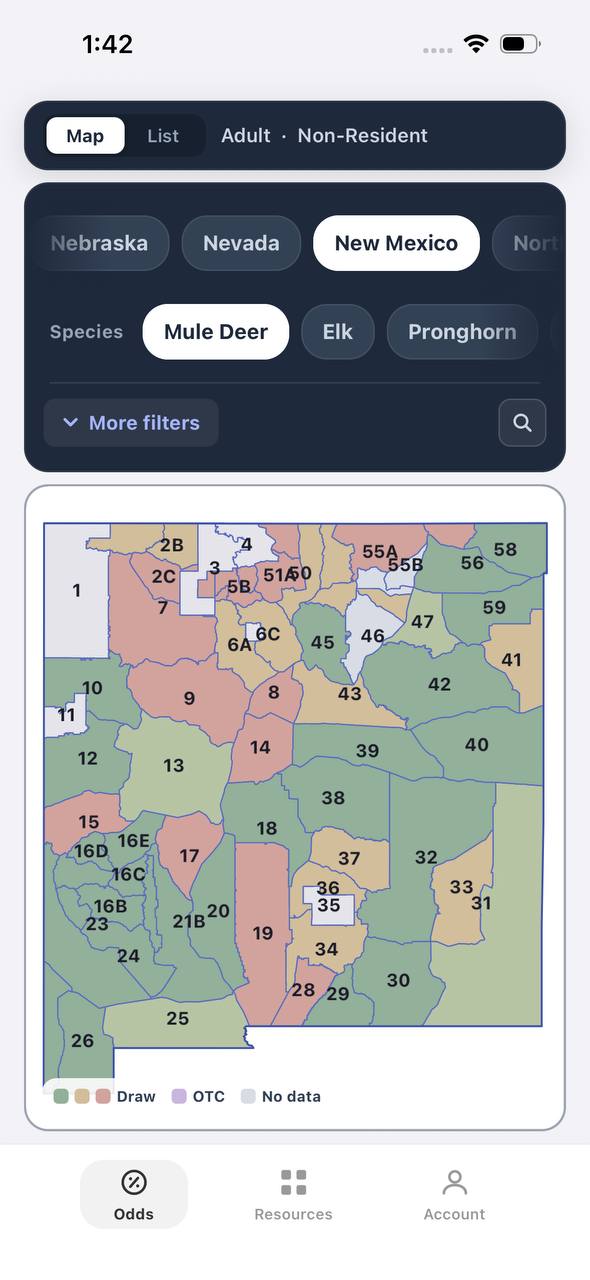
TAGZ helps western bowhunters compare units side by side using terrain maps, public land boundaries, and historical draw data. Track your preference points across multiple states, filter hunts by weapon and season, and make smarter decisions before you ever apply. Whether you are chasing OTC archery tags in Colorado or planning a limited-entry hunt in Nevada, TAGZ gives you the tools to maximize your odds and get into the field.
Explore more mule deer hunting strategies and unit breakdowns on the TAGZ Insights page, compare draw odds and plan your next application at getmytagz.com, or see how the platform works at TAGZ Product.
Was this article helpful?
Previous
Best Triggers for Hunting Rifles: Drop-In Upgrades That Matter in the Field
A quality aftermarket trigger transforms accuracy and confidence on hunting rifles. We break down the best drop-in triggers for Remington 700, Savage, Ruger American, and Tikka platforms, explain adjustable vs. fixed weight, and show why trigger control matters more than most hunters realize.
Related
How to Judge Animals Through Binoculars — Field Techniques for Trophy Assessment
Master the art of field judging big game through binoculars with proven techniques for estimating antler mass, body size, and age class. Learn what to look for when glassing elk, mule deer, pronghorn, and other western species before you commit to a stalk.

Next
Guided vs DIY Moose Hunts: Cost, Success Rates & What You Need to Know
Moose hunts require major investments of time and money. This guide breaks down guided vs DIY approaches—comparing costs, success rates, logistics, and what it takes to hunt moose on your own vs with professional support.