Species You Can Hunt
- Mule Deer
- Elk
- Pronghorn
- Desert Bighorn Sheep
- Bear
State Overview
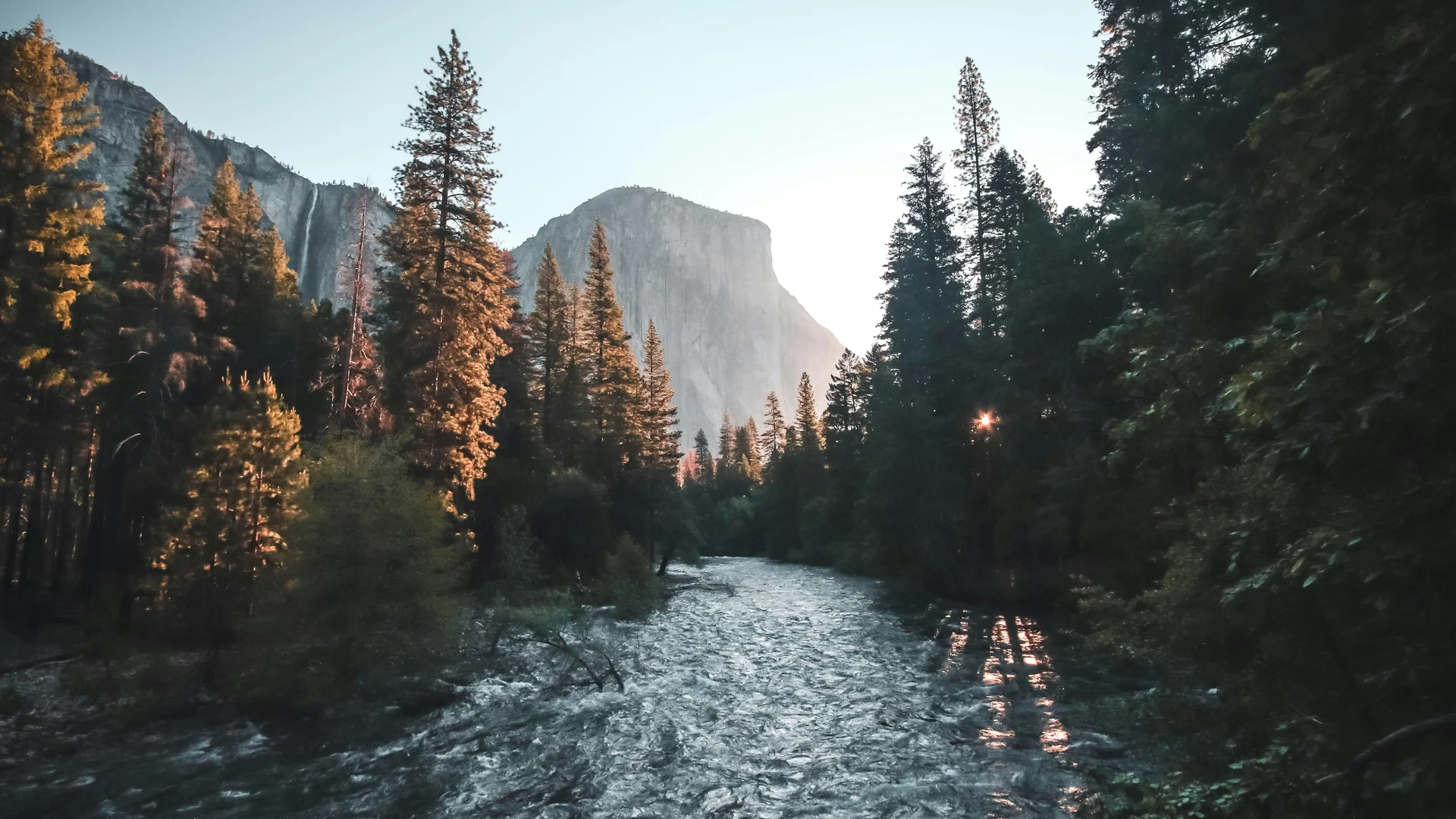
California packs extraordinary diversity into one state: the Pacific coast and Coast Ranges, the agricultural Central Valley, the towering Sierra Nevada, the Mojave and Colorado deserts, and volcanic forest country in the north.
Hunters pursue black-tailed and mule deer, Roosevelt, Rocky Mountain, and tule elk, pronghorn, desert bighorn, black bear, and abundant wild pigs. There is a great deal of public land, but access and tag scarcity vary widely—deer zones range from easy over-the-counter areas to highly competitive premium draws.
Licensing & Draw
How it works
California's big game hunting is run by the Department of Fish & Wildlife (CDFW) and covers deer, elk, pronghorn antelope, bighorn sheep, bear, and wild pig. It uses a preference point system for the Big Game Drawing.
Many deer tags are tied to specific hunt zones with quotas (some sell out first-come), while premium deer hunts plus all elk, pronghorn, and bighorn sheep are awarded through the drawing. Points raise your priority but the draw also has a random element.
You must hold a valid California hunting license to apply or hunt. Preference points accumulate by species; for 2026 the maximum is 24 points for any one species. You can apply for a point only if you don't want to draw a tag that year.
A junior hunting license (under 16) and reduced-fee disabled-veteran licenses are available, and a 2-day nonresident license does not cover big game.
Applying & deadlines
Apply during the Big Game Drawing through CDFW's online license system, a license agent, or by phone. You list up to three ranked choices for deer and a single hunt choice for elk, pronghorn, and bighorn sheep.
Parties are allowed for most species (not bighorn sheep). Deer has a first-deer and, for some hunters, a second-deer application.
For 2026, the Big Game Drawing application period runs April 15 through midnight June 2. Confirm exact dates and result timing each year in the current digest.
Zone-based deer tags that aren't fully drawn can be bought over the counter until their quota fills, which can happen well before the season.
Draw mechanics
In the Big Game Drawing, a large share of tags goes to applicants with the most preference points, and the remainder are drawn randomly, so lower-point applicants still have a chance. Drawing a premium/limited tag resets that species' points.
How TAGZ turns these mechanics into projected draw odds is covered separately in the odds methodology.
Fees at a glance
Figures are approximate—see the current fee schedule. A resident hunting license is about $64.54 and a nonresident license about $225.46. A resident first deer tag is about $42.38 versus about $377.35 for a nonresident.
Elk, pronghorn, and bighorn sheep tag drawing applications are about $8.38 each, and a resident bear tag is about $62.90 (about $397.60 nonresident).
Good to Know
Elk, pronghorn, and especially bighorn sheep tags are extremely limited and can take many years of points; bighorn ram is effectively once-in-a-lifetime. Deer 'zone' tags vary widely—some are easy over-the-counter buys, others are competitive premium draws.
New desert bighorn hunt zones and deer tag classification changes were adopted for 2026, so check the current hunt tables. CWD management zones may add requirements in some areas.
Free to join
Access the full draw odds database for California
View up to date season schedule and projected odds across all units.
Regulations
Hunting Regulation Brochures for California
Official season brochures published by the state wildlife agency.

All Game Units
93 units — Unit details, topography, landcover, and access are open to everyone. Draw odds projections are available with a TAGZ account.