Best States for Alligator Hunting: Where to Draw Tags and Hunt Gators in 2026
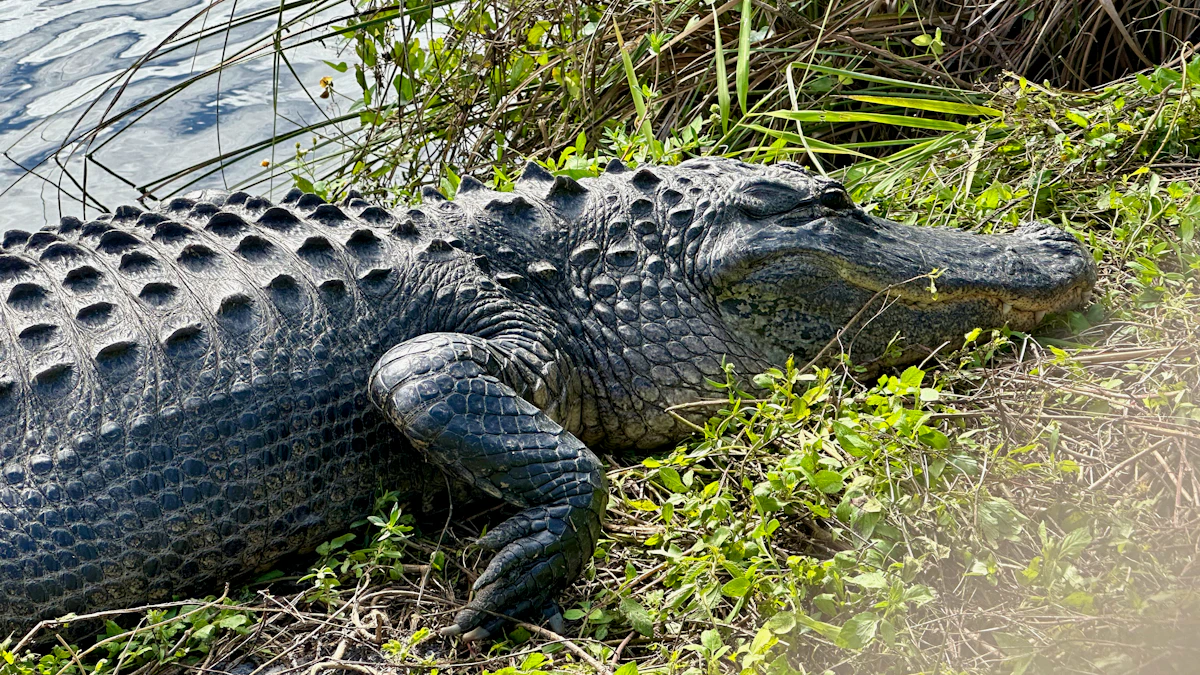
Alligator hunting is unlike any other big-game pursuit in North America. The combination of swamp navigation, night hunting, high-stakes shot placement, and the sheer size of a mature bull gator makes this a bucket-list hunt for many western hunters looking to diversify their seasons. But not all gator hunting states are created equal. Draw odds, season timing, trophy potential, public land access, and tag costs vary dramatically across the South.
If you are serious about adding an alligator to your trophy room, you need to understand which states offer the best combination of opportunity, trophy quality, and hunt structure. Here is a breakdown of the top five states for alligator hunting, what makes each unique, and how to position yourself for a tag.
Florida: The Highest Tag Allocation and Most Consistent Opportunity
Florida issues more alligator permits than any other state. The Florida Fish and Wildlife Conservation Commission (FWC) manages hunts across dozens of Wildlife Management Areas (WMAs), each with its own quota and application period. The statewide harvest typically exceeds 7,000 gators annually, making Florida the easiest state to draw a tag if you are willing to hunt public land.
Florida divides its alligator season into two phases. Phase One runs for about two weeks in late August and early September. Phase Two follows immediately after and lasts roughly a month. Most hunters prefer Phase One for cooler temperatures and higher gator activity, but Phase Two offers better draw odds in many units.
Draw odds in Florida depend heavily on the WMA you apply for. Popular areas like Lake Okeechobee, the Everglades, and Lake Jesup can be competitive, with draw odds ranging from 10% to 40% depending on the zone and phase. Lesser-known WMAs in North Florida or smaller lakes often have draw odds exceeding 80%. Florida does not use preference points, so every application is a random draw.
Trophy potential in Florida is excellent. The state record alligator measured over 14 feet and weighed more than 800 pounds. Bulls over 10 feet are common on well-managed WMAs, and 12-footers are taken every season. If you want consistent opportunity with legitimate trophy potential, Florida is hard to beat.
Florida also allows private land harvest under a separate Alligator Trapping License system, which is not a draw but requires landowner permission and a different application process. This is how many outfitters operate, offering guaranteed tags but at a premium price.
Louisiana: The Most Liberal Harvest Rules and Longest Season
Louisiana issues more alligator tags than any other state and runs the longest season—roughly 30 days in late August through September. Louisiana's alligator program is quota-based but extremely generous. Resident hunters can draw multiple tags across different parishes, and the overall harvest exceeds 30,000 gators annually.
Unlike most states, Louisiana does not conduct a traditional lottery for public land tags. Instead, the Louisiana Department of Wildlife and Fisheries (LDWF) uses a random draw within lottery zones, but the sheer number of tags available means draw odds are exceptional. Many zones have draw odds above 90%, especially for residents. Nonresidents face slightly lower odds but still pull tags regularly.
Louisiana allows hunters to harvest one alligator per tag, and there is no minimum size limit. This means you can legally take any gator, but most serious hunters target bulls over 8 feet. The state record alligator came from Louisiana—a 19-foot, 2-inch monster taken on the west side of Marsh Island. Bulls over 12 feet are taken every year, particularly in coastal marsh units.
The downside to Louisiana is access. Much of the best gator habitat is in hard-to-reach coastal marsh accessible only by boat. Hunters without local knowledge or a reliable airboat often struggle. Hiring a guide is common, and Louisiana has more professional gator guides than any other state.
Louisiana also offers private land tags, which landowners can purchase separately and either use themselves or sell to hunters. These tags bypass the public draw entirely, making Louisiana one of the easiest states to guarantee a gator hunt if you are willing to pay for access.
Texas: Draw Odds Are Tough, But Trophy Quality Is Elite
Texas Parks and Wildlife (TPWD) manages alligator hunting on 22 public lakes and WMAs, issuing roughly 500 permits annually. The season runs for 20 days in April, making Texas the only spring alligator hunt in the country. This timing coincides with the pre-breeding season, when bull gators are actively moving and more visible.
Texas does not use preference points, and draw odds are significantly lower than Florida or Louisiana. Popular lakes like Caddo Lake, Choke Canyon Reservoir, and the Lower Neches WMA often have draw odds below 5%. Lesser-known units like Lake Corpus Christi or Granger Lake may offer odds around 15% to 25%, but these are still competitive hunts.
What Texas lacks in opportunity, it makes up for in trophy quality. Texas consistently produces some of the largest alligators taken in the U.S. The state record alligator measured 14 feet, 3 inches, and bulls over 11 feet are common. Texas limits harvest to one gator per permit, and there is a 4-foot minimum length requirement to ensure only mature animals are taken.
Texas also allows harvest on private land under a different permit system. Landowners with suitable habitat can request private land tags, which are issued based on gator population surveys. These tags are not part of the public draw and can be used by the landowner or transferred to another hunter. This is the primary route for nonresidents who want to hunt Texas gators, as most outfitters operate under private land permits.
If you are chasing a true trophy gator and willing to wait years for a public tag or pay for private access, Texas is worth serious consideration.
Georgia: A Short Season with Improving Draw Odds
Georgia's alligator season runs for just 10 days in late August and early September, making it one of the shortest hunts in the South. The Georgia Department of Natural Resources (DNR) issues roughly 300 permits annually, split between WMAs and selected public waters. The season is short, but draw odds are improving as Georgia expands quotas in response to growing gator populations.
Georgia uses a random draw system with no preference points. Draw odds vary by unit but typically range from 20% to 50% depending on the WMA. Coastal units like the Altamaha WMA and the Satilla River tend to be more competitive, while inland lakes like Lake Seminole and Lake Blackshear offer better odds.
Trophy potential in Georgia is solid but not on par with Florida or Texas. Most harvested gators range from 8 to 10 feet, with occasional bulls exceeding 12 feet. Georgia requires a 4-foot minimum length, and hunters are limited to one gator per permit.
Georgia does not offer private land tags, so the public draw is the only option. This makes Georgia a straightforward application for hunters who want a legitimate hunt without navigating private access or paying outfitter fees.
Free to join
Download mobile app
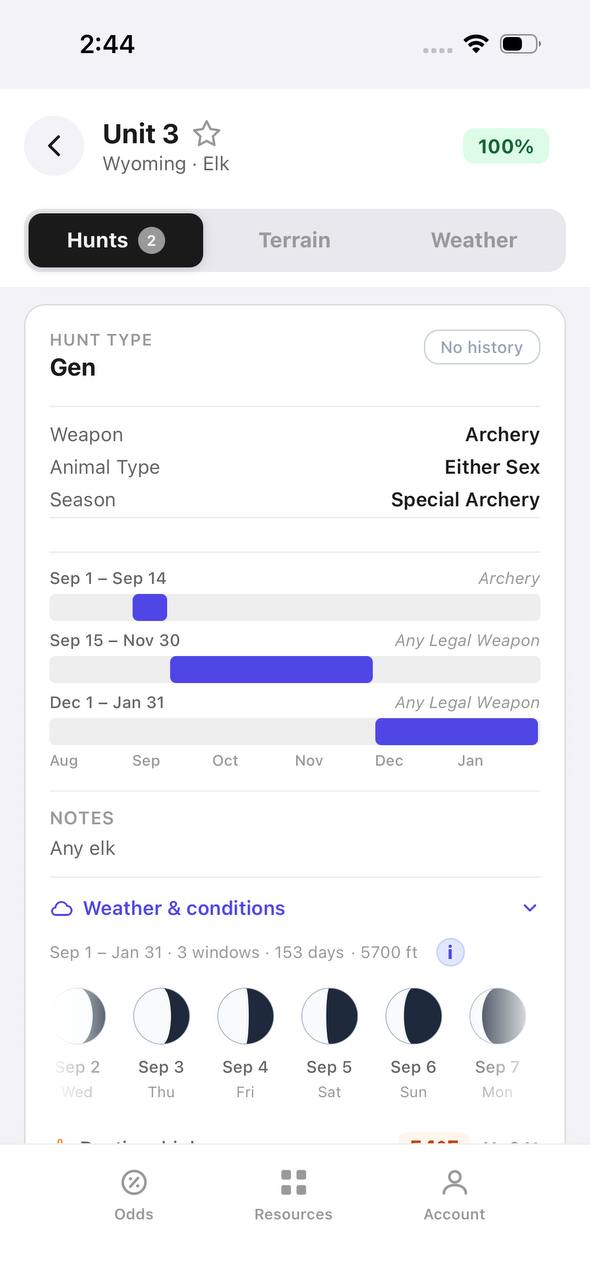
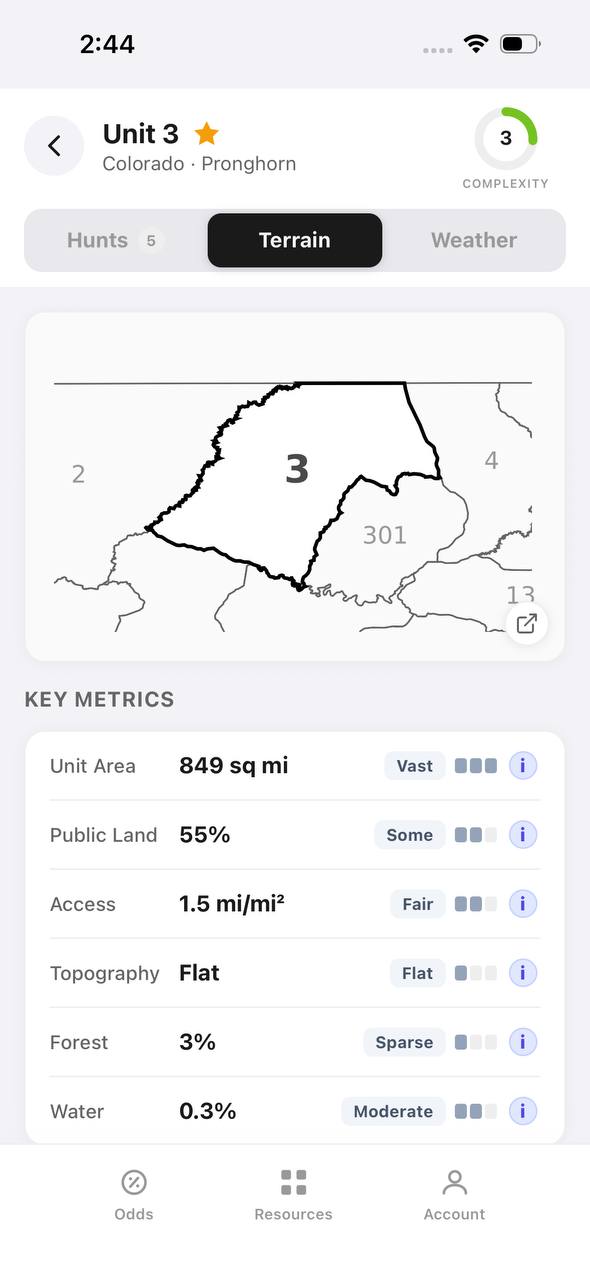
- Detailed draw odds
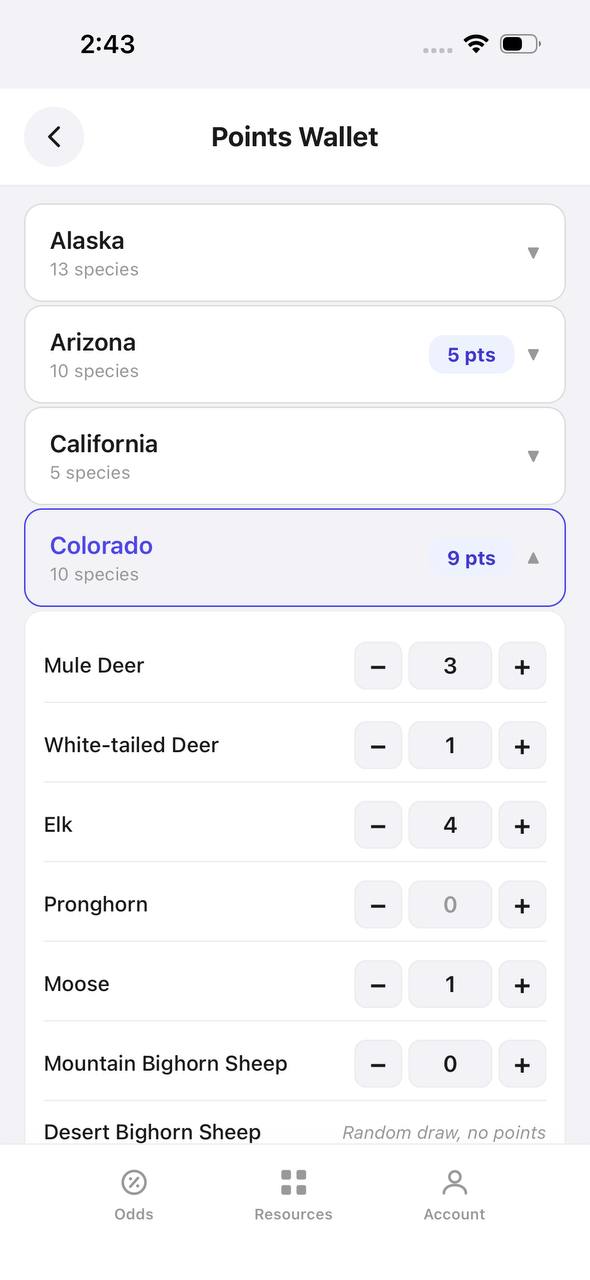
- Point tracking
- Deadline reminders
- 18 states covered

Free to join
Download mobile app
- Detailed draw odds
- Point tracking
- Deadline reminders
- 18 states covered
Free to join
Download mobile app
- Detailed draw odds
- Point tracking
- Deadline reminders
- 18 states covered
South Carolina: Limited Opportunity, But Public Land Access Is Excellent
South Carolina offers alligator hunting on select WMAs and public lakes, issuing roughly 1,000 permits annually. The season runs for about 30 days in September and October, making it one of the latest gator seasons in the country. This timing can be advantageous, as cooler fall temperatures make hunting more comfortable and gators more predictable.
South Carolina uses a random draw with no preference points. Draw odds range from 30% to 60% depending on the unit. Popular areas like Lake Marion and Lake Moultrie tend to be more competitive, while smaller WMAs like Bear Island and Santee Coastal Reserve often have better odds.
Trophy potential in South Carolina is moderate. Most harvested gators range from 8 to 11 feet, with the occasional 12-footer taken on Lake Marion. South Carolina requires a 4-foot minimum length and limits hunters to one gator per tag.
What sets South Carolina apart is public land access. The state manages several large WMAs with good boat launch infrastructure and clear boundaries, making it easier for DIY hunters to navigate compared to Louisiana's remote coastal marsh. South Carolina also allows take methods including firearms, harpoons, and snatch hooks, giving hunters flexibility in their approach.
How Draw Systems and Season Timing Affect Your Hunt
Understanding how each state structures its draw and season is critical for planning. Florida and Louisiana offer the highest tag allocations and the best draw odds, but Florida's WMA system requires more research to identify units with both high draw odds and trophy potential. Louisiana offers the most tags but demands more logistical planning due to difficult access.
Texas has the toughest draw odds but the best trophy quality. If you apply for Texas every year, expect to wait several seasons before drawing a public tag. Georgia and South Carolina fall somewhere in the middle—moderate draw odds, solid public land access, and decent trophy potential.
Season timing also matters. Florida, Louisiana, Georgia, and South Carolina all run late summer or early fall seasons when temperatures are high and gators are active. Texas is the outlier with its April season, which offers cooler hunting conditions but requires different scouting strategies.
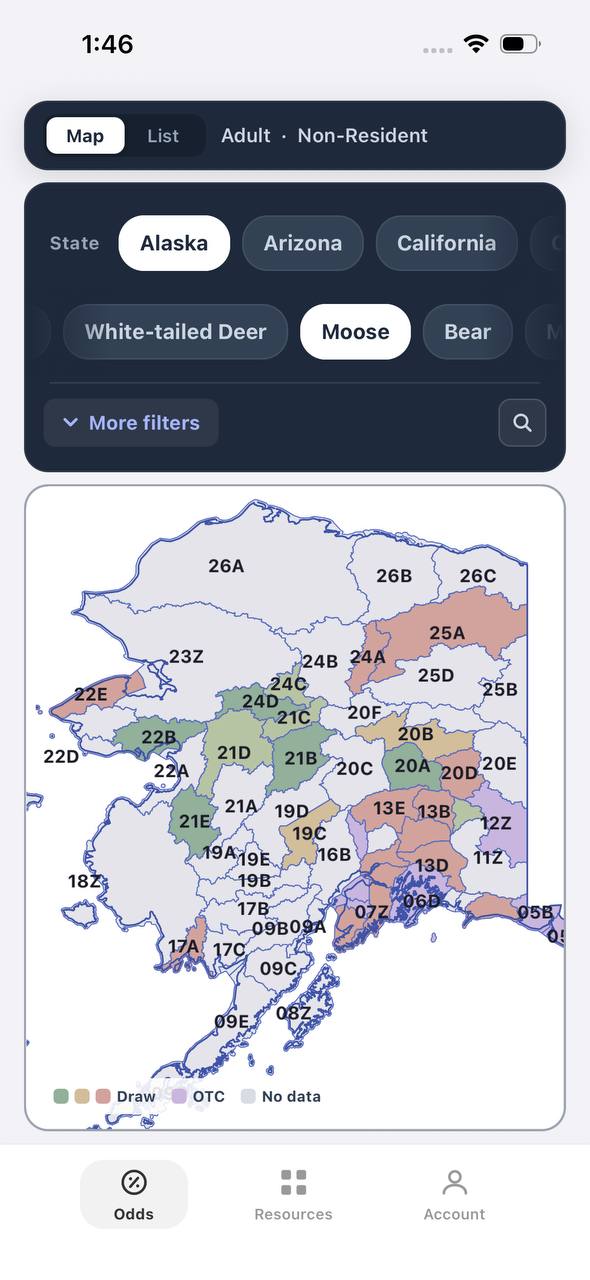
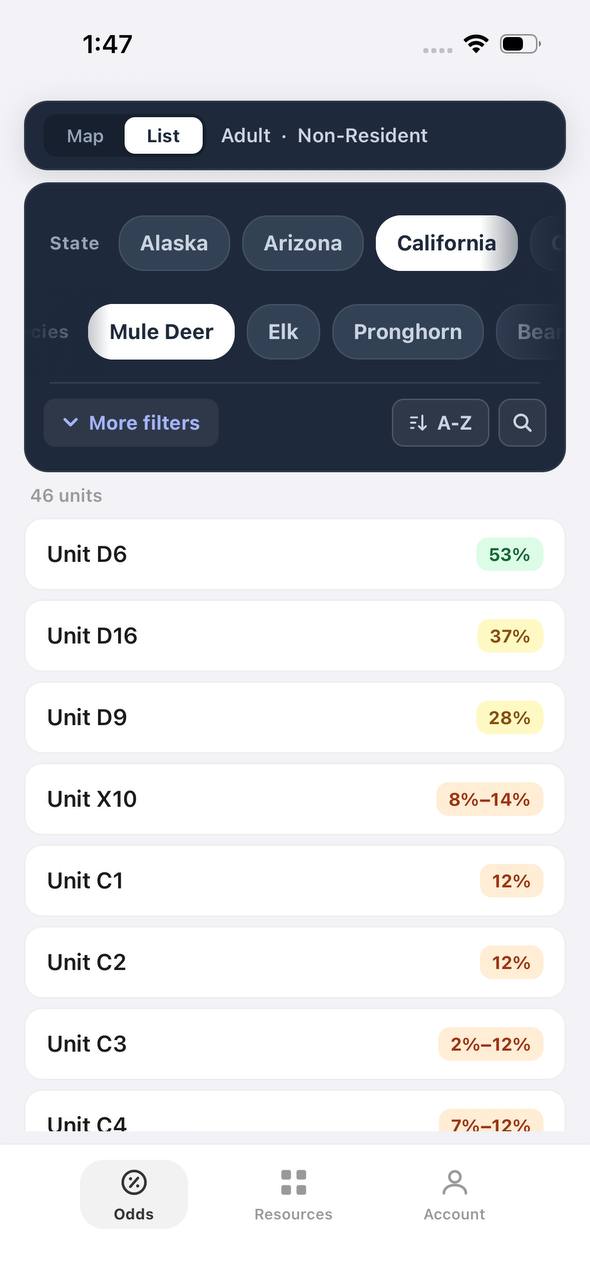
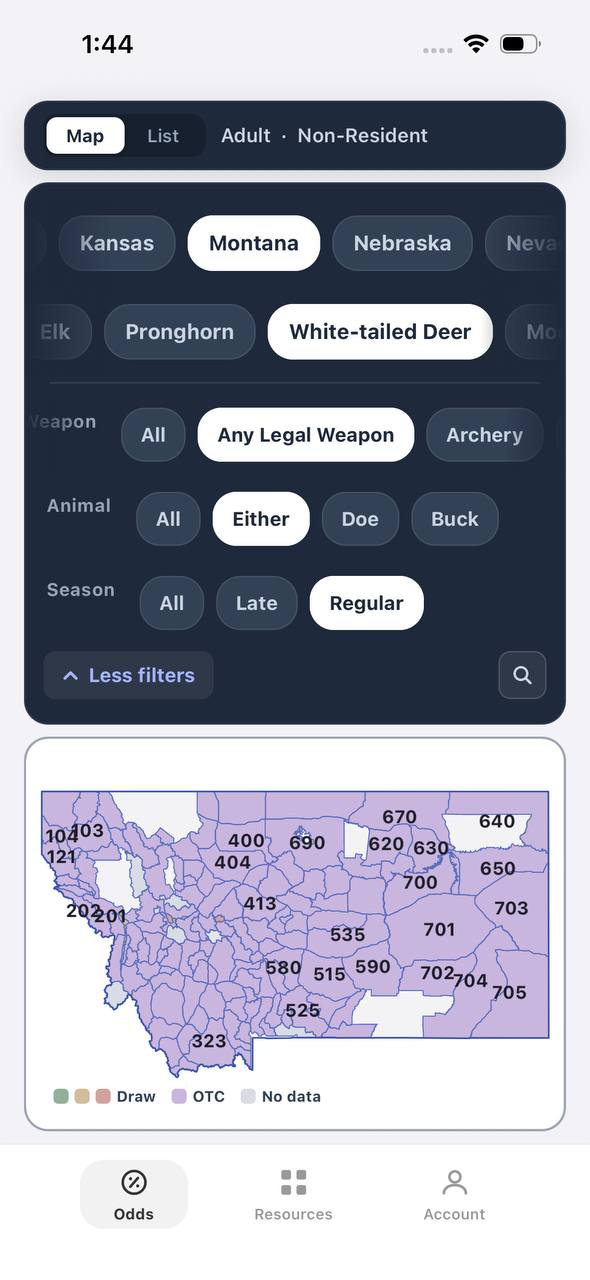
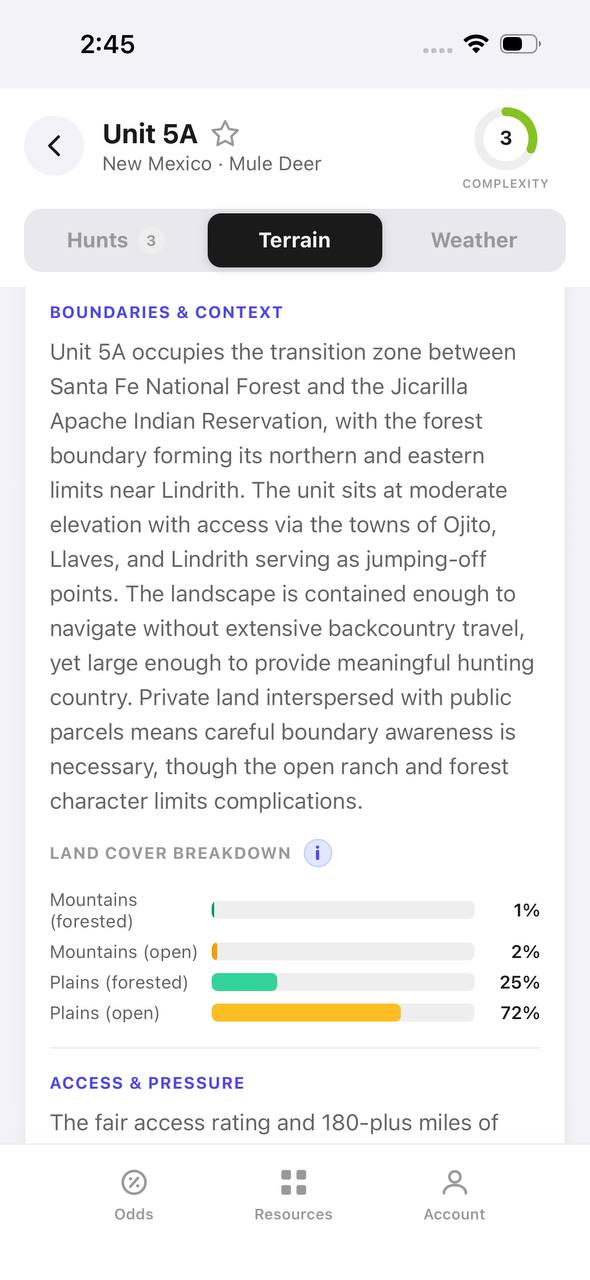
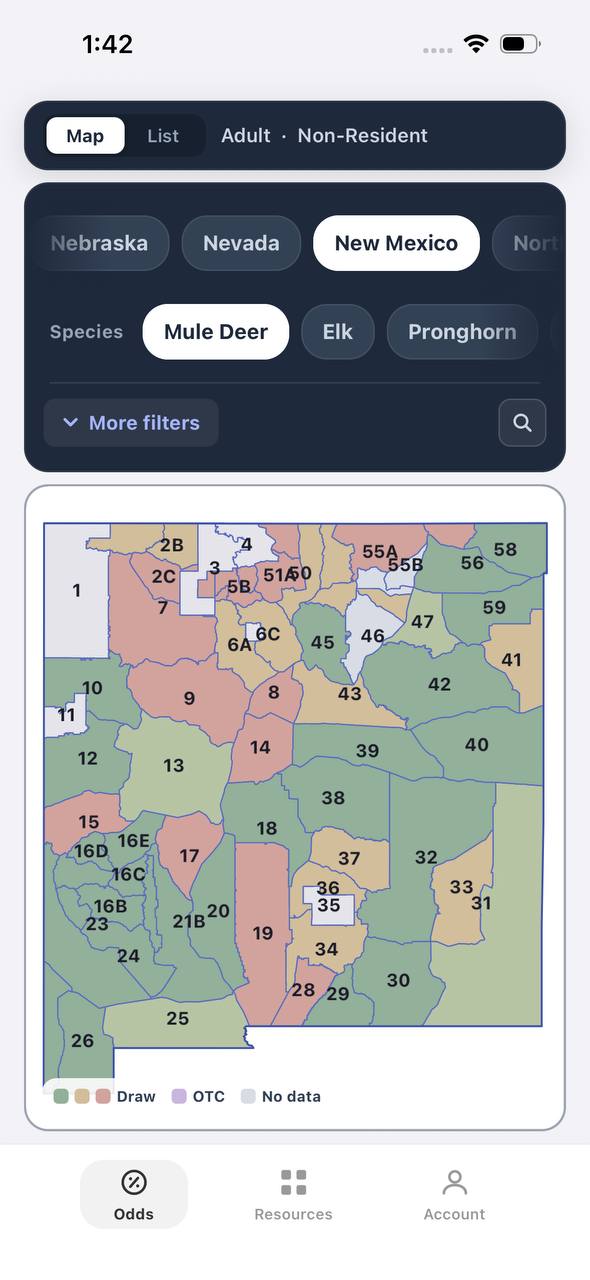
TagZ helps hunters compare draw odds across states, track application deadlines, and filter units by public land access and trophy potential. Whether you are chasing your first gator or targeting a 12-foot bull, having accurate draw data and unit comparisons in one place eliminates guesswork and helps you make smarter application decisions.
Tag Costs and Nonresident Access
Alligator tag costs vary significantly by state. Florida charges around $272 for a nonresident alligator trapping license, which allows harvest on public WMAs. Louisiana nonresident tags cost roughly $150 per tag, but hunters can draw multiple tags across different parishes. Texas charges about $252 for a nonresident alligator hunting license, though public draw odds are low. Georgia charges $50 for a nonresident alligator hunting license, and South Carolina charges around $100.
Most states require a base hunting license in addition to the alligator-specific permit. Some states also require completion of a mandatory alligator hunting course before applying. Check each state's wildlife agency website for current fee schedules and course requirements.
Nonresidents face no quota restrictions in Florida, Louisiana, or Texas, meaning you compete in the same pool as residents. Georgia and South Carolina allocate a small percentage of tags specifically for nonresidents, which can slightly improve draw odds compared to competing with residents.
Outfitters, Guides, and Guaranteed Tags
If draw odds and DIY logistics are not appealing, hiring an outfitter is a viable option. Louisiana has the most established gator guide industry, with dozens of professional outfitters offering guaranteed tags on private land. Expect to pay between $1,500 and $3,500 for a fully guided gator hunt, depending on trophy potential and accommodations.
Florida also has a robust guide network, particularly on Lake Okeechobee, the Everglades, and larger rivers. Texas outfitters operate primarily under private land permits, with hunts ranging from $2,500 to $5,000 for trophy bulls.
Georgia and South Carolina have fewer commercial gator outfitters, but some deer and hog hunting operations offer add-on gator hunts during the season. If you go the guided route, verify that the outfitter holds valid permits and ask about average gator size, success rates, and whether the hunt is conducted on public or private land.
Continue Planning Your Hunt
Alligator hunting is a high-stakes, skill-intensive pursuit that rewards preparation and persistence. Whether you are drawn to Florida's high tag quotas, Louisiana's liberal harvest rules, or Texas's trophy potential, success starts with understanding draw odds, season structures, and unit-specific regulations.
TagZ helps you compare draw odds across states, track preference points and bonus points, filter units by weapon type and season, and monitor application deadlines. Whether you are planning your first gator hunt or strategizing a multi-state application approach, TagZ gives you the tools to make smarter decisions before you ever step into the field. Explore draw odds, unit maps, and terrain breakdowns at tagz.com.
For more insights on planning western big-game hunts and navigating draw systems, visit the TAGZ Insights blog. Ready to start building your application strategy? Check out TAGZ pricing options and see how the platform simplifies multi-state hunt planning.
FAQ — Alligator Hunting
Which state has the best draw odds for alligator tags?
Louisiana offers the best draw odds, with many zones exceeding 90% for residents and strong odds for nonresidents. Florida also has excellent odds on lesser-known WMAs, particularly in Phase Two hunts.
Can nonresidents hunt alligators in these states?
Yes. Florida, Louisiana, Texas, Georgia, and South Carolina all allow nonresident alligator hunters. Tag costs are higher for nonresidents, but there are no separate quotas in most states.
Do any states use preference points for alligator draws?
No. All five states use random draws with no preference or bonus point systems. Every application has the same odds regardless of how many years you have applied.
What is the best state for trophy-sized alligators?
Texas and Louisiana produce the largest alligators. Texas consistently yields bulls over 12 feet, and Louisiana holds the U.S. record at over 19 feet. Florida also produces trophy-class gators, particularly in the Everglades and Lake Okeechobee.
Can I hunt alligators on public land without a guide?
Yes. Florida, Georgia, and South Carolina offer solid DIY opportunities on public WMAs with good boat access. Louisiana and Texas are more challenging for DIY hunters due to difficult terrain and limited public access.
When is alligator season?
Florida, Louisiana, Georgia, and South Carolina run late summer and early fall seasons (late August through October). Texas is the exception, with a 20-day season in April during the pre-breeding period.
Was this article helpful?
Previous
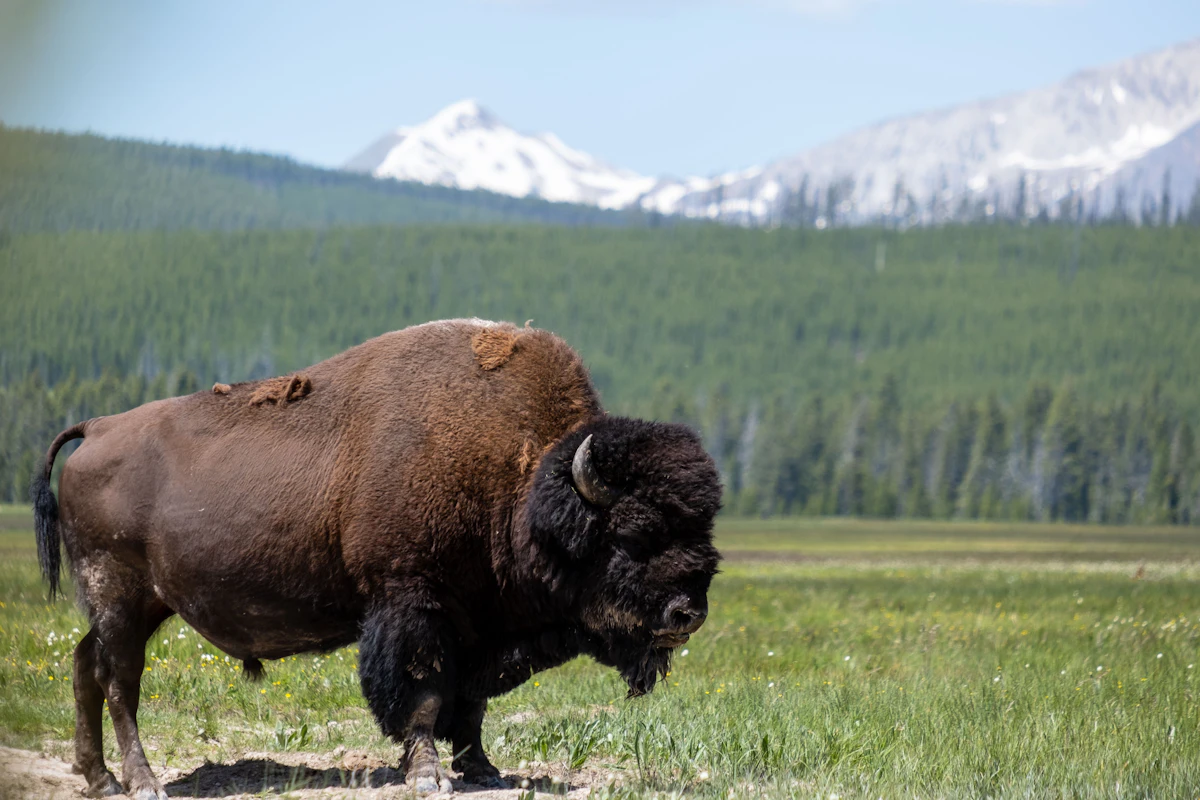
Best Bison Ammunition 2026: Cartridges and Bullets That Actually Work
Choosing the right bison ammunition means balancing penetration, energy retention, and bullet construction for animals that can weigh 2,000 pounds. This guide breaks down the cartridges, bullet weights, and loadings that consistently anchor bison on public hunts across the West.
Related
Best Hunting Gloves for 2026: Field-Tested Gear That Actually Works
After years of frozen fingers and blown stalks, we've tested dozens of hunting gloves across every season and condition. Here's what actually works in 2026, from early-season bow hunts to late-season rifle sits in single-digit temps.
Next
Best Hunting Rifles Under $750 in 2026: Proven Budget Choices That Perform
Quality hunting rifles under $750 deliver accuracy and reliability without breaking the bank. We compare proven models from Ruger, Savage, Tikka, and others that western hunters trust for elk, deer, and antelope.