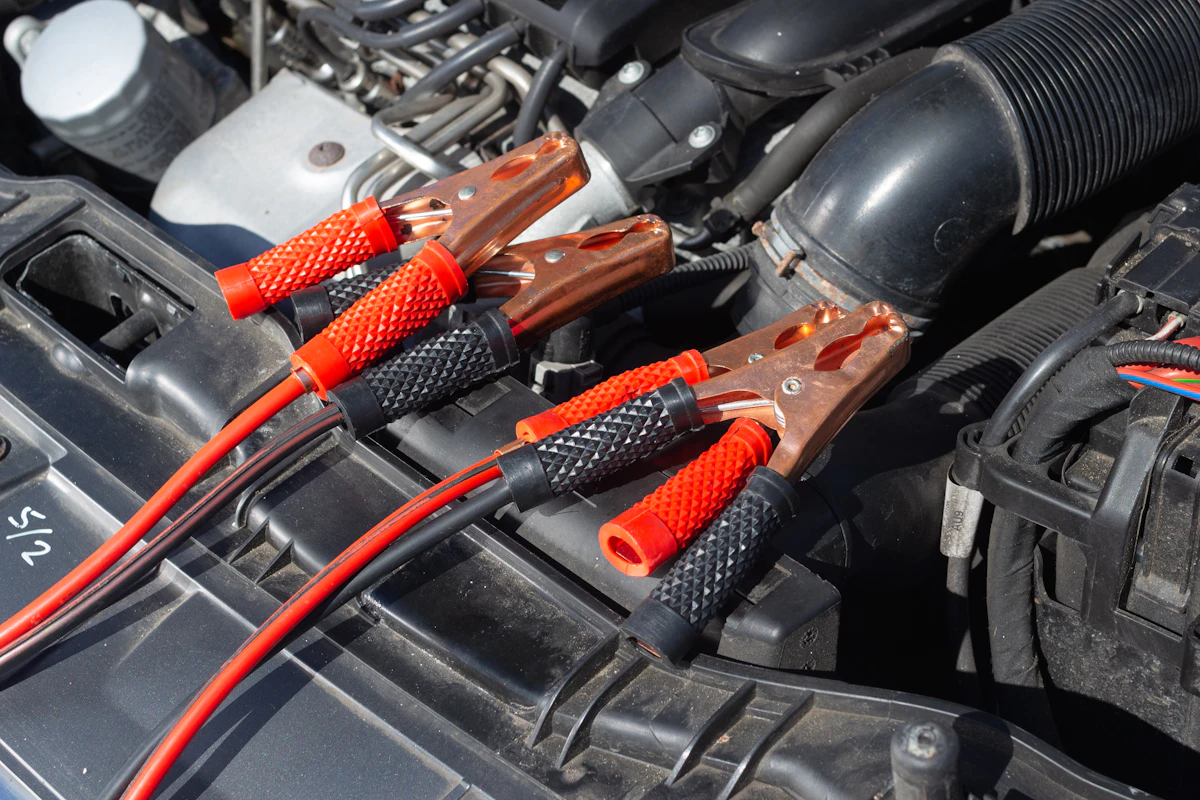
Best Hunting Gloves for 2026: Field-Tested Gear That Actually Works
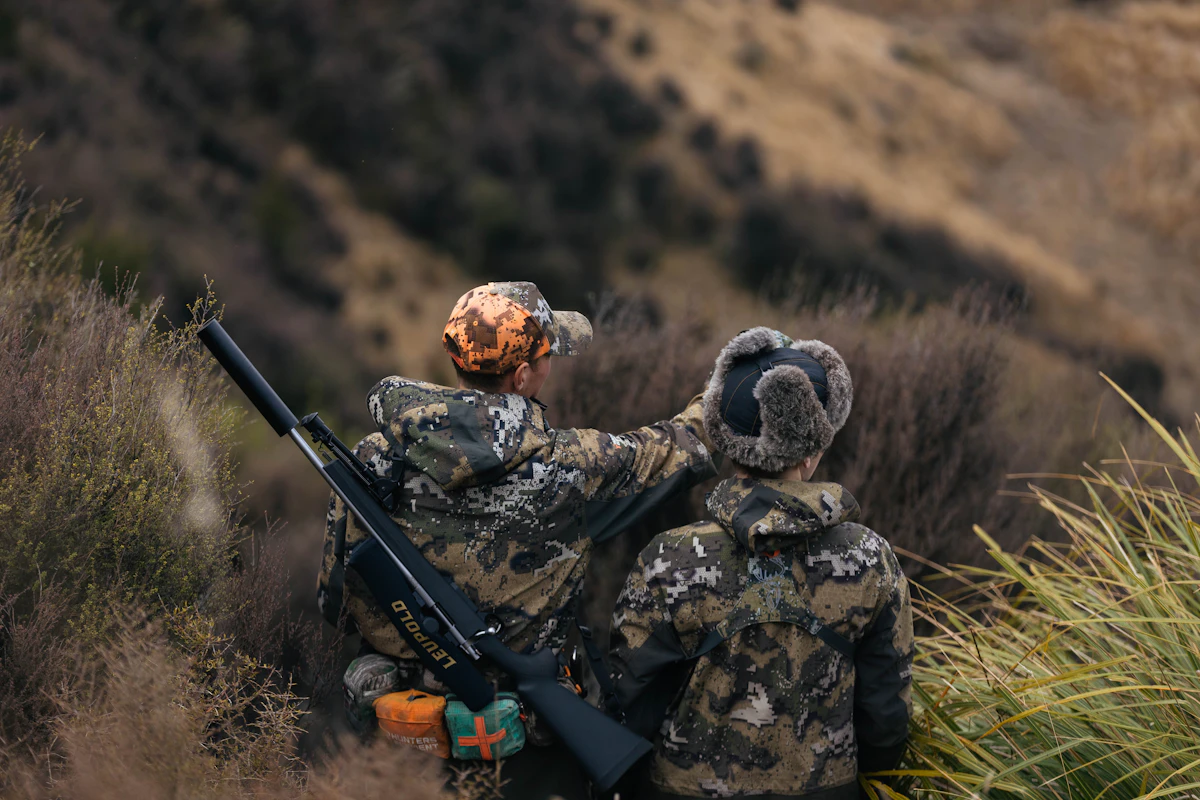
Your hands are the most exposed part of your body during a hunt, and the wrong gloves will cost you either the shot or your fingers. I've lost count of how many times I've watched hunters fumble with their safety or miss a ranged shot because their gloves were too bulky, too cold, or too slippery. After testing over 30 pairs of hunting gloves across three seasons in 2025 and early 2026, from September elk archery to January late-season mule deer, I've narrowed it down to what actually works.
This isn't a sponsored list. These are the gloves that stayed in my pack, performed when it mattered, and didn't fall apart after two weeks in the mountains.
What Makes a Hunting Glove Actually Good
A hunting glove has to do three things well: keep your hands warm enough to function, maintain enough dexterity to operate your weapon, and stay quiet during the final moments of a stalk. Everything else is secondary.
Warmth without bulk is the hardest balance to strike. Insulated gloves that turn your hands into mittens are useless when you need to range an elk at 60 yards or flip your safety off without looking down. The best hunting gloves use modern synthetic insulation or merino wool liners to trap heat without adding thickness.
Trigger feel matters more than most hunters admit. If you can't feel the trigger through your glove, you're guessing on break points and follow-through. For rifle hunters, this means a thin, form-fitting index finger or a fold-back design. For bowhunters, it means enough grip texture to hold 60 pounds at full draw without the release slipping.
Durability is where most cheap gloves fail. Seams blow out, palms wear through, and waterproofing fails after a single rain. The gloves on this list survived multiple hunts, pack trips, and hard use without falling apart.
Early Season: Lightweight Gloves for September and October
Early-season hunts in September and October don't require heavy insulation, but you still need hand protection for cold mornings, glassing sessions, and unexpected weather. The key is breathability and packability.
Sitka Merino Lightweight Glove ($40) is the best all-around early-season option. The merino wool blend manages moisture, dries fast, and doesn't stink after a week in the backcountry. I wore these for an entire September Colorado elk hunt and never felt the need for anything heavier. The grippy palm works with binos, rangefinders, and trekking poles without slipping. The touch-screen compatible fingertips actually work, unlike most hunting gloves that claim this feature.
First Lite Merino Liner Glove ($35) is the budget pick. Thinner than the Sitka version, these work better as liners under heavier gloves but still function as standalone gloves on mild days. I keep a pair in every pack because they weigh almost nothing and compress to the size of a golf ball.
Kuiu Guide Glove ($50) is worth the extra money if you need more wind protection without adding bulk. The softshell back blocks wind on exposed ridges, and the leather palm grips better than synthetic materials when wet. These became my go-to for spot-and-stalk mule deer hunts where I was covering miles every day.
Mid-Season: Versatile Gloves for Late October Through November
Mid-season hunts require more warmth and weather protection as temperatures drop and precipitation increases. You need gloves that can handle everything from 20-degree mornings to 50-degree afternoons without forcing you to carry three different pairs.
Sitka Equinox Guard Glove ($60) is the sweet spot for Western rifle seasons. Light insulation keeps your hands warm during morning glassing sessions, but the gloves breathe well enough that you won't overheat on steep climbs. The fold-back index finger and thumb design gives you bare-skin trigger control when it matters. I've killed three bulls with these gloves over the past two seasons, and they're still in perfect condition.
SKRE Hardscrabble Glove ($65) offers similar performance at a slightly lower price point. The reinforced palm and fingers hold up better to rough terrain and pack straps. The windproof membrane on the back of the hand blocks cold air without making your hands sweat. These work exceptionally well for late-season elk and mule deer in the 10- to 30-degree range.
Outdoor Research Flurry Sensor Gloves ($50) bring waterproof protection to the mid-season category. The Gore-Tex insert keeps hands dry in rain and wet snow without sacrificing dexterity. I used these during a miserable late-October Montana hunt that dumped six inches of heavy wet snow, and my hands stayed functional the entire time. The trade-off is slightly less breathability on warmer days.
Late Season: Insulated Gloves for Extreme Cold
Late-season hunts in December and January require serious insulation. Sitting on a glassing point at 10,000 feet in single-digit temps will freeze your hands solid in minutes without proper gear. These gloves prioritize warmth over everything else.
Sitka Coldfront GTX Glove ($150) is the warmest hunting glove I've ever worn that still allows trigger control. PrimaLoft insulation and a Gore-Tex waterproof shell keep hands warm in temps down to zero degrees. The flip-back index finger design gives you bare-skin contact with the trigger when you need it. I wore these on a late-December mule deer hunt in Wyoming where temps stayed below 10 degrees for five straight days, and my hands never went numb.
The downside is bulk. These gloves are thick, and you won't be doing any precision work while wearing them. They're purpose-built for late-season rifle hunts where you're sitting for hours and need maximum warmth.
KUIU Ultra NX Glove ($120) offers similar warmth in a lighter package. The insulation is less bulky than the Sitka version, which improves dexterity but reduces max warmth slightly. These work better for active late-season hunts where you're moving between glassing points and need to balance warmth with mobility.
Black Diamond Guide Glove ($100) isn't marketed to hunters, but it's one of the best late-season options available. Originally designed for alpine climbing, these gloves combine a waterproof shell, removable insulated liner, and goat leather palm that grips in any condition. The liner glove works as a standalone mid-season glove, and the shell adds wind and wet protection. I used this combo on a late-January elk hunt in Idaho, and the modular system let me adjust for changing conditions without carrying extra gloves.
Free to join
Download mobile app
- Detailed draw odds
- Point tracking
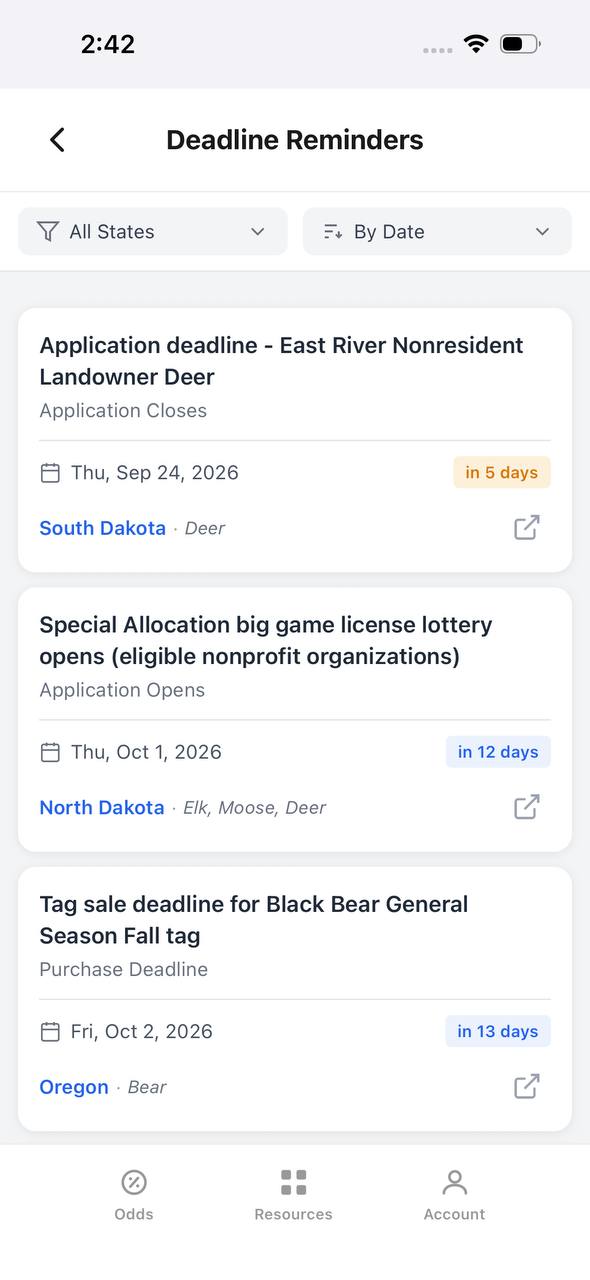
- Deadline reminders
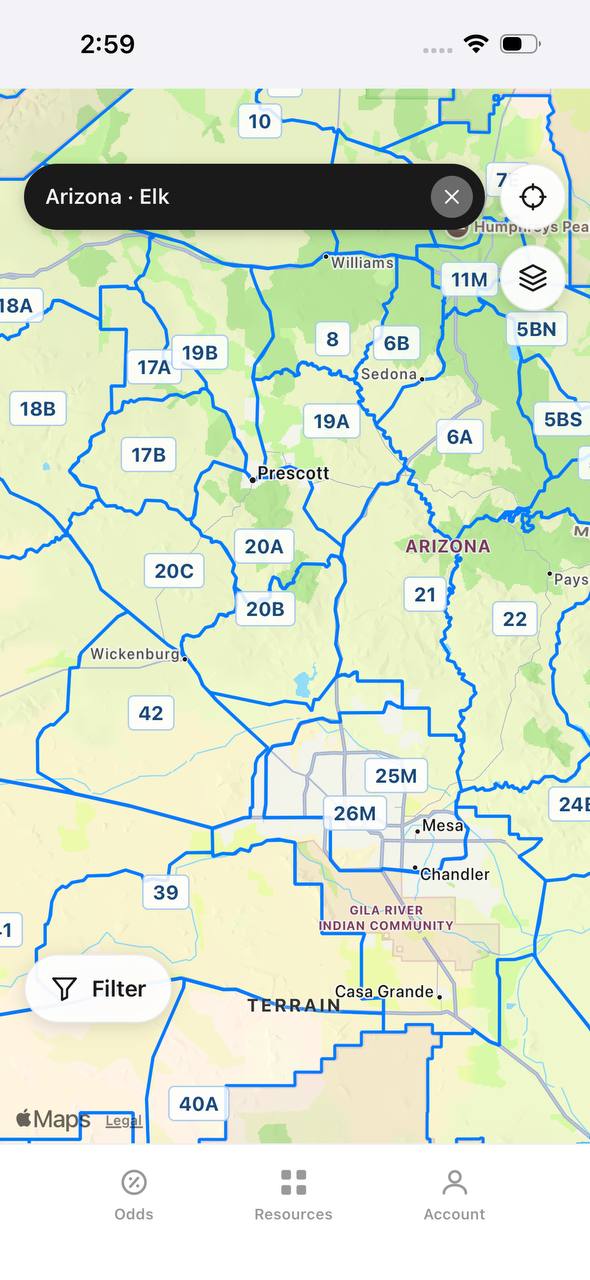
- 18 states covered

Free to join
Download mobile app
- Detailed draw odds
- Point tracking
- Deadline reminders
- 18 states covered
Free to join
Download mobile app
- Detailed draw odds
- Point tracking
- Deadline reminders
- 18 states covered

Archery-Specific Gloves
Bowhunters need different gloves than rifle hunters. Trigger feel doesn't matter, but grip, draw control, and release execution do. Most bowhunters shoot better with lightweight gloves or no gloves at all, but cold weather hunts require hand protection.
Sitka Shooter Glove ($50) is purpose-built for archery. The full-coverage design keeps hands warm, but the thin synthetic palm maintains enough feel to execute a smooth release. The half-finger index and thumb design gives you bare-skin contact where you need it most. I shot these gloves extensively before my 2025 Colorado elk hunt, and they didn't affect my anchor point or release at all.
Outdoor Research PL 400 Sensor Gloves ($60) work well for bowhunters who need more warmth. The heavier insulation keeps hands functional in colder temps, and the grippy palm texture holds a bowstring at full draw without slipping. These are my go-to for late-October and November archery elk hunts when temps drop into the teens.
Glove Systems and Layering
The best hunters don't rely on a single pair of gloves. A layering system gives you options for changing conditions without carrying five different pairs in your pack.
My standard system includes a lightweight merino liner (Sitka or First Lite), a mid-weight insulated glove (Sitka Equinox Guard), and a waterproof shell mitt that fits over both (Outdoor Research MT Baker Modular Mitt). This three-piece system covers everything from 50-degree September afternoons to zero-degree January mornings.
Liner gloves stay on your hands all day. They provide just enough warmth for active movement, wick moisture, and dry quickly. When temps drop or weather moves in, add the mid-weight glove over the liner. For extreme cold or stationary glassing, the shell mitt goes over everything.
This system weighs less than carrying separate gloves for every condition and gives you more flexibility in the field. The total cost is around $150, but you'll use these gloves for years.
Free to join
Download mobile app
- Detailed draw odds
- Point tracking
- Deadline reminders
- 18 states covered
Free to join
Download mobile app
- Detailed draw odds
- Point tracking
- Deadline reminders
- 18 states covered
Free to join
Download mobile app
- Detailed draw odds
- Point tracking
- Deadline reminders
- 18 states covered
Materials and Construction Details That Matter
Leather palms outlast synthetic materials by a wide margin. Goat leather or pigskin palms grip better when wet and resist abrasion from rocks, pack straps, and rough terrain. Synthetic palms wear through after a single hard-use season.
Merino wool is the best base layer material for glove liners. It regulates temperature better than synthetics, doesn't retain odor, and maintains warmth even when wet. I've worn merino liner gloves for seven straight days in the backcountry without them smelling like death.
PrimaLoft insulation performs better than down in hunting applications. It maintains warmth when wet, dries faster, and compresses better in a pack. Down-insulated gloves are lighter and warmer for the weight, but they're useless once they get wet.
Gore-Tex waterproofing works, but it reduces breathability. For active hunts where you're covering miles every day, waterproof gloves will make your hands sweat and eventually get cold. For stationary hunts or wet conditions, waterproofing is essential. Choose based on your hunting style.
Reinforced fingertips and palms add durability where gloves wear out first. Look for double-stitched seams, leather overlays on high-wear areas, and thick material on the index finger and thumb. Cheap gloves skip these details and fall apart.
Common Mistakes Hunters Make With Gloves
Buying gloves that are too warm for the conditions is the most common mistake. Oversized insulated gloves make your hands sweat during active movement, and wet hands get cold fast. Match your glove weight to the actual temps you'll encounter, not the coldest possible day.
Skipping liner gloves costs you versatility. A $35 pair of merino liners extends the temperature range of every other glove you own and weighs almost nothing in your pack. I've used liner gloves on every hunt for the past three years, and they're the best $35 I've spent on gear.
Not breaking in new gloves before the hunt leads to blisters, hot spots, and reduced dexterity. Wear your gloves for a week before your hunt while hiking, shooting, and handling gear. Stiff new gloves will cost you a shot.
Neglecting waterproofing in wet climates guarantees cold hands. If you're hunting the Pacific Northwest, coastal Alaska, or anywhere with regular precipitation, waterproof gloves aren't optional. Wet cotton or wool gloves will make you miserable.
How TAGZ Helps You Plan Hunts Where Gear Matters
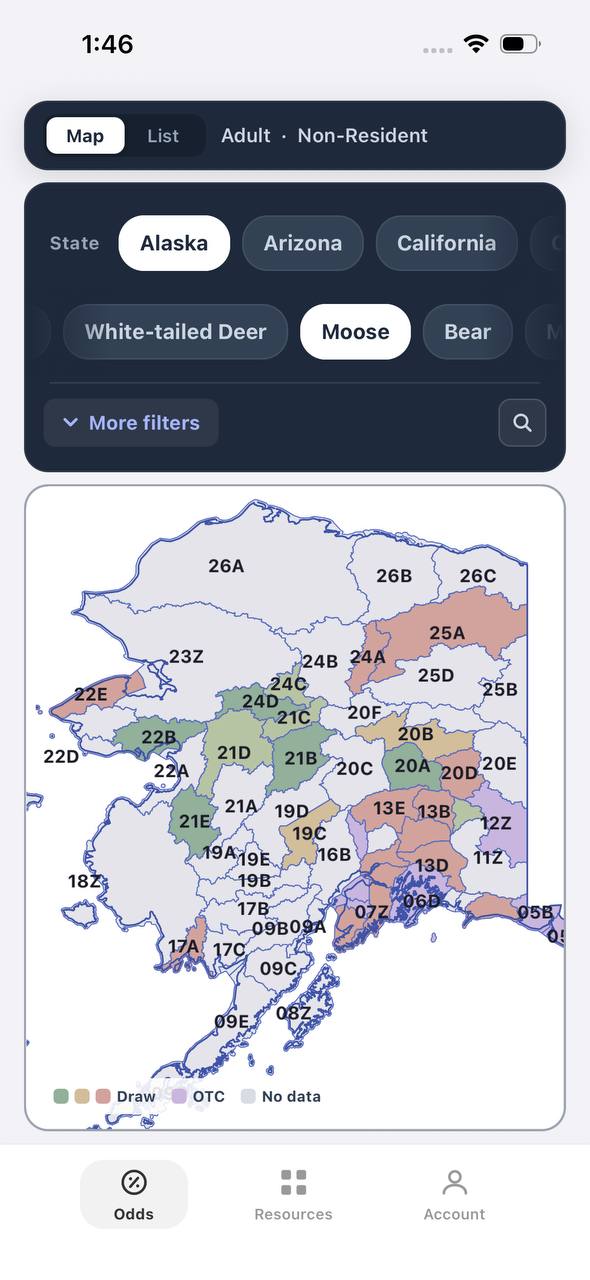
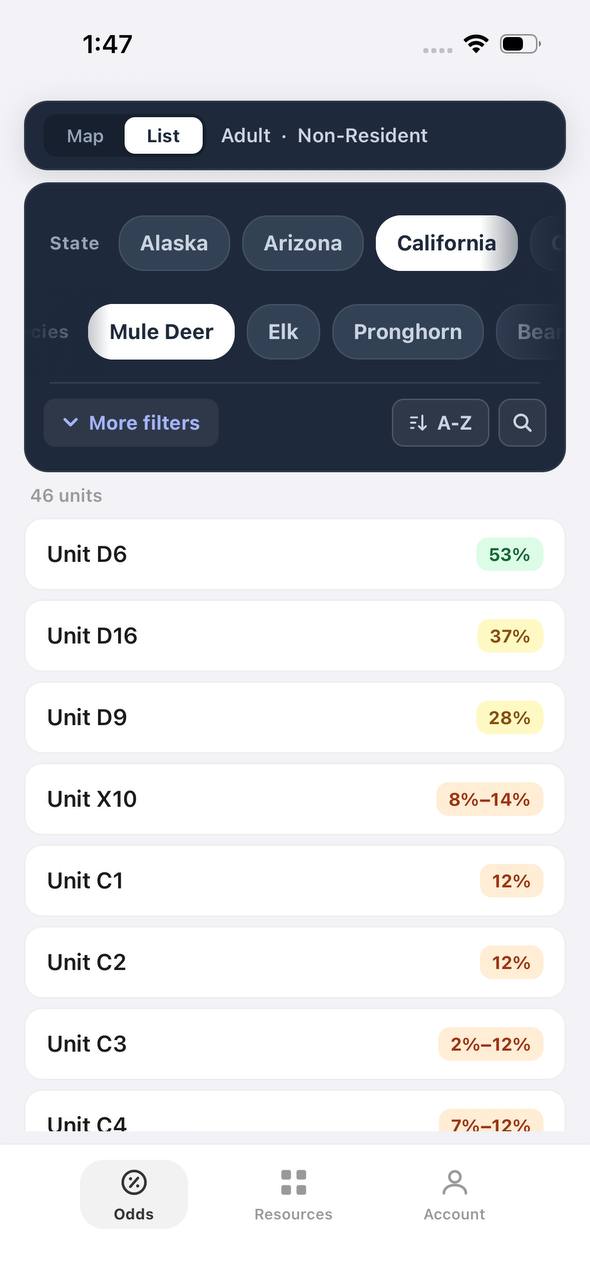
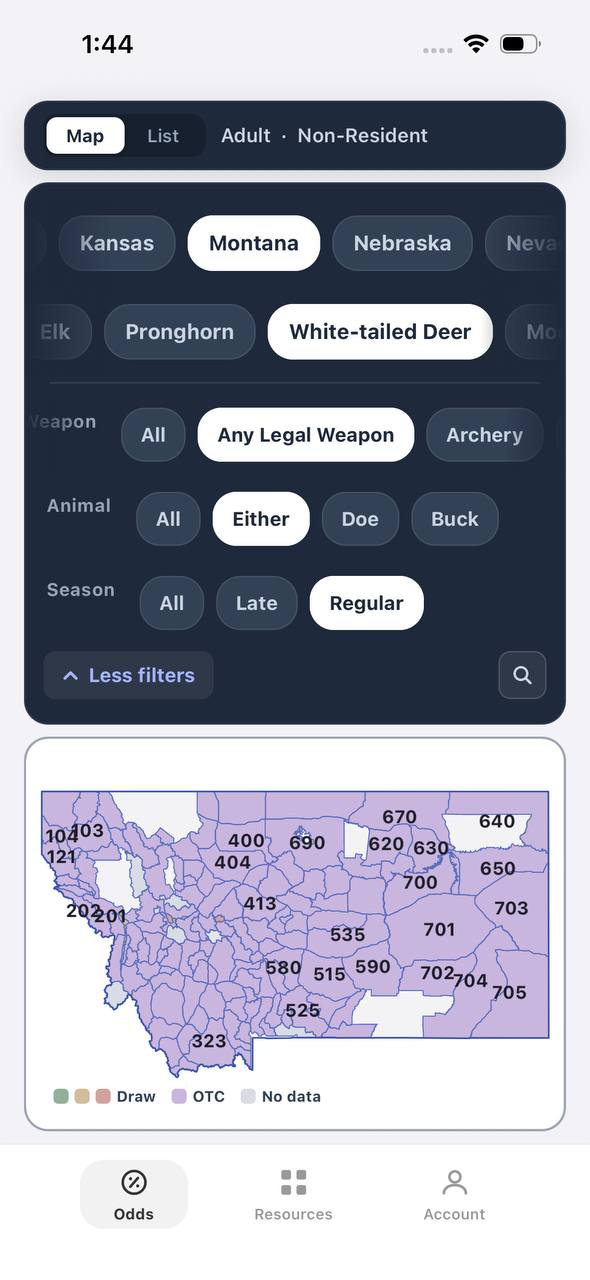
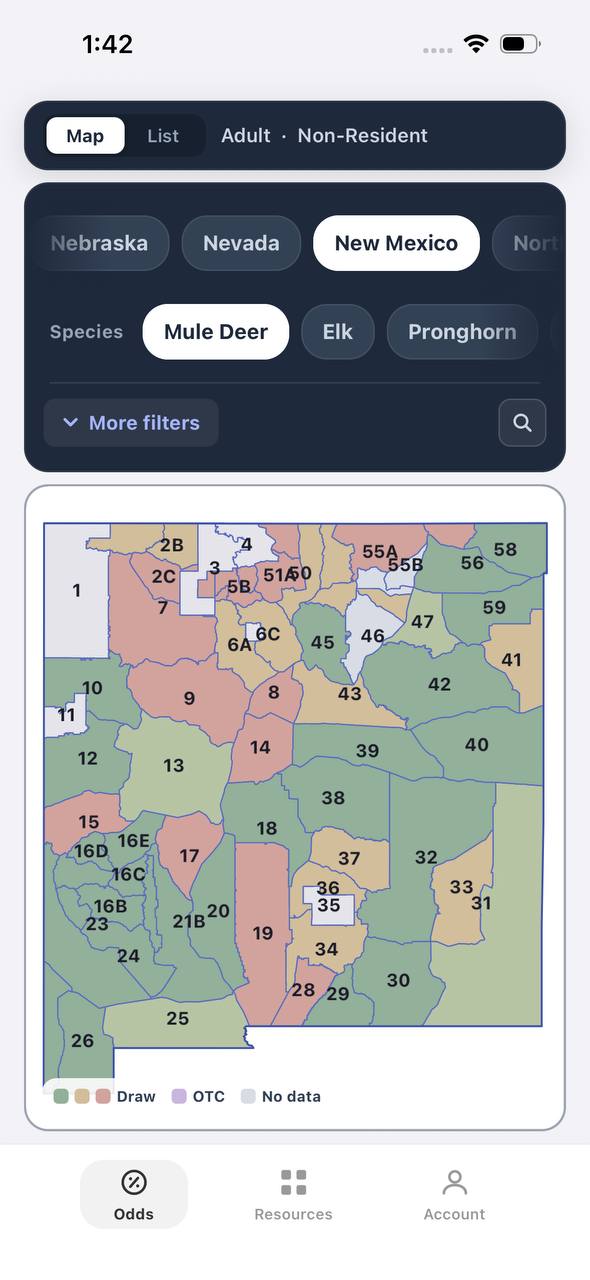
Picking the right gloves matters most when you've drawn a tag worth preparing for. TAGZ helps you compare draw odds, track preference points across multiple states, and identify units where you'll actually draw before you waste years applying randomly.
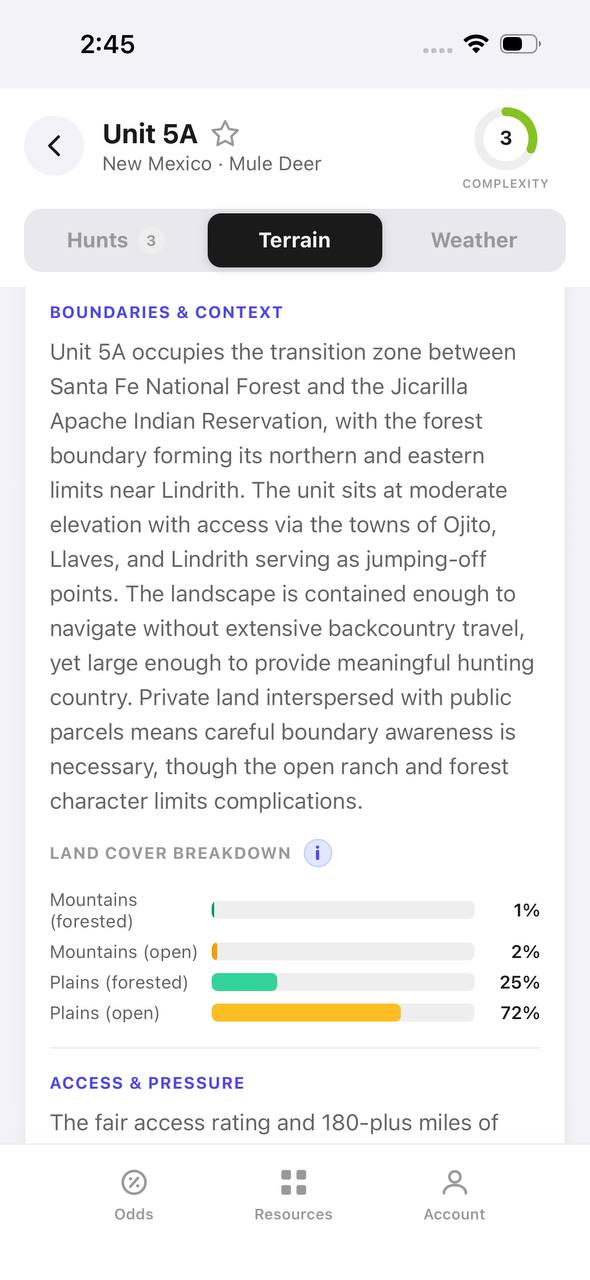
Use TAGZ to filter hunts by season dates so you know whether you need early-season lightweight gloves or late-season insulated options. Compare terrain maps and elevation data to understand how cold your hunt will actually be. Track your bonus points and preference points so you can plan gear purchases around hunts you're likely to draw in the next year or two.
Whether you're building points for a premium Colorado elk tag or planning an OTC Montana deer hunt, TAGZ gives you the data to make informed decisions about where to hunt and what gear you need before you ever step into the field.
Free to join
Download mobile app
- Detailed draw odds
- Point tracking
- Deadline reminders
- 18 states covered
Free to join
Download mobile app
- Detailed draw odds
- Point tracking
- Deadline reminders
- 18 states covered
Free to join
Download mobile app
- Detailed draw odds
- Point tracking
- Deadline reminders
- 18 states covered
What to Skip
Camouflage patterns don't matter on gloves. Big game animals don't see detail at the distances where your hand movement matters. Solid earth-tone colors work just as well and cost less. Save your money for better insulation or materials instead of paying extra for camo.
Heavy gauntlet-style gloves are overkill for most Western hunts. They're designed for stationary waterfowl hunting or ice fishing, not mountain hunting where you're constantly adjusting layers and moving. The extra wrist length adds bulk without meaningful warmth benefits.
Cheap gloves from big-box stores fall apart. I've tested budget options from multiple retailers, and they consistently fail within a few hunts. Seams blow out, palms wear through, and waterproofing stops working. Spend the money on quality gloves that will last multiple seasons.
One-size-fits-all solutions don't exist. The perfect glove for an October Wyoming antelope hunt won't work for a January Idaho elk hunt. Build a small collection of gloves that cover different conditions instead of trying to find one pair that does everything.
Final Recommendations by Hunt Type
For early-season archery elk (September): Sitka Merino Lightweight Glove as your primary glove, First Lite Merino Liner as a backup.
For mid-season rifle elk (October-November): Sitka Equinox Guard Glove for active hunts, Outdoor Research Flurry Sensor Gloves for wet conditions.
For late-season mule deer (December-January): Sitka Coldfront GTX Glove for extreme cold, KUIU Ultra NX Glove for active late-season hunts.
For spot-and-stalk hunts where you're covering miles: Kuiu Guide Glove for wind protection and durability.
For stationary glassing sessions: A layering system with merino liner, mid-weight insulated glove, and waterproof shell mitt.
The best hunting glove is the one that keeps your hands functional in the specific conditions you'll actually encounter. Match your gear to your hunt instead of buying the warmest or most expensive option available.
FAQ — Best Hunting Gloves
What are the warmest hunting gloves for extreme cold?
Sitka Coldfront GTX Gloves are the warmest option that still allows trigger control, rated for temps down to zero degrees. For even colder conditions, add merino liner gloves underneath and use a shell mitt system.
Do I need different gloves for archery vs rifle hunting?
Yes. Bowhunters need thinner gloves with better grip and dexterity for draw control and release execution. Rifle hunters can use bulkier insulated gloves with fold-back trigger fingers for bare-skin contact when shooting.
Should hunting gloves be waterproof?
Waterproof gloves are essential for wet climates and precipitation, but they reduce breathability. For dry Western hunts, water-resistant softshell gloves perform better for active hunting. Choose based on your expected conditions.
How do I keep my hands warm while maintaining trigger control?
Use insulated gloves with fold-back index finger designs like the Sitka Equinox Guard. This gives you insulation during glassing and movement, then bare-skin trigger contact when you need to shoot. Practice shooting with your glove setup before the hunt.
What glove materials last the longest?
Leather palms (goat leather or pigskin) outlast synthetic materials significantly. Merino wool liners resist odor and maintain performance for years. PrimaLoft insulation holds up better than down in hunting applications.
Are expensive hunting gloves worth the money?
Quality hunting gloves from brands like Sitka, KUIU, and Outdoor Research last multiple seasons and perform significantly better than budget options. A $60 pair of gloves that works for five years costs less per hunt than $20 gloves that fail after one season. Invest in proven gear.
Was this article helpful?
Previous
Best Bison Ammunition 2026: Cartridges and Bullets That Actually Work
Choosing the right bison ammunition means balancing penetration, energy retention, and bullet construction for animals that can weigh 2,000 pounds. This guide breaks down the cartridges, bullet weights, and loadings that consistently anchor bison on public hunts across the West.
Related
Best Hunting Rifles Under $750 in 2026: Proven Budget Choices That Perform
Quality hunting rifles under $750 deliver accuracy and reliability without breaking the bank. We compare proven models from Ruger, Savage, Tikka, and others that western hunters trust for elk, deer, and antelope.
Next
Best Portable Jump Starters for Hunting Trucks in 2026
A dead battery miles from pavement can end your hunt before it starts. We tested the top portable jump starters that actually work in the backcountry — compact enough to stash behind the seat, powerful enough to crank a diesel in single-digit temps.