Best Hunting Rifles Under $750 in 2026: Proven Budget Choices That Perform
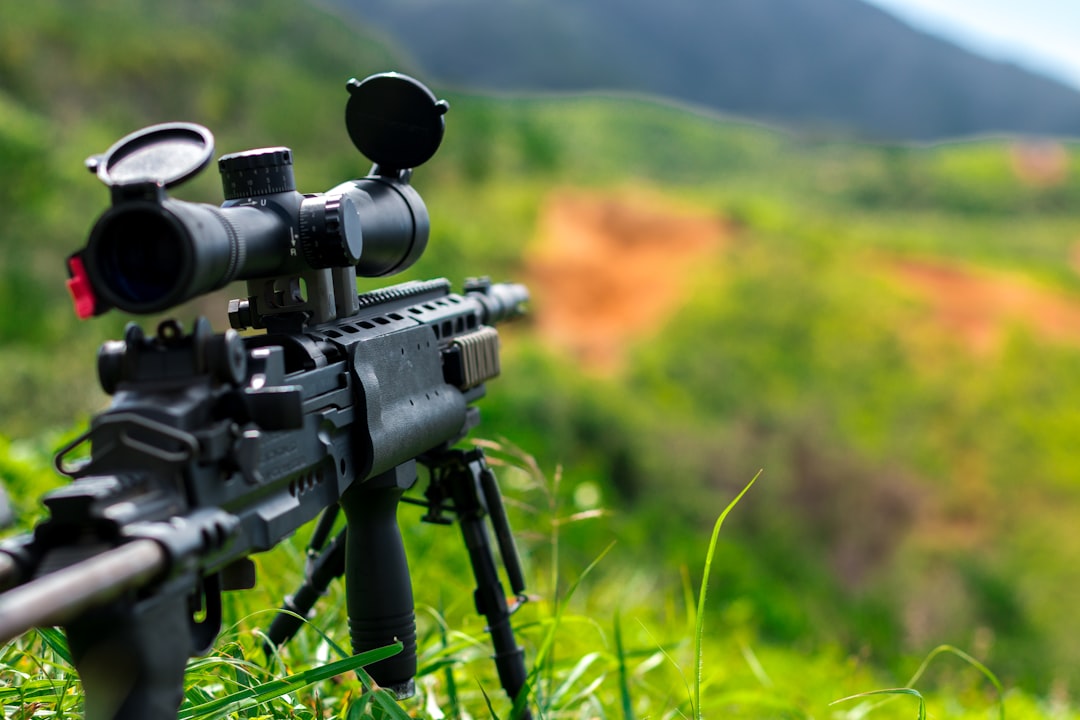
You do not need to spend two grand on a rifle to kill elk or fill a deer tag. The sub-$750 rifle market in 2026 offers more accuracy, better triggers, and lighter synthetic stocks than ever before. If you are planning a western hunt and want a dependable rifle that leaves budget for optics, ammo, and tag fees, several proven platforms deserve serious consideration.
This guide evaluates the best hunting rifles under $750 based on real-world performance across western terrain, chambering flexibility, aftermarket support, and accuracy potential straight from the box. Whether you are chasing high-country mule deer, canyon whitetails, or your first elk, these rifles deliver without excuses.
Why Budget Rifles Make Sense for Western Hunters
Most western hunts demand more from your boots, optics, and physical conditioning than your rifle. A sub-MOA group matters far less than your ability to hike five miles, judge distance accurately, and execute a solid rest at 300 yards. Budget rifles free up capital for better glass, quality ammunition for practice, and the preference points or licenses that actually get you into the field.
Modern manufacturing has narrowed the accuracy gap dramatically. CNC machining, button-rifled barrels, and improved bedding systems mean a $600 rifle often shoots as well as a $1,200 gun. The difference shows up in fit and finish, not in whether your bullet hits six inches left of center at 200 yards.
Western hunting also punishes expensive gear. Synthetic stocks shrug off rain and snow. Cerakote finishes handle rock scrambles better than blued steel. A rifle you are willing to lean against a fence post or slide through sage is a rifle you will actually carry when the terrain gets ugly.
Ruger American Predator: The Versatile Workhorse
The Ruger American Predator consistently appears in elk camps and deer blinds across the West for good reason. Street price around $550 leaves room for quality rings and bases. The Predator variant ships with a medium-heavy contour barrel that balances field carry with accuracy potential, threaded for a brake or suppressor.
Ruger's Marksman Adjustable trigger breaks cleanly between 3 and 5 pounds with minimal creep. The rotary magazine feeds reliably and sits flush with the stock. Accuracy runs between 0.75 and 1.25 MOA with quality factory ammunition, which covers any reasonable hunting scenario.
Chambering options include 6.5 Creedmoor, .308 Winchester, and .243 Winchester. The 6.5 Creedmoor makes the most sense for western hunters who want one rifle for antelope through elk. Factory ammunition selection is excellent, recoil stays manageable, and ballistics extend your effective range compared to traditional .30-06 or .270 loads.
The synthetic stock feels hollow but functional. It will not win beauty contests, but it handles weather and hard use without complaint. The tang safety operates intuitively, and the short 70-degree bolt throw works well from awkward shooting positions.
Savage Axis II: Maximum Value in Multiple Configurations
Savage practically owns the budget rifle category, and the Axis II represents their best effort at the $400–$500 price point. The AccuTrigger adjusts down to 2.5 pounds and eliminates the mushy, creepy breaks that plague cheaper rifles. For hunters who handload or shoot factory match ammunition, the Axis II will keep up.
The standard Axis II ships with a basic synthetic stock and matte-blued barrel. The Axis II Precision variant adds an adjustable comb, better ergonomics, and an improved forend for bipod shooting, all for around $650. For western hunters who glass and shoot from prone or off a pack, the Precision model justifies the upcharge.
Chambering selection spans .223 Remington through .30-06 Springfield, with 6.5 Creedmoor and .308 Winchester as the practical western choices. Barrel length runs 22 inches on most models, keeping overall length manageable while preserving velocity.
Accuracy potential runs slightly behind the Ruger American, averaging 1 to 1.5 MOA with factory loads. The detachable box magazine holds four rounds and feeds smoothly. Aftermarket stock and trigger support runs deep if you want to upgrade down the road.
Tikka T3x Lite: Premium Feel at the Top of the Budget
The Tikka T3x Lite pushes the $750 ceiling but delivers a rifle that competes with guns twice its price. Finnish manufacturing shows in the smooth bolt operation, crisp two-stage trigger, and consistent sub-MOA accuracy across multiple chamberings. If you can stretch your budget to $700–$750, the Tikka represents the best return on investment in this category.
The T3x trigger adjusts between 2 and 4 pounds without tools. Bolt throw is short and butter-smooth, with a 60-degree lift that clears low-mounted scopes easily. The detachable magazine holds three rounds and locks positively into the stock.
The synthetic stock features a textured grip and forend with a slightly wider forend than the Ruger or Savage. It balances well off shooting sticks or a backpack. Weight runs 6.2 to 6.5 pounds depending on chambering, light enough for mountain carries without feeling toylike.
Chambering options include 6.5 Creedmoor, .308 Winchester, .270 Winchester, .30-06 Springfield, and 7mm Remington Magnum. The 6.5 Creedmoor and .308 offer the best factory ammunition selection and component availability for handloaders. Tikka barrels consistently deliver accuracy, with many rifles shooting 0.5 to 0.75 MOA groups with premium factory loads.
The only downside is limited aftermarket support compared to Remington 700 or Savage platforms. The stock works fine for hunting but offers minimal adjustability for precision shooting. That matters little if your goal is punching elk tags rather than winning matches.
Free to join
Download mobile app
- Detailed draw odds
- Point tracking
- Deadline reminders
- 18 states covered


Free to join
Download mobile app
- Detailed draw odds
- Point tracking
- Deadline reminders
- 18 states covered
Free to join
Download mobile app
- Detailed draw odds
- Point tracking
- Deadline reminders
- 18 states covered

Mossberg Patriot: The Budget Leader That Overdelivers
Mossberg's Patriot series starts around $400 and offers features normally found on rifles costing twice as much. The LBA (Lightning Bolt Action) adjustable trigger breaks cleanly between 2 and 7 pounds. The spiral-fluted bolt reduces friction and clears debris effectively, useful after crawling through snow or mud.
The Patriot ships with a factory-installed Weaver scope base, saving you the cost of rings and bases. The button-rifled barrel delivers surprising accuracy, with many rifles grouping under 1.25 MOA with factory hunting ammunition. The stock includes sling swivel studs front and rear.
Chambering selection covers standard western cartridges: .243 Winchester, 6.5 Creedmoor, .270 Winchester, .308 Winchester, and .30-06 Springfield. Magazine capacity runs five rounds in most chamberings. The detachable box magazine design makes unloading safer and faster than internal magazines.
Build quality feels solid for the price. The synthetic stock handles weather without issue. The receiver accepts Weaver-style bases, giving you flexibility for scope mounting. For a first-time western hunter or someone building a dedicated truck rifle, the Patriot delivers exceptional value.
Weatherby Vanguard Series 2 Synthetic: Classic Design Meets Modern Manufacturing
Weatherby's Vanguard Series 2 Synthetic sits at the upper end of the budget category, typically around $600–$700 depending on sales. The Vanguard uses a push-feed action based on the Howa 1500 design, known for accuracy and reliability. The two-stage trigger adjusts down to 2.5 pounds and breaks consistently.
The 24-inch barrel on most models adds velocity compared to the 22-inch tubes on budget rifles. That translates to flatter trajectories and better terminal performance at western hunting distances. The cold hammer-forged barrel delivers accuracy in the 1 to 1.5 MOA range with quality factory loads.
The synthetic stock features a Monte Carlo comb and raised cheekpiece that positions your eye naturally behind the scope. Grip and forend include textured panels for better purchase in wet conditions. The stock accepts standard sling swivels.
Chambering options include 6.5 Creedmoor, .270 Winchester, .308 Winchester, and .30-06 Springfield, plus several magnums if you want more punch for elk. The hinged floorplate magazine holds three rounds in standard chamberings, four in magnums.
Weatherby includes a Sub-MOA accuracy guarantee with proper ammunition, backing their rifles with more confidence than most budget manufacturers. That guarantee matters when you are planning a western hunt and need to trust your equipment.
Choosing the Right Chambering for Western Game
Chambering selection matters more than the rifle platform for most hunters. The 6.5 Creedmoor dominates western hunting for good reason: excellent factory ammunition selection, moderate recoil, and ballistics that handle antelope through elk inside 400 yards. Federal, Hornady, and Nosler all offer premium hunting loads between $30 and $45 per box.
The .308 Winchester offers similar performance with slightly more recoil and a shorter effective range. It excels where timber hunting limits shots to 200 yards or less. Ammunition costs run slightly lower than 6.5 Creedmoor, and bullet selection spans match-grade to heavy-for-caliber hunting designs.
Traditional cartridges like .270 Winchester and .30-06 Springfield still work perfectly well, especially if you already own dies and brass or prefer established hunting rounds. They give up some ballistic efficiency to the 6.5 Creedmoor but have killed more western game than any modern cartridge.
Avoid magnums unless you hunt elk exclusively or routinely shoot past 400 yards. The extra recoil hurts accuracy development, the muzzle blast makes hearing protection mandatory, and the ballistic advantage rarely matters in real hunting scenarios. Most western hunters benefit more from practicing shooting positions and field craft than from launching bullets 200 fps faster.
Free to join
Download mobile app
- Detailed draw odds
- Point tracking
- Deadline reminders
- 18 states covered
Free to join
Download mobile app
- Detailed draw odds
- Point tracking
- Deadline reminders
- 18 states covered
Free to join
Download mobile app
- Detailed draw odds
- Point tracking
- Deadline reminders
- 18 states covered
Optics Matter More Than Rifle Price
A $500 rifle wearing a $600 scope outperforms a $1,500 rifle topped with a $200 optic every single hunt. Budget rifles shoot accurately enough that glass quality, not action machining, determines your effective range and hit probability.
Allocate at least as much budget to your scope as your rifle. A Vortex Diamondback Tactical 4-12×40 or Leupold VX-Freedom 3-9×40 provides the magnification range, eye relief, and durability western hunting demands. Variable power between 3-9× or 4-12× covers everything from timber whitetails to open-country mule deer.
Ring and base quality also matters. Warne, Talley, and Leupold all manufacture solid one-piece bases and medium-height rings for under $100. Cheap rings shift under recoil, costing you zero and confidence. Quality mounts stay put through thousands of rounds and years of hard use.
Spend time setting proper eye relief and mounting height. Your cheek should rest naturally on the stock comb with your eye centered in the scope's field of view. If you have to crane your neck or lift your cheek, the scope sits too high or too far forward.
Factory Ammunition vs. Handloading for Budget Rifles
Most hunters shoot better with quality factory ammunition than with average handloads. Modern factory loads from Federal Premium, Hornady Precision Hunter, and Nosler Trophy Grade deliver consistency and terminal performance that justify their cost. Expect to pay $35–$50 per box of 20 rounds for premium hunting ammunition.
Budget factory loads from Winchester, Remington, and Federal run $20–$28 per box but sacrifice some accuracy and terminal performance. They work fine for practice and close-range shots but limit your effective range compared to premium ammunition.
Handloading makes sense if you shoot year-round or own multiple rifles in the same chambering. Quality dies, a decent press, and basic reloading equipment run $300–$500 upfront. Component costs drop to $0.60–$1.00 per round depending on bullet choice, roughly half the cost of premium factory ammunition.
Most budget rifles respond well to handloading. Experimenting with bullet weights, powders, and seating depths often unlocks better accuracy than factory loads deliver. A rifle that shoots 1.5 MOA with factory ammunition might tighten to 1 MOA or better with a tuned handload.
Focus on load development only after you master shooting fundamentals. A half-MOA improvement from handloads means nothing if you cannot read wind or judge distance accurately. Spend your first season learning how your rifle performs with quality factory ammunition before investing in reloading equipment.
Free to join
Download mobile app
- Detailed draw odds
- Point tracking
- Deadline reminders
- 18 states covered
Free to join
Download mobile app
- Detailed draw odds
- Point tracking
- Deadline reminders
- 18 states covered
Free to join
Download mobile app
- Detailed draw odds
- Point tracking
- Deadline reminders
- 18 states covered
Break-In and Maintenance for Long-Term Performance
New rifles benefit from a basic break-in process that smooths the bore and settles bedding. Fire three rounds, clean thoroughly, then fire three more and clean again. Repeat for the first 20 rounds. After break-in, clean every 40–60 rounds or whenever accuracy starts to open up.
Use a quality copper solvent like Bore Tech Eliminator or Sweet's 7.62 to remove copper fouling. Carbon fouling builds up in the throat area and hurts accuracy before you notice. A good bore guide prevents cleaning rod damage to the chamber and throat.
Check action screws every season. Most synthetic-stocked rifles use two or three action screws that should torque to 40–65 inch-pounds depending on manufacturer specs. Loose action screws kill accuracy and can damage the stock over time.
Lubricate bolt lugs lightly with quality gun grease. Avoid over-lubricating; excess oil attracts dirt and gums up the action in cold weather. A thin film on the lugs and bolt body keeps operation smooth without creating problems.
Inspect your scope mounting system before each season. Bases and rings can loosen from recoil, especially on lightweight rifles chambered in magnums. A quick check with the correct Torx or hex wrench takes two minutes and prevents frustration later.
How TAGZ Helps You Hunt Smarter, Not Just Shoot Better
Owning a quality rifle matters less than securing the tags that get you into the field. TAGZ helps western hunters maximize draw opportunities and preference points across multiple states so you spend more time hunting and less time researching confusing draw systems.
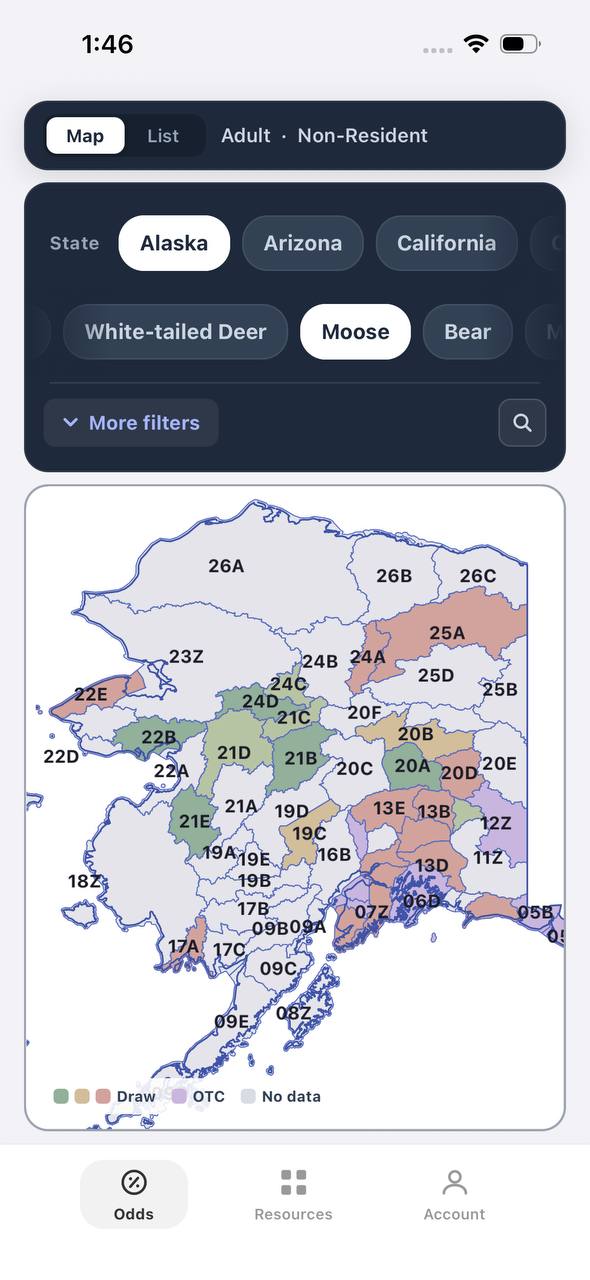
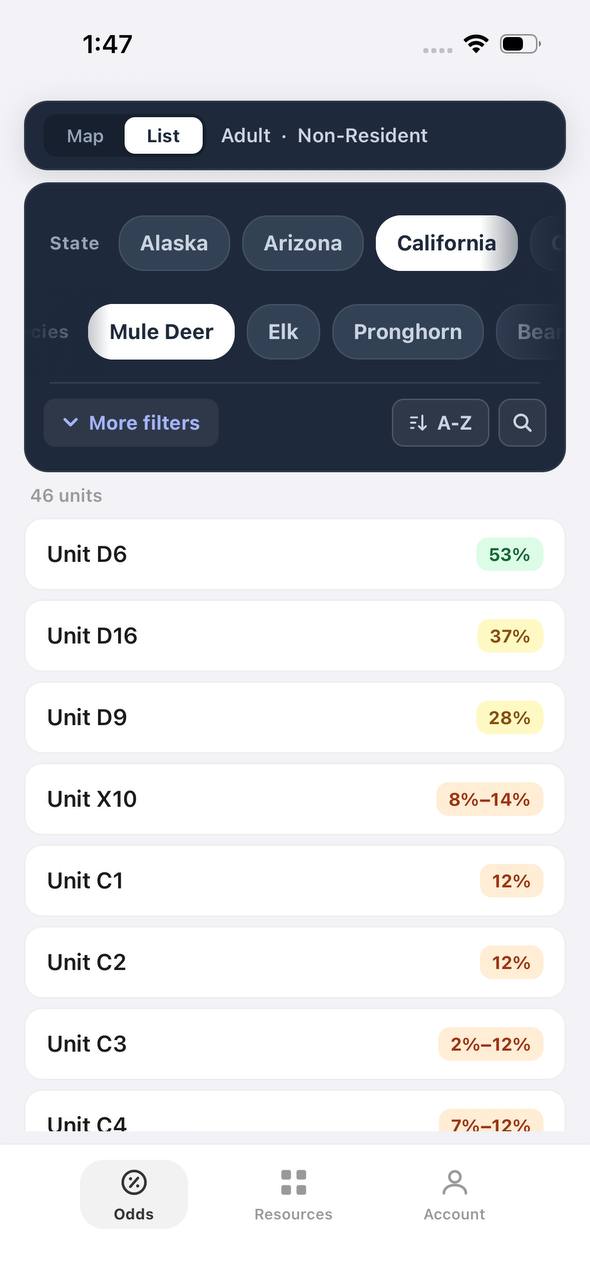
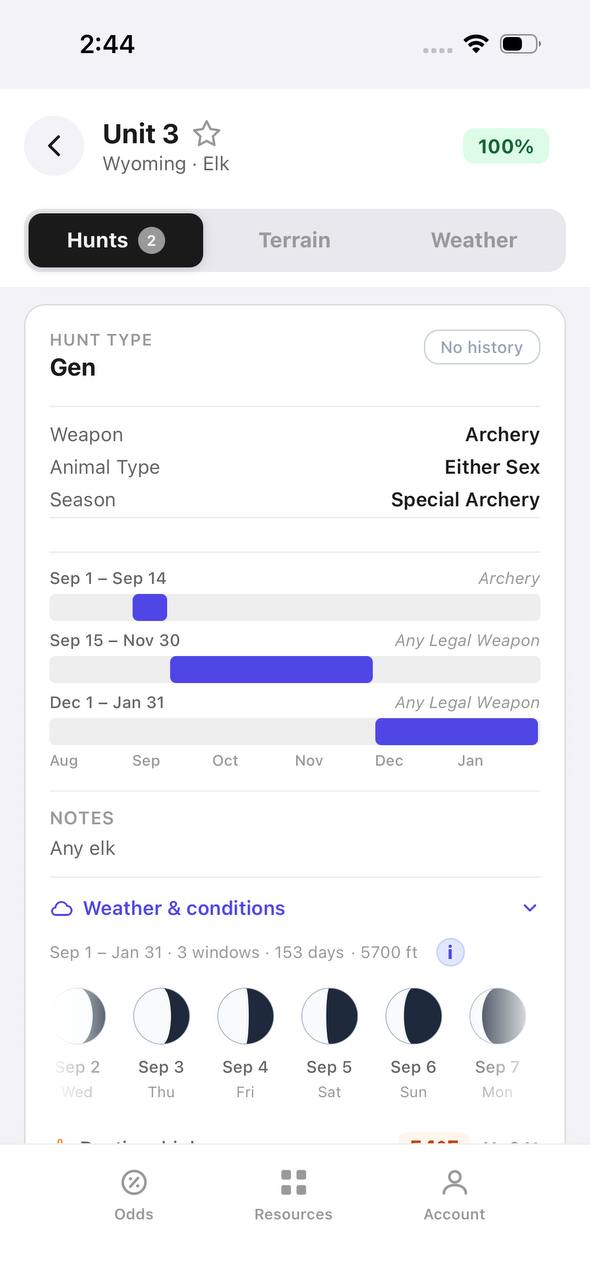
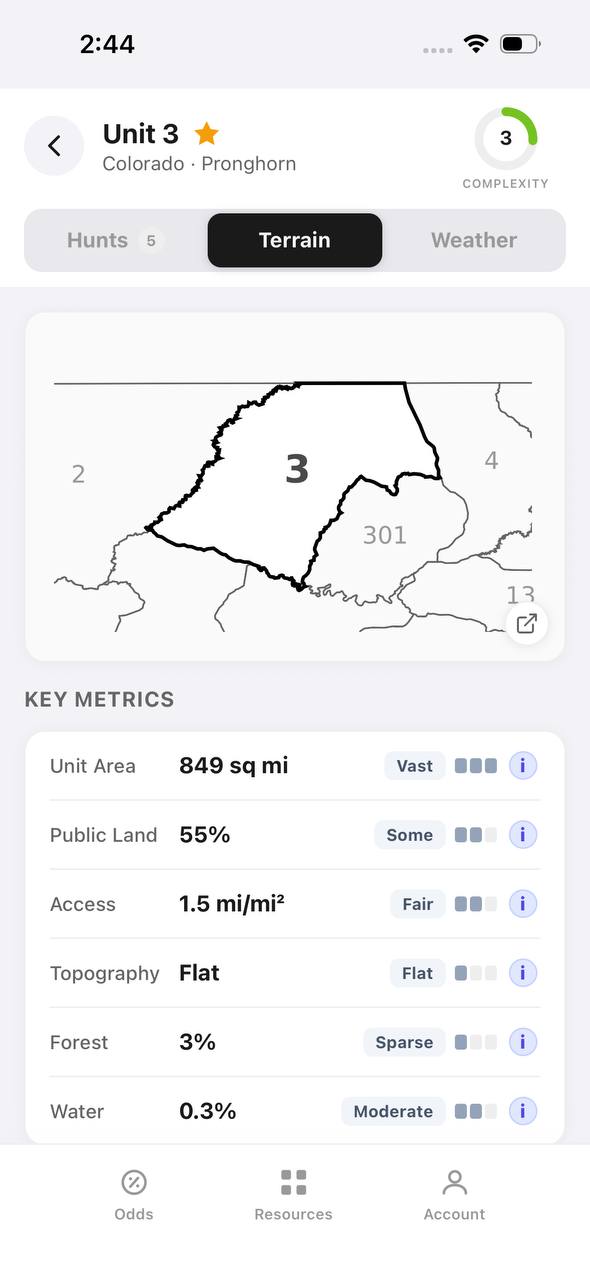
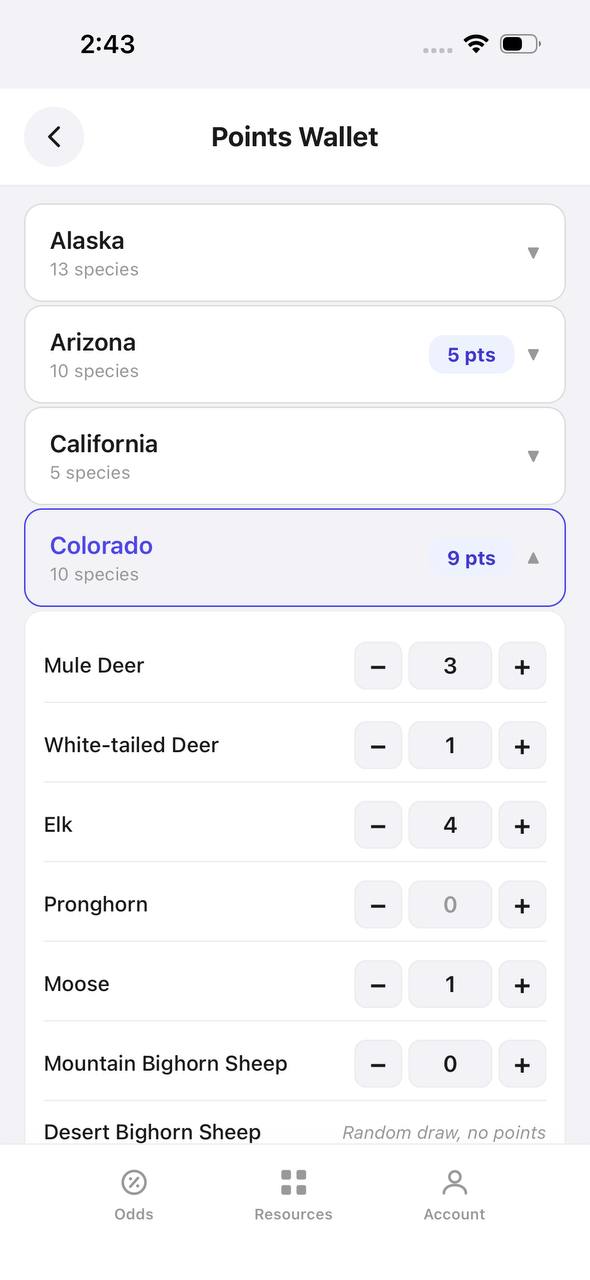
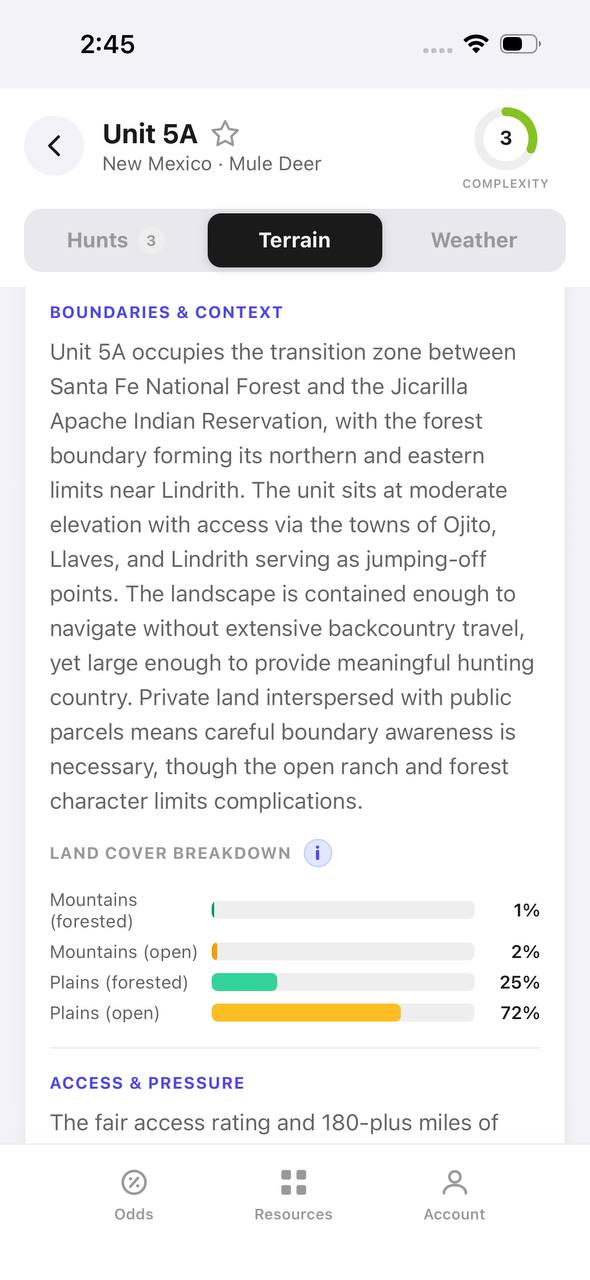
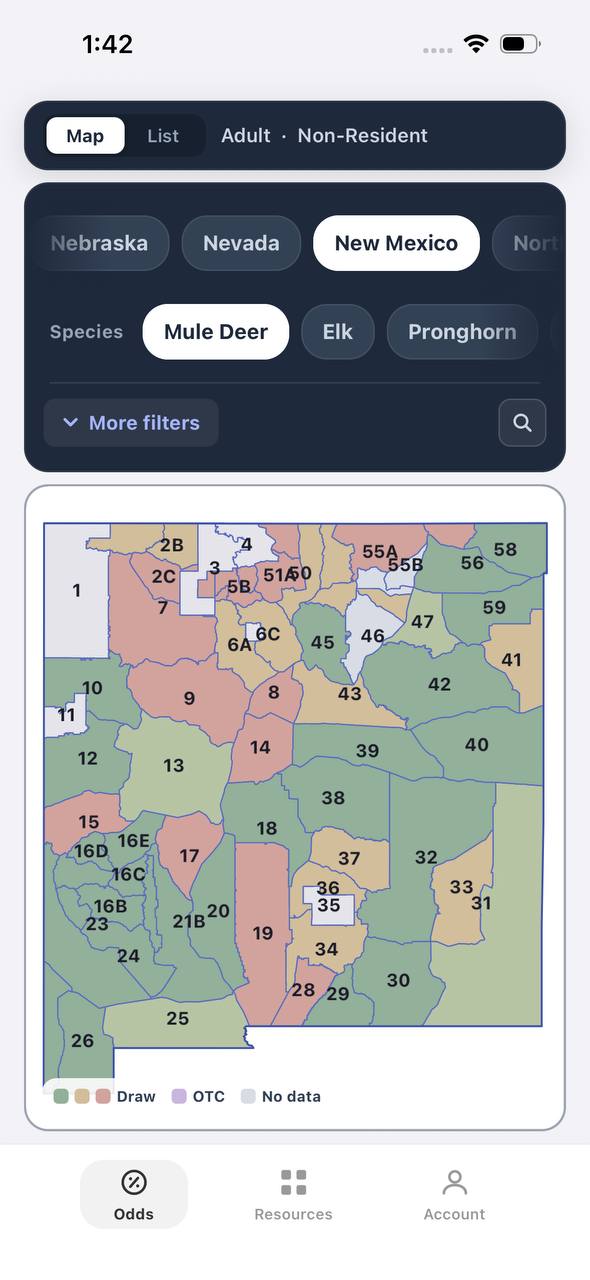
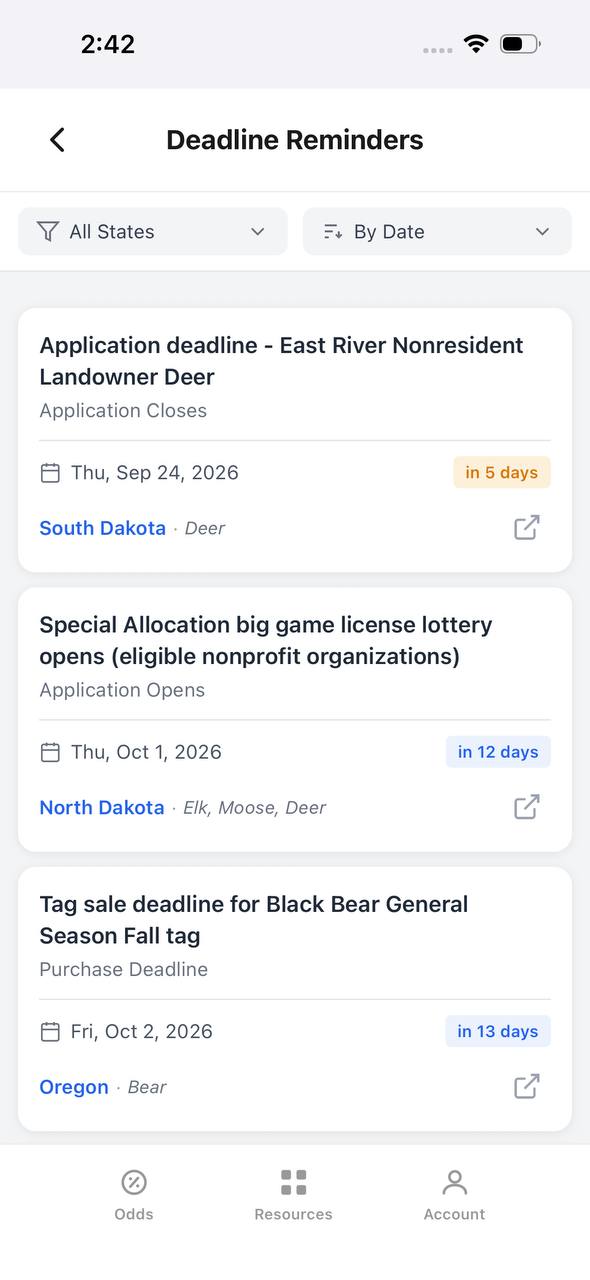
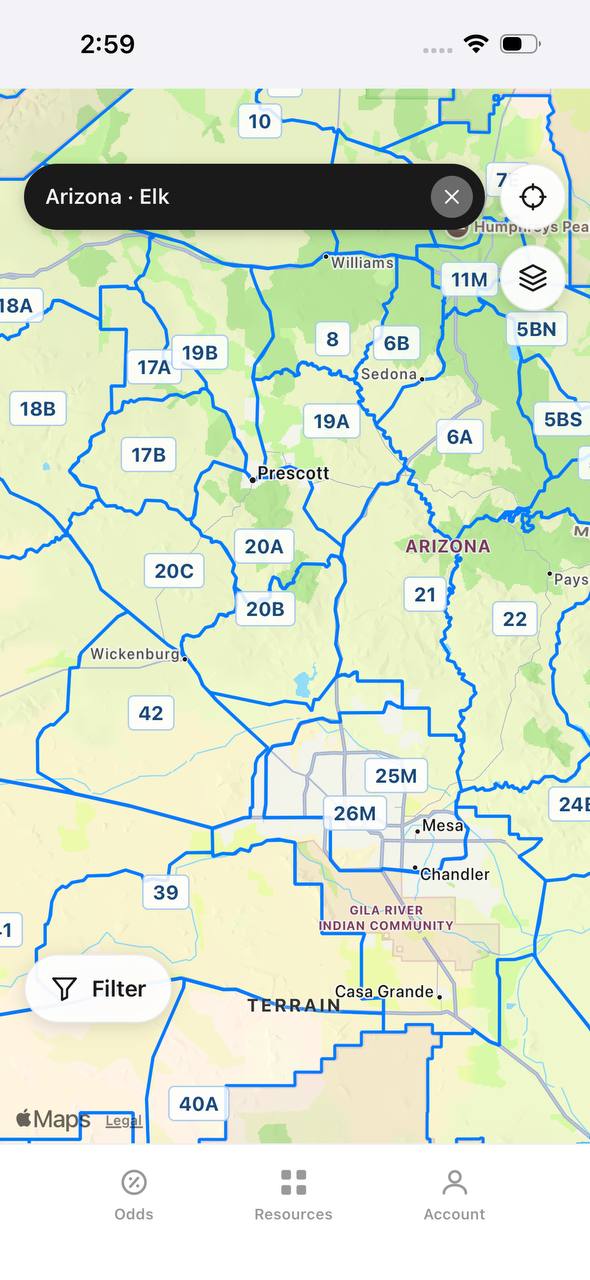
Track your preference points and bonus points in Colorado, Wyoming, Montana, and other western states from one dashboard. TAGZ monitors draw deadlines so you never miss an application window. Compare unit draw odds side by side using historical data, terrain maps, and public land boundaries to identify the best opportunities for your point totals.
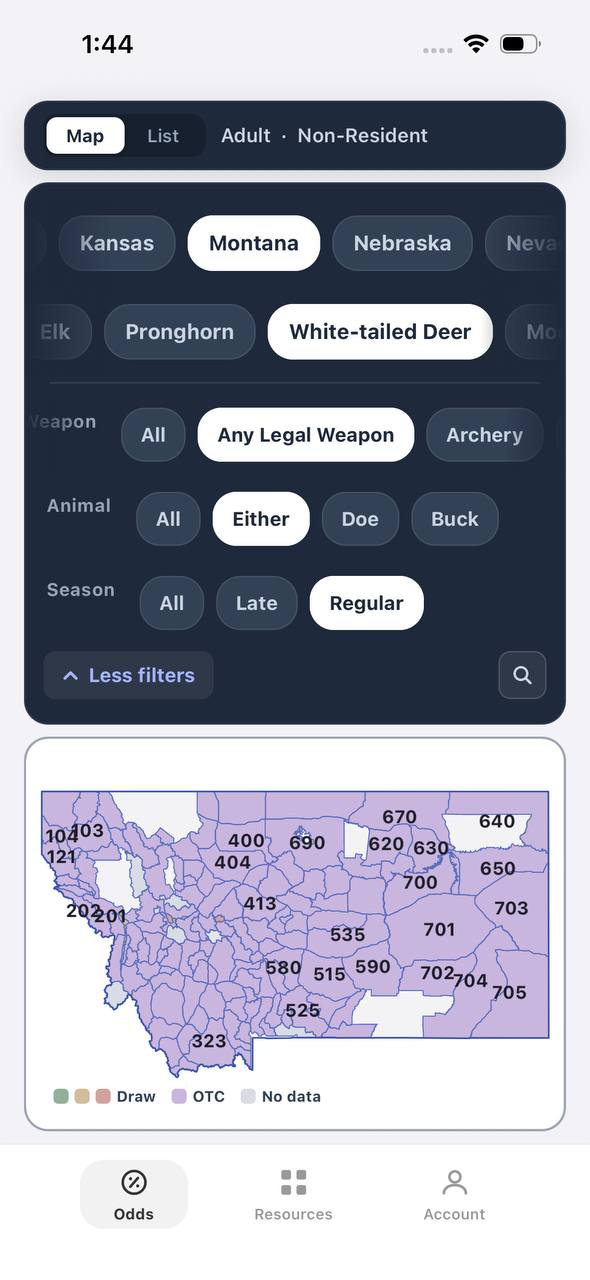
Whether you are building points for a trophy elk unit or applying for over-the-counter tags, TAGZ gives you the tools to make informed decisions before you ever chamber a round. Filter hunts by weapon type, season dates, and species to find opportunities that match your schedule and skill level.
A great rifle sitting in the safe does nothing for your freezer. TAGZ helps you turn those preference points into filled tags and successful hunts, year after year.
FAQ — Best Hunting Rifles Under $750
What is the most accurate rifle under $750?
The Tikka T3x Lite consistently delivers the best out-of-box accuracy in this price range, with most rifles shooting 0.5 to 0.75 MOA groups using premium factory ammunition. The Ruger American Predator runs a close second at 0.75 to 1.25 MOA.
Is 6.5 Creedmoor the best chambering for western hunting?
For most hunters, yes. The 6.5 Creedmoor offers excellent factory ammunition selection, moderate recoil, and sufficient ballistics for antelope through elk inside 400 yards. Traditional cartridges like .270 Winchester and .30-06 Springfield still perform well, but the 6.5 Creedmoor delivers better long-range performance with less recoil.
Do I need to spend more than $750 to hunt elk effectively?
No. Modern budget rifles from Ruger, Tikka, and Savage shoot accurately enough for any hunting scenario when paired with quality optics and ammunition. Elk hunting success depends far more on shot placement, physical conditioning, and hunt planning than rifle cost.
Should I buy a used rifle or a new budget model?
New budget rifles offer better value than used rifles from premium manufacturers in most cases. Modern manufacturing delivers accuracy and reliability that older budget rifles lacked. Used rifles often hide maintenance issues or abuse that show up later.
How much should I budget for a scope on a $500 rifle?
Allocate at least $400–$600 for a quality scope and mounting system. A Vortex Diamondback or Leupold VX-Freedom provides the optical quality and durability western hunting demands. Cheap scopes limit your effective range more than budget rifle accuracy ever will.
Can budget rifles handle magnum cartridges reliably?
Yes, but magnums add recoil and muzzle blast that hurt accuracy development without providing meaningful advantages for most western hunting scenarios. The 6.5 Creedmoor and .308 Winchester handle antelope through elk effectively inside realistic hunting distances.
Continue Planning Your Hunt
Owning the right rifle is only one piece of successful western hunting. TAGZ helps you research units, track preference points, and plan multi-state application strategies so your rifle actually gets used in the field.
Explore the TAGZ Insights blog for detailed state-by-state draw strategy guides, unit breakdowns, and hunt planning resources. Compare TAGZ pricing options to find the membership level that matches your hunting goals. See how the TAGZ platform simplifies western draw applications and unit research.
Start building your hunt strategy today at getmytagz.com.
Was this article helpful?
Previous
Best Bison Ammunition 2026: Cartridges and Bullets That Actually Work
Choosing the right bison ammunition means balancing penetration, energy retention, and bullet construction for animals that can weigh 2,000 pounds. This guide breaks down the cartridges, bullet weights, and loadings that consistently anchor bison on public hunts across the West.

Related
Best Hunting Gloves for 2026: Field-Tested Gear That Actually Works
After years of frozen fingers and blown stalks, we've tested dozens of hunting gloves across every season and condition. Here's what actually works in 2026, from early-season bow hunts to late-season rifle sits in single-digit temps.
Next
Best Portable Jump Starters for Hunting Trucks in 2026
A dead battery miles from pavement can end your hunt before it starts. We tested the top portable jump starters that actually work in the backcountry — compact enough to stash behind the seat, powerful enough to crank a diesel in single-digit temps.