Best Bison Ammunition 2026: Cartridges and Bullets That Actually Work
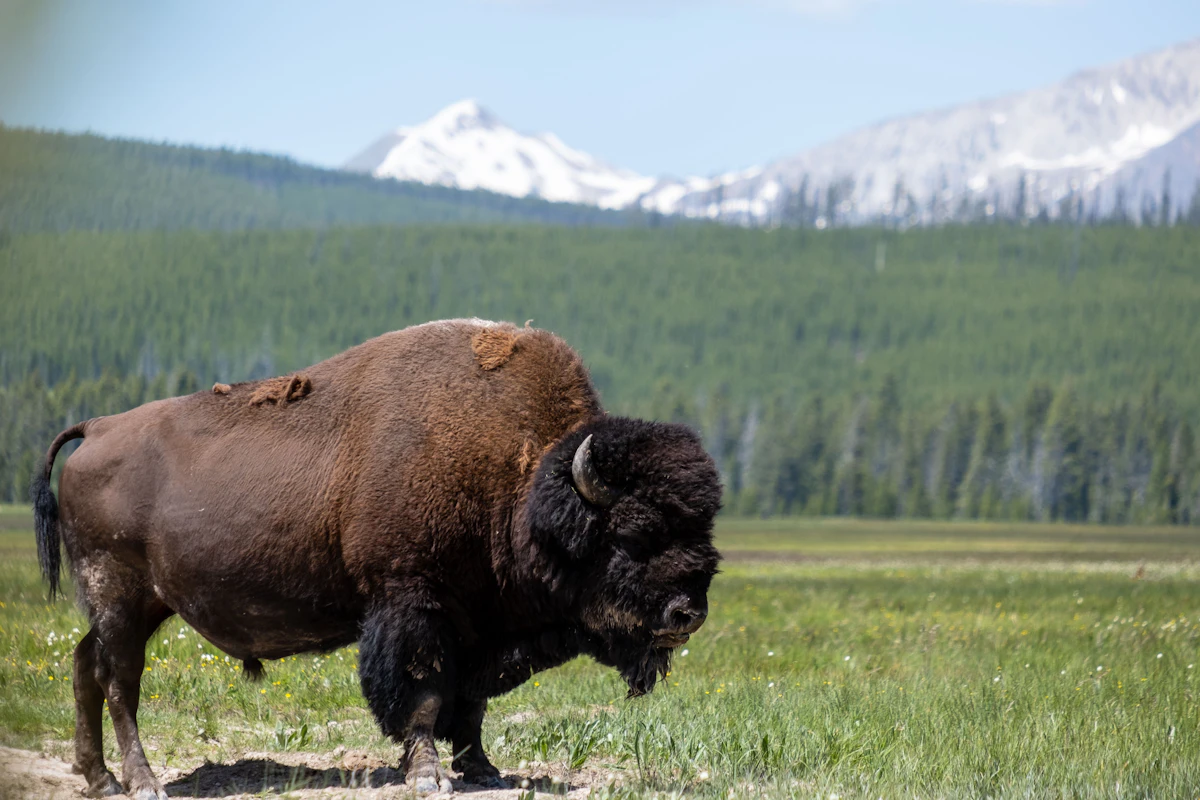
Bison hunting is not like elk hunting. A mature bull can weigh 2,000 pounds, has a hide thick enough to stop marginal bullets, and a shoulder structure that demands deep penetration. Public bison hunts in Utah, Montana, Wyoming, and Arizona draw thousands of applicants for a handful of tags each year. When you finally punch that tag, you need ammunition that anchors the animal quickly and humanely.
This guide covers the cartridges, bullet weights, and specific factory loadings that consistently perform on bison. It is based on field results from public hunts, feedback from state wildlife agencies, and ballistic testing on heavy, thick-skinned game.
Why Bison Require Different Ammunition Than Elk
Bison are built differently than elk. Their vital zone sits lower and farther forward than most hunters expect. The heart and lungs are protected by heavy shoulder bones, dense muscle, and a hide that can be three-quarters of an inch thick in winter. A bullet that expands too rapidly or fragments on impact will not reach the vitals.
Successful bison loads share three characteristics: controlled expansion, deep penetration, and retained weight. Cup-and-core bullets designed for deer will come apart on a shoulder shot. Thin-jacketed varmint bullets are worthless. You need heavy-for-caliber projectiles with bonded cores, monolithic construction, or partitioned jackets.
Shot placement matters more than raw power, but having enough energy at impact ensures the bullet performs as designed. A well-placed shot from a .308 Winchester will kill a bison cleanly. A poorly placed shot from a .338 Magnum will not.
Top Cartridges for Bison Hunting in 2026
The best bison cartridge is the one you shoot accurately under field conditions. That said, certain chamberings provide more margin for error and better terminal performance on heavy bone.
.45-70 Government
The .45-70 has been killing bison since the 1870s, and it still works. Modern factory loads push 300-grain bullets at 1,900 fps and 400-grain bullets at 1,600 fps. At ranges under 150 yards, it delivers massive frontal diameter and deep penetration.
Buffalo Bore, Hornady LEVERevolution, and Federal Premium all offer .45-70 loads designed for large game. The LEVERevolution uses a flex-tip bullet that expands reliably while maintaining weight retention. Buffalo Bore's heavy hardcast loads are brutal on bison shoulders.
The .45-70 is ideal for walk-and-stalk hunts where shots are close. It is less suitable for open-country hunts where 200-plus-yard shots are common. Recoil is stout but manageable in a well-fitted rifle.
.308 Winchester
The .308 is the minimum cartridge most guides recommend for bison. With 180-grain or 200-grain premium bullets, it provides adequate penetration and energy retention at typical bison ranges.
Federal's Terminal Ascent 175-grain load is purpose-built for deep penetration on heavy game. The bonded front core and solid copper shank ensure the bullet stays together through hide and bone. Nosler's Trophy Grade 180-grain AccuBond is another proven performer.
The .308 works best on broadside or quartering-away shots. Frontal shots and heavy shoulder bones are not ideal scenarios for this cartridge. Shoot 180-grain or heavier bullets. Lighter 150-grain deer bullets will not cut it.
.30-06 Springfield
The .30-06 offers more case capacity than the .308, which translates to higher velocities with heavy bullets. It is the most popular cartridge on public bison hunts for good reason — it balances power, recoil, and shooter familiarity.
Federal's Trophy Bonded Tip 200-grain load pushes 2,540 fps and delivers over 2,800 foot-pounds at the muzzle. The bonded bullet construction ensures deep penetration even on quartering shots. Hornady's 180-grain GMX Superformance uses a monolithic copper bullet that retains 100% of its weight.
The .30-06 handles 200-grain to 220-grain bullets well, making it more versatile than the .308 on bison-sized game. It is also widely available in lever-actions, bolt-actions, and single-shots, so you can use the rifle platform you shoot best.
.300 Winchester Magnum
The .300 Win Mag is overkill on bison at close range, but it shines on open-country hunts where long shots are possible. It drives 200-grain bullets over 2,800 fps and maintains energy downrange better than standard .30-caliber cartridges.
Nosler's AccuBond Long Range 200-grain load is designed for high-impact velocities and deep penetration. Barnes' VOR-TX 180-grain TTSX is a monolithic copper bullet that expands reliably while driving through heavy bone.
Recoil is noticeable, especially in lightweight mountain rifles. If you are not comfortable shooting a .300 Win Mag off-hand or from improvised field positions, step down to a .30-06. Flinching costs more animals than underpowered cartridges.
.338 Winchester Magnum and Larger
Cartridges like the .338 Win Mag, .35 Whelen, and .375 H&H are legitimate bison medicine, but they are not necessary for most hunters. They deliver more energy, deeper penetration, and better bone-breaking capability than smaller .30-caliber rounds, but shot placement still matters most.
The .338 Win Mag with 225-grain or 250-grain bullets is particularly effective on quartering-toward shots and frontal presentations. Federal's Trophy Bonded Bear Claw and Swift A-Frame loads are both designed for dangerous game and work flawlessly on bison.
These cartridges recoil hard enough to affect accuracy for shooters who do not practice regularly. They also create significant meat damage on broadside shots. Save them for situations where you need the extra penetration.
Bullet Construction: What Works and What Does Not
Bullet construction is more important than cartridge choice. A premium bullet from a .308 will outperform a cheap cup-and-core from a .300 Magnum.
Bonded Core Bullets
Bonded bullets use a chemical or electroplating process to fuse the lead core to the copper jacket. This prevents core-jacket separation on impact, which is critical when hitting heavy bone at close range.
Federal's Trophy Bonded Tip and Terminal Ascent, Nosler's AccuBond, and Swift's Scirocco II are all bonded designs that perform well on bison. They expand reliably but retain 70–90% of their original weight.
Monolithic Copper Bullets
Monolithic bullets are machined from solid copper or copper alloy. They retain 100% of their weight and penetrate deeper than lead-core bullets of the same weight. Barnes TTSX, Hornady GMX, and Federal's Trophy Copper are all proven on bison.
The trade-off is reduced mass for a given bullet length. A 180-grain TTSX is longer than a 180-grain lead-core bullet, which can affect magazine length and seating depth. They also require higher velocities to expand reliably — keep impact velocities above 1,800 fps.
Partitioned Bullets
Partitioned bullets use an internal partition to separate the front and rear core sections. The front core expands on impact while the rear core and partition drive deep. Nosler's Partition is the gold standard and has been killing bison for decades.
Partitions shed some weight during expansion, but the rear core always penetrates. They are particularly effective on angling shots where the bullet must travel through heavy muscle before reaching the vitals.
What to Avoid
Stay away from lightweight, high-velocity bullets designed for deer and antelope. Ballistic tips, soft-point cup-and-core bullets, and anything under 165 grains in .30-caliber will fragment or stop short on bison shoulders. Save those bullets for elk and smaller game.
Bullet Weight Recommendations by Cartridge
Heavier bullets penetrate better, but they must also be fired from cartridges with enough powder capacity to drive them at effective velocities. Here are the minimum bullet weights for common bison cartridges:
- .45-70 Government: 300 grains minimum, 400 grains for close range
- .308 Winchester: 180 grains minimum, 200 grains preferred
- .30-06 Springfield: 180 grains minimum, 200–220 grains preferred
- .300 Winchester Magnum: 180 grains minimum, 200 grains preferred
- .338 Winchester Magnum: 225 grains minimum, 250 grains for heavy bone
These weights ensure adequate sectional density for deep penetration and enough mass to break through shoulder bones without fragmenting.
Free to join
Download mobile app
- Detailed draw odds
- Point tracking
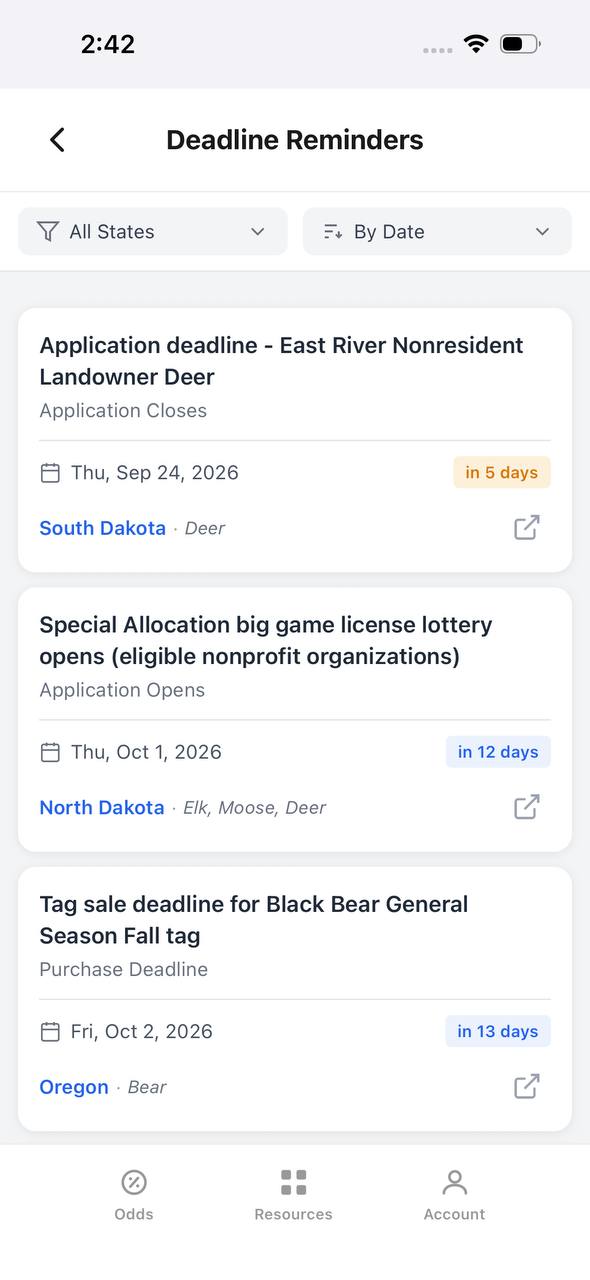
- Deadline reminders
- 18 states covered

Free to join
Download mobile app
- Detailed draw odds
- Point tracking
- Deadline reminders
- 18 states covered
Free to join
Download mobile app
- Detailed draw odds
- Point tracking
- Deadline reminders
- 18 states covered
Specific Factory Loads That Work
Here are proven factory loads that have anchored bison on public hunts across the West:
- Federal Terminal Ascent 175-grain .308 Winchester: bonded bullet, 2,645 fps, excellent penetration
- Hornady LEVERevolution 325-grain .45-70 Government: flex-tip bullet, 2,050 fps, tubular magazine safe
- Nosler Trophy Grade 200-grain AccuBond .30-06 Springfield: bonded construction, 2,550 fps, proven accuracy
- Federal Trophy Bonded Tip 200-grain .300 Win Mag: bonded bullet, 2,810 fps, flat trajectory
- Barnes VOR-TX 225-grain TTSX .338 Win Mag: monolithic copper, 2,800 fps, maximum penetration
- Buffalo Bore 430-grain hardcast .45-70 Government: deep penetration, bone breaker, recoil is brutal
All of these loads are available from major retailers and ammunition suppliers. Expect to pay $3–$6 per round for premium bison ammunition. This is not the time to shoot bargain-bin ammo.
Shot Placement on Bison
The vital zone on a bison is lower and farther forward than on elk. The heart sits just behind the front leg, level with the bottom of the chest. The lungs extend back to the diaphragm but are protected by heavy ribs and shoulder bones.
Broadside shots should target the crease behind the shoulder, one-third up from the bottom of the chest. This places the bullet through both lungs without hitting heavy bone. Quartering-away shots should aim for the offside shoulder to ensure the bullet reaches the vitals.
Avoid frontal shots unless you are shooting a .338 or larger with a heavy monolithic bullet. The chest is narrow, and the vitals are protected by thick hide, brisket, and bone. Quartering-toward shots are risky for the same reason — the bullet must penetrate several feet of muscle and bone to reach the heart.
If the bison is facing directly at you, wait for a better angle. The patience to let an animal turn broadside is more valuable than raw firepower.
Range Considerations and Zeroing
Most public bison hunts take place at ranges under 200 yards. Utah's Henry Mountains hunt is often close-range shooting in juniper and oak brush. Montana's National Bison Range hunt averages 150 yards. Wyoming's Yellowstone culls can stretch to 250 yards in open meadows.
Zero your rifle at 100 yards if you expect shots inside 150 yards. This keeps your trajectory simple and reduces the chance of over-shooting at close range. If you are hunting open country where 200–300 yard shots are common, zero at 200 yards and know your drop at extended range.
Do not count on long-range shooting. Bison are herd animals, and they move quickly when spooked. Most successful hunters take the first good shot they get rather than waiting for the perfect setup.
Free to join
Download mobile app
- Detailed draw odds
- Point tracking
- Deadline reminders
- 18 states covered
Free to join
Download mobile app
- Detailed draw odds
- Point tracking
- Deadline reminders
- 18 states covered
Free to join
Download mobile app
- Detailed draw odds
- Point tracking
- Deadline reminders
- 18 states covered
How TAGZ Helps You Draw a Bison Tag
Bison hunts are some of the hardest tags to draw in the West. Utah's Henry Mountains hunt gets over 20,000 applicants for fewer than 50 tags. Montana's National Bison Range hunt draws thousands for fewer than 10 permits. Wyoming's Yellowstone hunts issue 10–15 tags to nonresidents each year.
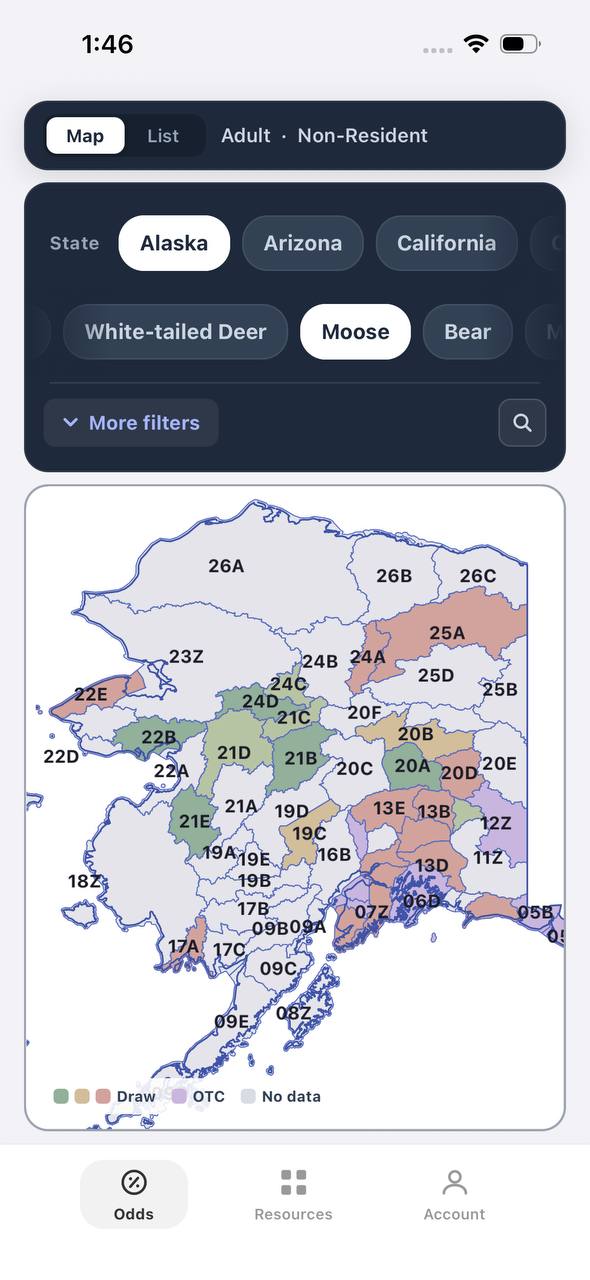
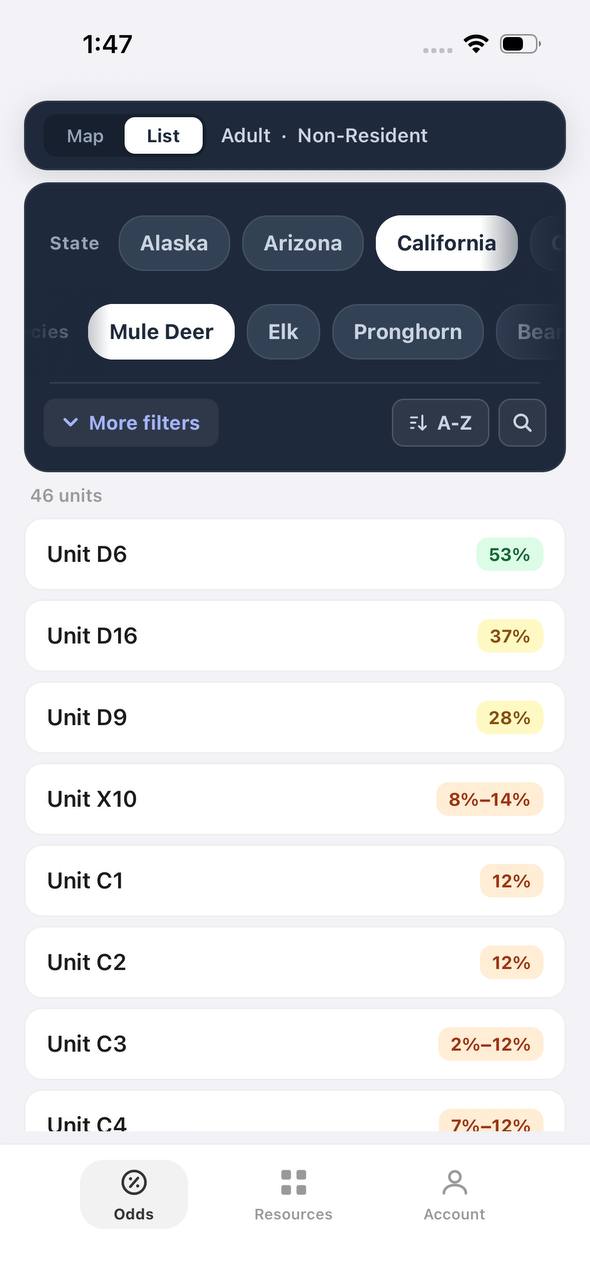
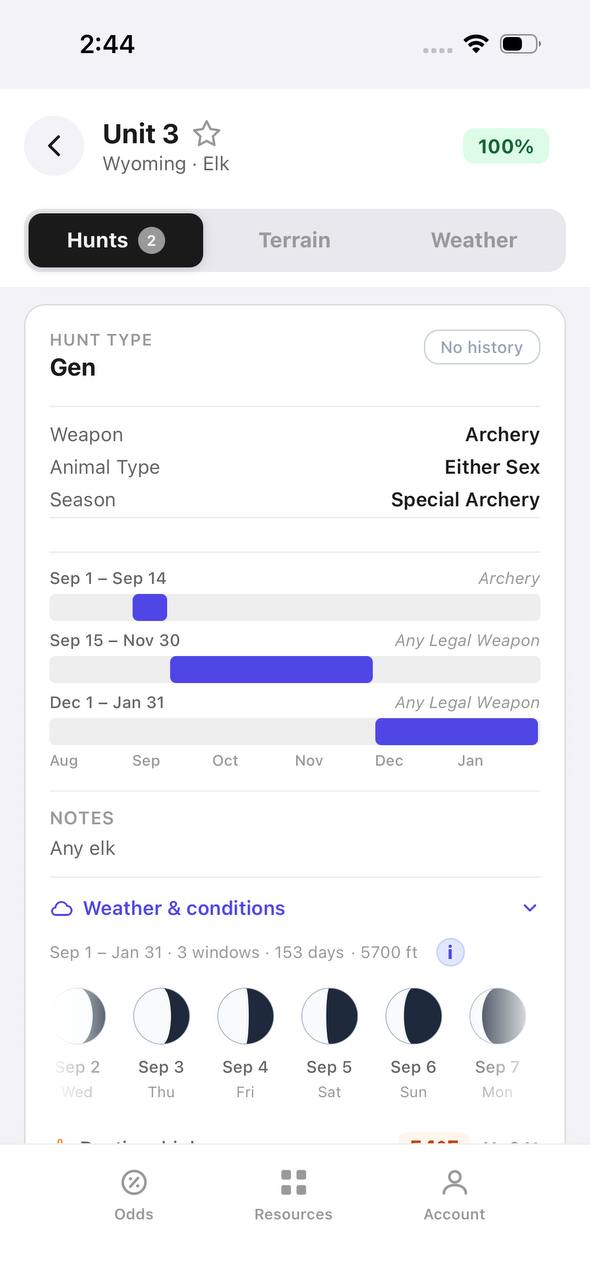
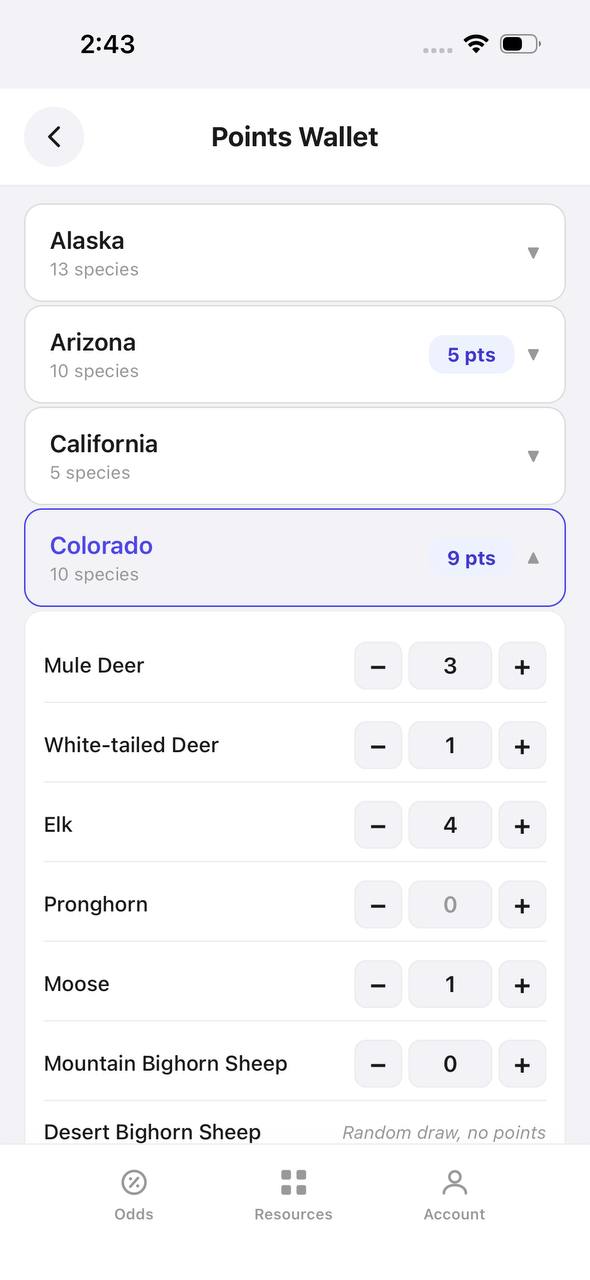
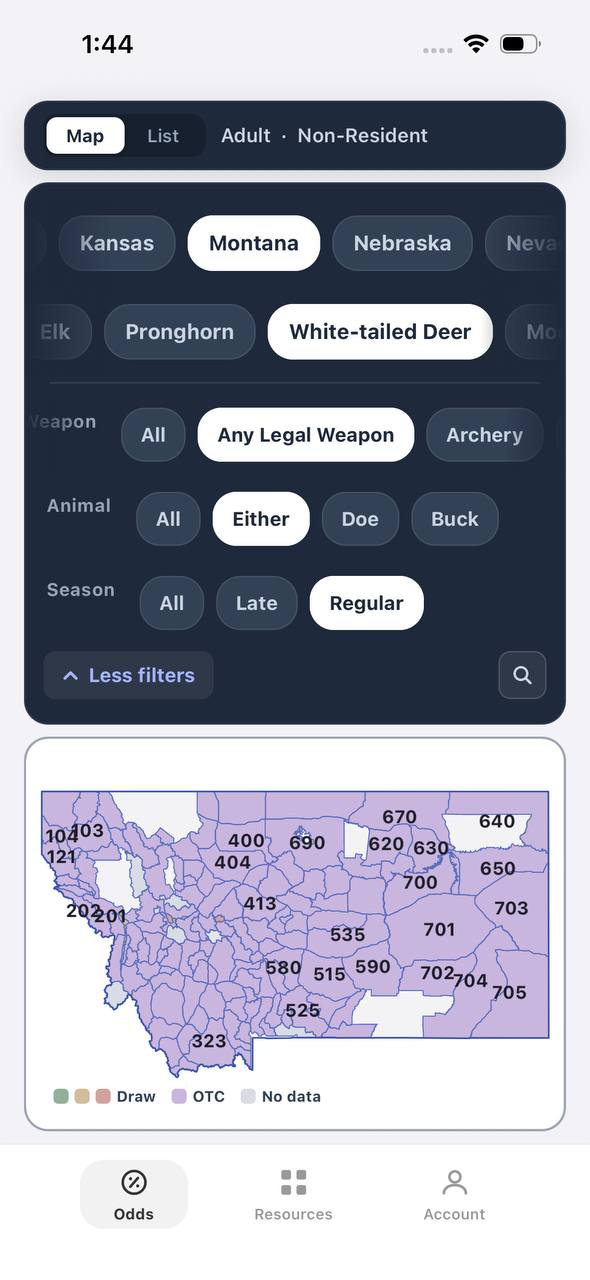
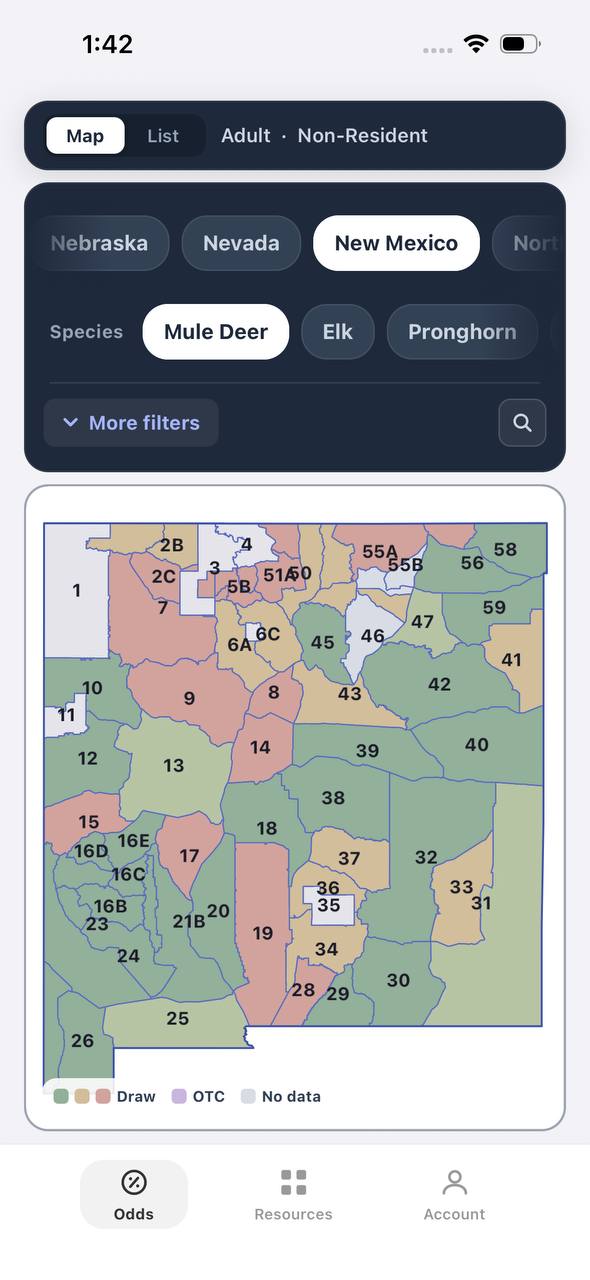
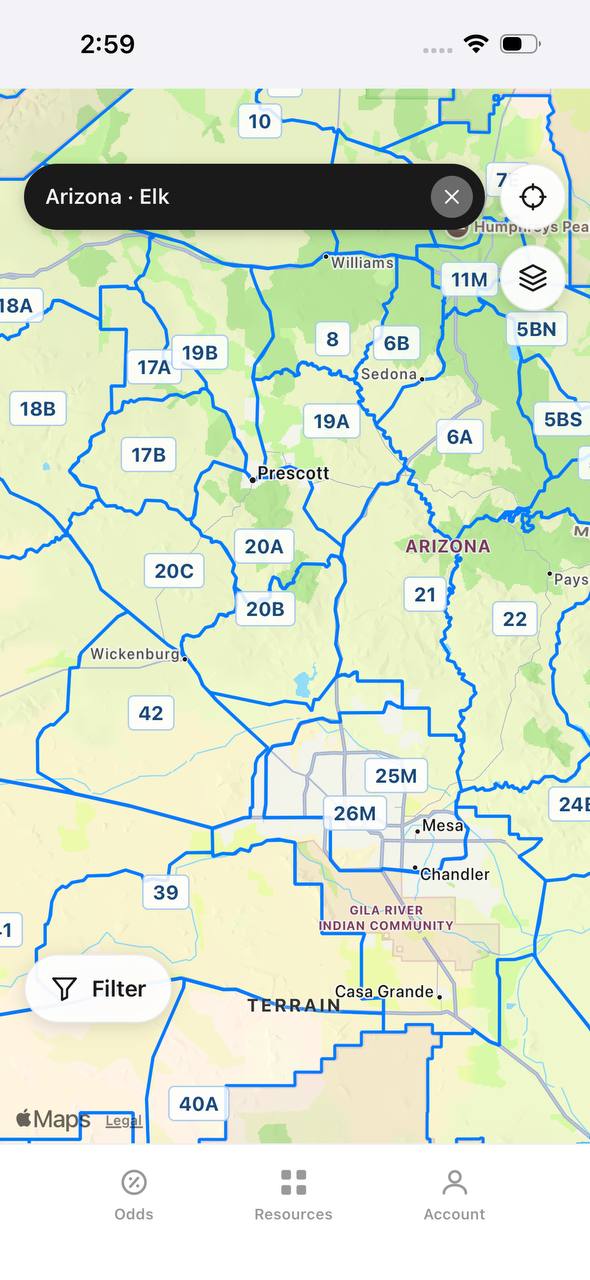
TAGZ helps you compare draw odds, track bonus points and preference points across multiple states, and plan your application strategy years in advance. The platform breaks down historical draw data by unit, weapon type, and residency status so you can see exactly what it takes to draw.
You can filter bison hunts by state, season dates, and hunter success rates. TAGZ tracks draw deadlines across every western state so you never miss an application window. Whether you are building points in Utah or applying as a longshot in Montana, TAGZ gives you the tools to maximize your odds and plan smarter hunts.
Rifle and Optic Considerations
Your rifle matters less than your ability to shoot it accurately under field conditions. Bison hunts often involve hiking, glassing, and quick shots from improvised positions. A lightweight rifle is easier to carry, but it kicks harder with magnum cartridges. A heavy rifle soaks up recoil but wears you down on long stalks.
Bolt-actions are the most popular platform, but lever-actions in .45-70 are common on close-range hunts. Single-shots like the Ruger No. 1 and break-action rifles are less common but perfectly adequate if you shoot them well.
Mount a reliable optic with enough magnification to verify shot placement. A 3-9x or 4-12x variable scope covers most bison hunting scenarios. Fixed 6x scopes work fine if you prefer simplicity. Skip the high-magnification long-range scopes unless you are hunting wide-open country where 300-yard shots are routine.
Most importantly, practice shooting from field positions. You will not have time to set up shooting sticks or dig out a bipod when a legal bull steps into the open. Shoot off-hand, kneeling, and sitting until you can put three shots into a pie plate at 100 yards from any position.
State-Specific Ammunition Regulations
Most western states allow centerfire rifles for bison with no restrictions on bullet type. A few states have specific rules:
- Montana: no caliber restrictions for bison, but check unit-specific regulations for National Bison Range hunts
- Utah: centerfire rifles only, no caliber minimum, but .243 Winchester and smaller are not recommended
- Wyoming: centerfire rifles only, no lead-free requirements for bison
- Arizona: centerfire rifles allowed, check unit regulations for House Rock hunts
- South Dakota: Custer State Park requires .270 Winchester or larger
Always verify current regulations before your hunt. States occasionally update ammunition rules, especially regarding lead-free requirements.
Free to join
Download mobile app
- Detailed draw odds
- Point tracking
- Deadline reminders
- 18 states covered
Free to join
Download mobile app
- Detailed draw odds
- Point tracking
- Deadline reminders
- 18 states covered
Free to join
Download mobile app
- Detailed draw odds
- Point tracking
- Deadline reminders
- 18 states covered
Breaking Down Common Ammunition Myths
Several myths persist about bison ammunition. Here is what actually matters:
Myth: You need a magnum to kill a bison. Reality: Shot placement and bullet construction matter more than velocity. A .30-06 with a 200-grain bonded bullet will anchor a bison just as reliably as a .300 Magnum with the same bullet.
Myth: Heavier bullets always penetrate better. Reality: Bullet construction is more important than weight. A 180-grain monolithic copper bullet will often out-penetrate a 220-grain cup-and-core bullet because it retains more weight and does not fragment.
Myth: More energy equals cleaner kills. Reality: Energy figures are useful for comparison, but they do not tell the whole story. A bullet that delivers all its energy in the first six inches of penetration is worse than a bullet that carries energy deep into the vitals.
Myth: Match-grade ammunition is necessary for bison. Reality: Bison are not long-range targets. Minute-of-angle accuracy is overkill. Focus on reliable function, consistent point of impact, and terminal performance. Factory hunting ammunition from Federal, Hornady, Nosler, and Barnes is more than adequate.
What to Bring on the Hunt
Bring 20–40 rounds of your chosen ammunition. You should have verified zero and practiced field positions before the hunt, so you will not need to burn through boxes of ammo on the range. Bring enough for a few confirmation shots the day before your hunt and for the hunt itself.
Carry five rounds in the rifle and another 10–15 rounds in a belt pouch or pocket. Bison are tough, and follow-up shots are sometimes necessary. Do not count on one shot dropping a 2,000-pound animal every time.
Pack your ammunition in a waterproof case or ziplock bag. Wet ammunition can corrode or misfire, and bison hunts often take place in cold, wet conditions. Keep spare rounds accessible but protected.
FAQ — Best Bison Ammunition
What is the best caliber for bison hunting? The .30-06 Springfield with 180–200 grain bonded or monolithic bullets is the most versatile and widely used. It balances power, recoil, and shooter familiarity. The .308 Winchester works at close range, while the .300 Win Mag and .338 Win Mag provide extra penetration for tough angles.
Can you kill a bison with a .308 Winchester? Yes. A .308 with 180–200 grain premium bullets will kill a bison cleanly with good shot placement. Avoid lightweight bullets and cheap cup-and-core designs. Stick to broadside or quartering-away shots and avoid heavy bone.
What bullet weight should I use for bison? Use 180 grains minimum in .30-caliber cartridges, preferably 200–220 grains. For .338 caliber, use 225–250 grains. For .45-70, use 300–400 grains. Heavier bullets penetrate deeper and break bone more reliably.
Are monolithic copper bullets better than bonded bullets for bison? Both work. Monolithic bullets retain 100% of their weight and penetrate deeper, but they require higher impact velocities to expand. Bonded bullets expand more reliably at lower velocities and still penetrate adequately. Choose based on your cartridge and expected shot distance.
Do I need magnum cartridges for bison? No. Magnums provide more energy and flatter trajectories, which helps on long shots and tough angles, but they are not required. A .30-06 or .308 with the right bullet will kill a bison just as dead at typical hunting ranges.
Where should I aim on a broadside bison? Aim for the crease behind the shoulder, one-third up from the bottom of the chest. This puts the bullet through both lungs without hitting heavy shoulder bones. Avoid aiming high or too far back, which risks gut shots or single-lung hits.
Continue Planning Your Hunt
Drawing a bison tag is one of the toughest challenges in western big-game hunting, but TAGZ makes the application process simpler. Compare draw odds across Utah, Montana, Wyoming, and Arizona. Track your bonus points and preference points in every state so you know when your odds improve. Filter bison hunts by season dates, success rates, and weapon type to find the hunts that match your goals.
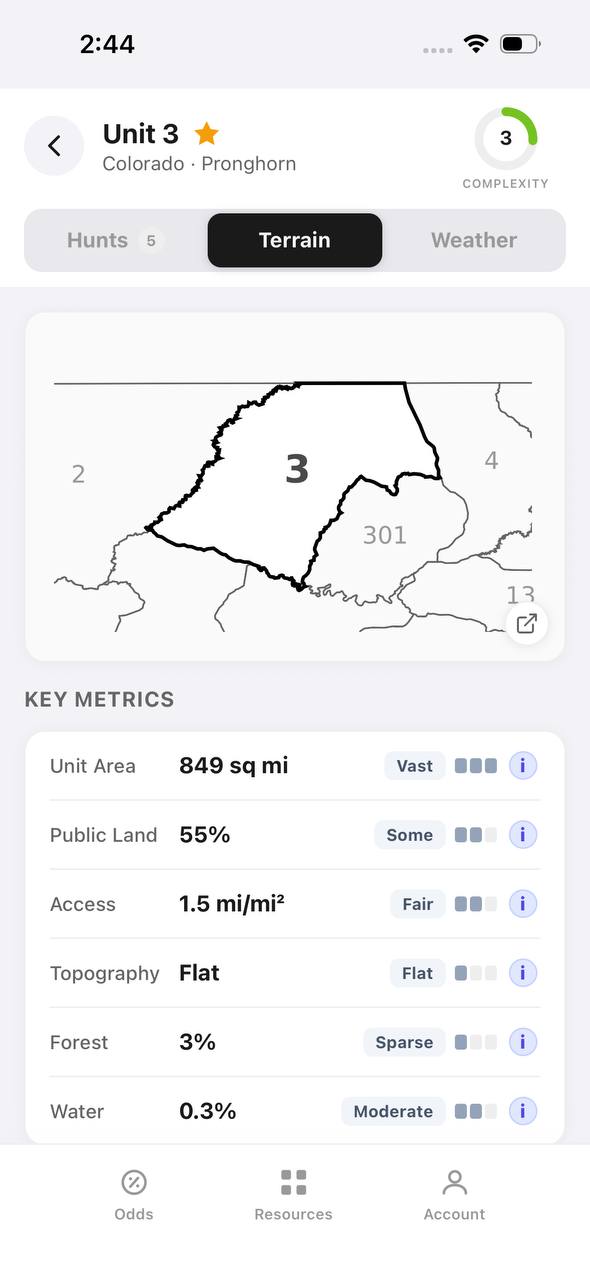
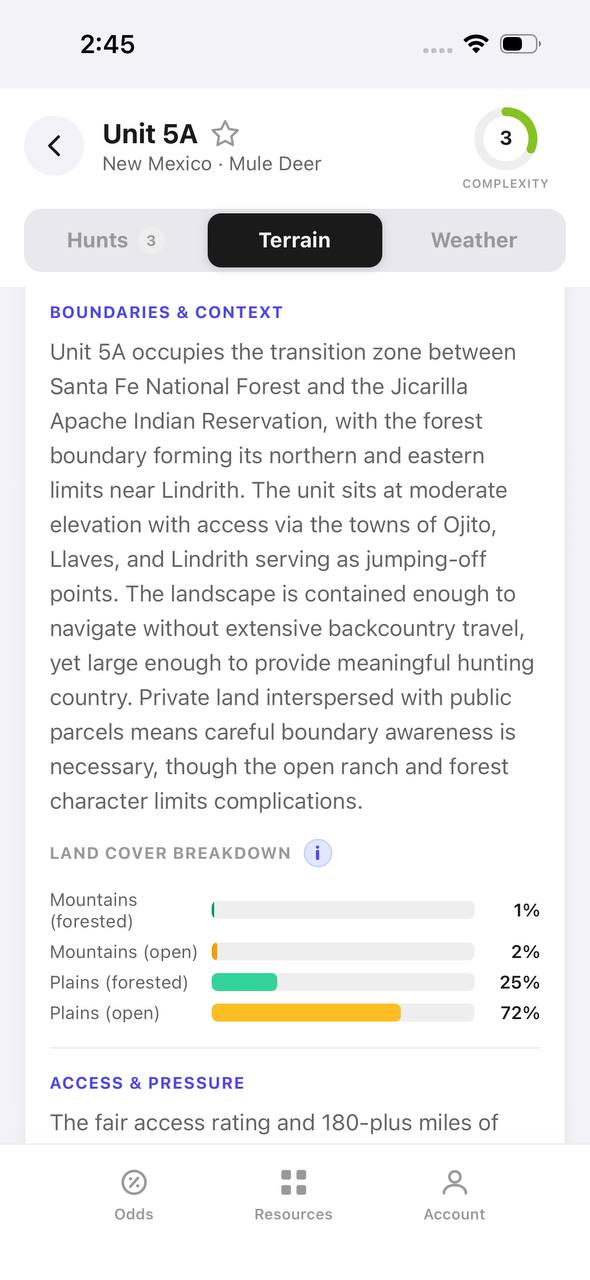
TAGZ gives you side-by-side unit comparisons using terrain maps, unit boundaries, and historical draw data. You can see exactly what it takes to draw a Henry Mountains tag in Utah or a Yellowstone permit in Wyoming. Whether you are building points for a once-in-a-lifetime hunt or applying as a longshot every year, TAGZ helps you make smarter decisions before you ever step into the field.
Explore more western hunting insights on the TAGZ Insights page, or create a free account to start tracking your points and planning your next application at getmytagz.com.
Was this article helpful?
Previous
Best Hunting Gloves for 2026: Field-Tested Gear That Actually Works
After years of frozen fingers and blown stalks, we've tested dozens of hunting gloves across every season and condition. Here's what actually works in 2026, from early-season bow hunts to late-season rifle sits in single-digit temps.
Related
Best Hunting Rifles Under $750 in 2026: Proven Budget Choices That Perform
Quality hunting rifles under $750 deliver accuracy and reliability without breaking the bank. We compare proven models from Ruger, Savage, Tikka, and others that western hunters trust for elk, deer, and antelope.
Next
Best Portable Jump Starters for Hunting Trucks in 2026
A dead battery miles from pavement can end your hunt before it starts. We tested the top portable jump starters that actually work in the backcountry — compact enough to stash behind the seat, powerful enough to crank a diesel in single-digit temps.