Best Puffy Jackets for Hunting — Warmth Without the Bulk
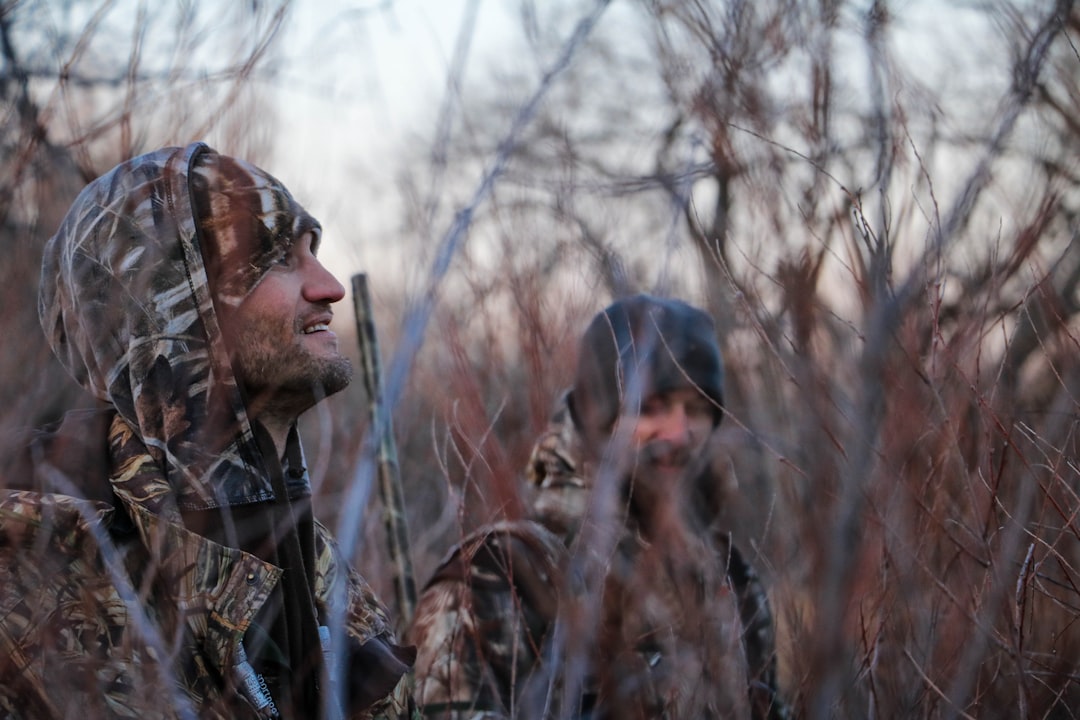
A good puffy jacket is the difference between staying on the mountain and hiking out early. Whether you are glassing elk at first light or sitting a November whitetail stand, the right insulated layer keeps you in the field when temperatures drop. The best hunting puffies balance warmth, packability, durability, and weather resistance without adding unnecessary weight to your pack.
This guide covers what to look for in a hunting puffy, compares down versus synthetic insulation, and highlights top jacket options for backcountry hunters, treestand sitters, and everything in between.
Down vs Synthetic Insulation — What Works Best for Hunters
The insulation debate comes down to weight, packability, and how the jacket performs when wet.
Down insulation offers the best warmth-to-weight ratio. A 20-ounce down jacket can keep you warm in freezing temperatures and compress into a stuff sack the size of a Nalgene. The downside is moisture. Wet down loses most of its insulating ability and takes hours to dry. If you hunt in wet climates or sweat heavily on the hike in, untreated down becomes a liability.
Synthetic insulation is bulkier and heavier for the same warmth, but it retains heat when damp and dries fast. Synthetics also cost less and hold up better to repeated compression. For hunters who glass in the rain, hunt early-season elk during afternoon thunderstorms, or cannot afford to baby their gear, synthetic makes sense.
Hydrophobic down splits the difference. Treated down fibers resist moisture better than untreated down and dry faster, though they still struggle compared to synthetics in sustained wet conditions. Most premium hunting jackets now use hydrophobic down rated between 800 and 900 fill power.
Packability and Weight — Backcountry Priorities
If you are hiking miles into elk country or chasing mule deer in alpine basins, every ounce counts. Backcountry hunters prioritize jackets that compress small, weigh under 16 ounces, and disappear into a pack lid until you need them.
Look for jackets with high fill-power down (800+) or advanced synthetics like PrimaLoft Gold. These materials deliver maximum warmth per ounce. Ultralight fabrics (10-20 denier nylon) save weight but sacrifice durability. If you are bushwhacking through oak brush or sitting against rough bark, step up to a 20- or 30-denier shell.
Stuff sacks matter. A jacket that packs into its own pocket is convenient, but dedicated compression sacks shrink the bundle even smaller. Some hunters carry their puffy in a dry bag to keep it bone-dry until the moment they need it.
Durability and Shell Fabric — Built for the Field
Lightweight puffies tear easily on branches, pack frames, and barbed wire. Backcountry hunters accept this trade-off, but treestand hunters and rifle hunters who brush through thick cover need tougher shells.
Ripstop nylon in 20- to 40-denier weights resists snags better than ultralight fabrics. Some jackets use heavier fabric on high-wear areas like shoulders and elbows while keeping the body lightweight. DWR (durable water repellent) coatings shed light rain and snow, though no puffy is a substitute for a rain shell in heavy weather.
Full baffles (sewn-through or box-wall construction) create cold spots where the stitching compresses insulation. Premium jackets use offset baffles or welded seams to eliminate cold spots, though this adds cost and weight.
Fit and Layering — Room for Base Layers
A puffy jacket is a mid-layer or outer layer depending on conditions. It should fit over a merino base layer and lightweight fleece without binding across the shoulders or chest. Athletic fits work for high-output glassing, but if you sit for hours in single-digit temps, a relaxed fit lets you layer heavy fleece or a grid fleece underneath.
Sleeve length matters. Short sleeves ride up when you raise binoculars or draw a bow. Elastic cuffs seal out drafts better than open hems, and longer cuffs that overlap gloves prevent gaps.
Hood or no hood depends on how you hunt. Hooded jackets add 2–4 ounces but provide critical warmth when glassing in wind or sitting in a stand. If you already wear a beanie or hooded rain shell, a hoodless puffy saves weight and eliminates bulk.
Best Puffy Jackets for Backcountry Hunters
Backcountry hunters need jackets that pack small, weigh less than a pound, and provide enough warmth for glassing sessions above treeline.
Kuiu Super Down Pro Jacket uses 850-fill hydrophobic down in a 10-denier shell. It weighs 13 ounces in size large and compresses into a stuff sack smaller than a football. The fit is trim and athletic. Durability is marginal — this is a jacket you baby and pull out only when you stop moving.
Stone Glacier Grumman Down Jacket balances weight (14 ounces) with toughness. The 20-denier ripstop shell handles light brush, and the 850-fill down keeps you warm into the low 20s. It lacks a hood, which saves weight but limits versatility in wind.
First Lite Uncompahgre Puffy (synthetic) weighs 18 ounces and uses PrimaLoft Gold insulation. It is bulkier than down but handles moisture better and costs $100 less than premium down jackets. Hunters who sweat on the approach or hunt wet climates get more reliable performance.
Best Puffy Jackets for Treestand and Rifle Hunters
Treestand hunters and rifle hunters who sit for hours in cold weather prioritize warmth and durability over weight. These jackets use heavier shells, more insulation, and features like hand-warmer pockets and longer cuts.
Sitka Kelvin Down WS Jacket combines windproof fabric with 800-fill down and a durable 30-denier shell. It weighs 24 ounces but provides serious warmth for stationary hunting. The windstopper membrane blocks cold air without adding a separate shell layer.
Badlands Calor Jacket uses synthetic insulation in a tough, quiet shell designed for whitetail hunters. It is heavier (28 ounces) but handles wet sits and washes easily. The relaxed fit accommodates heavy base layers.
KUIU Kenai Ultra NX Jacket (synthetic) features Primaloft Evolve insulation and a durable face fabric treated with Polygiene to control odor. It works as a standalone outer layer in dry cold and layers under a rain shell in wet weather.
Budget-Friendly Options for New Hunters
You do not need a $400 jacket to stay warm. Several budget-friendly puffies deliver solid performance for hunters just getting started.
Eddie Bauer MicroTherm 2.0 uses 800-fill down in a packable design that weighs 15 ounces and costs around $150. It lacks hunting-specific features like silence or camo, but it works for glassing and early-season hunts.
Outdoor Vitals Atlas Insulated Jacket offers synthetic insulation in an affordable package under $100. It is heavier and bulkier than premium options but provides reliable warmth for treestand hunters and truck campers.
Uniqlo Ultra Light Down Jacket costs $70–$90 and weighs 9 ounces. It is not marketed to hunters, but backcountry hunters on a budget use it as a lightweight emergency layer. The shell fabric is fragile and the fit is urban, but the warmth-to-weight ratio is unbeatable at this price.
Features That Matter — Pockets, Zippers, and Details
Small details separate average puffies from great ones.
Hand-warmer pockets positioned high on the chest let you keep your hands warm while glassing. Low hip pockets interfere with pack belts. Zippered pockets prevent losing keys or licenses.
Two-way zippers let you vent from the bottom without losing warmth up top, useful when you are wearing a pack belt or sitting in a stand.
Internal chest pockets sized for a phone or GPS keep electronics warm. Cold kills batteries fast.
Hem cinches seal out drafts and prevent the jacket from riding up when you raise your arms. Elastic hems work, but adjustable shock cords fit better over layered pants.
Chin guards on zippers prevent the metal from freezing against your neck during long glassing sessions.
Caring for Your Puffy Jacket — Making It Last
Down and synthetic jackets lose performance when dirty. Body oils compress insulation and reduce loft. Wash your puffy once or twice per season using technical down wash or mild detergent. Never use fabric softener — it clogs down fibers.
Dry down jackets on low heat with tennis balls or dryer balls to break up clumps and restore loft. Hang synthetic jackets to air-dry or tumble on low.
Store jackets uncompressed. Hanging them or laying them flat maintains loft better than leaving them stuffed in a compression sack for months.
Repair small tears immediately with tenacious tape or a patch kit. A half-inch rip turns into a six-inch blowout if you ignore it.
FAQ — Puffy Jackets for Hunting
Is down or synthetic insulation better for hunting?
Down offers the best warmth-to-weight ratio and packability, but synthetic insulation performs better when wet and costs less. Choose down for dry climates and backcountry hunts where weight matters. Choose synthetic if you hunt wet conditions or need a durable jacket that handles hard use.
How warm does a puffy jacket need to be for elk hunting?
For September and early October elk, a lightweight puffy with 2–3 ounces of insulation works for glassing at dawn and dusk. For late-season rifle hunts in November, step up to a heavier jacket with 4–6 ounces of insulation or layer a lightweight puffy under a shell.
Should I buy a hooded or hoodless puffy jacket?
Hooded jackets add 2–4 ounces but provide critical warmth when glassing in wind or hunting exposed ridges. If you already wear a hooded rain shell or beanie, a hoodless puffy saves weight. For backcountry hunters carrying minimal gear, a hood is worth the weight.
Can I use a puffy jacket as an outer layer?
Yes, in dry cold conditions. Most puffies have DWR coatings that shed light snow and frost but soak through in rain. Pair a puffy with a packable rain shell for wet weather. Some heavier puffies use windproof membranes and work as standalone outer layers in dry climates.
How do I pack a puffy jacket without damaging the insulation?
Stuff the jacket loosely into a compression sack or pack it in your pack lid without excessive crushing. Avoid leaving it compressed for weeks at a time. Down and synthetic insulation both lose loft when stored compressed long-term. Hang or lay flat between trips.
What is the best budget puffy jacket for hunters?
The Eddie Bauer MicroTherm 2.0 delivers 800-fill down at around $150. For synthetic insulation under $100, the Outdoor Vitals Atlas works well for treestand hunting. Both lack hunting-specific features like silence or camo but provide solid warmth and durability for new hunters.
Continue Planning Your Hunt
The right gear makes long days in the field more comfortable and productive. A quality puffy jacket is one piece of the puzzle, but successful hunts require planning, research, and smart decisions about where and when to apply.
TAGZ helps you compare units side by side using terrain maps, unit boundaries, and historical draw data. Track your preference points and bonus points across multiple states so you never miss a draw deadline. Whether you are chasing OTC tags or planning a trophy limited-entry hunt, TAGZ gives you the tools to make smarter decisions before you ever step into the field.
Explore more hunting strategies, gear reviews, and unit breakdowns on the TAGZ Insights blog. If you are ready to simplify your hunt planning and maximize your draw odds, check out TAGZ pricing and see how the platform helps you plan smarter hunts from application season through opening day.
Was this article helpful?
Previous
Idaho Elk Hunting Guide 2027: Draw Odds, OTC Tags & Unit Breakdown
Idaho offers some of the West's best elk hunting, from general-season OTC tags to limited-entry trophy units. This guide covers 2027 draw changes, resident and nonresident odds, unit selection strategies, and how to plan your hunt across Idaho's diverse terrain.
Next
Oklahoma Mule Deer Draw Odds and Tag Guide 2027
Oklahoma offers limited mule deer hunting opportunities in the western Panhandle, with draw odds varying by weapon type and residency. This guide breaks down the 2027 application process, draw statistics, and unit strategies for hunters targeting Oklahoma's small but quality mule deer herd.