You are 14 miles up a two-track at 4 a.m., headlamp on, rifle cased, and your truck will not turn over. No other rigs within shouting distance. No cell service. This is exactly when a portable jump starter earns its spot in your kit.
A good battery jump starter is not optional gear for western hunters. It is insurance against the kind of failure that costs you a hunt, a tag, or worse. Whether you left a dome light on after glassing at dusk or your battery gave up in subzero temps, the right unit gets you running in under two minutes without another vehicle.
What Makes a Jump Starter Work in the Backcountry
Not all portable jump starters are built for hunting conditions. The models that work in a suburban Costco parking lot often fail when you need them most — cold mornings, high elevation, diesel engines, and months between charges.
Look for these specs:
- Peak amps matter for diesels. A half-ton gas truck might start with 400–600 peak amps. A 6.7L Power Stroke in January needs 1,000+ amps. Buy more capacity than you think you need.
- Cold cranking performance. Lithium batteries lose capacity below freezing. The best units include low-temperature protection and retain 70–80% power down to 0°F.
- Charge retention. Some units hold a charge for 12+ months. Others drop to 50% in 90 days. If you hunt seasonally, long shelf life matters.
- Size and weight. A 2-pound unit fits in a door pocket. A 5-pound brick does not. Smaller is better if the specs hold up.
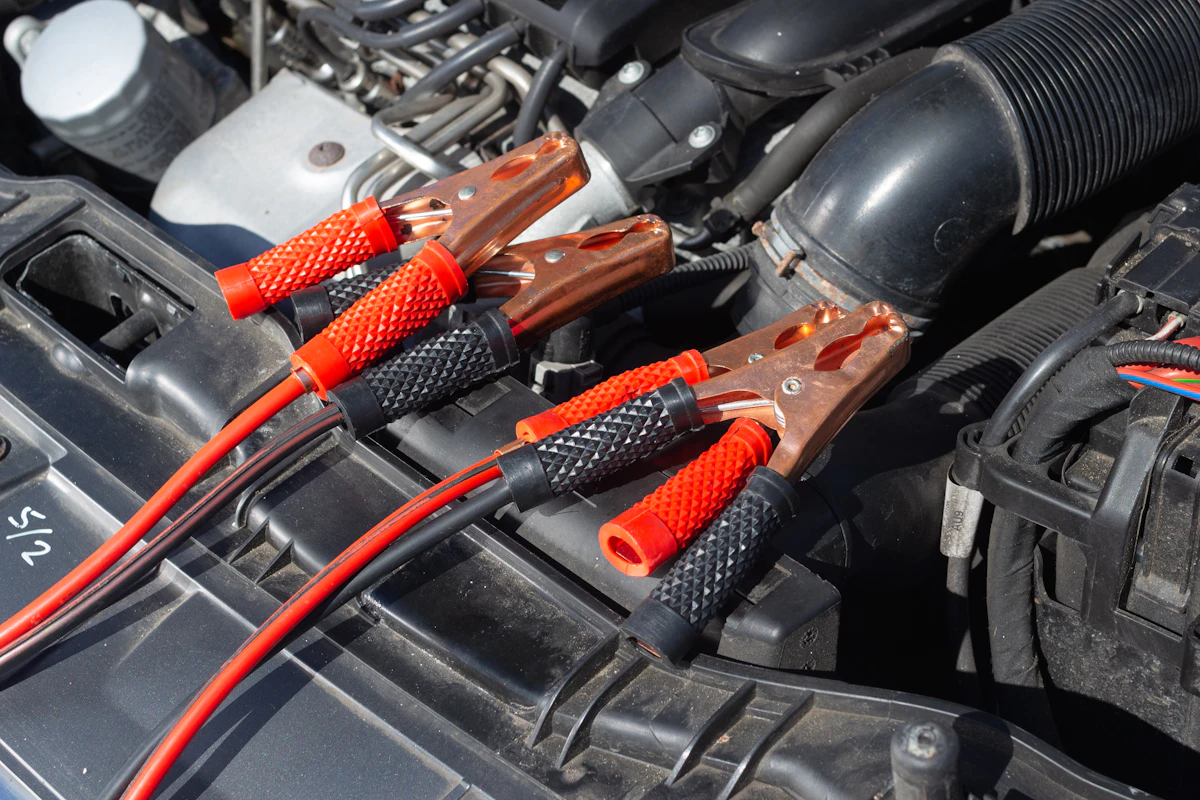
- Clamp quality. Cheap clamps slip off posts, arc, or fail to grip in tight engine bays. Look for copper-jaw clamps with thick cables.
Top-Tested Jump Starters for Hunting Trucks
NOCO Boost Plus GB40 — Best Overall for Most Hunters
Peak amps: 1,000
Engine size: Gas up to 6.0L, diesel up to 3.0L
Weight: 2.4 lbs
Price: ~$100
The GB40 is the standard for good reason. It cranks most gas trucks and smaller diesels, weighs less than a Nalgene, and recharges via USB-C. The spark-proof clamps and reverse-polarity protection mean you can hook it up in the dark without second-guessing.
It holds a charge for six months, which covers most hunting seasons without babysitting. If you run a half-ton or three-quarter-ton gas rig, this is the one.
Limitation: It struggles with larger diesels in cold weather. If you run a 3/4-ton or 1-ton diesel, step up to the GB70.
NOCO Boost HD GB70 — Best for Diesel Trucks
Peak amps: 2,000
Engine size: Gas up to 8.0L, diesel up to 6.0L
Weight: 3.9 lbs
Price: ~$200
The GB70 is overkill for a Tacoma. It is exactly right for a Ram 2500 Cummins or a Ford F-250 with a 6.7L Power Stroke. This unit cranks big diesels in single-digit temps without drama.
It includes the same build quality as the GB40 — copper clamps, USB-C charging, foolproof connections — but doubles the output. If your hunting rig weighs more than 8,000 pounds, this is your insurance policy.
Trade-off: Heavier and twice the price. Worth it if you hunt in cold states or run a diesel.
Clore Automotive JNC660 — Best for Serious Cold
Peak amps: 1,700
Engine size: Gas and diesel up to 6.0L
Weight: 18 lbs
Price: ~$150
This is not a lithium pack. It is a lead-acid jump box — old-school, heavy, and bulletproof in subzero conditions. Lithium loses capacity when it is cold. Lead-acid does not care.
If you hunt November elk in Montana or late-season mule deer in Wyoming where temps drop below zero, the JNC660 works when slick lithium units quit. It also doubles as a compressor power source and includes a work light.
Trade-off: It weighs 18 pounds and takes up trunk space. This is a leave-it-in-the-truck tool, not a pack-it-everywhere option.
HULKMAN Alpha85S — Best Budget Diesel Option
Peak amps: 2,000
Engine size: Gas up to 8.5L, diesel up to 6.0L
Weight: 2.9 lbs
Price: ~$120
The Alpha85S punches above its price. It cranks diesels like the GB70 but costs $80 less. The clamps are solid, it includes a USB-C quick charge, and it holds power for three months between uses.
The screen shows battery percentage instead of vague LED bars, which is useful when you are deciding whether to recharge before a trip.
Trade-off: HULKMAN does not have NOCO's reputation. Early units had quality control issues. Newer batches seem solid, but this is the gamble you take for the savings.
Antigravity Batteries Micro-Start XP-10 — Best Ultralight Option
Peak amps: 600
Engine size: Gas up to 6.0L, diesel up to 3.0L
Weight: 1.0 lb
Price: ~$120
This fits in a glove box. At one pound, it is half the weight of the GB40 and delivers enough punch to start most gas trucks and smaller diesels.
The XP-10 is the right choice if you drive a Tacoma, Ranger, or Canyon and want jump-start capability without dedicating cargo space. It is also a solid backup unit to keep in a day pack on long solo trips.
Limitation: It will not crank a 3/4-ton diesel. It also loses charge faster than larger units — plan to recharge every 60–90 days.
Real-World Use: What Actually Happens When You Jump a Truck Solo
You pop the hood, clip the red clamp to the positive post, then the black clamp to a ground point or the negative post. Most units beep or flash green when the connection is good. You turn the key. The engine cranks. You are back in business.
The whole process takes under two minutes if the battery is just weak. If the battery is completely dead — 0 volts, no dome lights, nothing — some jump starters need a few minutes to trickle charge before they deliver full cranking power. This is normal.
After the truck starts, let it idle for 10–15 minutes to recharge the battery. Disconnect the jump starter and throw it back in the cab. Recharge the jump starter when you get home.
How to Keep Your Jump Starter Ready
A jump starter that is dead when you need it is worse than not having one. Here is how to keep it ready:
- Recharge every 90 days during the off-season. Most units lose 1–2% charge per month, but temperature swings accelerate drain.
- Store it inside the cab in winter, not the bed. Lithium batteries hate repeated freeze-thaw cycles. Keep it in the truck but not in the unheated bed.
- Test it once per season. Hook it up to your battery before a hunt and confirm it powers on and shows full charge. Do not wait until you are stuck to find out it is dead.
- Keep the clamps clean. Wipe them down after use, especially if you jumped a corroded battery. Buildup on the clamps reduces contact and cranking power.
Free to join
Download mobile app
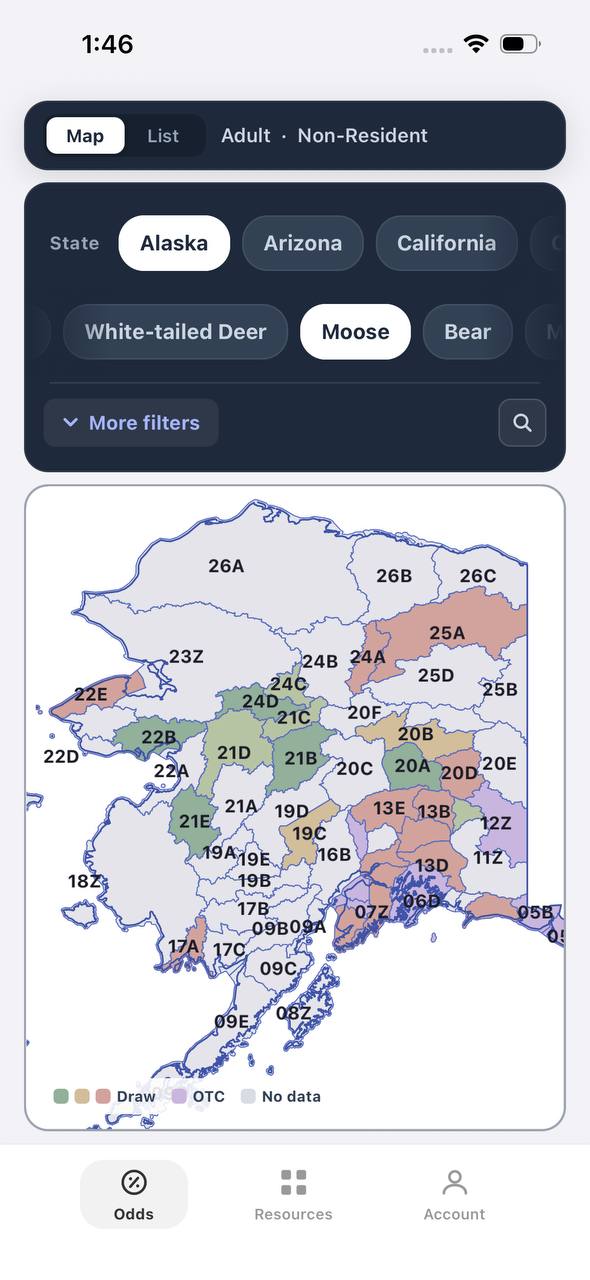
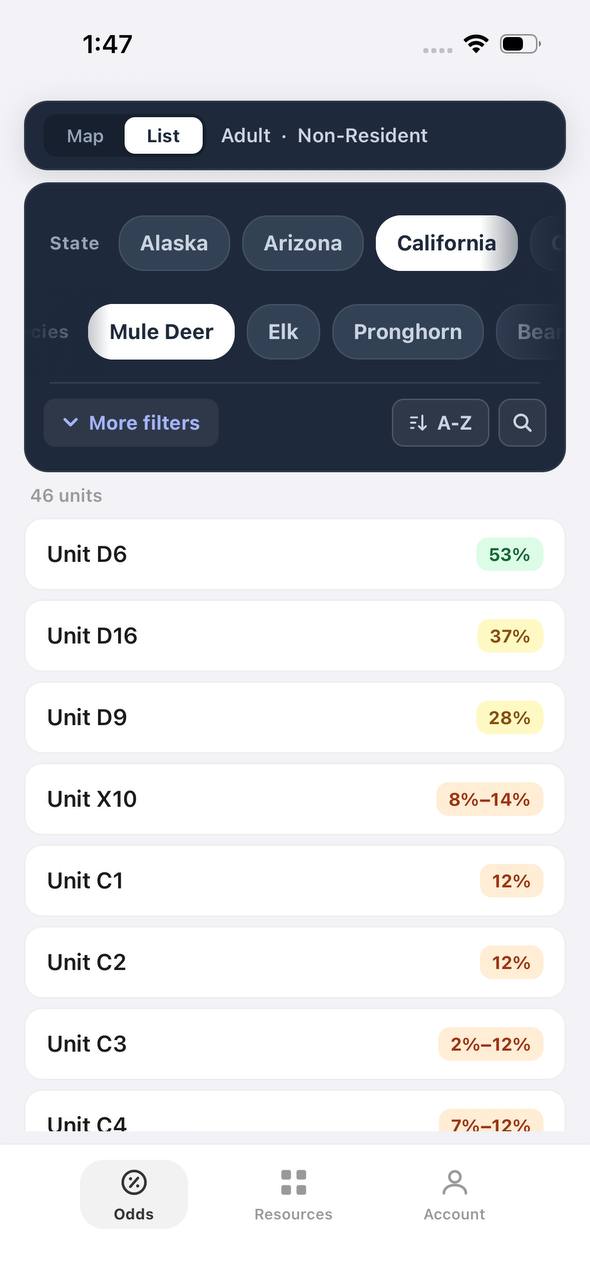
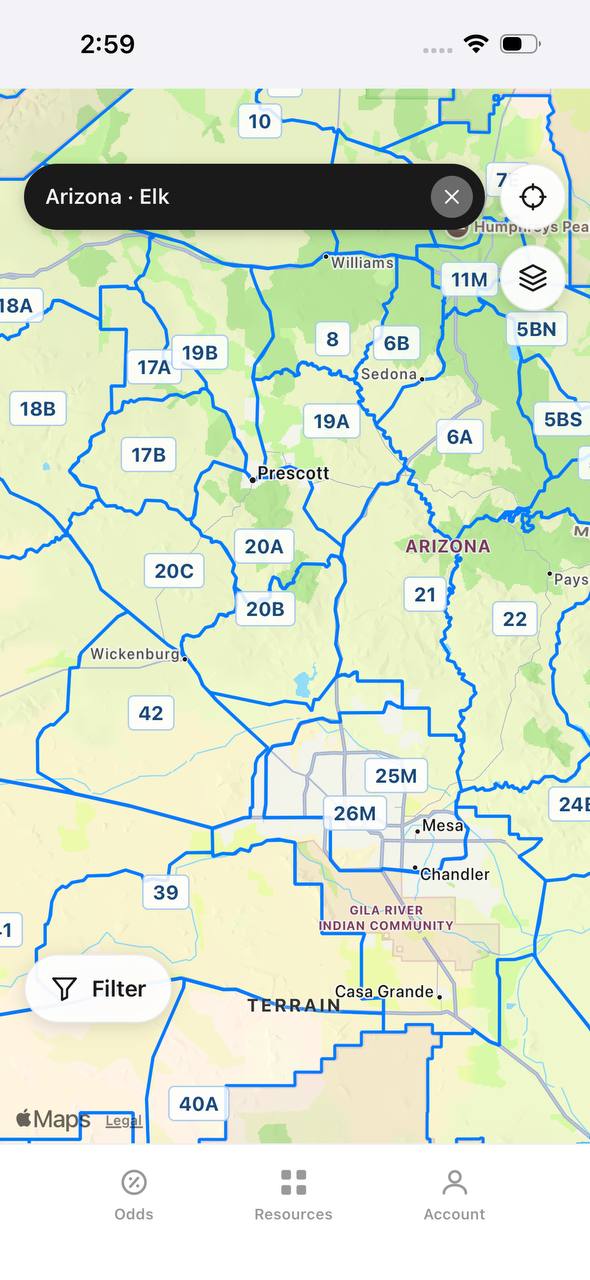
- Detailed draw odds
- Point tracking
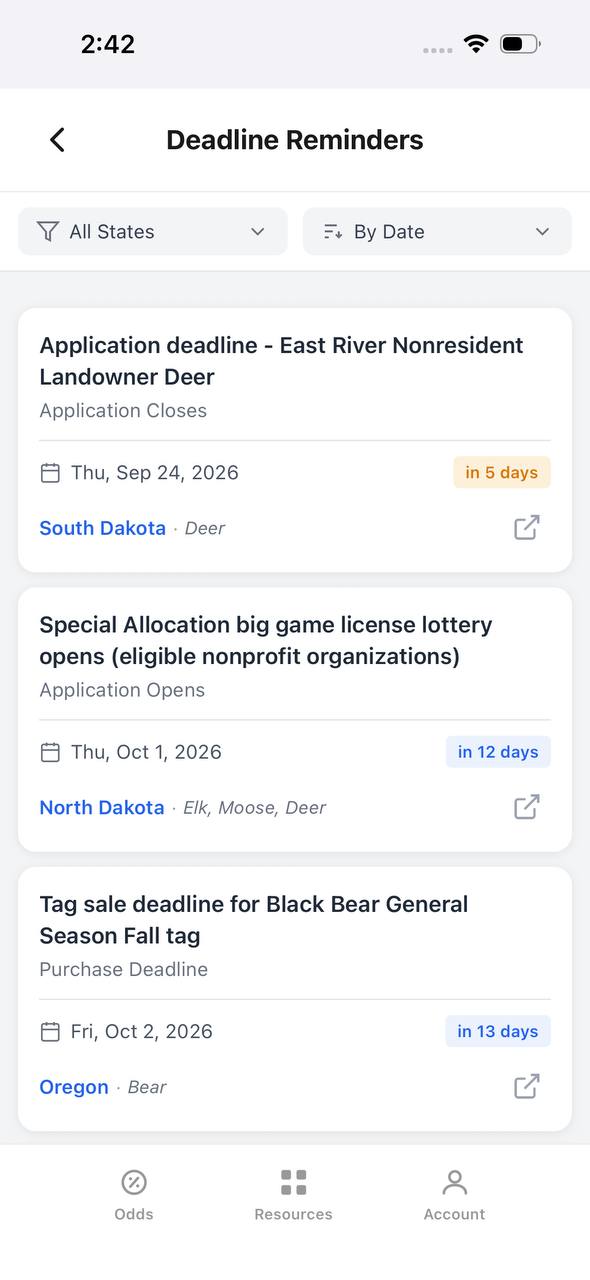
- Deadline reminders
- 18 states covered

Free to join
Download mobile app
- Detailed draw odds
- Point tracking
- Deadline reminders
- 18 states covered
Free to join
Download mobile app
- Detailed draw odds
- Point tracking
- Deadline reminders
- 18 states covered

Other Features That Matter (or Do Not)
USB charging ports: Useful for phone or headlamp charging, but not a deciding factor. Your truck already has USB ports.
Built-in air compressor: Convenient if the unit is large enough (like the JNC660), but most hunters already carry a 12V compressor. Not a must-have.
Flashlight: Every portable jump starter includes one. They are all mediocre. Bring a real headlamp.
LCD screen vs. LED indicators: Screens are easier to read, especially in bright sun or when checking charge status before a trip. LED bars work fine but give less detail.
Spark-proof and reverse-polarity protection: Non-negotiable. These features prevent you from frying the jump starter (or your truck's electronics) if you hook it up backward in the dark.
When to Replace Your Jump Starter
Lithium jump starters last 3–5 years with normal use, longer if stored properly. Replace yours if:
- It no longer holds a charge for more than a month
- Peak output drops noticeably (struggles to crank an engine it used to start easily)
- Physical damage to the clamps, cables, or case
- The unit has been through 200+ charge cycles (heavy seasonal use)
Do not wait until it fails in the field. If your unit is 4+ years old and showing any of these signs, replace it before hunting season.
FAQ — Portable Jump Starters for Hunting Trucks
Can a portable jump starter handle a diesel truck?
Yes, but you need the right unit. Models like the NOCO GB70 or HULKMAN Alpha85S deliver 2,000 peak amps, which is enough for most 3/4-ton and 1-ton diesels. Smaller units rated for 600–1,000 amps work fine on gas engines but struggle with diesels, especially in cold weather.
How long does a jump starter hold a charge?
Most lithium units hold 70–90% charge for 3–6 months when stored properly. Lead-acid models like the Clore JNC660 lose charge faster and need recharging every 30–60 days. Always check and recharge your unit before hunting season starts.
Do I need a bigger jump starter if I hunt in cold weather?
Yes. Lithium batteries lose 20–30% capacity below freezing, and your truck battery also cranks slower in the cold. Buy a jump starter with 50% more peak amps than the minimum spec for your engine. A unit that barely works at 60°F will fail at 10°F.
Can I leave a jump starter in my truck bed all winter?
No. Lithium jump starters degrade faster when exposed to repeated freeze-thaw cycles. Store the unit inside the heated cab, in a center console, or behind the seat. If you must leave it in the bed, bring it inside between trips.
Will a portable jump starter damage my truck's electronics?
Not if you buy a quality unit with reverse-polarity protection and spark-proof technology. These features prevent voltage spikes and incorrect hookups from frying your truck's computer. Cheap no-name units without these protections are a risk.
How many times can I jump-start my truck on a single charge?
Most full-size jump starters provide 20–30 jumps per charge under normal conditions, though each crank draws different amounts of power depending on the engine and temperature. In practice, one or two jumps per trip is typical. Recharge the unit after each use to keep it ready.
Continue Planning Your Hunt
Gear failures in the backcountry are part of hunting, but a dead battery does not have to end your trip. A quality jump starter is one of the cheapest, highest-return pieces of insurance you can carry.
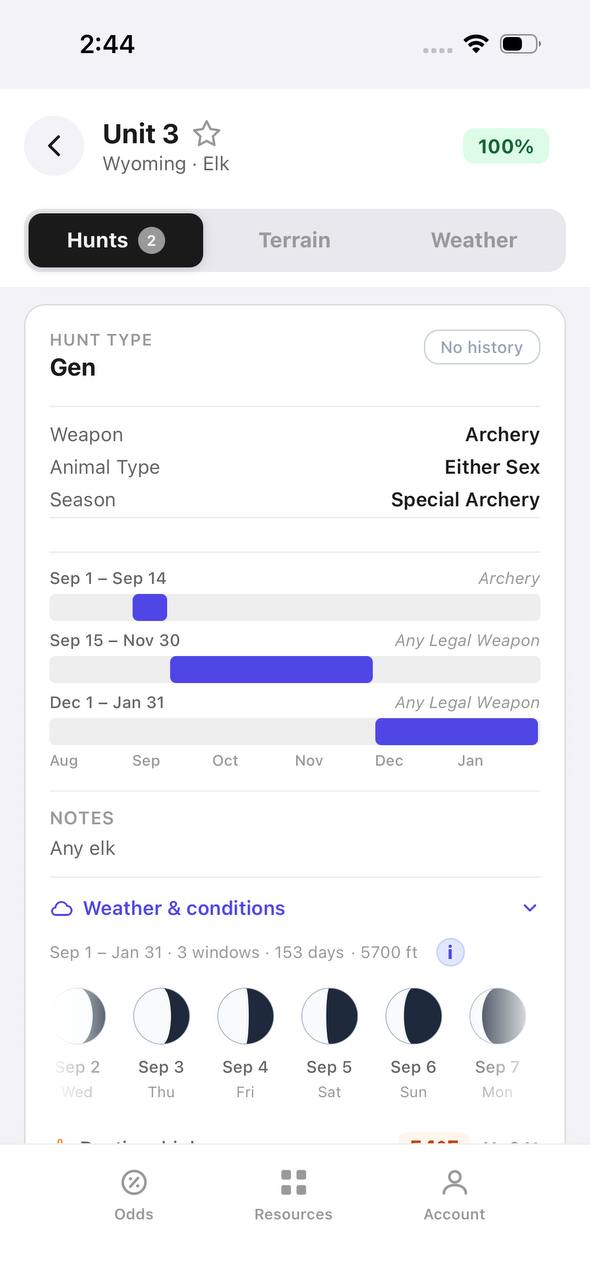
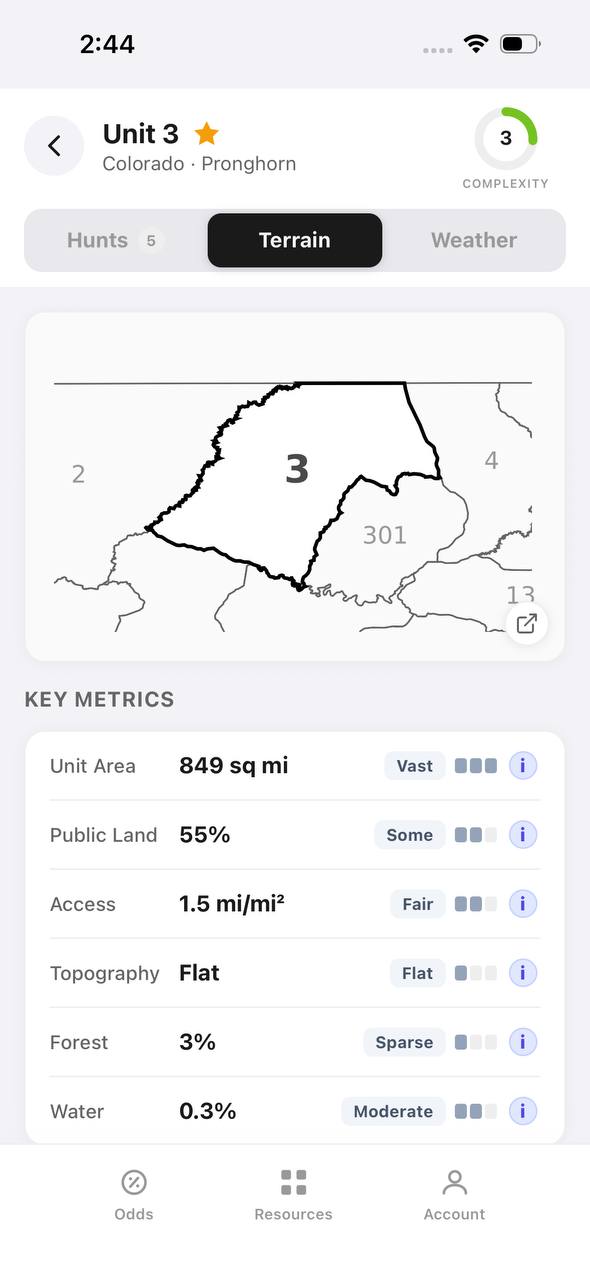
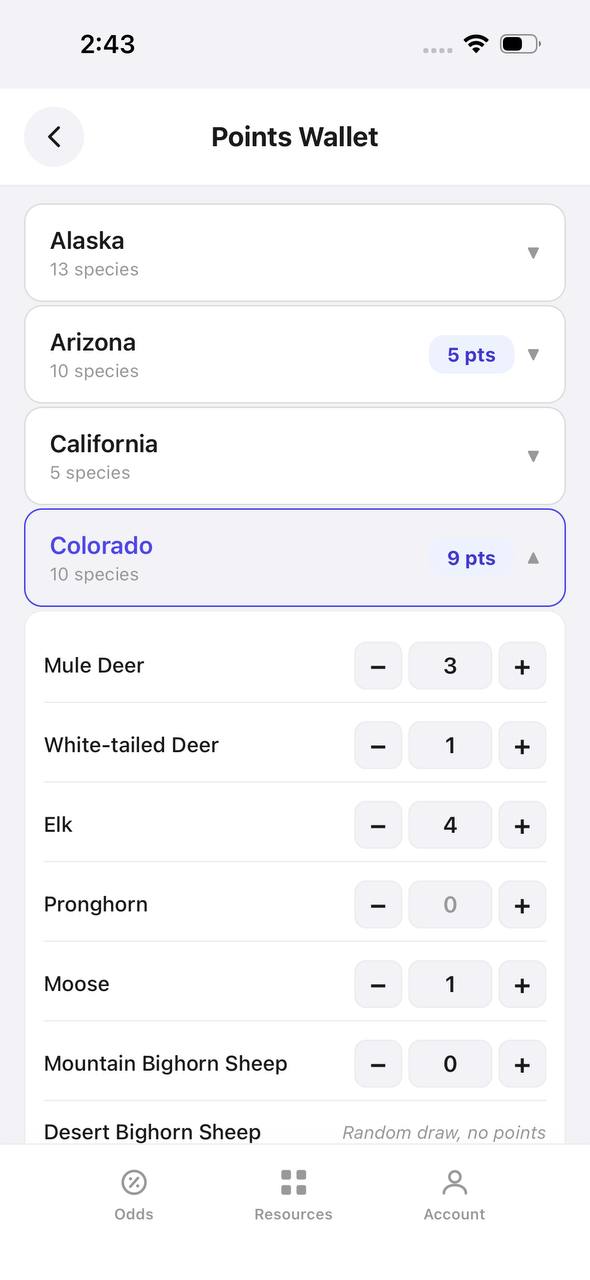
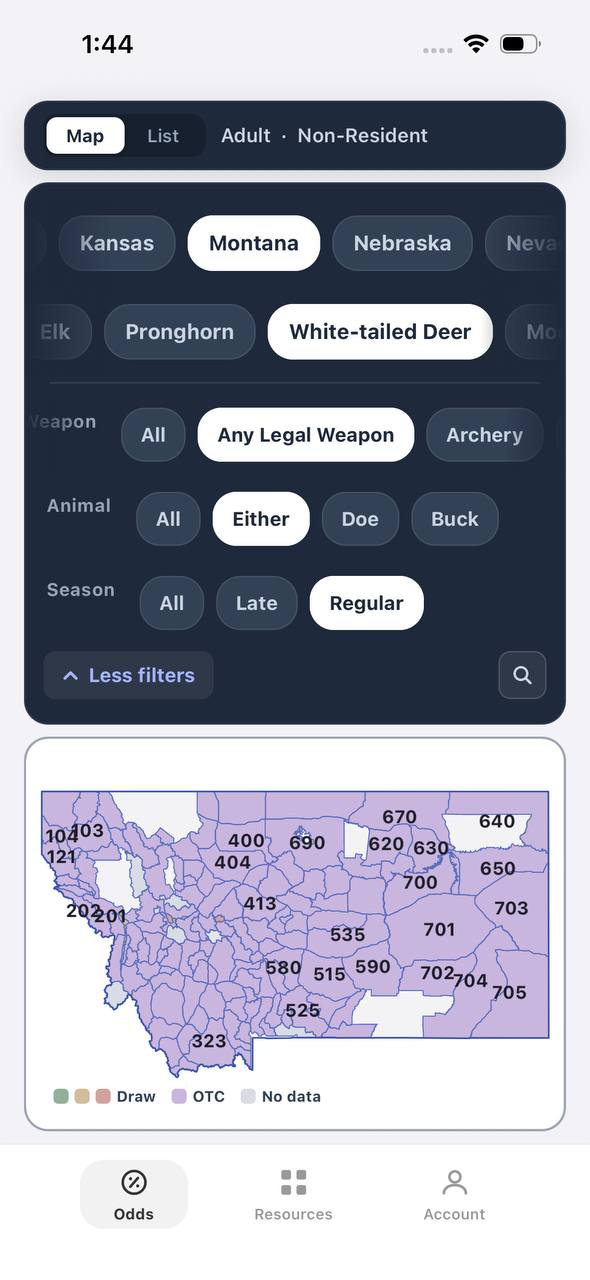
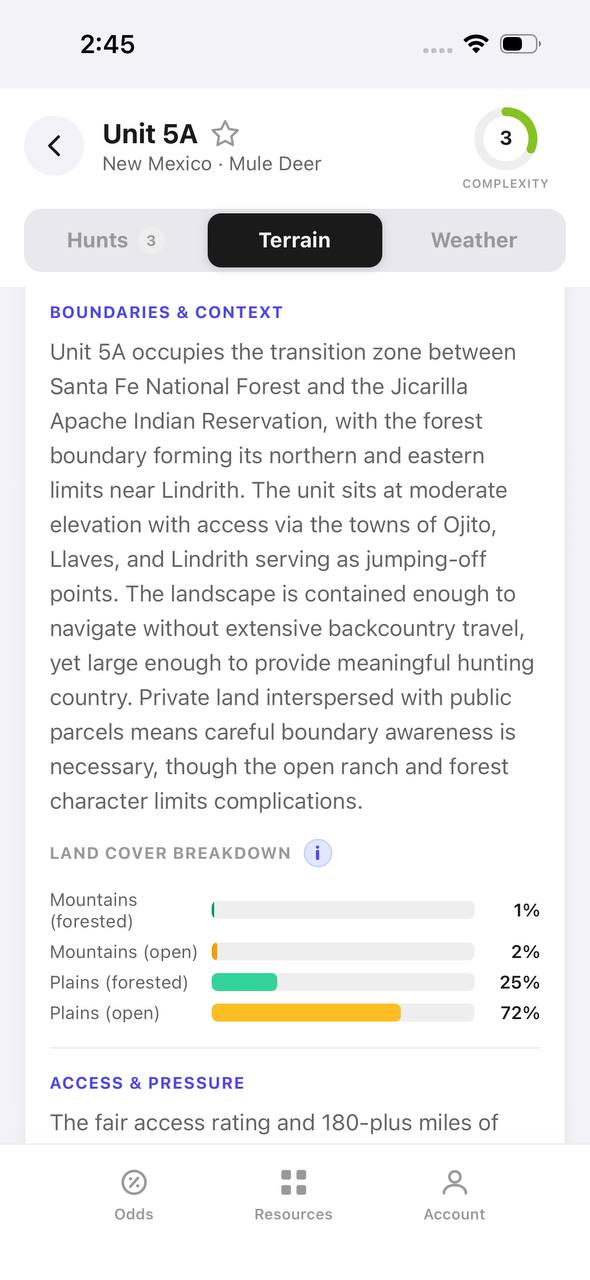
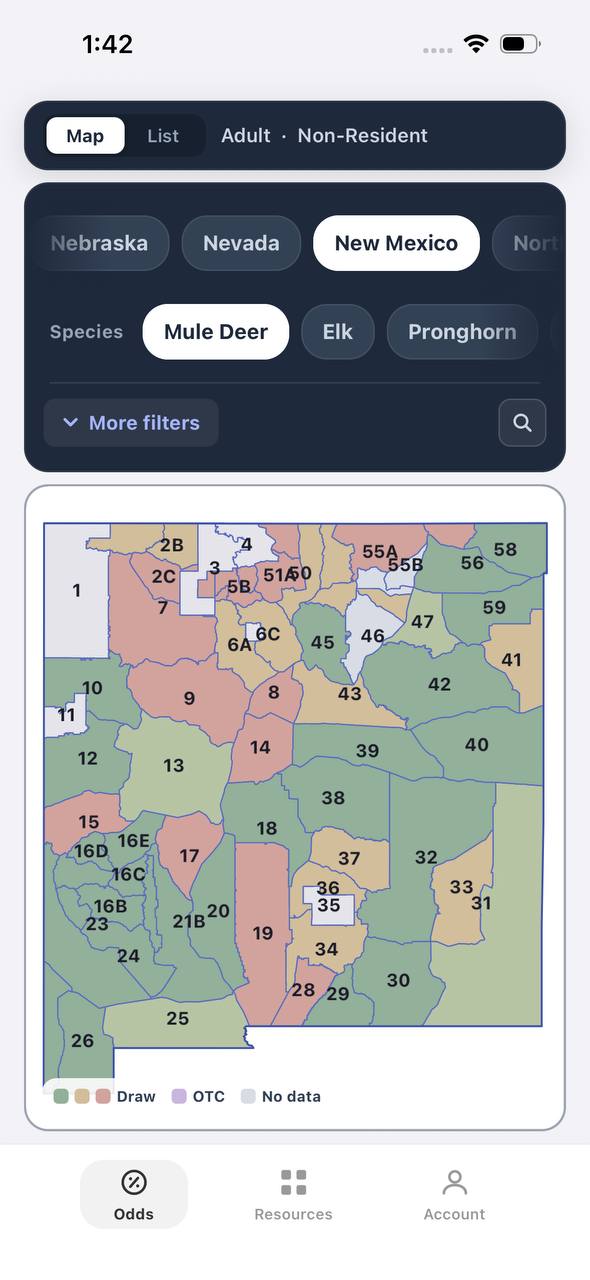
Whether you are chasing early-season elk in Colorado or late-season mule deer in Nevada, TAGZ helps you plan smarter hunts from start to finish. Compare draw odds across units, track your preference points in multiple states, and find the hunts that match your goals and timeline. Explore public land boundaries, terrain breakdowns, and historical success data so you know exactly where you are going before you ever turn the key.
Create your free account at TAGZ and start building your hunt strategy today. Check out the latest hunting insights, application deadlines, and unit research on the TAGZ Insights page, or see how the platform works on the product overview.
Your next hunt starts with preparation. TAGZ gives you the tools to make every decision count.
Was this article helpful?
Previous
Best Bison Ammunition 2026: Cartridges and Bullets That Actually Work
Choosing the right bison ammunition means balancing penetration, energy retention, and bullet construction for animals that can weigh 2,000 pounds. This guide breaks down the cartridges, bullet weights, and loadings that consistently anchor bison on public hunts across the West.
Related
Best Hunting Gloves for 2026: Field-Tested Gear That Actually Works
After years of frozen fingers and blown stalks, we've tested dozens of hunting gloves across every season and condition. Here's what actually works in 2026, from early-season bow hunts to late-season rifle sits in single-digit temps.
Next
Best Hunting Rifles Under $750 in 2026: Proven Budget Choices That Perform
Quality hunting rifles under $750 deliver accuracy and reliability without breaking the bank. We compare proven models from Ruger, Savage, Tikka, and others that western hunters trust for elk, deer, and antelope.