Choosing the right compound bow for whitetail hunting comes down to matching the tool to the job. Whitetail environments demand short axle-to-axle lengths for maneuverability in treestands and thick cover, smooth draw cycles for cold-weather comfort, and near-silent operation when deer are inside 30 yards. The 2026 bow lineup delivers specialized models built around these requirements, with flagship options pushing speed without sacrificing shootability and budget-tier bows offering performance that would have cost twice as much five years ago.
What Makes a Compound Bow Ideal for Whitetail
Whitetail hunting presents unique demands that separate the best bows from the rest. Unlike western hunting where long shots and open country reward raw speed and flat trajectories, whitetail success hinges on stealth, compact design, and quick-draw capability in confined spaces.
A whitetail bow should measure 30 to 33 inches axle-to-axle for treestand agility without sacrificing stability. Brace heights between 6 and 7 inches increase forgiveness on the shot, critical when a mature buck steps into range at 15 yards with no time for perfect form. Draw cycles matter more than advertised IBO speeds because whitetail hunters draw on deer at unpredictable moments, often in cold weather wearing heavy clothing. A smooth valley and comfortable back wall let you hold at full draw while waiting for the right shooting lane.
Noise and vibration separate average bows from exceptional ones. Whitetail deer react to string noise faster than any western species, jumping the string at distances inside 25 yards. The best 2026 models use integrated dampening systems, wider limbs, and heavier risers to kill vibration before it reaches the shooter's hand or the deer's ears. Look for bows rated under 70 decibels after the shot, a standard previously reserved for premium flagship models but now available across multiple price points.
Top Flagship Models for 2026
The flagship tier delivers cutting-edge technology, ultra-quiet performance, and shootability that makes average archers look good. These bows cost more, but the difference shows in consistency and confidence when a shooter buck appears.
Mathews Atlas remains the standard for whitetail-specific design. The 31-inch axle-to-axle platform balances treestand maneuverability with rock-solid stability on the shot. Mathews refined the Switchweight Technology for 2026, allowing hunters to adjust draw weight in 5-pound increments without a bow press. The new Centerguard cable containment system eliminates interference during the draw cycle, a common complaint from hunters wearing bulky jackets. At 4.4 pounds bare bow weight, the Atlas feels substantial without being cumbersome during all-day sits. Independent testing measured post-shot noise at 68 decibels, among the quietest production bows available.
Hoyt RX-9 targets hunters who prioritize speed without sacrificing draw cycle smoothness. The In-Line system positions cam timing perfectly out of the box, eliminating the tuning headaches that plagued earlier Hoyt models. Advertised IBO speeds reach 350 fps, but real-world hunting setups with 450-grain arrows still produce 285-290 fps, more than adequate for whitetail inside 40 yards. The ZT Pro cam offers three draw length modules covering 25.5 to 30 inches, making this bow adaptable for hunters who want one platform for themselves and their kids. At $1,599, it sits at the top of the price range but delivers performance that justifies the investment for serious whitetail hunters.
Bowtech SR350 earned its reputation as the smoothest drawing speed bow on the market. The DeadLock cam system allows micro-adjustments to cam timing and arrow rest centering without a press, solving tuning problems in the field. Advertised IBO speeds hit 350 fps, but the draw cycle feels like a bow rated 20 fps slower. The Binary cam system produces a deep valley with a solid back wall, making it easy to hold at full draw while a buck works into range. Carbon riser construction keeps weight at 4.2 pounds while damping vibration better than aluminum alternatives. At $1,549, the SR350 competes directly with the RX-9 but wins on shootability for hunters who value comfort over raw speed.
Best Mid-Tier Whitetail Bows
The mid-tier segment offers exceptional value, delivering 90 percent of flagship performance at 60 percent of the cost. These bows sacrifice minor features like micro-adjustability and premium finish work, but core performance remains outstanding.
Elite Enkore provides flagship-level smoothness at a mid-tier price. The S.E.T. technology positions the bow's center of mass directly in line with the grip, eliminating hand torque that plagues less refined designs. The 32-inch axle-to-axle platform fits perfectly in hang-on treestands and ladder stands without feeling cramped. Draw cycles rank among the smoothest in any price category, with a gradual build to peak weight and a comfortable valley that makes holding at full draw easy during long encounters. At $999, the Enkore delivers performance that competes with bows costing $500 more.
PSE Carbon Air Stealth EC combines carbon construction with a hunter-friendly price point. The full carbon riser and limbs produce a bow weight of just 3.9 pounds, making it the lightest option for mobile hunters who pack treestands deep into the woods. The Evolve Cam system offers a smooth draw cycle with moderate speed, hitting real-world velocities around 280 fps with hunting setups. The 6.5-inch brace height increases forgiveness, a smart tradeoff for hunters who prioritize accuracy over speed. At $899, the Carbon Air Stealth EC represents the best value in the carbon bow category.
Prime Nexus 7 targets hunters who want ultimate adjustability. The Centergy Hybrid Cam system covers draw lengths from 23.5 to 30.5 inches with a single cam, making this bow adaptable for growing kids or hunters who want to adjust draw length based on clothing and shooting position. The 7-inch brace height is the most forgiving in this roundup, ideal for hunters who prioritize accuracy and confidence over speed. The smooth draw cycle and quiet shot make this bow a perfect choice for treestand hunters who take most shots inside 30 yards. At $849, the Nexus 7 offers flagship features at a price that fits most budgets.
Budget Options That Perform
Budget bows have improved dramatically in recent years. The options below deliver reliable performance for hunters who want quality without premium pricing, perfect for beginners or experienced hunters adding a second bow to their lineup.
Bear Inception RTH comes ready to hunt with a complete package including sight, rest, quiver, and stabilizer for under $600. The 31-inch axle-to-axle platform and 6.5-inch brace height produce a forgiving, easy-to-shoot bow that builds confidence in new archers. The Sonic Stop String Suppressors and LimbSaver dampeners reduce noise and vibration to levels that rival bows costing twice as much. Real-world speeds hit 270-275 fps with hunting arrows, adequate for any whitetail shot inside 40 yards. The RTH package eliminates the guesswork of selecting compatible accessories, making this the best option for hunters buying their first compound bow.
Diamond Infinite Edge Pro remains the most adjustable bow on the market, with draw weights from 5 to 70 pounds and draw lengths from 13 to 31 inches. This extreme adjustability makes the Infinite Edge Pro ideal for families, youth hunters transitioning to adult draw weights, or hunters recovering from injuries who need temporary draw weight reductions. The rotating module system allows draw length changes without a bow press, a feature usually reserved for premium models. At $449 for the RTH package, this bow delivers unmatched value and versatility.
Mission Hammr targets budget-conscious hunters who refuse to compromise on speed. The Hammr pushes advertised IBO speeds to 330 fps, producing real-world hunting speeds around 275-280 fps with 450-grain arrows. The 32-inch axle-to-axle platform and 6.75-inch brace height create a stable, forgiving platform that helps average archers shoot better than their skill level suggests. At $499 bare bow, the Hammr offers the best speed-to-price ratio in this category.

Free to join
Download mobile app
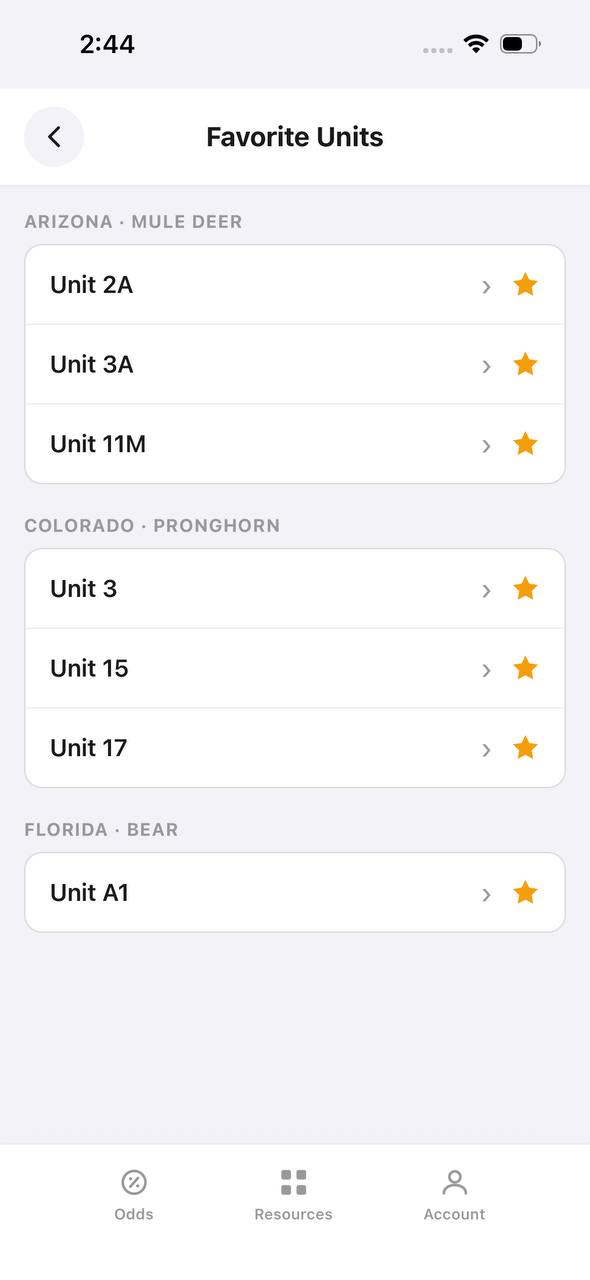
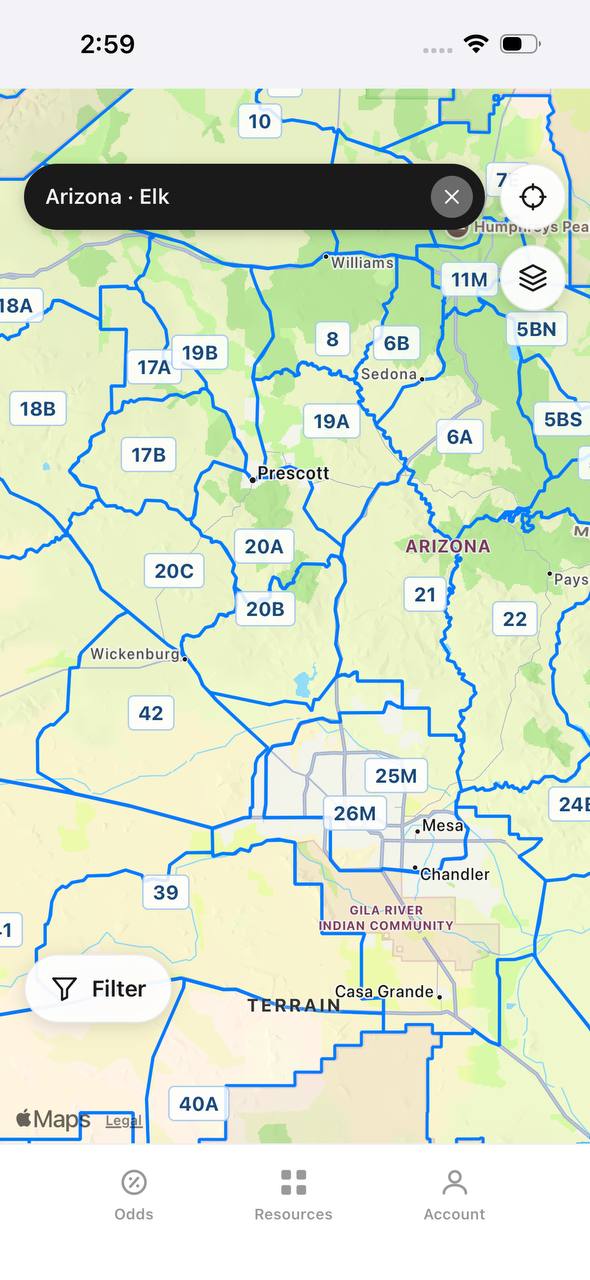
- Detailed draw odds
- Point tracking
- Deadline reminders
- 18 states covered



Free to join
Download mobile app
- Detailed draw odds
- Point tracking
- Deadline reminders
- 18 states covered

Free to join
Download mobile app
- Detailed draw odds
- Point tracking
- Deadline reminders
- 18 states covered

Key Specifications to Compare
When comparing compound bows for whitetail hunting, focus on specifications that directly impact field performance rather than marketing buzzwords.
Axle-to-axle length should fall between 30 and 33 inches for most whitetail hunters. Shorter bows maneuver better in tight cover and treestands but sacrifice stability on the shot. Longer bows shoot more accurately but become cumbersome in confined spaces. A 31-32 inch platform represents the optimal balance for most hunting situations.
Brace height determines forgiveness. A 7-inch brace height forgives minor form flaws and produces tighter groups for average archers, but reduces speed by 5-10 fps compared to aggressive 6-inch designs. Whitetail hunters who take most shots inside 35 yards gain more from forgiveness than speed. Western hunters who regularly shoot 60-plus yards may prefer the flatter trajectory of a shorter brace height.
Draw cycle quality matters more than advertised speed. A bow that pulls smoothly to peak weight, transitions into a comfortable valley, and provides a solid back wall makes it easy to draw and hold on deer at unpredictable moments. Aggressive cam designs may produce higher IBO speeds but create draw cycles that feel harsh and uncomfortable, especially in cold weather wearing heavy clothing. Test draw every bow you consider, ideally while wearing your hunting jacket to simulate real-world conditions.
Let-off percentage determines how much weight you hold at full draw. Most modern bows offer 75-85 percent let-off, meaning a 70-pound bow holds just 10.5-17.5 pounds at full draw. Higher let-off reduces fatigue during long holds but can create a mushy back wall that makes consistent anchor points difficult. Most whitetail hunters prefer 80 percent let-off as the sweet spot between comfort and a defined wall.
Accessories and Setup for Whitetail Success
The right accessories transform a good bow into a deadly whitetail hunting system. Prioritize components that enhance stealth, accuracy, and reliability in the field.
A quality drop-away rest eliminates arrow contact during the shot, improving accuracy and reducing noise. The QAD Integrate MX and Hamskea Hybrid Hunter Pro represent the gold standard for reliability and micro-adjustability. Both models use magnetic drop-away systems that activate reliably in freezing temperatures and wet conditions. Expect to spend $150-200 for a premium rest, but the investment pays dividends in consistent arrow flight.
Single-pin slider sights offer the most precision for hunters who have time to range and adjust before the shot. HHA Optimizer Sight and Spot Hogg Fast Eddie XL deliver tool-free adjustments and bright fiber optics that gather light in low conditions. Multi-pin sights like the Trophy Ridge React provide faster target acquisition for hunters who take quick shots at varying distances. Choose based on your hunting style rather than what the internet recommends.
A good stabilizer dampens vibration and balances the bow for steadier aiming. The Bee Stinger MicroHex and Mathews Flatline produce measurable improvements in shot-to-shot consistency without adding excessive weight. Length matters less than quality, a well-designed 6-inch stabilizer outperforms a cheap 12-inch model. Whitetail hunters should prioritize vibration dampening over extreme length since most shots occur at close range where minor aiming advantages matter less than staying undetected.
String silencing systems eliminate the high-frequency vibration that alerts deer to danger. Upgrade factory string dampeners with LimbSaver S-Coils or Stokerized Stabilization systems for measurable noise reduction. Adding 4-6 inches of Cat Whiskers or similar string silencers near the cam further reduces sound without affecting arrow speed. The goal is reducing post-shot noise below 70 decibels, the threshold where deer struggle to react before the arrow arrives.
Choosing Draw Weight and Arrow Setup
Draw weight selection should balance kinetic energy requirements with comfortable shooting form. Most adult male whitetail hunters succeed with 60-70 pounds of draw weight, producing 250-290 fps with hunting arrows and generating 60-75 foot-pounds of kinetic energy at impact. This energy level ensures complete pass-throughs on broadside shots and adequate penetration on quartering-away angles.
Test your draw weight while wearing hunting clothes and sitting in a treestand position. Many hunters who comfortably draw 70 pounds at the pro shop struggle to draw the same weight while twisted in a safety harness wearing a heavy jacket. Reducing draw weight by 5 pounds has minimal impact on effective range but significantly improves shooting form and reduces fatigue during long sits.
Arrow selection matters more than bow speed. A 450-500 grain arrow with a quality fixed-blade broadhead penetrates deeper and flies more consistently than a 350-grain speed arrow with a mechanical head. Build arrows around 8-10 grains per pound of draw weight as a baseline, adjusting based on broadhead choice and personal preference. Heavy arrows absorb more bow energy, reducing noise and hand shock while improving penetration on quartering shots.
Broadhead choice determines terminal performance. Fixed-blade heads like the Iron Will S125 and Cutthroat 125 fly like field points and penetrate reliably through bone and heavy muscle. Mechanical heads like the Rage Hypodermic and Swhacker produce larger wound channels but require perfect shot placement to avoid tracking jobs. Most experienced whitetail hunters prefer fixed blades for the margin of error they provide on less-than-perfect shots.
Testing and Practice Before Season
Owning a premium bow means nothing without the shooting skills to use it effectively. Develop a practice routine that simulates real hunting scenarios rather than shooting perfect form on flat ground.
Practice from elevated positions that replicate treestand angles. Set a target 15 yards from the base of your practice stand and shoot at downward angles that mimic real encounters. This practice reveals aiming gaps and form issues that never appear during flat-ground shooting. Many hunters discover they need to adjust their anchor point or peep height when shooting from elevation.
Shoot in hunting clothes to identify interference points before season. Heavy jackets and safety harnesses create clearance issues that affect shot execution. Better to discover a jacket sleeve that contacts the string during practice than when a mature buck stands at 20 yards. Make minor adjustments to draw length, peep position, or D-loop placement based on what your practice sessions reveal.
Establish maximum effective range through honest assessment rather than wishful thinking. Your maximum range is the distance where you can consistently put arrows in a 6-inch circle from realistic hunting positions, not your best group on a perfect day. Most whitetail hunters should limit shots to 30-40 yards regardless of bow capability, but only your practice results can determine your personal limit.
Practice shooting at unknown distances to develop instinctive ranging skills. Set up multiple targets at varying distances without marking yardage, then range and shoot each target. This drill builds confidence in your ability to estimate distance and select the correct pin under pressure. Laser rangefinders are essential tools, but knowing how to verify estimates prevents costly mistakes when rangefinders fail or deer appear suddenly.
FAQ — Best Compound Bows for Whitetail
What draw weight do I need for whitetail deer?
Most adult hunters succeed with 60-70 pounds of draw weight, producing adequate kinetic energy for complete pass-throughs on broadside shots. Choose a weight you can comfortably draw while wearing hunting clothes and sitting in a treestand without compromising shooting form.
Is a 6-inch or 7-inch brace height better for whitetail hunting?
A 7-inch brace height offers more forgiveness and produces tighter groups for average archers, making it the better choice for most whitetail hunters who take shots inside 35 yards. The minor speed reduction compared to 6-inch models has negligible impact on effective range.
How fast should my bow shoot for whitetail hunting?
Real-world speeds between 270-290 fps with hunting arrows provide flat trajectories and adequate kinetic energy for whitetail hunting inside 40 yards. Chasing speeds above 300 fps often sacrifices draw cycle smoothness and increases noise without meaningful improvements in effective range.
What axle-to-axle length is best for treestand hunting?
A 31-32 inch axle-to-axle platform balances treestand maneuverability with on-shot stability for most hunters. Shorter bows handle better in tight spaces but sacrifice accuracy, while longer bows shoot more consistently but become cumbersome in confined areas.
Do I need a flagship bow or will a mid-tier model work?
Mid-tier bows deliver 90 percent of flagship performance at 60 percent of the cost, making them the smarter choice for most hunters. Flagship models offer minor refinements in adjustability and finish quality, but core shooting performance differences are minimal for hunters who practice regularly.
Should I buy a ready-to-hunt package or build a custom setup?
Ready-to-hunt packages offer the best value for beginners and hunters buying their first compound bow, eliminating guesswork in component selection. Experienced hunters who understand their preferences benefit from custom setups that optimize each component for their specific hunting style and shot execution.
Continue Planning Your Hunt
Choosing the right compound bow represents just one piece of successful whitetail hunting. TAGZ helps you research whitetail units across the country, compare draw odds for limited-entry areas, and track application deadlines so you never miss an opportunity. Whether you are chasing Midwest giants or targeting southern properties with liberal bag limits, TAGZ provides the unit maps, public land boundaries, and historical harvest data that turn general plans into specific strategies.
Explore more whitetail hunting insights and gear recommendations on the TAGZ Insights page, compare draw odds and unit data with the TAGZ hunt planning platform, or review subscription options that fit your hunting goals. Start planning your next whitetail hunt at getmytagz.com.
Was this article helpful?
Previous
Best Lightweight Compound Bows for Backcountry Hunting in 2025
Backcountry bowhunters need gear that performs at altitude without destroying their backs. We break down the best lightweight compound bows under 4.5 pounds, comparing draw cycles, forgiveness, and real-world packability for mountain hunters.
Related
Best Compound Bows Under $1,500 in 2026 — Top Picks for Western Hunters
The 2026 compound bow market delivers flagship-level performance at mid-tier prices. We break down the best models under $1,500 for elk, mule deer, and backcountry hunting based on speed, shootability, and real-world field testing.
Next
Best Compound Bows for Mule Deer Hunting in 2026
The right compound bow can make or break your mule deer hunt. We break down the top bows for 2026, covering speed, adjustability, accuracy, and field performance for western terrain.