Backcountry Camping for Western Hunters — Gear, Setup, and Proven Tactics
Backcountry camping is not just about spending nights in the woods. For western big-game hunters, it is the difference between hunting pressured roadside zones and reaching untouched basins where elk bed undisturbed and mule deer bucks hold through rifle season. A well-planned camp extends your effective hunting range by miles, lets you hunt the best hours without long hikes in darkness, and keeps you in the field when weather turns or opportunities demand patience.
This guide covers shelter systems, water sourcing, camp placement strategy, and the logistics that separate a miserable bivouac from a functional backcountry base. Whether you are chasing OTC elk in Colorado timber or planning a limited-entry mule deer hunt in Nevada's wilderness units, the principles are the same.
Why Backcountry Camping Changes Your Hunt
Most hunters never leave the truck more than two miles. That creates a predictable pattern. Animals learn quickly where pressure stops. By establishing a lightweight camp three to five miles into a drainage, you access terrain that sees a fraction of the hunting activity. This matters especially during archery season when elk are vocal and undisturbed, and during rifle openers when roadside units get saturated within hours.
Backcountry camping also lets you hunt the edges of the day. Instead of hiking two hours in predawn darkness and two hours out after last light, you wake up in elk country. You can glass until full dark, slip back to camp, and be on a ridge glassing again at first light. That alone doubles your productive hunting time.
Units with large roadless areas or wilderness boundaries often have better draw odds than accessible units with similar trophy potential. Hunters assume difficulty means low success, but the inverse is often true. If you can camp deep, you face less competition and better hunting.
Shelter Systems That Work in Western Mountains
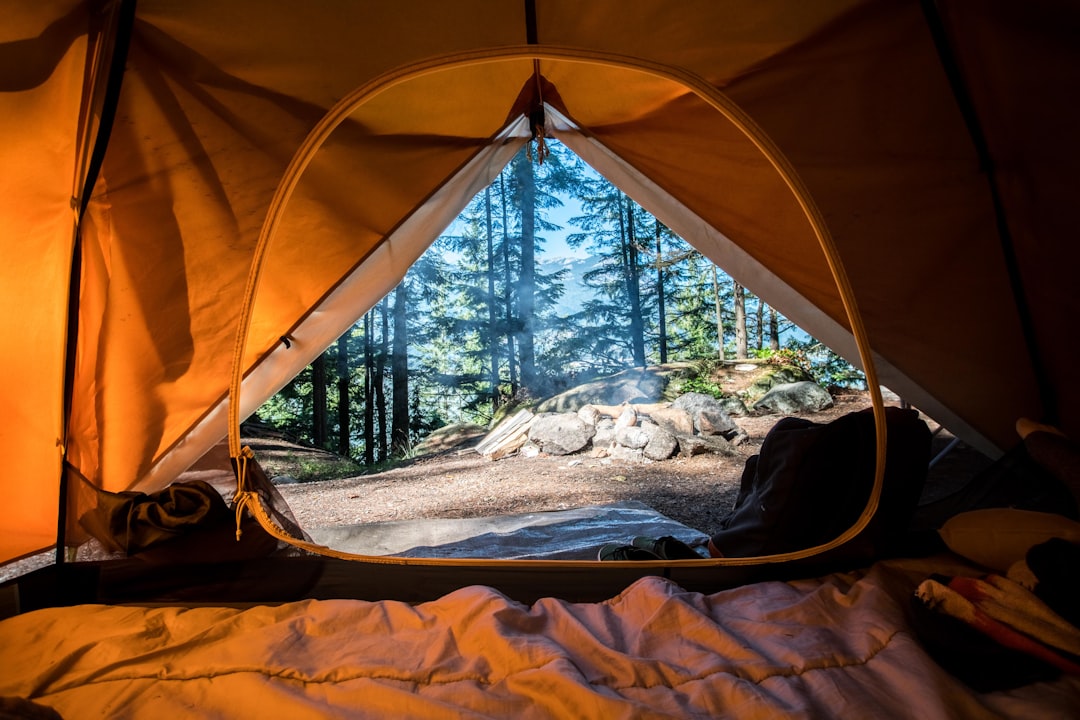
Your shelter needs to handle sudden weather, pack light enough for multi-mile approaches, and set up fast when you are exhausted. Avoid expedition tents. You are not climbing Denali. A quality ultralight two-person tent in the two-to-three-pound range handles September snow, October rain, and high winds if you pitch it correctly.
Look for freestanding designs with two doors. Freestanding lets you set up on rocky alpine terrain without staking. Two doors mean you can enter and exit without crawling over your partner or gear. Full-coverage rainflies are non-negotiable. Mountain weather moves fast, and a soaked sleeping bag ends your hunt.
Floorless shelters and tarps work if you know what you are doing, but they require more site selection skill and offer no bug protection. For most hunters, a lightweight tent with a footprint is the right call. Pair it with a quality sleeping pad rated to fifteen degrees below your expected low temperature. Cold ground kills sleep faster than cold air.
Water Strategy and Purification
Water dictates camp location. You need a reliable source within a quarter mile, or you spend half your energy hauling water instead of hunting. Before your hunt, study maps for springs, streams, and seeps. In late September and October, many smaller drainages run dry. Do not assume summer imagery shows current conditions.
Carry a proven filter like a Sawyer Squeeze or Katadyn BeFree. Chemical treatments work but taste awful and require wait times. Filters let you drink immediately from any moving source. Bring backup purification tablets in case your filter clogs or freezes.
Cache water at camp in collapsible containers. Fill them every evening so you have water for breakfast and the next day without a morning trip to the creek. This lets you leave camp earlier and quieter.
Camp Placement and Wind Considerations
Never camp in the bottom of a drainage where cold air pools and scent swirls unpredictably. Set up on benches or ridges with consistent thermals. Morning thermals rise. Evening thermals fall. Position your camp so prevailing winds carry your scent away from the zones you plan to hunt.
Stay at least a quarter mile from active game trails, wallows, and bedding areas. You want proximity, not intrusion. Elk will tolerate a distant camp if you are quiet and disciplined about scent control, but they will abandon a basin if you camp in their living room.
Look for natural windbreaks like rock outcrops or tight timber that block prevailing winds without creating downdrafts. Avoid exposed ridgetops unless weather is stable. If a storm moves in, those spots become miserable fast.
Pitch your tent with the low end facing expected wind direction. This reduces fly buffeting and keeps vestibules functional. Use all guy lines and stake out every corner, even if the evening feels calm. Mountain winds build overnight.
Free to join
Download mobile app
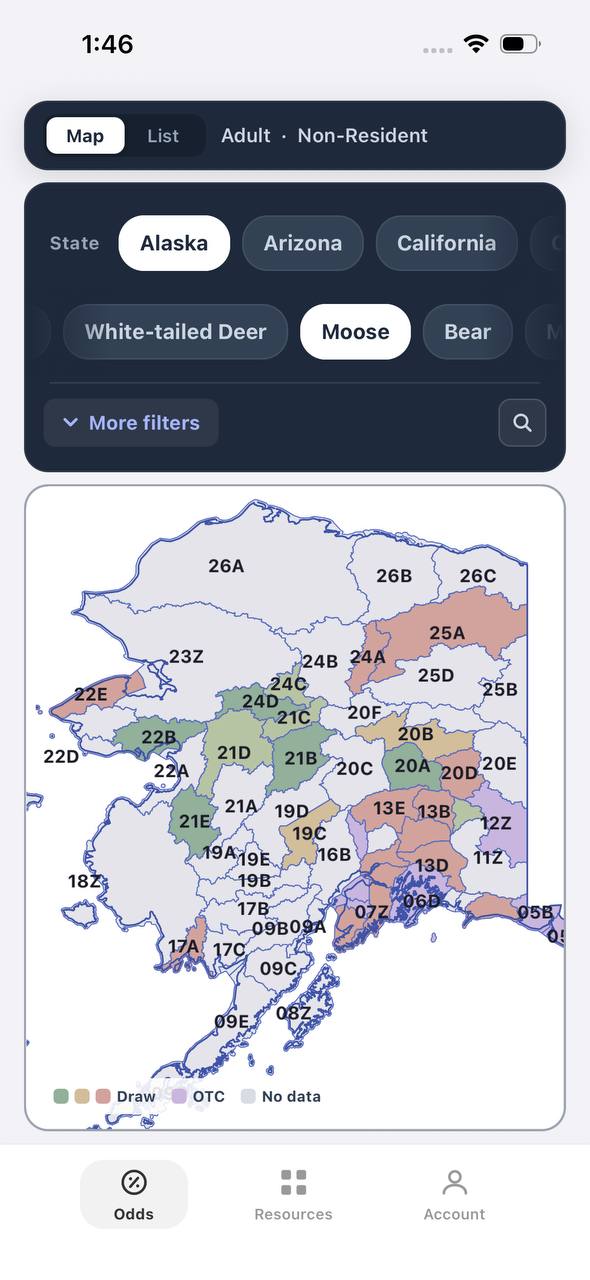
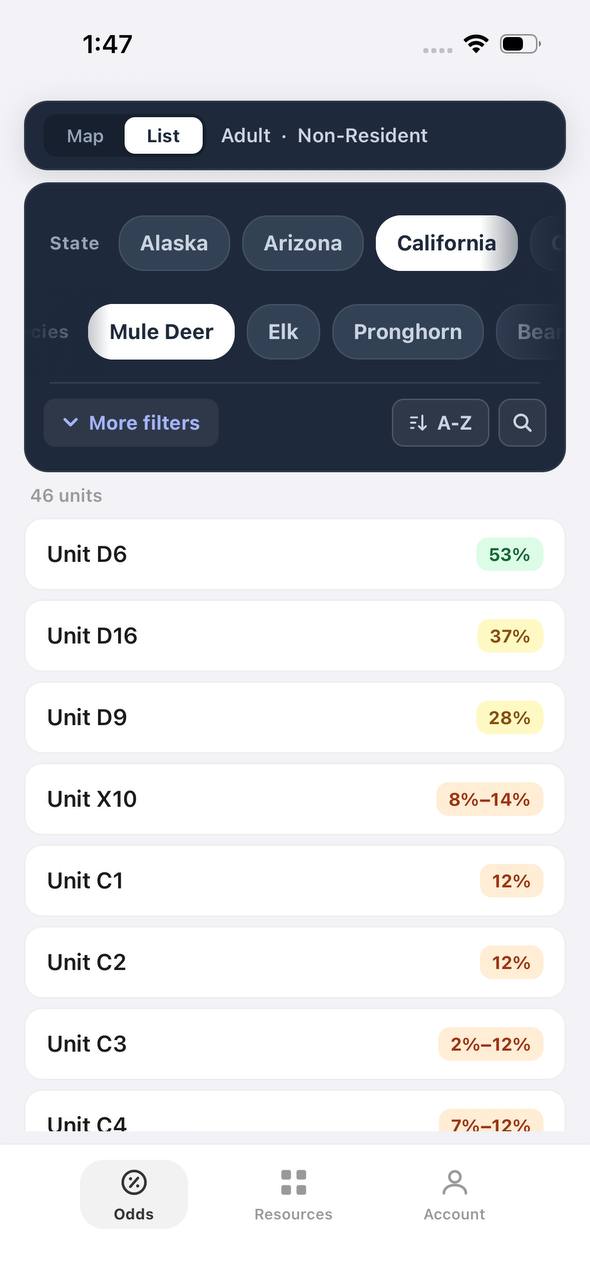
- Detailed draw odds
- Point tracking
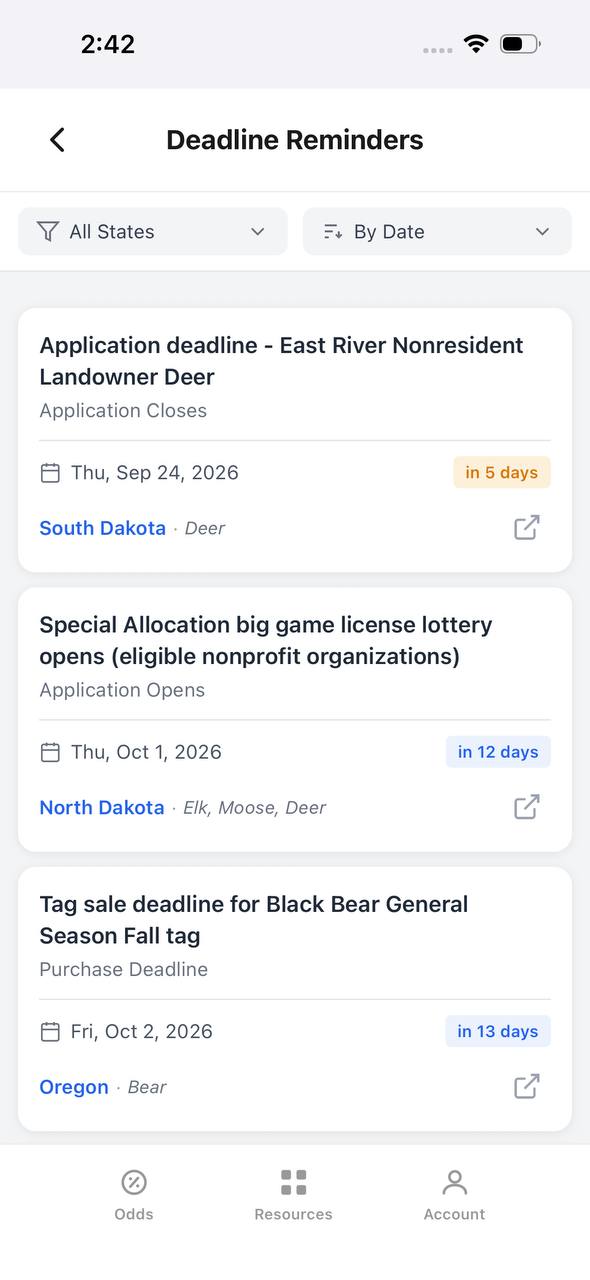
- Deadline reminders
- 18 states covered

Free to join
Download mobile app
- Detailed draw odds
- Point tracking
- Deadline reminders
- 18 states covered
Free to join
Download mobile app
- Detailed draw odds
- Point tracking
- Deadline reminders
- 18 states covered
Food, Scent Control, and Camp Hygiene
Pack calorie-dense, minimal-prep meals. Freeze-dried dinners, instant oatmeal, bars, jerky, and trail mix keep you fueled without complex cooking. Bring a lightweight stove and fuel calculated at half an ounce per person per day. Boil water for meals and coffee, nothing more.
Store all food, toiletries, and anything with scent in an odor-proof bag hung from a tree or rock at least one hundred yards downwind from camp. This is not just bear safety. Curious deer, elk, and smaller critters will investigate food smells and potentially blow out the area.
Dispose of wastewater well away from camp and water sources. Dig catholes at least two hundred feet from water and camp. Pack out all trash, including used toilet paper. Leave no trace is not optional in backcountry hunting zones where you may return year after year.
Wash minimally. A bandana and small biodegradable soap for face and hands is enough. Do not bathe in streams. Oils and soap residue linger.
Gear Checklist for Backcountry Camp Hunting
Pack weight is the enemy, but so is being unprepared. Aim for a base weight of twenty to twenty-five pounds before food, water, and weapon. This includes shelter, sleep system, clothing layers, and essentials.
Core camp gear:
- Ultralight tent with footprint and stakes
- Sleeping bag rated fifteen degrees below expected low
- Insulated sleeping pad with R-value above four
- Compact camp stove and fuel
- Water filter and backup tablets
- Headlamp with extra batteries
- Paracord for bear hang and guy lines
- Small repair kit with duct tape and gear patches
Clothing layers:
- Merino or synthetic base layers (tops and bottoms)
- Insulating mid-layer (puffy jacket or fleece)
- Waterproof shell jacket and pants
- Warm beanie and gloves
- Extra socks (more than you think you need)
Hygiene and safety:
- First aid kit with blister treatment and pain relief
- Odor-proof storage bags
- Biodegradable soap and small towel
- Fire starter and waterproof matches
- GPS or reliable phone navigation with downloaded maps
Do not bring camp chairs, hatchets, or anything over one pound that does not serve a critical function. Comfort is secondary to mobility.
Mental Preparation and Solo vs Partner Camping
Backcountry camping is mentally demanding. You are alone or with one partner, miles from help, and entirely self-reliant. Weather can pin you down. Hunts can go days without seeing game. Doubt creeps in.
Prepare by camping at home or car camping in similar terrain before your hunt. Test your gear. Learn how long setup takes when you are tired. Practice filtering water, cooking in wind, and staying warm overnight.
Solo camping offers total flexibility and zero compromise on decisions, but it also means no backup if something goes wrong. Partner camping splits gear weight, provides safety redundancy, and makes long evenings in a tent more tolerable. Choose based on your experience level and risk tolerance.
If you camp solo, always file a trip plan with someone at home. Include GPS coordinates of your planned camp zone, expected return date, and emergency contact protocol.
How TAGZ Helps You Plan Backcountry Hunts
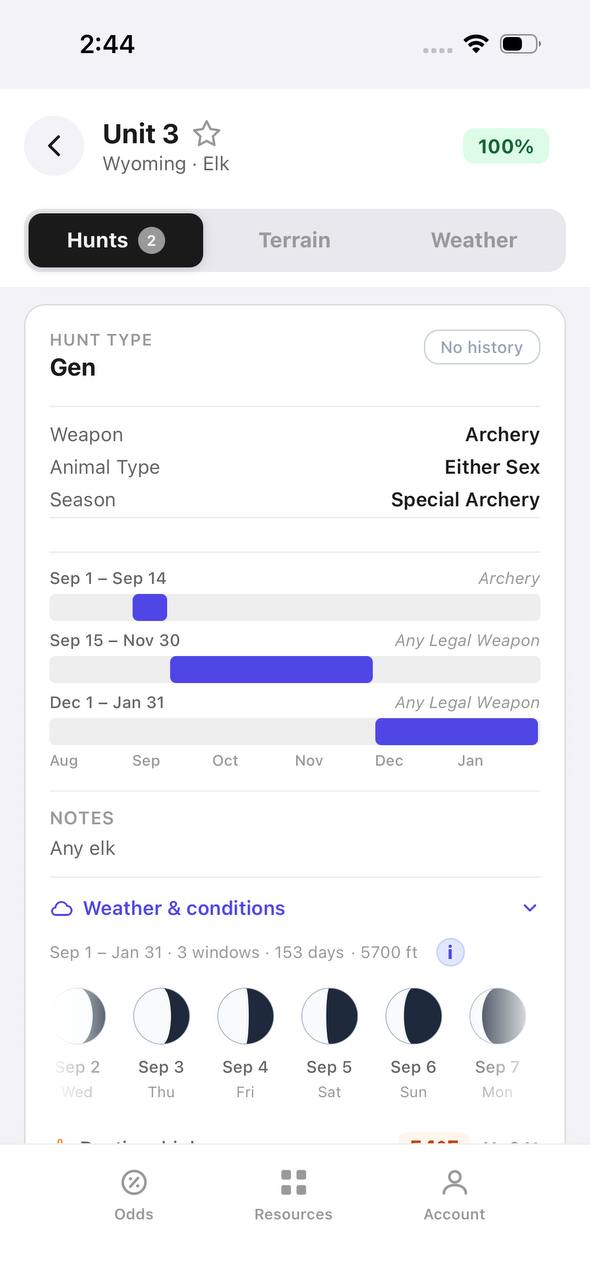
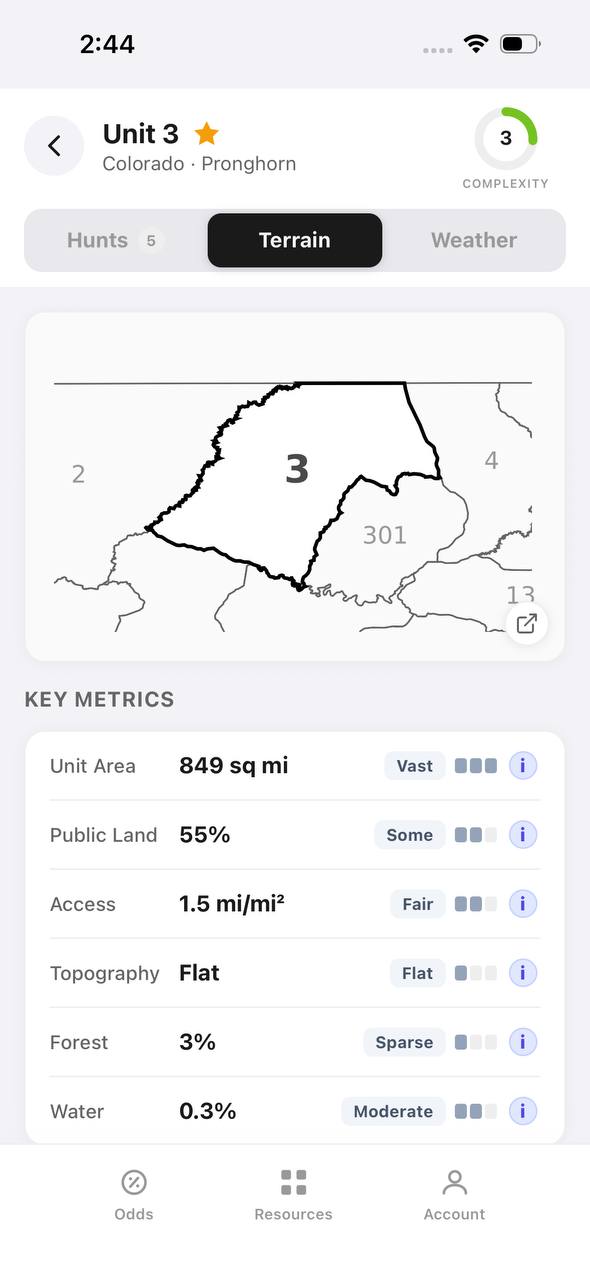
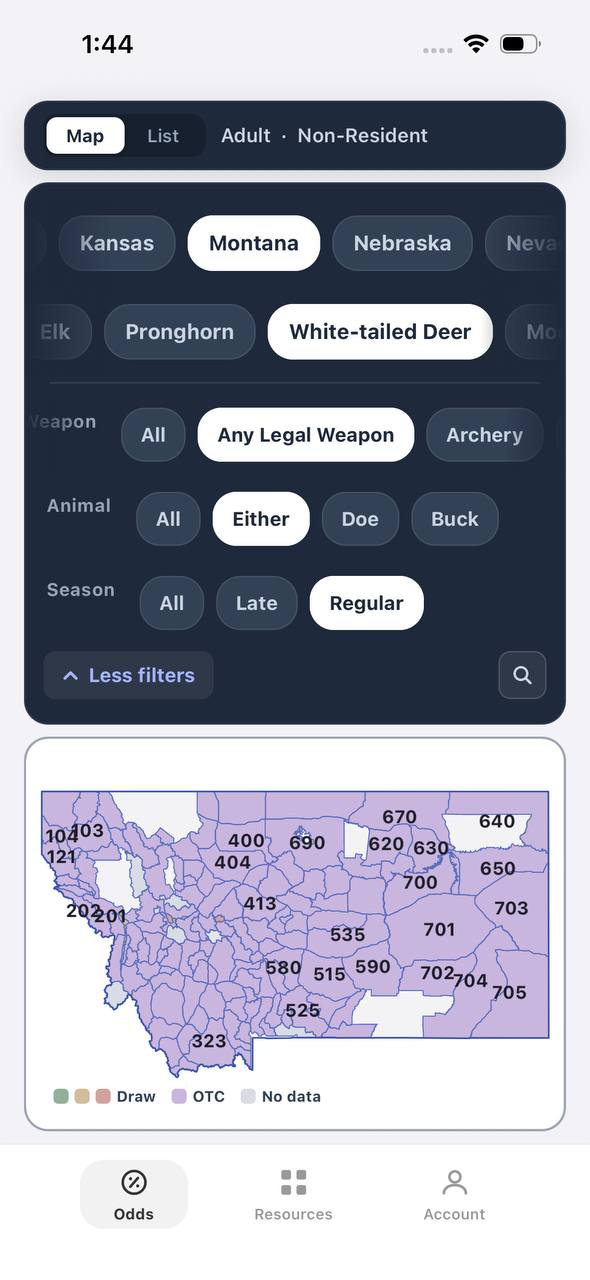
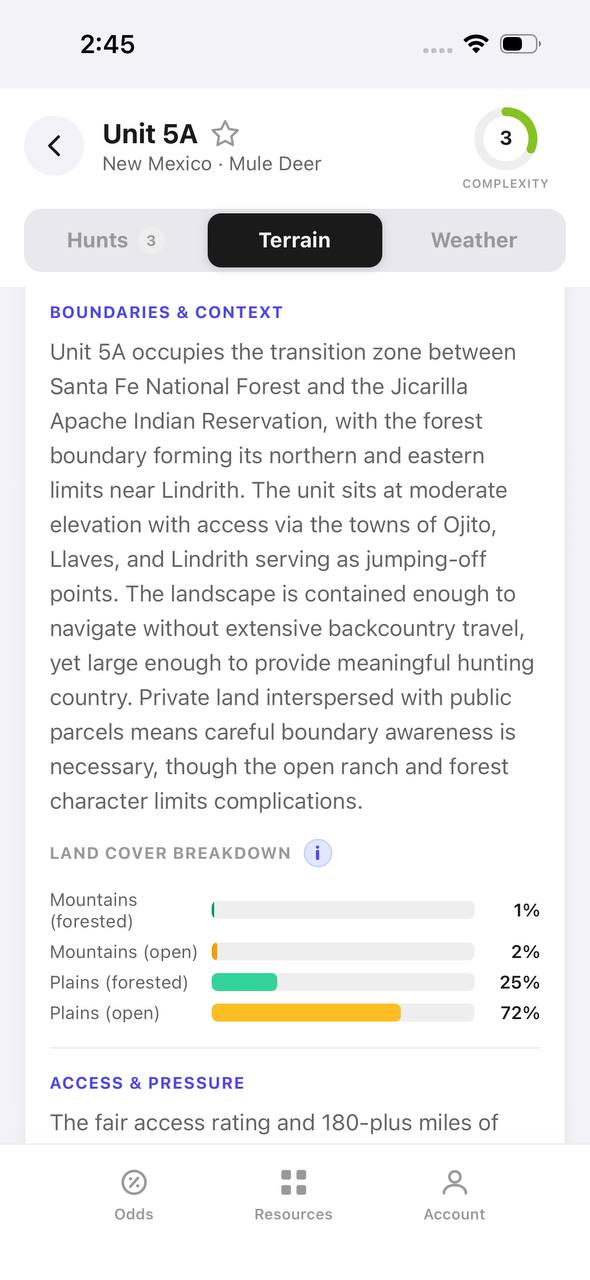
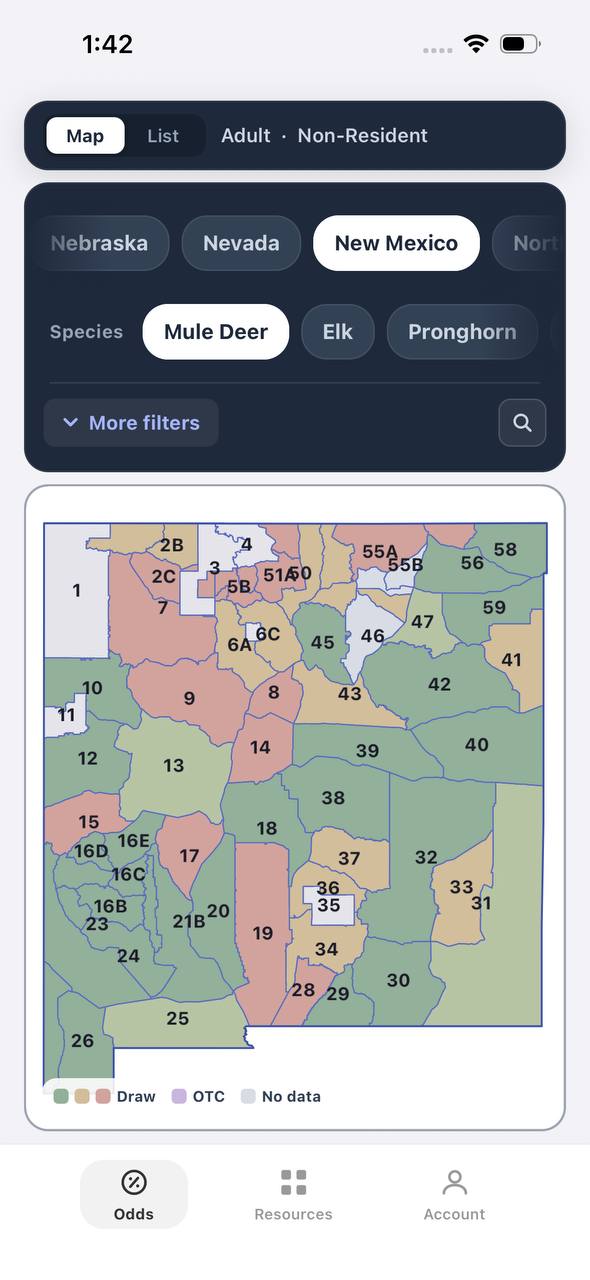
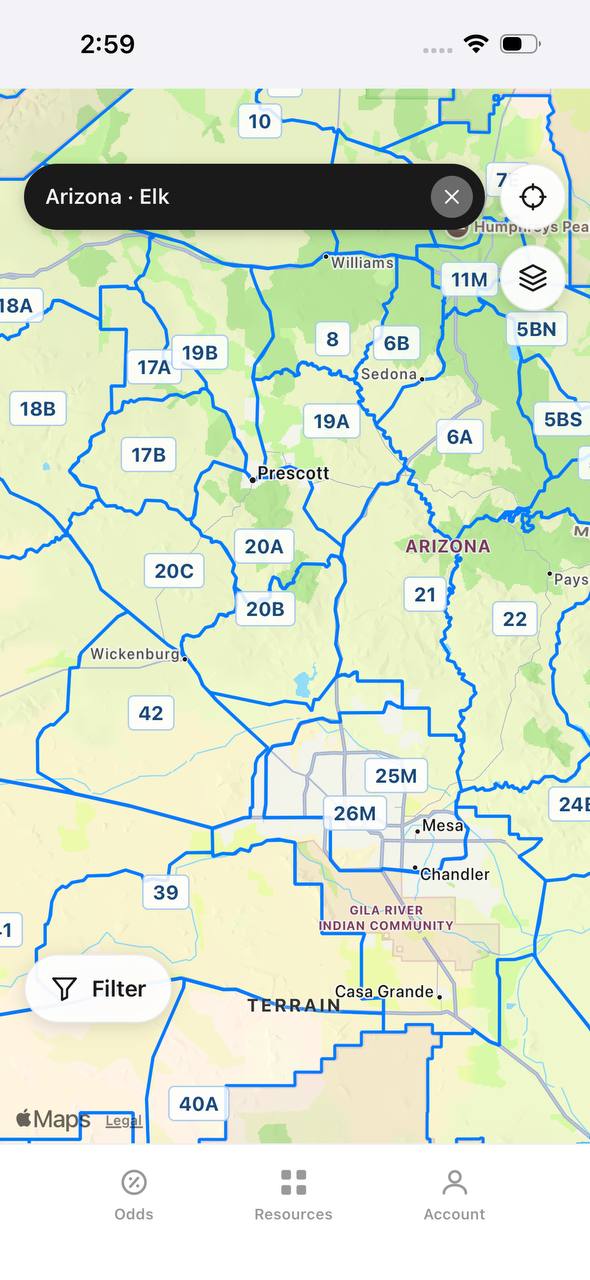
TAGZ terrain maps and unit boundaries let you scout backcountry zones before you ever apply. Compare roadless acreage between units. Identify drainages with consistent water and minimal access points. Use historical draw data to find wilderness units where pressure is low and draw odds are better than hunters assume.
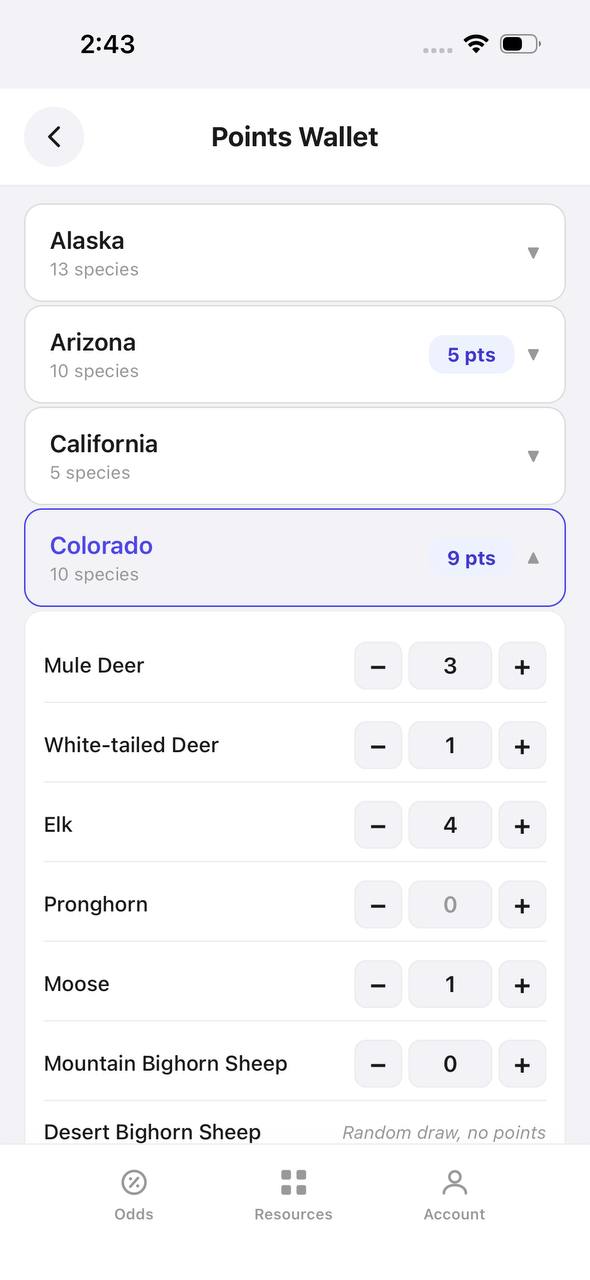
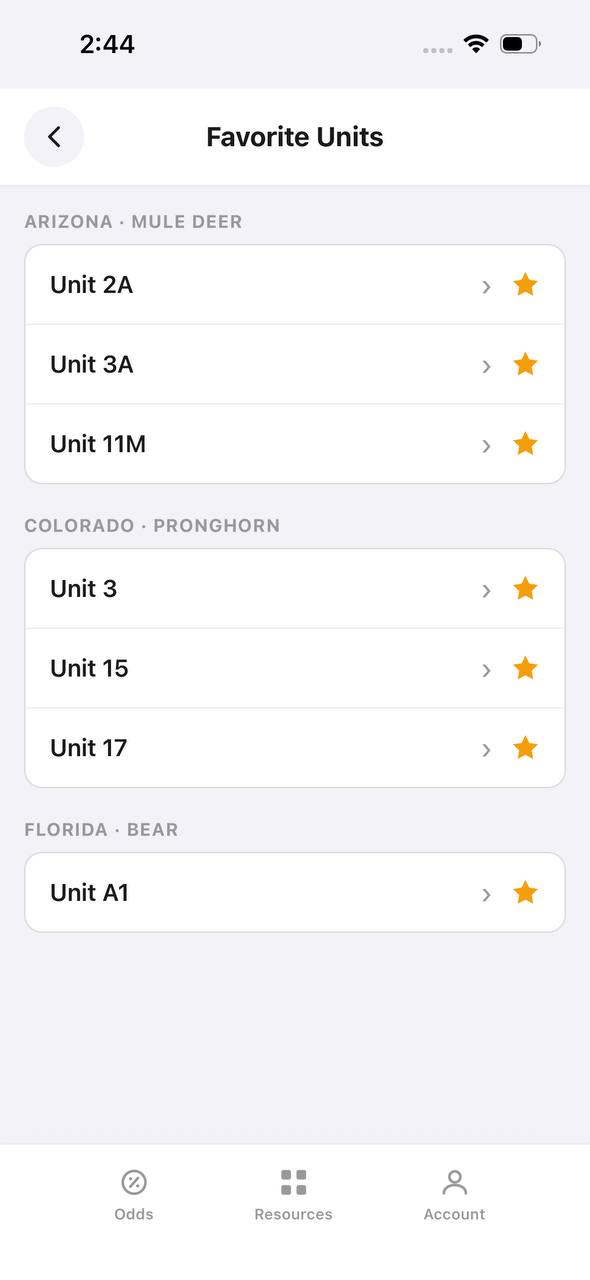
Track your preference points and bonus points across states so you can time applications for units that reward deep camping. Many limited-entry areas have better trophy potential in remote zones than roaded general units. TAGZ filters let you compare weapon seasons, terrain types, and public land percentages to build a strategy around backcountry access.
Whether you are chasing your first archery bull or planning a once-in-a-decade sheep hunt, TAGZ gives you the tools to make smarter decisions before you step into the field. Track draw deadlines, research unit maps, and confidently plan hunts that get you beyond the crowds.
FAQ — Backcountry Camping for Hunters
How much does a good backcountry camp setup cost?
A quality ultralight tent, sleeping bag, and pad together run eight hundred to twelve hundred dollars. Add another two hundred for stove, filter, and essentials. This is a one-time investment that lasts years if maintained. Budget gear fails when you need it most.
Can you backcountry camp during rifle season in snow?
Yes, but it requires a four-season tent, a zero-degree sleeping bag, and an insulated pad rated for winter. Expect wet conditions, longer setup times, and higher calorie needs. Practice cold-weather camping before committing to a hunt.
What is the biggest mistake backcountry hunters make with camp placement?
Camping too close to the areas they plan to hunt. Elk and deer will tolerate distant human presence if you are disciplined about scent and noise, but they will abandon an area if you camp in their core zone. Stay a quarter mile out and hike in to hunt.
How do you deal with bears in backcountry elk camps?
Hang all food and scented items one hundred yards downwind in an odor-proof bag or bear canister. Cook and eat away from your tent. Never store food inside your shelter. Black bears are opportunistic but rarely aggressive. Make noise when moving around camp in low light.
Is backcountry camping worth it for OTC elk hunts?
Absolutely. OTC units see heavy pressure near roads, especially in Colorado. A lightweight camp three miles in puts you in terrain most hunters never reach. That access alone increases your odds more than any call or decoy.
Do you need a wilderness permit to backcountry camp in hunting units?
It depends on the unit. National Forest land generally allows dispersed camping without permits. Designated Wilderness Areas may require free permits during hunting season. Check specific unit regulations before your hunt. TAGZ unit maps highlight wilderness boundaries so you know where restrictions apply.
Continue Planning Your Hunt
Backcountry camping opens access to the best hunting terrain in the West, but success requires the right gear, disciplined camp hygiene, and careful planning. TAGZ helps you identify units where deep access pays off, compare draw odds for wilderness areas, and track deadlines so you never miss an opportunity.
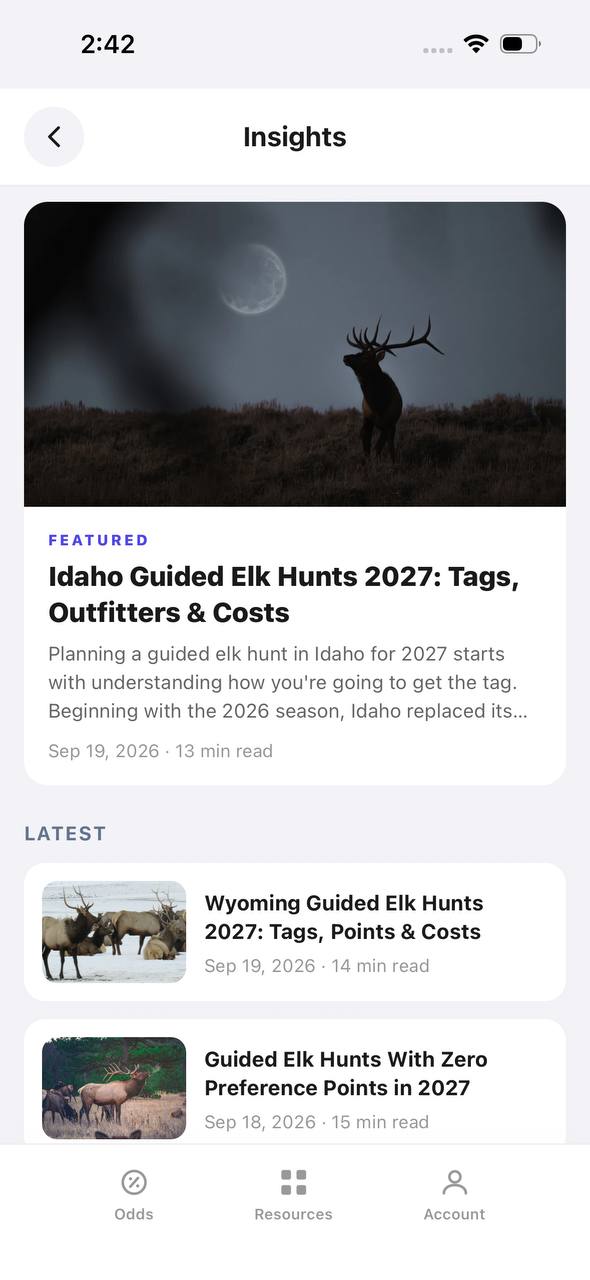
Explore TAGZ Insights for more hunt-planning strategies, gear breakdowns, and unit-specific tactics. Ready to simplify your application strategy and maximize your draw opportunities? Check out TAGZ Pricing and start building your hunt plan with terrain maps, historical draw data, and deadline tracking. From scouting to applications to the hunt itself, TAGZ gives you the tools to make smarter decisions and spend more time in the field.
Was this article helpful?
Previous
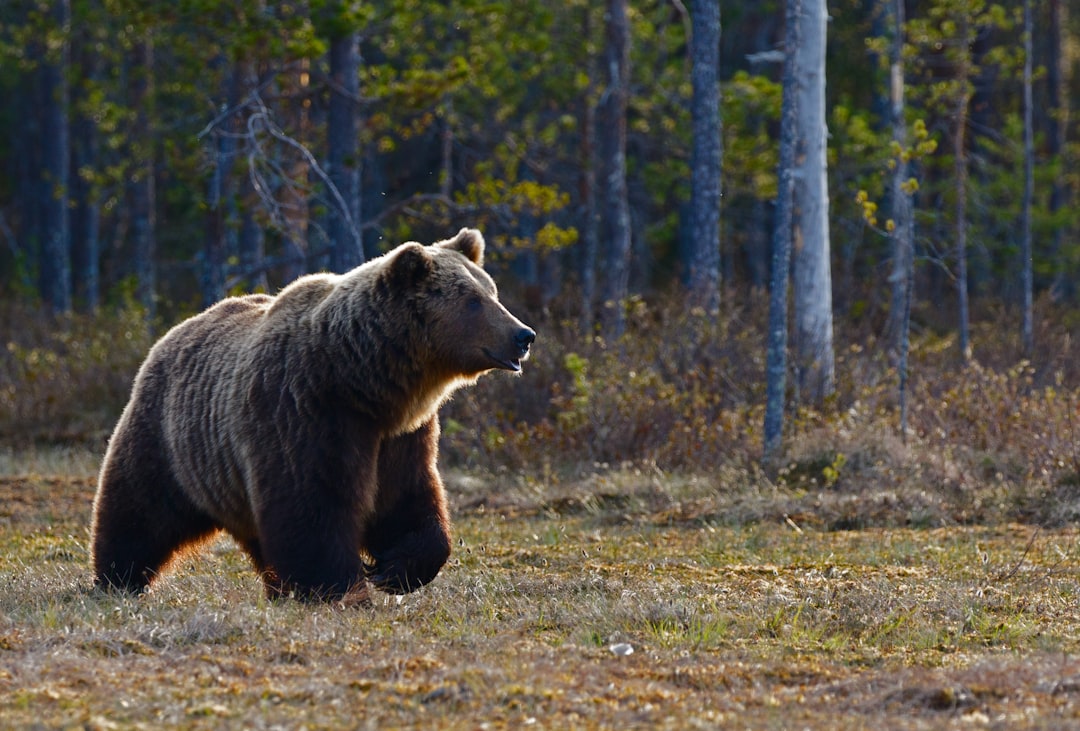
How to Track Bears: Reading Sign, Understanding Movement, and Closing the Distance
Bear tracking requires understanding feeding patterns, interpreting tracks and scat, and using terrain to predict movement. Master these skills to turn fresh sign into bear encounters during spring and fall hunts.
Related
Best Hunting Knives for Field Dressing and Processing Game in 2025
A comprehensive guide to selecting hunting knives for field dressing, boning, and processing big game. Compare blade styles, steel types, and proven designs that perform from the field to the meat pole.
Next
Best Moose Ammunition: Calibers, Bullets, and Loads for Clean Kills
Moose demand heavy, controlled-expansion bullets that penetrate deep through thick hide and bone. We break down proven calibers, bullet construction, and commercial loads that deliver reliable performance on North America's largest deer.