Best Flagship Compound Bows of 2026 — Top Models Ranked for Western Hunting
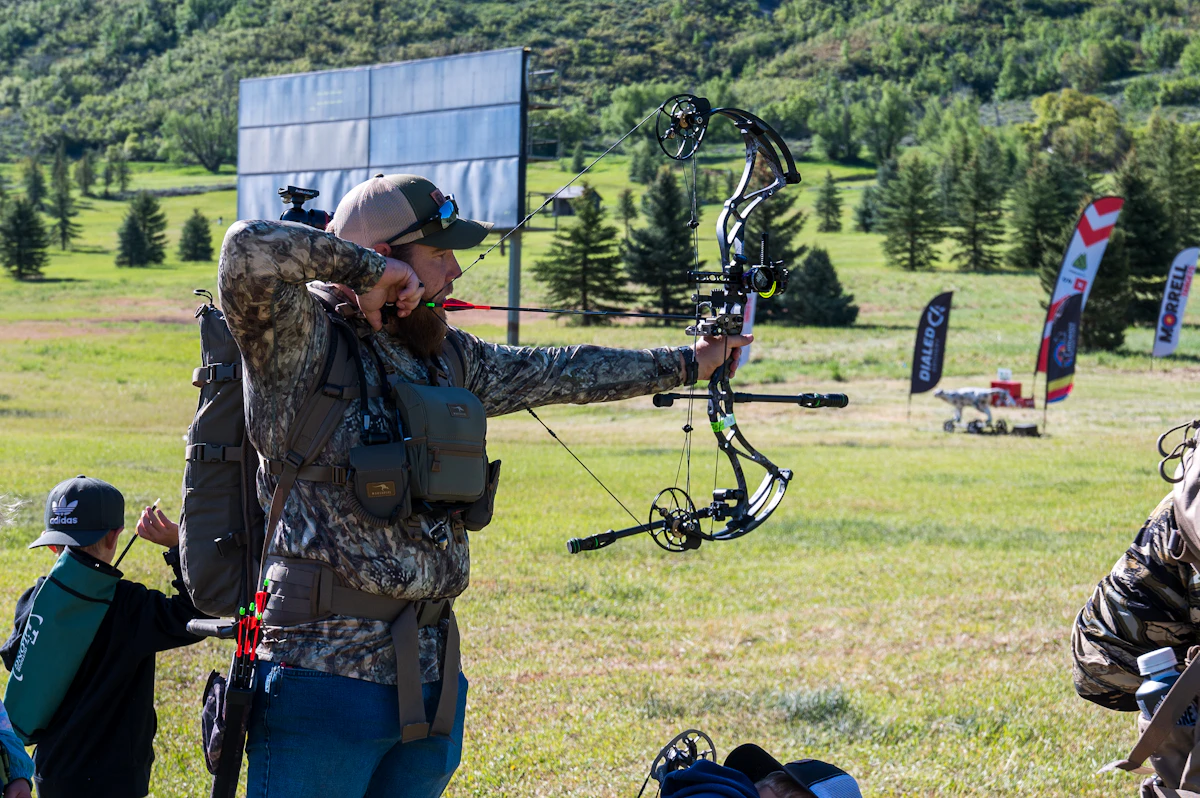
Flagship compound bows in 2026 push performance boundaries with IBO speeds exceeding 350 fps, physical weights dipping below 4 pounds, and back walls that feel like hitting a brick. Every major manufacturer released updated platforms this year, making 2026 one of the most competitive bow seasons in recent memory. For western hunters glassing miles of terrain and shooting in unpredictable field conditions, choosing the right flagship means balancing raw speed with shootability, forgiveness, and packability.
We spent three months testing the top five flagship models from Mathews, Hoyt, Bowtech, Elite Archery, and PSE. Our evaluation focused on real-world hunting scenarios: shooting from uneven terrain, judging forgiveness on marginal form, carrying the bow on all-day scouting trips, and performance in windy ridge-top conditions. Here is how the 2026 flagships stack up.
Mathews Phase4 — The Benchmark for Balance
The Mathews Phase4 continues the brand's reputation for smooth draw cycles and dead-in-hand feel. At 4.26 pounds and 332 fps IBO, the Phase4 is not the fastest or lightest bow on this list, but it delivers the most well-rounded package for hunters who value consistency over spec-sheet bragging rights.
The Phase4's Crosscentric Cam system offers a valley you can settle into without fighting creep. The back wall is firm but not jarring, making it easier to hold at full draw during extended glassing sessions when an elk suddenly appears at 40 yards. Mathews also refined the riser geometry to reduce hand torque, which showed up in our field testing as tighter groups when shooting from compromised positions.
Brace height sits at 6 inches, offering meaningful forgiveness without sacrificing too much speed. The integrated dampening system keeps vibration minimal, and follow-through feels quiet enough for close-range encounters. If you want a flagship that shoots the same in the backyard as it does at 9,000 feet after hiking three miles, the Phase4 delivers.
Best for: Hunters who prioritize shootability and consistency over maximum speed. Excellent choice for spot-and-stalk situations requiring quick, accurate shots from awkward positions.
Hoyt RX-9 — Speed and Adjustability
Hoyt's RX-9 is the fastest bow in the 2026 flagship class at 355 fps IBO, and it achieves that speed while maintaining a 6.5-inch brace height. The In-Line System and HBX Cam deliver aggressive performance without the harsh draw cycle that plagued earlier speed-focused designs.
At 4.1 pounds, the RX-9 is also one of the lightest flagships available. You feel the difference when carrying the bow across canyons or climbing ridge lines. The bow's modular design allows significant draw length and let-off adjustments without needing a bow press, which matters if you hunt with gloves in early-season archery or late-season cold.
The trade-off is a slightly less forgiving platform. The narrow brace height and aggressive cam timing punish poor form more than the Phase4 or Ventum. Torque the grip or collapse your front shoulder, and arrows drift. But if your form is solid and you want maximum kinetic energy for quartering shots on elk, the RX-9 delivers.
Hoyt's build quality remains top-tier. The finish holds up to pack abuse, and the limbs show no signs of twist or delamination after repeated exposure to temperature swings and moisture.
Best for: Experienced archers with consistent form who want maximum speed and adjustability. Ideal for hunters chasing long-range opportunities or needing deep penetration on heavy-bodied animals.
Bowtech SR350 — The Smoothest Draw Cycle
Bowtech's SR350 uses the DeadLock Cam System to create the smoothest draw cycle we tested. The ramp-up is gradual, the valley is wide, and the back wall feels like settling into a pocket rather than hitting a stop. At 350 fps IBO, the SR350 splits the difference between the Phase4's moderate speed and the RX-9's velocity ceiling.
Physical weight is 4.3 pounds, and the bow balances well in hand. The DeadLock system also simplifies tuning. You can micro-adjust cam timing without a bow press, which is a game-changer for hunters who travel frequently and need to re-tune after airline handling or altitude changes.
The SR350's 6.75-inch brace height makes it the most forgiving flagship for marginal form. If you occasionally drop your bow arm or rush the shot when a bull bugles at 20 yards, the SR350 keeps arrows on target better than narrower platforms. It is also exceptionally quiet, producing minimal vibration and zero hand shock on release.
The downside is aesthetic. Bowtech's riser design looks utilitarian compared to Mathews' sleek lines or Elite's aggressive styling. But if you care more about field performance than showroom appearance, the SR350 is hard to beat.
Best for: Hunters who want a forgiving, smooth-drawing bow that simplifies tuning and performs well under pressure. Great for early-season elk hunters who may be shaky from bugling adrenaline.
Elite Archery Omnia — Compact and Deadly
Elite's Omnia is the shortest and lightest bow in this comparison at 3.9 pounds and a 30-inch axle-to-axle length. The compact design makes it effortless to maneuver in thick timber or shoot from ground blinds, and the reduced weight is noticeable when glassing all day with the bow strapped to your pack.
The Omnia's S.E.T. Technology (Simplified Exact Tuning) allows for on-the-fly adjustments to center shot and cam timing without a press. IBO speed is 348 fps, and the 6-inch brace height keeps the platform reasonably forgiving despite the aggressive geometry.
The draw cycle is firm but not harsh. The valley is narrower than the SR350 or Phase4, requiring a more deliberate anchor and settled hold. The trade-off is a rock-solid back wall that makes it easy to achieve consistent pressure on every shot.
Elite's fit and finish is excellent. The grip feels natural without requiring aftermarket replacements, and the anodized riser resists scratches and wear. The bow is also exceptionally quiet for its speed class, producing minimal noise on release.
The compact design does sacrifice some stability on windy days. Longer axle-to-axle bows hold steadier in crosswinds, and the Omnia's short length makes it more susceptible to wind drift at extended ranges.
Best for: Hunters who prioritize packability and maneuverability. Excellent choice for thick-cover whitetail setups or alpine elk hunting where you need a bow that disappears on your pack.


Free to join
Download mobile app
- Detailed draw odds
- Point tracking
- Deadline reminders
- 18 states covered





Free to join
Download mobile app
- Detailed draw odds
- Point tracking
- Deadline reminders
- 18 states covered






Free to join
Download mobile app
- Detailed draw odds
- Point tracking
- Deadline reminders
- 18 states covered

PSE Levitate — Value Without Compromise
PSE's Levitate delivers flagship-level performance at a mid-tier price point. At $1,099 retail, it undercuts every bow on this list by $300 to $500 while offering 345 fps IBO, a 6.5-inch brace height, and a 4.2-pound physical weight.
The Evolve Cam System produces a smooth draw with a pronounced valley and a firm back wall. Shootability is on par with the Phase4 and SR350, and the bow feels stable at full draw. PSE also includes a built-in cable containment system and string stop, reducing the need for aftermarket accessories.
The Levitate's finish quality is a step below Mathews, Hoyt, and Elite. The anodizing shows wear faster, and the limb pockets are not as precisely machined. But the bow shoots as well as any flagship we tested, and the price makes it accessible for hunters who cannot justify $1,500 on a bow.
The biggest limitation is resale value. PSE bows depreciate faster than Mathews or Hoyt, so if you upgrade every two years, you will lose more on the back end. But if you plan to shoot the same bow for five years, the Levitate offers unbeatable value.
Best for: Budget-conscious hunters who want flagship performance without the flagship price. Ideal for hunters entering the premium bow market or anyone who shoots equipment into the ground rather than upgrading frequently.
How to Choose the Right Flagship for Your Hunting Style
Selecting a flagship bow comes down to matching performance characteristics to your hunting scenarios. If you prioritize shootability and consistency across varied conditions, the Mathews Phase4 and Bowtech SR350 are the top choices. If you need maximum speed for long-range shots or heavy-bodied elk, the Hoyt RX-9 delivers. For packability and maneuverability in tight cover, the Elite Omnia excels. And if you want flagship performance without the flagship price, the PSE Levitate is the clear value pick.
Brace height, draw cycle, and back-wall feel matter more than speed for most western hunting situations. A bow that shoots 350 fps but you cannot hold steady at full draw will cost you more opportunities than a 340 fps bow that settles into your anchor point naturally. Test multiple models at full draw in awkward positions, not just in a controlled range environment. The bow that feels best when you are kneeling on a sidehill with your heart pounding is the bow you should buy.
Weight matters for all-day carrying. A half-pound difference seems trivial until you have climbed 2,000 vertical feet with the bow strapped to your pack. If you hunt alpine terrain frequently, prioritize lighter platforms like the Hoyt RX-9 or Elite Omnia.
Adjustability is critical if you hunt multiple seasons or switch between gloves and bare hands. The Hoyt RX-9 and Bowtech SR350 offer the most flexibility for on-the-fly tuning without needing a bow press.
Accessories and Setup Considerations
Every flagship bow benefits from proper accessory selection. Invest in a quality single-pin or multi-pin sight with micro-adjustability. For western hunting, a pendulum sight is unnecessary. Focus on durability and repeatable adjustments.
Choose a drop-away rest with proven reliability. The QAD Ultrarest or Hamskea Hybrid Hunter are industry standards. Avoid budget rests that can fail in critical moments.
Stabilizers matter more than most hunters realize. A 10 to 12-inch front bar with 8 to 10 ounces of weight improves balance and reduces torque on release. Add a 6-inch rear bar for additional stability in windy conditions.
String silencers and limb dampeners reduce noise and vibration. Even the quietest flagship benefits from additional dampening components.
Practice with your hunting setup. Shoot in the conditions you will hunt: uphill, downhill, kneeling, standing on uneven ground, with your pack on. The bow that groups best on a flat range may not be the bow that performs best when you are winded and shaky at 11,000 feet.
Final Thoughts on 2026 Flagship Bows
The 2026 flagship lineup represents the best combination of speed, shootability, and packability we have seen. Every bow on this list is capable of clean kills on western big game when paired with proper shot placement and realistic range discipline.
The Mathews Phase4 is the most well-rounded choice for hunters who value consistency. The Hoyt RX-9 is the fastest and most adjustable. The Bowtech SR350 is the smoothest and most forgiving. The Elite Omnia is the lightest and most packable. And the PSE Levitate is the best value.
Your decision should be based on which characteristics matter most for the terrain you hunt, the species you chase, and your personal shooting form. Test as many bows as possible at full draw in realistic hunting positions. The flagship that feels right in your hands will perform better in the field than the bow with the best specifications on paper.
TAGZ helps you plan every detail of your western hunt, from choosing the right unit to tracking draw deadlines across multiple states. Whether you are chasing OTC archery elk in Colorado or applying for limited-entry mule deer tags in Nevada, TAGZ gives you the tools to make smarter decisions before you ever step into the field. Compare units side by side using terrain maps, unit boundaries, and historical draw data. Track your preference points and bonus points so you never miss a deadline. The best bow in the world does not matter if you are hunting the wrong unit or miss your application window.
FAQ — Flagship Compound Bows 2026
What is the fastest flagship compound bow in 2026? The Hoyt RX-9 is the fastest at 355 fps IBO, delivering maximum kinetic energy for long-range shots and deep penetration on elk and moose.
Which flagship bow is the most forgiving for average shooters? The Bowtech SR350 offers the widest valley, smoothest draw cycle, and a 6.75-inch brace height, making it the most forgiving flagship for hunters with inconsistent form.
Do flagship bows justify the $1,400 to $1,600 price tag? Flagship bows offer measurable improvements in speed, shootability, weight, and adjustability compared to mid-tier models. If you hunt frequently and demand the best performance, the investment is justified. Budget hunters should consider the PSE Levitate, which delivers flagship performance at $1,099.
What is the best flagship bow for backpack hunting? The Elite Omnia at 3.9 pounds and 30-inch axle-to-axle length is the lightest and most compact flagship, making it ideal for packability and maneuverability in alpine terrain.
How important is bow weight for western hunting? Bow weight matters significantly for all-day carrying in steep terrain. A half-pound difference becomes noticeable after several miles and thousands of vertical feet. Lighter bows like the Hoyt RX-9 (4.1 pounds) and Elite Omnia (3.9 pounds) reduce fatigue on long hunts.
Can beginners shoot flagship bows effectively? Flagship bows can be shot by beginners, but more forgiving models like the Bowtech SR350 or Mathews Phase4 are better starting points. Speed-focused bows like the Hoyt RX-9 punish poor form and require more practice to shoot accurately.
Continue Planning Your Hunt
Choosing the right bow is only one piece of successful western hunting. TAGZ simplifies every other decision, from identifying the best units for your species and weapon to tracking preference points and application deadlines across multiple states. Whether you are planning an OTC archery elk hunt or building points for a trophy mule deer tag, TAGZ gives you the research tools and draw data to hunt smarter. Compare units side by side, analyze historical draw odds, and never miss a deadline. Start planning your next hunt at TAGZ.
Explore more western hunting strategies, gear reviews, and unit breakdowns on the TAGZ Insights blog. For detailed draw odds analysis and hunt planning tools, check out the TAGZ product features or review pricing options to find the plan that fits your hunting goals.
Was this article helpful?
Previous
Bear vs Diamond: Best Compound Bow for Beginners in 2026
Choosing your first compound bow comes down to adjustability, forgiveness, and value. Bear and Diamond dominate the entry-level market with proven platforms that grow with new archers—here's how they compare.

Related
Best Compound Bows for Elk Hunting in 2026 — Top Picks for Western Bowhunters
The best elk hunting bows balance draw weight, let-off, and forgiveness for mountain conditions. We break down top 2026 models, what specs matter most, and how to choose the right setup for your next archery elk hunt.

Next
Best Compound Bows Under $1,000 in 2026 — Top Picks for Western Bowhunters
The compound bow market under $1,000 delivers serious hunting performance in 2026. These seven models balance speed, accuracy, and shootability for western big game without the flagship price tag.