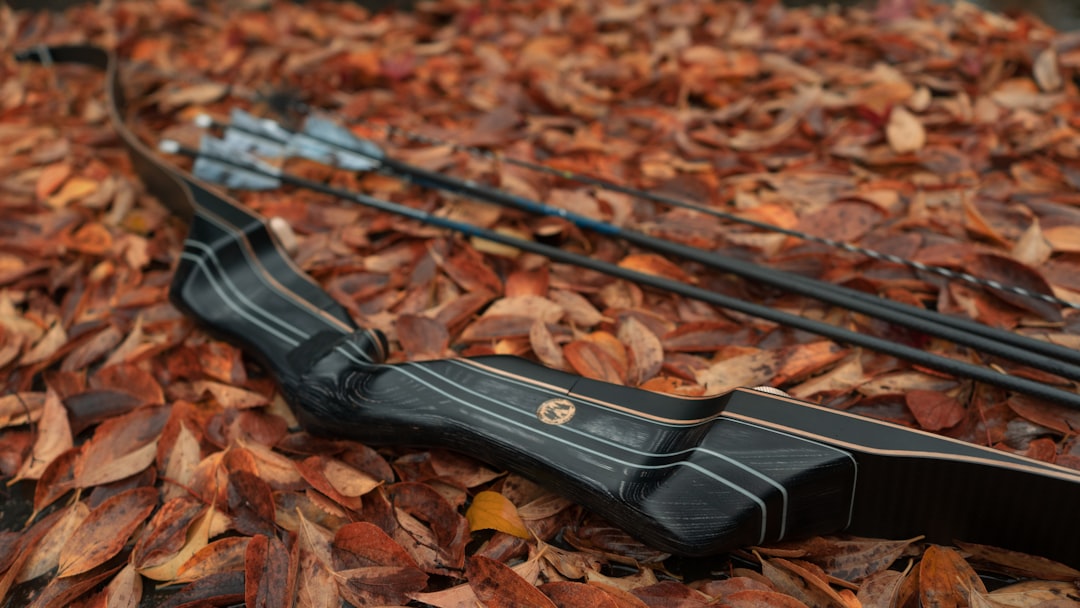
Best Compound Bows Under $1,000 in 2026 — Top Picks for Western Bowhunters

The compound bow market under $1,000 has never been stronger. Five years ago, breaking into the mid-700 fps range and maintaining a forgiving brace height meant spending well over a grand. In 2026, manufacturers are pushing flagship-level performance into sub-$1,000 platforms, and serious western bowhunters are noticing. Whether you are chasing September elk in Colorado timber or spot-and-stalk mule deer across Nevada sagebrush, these seven bows deliver the speed, accuracy, and shootability you need without the premium price.
This is not a ranked list. Each bow excels in different scenarios, and the right choice depends on your draw length, shooting style, and hunting priorities. What follows is a clear breakdown of what each platform does well and where it fits in your quiver.
What Makes a Bow Worth $1,000 in 2026
The sub-$1,000 category is crowded, but not every bow at this price point earns a spot in the field. The best models share three core traits: they shoot fast enough to flatten trajectory on 40-yard shots, they forgive minor form breakdowns when you are winded at 9,000 feet, and they hold steady in the wind without fighting you.
Speed matters for western hunting. A bow pushing 330-340 fps with a 400-grain arrow gives you clean pass-throughs on elk and compensates for minor ranging errors. But raw speed means nothing if the draw cycle feels like pulling a truck or the bow torques in your hand at full draw. The bows listed here balance IBO ratings with shootability—meaning they are fast enough to matter and smooth enough to shoot well under pressure.
Brace height is the second filter. Western hunting means shooting at steep angles, in variable light, and sometimes from compromised positions. A 6-inch brace height will punish inconsistent anchor points and hand torque. The bows below range from 6 to 7.25 inches, and the difference is noticeable when you are shaking from cold or adrenaline. If you are a newer bowhunter or hunt in conditions that challenge your form, prioritize forgiveness over the last 5 fps.
Finally, these bows are field-tested by hunters who actually pack them into the backcountry. Internet specs mean nothing if the bow does not hold zero after a week on horseback or shoot well after you have hiked three miles uphill. The models here have earned reputations for durability and consistency in real hunting conditions.
Elite Ember — Smooth Draw, Serious Accuracy
The Elite Ember is the most shootable bow on this list for bowhunters who value accuracy over raw speed. At 332 fps IBO, it is not the fastest, but the draw cycle is glass-smooth with zero hump at the back end. Full draw feels like settling into a hammock, and the 75% let-off means you can hold on a bedded bull longer than most competitors allow.
The Ember's 33-inch axle-to-axle length makes it maneuverable in ground blinds and tight timber, but it is not so short that it amplifies torque. The 6.5-inch brace height splits the difference between speed and forgiveness—fast enough for western distances, forgiving enough that you will shoot it well when your heart rate spikes.
This bow shines for archers who prioritize shot execution over chasing speed specs. If you are the type of hunter who practices until your groups tighten, then takes high-percentage shots in the field, the Ember rewards that discipline. It does not cover up bad form, but it does not punish minor inconsistencies the way a 6-inch brace height will. At around $899 MAP, it sits at the top of the budget but delivers value through accuracy and longevity.
Mathews Lift 29.5 — The Quiet Flagship Alternative
Mathews does not make bad bows, and the Lift 29.5 proves you do not need the flagship VXR or Phase4 to get Mathews performance. At $999 MAP, this is the most expensive bow on the list, but it is also the quietest and one of the smoothest drawing. The 29.5-inch axle-to-axle length is long enough to stabilize at full draw without feeling cumbersome in a treestand or spot-and-stalk scenario.
The Lift's claim to fame is the Switchweight technology, which lets you adjust peak weight and let-off modules without a bow press. If you are unsure whether you want 60 or 70 pounds, or if you plan to back down weight as the season wears on, this feature is practical and field-ready. The bow also ships with Mathews' proven roller guard system, which reduces friction and extends string life.
Speed sits at 335 fps IBO—respectable but not class-leading. Where the Lift separates from competitors is in vibration and noise. After the shot, the bow feels dead in your hand, and the sound signature is noticeably quieter than anything else in this price range. For elk hunters who call bulls into close range or mule deer bowhunters working bedding areas, that silence matters. This is the bow for hunters who want Mathews quality without paying flagship prices.
Bowtech Solution — Proven Workhorse, No Gimmicks
The Bowtech Solution has been in the lineup for years, and it remains one of the best values in bowhunting. At around $849 MAP, it delivers 340 fps IBO, a 6-inch brace height, and a draw cycle that prioritizes efficiency over smoothness. This is not a bow you shoot because it feels like butter—you shoot it because it works, and it keeps working.
The Solution's Deadlock cam system is Bowtech's answer to tuning headaches. The cam timing stays locked in, even after thousands of shots or hard use in the field. If you have ever had a cam slip out of time mid-season, you will appreciate this feature. The bow also uses Bowtech's Overdrive binary cam system, which produces more speed than single-cam designs but requires more attention to form.
This bow is best for experienced archers who have their shooting mechanics dialed in and want maximum performance from a sub-$900 platform. The 6-inch brace height is unforgiving, and the aggressive draw cycle takes time to master. But if you can shoot it well, the Solution delivers flagship-level speed at mid-tier pricing. It is the bow that serious western bowhunters buy when they want performance over features.
Free to join
Download mobile app
- Detailed draw odds
- Point tracking
- Deadline reminders
- 18 states covered

Free to join
Download mobile app
- Detailed draw odds
- Point tracking
- Deadline reminders
- 18 states covered
Free to join
Download mobile app
- Detailed draw odds
- Point tracking
- Deadline reminders
- 18 states covered

Hoyt Torrex XT — Backcountry Durability
Hoyt builds bows for hunters who abuse gear, and the Torrex XT is no exception. At $949 MAP, it is priced near the top of this category, but it is also one of the most durable platforms you can buy. The In-Line cam system is simple, reliable, and easy to tune in the field. If something does go wrong—broken string, cam timing issue—you can fix it with basic tools and spare parts.
The Torrex XT shoots 338 fps IBO with a 6-inch brace height. Like the Solution, it rewards good form and punishes inconsistencies. The draw cycle is not harsh, but it builds tension quickly and demands a clean release. Where this bow stands out is in build quality. Hoyt uses thicker limbs, reinforced pockets, and a more robust riser than most competitors. If you pack into the backcountry on horseback, strap your bow to an ATV, or hunt in wet conditions, the Torrex XT holds up better than lighter, faster alternatives.
This is the bow for hunters who prioritize reliability and longevity over cutting-edge technology. It does not have the smoothest draw or the highest speed, but it will shoot the same in year five as it did out of the box. For public-land bowhunters who need a bow that works in all conditions, the Torrex XT is worth the investment.
Bear Divergent EKO — Budget Speed Without Compromise
Bear Archery's Divergent EKO sits at the budget end of this list, typically retailing around $799, but it punches well above its price point. At 342 fps IBO, it is one of the fastest bows under $1,000, and the Adapt Grip system lets you swap grip angles without replacing the entire riser. If you have never dialed in your grip preference, this feature is worth more than it sounds.
The EKO's draw cycle is firm but not aggressive. The cam builds tension early, then settles into a solid back wall. The 6.25-inch brace height is slightly more forgiving than the 6-inch models, and the 31-inch axle-to-axle length balances maneuverability with stability. This bow feels planted at full draw, even in windy conditions.
Where the Divergent EKO wins is value. For under $800, you get legitimate western hunting speed, a proven dual-cam system, and a bow that shoots well out of the box. Bear includes quality accessories with most packages, and the bow is widely available through dealers and online retailers. If you are on a tight budget and need a bow that performs, this is the best bang-for-buck option on the list.
Free to join
Download mobile app
- Detailed draw odds
- Point tracking
- Deadline reminders
- 18 states covered
Free to join
Download mobile app
- Detailed draw odds
- Point tracking
- Deadline reminders
- 18 states covered
Free to join
Download mobile app
- Detailed draw odds
- Point tracking
- Deadline reminders
- 18 states covered
PSE Omen Pro — Speed-Focused, No Excuses
PSE's Omen Pro is the fastest bow on this list at 345 fps IBO, and that speed comes with trade-offs. The draw cycle is aggressive, the 6-inch brace height is unforgiving, and the bow demands clean execution. But if you can shoot it well, the Omen Pro delivers trajectory and energy that rival bows costing twice as much.
The Evolve cam system is PSE's latest design, built around efficiency and speed. The cam draws hard through the first half, then dumps into a deep valley at full draw. The let-off is 85%, which gives you holding power but also makes the shot feel snappier than lower let-off designs. This bow is not for beginners, but experienced archers will appreciate the performance.
At around $899 MAP, the Omen Pro sits in the middle of the price range but delivers top-end speed. It is the bow for hunters who prioritize flat trajectory and kinetic energy over forgiveness. If you practice regularly, shoot with consistent form, and want every advantage on long-range shots, the Omen Pro is worth considering. Just know that it will expose weaknesses in your shooting mechanics faster than more forgiving designs.
Prime Logic CT5 — The Underrated Contender
Prime Archery does not get the same attention as Mathews or Hoyt, but the Logic CT5 is one of the best-shooting bows under $1,000. At $949 MAP, it competes directly with the Lift and Torrex XT, and it holds its own. The Centergy hybrid cam system produces 340 fps IBO with one of the smoothest draw cycles in this price range. The bow draws like a single cam but shoots like a binary system—efficient without being harsh.
The Logic CT5's standout feature is the Parallel Cam System, which eliminates cam lean and reduces tuning headaches. The bow ships with Prime's Shift Lock Technology, allowing you to adjust draw length in half-inch increments without a bow press. If you are between standard draw lengths or want fine-tuning options, this system is practical and field-friendly.
This bow is best for archers who want flagship performance without the flagship brand premium. Prime's customer service is excellent, and the Logic CT5 holds resale value better than most competitors. It is not the fastest or the cheapest, but it is one of the most well-rounded bows on this list. If you want a bow that does everything well and nothing poorly, the Logic CT5 deserves a closer look.
How to Choose the Right Bow for Your Hunt
Every bow on this list will kill elk, mule deer, and pronghorn cleanly. The right choice depends on how you hunt and what you prioritize in a shooting system.
If you hunt from treestands or ground blinds and take close-range shots, prioritize brace height and shootability over raw speed. The Elite Ember and Mathews Lift 29.5 excel in these scenarios. If you hunt spot-and-stalk or call elk into the timber, the Lift's quiet shot and the Ember's smooth draw cycle will serve you better than an extra 10 fps.
For backcountry hunters who pack into remote units and need gear that survives hard use, the Hoyt Torrex XT and PSE Omen Pro are built to last. The Torrex XT prioritizes durability and simplicity, while the Omen Pro chases maximum speed for long-range shooting. Both bows handle abuse better than lighter, faster alternatives.
If you are budget-conscious but refuse to sacrifice performance, the Bear Divergent EKO and Bowtech Solution deliver the most value per dollar. The EKO is faster and more forgiving, while the Solution is the choice for archers who want Bowtech's proven cam system and do not mind a firm draw cycle.
Finally, if you want a bow that does everything well without standing out in any one category, the Prime Logic CT5 is the safe bet. It shoots fast, draws smooth, and tunes easily. It is the bow you buy when you want a reliable tool that works in all conditions without drama.
Free to join
Download mobile app
- Detailed draw odds
- Point tracking
- Deadline reminders
- 18 states covered
Free to join
Download mobile app
- Detailed draw odds
- Point tracking
- Deadline reminders
- 18 states covered
Free to join
Download mobile app
- Detailed draw odds
- Point tracking
- Deadline reminders
- 18 states covered
Final Thoughts on Buying Smart in 2026
The compound bow market under $1,000 is more competitive than ever, and that competition benefits hunters. You no longer need to spend flagship money to get flagship performance. Every bow on this list will handle western big game cleanly, and the differences come down to shooting style, hunting conditions, and personal preference.
Before you buy, shoot as many of these bows as possible. Speed specs and brace height numbers matter, but how the bow feels in your hands matters more. A bow that draws smoothly and holds steady at full draw will serve you better than a faster bow that fights you on every shot. Find a dealer who stocks multiple brands, spend time at the range, and choose the bow that builds your confidence.
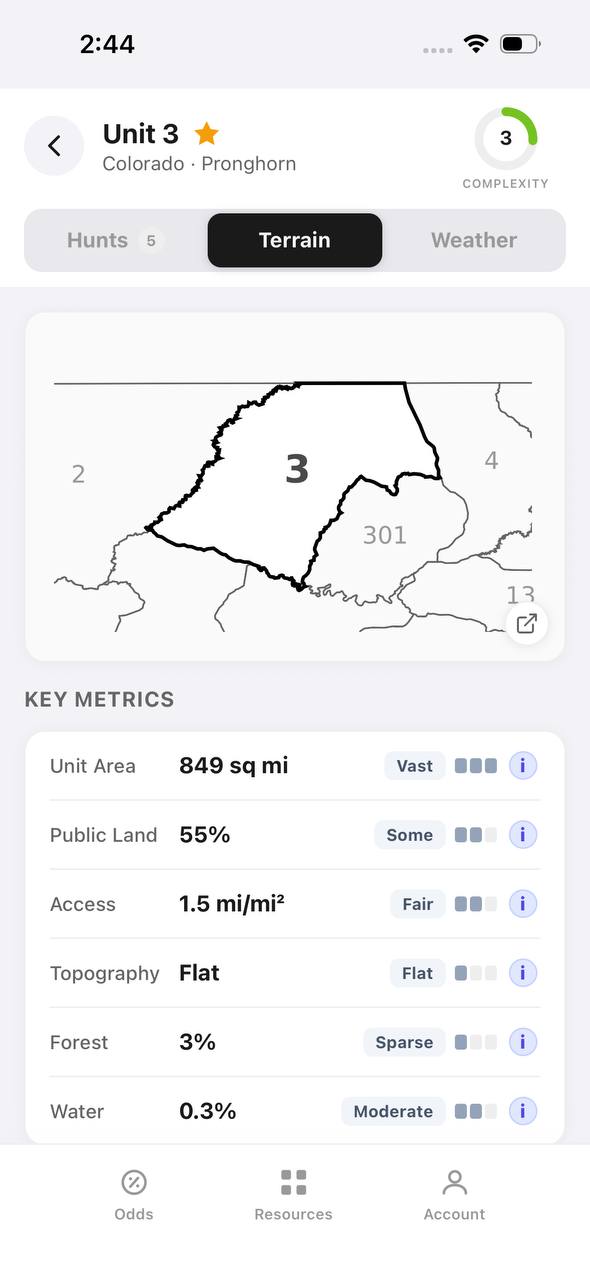
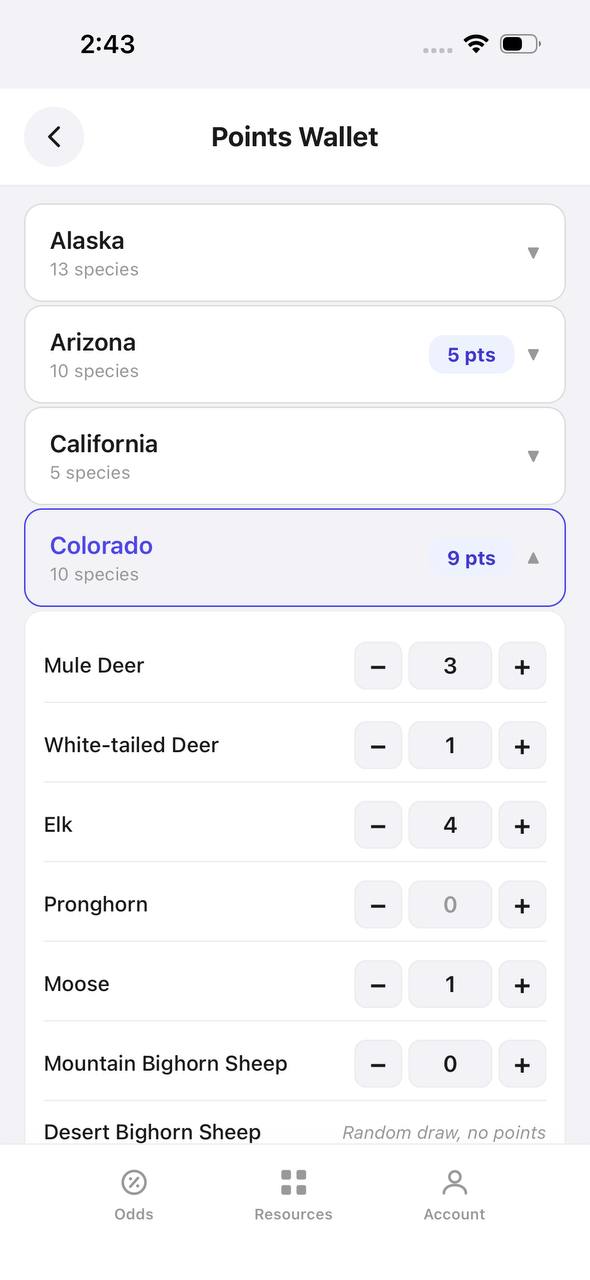
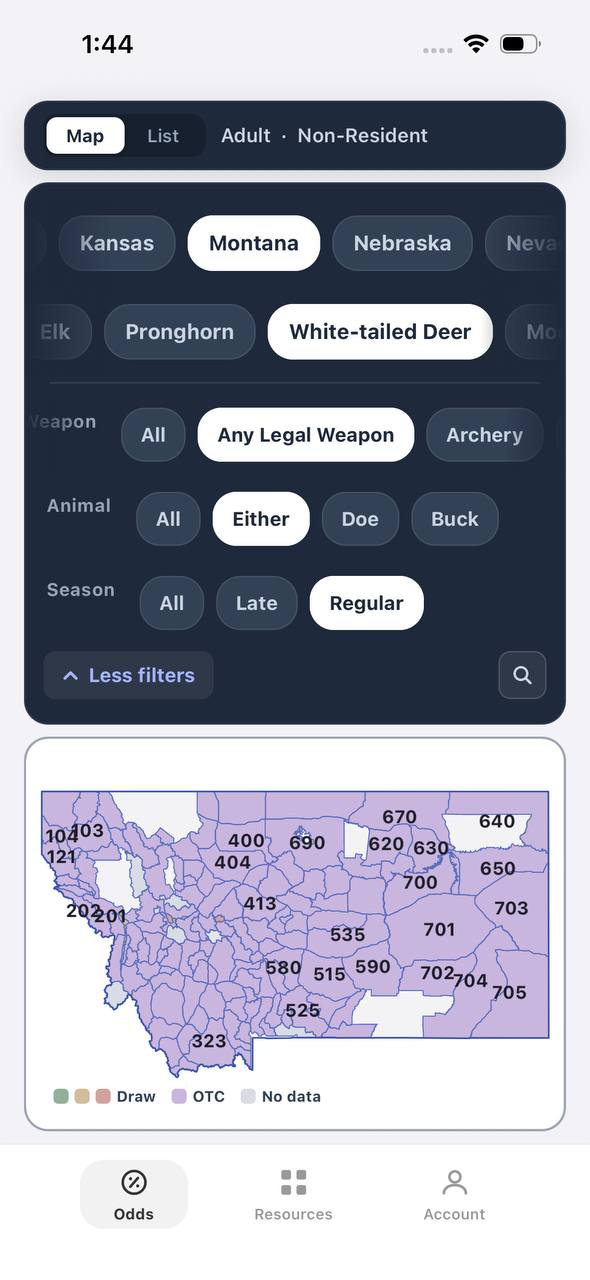
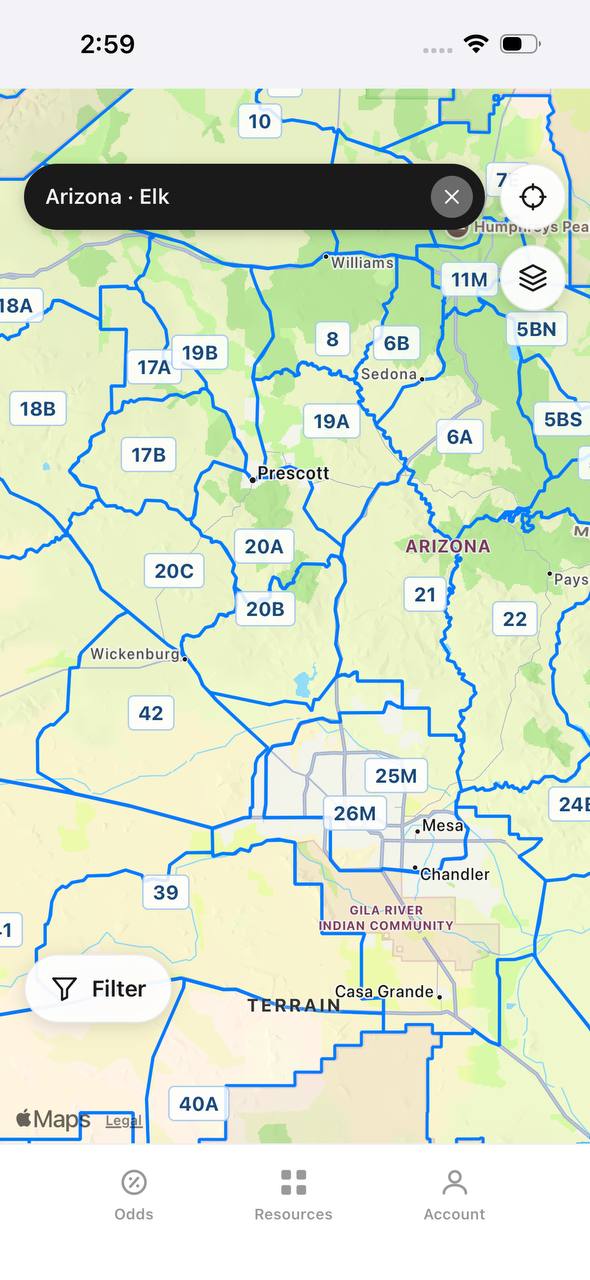
If you are planning archery hunts across multiple states, TAGZ helps you compare archery seasons, unit boundaries, and draw odds for elk, mule deer, and pronghorn. Filter hunts by weapon type, track your preference points across states, and map out units with terrain overlays before you ever draw a tag. Whether you are chasing Colorado OTC elk or planning a limited-entry mule deer hunt in Nevada, TAGZ gives you the data you need to make smarter decisions before you step into the field.
FAQ — Compound Bows Under $1,000
What is the best compound bow under $1,000 for elk hunting?
The Mathews Lift 29.5 and Hoyt Torrex XT are top choices for elk. The Lift is quieter and smoother for close-range calling setups, while the Torrex XT offers more durability for backcountry hunts.
Do I need a bow over 340 fps for western hunting?
No. A bow shooting 330-340 fps with a 400-grain arrow provides enough speed for clean kills on elk and mule deer out to 50 yards. Prioritize accuracy and shootability over the last 5-10 fps.
What brace height should I choose for hunting?
If you are a newer bowhunter or hunt in challenging conditions, choose a brace height of 6.25 inches or longer. Experienced archers with consistent form can handle 6-inch brace heights for more speed.
Are budget bows under $800 reliable for serious hunting?
Yes. The Bear Divergent EKO and Bowtech Solution are proven platforms used by western bowhunters every season. They lack some premium features but deliver the speed and accuracy needed for clean kills.
How much should I spend on a compound bow in 2026?
For serious western hunting, plan to spend $800-$1,000 on the bow itself. This price range delivers flagship-level performance without the premium brand markup. Budget another $300-$500 for quality accessories.
Can I tune these bows myself or do I need a pro shop?
Most of these bows tune easily with basic tools, but newer archers should have a pro shop handle initial setup. The Hoyt Torrex XT and Prime Logic CT5 are the most beginner-friendly for DIY tuning.
Continue Planning Your Hunt
Choosing the right bow is only part of the equation. Western bowhunting success depends on finding the right unit, understanding draw odds, and planning your application strategy across multiple states. TAGZ helps you compare archery seasons, track preference points, and filter units by terrain, public land access, and historical draw data. Whether you are applying for your first elk tag or managing a multi-state strategy, explore TAGZ Insights for hunt planning tools that simplify the research process.
If you are ready to streamline your western hunting applications and make smarter decisions before you draw a tag, check out TAGZ pricing and see how the platform helps you plan hunts, track deadlines, and maximize your draw opportunities. For a deeper look at how TAGZ works, visit the product page and start building your hunt strategy today.
Was this article helpful?
Previous
Best Compound Bows Under $1,500 in 2026 — Top Picks for Western Hunters
The 2026 compound bow market delivers flagship-level performance at mid-tier prices. We break down the best models under $1,500 for elk, mule deer, and backcountry hunting based on speed, shootability, and real-world field testing.

Related
Bear vs Diamond: Best Compound Bow for Beginners in 2026
Choosing your first compound bow comes down to adjustability, forgiveness, and value. Bear and Diamond dominate the entry-level market with proven platforms that grow with new archers—here's how they compare.

Next
Best Compound Bows for Whitetail Hunting in 2026
The 2026 compound bow market delivers whitetail-specific models optimized for tight cover, treestand hunting, and quick-draw shots. We break down the top picks by speed, stealth, and forgiveness to help you choose the right bow for your hunting style.