Best Compound Bows Under $1,500 in 2026 — Top Picks for Western Hunters
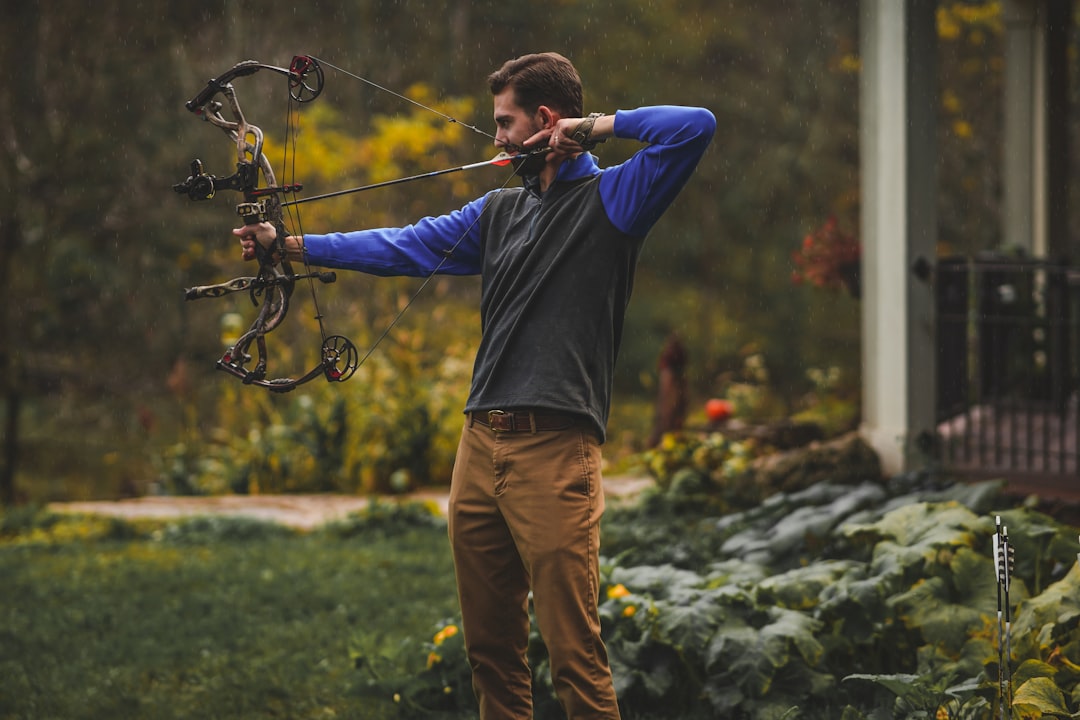
The $1,000–$1,500 range has become the sweet spot for serious bowhunters who want flagship performance without paying for pro-staff endorsements and carbon-everything construction. In 2026, bows in this bracket rival models that cost twice as much just three years ago. You get speeds pushing 340 fps, sub-4-pound bare weights, and forgiveness that makes consistent shooting possible in field positions.
This guide focuses on western hunting applications — backcountry elk, spot-and-stalk mule deer, and pronghorn where a single shot opportunity may be all you get. We tested each bow for shootability at realistic yardages (20–60 yards), packability on steep terrain, and durability under hard use. If you hunt whitetails from a stand and rarely shoot past 30 yards, different priorities may apply. But for hunters who glass, hike, and execute shots in unpredictable conditions, these are the bows that deliver.
What $1,500 Gets You in 2026
Five years ago, this price point meant compromises — heavier risers, basic cam systems, mediocre draw cycles. That gap has closed. Today's mid-tier bows feature:
- IBO speeds of 330–345 fps — fast enough for flat trajectories at extended range without sacrificing valley comfort.
- Adjustable draw lengths and weights — most models now offer mod-free or tool-free adjustments across 4+ inches and 10+ pounds of draw weight.
- Advanced cam technology — smooth draw cycles with solid back walls, not the harsh stacking that plagued budget bows a decade ago.
- Quality finishes and machining — anodized risers, protected cables, and attention to detail that used to separate flagship models.
The main difference between a $1,200 bow and a $2,000 flagship is refinement — carbon accessories, exotic camo patterns, marginal gains in vibration dampening. For most hunters, those differences disappear the moment you're at full draw on a bedded bull.
Top Picks for Western Hunting
Mathews Lift 33 — $1,399
The Lift 33 feels like a flagship because it essentially is — Mathews' full feature set minus the V3X carbon riser upcharge. At 33-inch axle-to-axle and 4.46 pounds, it balances packability with enough mass to steady pin float on long shots. IBO speed of 335 fps keeps arrows flat past 50 yards without punishing recoil.
What stands out is the draw cycle. The Crosscentric cam pulls smooth through the first half, builds steadily without harsh stacking, and drops into a defined valley with 80% let-off. You can hold at full draw while a bull works through timber without your shoulder shaking. The Integrate rest mount eliminates a failure point, and the Engage grip keeps your hand consistently positioned shot to shot.
Best for: Hunters who prioritize shootability and brand reliability. If you've shot Mathews before and know the grip geometry works for you, the Lift 33 is the safe bet.
Hoyt RX-9 — $1,449
Hoyt's RX-9 delivers flagship RX-8 performance in a slightly heavier package (4.3 pounds bare). The HBX Pro cam hits 338 fps IBO while maintaining Hoyt's signature rock-solid back wall. At 32.5 inches axle-to-axle, it's maneuverable in tight cover but stable enough for western distances.
The In-Line system allows tool-free draw length adjustment across 6 full inches (25.5–31.5 inches), making this an excellent choice if you're still dialing in your ideal DL or share equipment with family. Hoyt's fit and finish remains industry-leading — limb pockets lock tight, cables track clean, and the bow holds zero even after hard miles.
Best for: Hunters who want adjustability and bombproof construction. The RX-9 is the bow you beat up for five seasons and pass down still shooting straight.
Elite Omnia — $1,299
The Omnia punches above its price point with a 338 fps IBO rating, 33-inch ATA, and 4.2-pound weight. Elite's S.E.T. (Simplified Exact Tune) technology means the bow arrives from the factory shooting bullet holes through paper — no press work required for most setups.
The Omnia X cam system is exceptionally smooth for a speed bow, with a gradual ramp and comfortable valley. Elite's limb pocket design and riser geometry dampen vibration better than competitors at this price, resulting in a dead-in-the-hand feel after the shot. If you're sensitive to hand shock or hunt without a stabilizer to save weight, the Omnia rewards you.
Best for: Hunters who hate bow shops and want a ready-to-hunt package. The Omnia tunes fast and stays tuned.
Bowtech Solution — $1,349
Bowtech's Solution is the speed demon of this group at 344 fps IBO, achieved through aggressive cam geometry and a 6-inch brace height. That extra speed translates to flatter trajectories and more kinetic energy on impact — crucial for pass-throughs on big-bodied elk.
The DeadLock cam system allows independent top and bottom cam timing adjustments without a bow press. If you're a tinkerer or shoot in variable conditions (high elevation, cold weather), this lets you fine-tune performance in camp. At 4.4 pounds and 31 inches ATA, the Solution is compact and light enough for saddle hunting or long stalks.
Best for: Hunters chasing maximum performance and willing to spend time tuning. If you handload rifle cartridges and enjoy optimizing gear, the Solution rewards that mindset.
Prime Nexus 5 — $1,495
Prime bows fly under the radar but deliver outsized value. The Nexus 5 features parallel cam technology for minimal cam lean, a buttery draw cycle, and 335 fps speed. At 32 inches ATA and 4.3 pounds, it's right in the western hunting sweet spot.
Prime's Centergy riser design centralizes mass for better balance, and the dual-sync cam system ensures both cams stay perfectly timed even after thousands of shots. The roller guard reduces cable friction, translating to less noise and smoother draw. Build quality rivals customs — machining tolerances are tight, and components feel overbuilt.
Best for: Hunters who want maximum durability and a brand that prioritizes function over marketing. Prime owners tend to stay Prime owners.
How to Choose Your Bow
Speed matters, but shootability matters more. A 345 fps bow that you can't hold steady at full draw loses to a 330 fps bow you can confidently anchor and execute with. Before buying:
- Shoot multiple bows back-to-back. Draw cycles feel different on paper than at full draw in a shop. Bring your release and shoot groups at 40+ yards.
- Check draw length adjustability. If you're between standard modules or might change DL after shooting all summer, choose a bow with broad adjustment range.
- Consider your shooting style. Spot-and-stalk hunters benefit from lighter bows under 4 pounds. Glassing-heavy hunters who take deliberate shots may prefer 4.5+ pounds for steadiness.
- Test the grip. Grip geometry affects accuracy more than any spec. If the grip forces your hand into an unnatural position, move on.
Don't overthink brand loyalty. Mathews, Hoyt, Bowtech, Elite, and Prime all build excellent bows. The "best" bow is the one that fits your draw length, anchors consistently in your hand, and inspires confidence when you're at full draw on an animal.
Accessories and Setup Costs
Budget an additional $400–$700 for a complete hunting setup:
- Rest: $150–$250 for a quality drop-away (Hamskea, QAD, Ripcord).
- Sight: $150–$300 for a multi-pin or single-pin slider (Black Gold, Spot Hogg, HHA).
- Stabilizer: $50–$150 for a front bar and optional side rod.
- Quiver: $80–$150 for a tight-hold hunting quiver (Tight Spot, Mathews, Sitka-branded models).
- Release: $100–$200 for a wrist or thumb release you'll use for years.
Arrows, broadheads, and a case push total investment to $2,000–$2,500. If you're upgrading from a bow more than five years old, the performance jump justifies the cost. If you're buying your first bow, rent or buy used for a season to confirm your draw length and shooting style before committing to a flagship.
Free to join
Download mobile app
- Detailed draw odds
- Point tracking
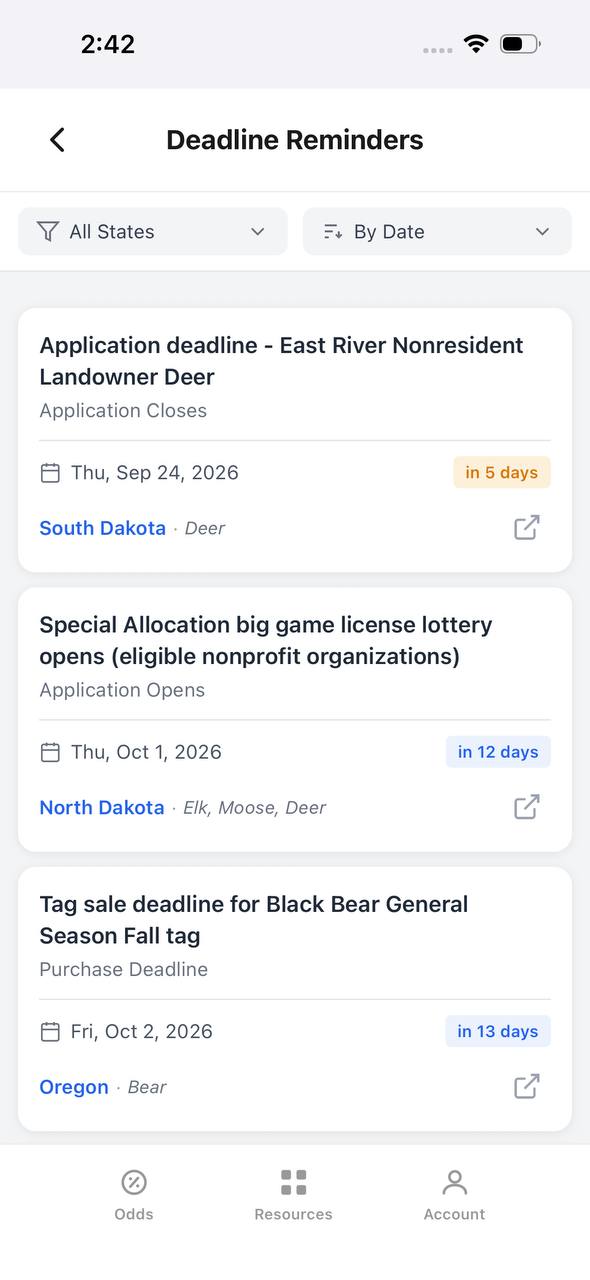
- Deadline reminders
- 18 states covered

Free to join
Download mobile app
- Detailed draw odds
- Point tracking
- Deadline reminders
- 18 states covered
Free to join
Download mobile app
- Detailed draw odds
- Point tracking
- Deadline reminders
- 18 states covered

Why Not Go Cheaper?
Bows under $800 sacrifice adjustability, build quality, or both. You'll find 320 fps speeds and acceptable accuracy, but components wear faster, draw cycles feel harsher, and resale value craters. For hunters who shoot year-round and depend on their bow in the field, the $1,000+ range delivers reliability that budget bows simply can't match.
If budget is tight, buy a 2–3 year old flagship used ($800–$1,000) rather than a new budget bow. You'll get better technology, longer lifespan, and higher resale value when you eventually upgrade.
Testing Your Bow Before the Hunt
Owning a great bow means nothing if you can't shoot it well under pressure. Before your hunt:
- Shoot 60+ arrows per week starting three months out. Build muscle memory and identify any form issues.
- Practice from field positions — kneeling, sitting, uphill, downhill. Most misses happen because hunters only practice from flat, stable ground.
- Verify zero at hunting elevation. Bows can shift point of impact at 8,000+ feet due to air density changes.
- Shoot your actual hunting arrows with broadheads. Fixed-blade broadheads plane differently than field points. Tune until they hit together at 40+ yards.
Tagz helps hunters plan draw strategy and hunt units, but no app can replace trigger time. The best compound bow in the world still requires a competent archer behind it.
Comparing Specs Side by Side
When you're deciding between two finalists, compare these metrics:
- Axle-to-Axle Length: 31–33 inches is ideal for western hunting. Shorter bows (<30 inches) are harder to shoot accurately past 40 yards. Longer bows (34+ inches) add unnecessary weight.
- Brace Height: 6–7 inches balances speed and forgiveness. Shorter brace heights (5.5–6 inches) are faster but punish form mistakes.
- Let-Off Percentage: 80% is standard. Higher let-off (85–90%) helps on long holds but can feel mushy. Lower let-off (70–75%) gives a firmer back wall.
- IBO Speed: 330+ fps is adequate. Anything above 340 fps comes with tradeoffs in noise, vibration, or draw harshness.
- Weight: 4–4.5 pounds bare is the sweet spot. Under 4 pounds sacrifices stability; over 5 pounds gets fatiguing on long days.
Specs don't tell the full story. A bow that measures identically to another can feel completely different due to riser geometry, cam design, and component quality. Always shoot before buying.
The TAGZ Perspective on Gear
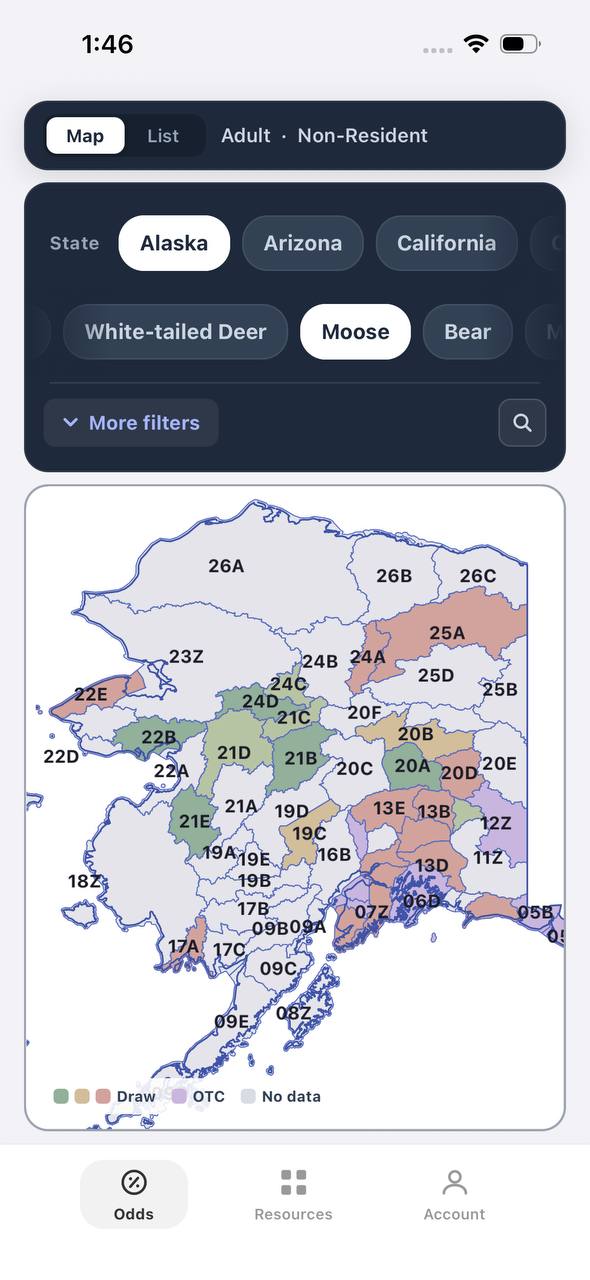
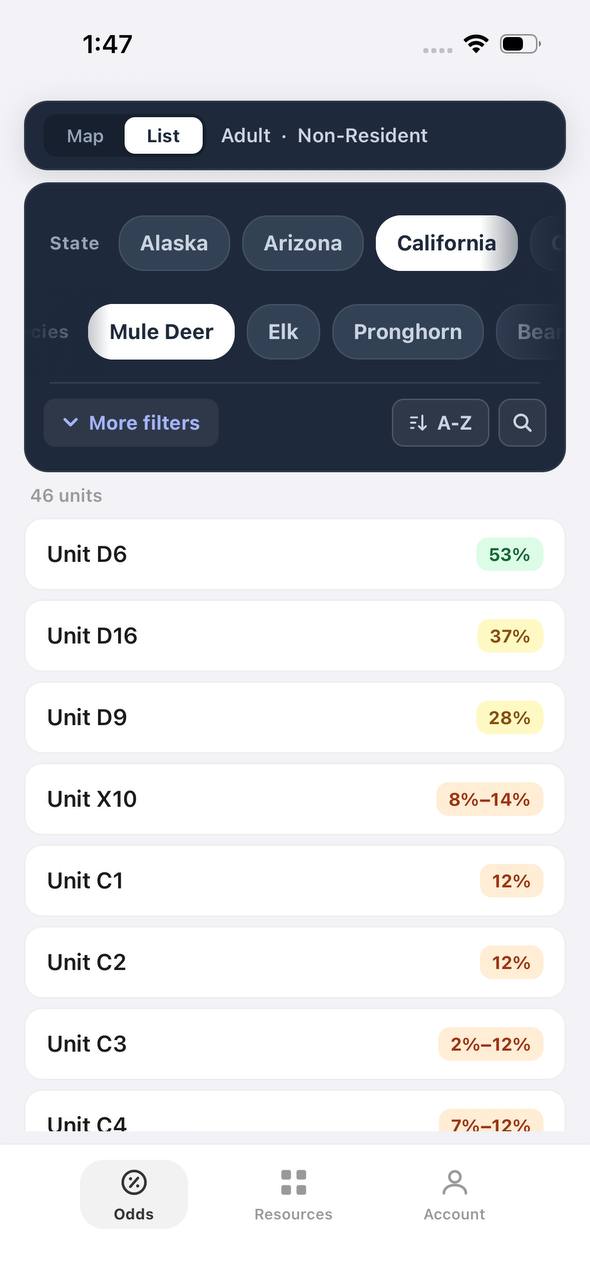
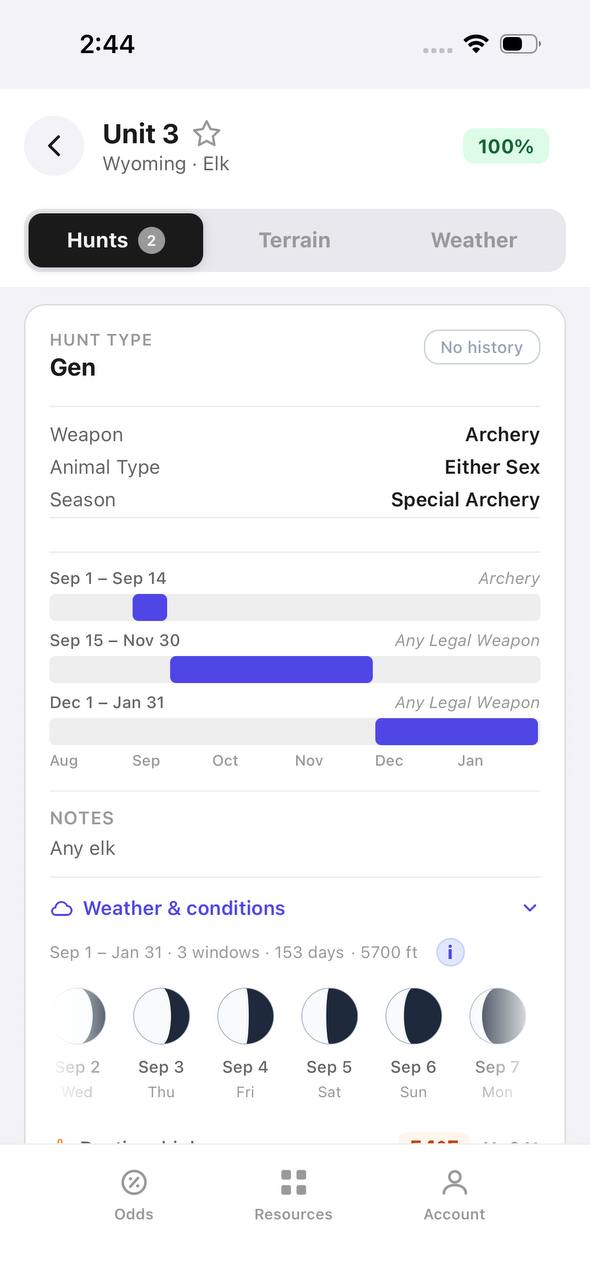
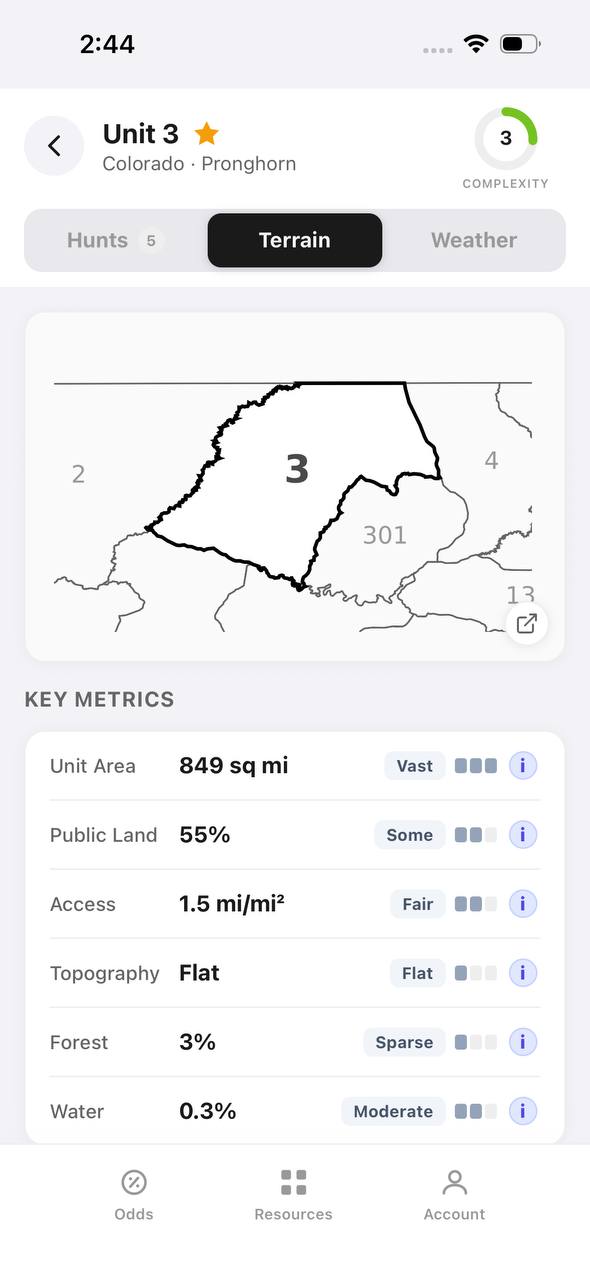
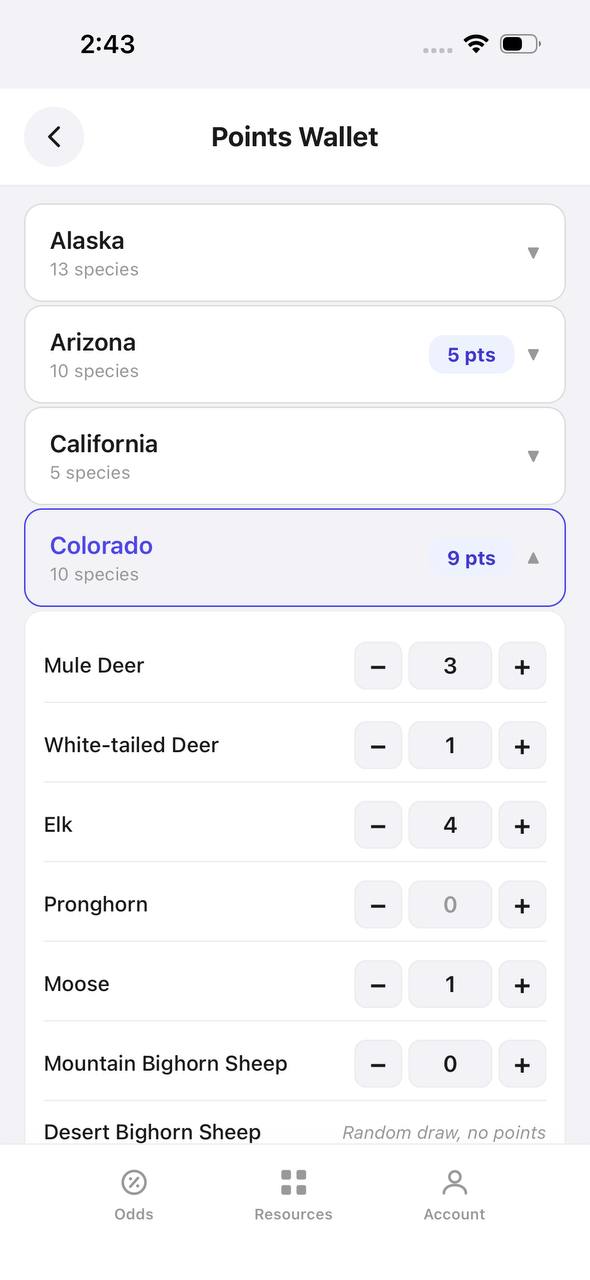
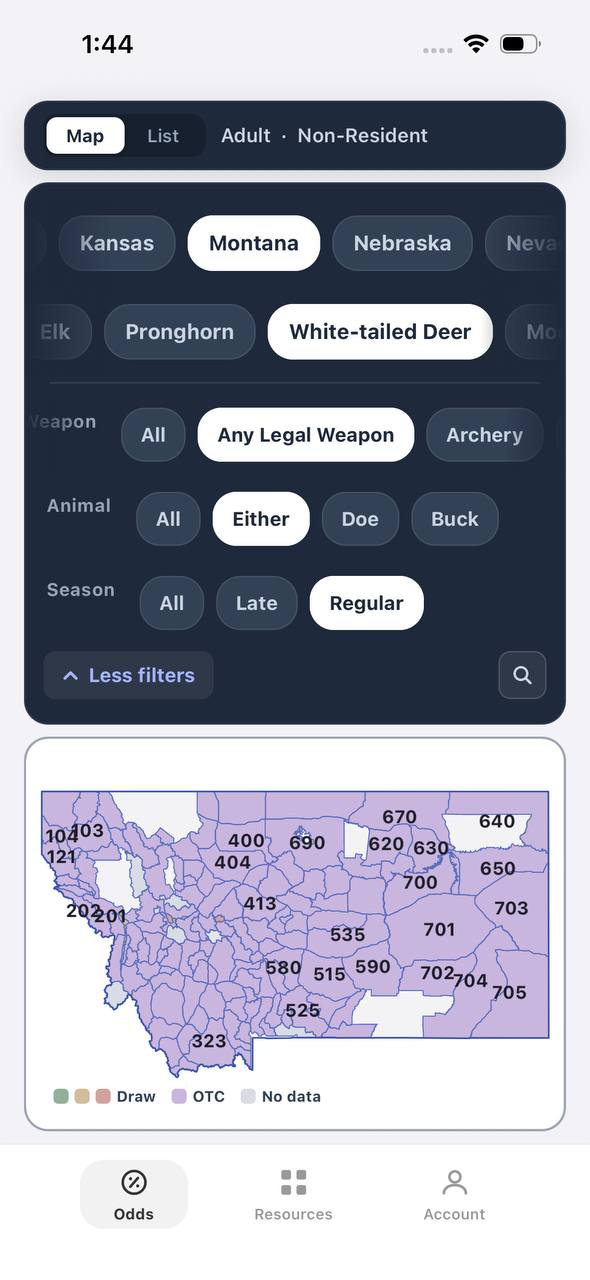
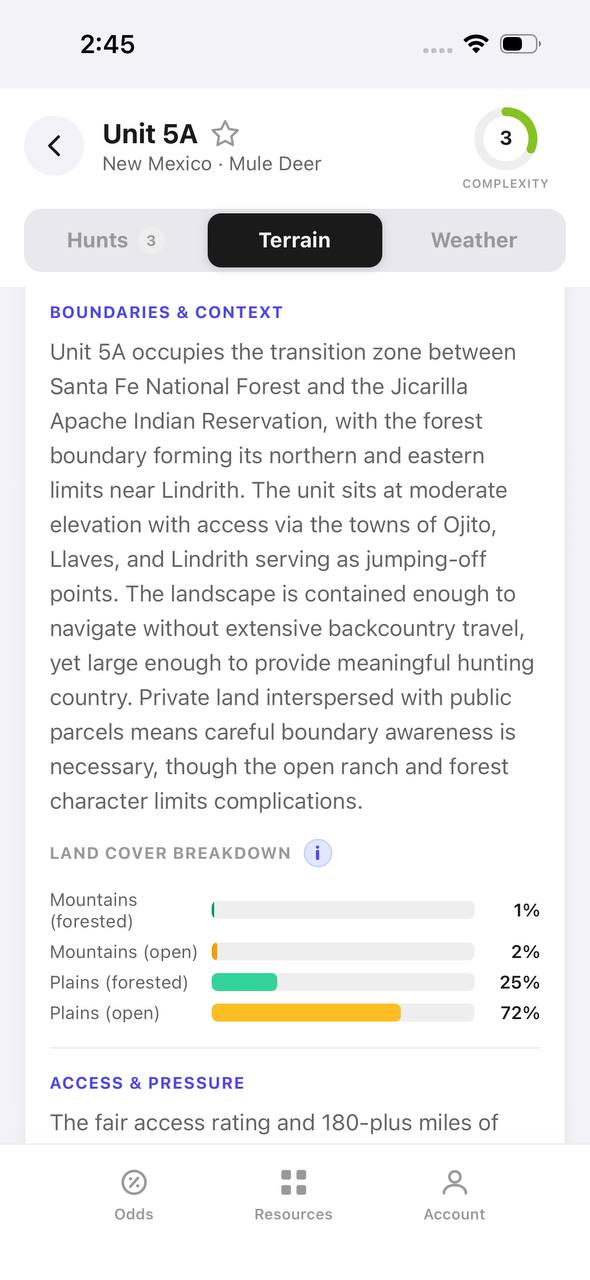
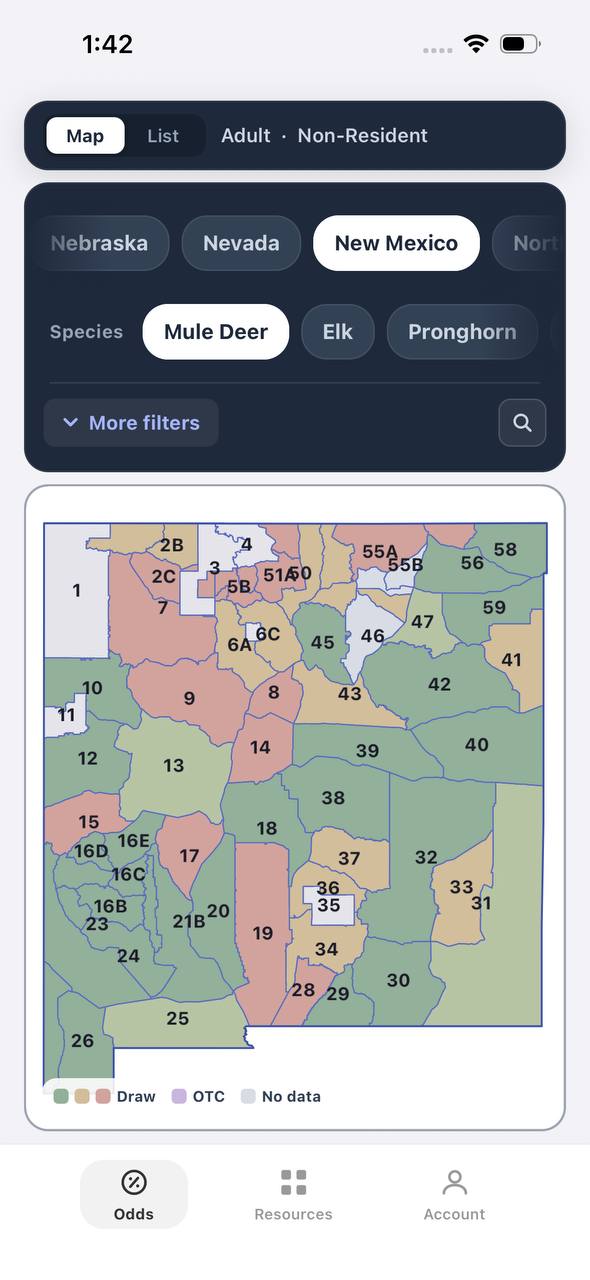
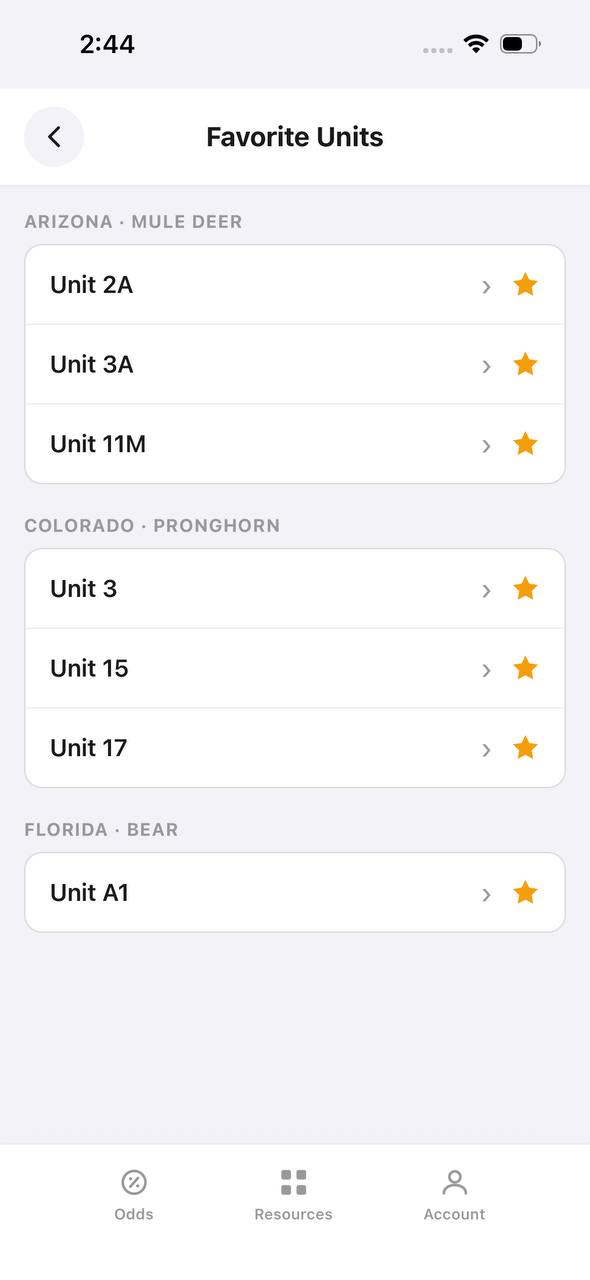
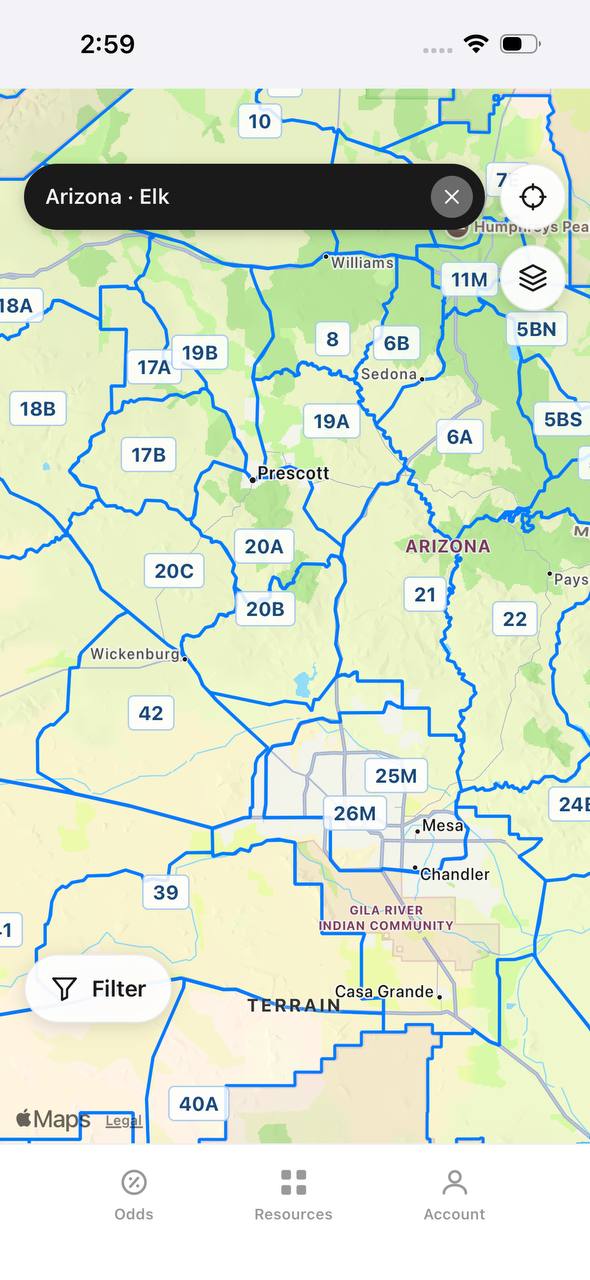
Western bowhunting success depends on preparation — knowing draw odds, scouting units, and putting yourself in position for a shot. TAGZ helps you compare draw odds across states, track preference points and bonus points so you never miss a deadline, and research units using terrain maps and public land boundaries. Whether you're chasing OTC tags or planning a limited-entry elk hunt, TAGZ gives you the data to make smarter decisions before you step into the field.
But once you're on the mountain, execution matters. The right bow won't make up for poor shot placement or lack of practice. It will, however, give you confidence to take the shot when the opportunity comes — and that confidence is worth every dollar you spend.
FAQ — Best Compound Bows Under $1,500
What is the best compound bow for elk hunting under $1,500? The Mathews Lift 33 and Hoyt RX-9 are top choices for elk, offering 335–338 fps speeds, smooth draw cycles, and enough mass (4.3–4.5 lbs) to steady your pin on long shots. Both handle heavy arrows and fixed-blade broadheads without tuning issues.
Is a $1,500 bow worth it compared to a $2,500 flagship? For most hunters, yes. The performance gap is minimal — you sacrifice exotic materials and marginal refinements, not core capability. A $1,500 bow in the hands of a practiced shooter will outperform a $2,500 bow shot poorly.
How fast should a hunting bow shoot? 330–340 fps is ideal for western hunting. Higher speeds flatten trajectory and increase kinetic energy, but anything above 345 fps often comes with increased noise, vibration, and difficulty tuning broadheads.
Can I buy a good compound bow online without shooting it first? Not recommended. Draw cycle feel, grip geometry, and overall fit vary dramatically between bows with identical specs. Always shoot before buying, or purchase from a retailer with a generous return policy.
What draw weight should I use for elk? 60–70 pounds is standard for elk. This delivers sufficient kinetic energy (50+ ft-lbs) for complete pass-throughs on quartering shots with heavy arrows (450+ grains). If you can't comfortably draw and hold 60 pounds, drop to 55 and focus on shot placement.
How long do compound bows last? 10–15 years with proper maintenance. Strings and cables need replacement every 2–3 years or 5,000+ shots. Cams and limbs can last decades if the bow isn't dry-fired or stored under tension.
Continue Planning Your Hunt
Choosing the right bow is one piece of a successful western hunt. TAGZ helps you plan the rest — from researching unit terrain and filtering hunts by weapon season to tracking draw deadlines across multiple states. Whether you're targeting OTC archery tags or building preference points for a trophy limited-entry unit, TAGZ gives you the tools to maximize your draw opportunities and hunt smarter.
Explore more western hunting insights and gear recommendations on the TAGZ Insights blog. Ready to start planning your next hunt? Check out TAGZ product features or review pricing options to see how the platform simplifies multi-state applications and unit research. For hunters serious about improving their odds, TAGZ turns guesswork into strategy.
Was this article helpful?
Previous
Best Compound Bows for Whitetail Hunting in 2026
The 2026 compound bow market delivers whitetail-specific models optimized for tight cover, treestand hunting, and quick-draw shots. We break down the top picks by speed, stealth, and forgiveness to help you choose the right bow for your hunting style.
Related
Best Compound Bows Under $1,000 in 2026 — Top Picks for Western Bowhunters
The compound bow market under $1,000 delivers serious hunting performance in 2026. These seven models balance speed, accuracy, and shootability for western big game without the flagship price tag.
Next
Best Lightweight Compound Bows for Backcountry Hunting in 2025
Backcountry bowhunters need gear that performs at altitude without destroying their backs. We break down the best lightweight compound bows under 4.5 pounds, comparing draw cycles, forgiveness, and real-world packability for mountain hunters.