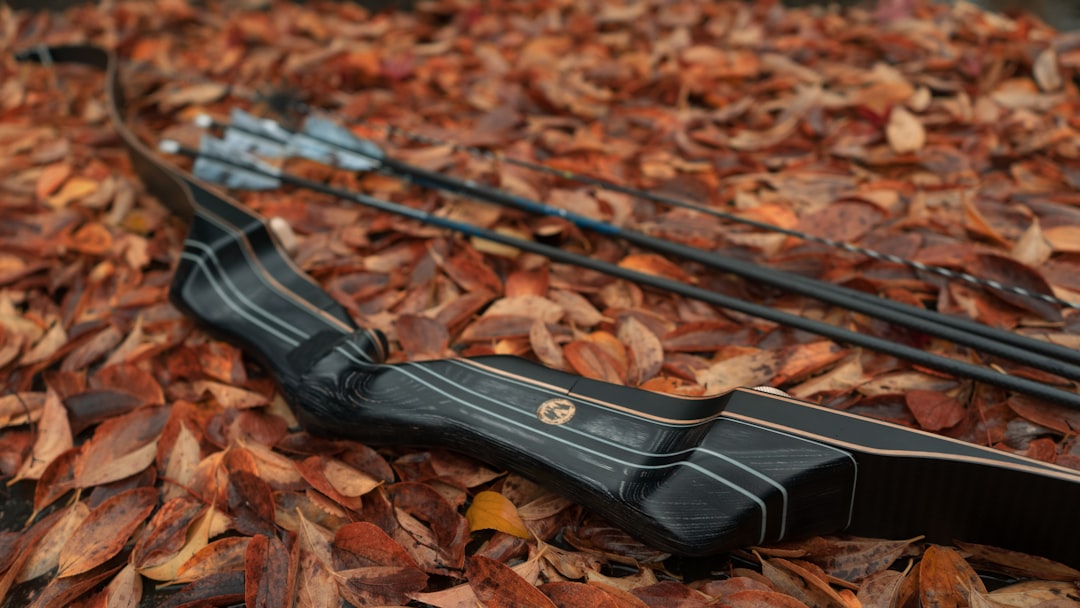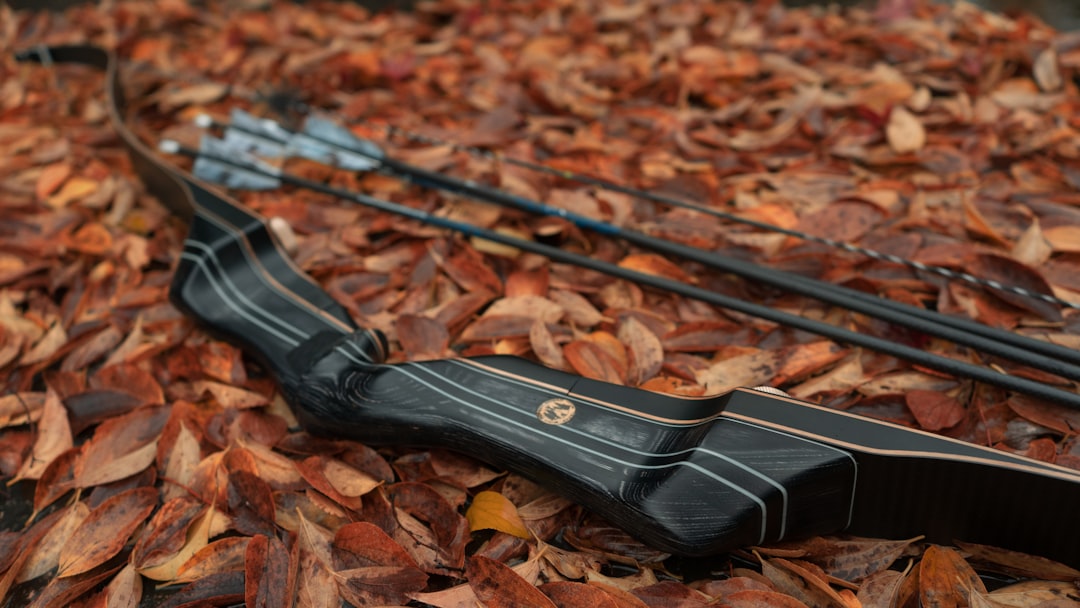
Hunting from a treestand changes everything about your bow requirements. You need compact geometry for tight quarters, a forgiving brace height for awkward shooting positions, and dead-silent performance when a mature buck works into range fifteen feet below your platform. The best treestand bows balance maneuverability with accuracy, keeping you confident whether you are drawing on a bedded doe at seven yards or a cruising eight-pointer at thirty.
This guide focuses on the compound bows that excel in elevated setups for 2026. We prioritize short axle-to-axle platforms, smooth draw cycles that stay quiet on the draw, and features that matter when you are locked into a safety harness with limited shot windows.
Why Treestand Bows Need Different Specs
Shooting from elevation introduces variables that ground-level stalking never presents. Your body position changes, often forcing you to cant or twist to clear shooting lanes. Branch clearance becomes critical, especially on public land where you cannot trim every obstruction. A bow that feels perfect on flat ground can become unwieldy when you are twenty feet up, trying to rotate 180 degrees to cover a trailing buck.
Axle-to-axle length drives maneuverability. Bows under 32 inches handle tight spaces better, reducing the chance of bumping limbs against your stand or hitting overhead branches on the draw. Shorter bows also reposition faster when deer approach from unexpected angles. Brace height affects forgiveness, critical when you are shooting downhill with your anchor point potentially compromised by bulky clothing or an offset stance. A seven-inch brace height forgives minor form breakdowns better than a six-inch speed bow.
Noise control matters more from a treestand than anywhere else. Sound travels differently through timber, and deer below you will pinpoint the source instantly. The best treestand bows incorporate integrated dampening systems, limb dampeners, and string suppressors that kill vibration before it reaches your shooting rail.
Top Compound Bows for Treestand Setups in 2026
Mathews Phase4 29
The Phase4 remains the benchmark for treestand hunters who refuse to compromise. At 29 inches axle-to-axle with a 6.5-inch brace height, it splits the difference between speed and forgiveness. The Switchweight technology lets you adjust draw weight without a bow press, useful when layering up for late-season sits changes your effective draw length. The integrated Harmonic Stabilizer and Harmonic Damper kill vibration at the source, making this one of the quietest flagship bows available.
Real-world performance centers on the draw cycle. The Phase4 builds smoothly without stacking, critical when you need to hold at full draw while a deer works through thick cover. The back wall stays solid under fatigue, and letoff options from 75% to 85% accommodate different holding preferences. Speed hits 342 feet per second IBO, fast enough for longer shots without sacrificing the smooth release that matters on quartering-away angles.
Mathews builds this bow for hunters who log long hours on stand. The finish resists wear from climbing sticks and hang-on brackets, and the riser geometry balances naturally in one hand during long carries to remote setups.
Hoyt Torrex XT
Hoyt designed the Torrex XT specifically for whitetail hunters working tight timber. At 30 inches axle-to-axle with a 6.75-inch brace height, it favors forgiveness over raw speed. The ShockPod system in the riser absorbs hand shock better than any external stabilizer, keeping your pin settled on target through the release. For treestand hunters who fight target panic or struggle with punching the trigger, this bow smooths out bad habits.
The split-yoke cable system reduces serving wear and keeps tuning stable across temperature swings. If you hunt from September velvet through January cold snaps, the Torrex holds zero without constant paper tuning. The InVelvet Cam runs quieter than Hoyt's previous speed cams, addressing the only real complaint from earlier Torrex models.
Weight sits at 4.4 pounds bare bow, light enough for all-day carries but heavy enough to stay steady in wind. The longer brace height shines on steep downhill shots where form consistency breaks down. You can get sloppy on your release and still drive arrows through the boiler room.
Bowtech Solution SS
Bowtech built the Solution SS for hunters who need maximum adjustability without buying multiple bows. The Deadlock Cam System allows independent timing and draw length changes without a bow press, making this the best option for hunters who share equipment or frequently adjust setup for different clothing layers. At 31 inches axle-to-axle, it sits slightly longer than pure treestand bows but gains stability on longer shots.
The Deadlock technology also corrects cam lean and nocking point issues in minutes, critical for traveling hunters who need to verify tune after flying to hunting camp. The Orbit Dampener on the riser and Harmonic Stabilizer on the limbs kill vibration across multiple frequency ranges, making this one of the quietest bows in the Bowtech lineup.
Speed reaches 335 feet per second IBO with a 6.5-inch brace height that forgives form errors. The wider limb stance increases stability, noticeable when shooting from crooked ladder stands or uneven platforms. For hunters who glass from elevated positions before ranging shots, the Solution balances well in one hand without tipping forward.
Elite Enkore
Elite targets the hunter who wants compact geometry without sacrificing accuracy. The Enkore measures 30 inches axle-to-axle with a 6.375-inch brace height, threading the needle between maneuverability and forgiveness. The S.E.T. (Simplified Exact Tuning) technology uses offset string suppressors and yoke tuning to eliminate cam lean, keeping broadheads flying true even after dozens of practice shots.
The Riser Cage technology integrates the limb pockets into the riser, creating a stiffer platform that reduces torque on off-angle shots. For treestand hunters who often shoot with their body rotated or leaning around their tree, this design forgives poor body alignment better than traditional risers.
Draw cycle builds smoothly into a solid back wall without the harsh stacking that plagues some short bows. Letoff sits at 80% or 90%, and the valley feels wide enough to hold comfortably during extended draws. Speed hits 334 feet per second IBO, competitive with longer bows while maintaining the compact profile that matters in thick timber.
Prime Logic CT3
Prime builds centergaurd bows that eliminate the side-mounted cable rod found on most compounds. For treestand hunters, this design reduces snag points when maneuvering in tight spaces and balances more naturally when shooting from awkward positions. The Logic CT3 measures 33 inches axle-to-axle, slightly longer than dedicated treestand bows, but the centergaurd design makes it handle like a shorter platform.
The Parallel Cam system uses a true roller guard that reduces friction and increases efficiency. You gain 8-12 feet per second over comparable bows without increasing draw weight or reducing brace height. The 6.625-inch brace height forgives minor form breakdowns while maintaining enough speed for ethical shots past forty yards.
Prime machines every riser from billet aluminum, creating a stiffer, more consistent platform than forged or cast risers. The difference shows up when shooting in cold weather, where cheaper risers can flex under stress. The CT3 holds zero across temperature ranges that would shift point of impact on lesser bows.
Key Features That Matter From Elevation
Brace Height and Forgiveness
Brace height directly affects how much a bow forgives poor form. From a treestand, you rarely get perfect shooting position. Deer approach from bad angles, forcing you to draw with your bow arm extended awkwardly or your stance compromised by safety harness straps. A seven-inch brace height forgives these errors by reducing the time your arrow stays on the string during release.
Speed bows with six-inch brace heights punish small mistakes. Your hand torques slightly during release, and the arrow impacts six inches off center. Treestand bows in the 6.5 to 7-inch range smooth out these inconsistencies, keeping groups tight even when your form breaks down under pressure.
Noise and Vibration Control
Mature whitetails pin-point bow noise instantly. From a treestand, you cannot mask the sound with brush or terrain features. The deer is below you in open timber, and any vibration travels straight down the tree trunk. The best treestand bows use multiple dampening systems to kill noise at the source.
Integrated limb dampeners absorb vibration before it reaches the riser. String suppressors contact the string at specific frequencies, canceling out the twang that cheap bows produce. Stabilizers add mass to the riser, reducing hand shock and keeping your pin settled after release. A quiet bow gives you a second or two before the deer reacts, often the difference between a complete pass-through and a wounded animal.
Weight and Balance
Treestand bows spend most of their time hanging on a hook or resting across your lap. Weight matters less than on spot-and-stalk hunts where you carry your bow for miles. A slightly heavier bow, four to five pounds bare, actually improves stability when shooting from elevation. The extra mass dampens wind movement and keeps your pin steadier during the release.
Balance matters more than raw weight. A bow that tips forward when you hold it by the grip fatigues your wrist during long sits. The best treestand bows balance naturally at the grip, allowing you to hold them one-handed while glassing or repositioning without fighting constant torque.
How to Set Up Your Bow for Treestand Hunting
Adjusting for Downhill Angles
Shooting downhill from a treestand changes your effective range. The horizontal distance to the target is shorter than the actual distance your rangefinder measures. Most modern rangefinders compensate for angle, giving you true horizontal distance. Dial your sight to this adjusted yardage, not the line-of-sight measurement.
Practice shooting downhill before the season. Set up a ground target below your practice stand and shoot from realistic heights and angles. Most hunters shoot high on their first treestand opportunities because they anchor differently when bending at the waist. Repetition builds muscle memory that compensates for the angle automatically.
Clearance and Shooting Lanes
Compact bows shine when you are threading arrows through narrow shooting lanes. A 29-inch axle-to-axle bow clears branches that would catch a 34-inch platform. Before the season, trim shooting lanes to accommodate your bow's width plus six inches on each side. Mark distances with small reflective tacks so you can range landmarks quickly when deer appear.
Consider your draw length when clearing lanes. A 29-inch draw adds another two feet behind you at full draw. Make sure you can draw your bow without hitting branches behind your stand, especially on stands that back up against thick timber.
Accessories for Treestand Setups
A bow-mounted quiver keeps your arrows accessible without adding bulk to your stand platform. Choose quivers that dampen vibration and integrate with your bow's balance point. Cheap quivers shift point of impact and add noise that spooks deer.
Short stabilizers, six to eight inches, balance the bow without catching on branches during the draw. Longer stabilizers improve accuracy on flat ground but become liabilities in tight quarters. A rubber-coated stabilizer absorbs more vibration than bare carbon, critical when every ounce of noise matters.
Use a rope or pulley system to lift your bow into the stand after you climb. Pulling a bow up with you on climbing sticks risks bumping limbs or dropping the bow. A simple paracord loop attached to your bow's riser lets you haul it up safely once you are secured in your harness.
Free to join
Download mobile app
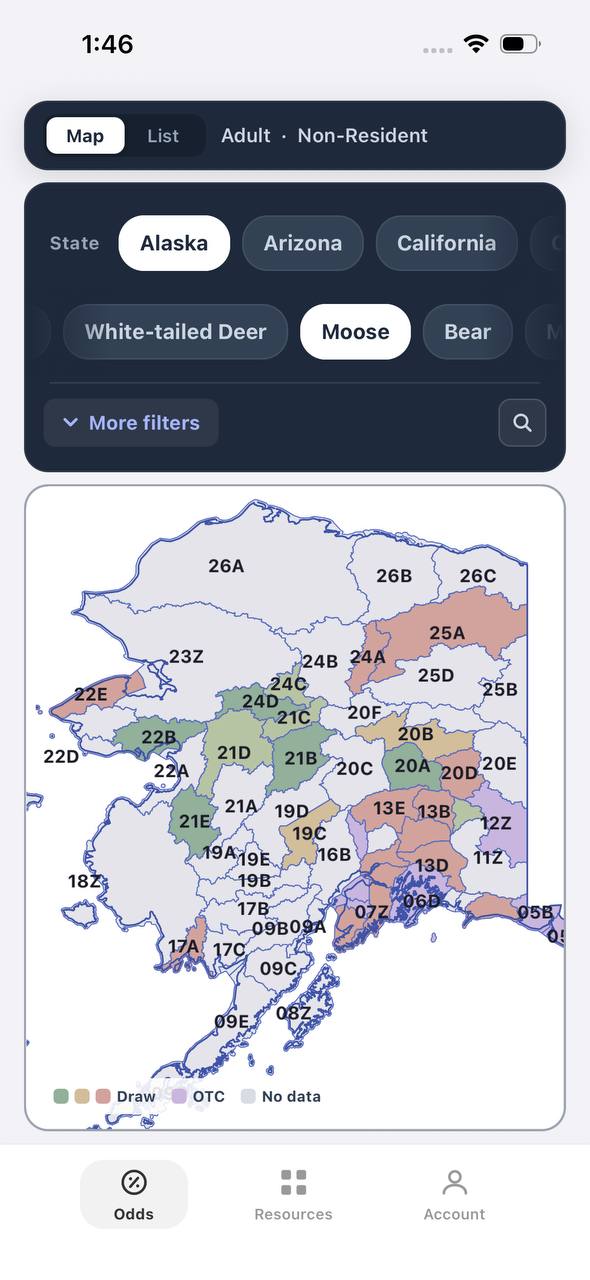
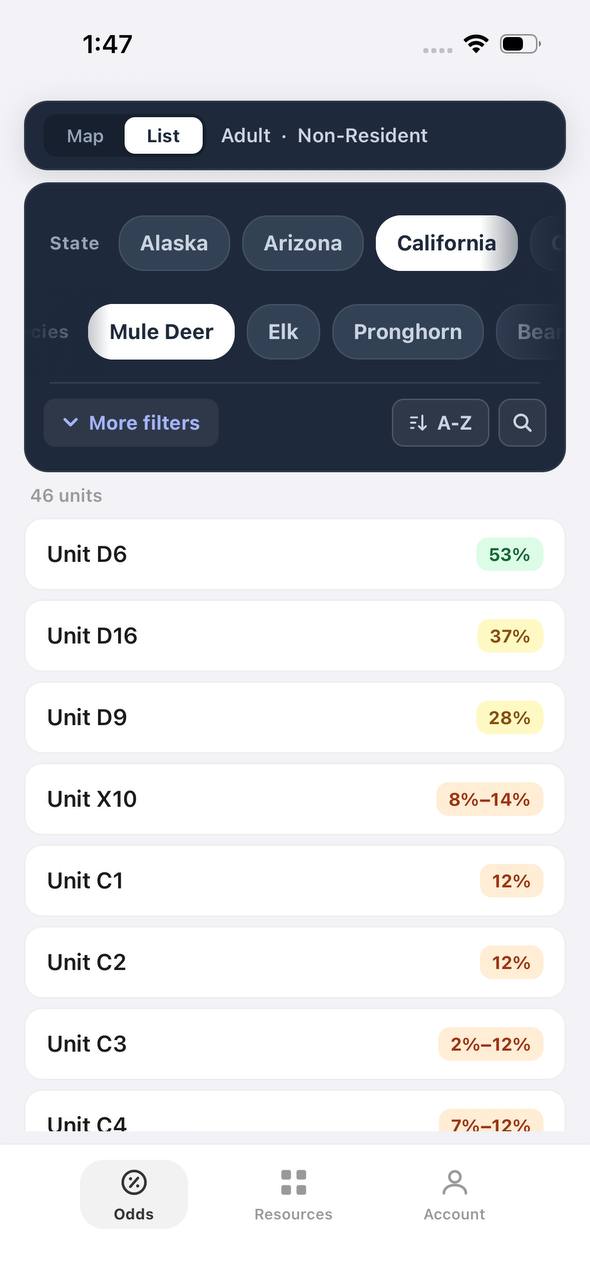
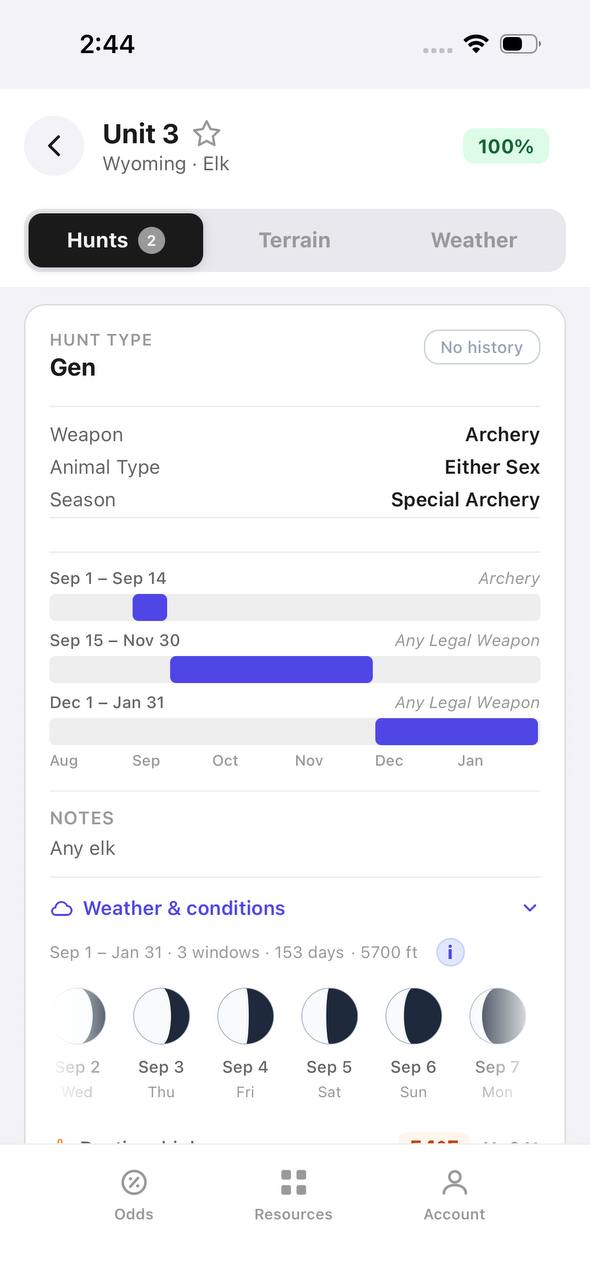
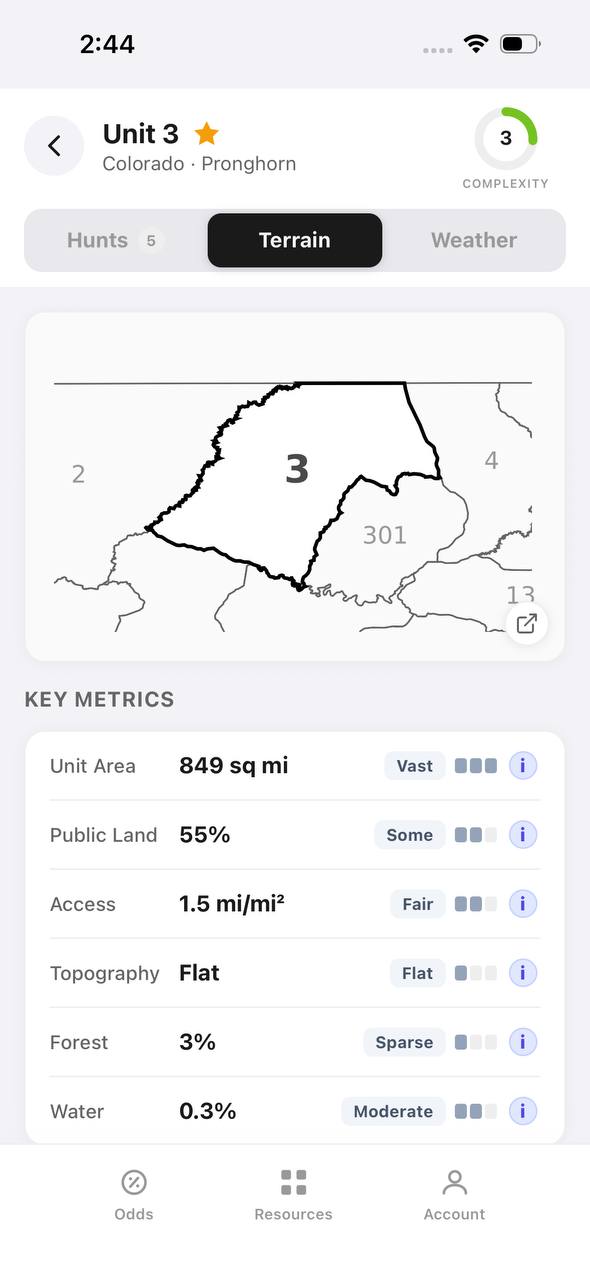
- Detailed draw odds
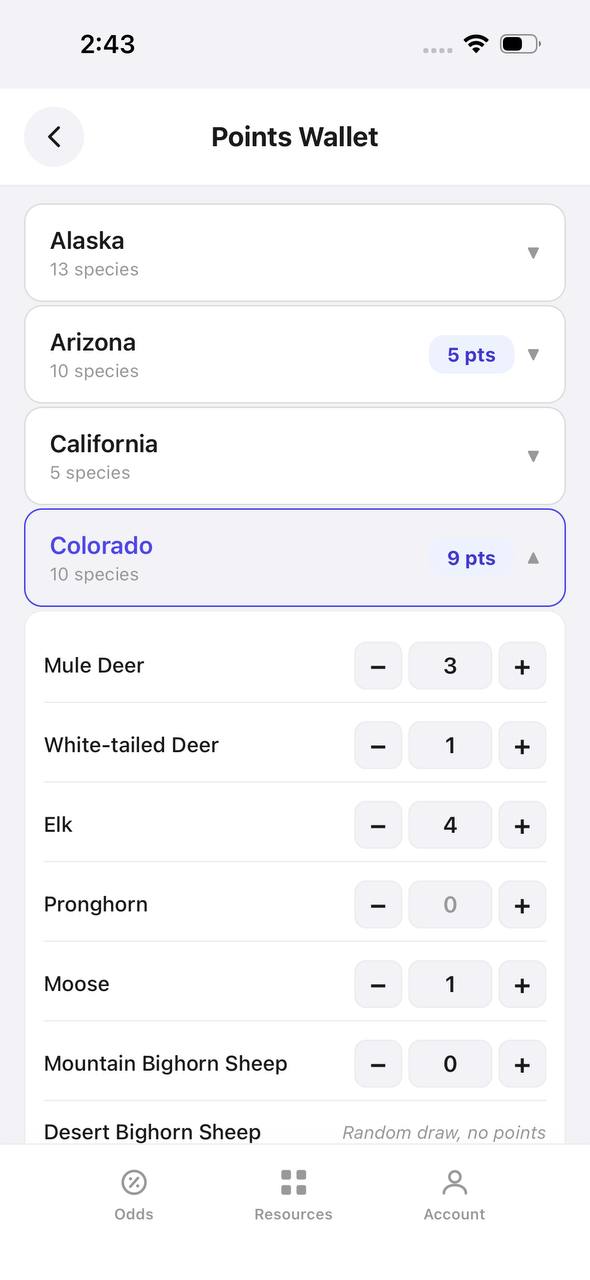
- Point tracking
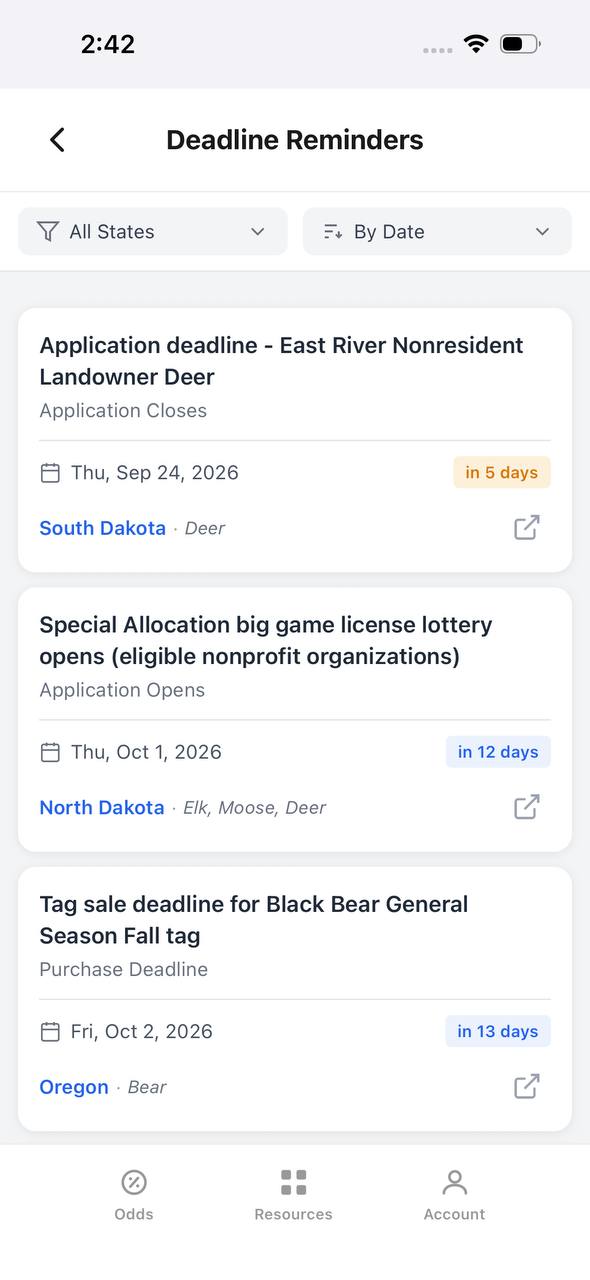
- Deadline reminders
- 18 states covered

Free to join
Download mobile app
- Detailed draw odds
- Point tracking
- Deadline reminders
- 18 states covered
Free to join
Download mobile app
- Detailed draw odds
- Point tracking
- Deadline reminders
- 18 states covered

Choosing Draw Weight for Treestand Hunting
Treestand hunters can get away with lower draw weights than spot-and-stalk archers. You are shooting from a stable platform with time to set up your shot. A 60-pound draw weight pushes a modern arrow completely through both lungs on whitetails and black bears out to forty yards. Dropping to 55 or 60 pounds reduces fatigue during long sits and smooths out your draw cycle on cold mornings when heavy clothes restrict movement.
Higher draw weights, 65 to 70 pounds, improve penetration on quartering-away shots and heavy-boned elk. If you hunt multiple species from treestands, set your bow to the minimum weight that guarantees complete pass-throughs on your largest target animal. You gain nothing from over-bowing yourself except sore shoulders and inconsistent accuracy.
TAGZ Helps You Plan Smarter Treestand Hunts
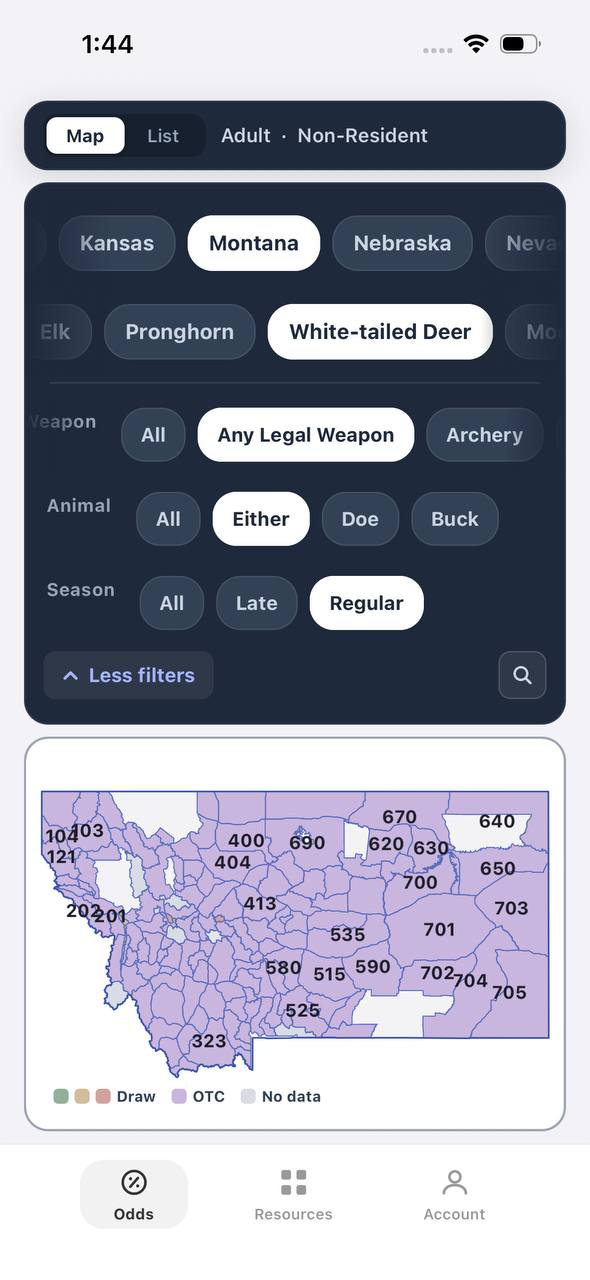
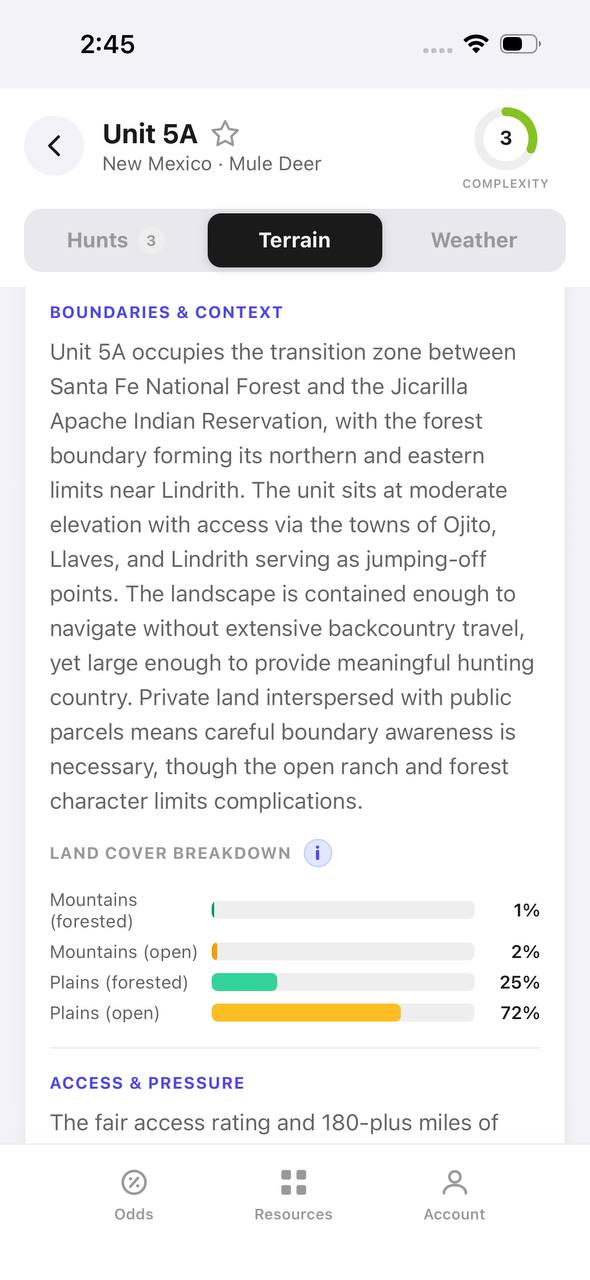
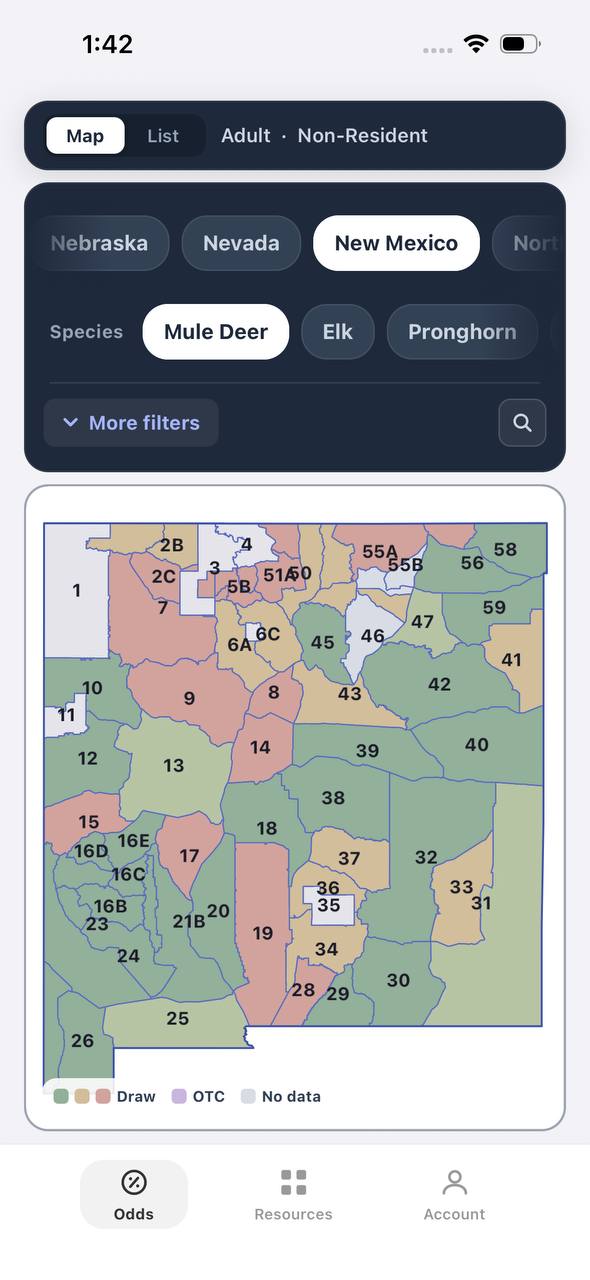
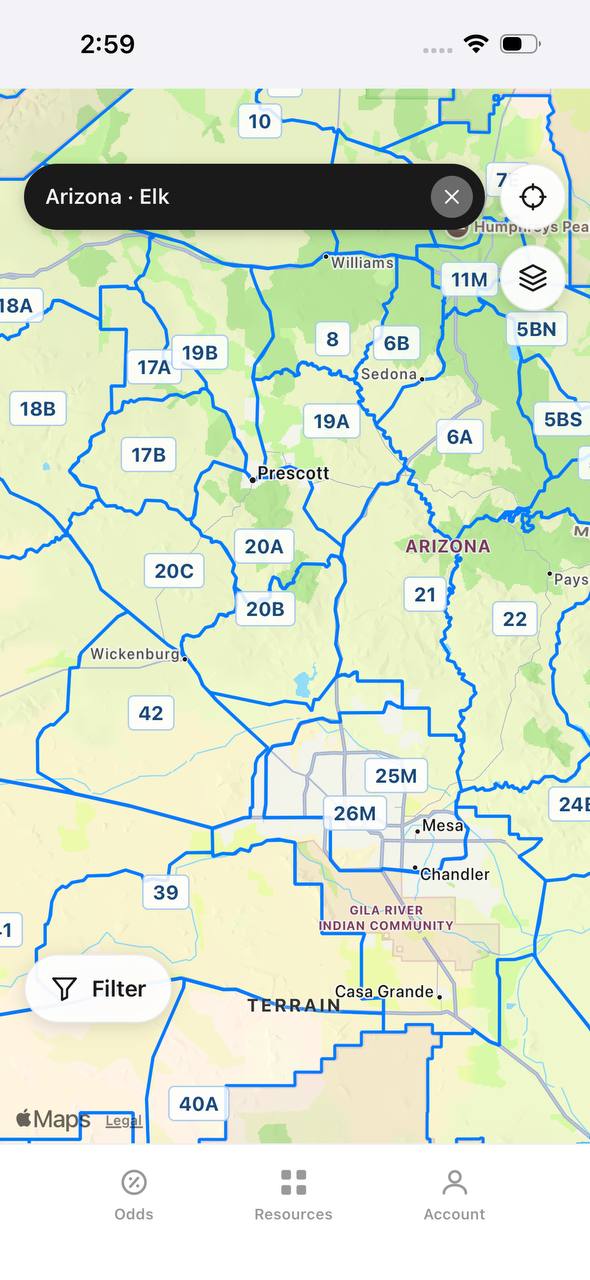
Picking the right bow matters, but knowing where to hunt drives success. TAGZ gives you the terrain maps and unit boundaries you need to identify prime treestand locations before you ever leave home. Compare public land access across states, track historical draw odds for limited-entry whitetail tags, and filter units by archery season dates so you can plan hunts during peak rut activity.
Whether you are chasing OTC whitetails in Wisconsin or applying for controlled Montana black bear hunts, TAGZ tracks your preference points and bonus points so you never miss a draw deadline. Use terrain breakdowns to locate ridge saddles and pinch points where mature bucks funnel during daylight, then cross-reference unit maps with harvest data to prioritize where you hang your stands.
Common Mistakes Treestand Hunters Make With Bow Selection
Prioritizing Speed Over Forgiveness
Speed bows sell well because 350 feet per second sounds impressive. For treestand hunting, speed past 330 feet per second rarely improves kill rates. Deer react to the sound of the shot, not the arrow itself. A quiet bow at 320 feet per second kills more effectively than a loud bow at 350 because the deer stays calm through the shot.
Forgiveness matters more from elevation. You shoot from awkward positions with limited practice opportunities at realistic angles. A forgiving bow with a longer brace height keeps your groups tight when your form breaks down under pressure.
Ignoring Bow Length
Many hunters buy the same bow they use for spot-and-stalk hunting and wonder why it feels clumsy in a treestand. Long axle-to-axle bows, 34 inches or more, bump into branches during the draw and take longer to reposition when deer approach from unexpected angles. Dedicated treestand bows under 32 inches maneuver better in tight quarters without sacrificing accuracy.
Overlooking Noise Control
A bow that sounds acceptable on flat ground becomes unacceptably loud from a treestand. Sound travels differently when you are elevated, and deer below you hear every vibration. Invest in limb dampeners, string suppressors, and rubber-coated accessories that kill noise at the source. A $50 dampening package can transform a mediocre bow into a deadly treestand setup.
FAQ — Compound Bows for Treestand Hunting
What axle-to-axle length is best for treestand hunting?
Bows between 28 and 32 inches axle-to-axle offer the best balance of maneuverability and stability. Shorter bows clear branches more easily during the draw and reposition faster when deer approach from bad angles.
Does brace height really matter for treestand shots?
Yes. Brace heights from 6.5 to 7 inches forgive form breakdowns caused by awkward shooting positions, cold weather clothing, and downhill angles. Speed bows with six-inch brace heights punish small mistakes that are common from elevation.
How much should a treestand bow weigh?
Bare bow weight between 4 and 5 pounds provides enough mass for stability without becoming cumbersome during long carries. Lighter bows feel twitchy in wind, while heavier bows fatigue your arm during extended holds.
What draw weight do I need for whitetail from a treestand?
Sixty pounds provides complete pass-throughs on whitetails out to forty yards with modern carbon arrows and fixed-blade broadheads. Higher draw weights improve penetration on quartering-away shots but increase fatigue and reduce accuracy for most hunters.
Should I use a longer stabilizer from a treestand?
Short stabilizers, six to eight inches, work better in treestands. They balance the bow without catching on branches during the draw. Longer stabilizers improve accuracy on flat ground but become liabilities in tight quarters.
How do I practice for downhill treestand shots?
Set up a practice target below an elevated platform at realistic hunting heights, fifteen to twenty-five feet. Shoot from the same angles and positions you use in the field, and dial your sight based on true horizontal distance, not line-of-sight measurements.
Continue Planning Your Hunt
The best compound bow only matters if you are hunting the right units during peak rut activity. TAGZ helps you compare draw odds across western states, track application deadlines, and research terrain features that concentrate mature bucks during archery season. Explore unit maps, filter hunts by weapon type and success rates, and build a multi-state application strategy that maximizes your chances at a treestand opportunity on public land.
Visit the TAGZ home page to create your free account and start planning smarter hunts. Check out more equipment guides and unit breakdowns on the TAGZ Insights blog, compare pricing options that fit your hunting schedule, or dive into the TAGZ platform to see how preference point tracking and unit research tools simplify western big game applications.
Was this article helpful?
Previous
Best Compound Bows for Spot-and-Stalk Hunting in 2025
Spot-and-stalk bowhunting demands compact, quiet bows that shoot accurately under field conditions. We break down the top compound bows built for covering ground, quick shots, and western terrain—from flagship flagships to budget options that perform when it counts.
Related
Best Compound Bows for Western Hunting in 2026
The top compound bows for western big-game hunters in 2026 balance speed, forgiveness, and packability for backcountry hunts. We break down the standout models from Mathews, Hoyt, Bowtech, and Elite for elk, mule deer, and mountain terrain.
Next
Carbon vs Aluminum Compound Bows: Which Is Better for Hunting in 2026?
Carbon and aluminum compound bows each offer distinct advantages for western hunters. Carbon risers deliver lighter weight and superior vibration dampening, while aluminum provides proven durability and thermal stability at a lower price point.