Calling Moose: Proven Tactics for Rattling, Grunting, and Cow Calls
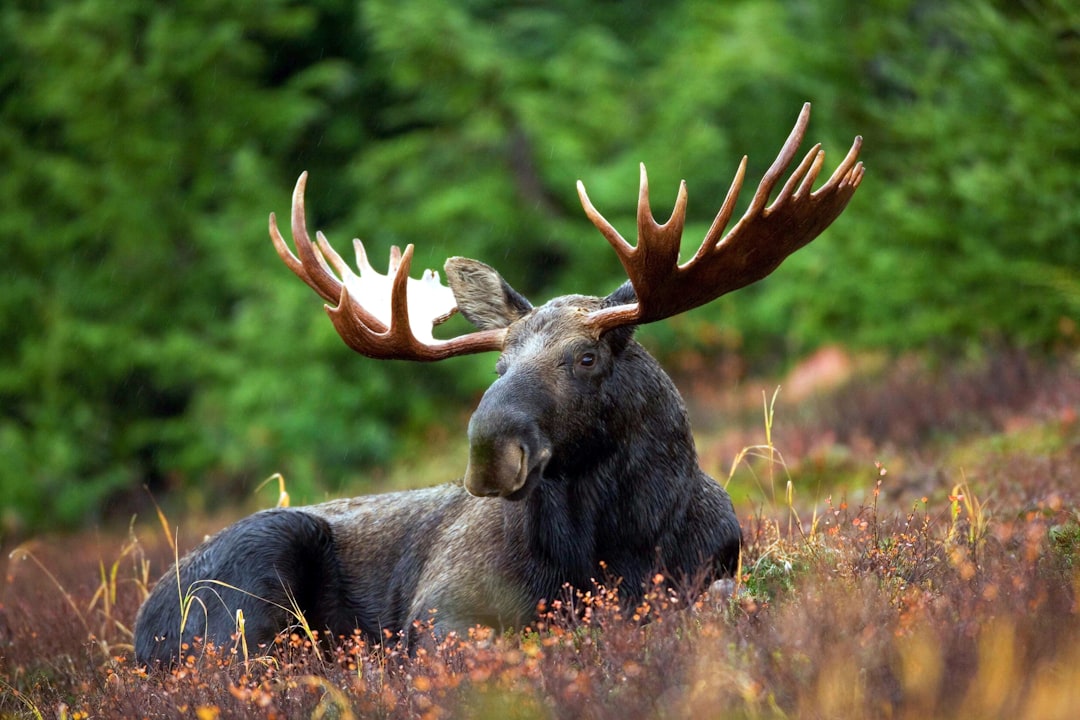
Moose calling is one of the most effective tools a hunter can use during the rut, but it requires patience, timing, and an understanding of moose behavior. Unlike elk or deer, moose are less vocal outside the breeding season, which means calling works best during a narrow window in September when bulls are actively seeking cows. A well-executed call can pull a bull from thick cover or draw him across a drainage, but poor technique or bad timing will educate bulls and shut down your hunt.
The key to successful moose calling is matching your vocalization and setup to the stage of the rut, the terrain, and the bull's mood. Bulls respond differently to cow calls, rattling, and grunt sequences depending on whether they are searching for cows, defending a breeding partner, or fighting off competitors. Understanding when to use each technique and how to sound convincing separates hunters who occasionally call in a bull from those who do it consistently.
When Moose Calling Works Best
Moose calling is most effective during the peak rut, which typically runs from mid-September through early October across most of the moose's North American range. In Alaska and northern Canada, the rut peaks slightly earlier, often starting in late August. In the northern Rockies and New England, the peak may stretch into the first week of October. The pre-rut period, roughly one week before bulls begin actively breeding, is when calling produces the most aggressive responses because bulls are searching for cows and have not yet locked down with a breeding partner.
Once a bull has paired with a cow, calling becomes less effective unless you are trying to challenge him away from her. Bulls will often ignore cow calls when they are already with a receptive female, but they may respond to antler rattling or aggressive grunts from a perceived rival. Late in the rut, after most cows have been bred, calling success drops sharply. Bulls become less responsive, and many will focus on feeding to recover from the energy expenditure of the rut.
Time of day matters as much as the calendar. Moose are most active during the first two hours after sunrise and the last two hours before dark. Calling during these windows increases your chances of getting a response. Mid-day calling can work in heavily pressured areas or when weather conditions keep moose moving, but dawn and dusk remain the prime periods.
Cow Calls and When to Use Them
The cow moose call is the most versatile tool in a moose hunter's arsenal. Cows vocalize to attract bulls, communicate with calves, and signal their location to other moose. A cow call is a long, drawn-out, low-pitched wail that rises slightly in pitch and then falls off. It sounds like a combination of a groan and a moan, and it carries for miles in open terrain.
Use cow calls when you want to locate bulls or draw them toward your position during the early and peak rut. Bulls will often respond to a cow call with a grunt or by moving directly toward the sound. The key is to avoid overcalling. One to three cow calls per setup is usually enough. Wait at least 15 to 20 minutes between calling sequences to give a bull time to respond and approach. Overcalling can make you sound desperate or unnatural, and bulls that have been called to before will recognize the pattern and avoid you.
Cow calls work best in open terrain where sound carries well — creek bottoms, meadows, and open timber. In thick cover, bulls may respond but struggle to pinpoint your location, which can lead to them circling downwind or hanging up out of range. When calling in dense cover, consider moving after each calling sequence to close the distance or reposition for a better shot opportunity.
Rattling Antlers to Imitate Bull Fights
Rattling antlers is one of the most effective ways to challenge a dominant bull or draw in a subordinate bull looking for an opportunity to breed. Moose bulls clash antlers during the rut to establish dominance and push rivals away from cows. The sound of two bulls fighting is loud, percussive, and carries well through timber and across water. A bull that hears rattling will often respond aggressively, especially if he believes another bull is moving in on his territory.
To rattle effectively, use a real set of moose antlers, moose scapula bones, or synthetic rattling paddles designed for moose. Hold one antler in each hand and clash them together with force, then twist and grind them against each other to mimic the sound of bulls locking up and pushing. A typical rattling sequence lasts 20 to 30 seconds, followed by silence. Wait five minutes, then rattle again. Repeat this sequence two or three times per setup.
Rattling works best during the peak rut when bulls are competing for breeding access. It is less effective early in the pre-rut when bulls are still tolerant of each other and late in the rut when dominance hierarchies have been established. Combine rattling with grunt calls to make the sequence more realistic. A bull that hears rattling followed by deep grunts will assume two bulls are fighting over a cow, which increases the urgency of his response.
One common mistake is rattling too softly. Moose are massive animals, and their antlers produce deep, resonant sounds when they clash. Do not be afraid to hit the antlers hard. A weak rattling sequence sounds unconvincing and may not carry far enough to reach distant bulls.
Bull Grunts and Aggressive Vocalizations
Bull moose grunt to communicate dominance, challenge rivals, and signal their presence to cows. A bull grunt is a short, deep, guttural sound — more of a cough or bark than a true grunt. Bulls often grunt while thrashing brush or raking their antlers against trees, and they will grunt repeatedly when approaching a cow or responding to another bull.
Use bull grunts when you want to challenge a bull directly or make him believe another bull is moving in on his cow. Grunt sequences work best in combination with rattling or cow calls. For example, start with a cow call to simulate a receptive female, wait 10 minutes, then rattle and grunt to make it sound like a rival bull has arrived. This sequence often triggers an aggressive response from a nearby dominant bull.
Bull grunts should be short and repetitive — three to five grunts in quick succession, followed by silence. Avoid long, drawn-out grunts, which sound unnatural. If you are using a commercial moose call, practice the rhythm and tone before the hunt. Many hunters grunt too high-pitched or too softly, which makes them sound like a smaller, less mature bull. A mature bull grunt is deep, forceful, and unmistakable.
Free to join
Download mobile app
- Detailed draw odds
- Point tracking
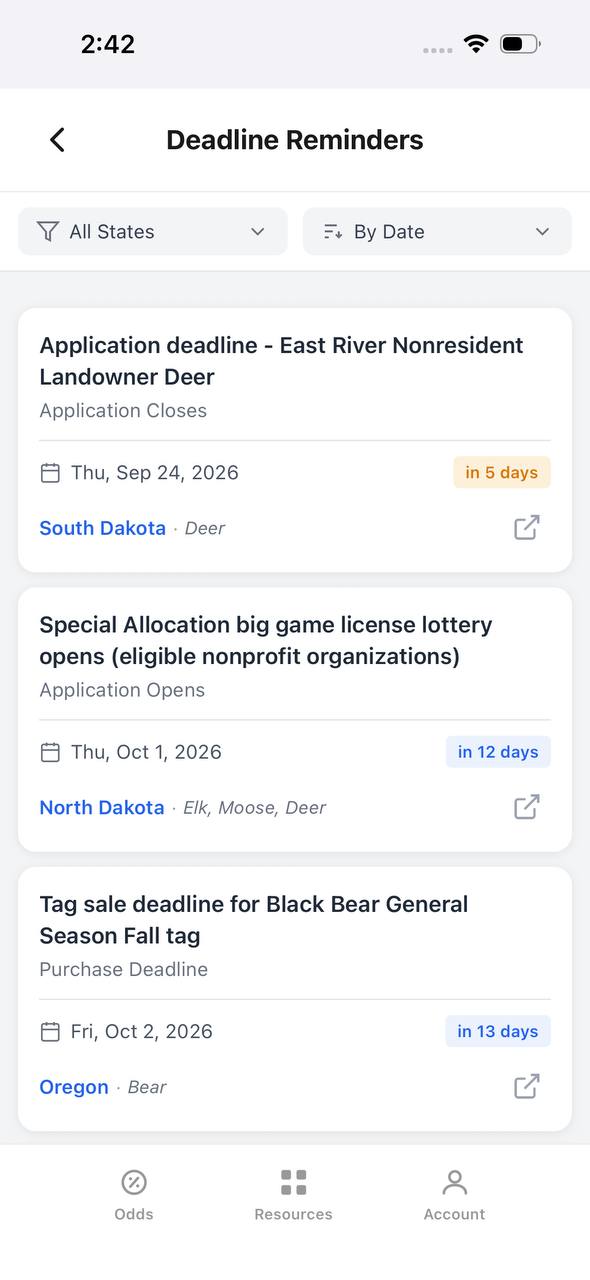
- Deadline reminders
- 18 states covered

Free to join
Download mobile app
- Detailed draw odds
- Point tracking
- Deadline reminders
- 18 states covered
Free to join
Download mobile app
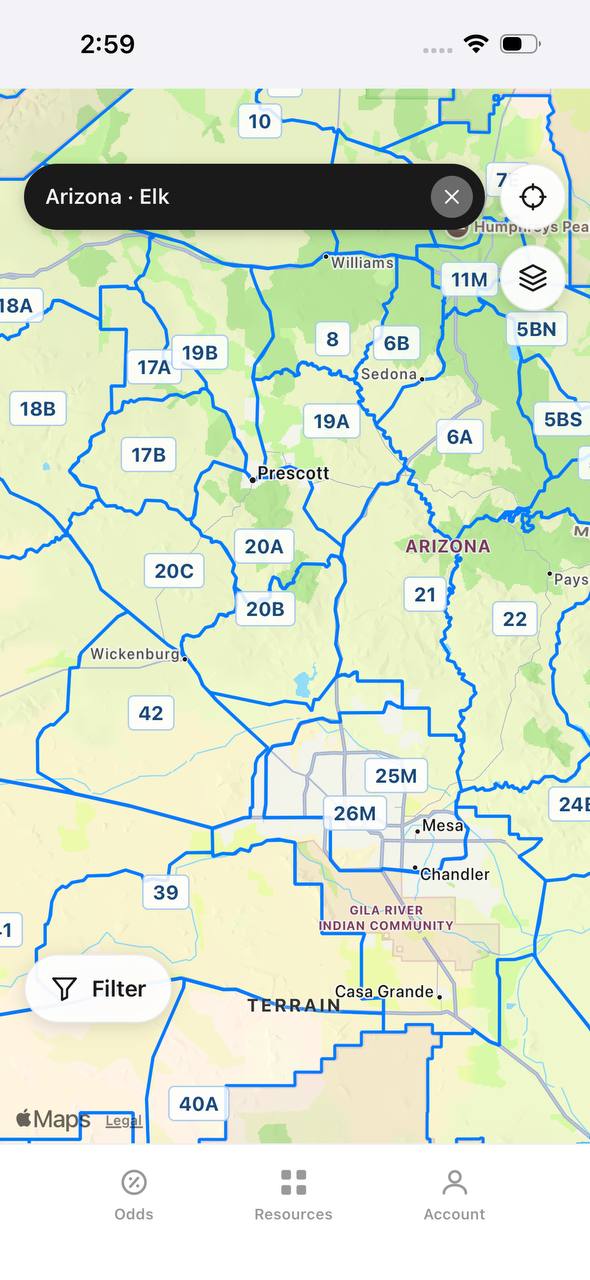
- Detailed draw odds
- Point tracking
- Deadline reminders
- 18 states covered
Setting Up for a Called-In Bull
Setup is as important as calling technique. Moose have excellent hearing and a keen sense of smell, so positioning yourself correctly increases your odds of a shot opportunity. Always set up with the wind in your face or quartering away from the direction you expect a bull to approach. Moose will often circle downwind before committing, so consider placing a hunting partner or decoy upwind of your position to intercept a circling bull.
Choose a setup location with good visibility and clear shooting lanes. Moose often approach slowly and stop frequently to look and listen, so you need to be able to see movement at 50 to 100 yards. Avoid setting up in thick cover unless you are using rattling to draw a bull in close. In open timber or meadows, set up near natural funnels like creek crossings, saddles, or transition zones between bedding and feeding areas.
If you are hunting with a partner, designate one person as the caller and the other as the shooter. The caller should position slightly behind and to the side of the shooter, creating the illusion that the moose sounds are coming from a single location. The shooter should remain motionless and ready, as bulls often appear suddenly and offer only a brief window for a shot.
Common Mistakes When Calling Moose
One of the biggest mistakes hunters make is calling too often. Moose are not as vocal as elk, and excessive calling sounds unnatural. Stick to one to three calling sequences per setup, and wait at least 15 to 20 minutes between sequences. If a bull does not respond after three sequences, move to a new location rather than continuing to call in the same spot.
Another common error is using the wrong call at the wrong time. Cow calls work best early in the rut when bulls are searching for females. Rattling and grunts work best during the peak rut when competition is high. Using rattling too early or cow calls too late reduces your chances of a response. Pay attention to sign — fresh rubs, wallows, and tracks — to gauge where bulls are in the rut cycle and adjust your calling strategy accordingly.
Many hunters also fail to remain patient after calling. Moose often take 20 to 40 minutes to respond, and they may approach silently. Bulls have been known to hang up 100 yards away and watch for movement before committing. Stay alert, stay still, and glass frequently after calling. A bull may be closer than you think.
How TAGZ Helps You Plan Your Moose Hunt
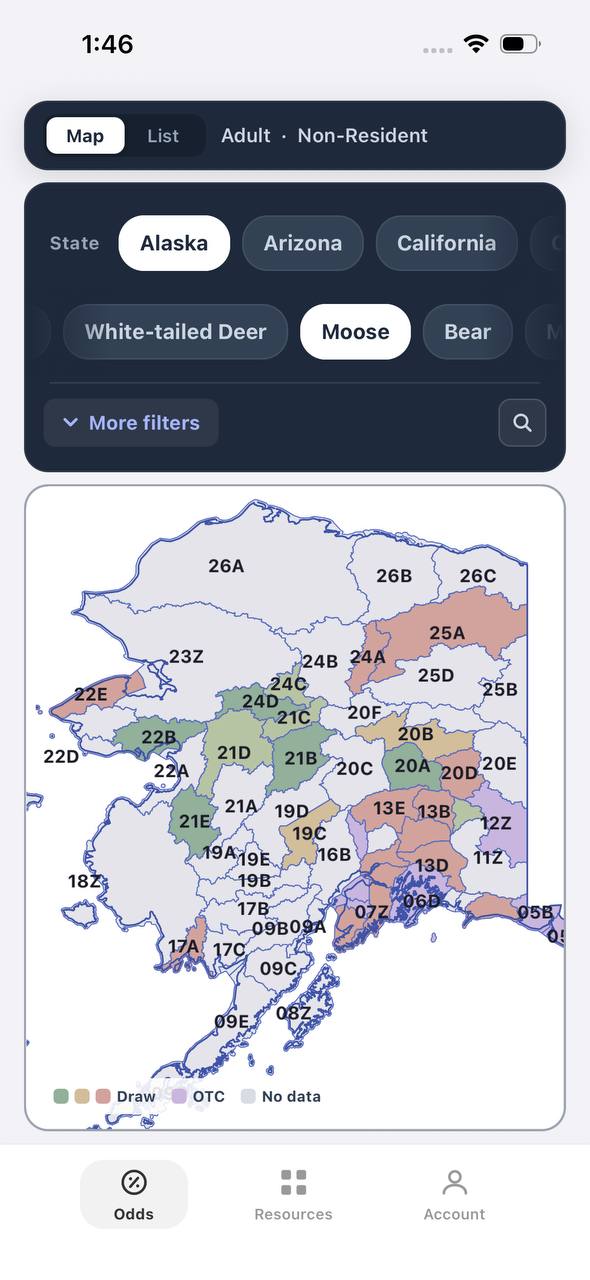
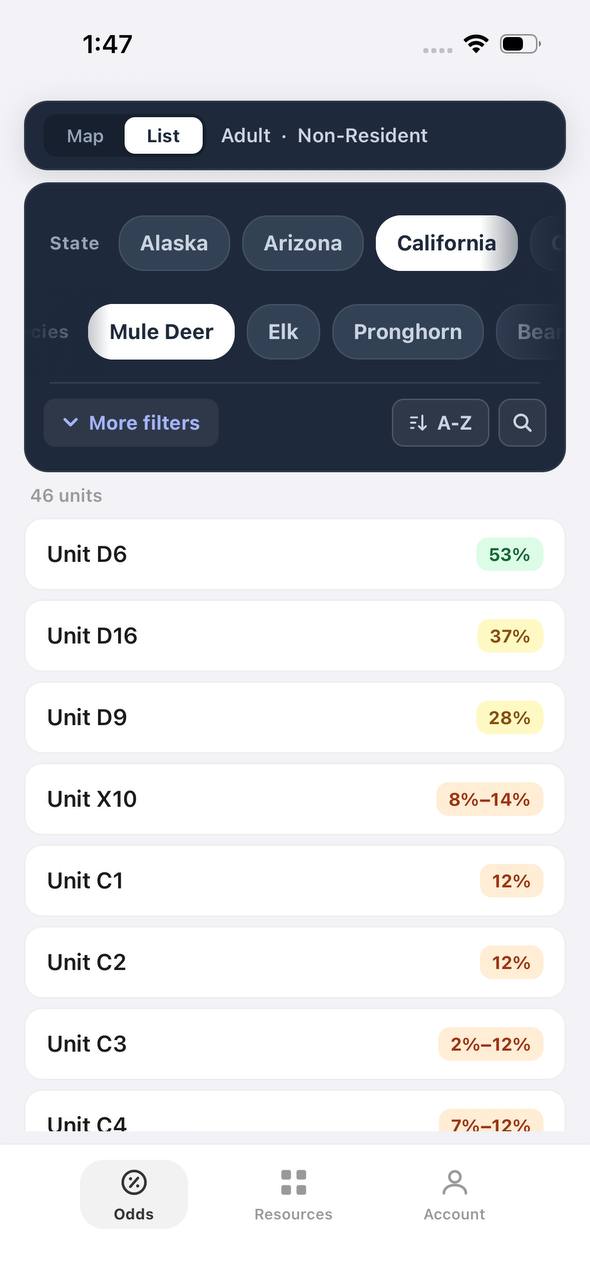
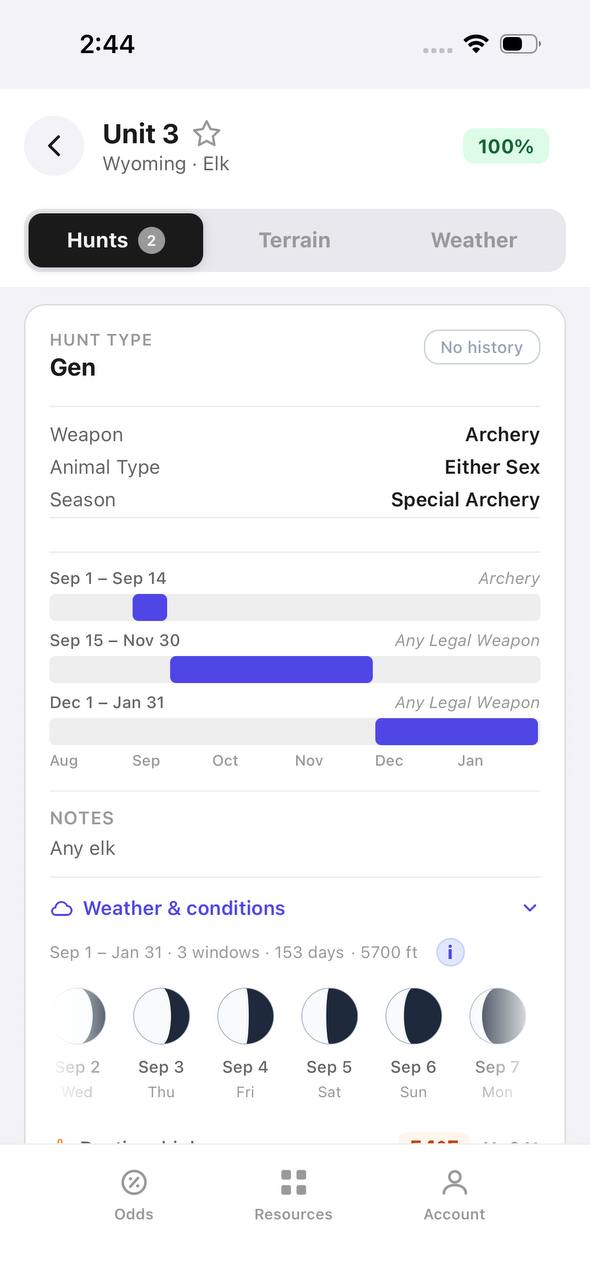
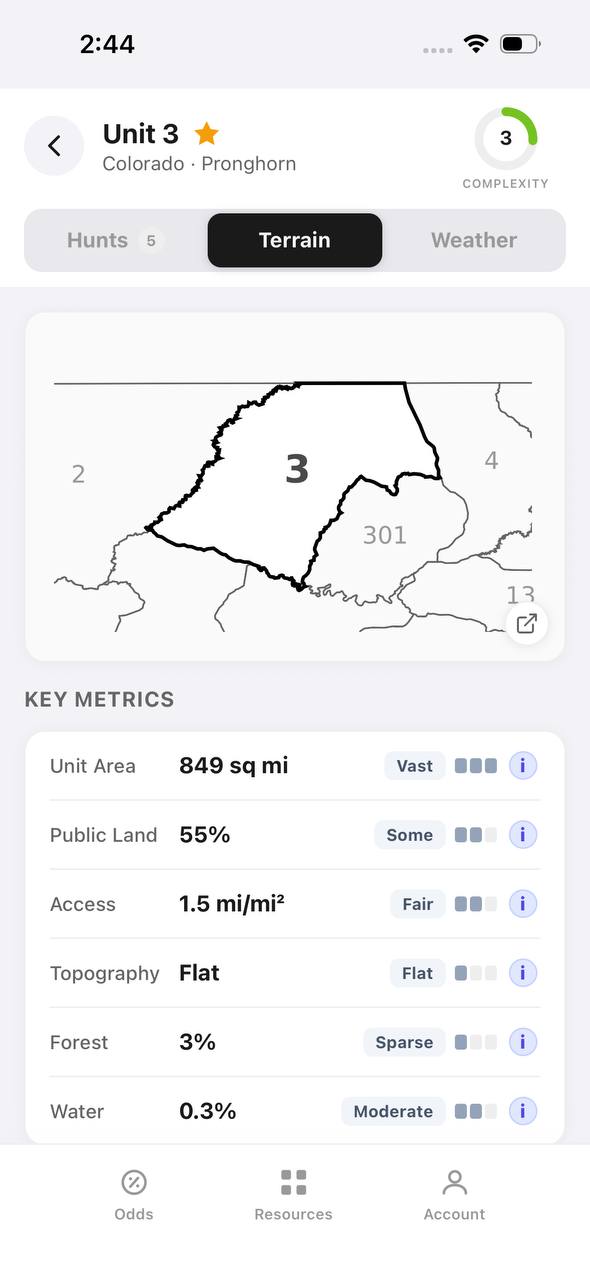
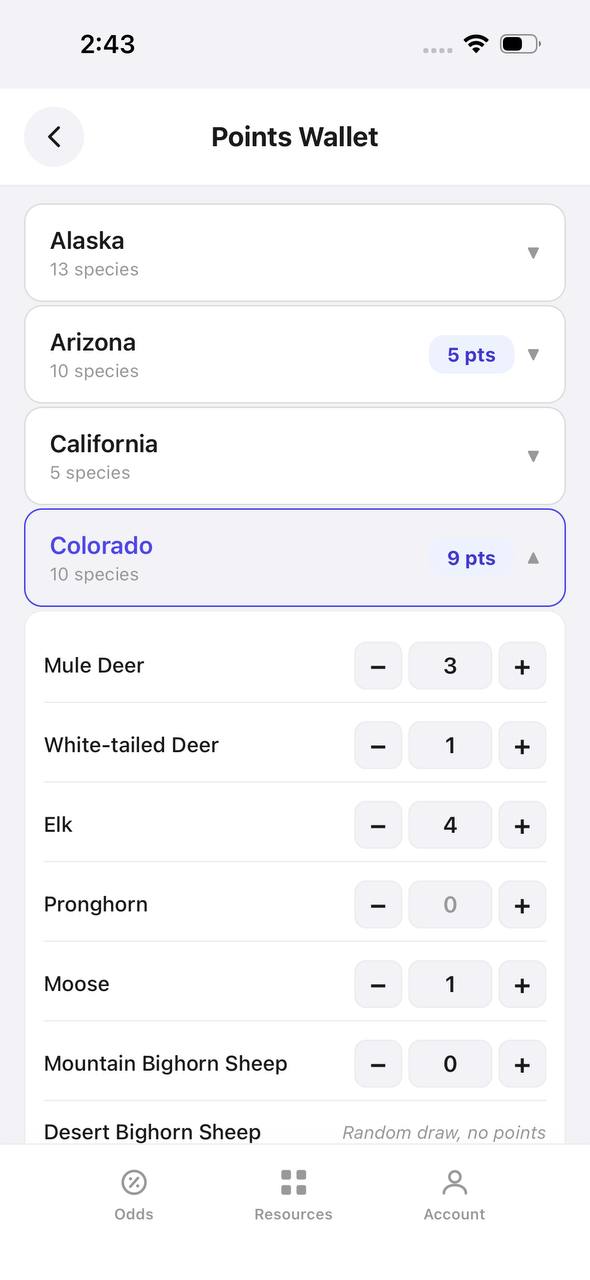
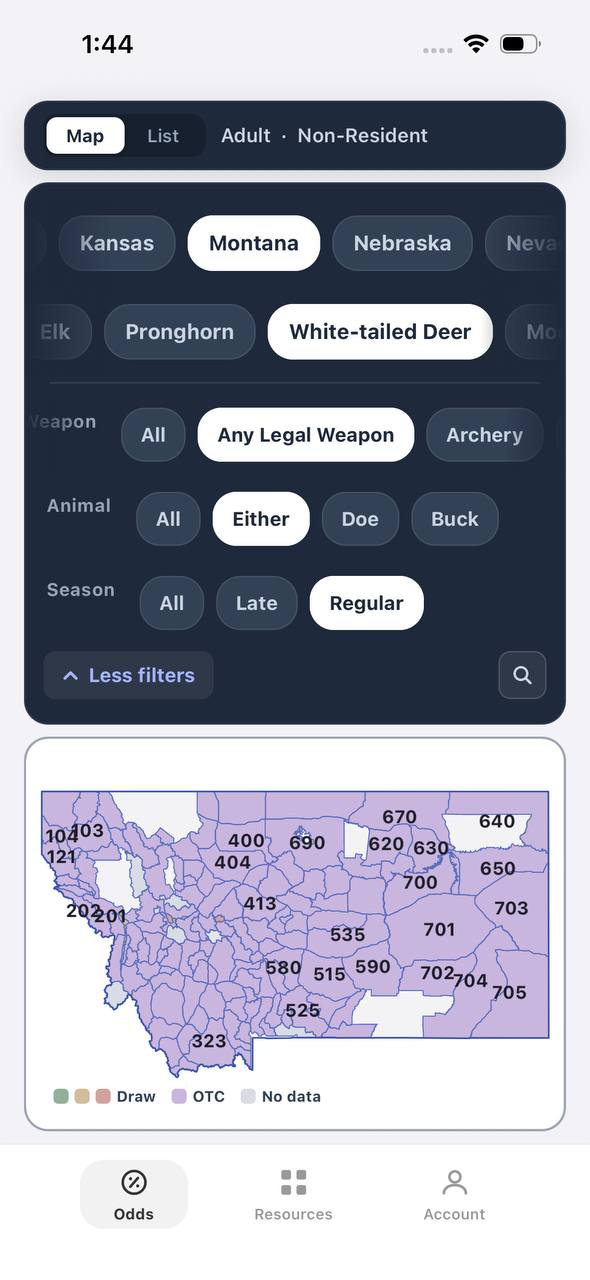
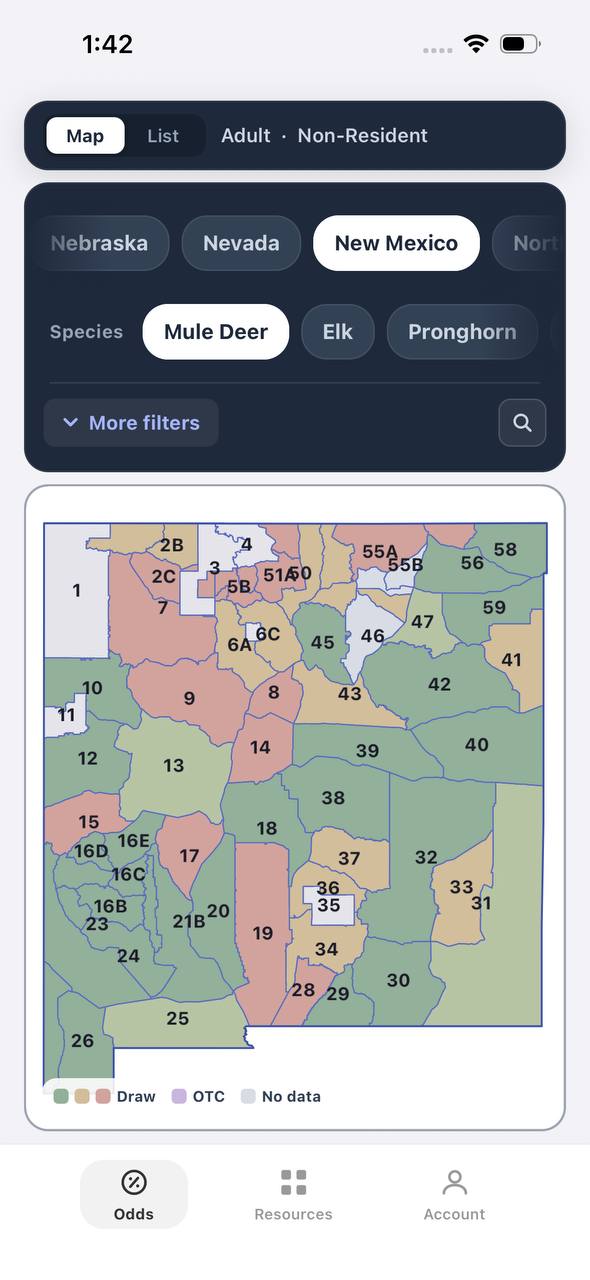
Moose hunting is a once-in-a-lifetime opportunity for many hunters, and drawing a tag requires years of preference points or incredible lottery luck. TAGZ helps you maximize your odds by tracking your preference points and bonus points across multiple states, comparing draw odds for specific units, and identifying the best application strategies for your timeline. Whether you are applying in Alaska, Wyoming, Montana, or Idaho, TAGZ shows you which units give you the best chance of drawing and where to focus your research.
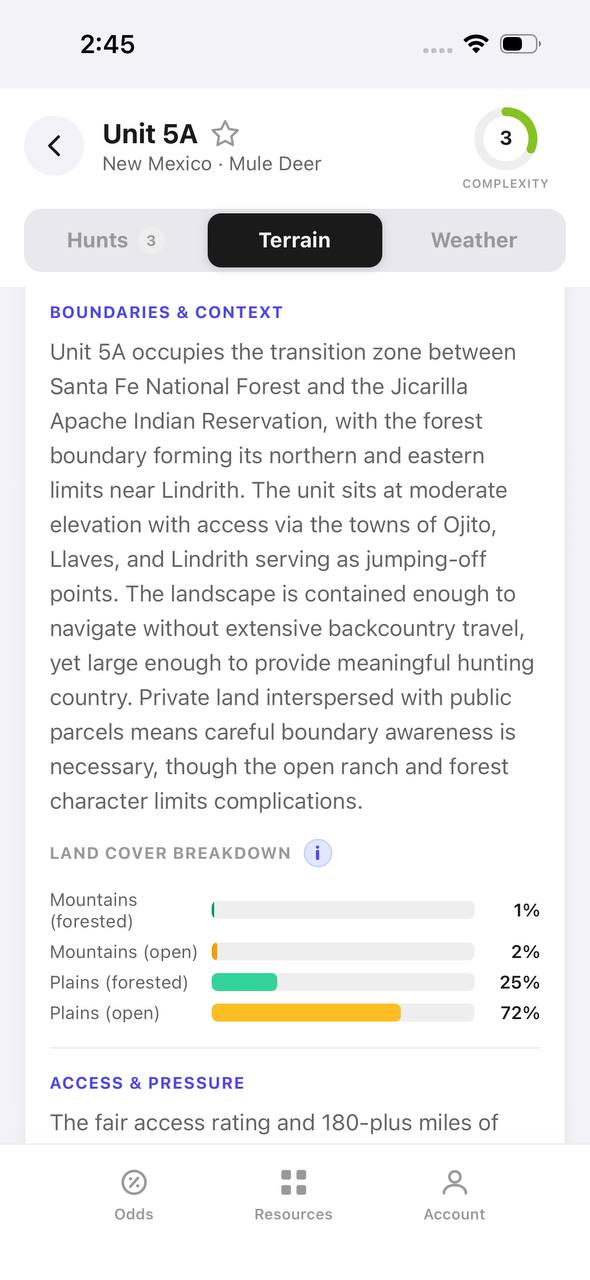
Use TAGZ to filter moose units by weapon type, season dates, and draw odds. Compare terrain maps, public land access, and historical draw data side by side to make smarter decisions before you ever submit an application. Track draw deadlines across every state so you never miss an opportunity, and build a long-term application strategy that maximizes your odds of holding a moose tag when calling season arrives.
FAQ — Calling Moose
What is the best time of year to call moose? Mid-September through early October during the peak rut. Bulls are actively seeking cows and respond aggressively to calls, rattling, and grunts.
Do cow calls or bull grunts work better? Cow calls work best early in the rut to locate and attract searching bulls. Bull grunts and rattling work best during the peak rut to challenge dominant bulls or draw in rivals.
How often should you call when moose hunting? One to three calling sequences per setup, with 15 to 20 minutes of silence between sequences. Overcalling sounds unnatural and educates bulls.
Can you call moose in thick cover? Yes, but bulls may struggle to pinpoint your location. Use rattling to draw them in close, and be ready to reposition if a bull hangs up out of range.
Do moose respond to calling outside the rut? Rarely. Moose are not vocal outside the breeding season, and calling in August or November is unlikely to produce results.
What is the biggest mistake hunters make when calling moose? Calling too often. Moose are less vocal than elk, and excessive calling sounds unnatural. Be patient, call sparingly, and wait for bulls to respond.
Continue Planning Your Hunt
Once you have mastered calling techniques, the next step is securing a tag. Drawing a moose tag in most western states requires years of preference points and a strategic application plan. TAGZ tracks your points across every state, compares draw odds for specific units, and helps you identify the best opportunities for your timeline. Whether you are applying in Alaska, Wyoming, Montana, or Idaho, TAGZ gives you the tools to make smarter decisions and maximize your odds of drawing a tag.
Explore the full TAGZ platform at https://www.getmytagz.com/ to compare units side by side using terrain maps, unit boundaries, and historical draw data. Track your preference points and bonus points across multiple states so you never miss a draw deadline. Whether you are chasing a once-in-a-lifetime moose tag or planning a multi-state application strategy, TAGZ gives you the tools to make smarter decisions before you ever step into the field.
Learn more about western hunting strategies, draw odds, and unit research on the TAGZ Insights blog at https://www.getmytagz.com/insights. For detailed information on how TAGZ helps you filter units by weapon, season, and species, visit https://www.getmytagz.com/product. Ready to start planning your moose hunt? Check out TAGZ pricing and create an account at https://www.getmytagz.com/pricing.
Was this article helpful?
Previous
Stone Glacier vs Kifaru vs Exo vs Mystery Ranch: Which Backcountry Pack Wins for Western Hunters?
Stone Glacier, Kifaru, Exo, and Mystery Ranch dominate the backcountry hunting pack market, but each excels in different conditions. This head-to-head breakdown compares suspension systems, load-carrying capacity, modularity, and real-world performance to help you choose the right pack for your hunts.
Related
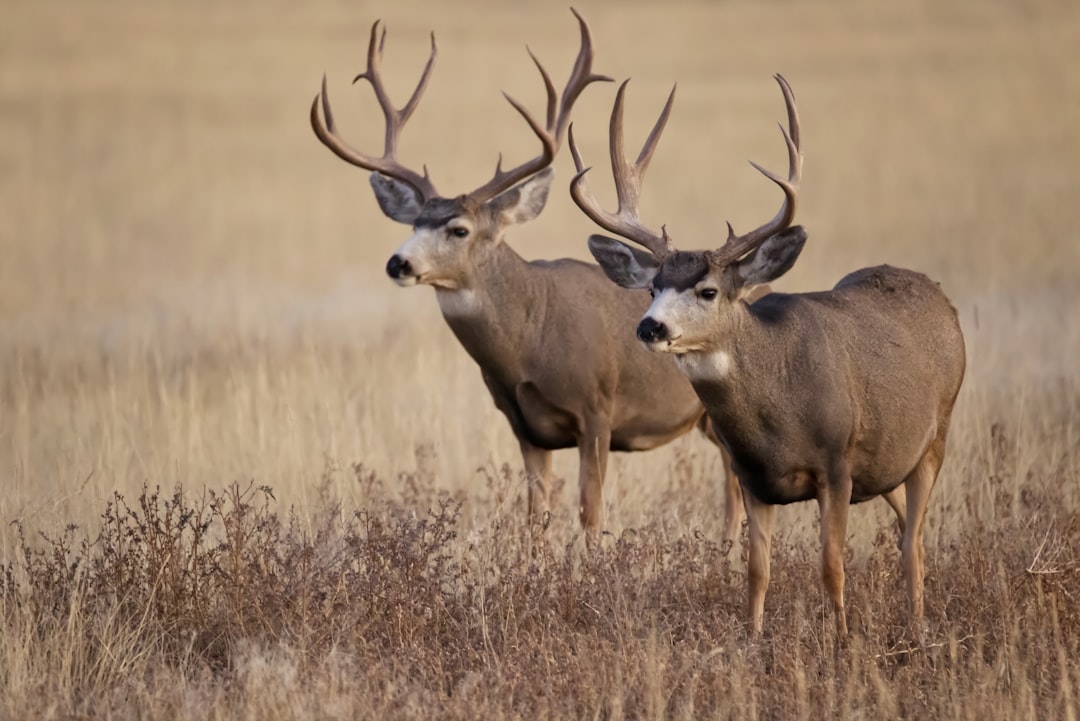
Spot and Stalk Mule Deer: A Complete Guide to Western Hunting's Greatest Challenge
Spot and stalk mule deer hunting demands glassing skill, terrain reading, and stalking patience. This guide covers setup, approach tactics, and common mistakes that cost hunters mature bucks in open country.
Next
Best Deer Calls for Whitetail and Mule Deer Hunting in 2026
Master vocal tactics for whitetail and mule deer with the right calls. From grunt tubes and doe bleats to rattling sequences, learn which calls work during rut, early season, and late season hunts across public and private land.