Best Broadheads for Elk Hunting — Fixed Blade vs Mechanical Guide
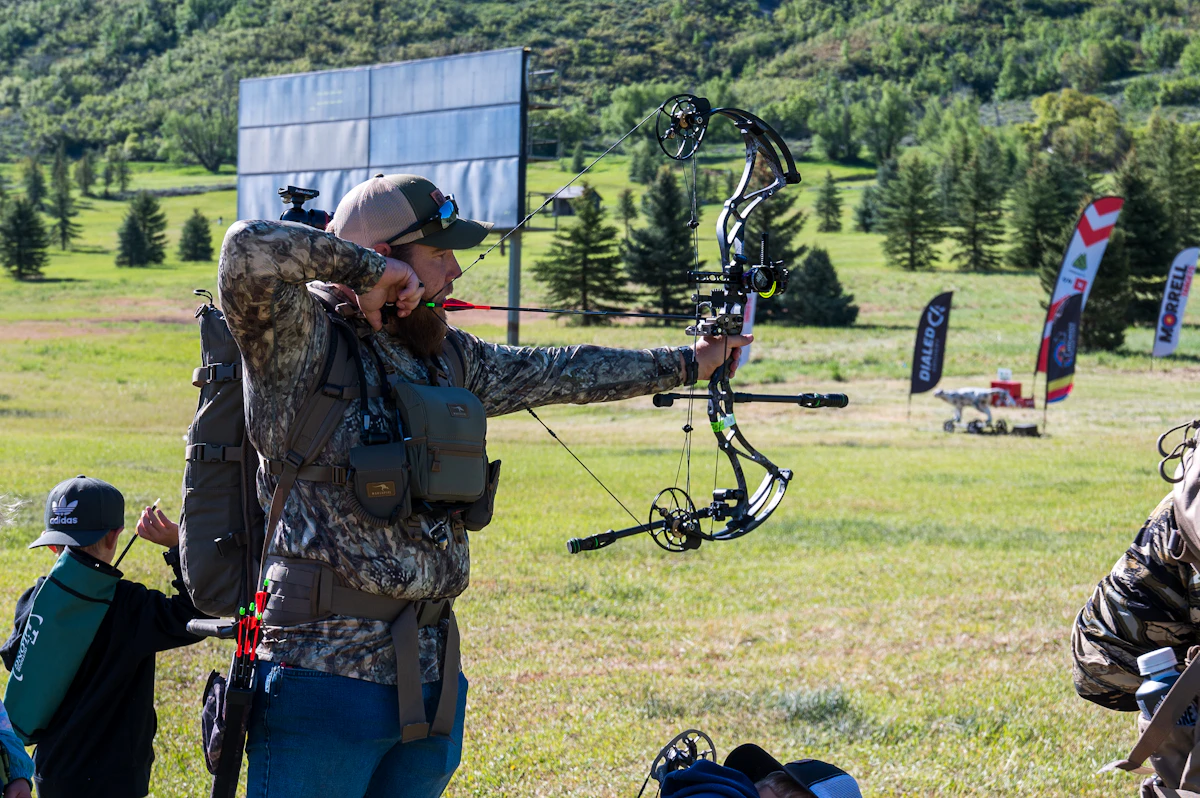
Walk through enough elk camps and you'll eventually hear the broadhead debate. Some hunters swear by mechanicals and love the massive cutting diameter, while others refuse to shoot anything except fixed blades because they've seen too many things go wrong. The reality is that both styles can kill elk effectively, but elk are not whitetails. A mature bull is a large, heavy-boned animal that can weigh well over 700 pounds, so penetration, reliability, and shot angles all matter more, which is why many experienced western hunters reach for fixed blades when elk season arrives. If your goal is maximizing reliability on one of the toughest animals in North America, fixed blades still set the standard, even though almost any quality broadhead can get the job done.
Why elk change everything
Most broadhead discussions begin and end with whitetails, but elk create a completely different situation. A mature bull presents larger body mass, heavier muscle, bigger ribs, heavier shoulder bones, and longer penetration requirements, so when an arrow hits an elk it often has to travel significantly farther through tissue before reaching the vitals. That's where broadhead performance becomes critical, because a head that performs perfectly on deer may struggle against an elk's anatomy. The best elk broadheads share several traits, durable construction, strong steel, reliable penetration, sharp blades, consistent flight, and structural integrity, because the head has to survive bone, rib, and shoulder contact and heavy tissue penetration without failing. Reliability ends up mattering far more than marketing claims.
Why fixed blades remain king
Fixed blade broadheads have been killing elk for decades, and the reason is simple: there are fewer moving parts, so nothing needs to deploy, open, or activate, and the head works the moment it touches the animal. That simplicity creates confidence, and when hunters spend years building points and finally draw a dream tag, many choose reliability over innovation. At TAGZ we generally lean toward fixed blades for elk, not because mechanicals don't work, but because fixed blades offer greater reliability, better penetration, less chance of failure, and stronger performance on quartering shots, removing one more variable from hunts that often involve steep angles, tough conditions, and limited opportunities. The G5 Montec is one of the most proven elk broadheads ever made, earning its reputation honestly with one-piece construction, exceptional durability, reliable penetration, and easy sharpening; it may not be flashy, but it simply kills elk. At the premium end, Iron Will has become one of the most respected makers in the industry, building heads from tool steel with incredible edge retention, excellent penetration, precision manufacturing, and outstanding flight, and many hunters who switch never go back despite the higher cost, which feels worthwhile when a tag represents years of waiting.
Where mechanicals fit
Mechanical broadheads absolutely work on elk, and modern designs have improved dramatically, with many hunters killing elk every year using heads from Rage, Sevr, and Grim Reaper, thanks to large cutting diameters, excellent blood trails, and often easier tuning. When deployed properly, mechanicals can be devastating. The concerns aren't myths, though, since blade deployment, moving parts, potential failures, and reduced penetration in some situations are real variables, and even though most modern designs have minimized these issues, many elk hunters still ask why introduce another variable when fixed blades already work so well. That question matters most on imperfect shots, because elk don't always cooperate and hunters routinely face quartering-away opportunities and steep uphill or downhill angles where penetration becomes the primary concern and fixed blades inspire more confidence.
Setup, tuning, and what actually matters
One trend gaining popularity among western bowhunters is heavy FOC, or front of center, which places more weight toward the front of the arrow for increased penetration, improved stability, better momentum, and more efficient energy transfer. Many serious elk hunters now shoot 450 to 600 grain arrows with strong fixed blades and higher FOC percentages, all chasing maximum penetration. Still, sharpness matters more than brand, because a razor-sharp head from almost any reputable maker will outperform a dull premium one, so before season you should inspect blades, replace damaged heads, sharpen fixed blades, and test flight. Tuning matters just as much, since a broadhead can't perform if it doesn't hit where you aim, so broadhead tune your bow, verify impact points, and practice at realistic distances; many hunters spend hundreds on broadheads while ignoring tuning entirely, and that's a mistake. The common errors, shooting dull heads, ignoring tuning, using weak arrows, fixating on cutting diameter, and chasing trends, all undermine success that really comes from good arrows, sharp broadheads, proper tuning, and smart shot selection. Choose fixed blades if elk are your primary target and you prioritize reliability, maximum penetration, and simplicity, and choose mechanicals if your setup is highly tuned, you understand their limitations, and you're confident in broadside opportunities. Both can work, but most experienced elk hunters simply trust fixed blades more. Of course, the best broadhead in the world won't help if you don't draw a tag or find elk, which is where TAGZ comes in, helping you organize draw odds, unit research, and hunt planning before the shot opportunity ever arrives. For more, see our shot placement guide and our field judging guide.
Was this article helpful?
Previous
How to Field Judge Muskox — Complete Muskox Hunting Guide
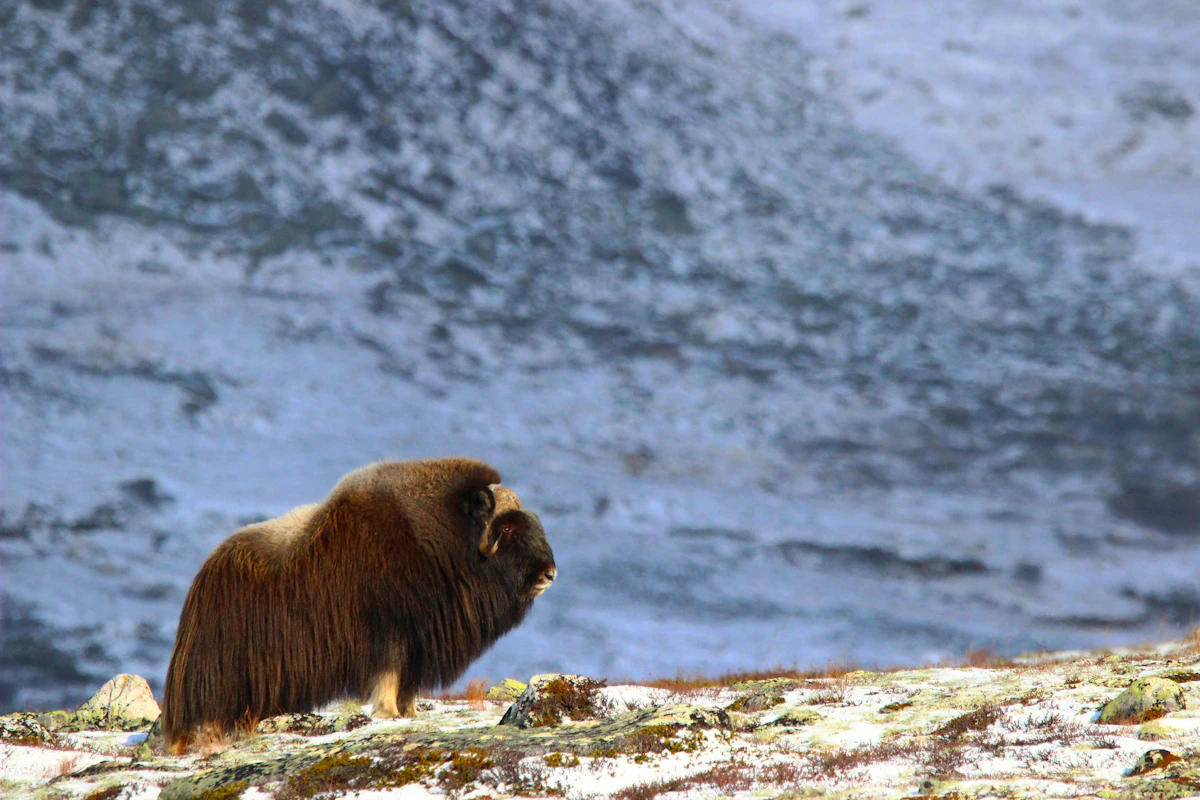
Field judging muskox revolves around boss development, horn drop, horn sweep, and age. Mature bulls display massive bosses and heavy horn characteristics that separate them from younger animals, making maturity the primary factor when evaluating trophy quality.
Related
How Water Affects Elk Movement: Real-World Insight for Western Hunters
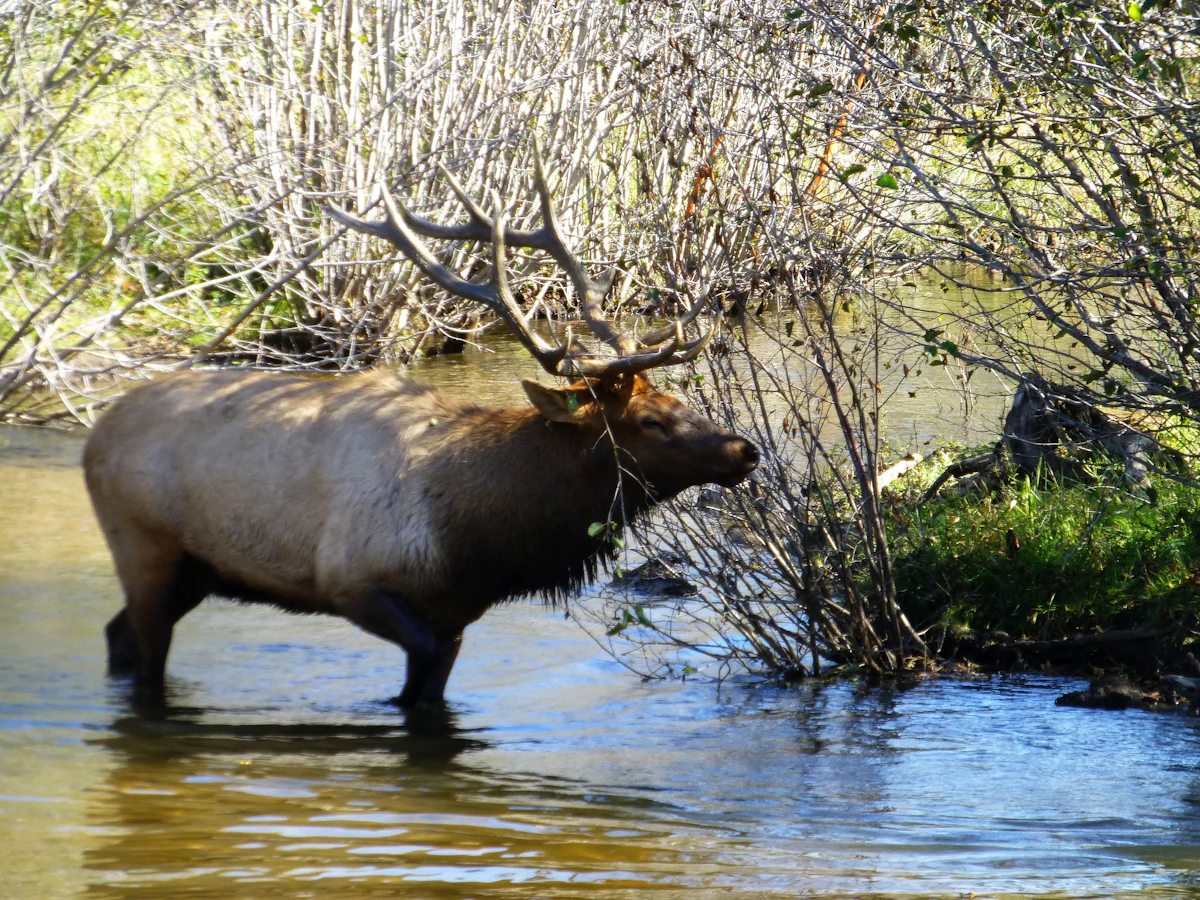
Elk rely on water, but it doesn’t always mean you’ll find them on a pond’s edge. Here’s how water impacts elk behavior and what that means for your hunt.
Next
Colorado GMU 201 Elk Hunting Guide
Colorado GMU 201 is one of Colorado's classic premium elk units, but still a hunt that demands discipline instead of sightseeing. This guide breaks down terrain, access, pressure, scouting, and practical elk strategy so hunters can build a realistic plan before committing time or points.