Best Draw Weight for Elk Hunting — How Much Poundage Do You Need?
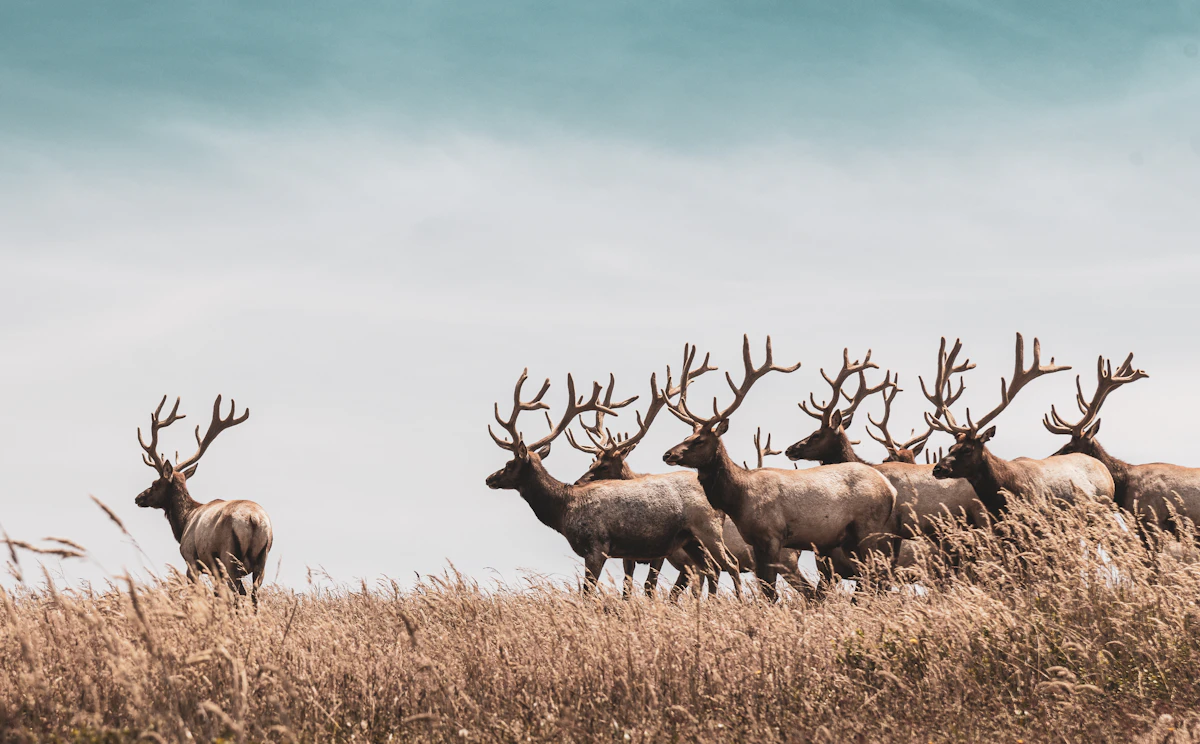
Few topics confuse bowhunters more than draw weight. Some insist you need a 70-pound bow to kill elk, others swear 50 is plenty, and the truth sits in the middle. Modern bows are remarkably efficient and generate far more energy than the equipment of decades past, so hunters are taking elk with poundages that would once have been considered light. That doesn't mean draw weight is irrelevant, it means the goal is balance between accuracy, comfort, penetration, arrow weight, and confidence. The best draw weight is simply the one you can shoot accurately when you're tired, cold, and staring down a screaming bull at 30 yards.
The biggest myth
The most common myth in elk hunting is that more poundage automatically equals more dead elk. It doesn't. A perfectly placed arrow from a 60-pound bow will kill an elk far faster than a poorly placed arrow from an 80-pound bow, because the elk doesn't care how much weight you're pulling, only where the broadhead ends up. Draw weight does drive arrow speed, kinetic energy, momentum, and penetration potential, and more weight generally means faster arrows and better penetration, but there are real limits. A bow that's too heavy wrecks your form, invites target panic, builds fatigue, and kills accuracy, none of which help on elk.
How much you actually need
Many western states set a legal minimum draw weight, often around 40 pounds along with broadhead and arrow standards, so always verify the regulations, and remember that legal isn't the same as ideal. Fifty pounds is genuinely enough for elk, and plenty have fallen to 50-pound compounds with sharp fixed blades and well-tuned arrows, but at that weight you should lean on heavier arrows, fixed blades, and conservative, close shots, because the margin for error shrinks. Sixty pounds is the sweet spot for a lot of hunters, offering manageable draw, comfortable practice, excellent penetration, good speed, and easier shooting under pressure. Walk through most elk camps, though, and you'll find bows set between 65 and 70, because that range delivers strong arrow speed, momentum, and penetration, and pairs especially well with heavy FOC setups and quality fixed blades.
The TAGZ approach
Our general recommendation is 60 pounds minimum if you're comfortable there, with 65 to 70 ideal for many hunters, paired with heavy arrows and fixed blades, not because lighter weights can't work, but because extra energy buys margin for error on an animal as large as an elk. The philosophy is simple: shoot the heaviest draw weight you can handle accurately, not the heaviest your ego can handle. That extra weight matters more once you're shooting 450 to 550 grain arrows with high FOC, since heavier arrows need energy to hold their trajectory, speed, and momentum. And penetration beats speed every time, because a slower arrow that passes all the way through outperforms a fast one that stalls in heavy tissue.
Shoot what you can control
Women, youth, and smaller-framed hunters absolutely kill elk with properly matched gear, often 50 to 60 pound bows with sharp fixed blades, heavy arrows, and disciplined shot selection, because elk don't demand excessive poundage, they demand effective penetration and good placement. The lungs remain the target, so favor broadside and slight quartering-away shots at ethical distances. Watch for signs your bow is too heavy: struggling to draw while seated, uphill, or downhill, form that collapses after a few shots, or short-drawing under pressure. A complete elk setup usually means 60 to 70 pounds, 450 to 550 grain arrows, high FOC, fixed blades, and well-tuned equipment. Draw weight is only one piece, though, and TAGZ helps with the rest, draw odds, unit research, and hunt planning before the season begins.
Was this article helpful?
Previous
Best Optics for Elk Hunting — Binoculars, Spotting Scopes & Glassing Strategy
The best elk hunters spend more time behind optics than behind boot leather. Quality binoculars, a tripod, and a disciplined glassing strategy allow hunters to cover more country, save energy, and locate elk before making a move.

Related
Best OTC Elk States
Best OTC Elk States breaks down realistic elk planning around terrain, access, pressure, scouting, and hunter behavior so TAGZ readers can build a practical western hunt plan instead of chasing hype.

Next
How to Find Elk on Public Land: Real Strategies for Western Hunters
Get a realistic, boots-on-the-ground approach to finding elk on public land, covering terrain, pressure, and practical tactics every hunter should know.