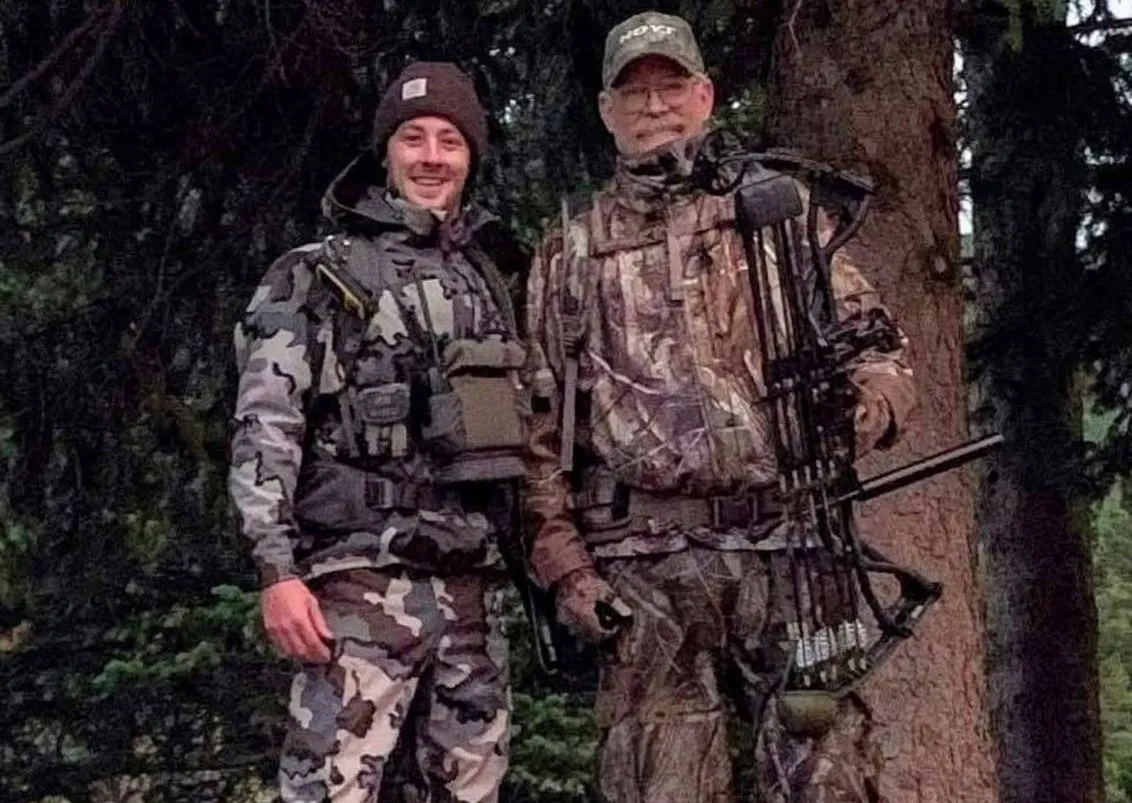
Every western hunter eventually learns the same lesson: you can get by with an average rifle, average optics, and an old pack, but if your feet fail, your hunt is over. Blisters, hot spots, poor ankle support, and wet boots have ended more elk hunts than bad shooting ever will. The truth is that elk hunting is often a hiking challenge disguised as a hunting trip, and a lot of hunters spend months fussing over rifles and bows while ignoring the one piece of gear they use on every single step. Their boots. The farther west you go, the more that choice decides how your hunt ends.
Why boots matter more out West
Western terrain is steep, rocky, and full of deadfall, side hills, and loose shale, and a hunter can cover five, ten, or fifteen-plus miles in a day. When your feet hurt, everything gets harder, and when they're healthy you can keep hunting aggressively, which is why many experienced hunters call boots their most important purchase. A great elk boot delivers support, comfort, durability, stability, waterproofing, and proper fit, and above all it lets you keep hunting day after day. The best boot isn't the most expensive one, it's the one that fits your foot, because even a 500-dollar boot will wreck your feet if it doesn't lock your heel, prevent rubbing, leave toe room, and support your arch.
Fit, stiffness, and brands
Hunters coming from whitetail country often make the mistake of wearing tree-stand boots out West, but mountain boots are built differently, with stiffer soles, better ankle support, more aggressive tread, and more stability, all of which matter when side-hilling or carrying meat. Stiffness is the key trade-off: softer boots are comfortable right away, break in fast, and suit flatter ground, but offer less support under load, while stiffer boots side-hill better, carry heavy packs more comfortably, and stay stable at the cost of a longer break-in, which is why most serious elk hunters run moderate-to-stiff boots. Several brands show up in western camps year after year, including Kenetrek for durability and mountain performance, Crispi for comfort and fit, Lowa for proven all-day comfort, Schnee's for purpose-built western toughness, and Zamberlan for rugged-terrain capability. For most western hunters, waterproof boots are worth it given the snow, rain, creek crossings, wet grass, and frost you'll hit, though they still need care to keep performing.
Prepare your feet like your rifle
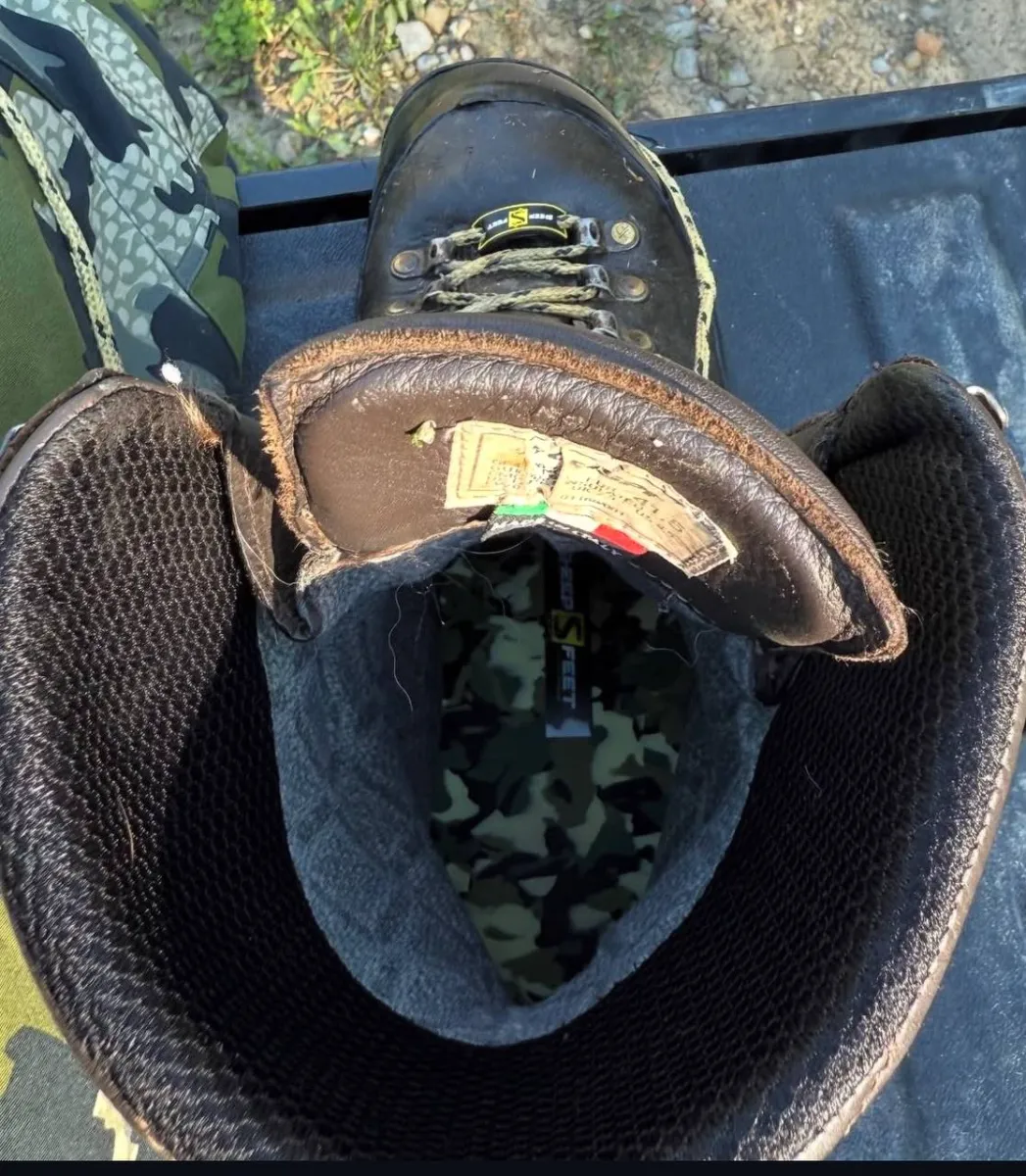
Never show up to an elk hunt in brand-new boots. Break them in over months of hikes, workouts, and weighted walks, because opening morning is the worst possible time for your boots to meet mountain terrain. Even better, train in the exact boots you'll hunt in, using them for pack hikes, conditioning, and scouting to build calluses, surface any fit issues, and gain confidence, since a boot that feels perfect in the store can feel very different after six miles. Socks matter more than most hunters think, too, as many "boot" problems are really sock problems, so merino wool and quality technical hunting socks are one of the cheapest upgrades you can make to cut friction and manage moisture. Custom insoles are another overlooked upgrade, because factory insoles are built for an average foot that almost nobody actually has, and a custom setup like Sheep Feet Outdoors orthotics can improve arch support, alignment, comfort, and endurance while reducing foot, knee, and hip fatigue under heavy loads.
When boots fail, hunts fail
Bad boots create blisters, hot spots, fatigue, and knee pain, and eventually they cut your hunting effort, which means fewer opportunities. Your feet are your transportation system out West, so protect them. When elk slip over the next ridge you need to follow, when the weather turns you need to keep moving, and when you're packing out a bull you need real support. Great boots don't kill elk, but they're often what makes it possible to get close enough to kill one. Boots help you move through elk country; TAGZ helps you understand it, with unit research, terrain analysis, and hunt planning before the season starts.
Was this article helpful?
Previous
How to Field Judge Grizzly Bears — Complete Grizzly Hunting Guide
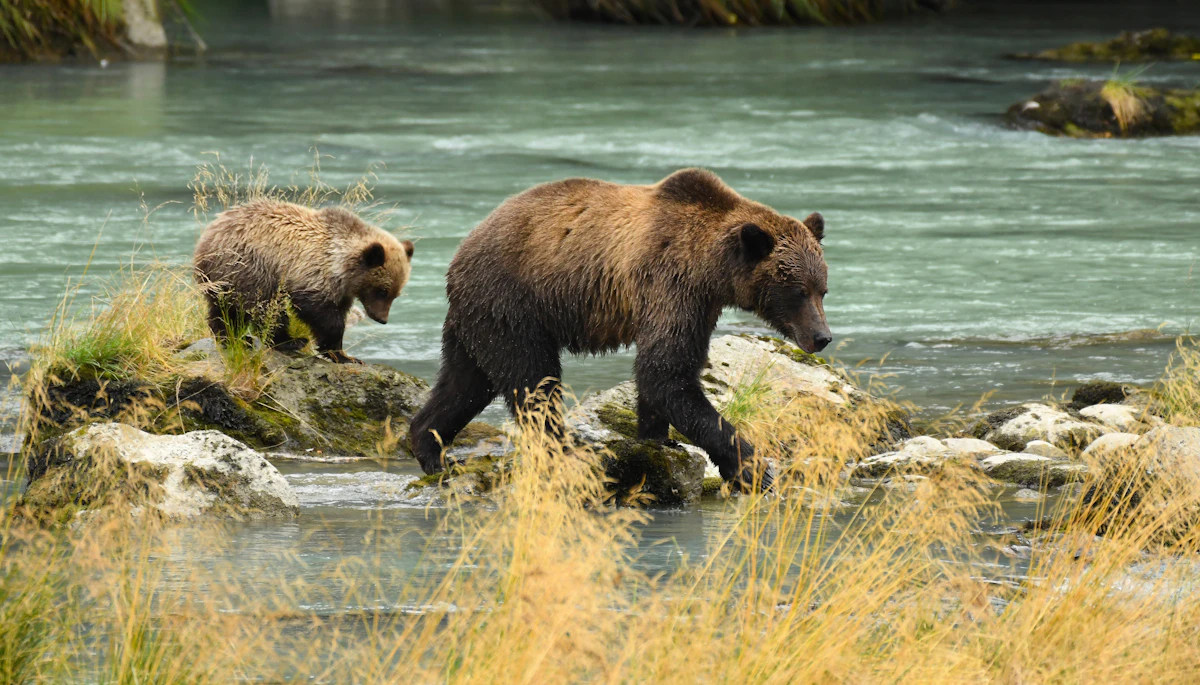
Field judging grizzly bears focuses on identifying mature boars through shoulder hump development, head shape, ear size, body proportions, and overall maturity. Understanding these indicators helps hunters accurately evaluate trophy potential in the field.
Related
Colorado GMU 54 Elk Hunting Guide
Colorado GMU 54 is a mountain elk unit where weather, migration, and hunting pressure can make the same drainage hunt completely different week to week. This guide breaks down terrain, access, pressure, scouting, and practical elk strategy so hunters can build a realistic plan before committing time or points.
Next
How to Field Judge Bull Elk — Complete Elk Scoring Guide
Field judging elk involves estimating beam length, tine length, mass, and spread to determine whether a bull scores 280, 300, 320, 340, or larger. Understanding G1-G6 measurements, whale tails, swords, and age characteristics can dramatically improve your ability to evaluate bulls in the field.