Roosevelt Elk Hunting: What Western Hunters Need to Know
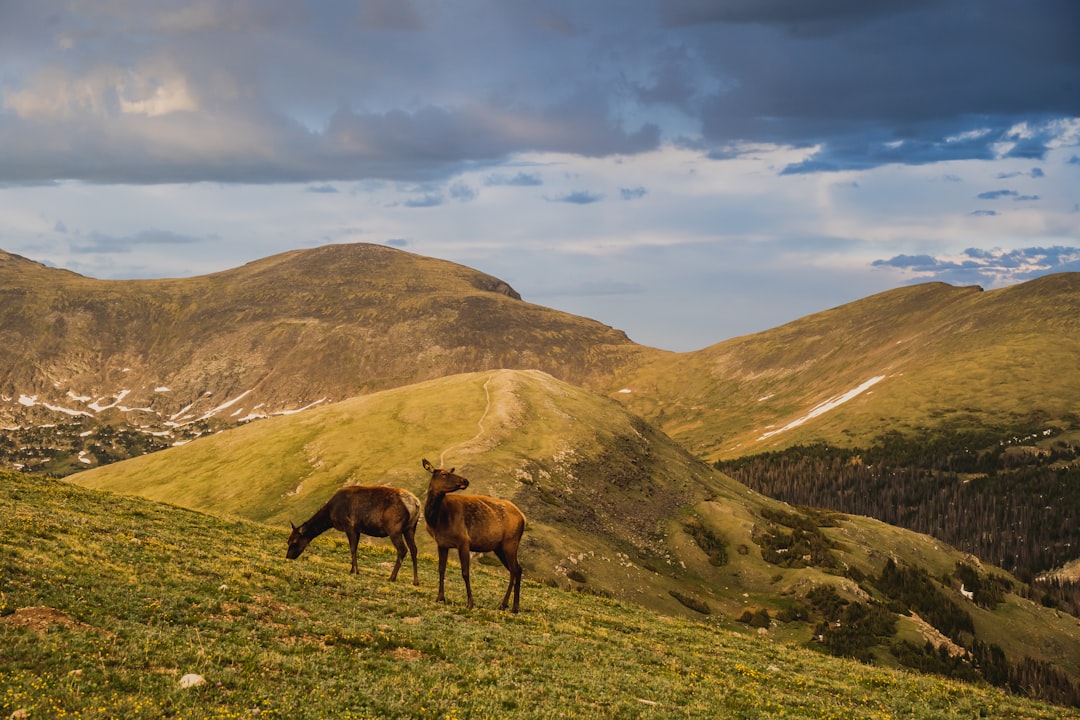
Roosevelt elk are the largest-bodied elk in North America, and hunting them is nothing like chasing Rocky Mountain elk in open alpine basins. These coastal giants live in thick rainforests where visibility is measured in yards, not miles, and success depends on understanding wet-weather patterns, brutal terrain, and limited draw opportunities. Whether you are planning your first Roosevelt hunt or comparing units across multiple states, knowing the species, the habitat, and the application systems will put you ahead before you ever step into the timber.
Where Roosevelt Elk Live and How to Hunt Them
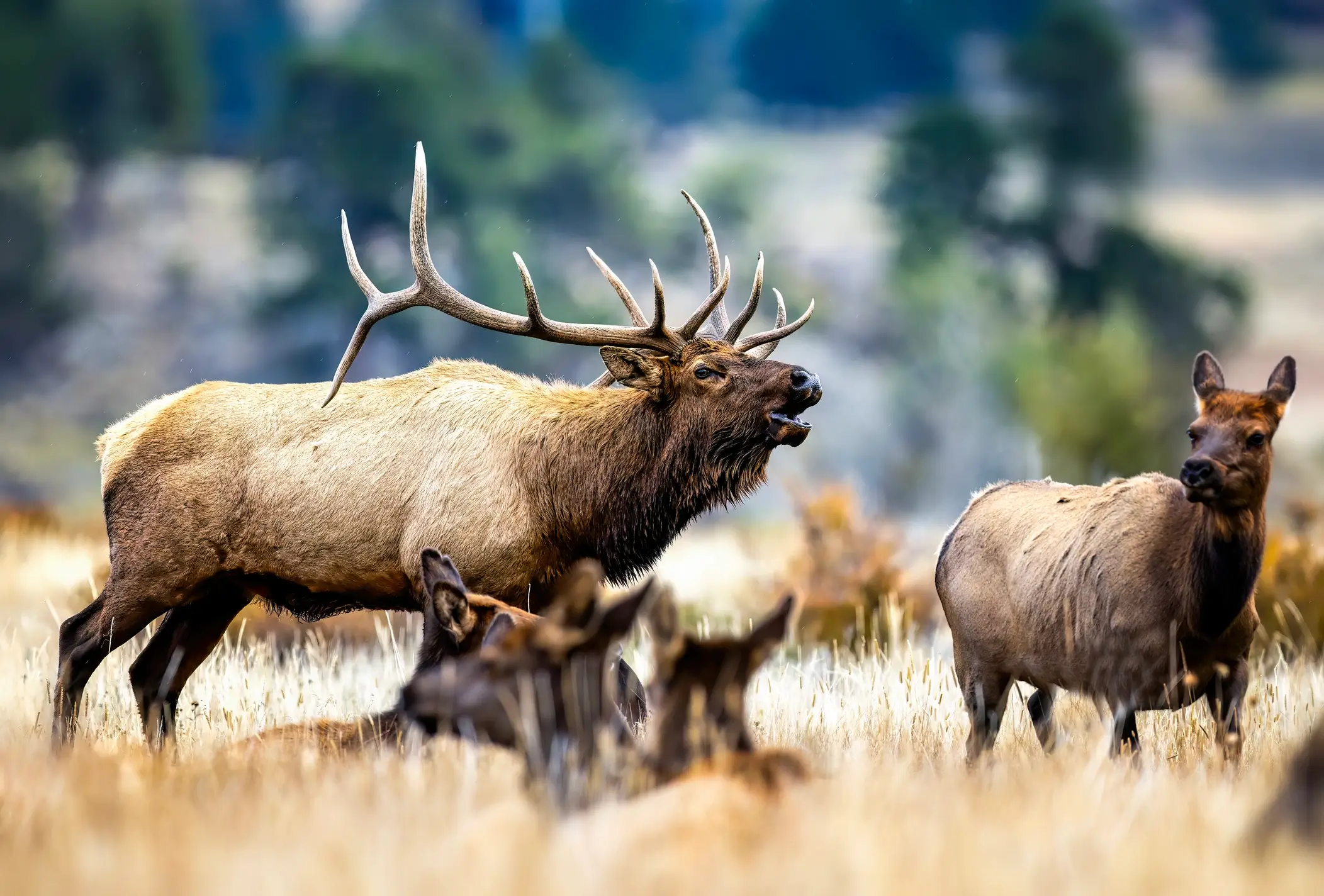
Roosevelt elk occupy a narrow coastal band from Northern California through Oregon, Washington, and into British Columbia and Alaska. They thrive in temperate rainforests dominated by Sitka spruce, Douglas fir, and western hemlock — environments where annual rainfall exceeds 100 inches and fog is a daily companion. These elk are noticeably larger than Rocky Mountain elk, with mature bulls weighing 900 to 1,200 pounds and carrying shorter, thicker antlers that rarely reach the mass of a classic six-point Rocky.
Hunting Roosevelt elk means adapting to thick cover, limited visibility, and weather that swings from drizzle to downpour. Glassing from ridges works in some units, but most hunts involve slow still-hunting through dense brush, calling in the rut, or ambushing trails between bedding and feeding areas. Elk often bed in timber during midday and move to clearcuts, meadows, or old burns at dawn and dusk. Locator bugles work during the rut, but be ready to close distance fast — thick cover means you may only get one chance before the bull ghosts back into the timber.
Best States for Roosevelt Elk Tags
Oregon, Washington, and California offer the most accessible Roosevelt elk hunting opportunities for both residents and nonresidents. Each state manages Roosevelt populations differently, and understanding draw systems, season structures, and weapon types will help you maximize your odds.
Oregon
Oregon holds the largest Roosevelt elk population and offers the most draw tags. Coastal units like the Saddle Mountain, Tillamook, and Coos units are managed for opportunity, with decent draw odds for rifle and archery hunters. Nonresidents can draw general-season tags with one or two preference points in many units, while premium limited-entry hunts may require five to ten points. Oregon also offers controlled hunts during the rut in September, which is the best time to call bulls.
TAGZ helps you compare Oregon's coastal units side by side using historical draw data, terrain maps, and unit boundaries. Track your preference points and set reminders for application deadlines so you never miss a draw cycle.
Washington
Washington manages Roosevelt elk through a combination of general-season and special-permit hunts. The Olympic Peninsula holds the highest densities, but access is limited and competition is high. Nonresidents face much lower draw odds than residents, and most premium units require five to ten years of building preference points. Washington also offers damage hunts and late-season opportunities in agricultural areas where elk move onto private land after the general season closes.
Washington's draw system uses preference points, so applying consistently builds your odds over time. TAGZ tracks your points across multiple states and shows you which units match your point totals, weapon preference, and hunt dates.
California
California's Roosevelt elk hunts are concentrated in the northwest corner of the state, primarily in Del Norte and Humboldt counties. Tag numbers are limited, and draw odds are tighter than Oregon but better than Washington for nonresidents. California uses a preference point system, and most hunters draw tags with three to five points for rifle hunts. Archery hunts during the rut offer better draw odds and coincide with peak bugling activity in mid-September.
California's application deadline is earlier than most western states, so planning ahead is critical. TAGZ sends deadline reminders and helps you filter hunts by weapon type, season dates, and public land access.
Roosevelt Elk Tactics and What Makes Them Different
Roosevelt elk behave differently than Rocky Mountain elk because their habitat forces different strategies. Bugling works during the rut, but thick cover means you may hear a bull 200 yards away and never see him. Cow calls can pull bulls into range, but be ready to shoot fast — shooting lanes in coastal timber are narrow and fleeting.
Still-hunting is often more productive than covering ground quickly. Move slowly through timber edges, clearcuts, and along benches where elk transition between bedding and feeding. Look for fresh sign — tracks in mud, rubs on alders, and wallows near water sources. Roosevelt elk are creatures of habit, and finding their travel corridors is more valuable than random glassing.
Weather plays a bigger role than in typical elk country. Rain suppresses scent and muffles sound, which helps you close distance, but fog and low clouds can shut down visibility entirely. Mornings are often foggy, so focus your efforts on evening hunts when elk move into clearcuts and meadows. Late-season hunts after the rut can be productive if you focus on lower elevations where elk concentrate near food sources.
Draw Strategy and Preference Points
Most Roosevelt elk hunts are controlled through limited-entry draws, and preference point systems reward consistent applicants. Oregon and California both use preference points, meaning your odds increase each year you apply without drawing. Washington uses a similar system but heavily favors residents, so nonresidents should focus on units with higher tag allocations or consider archery hunts where competition is lighter.
If you are starting from zero points, focus on units with one- to three-point draw odds and apply every year to build your totals. If you already have points, use TAGZ to identify units where your point totals give you a realistic shot at drawing. Filtering by weapon type, season dates, and terrain preferences helps narrow your options to hunts that match your experience level and available time off.
Applying in multiple states increases your chances of drawing a tag each year. Oregon, Washington, and California have different application deadlines, so tracking deadlines across states is critical. TAGZ tracks your preference points and bonus points across all western states and sends reminders so you never miss a draw deadline.
Public Land Access and Unit Research
Roosevelt elk habitat is a mix of national forests, BLM land, state wildlife areas, and private timber company land. Public access is generally good in national forests, but some of the best elk habitat is locked behind private gates owned by timber companies. Oregon and Washington both have hunter access programs that open private land during certain seasons, but you will need to research road closures, gated areas, and walk-in access points before your hunt.
Unit research should focus on terrain, public land boundaries, and historical draw data. TAGZ provides unit maps with public land overlays, terrain breakdowns, and unit boundaries so you can identify huntable areas before you apply. Comparing units side by side helps you weigh draw odds against terrain difficulty, access, and season timing.
Scouting in person is ideal, but not always realistic for out-of-state hunters. Use online resources like OnX Hunt to mark trailheads, clearcuts, and meadows, then verify access with local forest service offices. Roosevelt elk are less migratory than Rocky Mountain elk, so units that hold elk in August will still hold elk in November.
Gear and Preparation for Coastal Elk Hunting
Roosevelt elk hunting demands rain gear, waterproof boots, and clothing that stays quiet when wet. Coastal timber is loud when dry and slick when wet, so your clothing should handle both conditions without crackling like a potato chip bag. Merino wool and soft synthetics work better than stiff nylon shells.
Optics matter less than in open country, but a quality binocular in the 8x42 or 10x42 range will help you pick apart timber edges and clearcuts. Rangefinders are critical because shooting lanes are short and angles are steep. Most shots happen inside 200 yards, so practice shooting from awkward positions and in low light.
Physical preparation should focus on hiking steep, uneven terrain with a heavy pack. Roosevelt elk country is vertical, and dragging a 600-pound bull out of a canyon will test your conditioning and your pack-out plan. Bring game bags, a bone saw, and a headlamp — you will likely be packing meat in the dark.
FAQ — Roosevelt Elk Hunting
What states have Roosevelt elk hunting?
Oregon, Washington, and California offer the most Roosevelt elk hunting opportunities. Alaska also has Roosevelt elk, but access is limited and tags are primarily for residents.
How do Roosevelt elk differ from Rocky Mountain elk?
Roosevelt elk are larger-bodied, with mature bulls weighing 900 to 1,200 pounds. Their antlers are shorter and thicker, and they live in dense coastal rainforests instead of open alpine basins.
What are the best units for nonresident Roosevelt elk hunters?
Oregon's coastal units like Saddle Mountain, Tillamook, and Coos offer the best combination of draw odds and elk numbers for nonresidents. California's Del Norte and Humboldt units also draw with three to five preference points.
When is the Roosevelt elk rut?
Roosevelt elk rut from mid-September through early October. Bugling peaks during the third and fourth weeks of September, making archery and early rifle hunts the best time to call bulls.
How hard is it to draw a Roosevelt elk tag?
Draw odds vary by state and unit. Oregon offers the most tags and best draw odds, with some units drawing at one to three points for nonresidents. Washington and California require five to ten points for premium units.
Can you hunt Roosevelt elk over the counter?
No. All Roosevelt elk hunts in Oregon, Washington, and California are controlled through limited-entry draws. There are no OTC Roosevelt elk tags.
Continue Planning Your Hunt
Roosevelt elk hunting is a completely different experience than chasing Rocky Mountain elk, and success comes from understanding the terrain, the draw systems, and the tactics that work in thick coastal timber. Whether you are building points for a premium unit or ready to apply for your first tag, TAGZ helps you compare units side by side using terrain maps, unit boundaries, and historical draw data. Track your preference points and bonus points across Oregon, Washington, and California so you never miss a draw deadline. Filter hunts by weapon type, season dates, and public land access to find the Roosevelt elk hunt that matches your experience level and available time off.
Visit the TAGZ Insights page for more western hunting guides, or explore the TAGZ product to start planning your next Roosevelt elk application today.
Was this article helpful?
Previous
MOA vs MIL Scopes for Western Hunting: Which System Works Best in 2026?
MOA and MIL are angular measurement systems for rifle scopes that help hunters make precise long-range adjustments. Understanding the practical differences between these two systems will help you choose the right optic for western big-game hunting.

Next
Rocky Mountain Elk Hunting: Complete Guide to Planning Your Hunt
Rocky Mountain elk hunting combines challenging terrain, strategic planning, and proven tactics. This guide covers draw strategies, unit selection, hunting techniques, and how to maximize success across the Rockies.