Best Moose Ammunition: Calibers, Bullets, and Loads for Clean Kills

Moose are the largest members of the deer family in North America, with mature bulls weighing 1,000 to 1,500 pounds and standing over six feet at the shoulder. Their thick hides, heavy bones, and massive body mass demand ammunition that delivers deep, straight-line penetration and controlled expansion. A poorly chosen bullet can result in lost animals, especially in dense timber or swampy terrain where tracking becomes difficult. The right cartridge and bullet combination makes the difference between a quick, ethical kill and a long, uncertain recovery.
What Makes Moose Ammunition Different
Moose are not hard to kill with proper shot placement, but they are extremely hard to stop quickly with marginal hits. Unlike elk or mule deer, moose often stand broadside in thick cover at close to moderate ranges. The challenge is not velocity or flat trajectory — it is punching through heavy shoulder bones, penetrating 24 to 30 inches of vitals, and creating a wound channel that drops the animal before it disappears into spruce thickets or alder swamps.
Bullet construction matters more than speed. Moose hides are tough, nearly an inch thick in places, and their bones are dense. Controlled-expansion bullets that retain 70 to 90 percent of their weight after impact are essential. Rapid-expansion deer bullets often fragment on shoulder impact, wasting energy before reaching the vitals. Premium bonded-core or monolithic bullets are the standard for serious moose hunters.
Top Calibers for Moose
Moose hunters have successfully used everything from .270 Winchester to .375 H&H, but certain calibers have earned reputations for reliability in the field. The best moose cartridges balance recoil, availability, and terminal performance.
.30-06 Springfield remains the most popular moose caliber in Alaska and Canada. Federal Premium 180-grain Trophy Bonded Tip and Nosler 200-grain Partition loads deliver deep penetration and moderate recoil. The .30-06 is adequate for any moose at any reasonable range when loaded with heavy, tough bullets.
.300 Winchester Magnum adds 200 to 300 feet per second over the .30-06 and handles 200 to 220-grain bullets with authority. Hornady Precision Hunter 200-grain ELD-X and Barnes VOR-TX 180-grain TTSX are proven performers. The extra velocity flattens trajectory slightly and increases energy on impact, but recoil climbs noticeably.
.338 Winchester Magnum is overkill for broadside shots but shines when angles are poor or cover is thick. Federal Premium 225-grain Trophy Bonded Bear Claw and Swift 250-grain A-Frame loads penetrate at any angle and break heavy bone without deflection. The .338 Win Mag is a favorite among Alaskan guides who see hundreds of moose kills annually.
.35 Whelen and 9.3x62mm Mauser are underrated moose cartridges with heavy, slow bullets that crush bone and penetrate deep. These are excellent choices for brush country and short-range encounters where penetration trumps velocity.
Bullet Weight and Construction
Bullet weight should be on the heavy end of the caliber's spectrum. For .30-caliber cartridges, 180 to 220 grains is ideal. In .338, 200 to 250 grains is the sweet spot. Lighter, faster bullets may work on lung shots but fail catastrophically on shoulder or quartering-away angles.
Bonded-core bullets like Federal Trophy Bonded Tip, Nosler AccuBond, and Swift Scirocco II hold together on impact and retain 80 to 90 percent of their weight. Monolithic copper bullets like Barnes TTSX and Hornady GMX penetrate even deeper, often exiting on broadside shots and leaving massive wound channels. Both designs are excellent for moose.
Avoid soft, rapid-expansion bullets designed for whitetail. Hornady InterLock, Remington Core-Lokt, and Winchester Power-Point are marginal on shoulder shots. They work on rib-cage hits but carry unnecessary risk when better options exist.
Proven Factory Loads for Moose
These commercial loads have extensive field records on moose across North America:
- Federal Premium Trophy Bonded Tip (180-grain .30-06, 200-grain .300 Win Mag) — bonded core, deep penetration, excellent weight retention.
- Nosler Partition (200-grain .30-06, 200-grain .300 Win Mag) — dual-core design, guaranteed expansion and penetration.
- Barnes VOR-TX TTSX (180-grain .30-06, 180-grain .300 Win Mag) — all-copper construction, massive wound channels, exits on most shots.
- Hornady Precision Hunter ELD-X (200-grain .300 Win Mag) — heat-shield tip, controlled expansion, excellent long-range accuracy.
- Federal Premium Trophy Bonded Bear Claw (225-grain .338 Win Mag) — bonded core, designed for dangerous game, overkill on moose but utterly reliable.
- Swift A-Frame (250-grain .338 Win Mag) — bonded front core with solid rear shank, extreme penetration on any angle.
All of these loads are available at most sporting goods retailers and ship directly to consumers in states where online ammo sales are legal. Expect to pay $50 to $80 per box of 20 rounds for premium ammunition.
Free to join
Download mobile app
- Detailed draw odds
- Point tracking
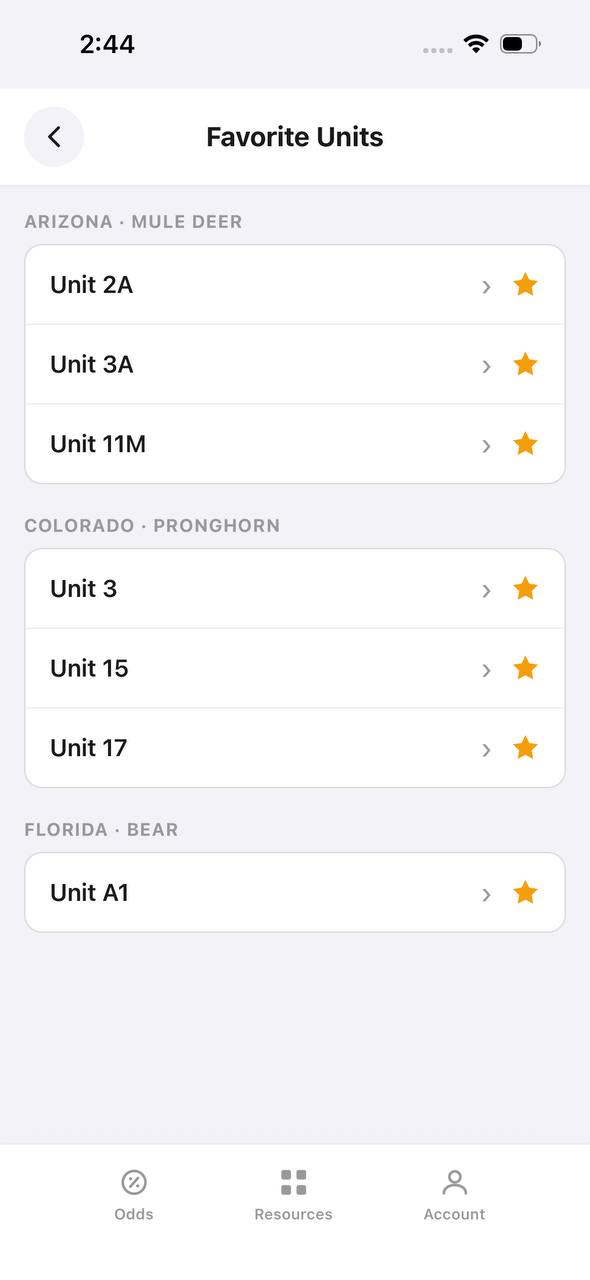
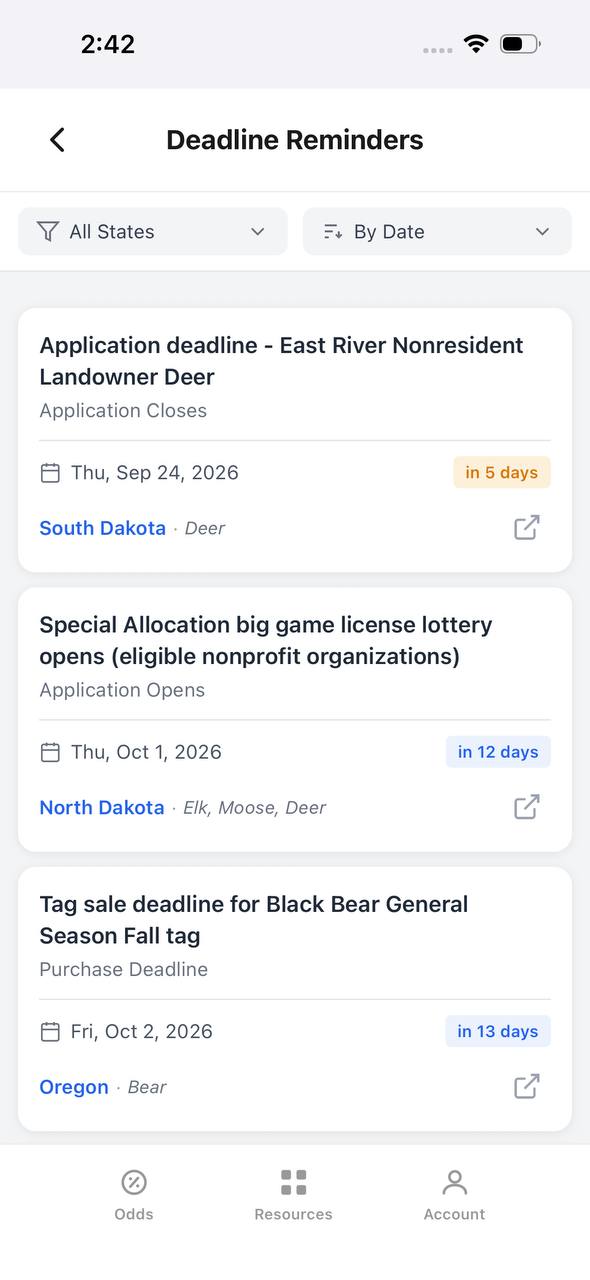
- Deadline reminders
- 18 states covered

Free to join
Download mobile app
- Detailed draw odds
- Point tracking
- Deadline reminders
- 18 states covered
Free to join
Download mobile app
- Detailed draw odds
- Point tracking
- Deadline reminders
- 18 states covered

Shot Placement and Range Considerations
Moose vitals are large — a basketball-sized target behind the shoulder — but their size can deceive hunters into taking marginal angles. The best shot is broadside or slightly quartering-away, aiming for the crease behind the shoulder at mid-body height. This placement hits both lungs and often the heart, dropping most bulls within 50 yards.
Shoulder shots anchor moose instantly but destroy significant meat and risk bullet failure if construction is poor. Quartering-toward shots require heavy bullets that can penetrate the shoulder and reach the far-side vitals. Neck shots are effective at close range but unforgiving if placement is off.
Most moose are shot between 50 and 150 yards in timber or along willow-choked rivers. Rifles should be zeroed at 100 or 200 yards depending on expected range. Velocity and trajectory matter less than bullet performance at impact. A 200-grain Partition at 2,400 feet per second will kill a bull moose just as dead as a 180-grain TTSX at 2,900 feet per second, provided both bullets reach the vitals.
Handloading for Moose
Handloaders can fine-tune accuracy and match bullet weight to specific hunting conditions. For .30-06, the 200-grain Nosler Partition over 57 grains of IMR 4350 is a proven moose load. In .300 Win Mag, 200-grain Barnes TTSX over 72 grains of H4831SC delivers deep penetration and sub-MOA accuracy.
.338 Win Mag handloaders often use 225-grain AccuBonds or 250-grain Partitions over 70 to 75 grains of Reloder 17 or H4350. These loads generate 2,600 to 2,800 feet per second and handle any moose at any angle.
Handloading allows hunters to work up loads that shoot tight groups in their specific rifle, which matters more than chasing factory velocities. A half-MOA handload with a proven bullet beats a 1.5-MOA factory round every time.
TAGZ Helps Moose Hunters Plan Applications and Hunts
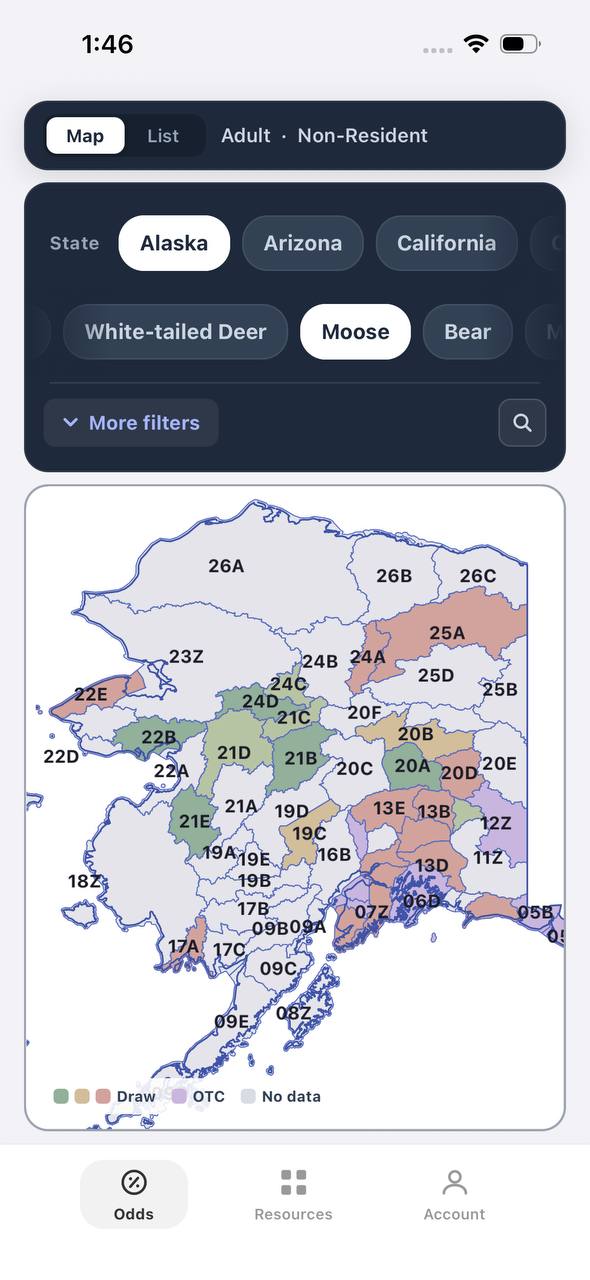
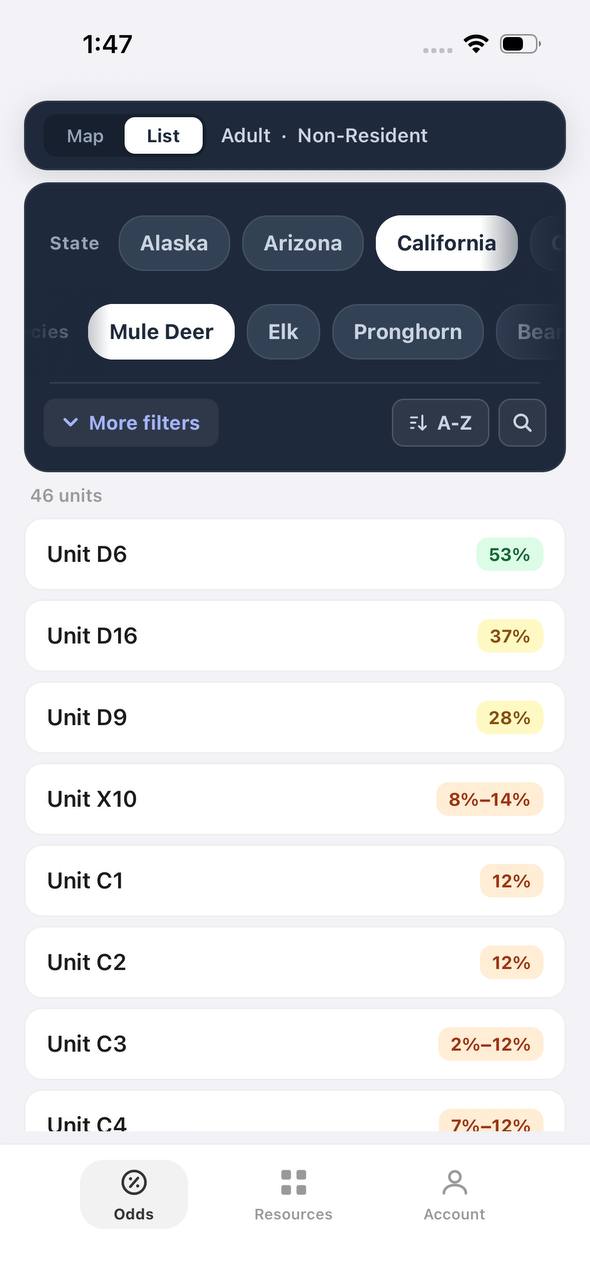
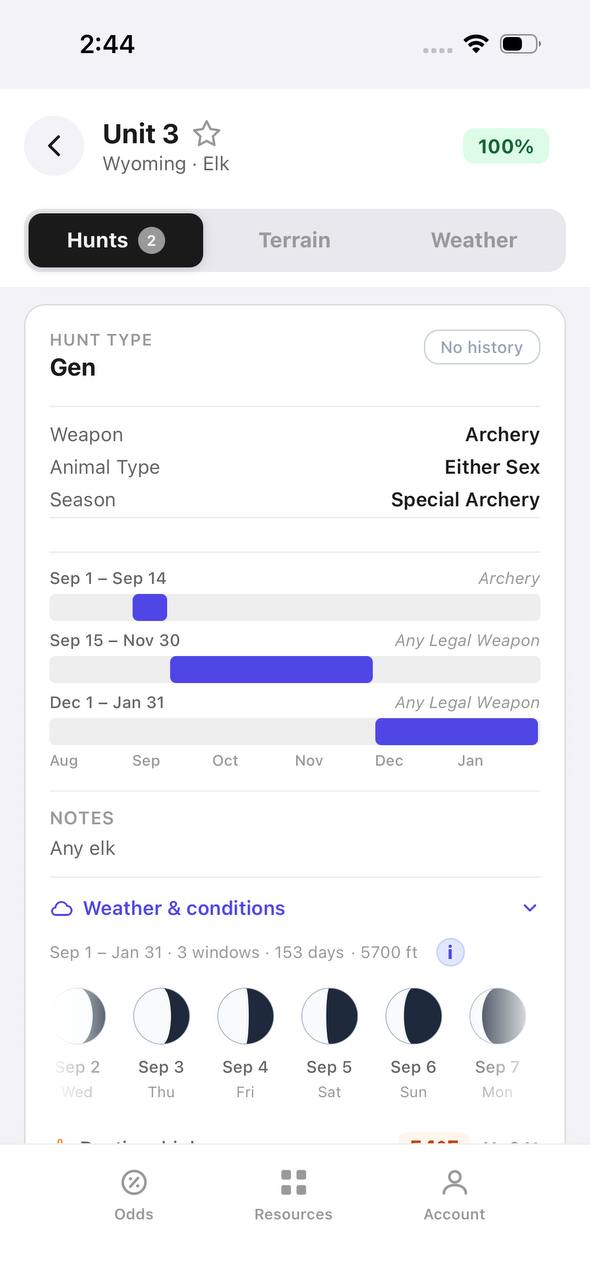
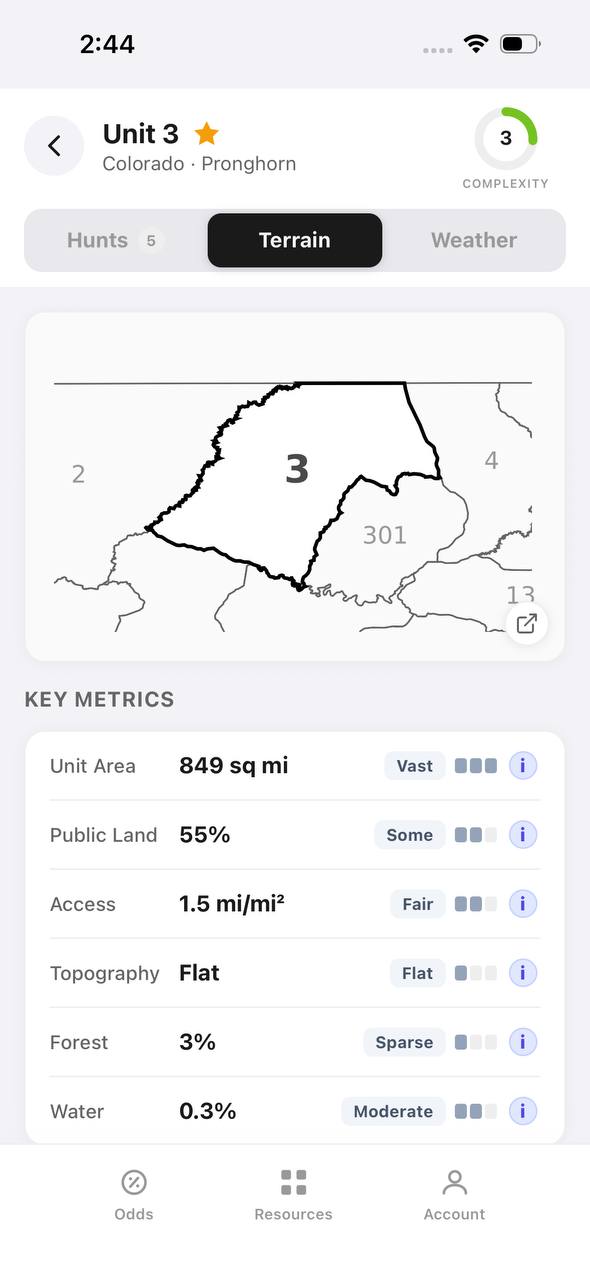
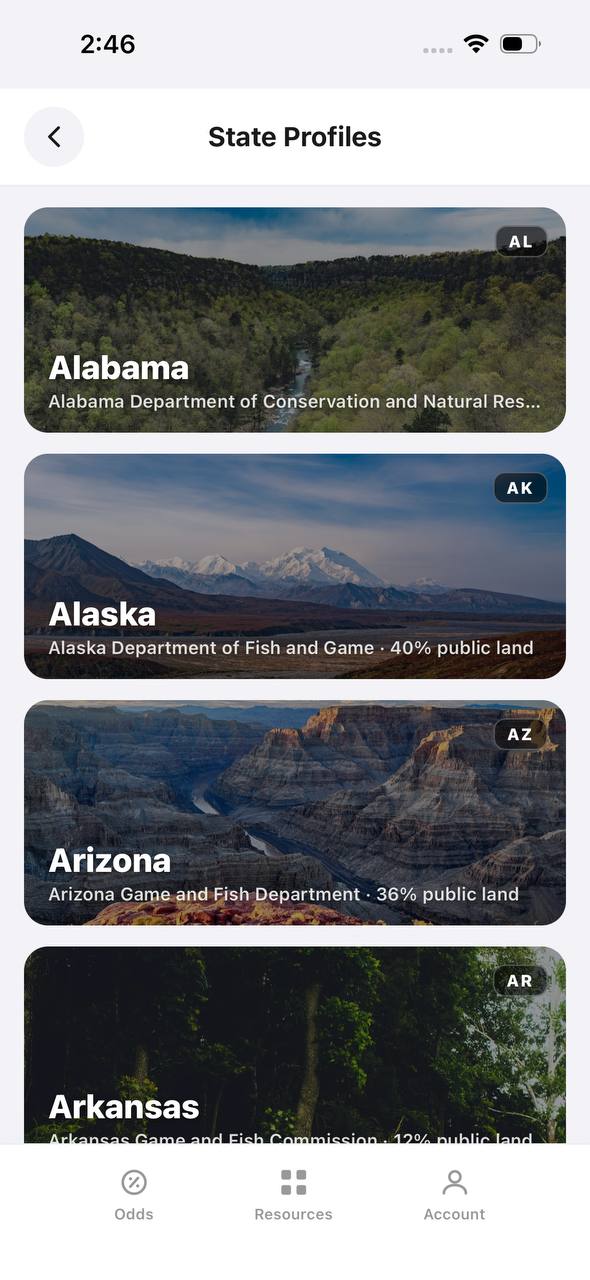
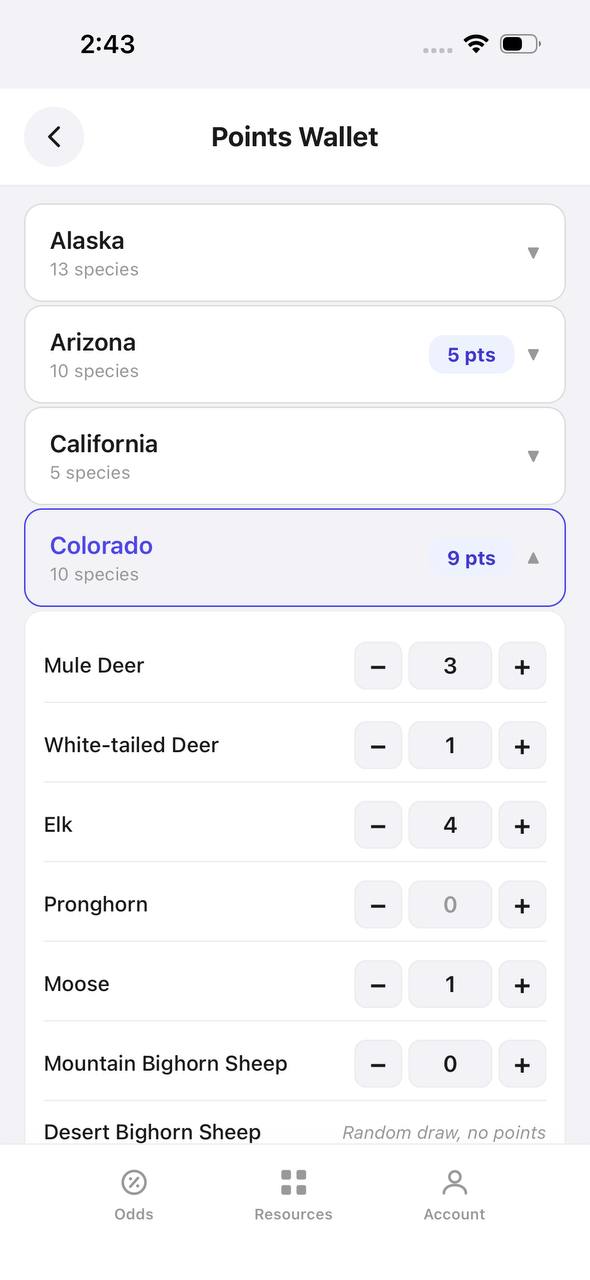
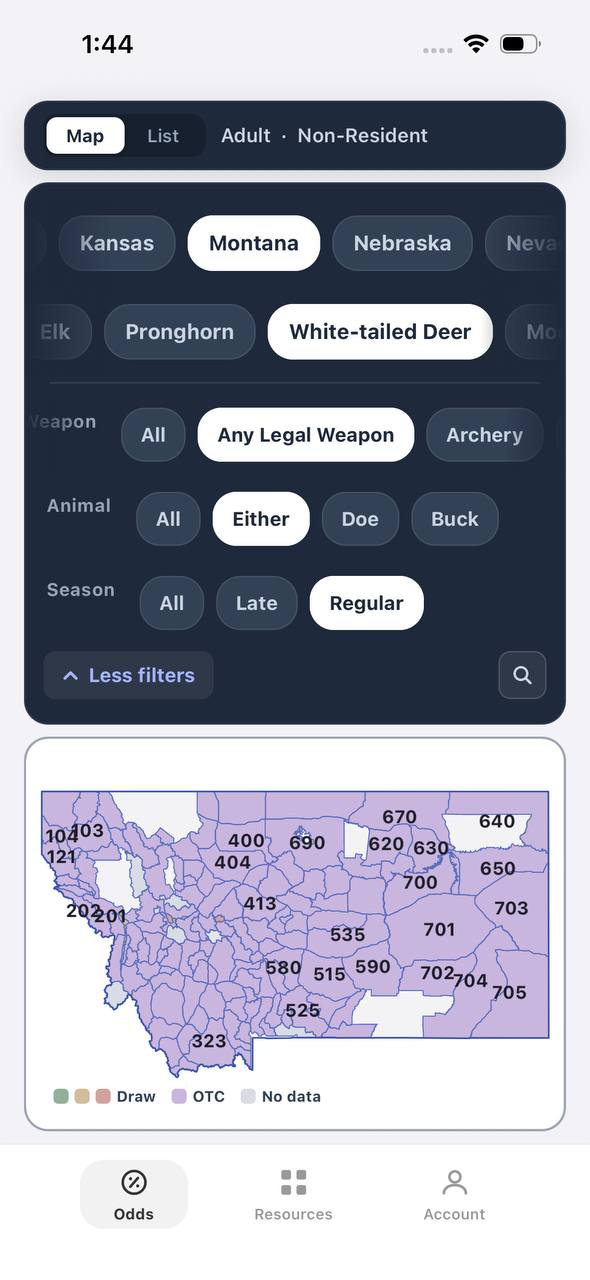
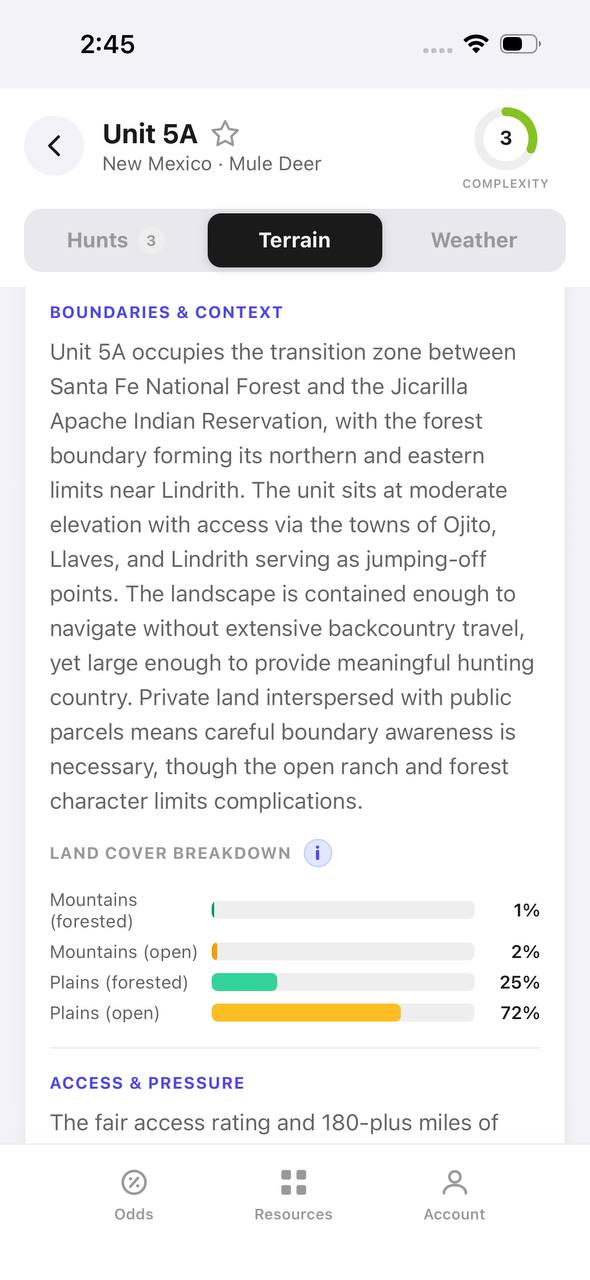
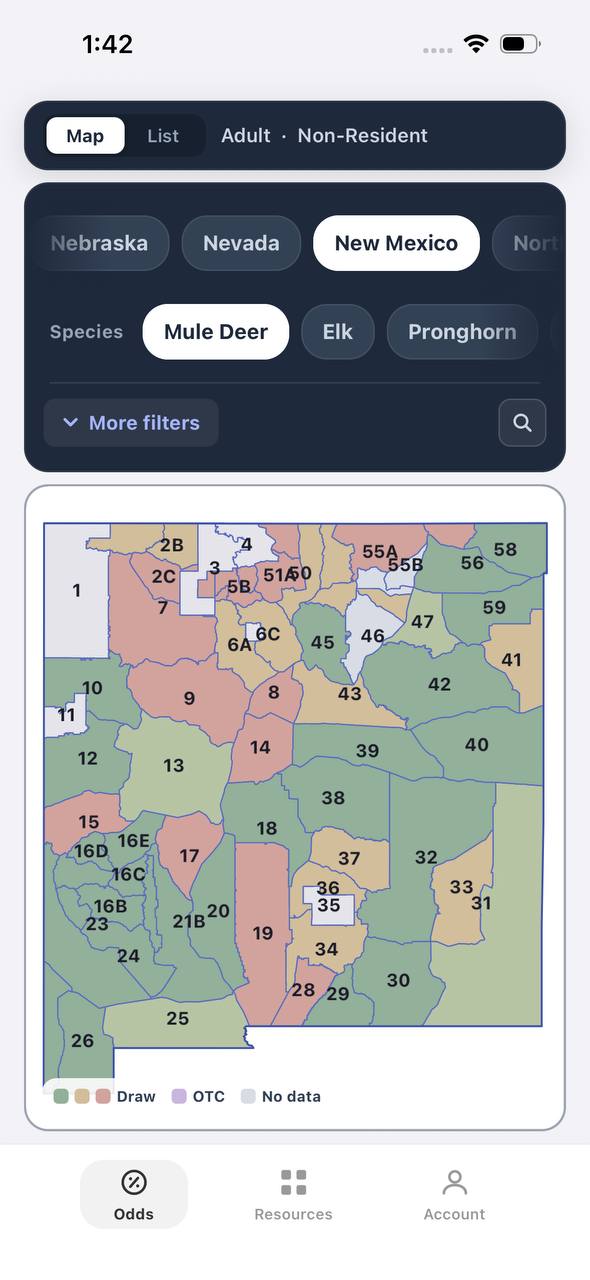
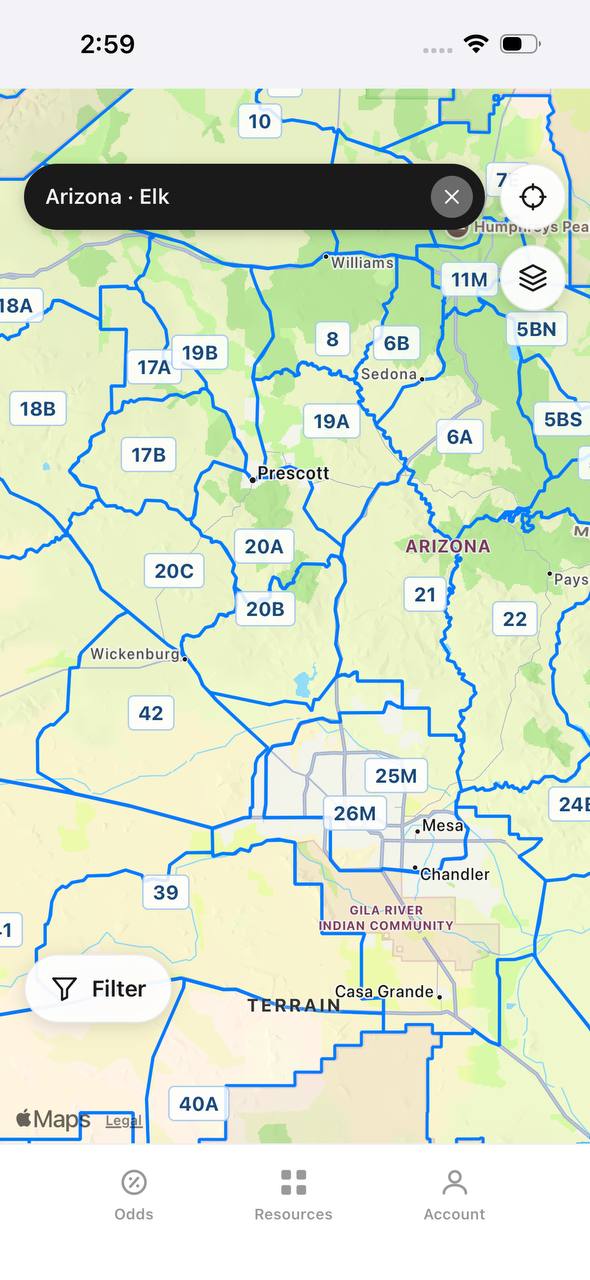
Moose tags are among the hardest to draw in the West, with odds often under five percent in premium units. TAGZ helps you compare moose draw odds across states, track your preference points and bonus points, and identify overlooked units with better chances. Whether you are applying in Alaska, Montana, Wyoming, or Colorado, TAGZ gives you the tools to make smarter decisions before you ever step into the field. Track draw deadlines, filter units by success rates and public land access, and map terrain using TAGZ's unit boundaries and topographic overlays.
Ammunition Availability and Cost
Premium moose ammunition remains available despite recent shortages, though prices have risen. Expect to pay $3 to $4 per round for bonded-core loads and $4 to $5 per round for monolithic copper bullets. Most hunters zero their rifles and practice with cheaper ammunition like Federal Power-Shok or Hornady American Whitetail, then switch to premium loads for the hunt.
Buy at least two boxes of your chosen hunting load — one to confirm zero and function, one for the hunt. Moose hunts are expensive and often once-in-a-lifetime events. Skimping on ammunition makes no sense when the cost of the load is a fraction of the total hunt expense.
FAQ — Moose Ammunition
What is the best caliber for moose hunting?
.30-06 Springfield, .300 Winchester Magnum, and .338 Winchester Magnum are the top three. All three deliver deep penetration with heavy, controlled-expansion bullets and are widely available across North America.
Can you use a .308 Winchester for moose?
Yes, but load it with heavy bullets like 180-grain Nosler Partition or Barnes TTSX. The .308 works on broadside shots at moderate range but lacks the power margin of larger cartridges on poor angles or long shots.
What bullet weight is best for moose?
180 to 220 grains in .30-caliber cartridges, 200 to 250 grains in .338. Heavier bullets penetrate deeper and break bone more reliably than lightweight, high-velocity bullets.
Do you need bonded bullets for moose?
Not strictly required, but bonded or monolithic bullets give the best performance on shoulder shots and quartering angles. Standard cup-and-core bullets work on rib-cage hits but carry more risk of failure.
What is the maximum effective range for moose hunting?
Most moose are shot under 200 yards due to thick cover. Experienced riflemen can take moose cleanly to 300 yards with flat-shooting magnums, but thick timber and alder swamps usually limit visibility to 150 yards or less.
Is a magnum cartridge necessary for moose?
No. The .30-06 has killed more moose than all magnums combined. Magnums offer flatter trajectory and more energy, but proper bullet selection matters far more than velocity for moose-sized game.
Continue Planning Your Hunt
Moose hunts require years of planning, from building preference points to scouting units and selecting gear. TAGZ simplifies every step of the process, helping you compare draw odds, track application deadlines across multiple states, and research units using terrain maps and public land boundaries. Whether you are chasing Shiras moose in Wyoming or Alaska-Yukon bulls in the Far North, TAGZ gives you the confidence to apply strategically and hunt prepared. Explore more moose hunting strategies and gear guides on the TAGZ Insights blog, compare draw odds and unit details on the TAGZ platform, or review pricing options to start planning your next hunt today.
Was this article helpful?
Previous
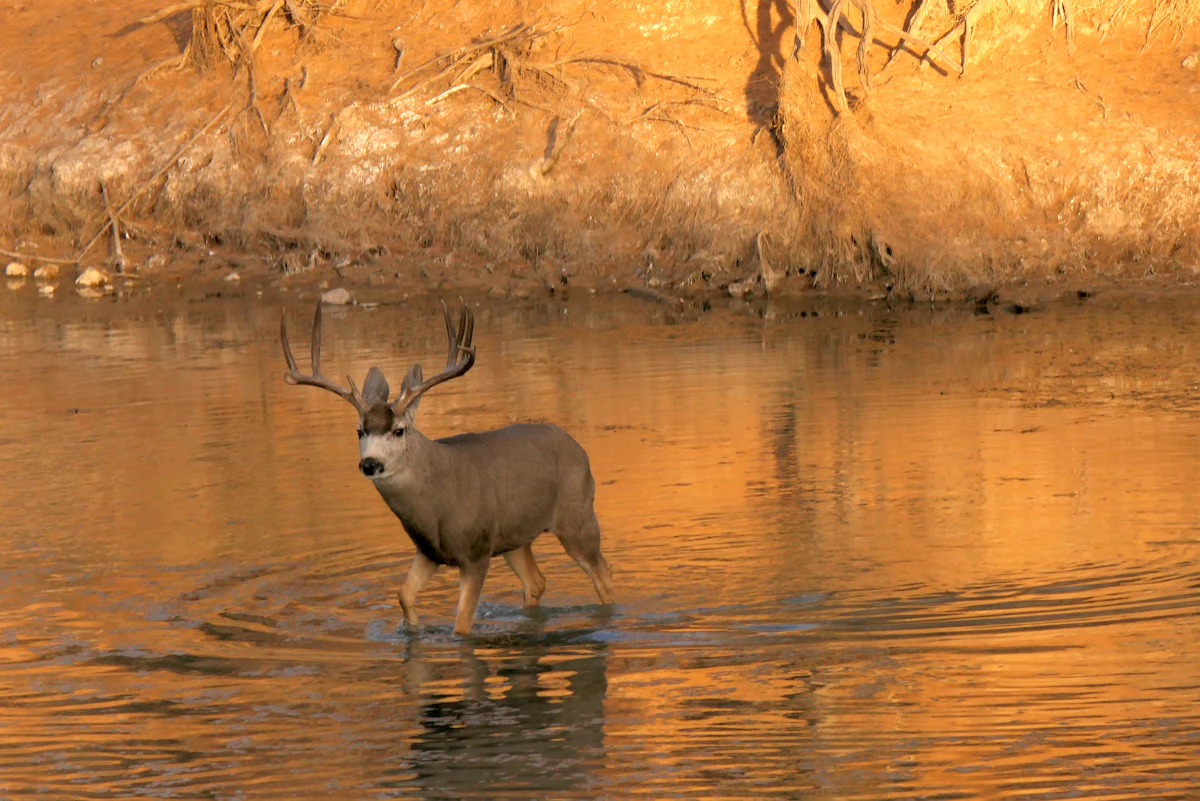
How to Age Mule Deer on the Hoof — Field Judging Buck Age Classes
Learning to age mule deer bucks in the field helps hunters make informed harvest decisions and improves long-term herd management. This guide covers body characteristics, antler development, and behavioral cues across age classes from yearlings to mature 5+ year olds.
Related
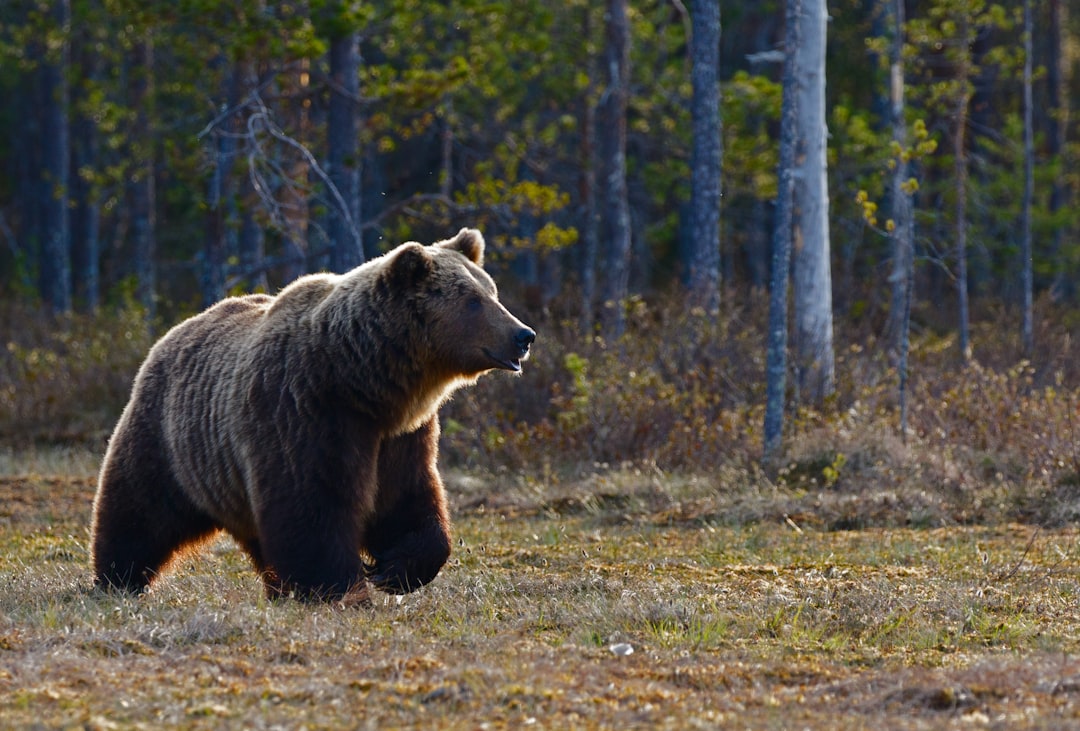
How to Track Bears: Reading Sign, Understanding Movement, and Closing the Distance
Bear tracking requires understanding feeding patterns, interpreting tracks and scat, and using terrain to predict movement. Master these skills to turn fresh sign into bear encounters during spring and fall hunts.
Next
Hunting Pressure Heat Maps Explained: Find Your Edge This Season
Hunting pressure heat maps reveal where other hunters concentrate, helping you identify overlooked units and underutilized terrain. Learn how to read these maps, what data drives them, and how to use pressure analysis to find less-crowded hunting opportunities across the West.