Alaska Caribou Hunting Guide 2027: Tags, Seasons, and Where to Hunt
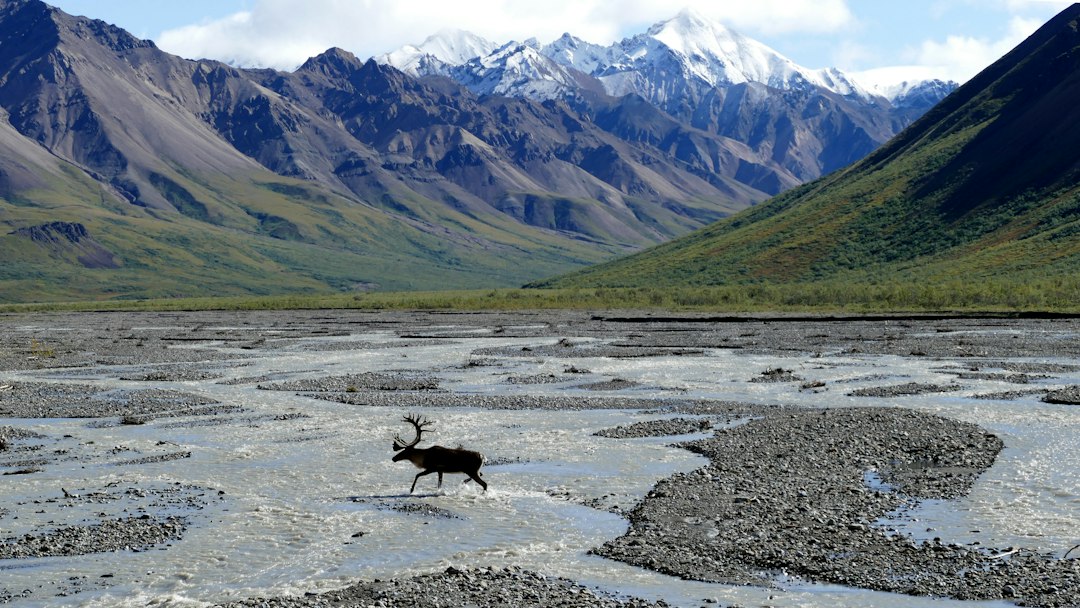
Alaska caribou hunting remains one of the most rewarding big-game pursuits in North America. Most hunts operate under a registration permit system rather than a competitive draw, meaning tags are available over the counter until quotas fill. Generous bag limits — often two to five caribou per hunter depending on the unit and herd — allow for meat-focused trips without the application anxiety common in the Lower 48. The 2027 season follows Alaska's traditional late-summer and fall windows, with most caribou hunts opening in August and running through late September or early October depending on the game management unit.
Alaska manages caribou by herd and subunit. The major herds include the Western Arctic Herd (the largest in Alaska), the Porcupine Herd (shared with Canada), the Teshekpuk Herd, the Mulchatna Herd, the Nelchina Herd, and several smaller populations across the Interior and Arctic regions. Herd health and migration patterns drive quota adjustments, so checking current Alaska Department of Fish and Game (ADF&G) regulations is essential before committing to a hunt area.
Understanding Alaska's Registration Permit System
Alaska uses registration permits (designated by the "RC" hunt code prefix) for most caribou hunts. Registration permits differ from drawing permits in a critical way: they are issued on a first-come, first-served basis and do not require entering a lottery. Hunters obtain a registration permit by registering online through the ADF&G licensing system or in person at an ADF&G office, vendor, or local office in the hunt area. Once the quota for a registration hunt is reached, the hunt closes to further permit issuance.
Residents and nonresidents are equally eligible for most registration caribou hunts, though some units impose residency restrictions or separate quotas. Registration permits are typically free or carry a minimal administrative fee beyond the required hunting license and tag costs. Nonresident hunters must purchase a nonresident hunting license and a nonresident caribou tag for each animal harvested. Resident hunters purchase a resident hunting license and resident caribou tags.
Some units also offer general-season caribou hunting without a registration requirement, though these opportunities are increasingly rare as herd management tightens. Always confirm whether your chosen hunt area requires registration before traveling.
Season Timing and Migration Windows
Caribou season dates in Alaska vary by game management unit and are designed to coincide with migration periods when animals are most accessible. Most Interior and Arctic caribou hunts open between August 1 and August 10, running through late September or early October. Some Brooks Range units extend seasons into October to accommodate later migrations.
The Western Arctic Herd typically begins its fall migration in late August, moving south from calving grounds near the Arctic coast toward wintering areas in the Interior. Peak migration timing varies year to year based on weather, insect pressure, and forage conditions. Historically, the best hunting window falls between late August and mid-September, though early-season hunts in the first two weeks of August can intercept bulls still in velvet on the summer range.
The Porcupine Herd migrates through the northeastern Brooks Range, with animals often crossing between Alaska and Canada's Yukon Territory. Hunters targeting this herd should focus on traditional crossing points near the Dalton Highway corridor and the Arctic National Wildlife Refuge boundary areas. The Nelchina and Mulchatna herds in Southcentral Alaska follow more compressed migration routes, with hunting concentrated along ridgelines and alpine plateaus where caribou funnel during early fall.
Weather plays an outsized role in caribou movement. Early snowfall can accelerate migrations, while warm, dry conditions may delay movement and disperse herds across vast tundra expanses. Flexible travel plans and willingness to relocate within a unit significantly improve success rates.
Where to Hunt: Key Units and Herd Access
The Brooks Range and Arctic Slope offer the most iconic caribou hunting in Alaska. Units 23, 24, 26A, 26B, and 26C encompass prime Western Arctic Herd range. These units are remote and require either float plane access from Kotzebue, Bettles, or Fairbanks, or boat/ATV access from the Dalton Highway. The Dalton Highway itself provides road access to Units 24, 25, and 26, making these among the more affordable options for do-it-yourself nonresident hunters.
Unit 26B around Anaktuvuk Pass historically produces high encounter rates during peak migration, though crowding from both hunters and photographers can be an issue in heavily publicized years. Unit 23 offers more solitude but requires careful logistics planning due to limited air service. Units 24 and 25 along the Dalton corridor allow hunters to drive to trailheads and backpack into caribou range, though success depends heavily on hitting the migration window.
Southcentral units like 13 (Nelchina Herd range) provide closer proximity to Anchorage and road access from the Glenn Highway. The Nelchina Herd has experienced population fluctuations in recent decades, so quota availability and season structure shift accordingly. When open, these hunts offer a less expensive alternative to fly-in Arctic hunts but require more hiking and glassing to locate animals.
The Mulchatna Herd (Units 9, 17, 18, 19) has declined significantly from its historic high and is currently subject to restrictive regulations. As of recent years, some Mulchatna hunts have been closed or limited to residents only. Check the current 2027 regulations for Mulchatna-specific restrictions before planning a hunt in these units.
Gear, Logistics, and Nonresident Considerations
Nonresident hunters pursuing caribou in Alaska must hire a registered guide or hunt with a resident relative within the second degree of kindred (parent, child, sibling, grandparent, grandchild) for most big-game species. However, caribou are exempt from Alaska's guide requirement. Nonresidents may hunt caribou unguided, making it one of the most accessible Alaska big-game hunts for do-it-yourself hunters from the Lower 48.
Transportation costs represent the largest expense. Float plane charters from Fairbanks, Bettles, or Kotzebue to remote Brooks Range camps typically range from $800 to $1,500 per person round trip depending on distance. Some outfitters offer drop-camp services that include tent frames and basic infrastructure at popular migration crossing points. Hunters willing to access caribou range from the Dalton Highway can reduce costs significantly by driving and backpacking, though this requires physical fitness and navigation skills.
Caribou meat yield averages 100 to 150 pounds of boneless meat per animal. Hunters planning to harvest multiple caribou must bring adequate game bags, a reliable backpack capable of carrying heavy loads, and a system for cooling meat quickly in warm early-season conditions. Bone-out regulations apply in most units to reduce weight, though some areas allow meat transport with bones in. Verify current regulations for your specific unit.
Weapon choice for caribou hunting in Alaska skews toward flat-shooting calibers. Shots often present across open tundra at ranges from 200 to 400 yards. Cartridges like .270 Winchester, .30-06 Springfield, 7mm Remington Magnum, and .300 Winchester Magnum are common. Bring a reliable scope with at least 4x magnification on the top end and practice shooting from improvised field positions.
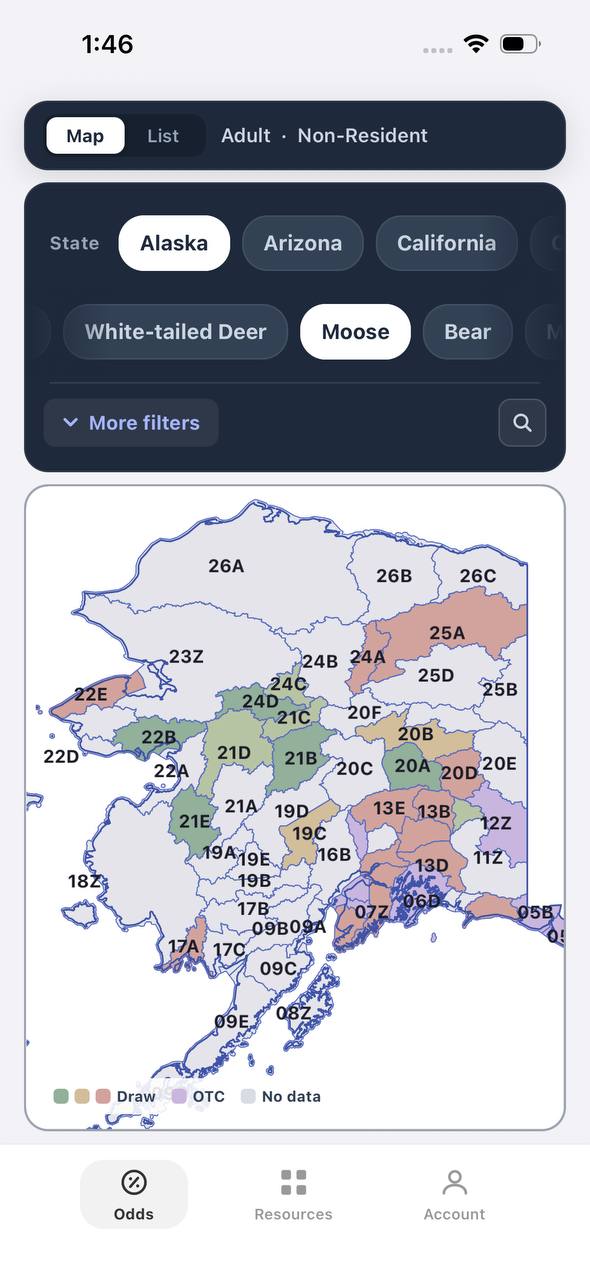
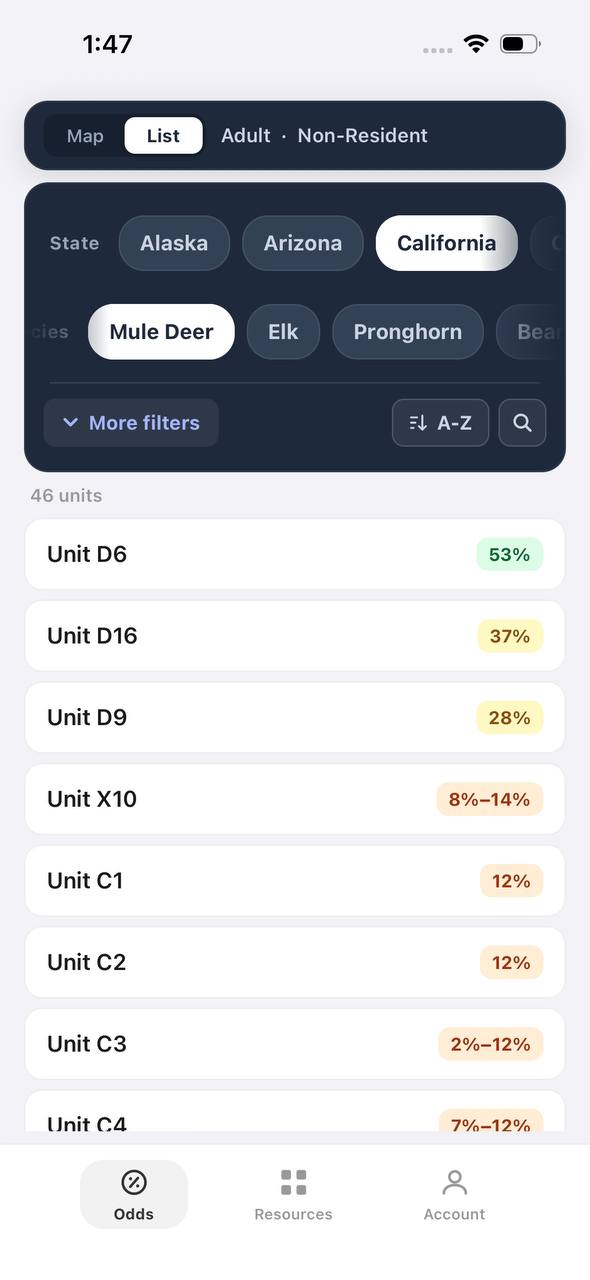
Free to join
Download mobile app
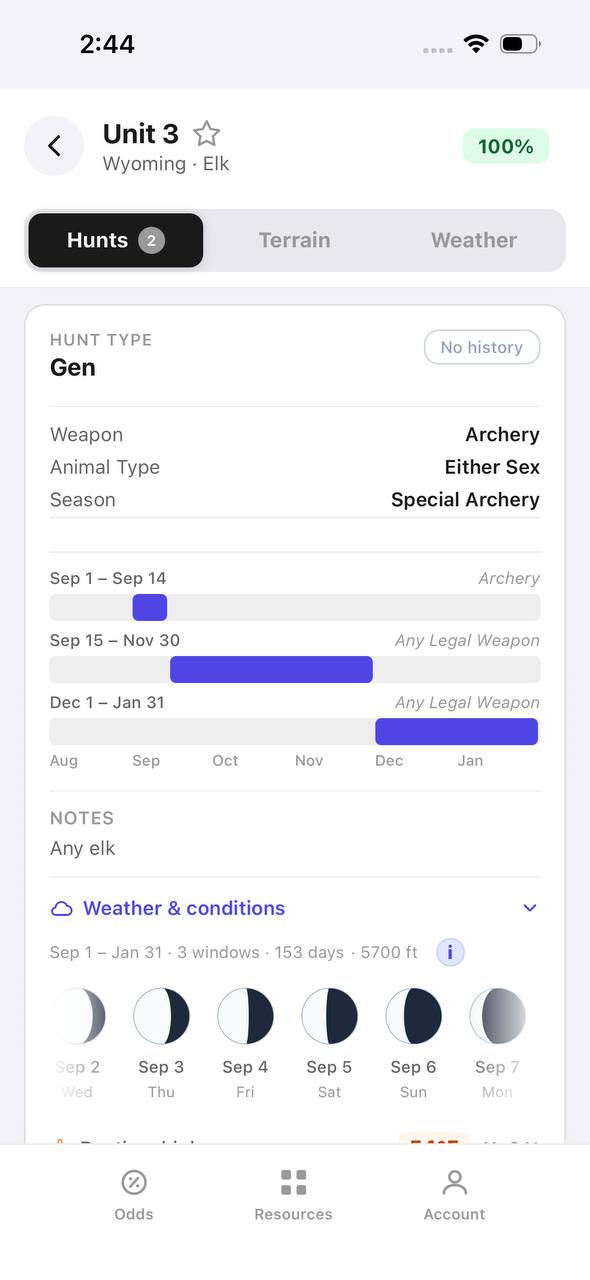
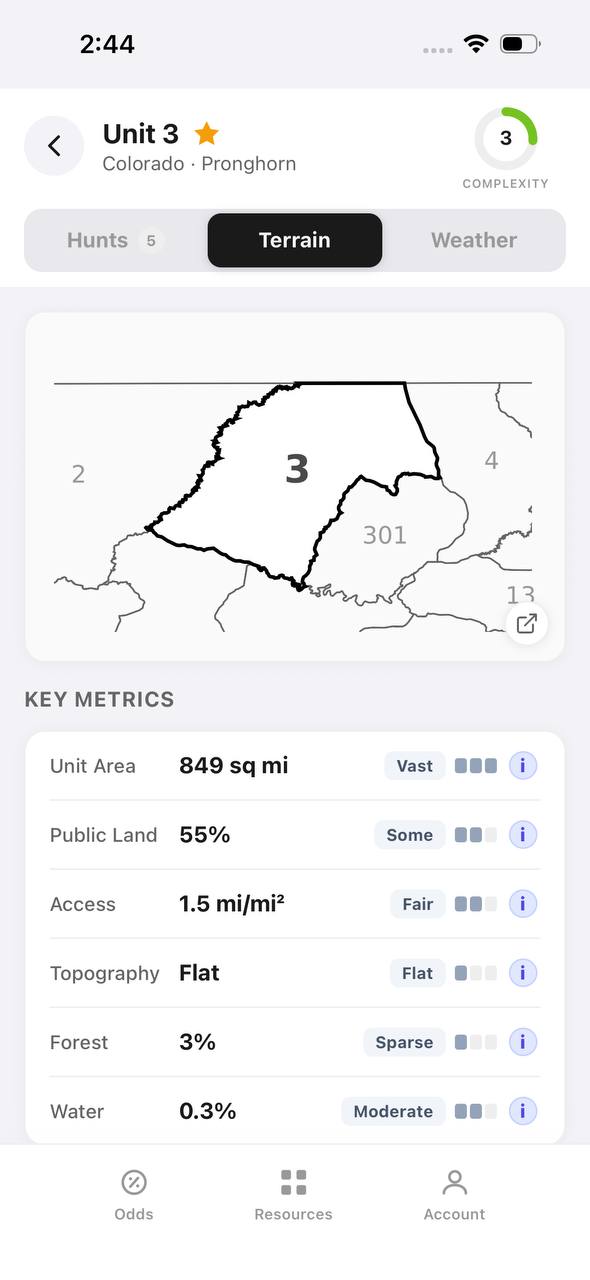
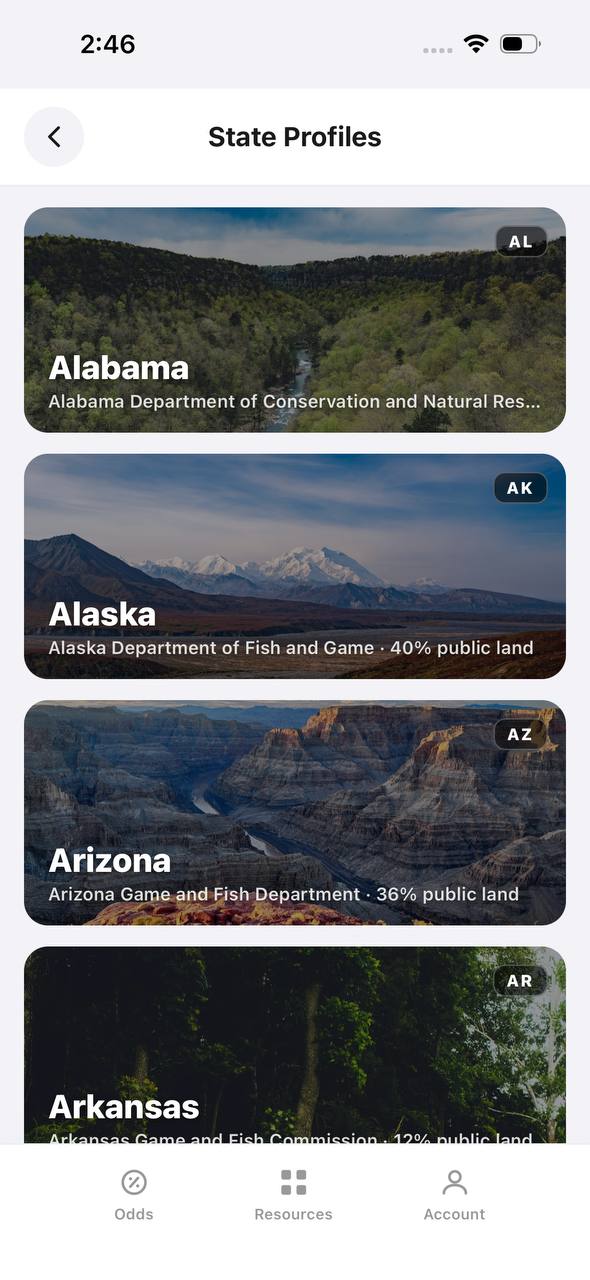
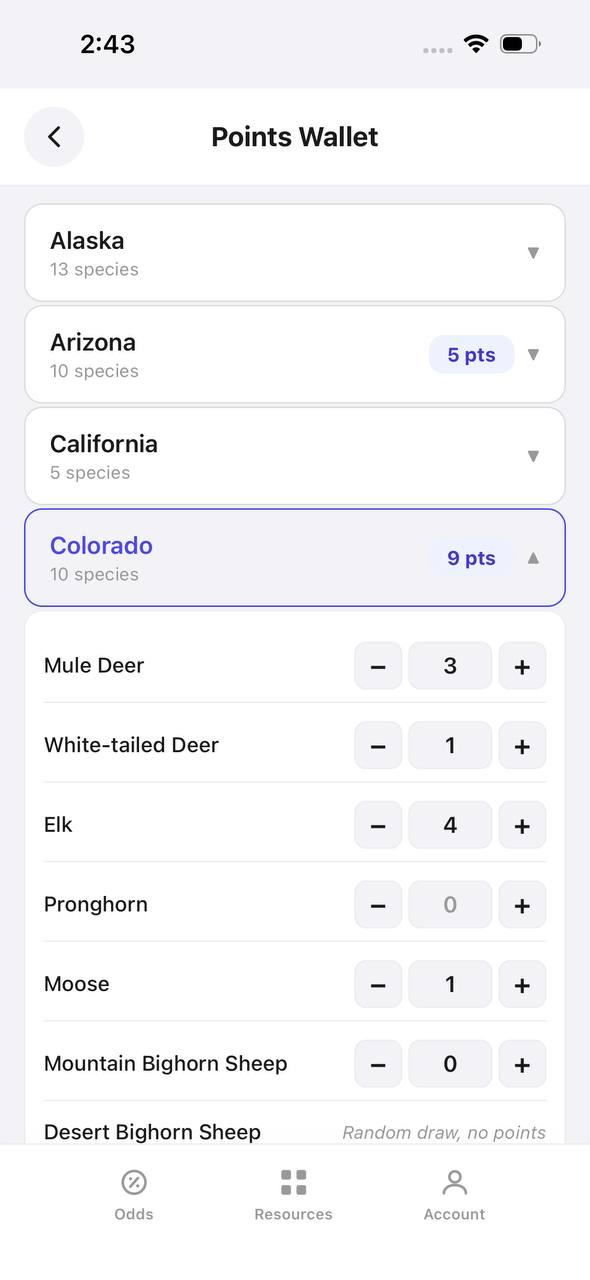
- Detailed draw odds
- Point tracking
- Deadline reminders
- 19 states covered

Free to join
Download mobile app
- Detailed draw odds
- Point tracking
- Deadline reminders
- 19 states covered
Free to join
Download mobile app
- Detailed draw odds
- Point tracking
- Deadline reminders
- 19 states covered
Common Mistakes and Strategic Adjustments
Many first-time Alaska caribou hunters underestimate the scale of the landscape and the unpredictability of migration timing. Arriving too early or too late relative to peak movement results in long days of glassing empty tundra. Local knowledge — whether from air taxi pilots, ADF&G area biologists, or recent harvest reports — is invaluable for timing.
Another common error is insufficient physical preparation. Even in units accessible from the Dalton Highway, successful caribou hunting often requires covering five to ten miles per day over tussock tundra, creek crossings, and ankle-turning terrain. Hunters who cannot sustain that pace will struggle to position themselves ahead of moving herds.
Weather preparedness separates successful hunts from miserable ones. August and September in the Brooks Range bring dramatic swings from 70-degree sunshine to freezing rain and snow within hours. Layered clothing, waterproof outer shells, insulated gloves, and a four-season tent are non-negotiable. Hunters flying into remote camps should bring extra food and fuel beyond the planned hunt duration in case weather delays pickup.
Finally, many hunters overestimate their ability to judge caribou at distance. Bulls in velvet or early hard-horn can appear larger or smaller than they are depending on body angle and light conditions. Mature bulls typically display wide, sweeping main beams with long bez (second) tines and substantial double shovels. Younger bulls often have narrower antlers with less mass. If meat is the priority, selectivity matters less, but hunters targeting a representative trophy should study caribou antler morphology before the hunt.
Planning Your 2027 Alaska Caribou Hunt
Start by reviewing the current Alaska hunting regulations for 2027, available on the ADF&G website. Identify which registration hunts are open in your target units, noting any quota restrictions, bag limits, and season dates. Register for permits as early as allowed — some high-demand hunts fill quickly once registration opens.
Book air transportation well in advance, especially if planning an August or early September hunt during peak demand. Contact multiple air services to compare pricing and availability. If driving the Dalton Highway, confirm current road conditions and fuel availability at Coldfoot and Deadhorse.
Purchase a nonresident hunting license and caribou locking tags through the ADF&G online licensing system. Tags must be locked onto the animal immediately after harvest. Carry printed copies of your license, tags, and registration permit in waterproof storage.
Build a gear list around weight efficiency and durability. Quality optics — binoculars in the 8x42 or 10x42 range and a spotting scope if you have space — are critical for locating caribou at distance. Navigation tools should include a GPS unit or smartphone with offline maps, compass, and paper topographic maps of your hunt area.
If hunting unguided, study maps carefully to identify likely migration corridors: low passes, creek drainages, and ridgelines connecting summer and winter ranges. Caribou often follow the same traditional routes year after year, and positioning yourself along these corridors increases odds dramatically.
FAQ — Alaska Caribou Hunting
Do I need a guide to hunt caribou in Alaska as a nonresident?
No. Caribou are exempt from Alaska's nonresident guide requirement. Nonresidents may hunt caribou unguided or self-guided, making it one of the most accessible Alaska big-game species for DIY hunters.
Are Alaska caribou hunts over-the-counter or draw?
Most Alaska caribou hunts use a registration permit system, meaning they are available over the counter on a first-come, first-served basis until quotas fill. Some units may have drawing hunts, but the majority are registration-based and do not require entering a lottery.
What is the bag limit for caribou in Alaska?
Bag limits vary by game management unit and herd. Many units allow two to five caribou per hunter per season. Some units designate specific limits for bulls versus cows, while others allow any caribou. Always check the current regulations for your specific hunt area.
When is the best time to hunt caribou in Alaska?
Late August through mid-September coincides with peak fall migration for most Alaska caribou herds. Early August hunts can intercept bulls still in velvet, while late September hunts may catch animals in full rut. Timing depends on the specific herd and unit, with migration windows shifting based on weather and forage.
Can I access caribou hunting from the Dalton Highway?
Yes. Units 24, 25, and 26 along the Dalton Highway corridor offer road access to caribou range. Hunters can drive to trailheads and backpack into the Brooks Range foothills. Success requires physical fitness and careful timing to intercept migrating herds, but it eliminates the cost of bush plane charters.
How much does an Alaska caribou hunt cost for a nonresident?
DIY hunts range from $1,500 to $3,500 depending on transportation. Nonresident hunting license and caribou tag costs approximately $200 to $300 per animal. Float plane charters add $800 to $1,500 per person round trip. Guided hunts or drop-camp services typically run $3,000 to $6,000 per hunter.
Was this article helpful?
Previous
How Much Does a Grizzly Bear Hunt Cost in 2027?
Grizzly bear hunting is currently prohibited throughout the Lower 48 and suspended in most of Alaska. No legal grizzly hunts are available to book for 2027.
Related
Best Florida WMAs for Bear Hunting in 2027
Florida's bear zones offer unique subtropical hunting opportunities across diverse WMAs. Central and North zones consistently produce the most harvest, with Ocala National Forest, Apalachicola, and Osceola leading success rates.
Next
Rifle Elk Hunting Utah: Draw Strategies, Unit Selection, and Season Timing
Utah rifle elk hunting offers general and limited-entry opportunities across diverse terrain. Drawing a premium limited-entry tag requires years of patience, but general-season any-bull units and spike hunts provide accessible fall options for nonresidents and first-time applicants.