Species You Can Hunt
- White-tailed Deer
- Elk
- Bear
- Wolf
State Overview
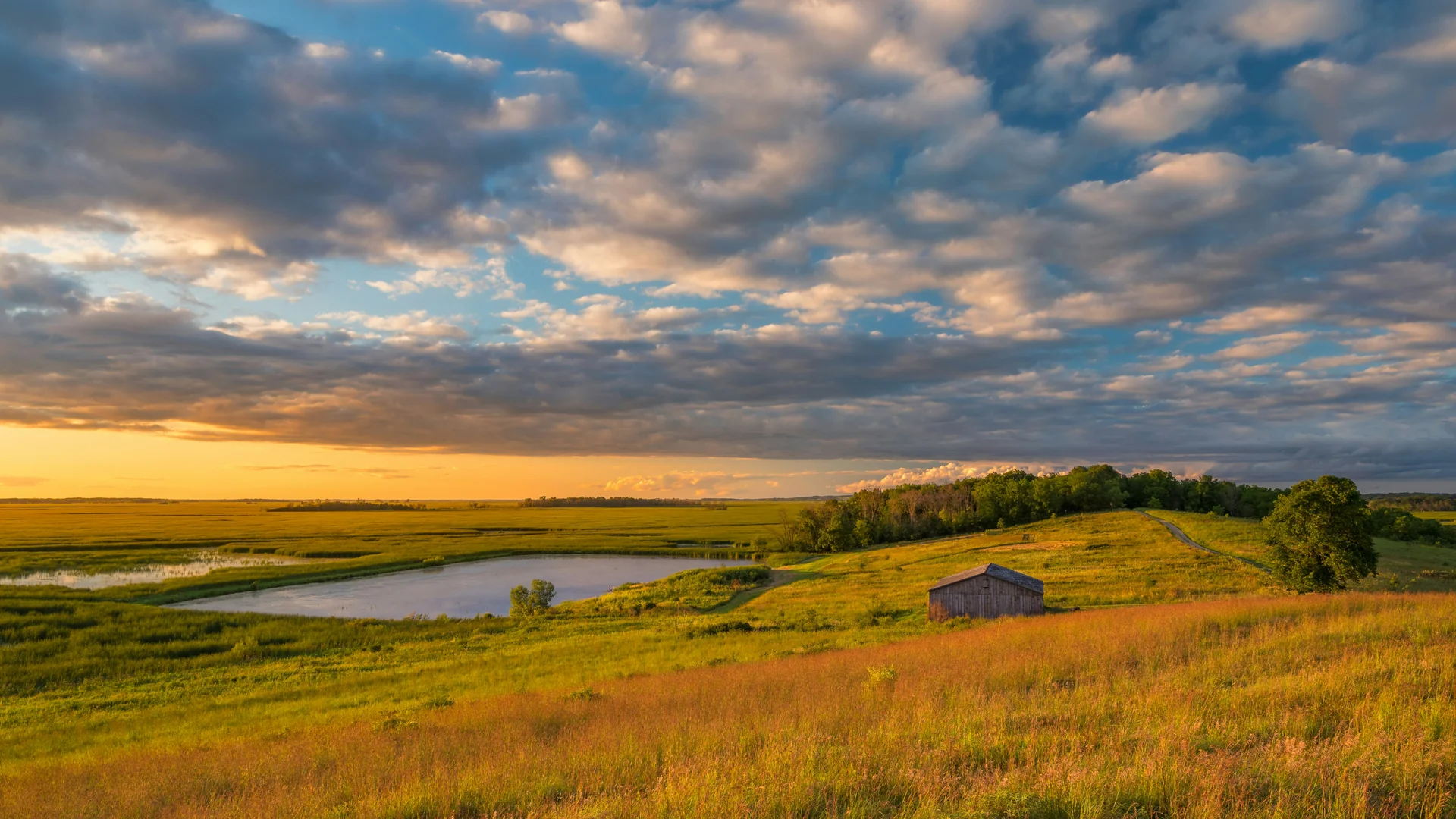
Wisconsin combines the forested, lake-dotted Northwoods with the farmland and driftless hills of the south, a glaciated landscape of hardwoods, conifers, wetlands, and river valleys.
It is a white-tailed deer powerhouse with a deep hunting culture, along with black bear, wild turkey, abundant waterfowl, and a small managed elk herd. Deer hunting is largely over the counter and widely accessible, while bear and elk are the state's limited-draw pursuits.
Licensing & Draw
How it works
Wisconsin's hunting is run by the Department of Natural Resources (DNR). Deer hunting is largely over the counter: a deer license comes with tags and lets you hunt the archery/crossbow, gun, and muzzleloader seasons without a draw.
Points and drawings mostly matter for bonus antlerless deer permits in certain units, for the black bear harvest permit, and for the very limited once-in-a-lifetime elk hunt.
A deer/hunting license is the base requirement and includes buck (and often antlerless) tags depending on zone. Additional antlerless harvest authorizations are available by unit—some over the counter, some limited.
Black bear uses a cumulative preference point system: you apply each year for a harvest permit, accumulate points, and applicants with the most points are selected first—so a permit in a popular bear zone can take many years. Elk is a once-in-a-lifetime random drawing.
Applying & deadlines
Buy licenses and apply through the DNR's Go Wild system, a license agent, or by phone. Deer hunters buy a license and select zone/units; bear and elk hunters submit a drawing application (or buy a point) for their preferred zone.
You choose your bear management zone when you apply, and you can apply for a point only in a year you don't want a permit.
Deer licenses are sold throughout the season year. The black bear application deadline is typically in early December for the following year's hunt, and the elk application window is set annually.
Confirm exact deadlines and season dates in the current regulations.
Draw mechanics
Bear is a preference-style draw where the highest-point applicants in a zone are selected first, so it behaves like a queue—expect multi-year waits in popular zones. Elk is a straight random lottery for a once-in-a-lifetime tag.
How TAGZ turns these mechanics into projected draw odds is covered separately in the odds methodology.
Fees at a glance
Figures are approximate—see the current fee schedule. Resident deer/gun licenses are relatively inexpensive, while nonresident deer licenses cost substantially more; crossbow and archery deer licenses are sold separately or as an upgrade.
Bear and elk carry their own license/application fees. Consult the Go Wild fee schedule for exact resident and nonresident amounts.
Good to Know
Because deer tags are largely over the counter, the 'draw' mindset in Wisconsin mainly applies to bear, elk, and some antlerless permits. Wisconsin splits the state into farmland and forest deer zones with different antlerless rules.
The elk hunt is a rare once-in-a-lifetime opportunity, and bear zones vary dramatically in how many points it takes to draw.
Free to join
Access the full draw odds database for Wisconsin
View up to date season schedule and projected odds across all units.
Regulations
Hunting Regulation Brochures for Wisconsin
Official season brochures published by the state wildlife agency.

All Game Units
130 units — Unit details, topography, landcover, and access are open to everyone. Draw odds projections are available with a TAGZ account.