Species You Can Hunt
- Mule Deer
- Elk
- Pronghorn
- Moose
- Desert Bighorn Sheep
- Mountain Bighorn Sheep
- Mountain Goat
- Bear
- Bison
- Mountain Lion
State Overview
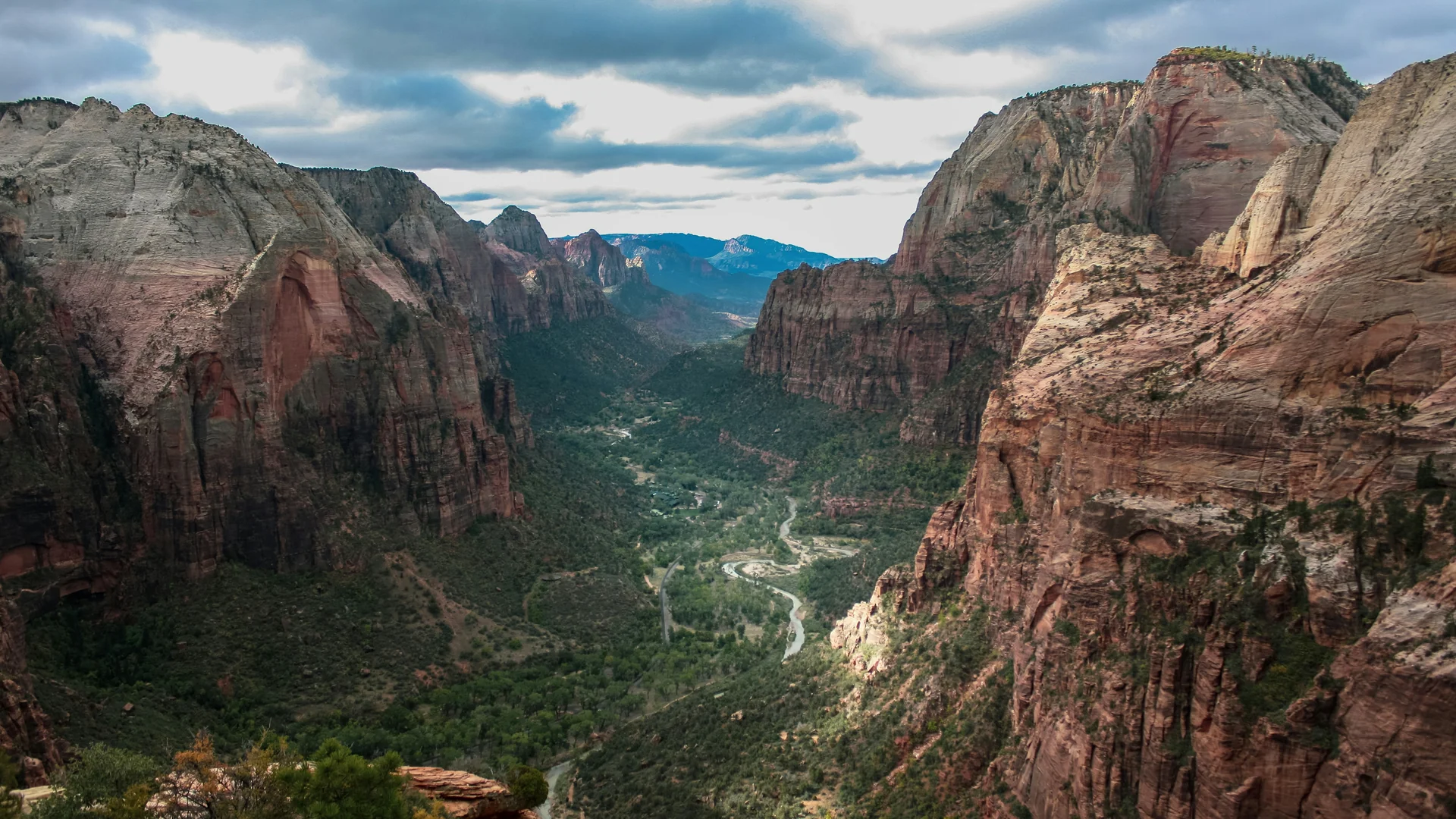
Utah is a land of red-rock canyons and mountains, from the Colorado Plateau deserts of the south to the Wasatch and Uinta ranges and the Great Basin country in the west.
The state is known for intensive trophy management, producing outstanding mule deer, elk, pronghorn, moose, bison, bighorn sheep, mountain goat, black bear, and cougar—including celebrated units like the Henry Mountains, Book Cliffs, and Paunsaugunt. Public land is extensive, and tags are allocated through a bonus- and preference-point draw.
Licensing & Draw
How it works
Utah's big game draws are run by the Division of Wildlife Resources (DWR) and use a bonus point system with a distinctive split: for most limited-entry hunts, half of the permits go to the applicants holding the most bonus points, and the other half are drawn randomly.
In the random half, you get one extra random drawing number for each bonus point (five points means six numbers, and your lowest is used), so points help in both halves of the draw. Nonresidents are generally capped at about 10% of the permits on limited-entry and once-in-a-lifetime hunts.
You must hold a Utah hunting or combination license to apply (a combination license also covers fishing). Licenses are valid 365 days from purchase.
Bonus points accumulate by species and can be bought in a year you don't apply. Because roughly 50% of permits are set aside for the highest-point applicants, points behave partly like preference points (moving you toward the front of the line) and partly like weighted lottery tickets in the random half. You keep your points until you draw the permit they apply to.
Applying & deadlines
Applications are submitted online through the DWR. You rank your hunt choices, and groups can apply together (the group's points are averaged).
Antlered big game (deer, elk, pronghorn, and the once-in-a-lifetime species) is applied for in the spring, and antlerless hunts have a separate summer application period.
Dates move each year—check the current guidebook. For 2026, the antlered big game application period runs roughly March 19–April 23, with results typically posted by late May.
Antlerless applications run about June 9–23, with results in early July. Limited-entry black bear applications open earlier in the year (around February 10–24).
Draw mechanics
For a limited-entry hunt, DWR first awards about half the permits to the applicants with the most bonus points; the remaining permits are drawn randomly, where each applicant gets one random drawing number for the application plus one for each bonus point, and the lowest number is used (see Utah's rule R657-62-8). This means high-point hunters have a strong edge, but a low-point applicant can still get lucky in the random half.
How TAGZ converts these mechanics into projected draw odds is covered separately in the odds methodology.
Fees at a glance
Figures are approximate and rose for nonresidents in 2025—see the current fee schedule. A resident basic hunting license is about $40; a nonresident one is about $144. A resident general-season buck deer permit is about $46, versus roughly $599 for a nonresident.
Limited-entry and once-in-a-lifetime permits cost more (for example, a resident limited-entry bull elk permit is about $314, and nonresident equivalents run into the thousands). Drawing application fees are about $10 for residents and $21 for nonresidents, plus a handling fee.
How TAGZ Projects Odds in Utah
Utah's draw is a hybrid. For limited-entry and once-in-a-lifetime hunts, half of the permits are reserved for the applicants with the most bonus points, and the rest go to a random draw. In the random draw, each applicant gets one random number for the application plus one for each bonus point, and their lowest number is used — so five bonus points means six chances, not more. Every hunt runs through these two stages.
Because the state does not publish the data needed to calculate each stage separately, our projections show combined overall odds across both stages. We use five years of historical data (2021-2025), first filling in any gaps within each year, then computing a weighted average that puts more emphasis on recent seasons.
For point levels higher than anything in the historical record, we take a conservative approach: if a hunt has previously shown 100% odds at some level, we extend that guarantee to all higher levels; otherwise, we hold the last known odds flat rather than extrapolating into the unknown.
Utah's odds come from six types of official DWR draw reports — big game limited entry, general season deer, lifetime deer, Dedicated Hunter (adult and youth), and youth elk — covering over 91,000 historical records. Projections span nine species: elk, mule deer, pronghorn, moose, bison, mountain goat, and both Rocky Mountain and desert bighorn sheep.
Good to Know
Utah splits hunts into general-season, limited-entry (LE), and once-in-a-lifetime (OIL) categories. OIL species—Rocky Mountain bighorn and desert bighorn sheep, moose, bison, and Rocky Mountain goat—can be drawn only once in your life for that species, and most limited-entry hunts carry multi-year waiting periods after you draw.
Other paths to a tag include the Dedicated Hunter program (more days afield for a general deer tag over three years) and CWMU (landowner cooperative) permits. Premium limited-entry deer tags offer longer seasons at a higher price.
Free to join
Access the full draw odds database for Utah
View up to date season schedule and projected odds across all units.


All Game Units
152 units — Unit details, topography, landcover, and access are open to everyone. Draw odds projections are available with a TAGZ account.